
Onyx is a variety of chalcedony characterized by parallel, straight bands of different colors, most famously black and white. It is typically found in volcanic cavities and is widely used for cameos and decorative objects due to its ability to take a high polish.
Spotting onyx in the field
Field marks- 1
Straight, flat, parallel bands, typically black and white
- 2
Bands are planar rather than following a curved nodule wall
- 3
Hardness 7, waxy to vitreous, opaque to translucent
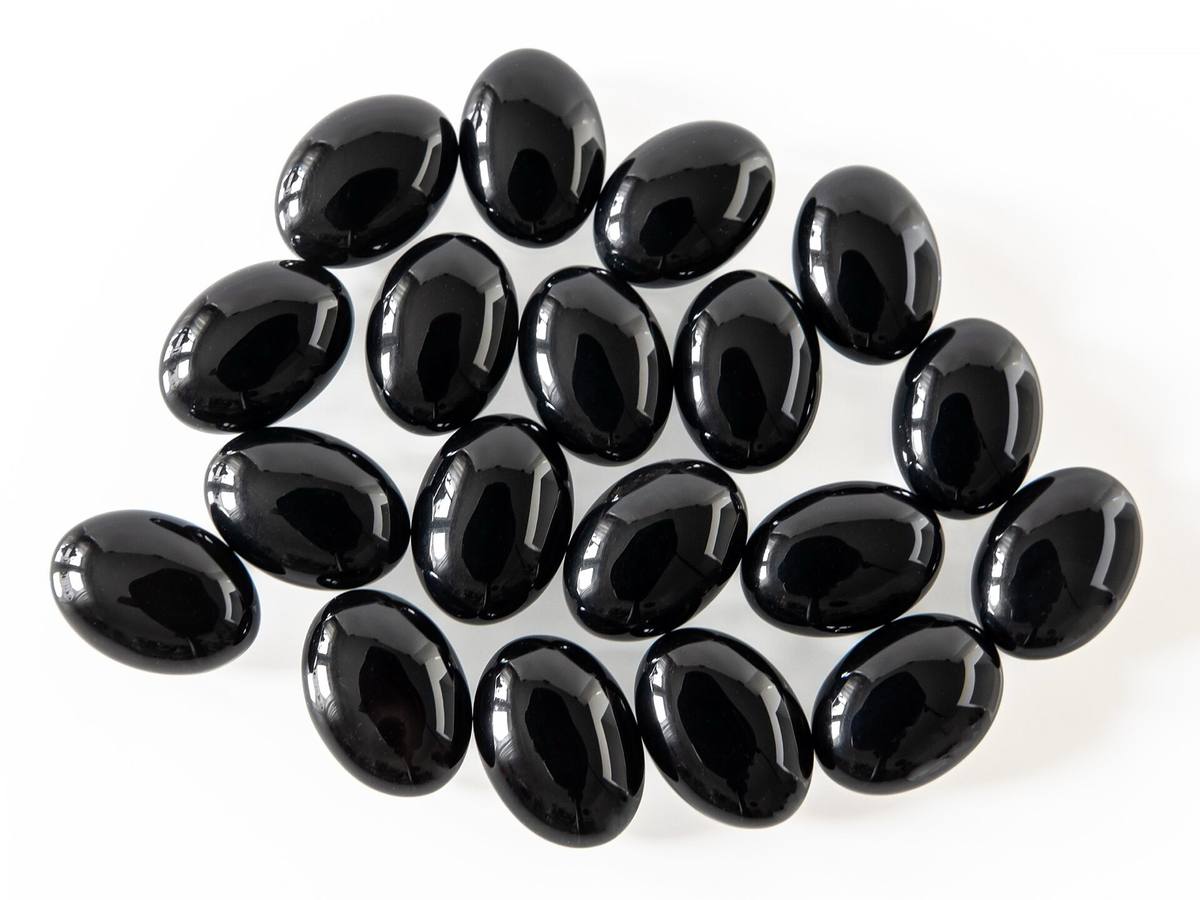
Two very different rocks share this name and the confusion is worth clearing up. True onyx is banded chalcedony at hardness 7. What is sold as onyx for countertops, bookends and carved bowls is banded calcite, hardness 3, which is a completely different material. Test with a steel point: calcite scratches easily, chalcedony does not. Almost all solid black onyx jewelry is dyed grey chalcedony, which is a long-established and openly acknowledged treatment rather than a fraud.
Straight answers
- Is it worth cutting?
- Straight banding makes it the classic material for cameo and intaglio carving, where you cut through one layer to reveal the one beneath.
- What is it really worth?
- Inexpensive. Assume commercial black onyx is dyed unless a seller specifically says otherwise.
- Can you legally keep it?
- Ordinary personal-use collecting rules apply.
Often confused with
Onyx vs. its common look-alikes, and how to tell them apart in the field.
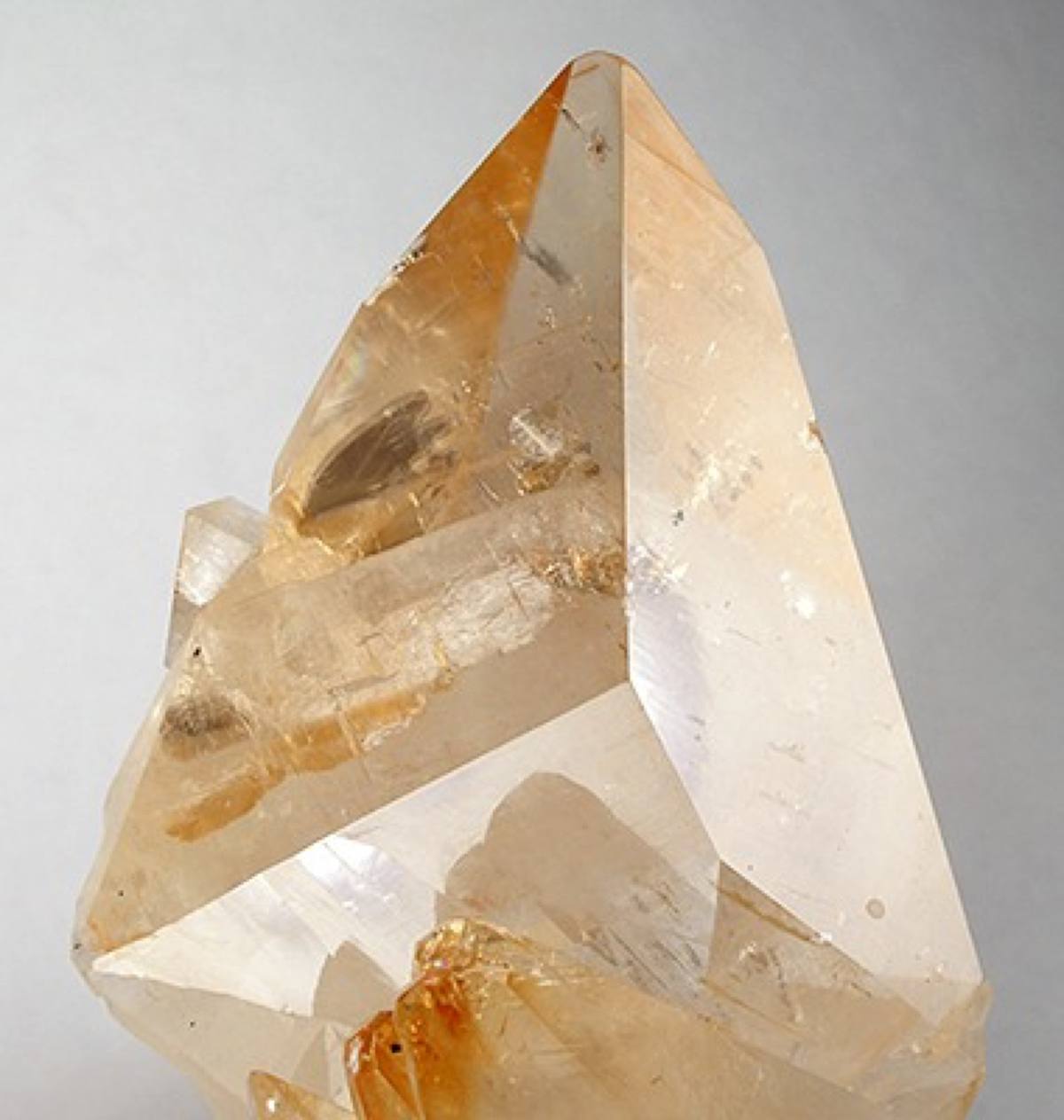
How to tell apart: The big one. Banded calcite marketed as onyx is soft enough to scratch with a knife or a nail, and fizzes in dilute acid. Chalcedony does neither.
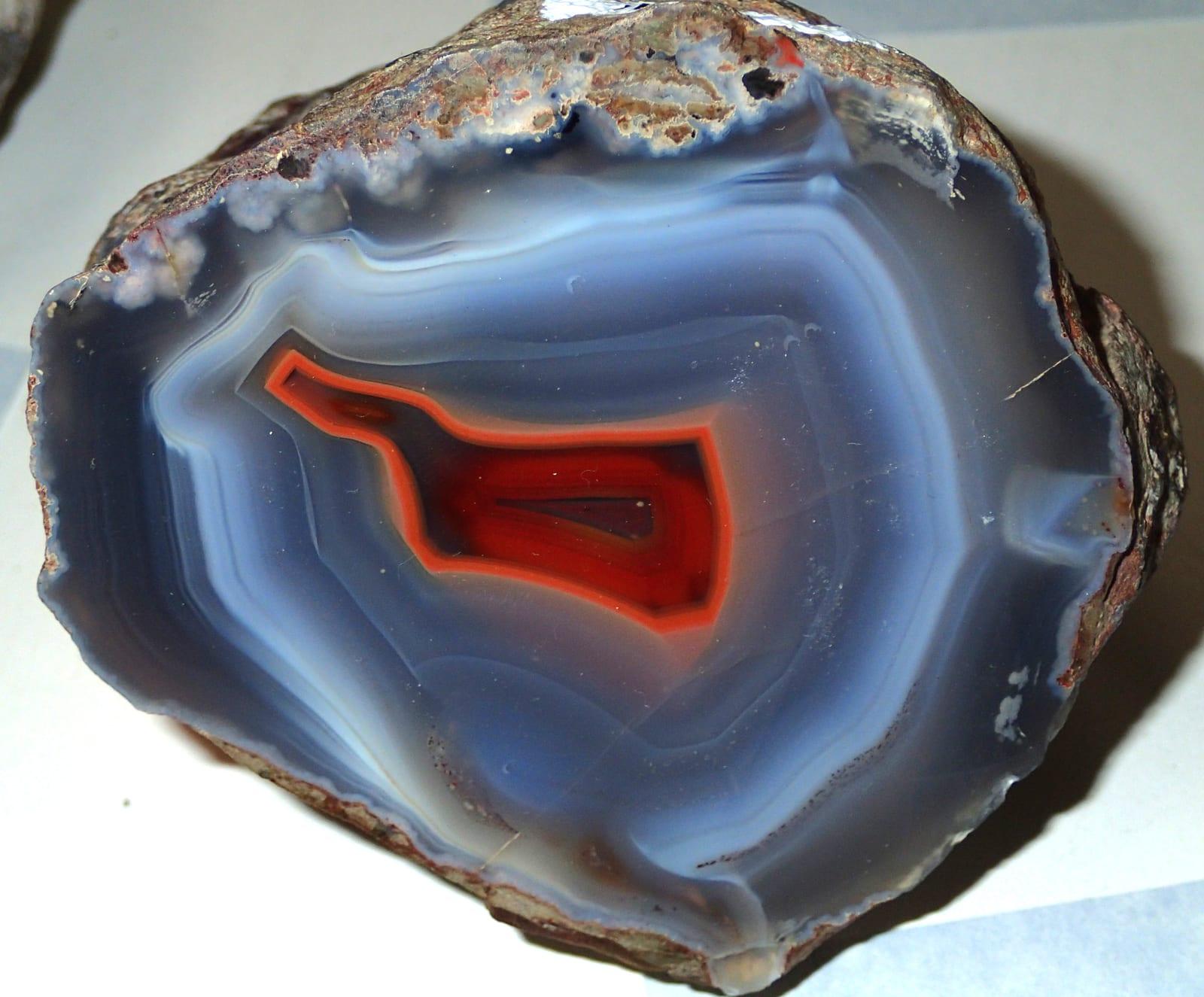
How to tell apart: Same material, different band geometry. Agate bands curve with the cavity wall; onyx bands are straight and parallel.
Often found alongside onyx
Minerals reported to co-occur with onyx. Spotting these in float or country rock is a strong cue you are in the right ground.
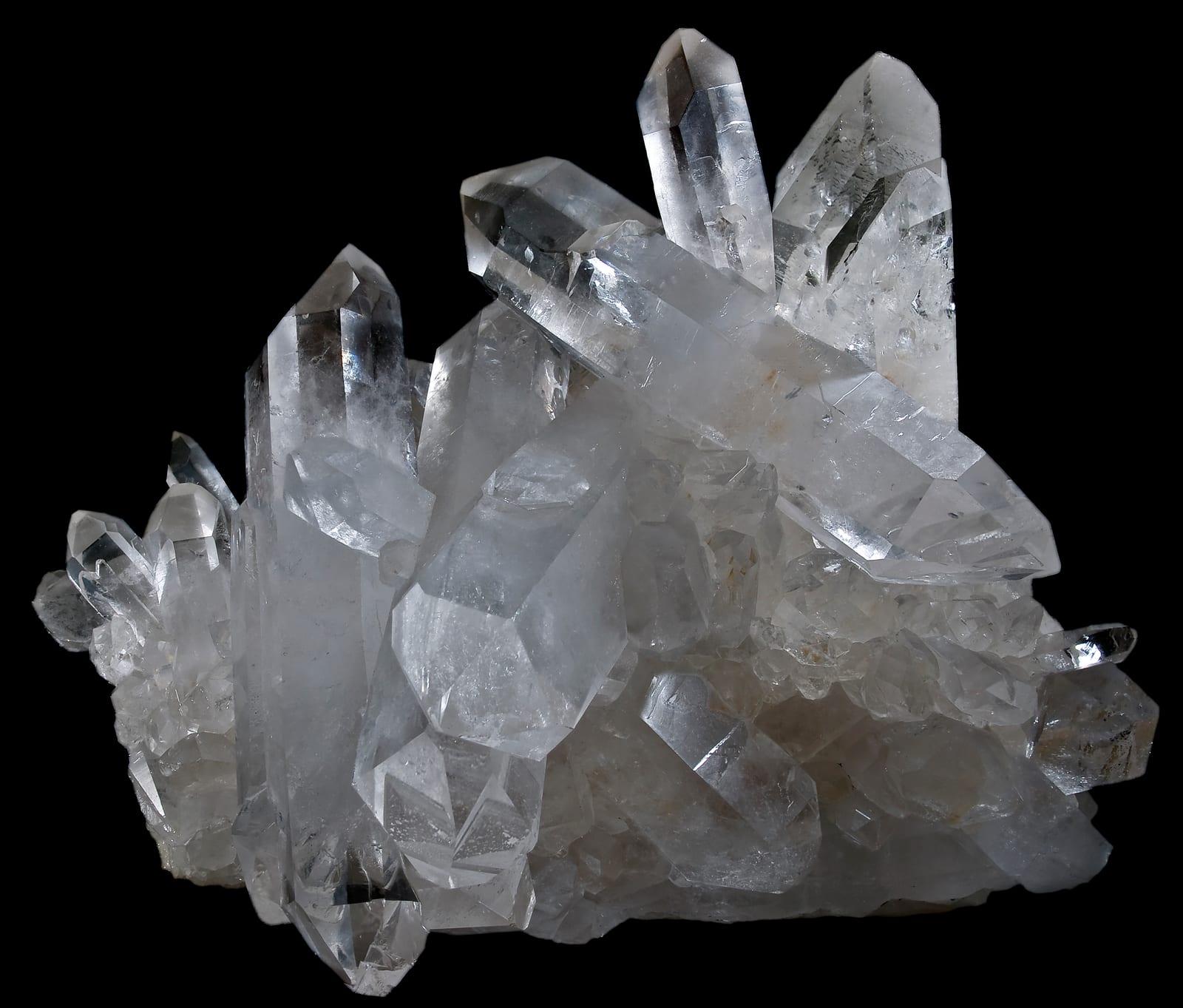
All properties
- Chemical formula
- SiO₂
- Mohs hardness
- 6.5-7
- Density
- 2.6-2.65 g/cm³
- Streak
- White
- Luster
- Waxy
- Transparency
- Translucent
- Crystal system
- Trigonal
- Crystal habit
- Massive
- Cleavage
- None
- Rarity
- Common
- Uses
- Lapidary, Ornamental, Jewelry
- Host rock
- hydrothermal veins, amygdaloidal cavities in basalt
Where rockhounds find onyx
14 mapped spotsClassic worldwide localities
- Brazil
- India
- Uruguay
- Pakistan
- USA
Field-hunting tip
Where it forms: hydrothermal veins, amygdaloidal cavities in basalt. If you start seeing quartz, calcite, agate in float, you are in the right ground. Typical habit: massive. Train your eye for that shape before scanning the outcrop. In the U.S., the densest reported localities are in New Mexico, Utah, Montana. Start trip planning there.
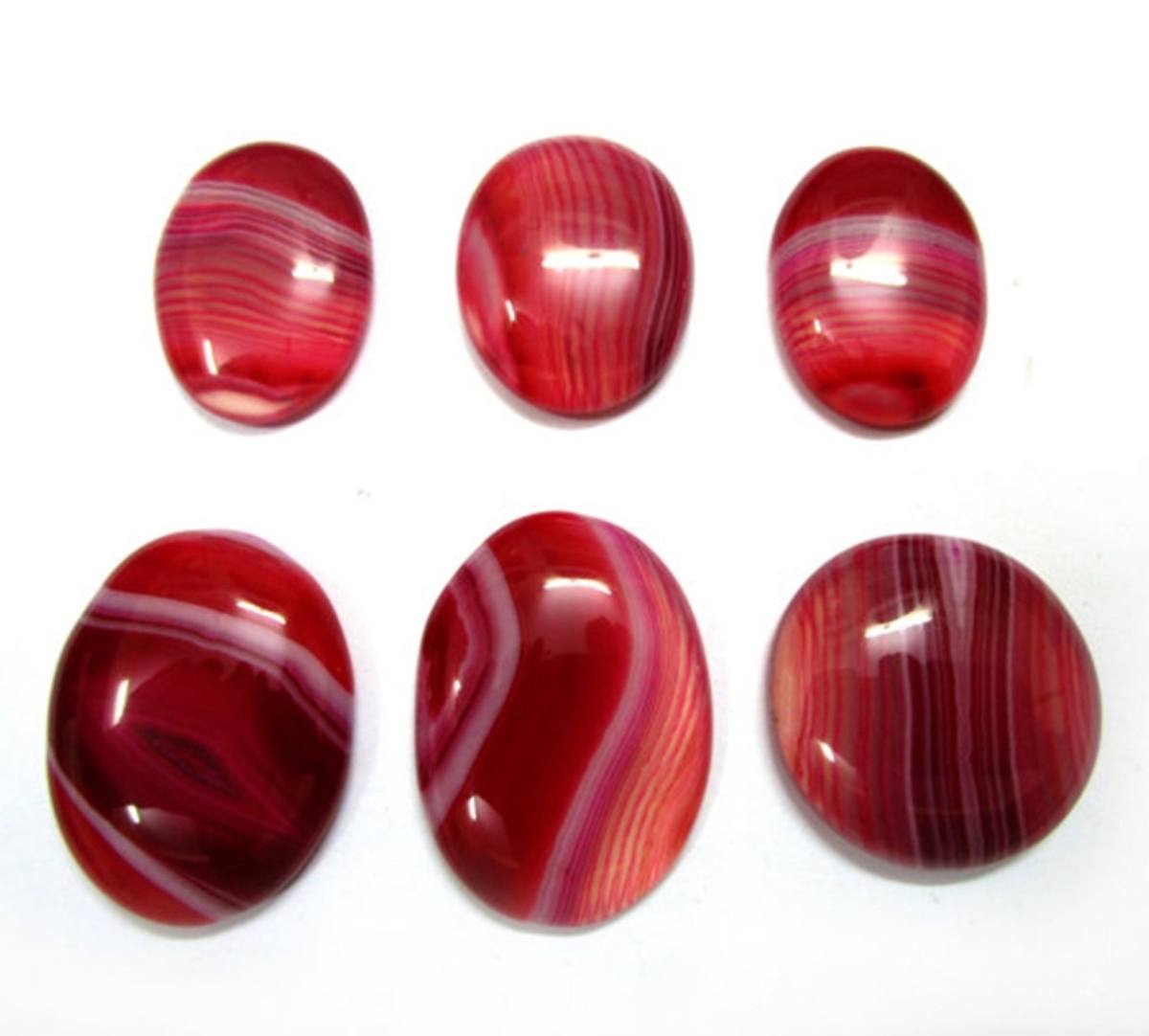
More onyx photos
Common questions
How do you identify onyx?+
Where is onyx found?+
Can I find onyx in the United States?+
What rocks look like onyx?+
What minerals are found with onyx?+
What kind of rock does onyx form in?+
What is onyx used for?+
Find onyx on the map
RockHoundR shows mapped rockhounding spots, access rules, and lets you log every find.

