Opal is a hydrated amorphous silica that is famous for its internal play-of-color in precious varieties. It typically forms in cavities or as a replacement mineral and is often found in sedimentary rocks or volcanic tuffs.
Spotting opal in the field
Field marks- 1
Waxy to resinous luster, quite unlike the glassy shine of quartz
- 2
Noticeably light in the hand for its size
- 3
Softer than quartz at 5.5 to 6.5, so a steel point will mark it
Opal is hydrated silica, holding up to a tenth of its weight in water, and both of its distinguishing field traits follow from that: it is light and it is soft. In the field it fills seams, cavities and fossil molds in volcanic and sedimentary rock. Handle finds gently, keep them out of direct sun and heat, and be aware that some opal from wet deposits will crack as it dries. If you are unsure, keep a new find in water until you know how it behaves.
Straight answers
- Is it worth cutting?
- Grind wet, at low speed, with a light touch. Heat and pressure are how most beginners destroy their first piece of opal.
- What is it really worth?
- Enormous range. Common opal without play of color is cheap; precious opal with strong play is among the most valuable material a rockhound can find.
- Can you legally keep it?
- Personal-use collecting on public land follows ordinary rules. Several of the important American deposits are private fee-dig mines.
Often confused with
Opal vs. its common look-alikes, and how to tell them apart in the field.
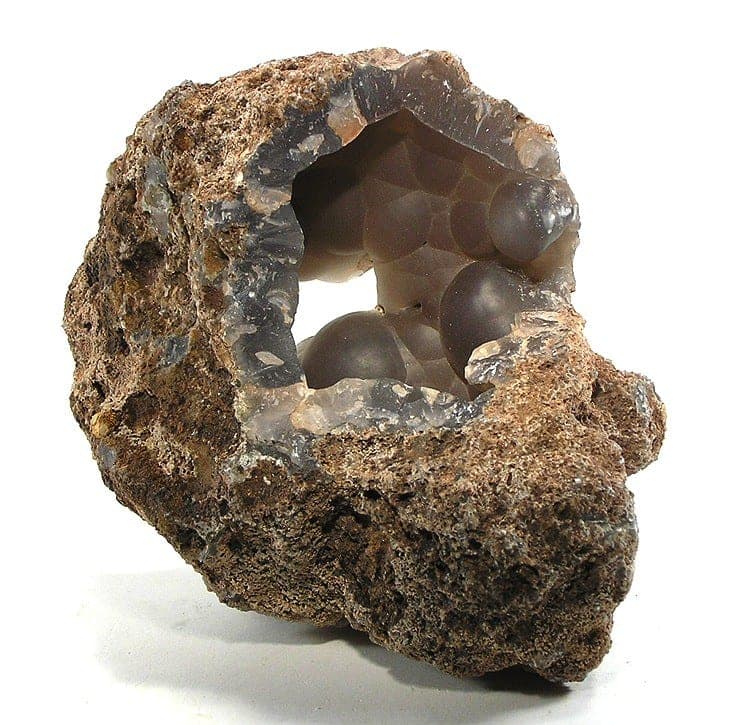
Often found alongside opal
Minerals reported to co-occur with opal. Spotting these in float or country rock is a strong cue you are in the right ground.
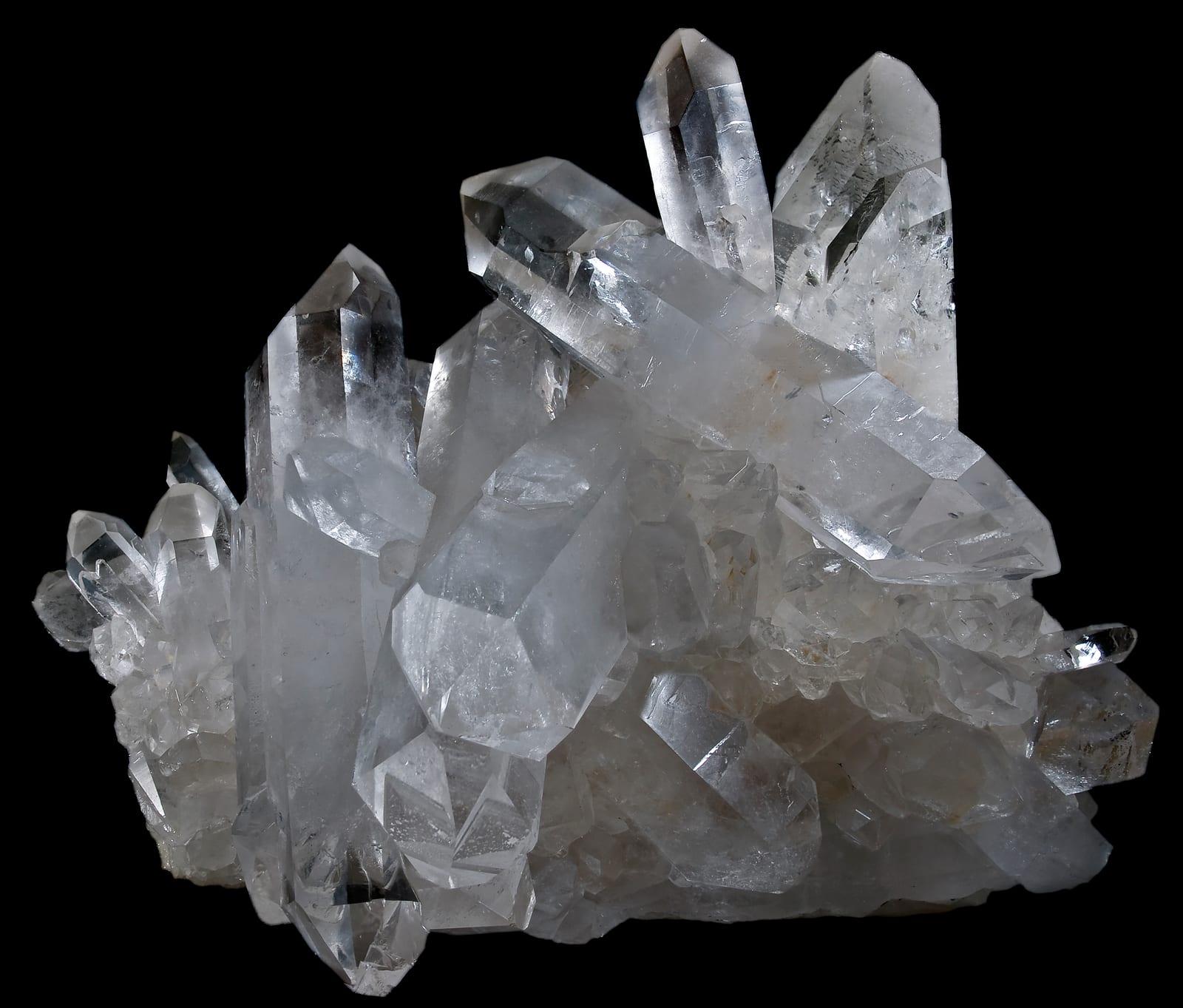
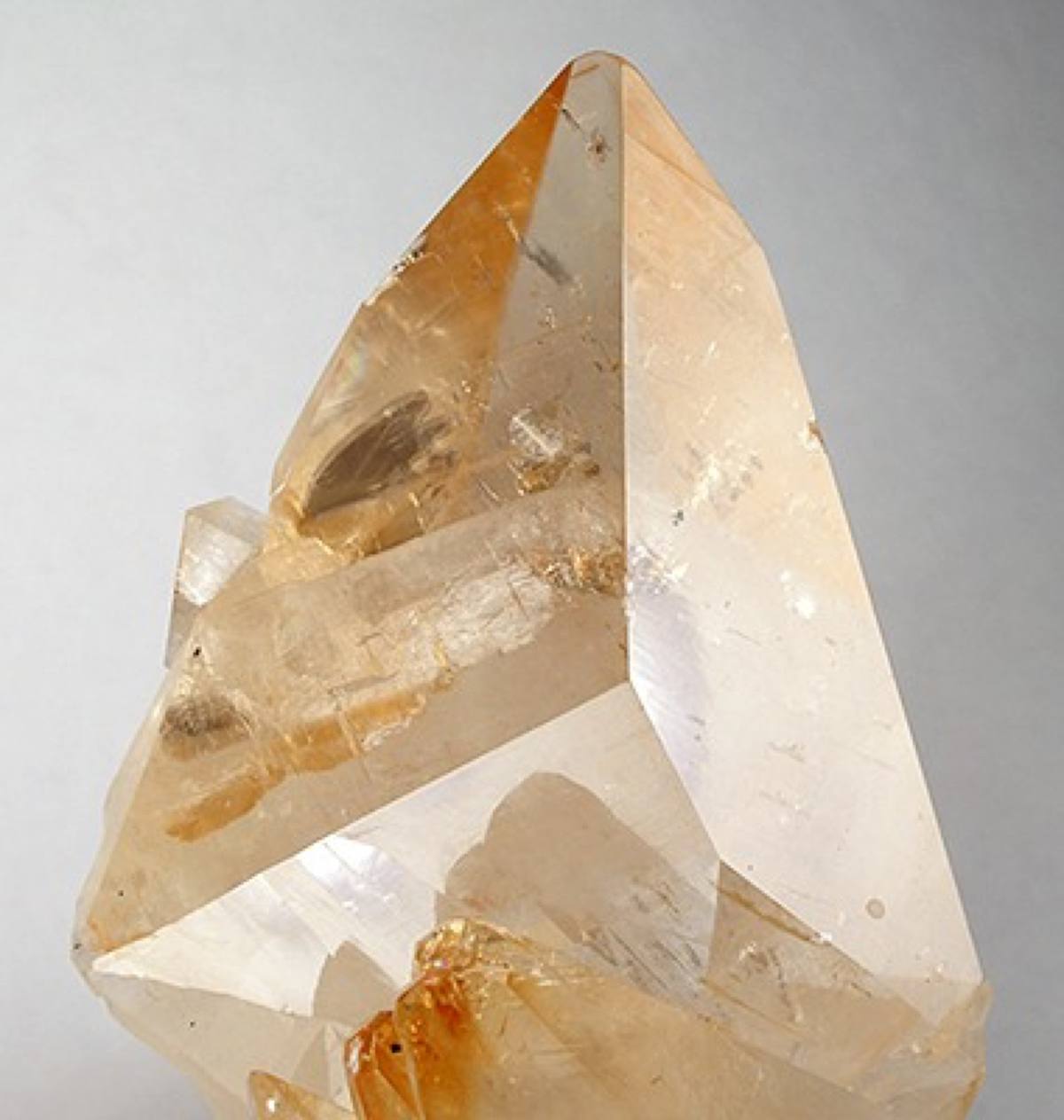
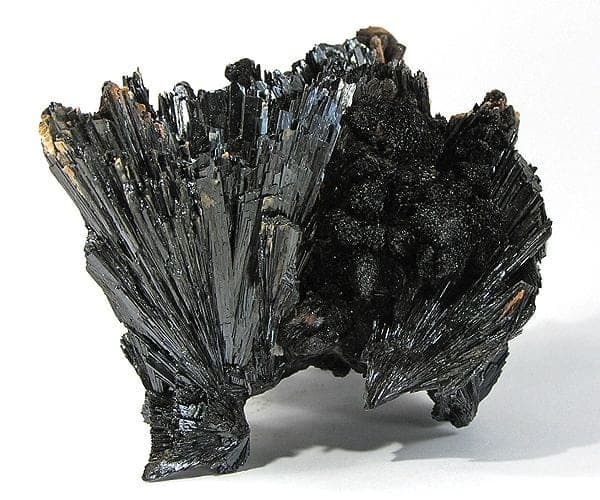
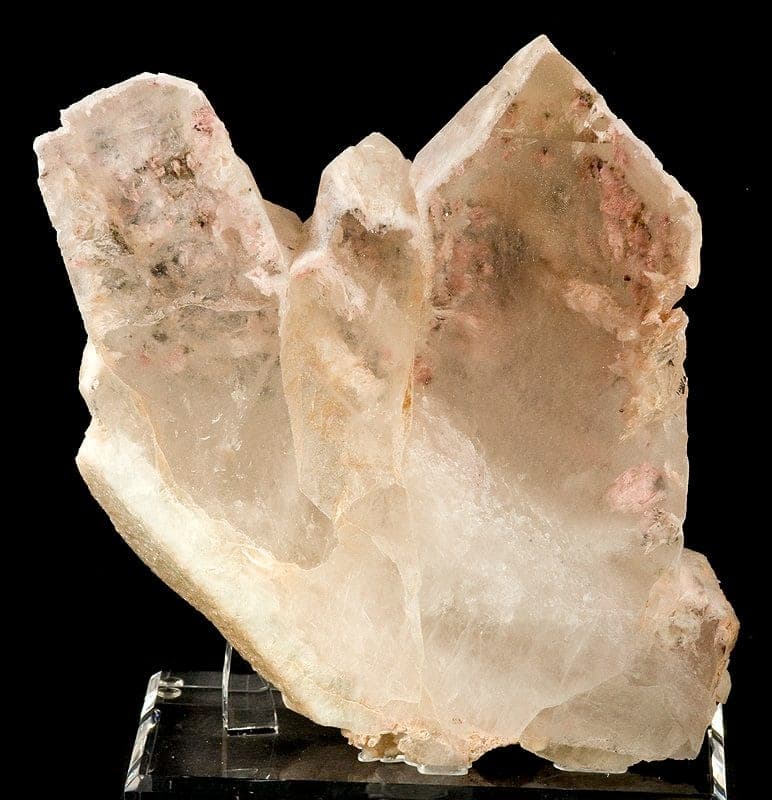
All properties
- Chemical formula
- SiO₂·nH₂O
- Mohs hardness
- 5.5-6
- Density
- 1.9-2.3 g/cm³
- Streak
- White
- Luster
- Vitreous to dull
- Transparency
- Translucent
- Crystal system
- Amorphous
- Crystal habit
- Botryoidal
- Cleavage
- None
- Fluorescence
- Greenish yellow under SW UV; white under LW UV
- Rarity
- Common
- Uses
- Gemstone, Collector, Decorative
- Host rock
- Sedimentary and secondary from the alteration of high silica igneous extrusive rocks
Where rockhounds find opal
46 mapped spotsClassic worldwide localities
- Coober Pedy, Australia
- Lightning Ridge, Australia
- Queretaro, Mexico
- Welo, Ethiopia
- Virgin Valley, Nevada
U.S. states with opal
Each link opens a state-specific list of mapped rockhounding spots that produce opal.
- Utah9 spots
- Idaho6 spots
- Nevada6 spots
- Georgia3 spots
- New Jersey3 spots
- North Carolina3 spots
- Oregon3 spots
Field-hunting tip
Where it forms: Sedimentary and secondary from the alteration of high silica igneous extrusive rocks. If you start seeing quartz, calcite, goethite in float, you are in the right ground. Typical habit: botryoidal. Train your eye for that shape before scanning the outcrop. In the U.S., the densest reported localities are in Utah, Idaho, Nevada. Start trip planning there.
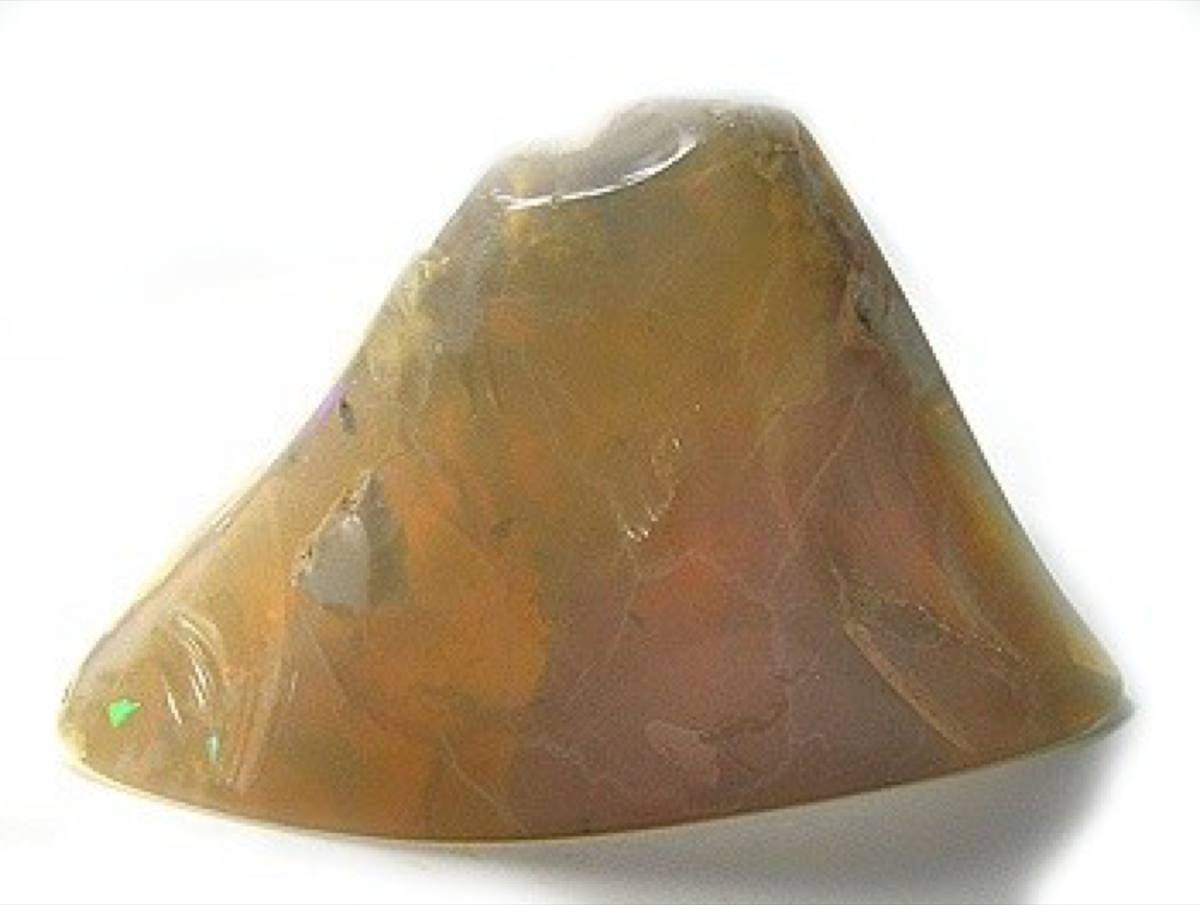
More opal photos
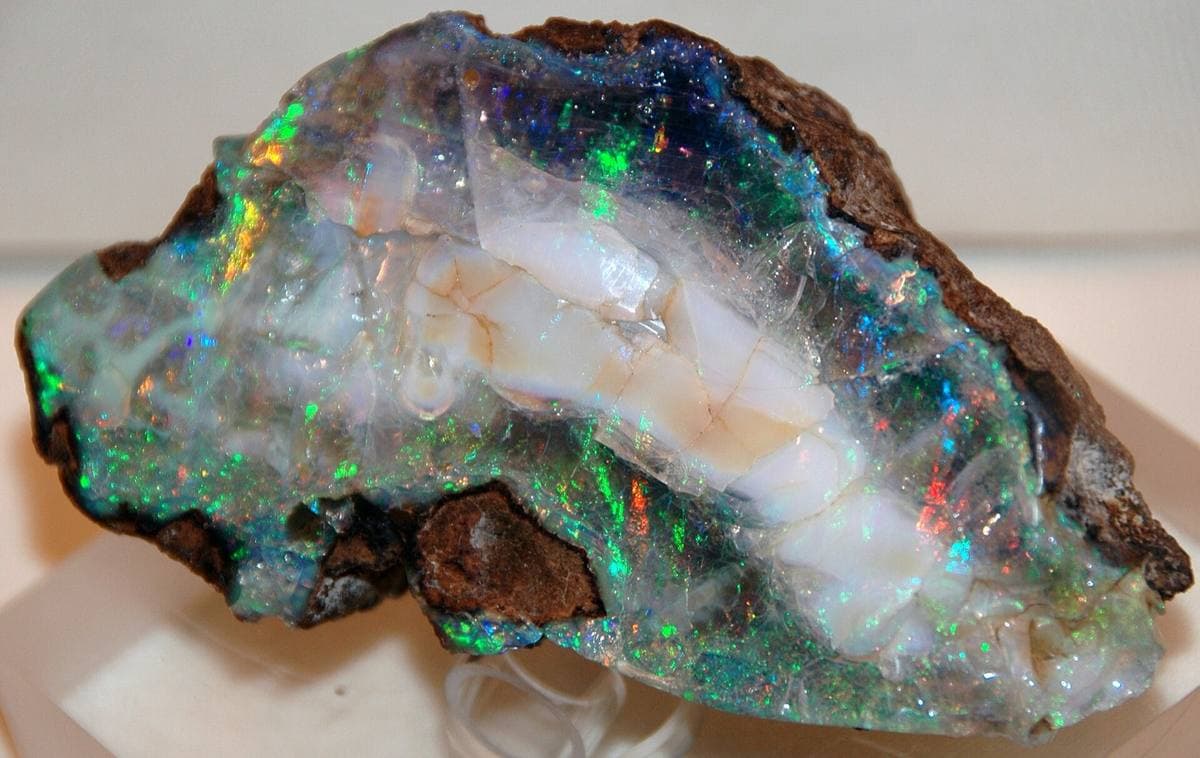
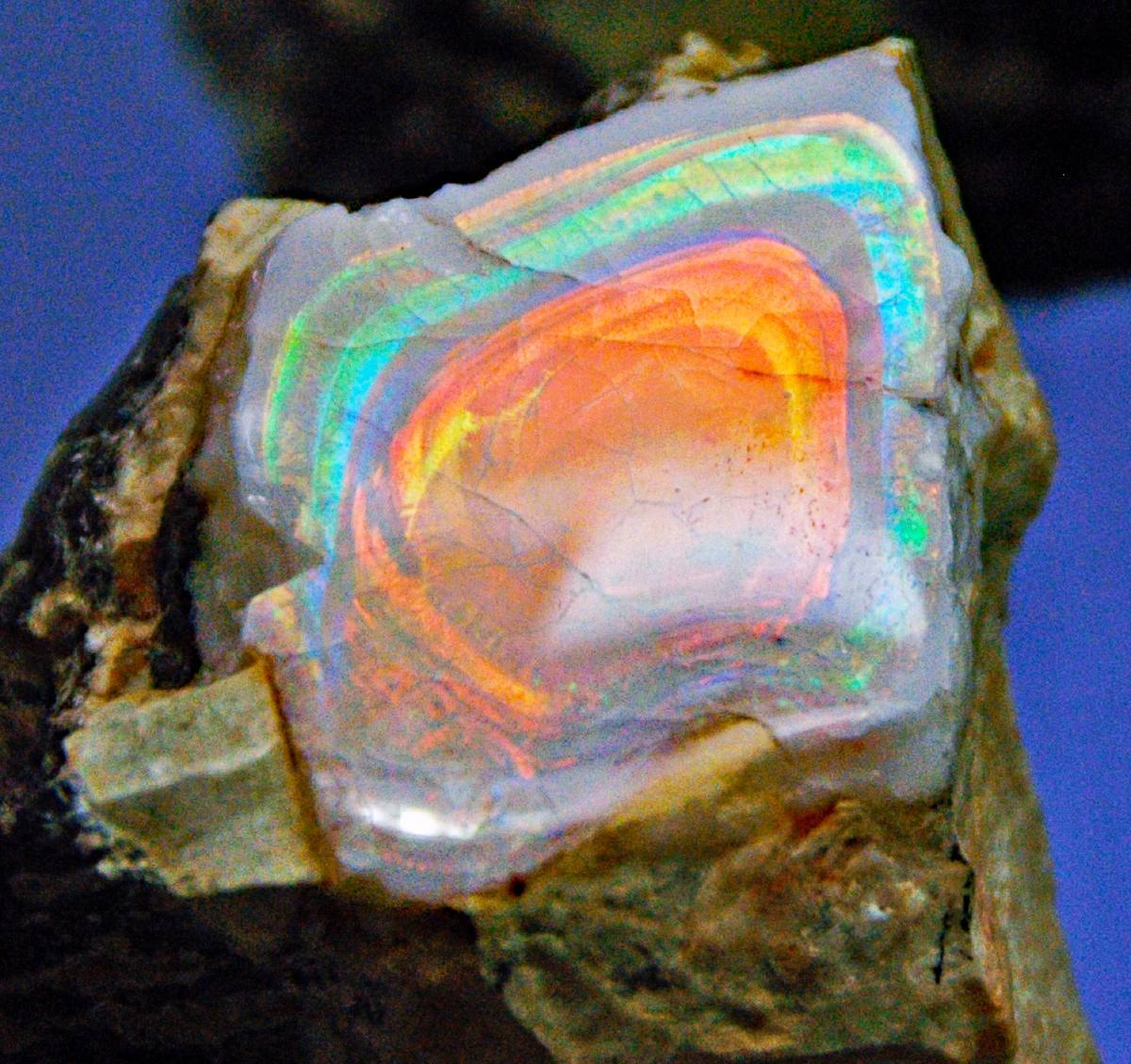
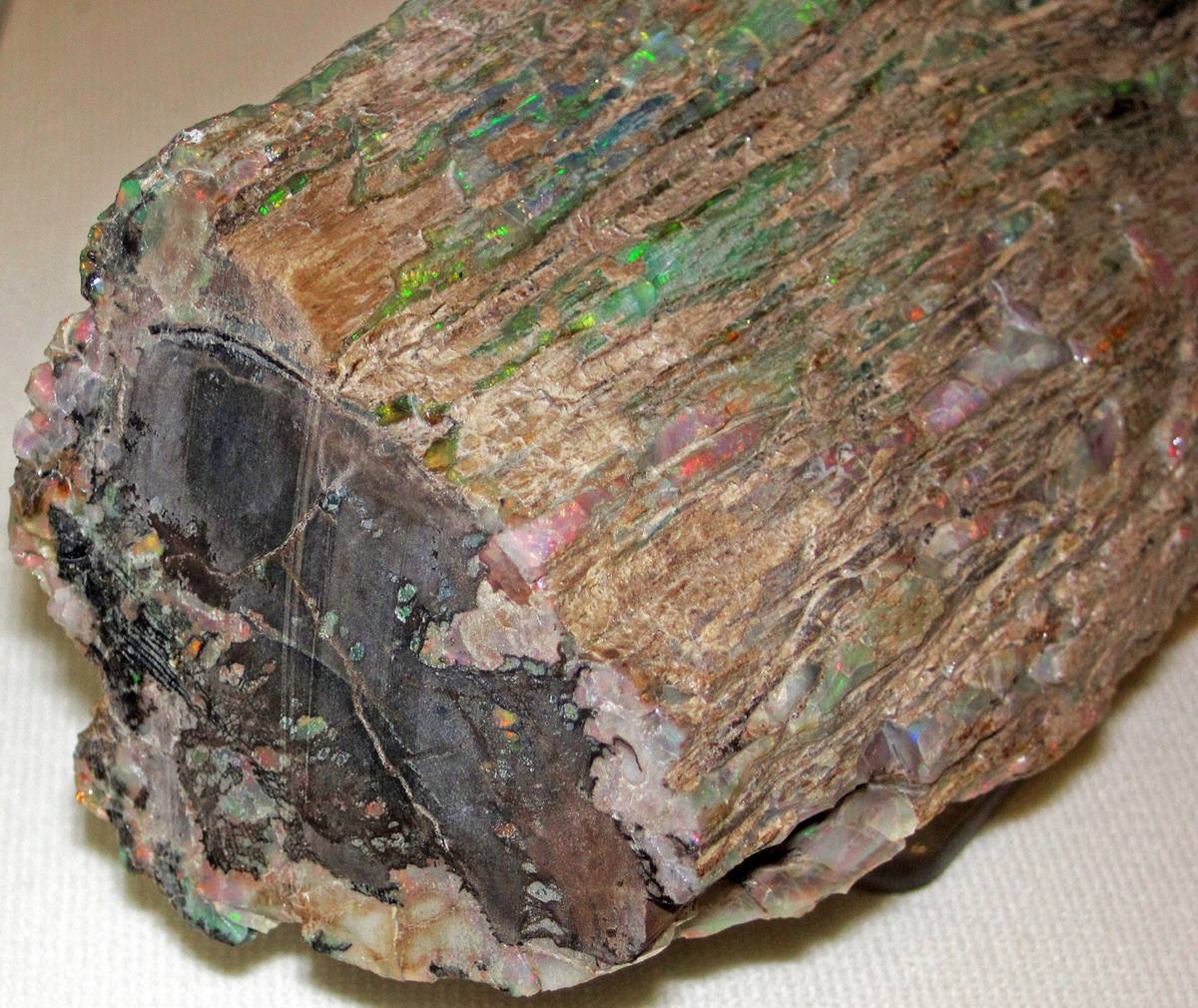
Common questions
How do you identify opal?+
Where is opal found?+
Can I find opal in the United States?+
What rocks look like opal?+
What minerals are found with opal?+
What kind of rock does opal form in?+
What is opal used for?+
Find opal on the map
RockHoundR shows mapped rockhounding spots, access rules, and lets you log every find.