
Opalized wood is a fossilized material formed when silica-rich fluids replace organic wood tissues with opal or chalcedony while preserving the internal cellular structure. Collectors look for visible annual rings, bark textures, and vibrant internal colors caused by trace metal inclusions. It is most commonly found in sedimentary layers where ancient volcanic ash or groundwater provided high concentrations of silica.
Spotting opalized wood in the field
Field marks- 1
Wood grain preserved in opal rather than chalcedony, with a waxy or resinous luster
- 2
Noticeably lighter in the hand than agatized wood of the same size
- 3
Softer at 5.5 to 6.5, so a steel point will mark it where it will not mark agate
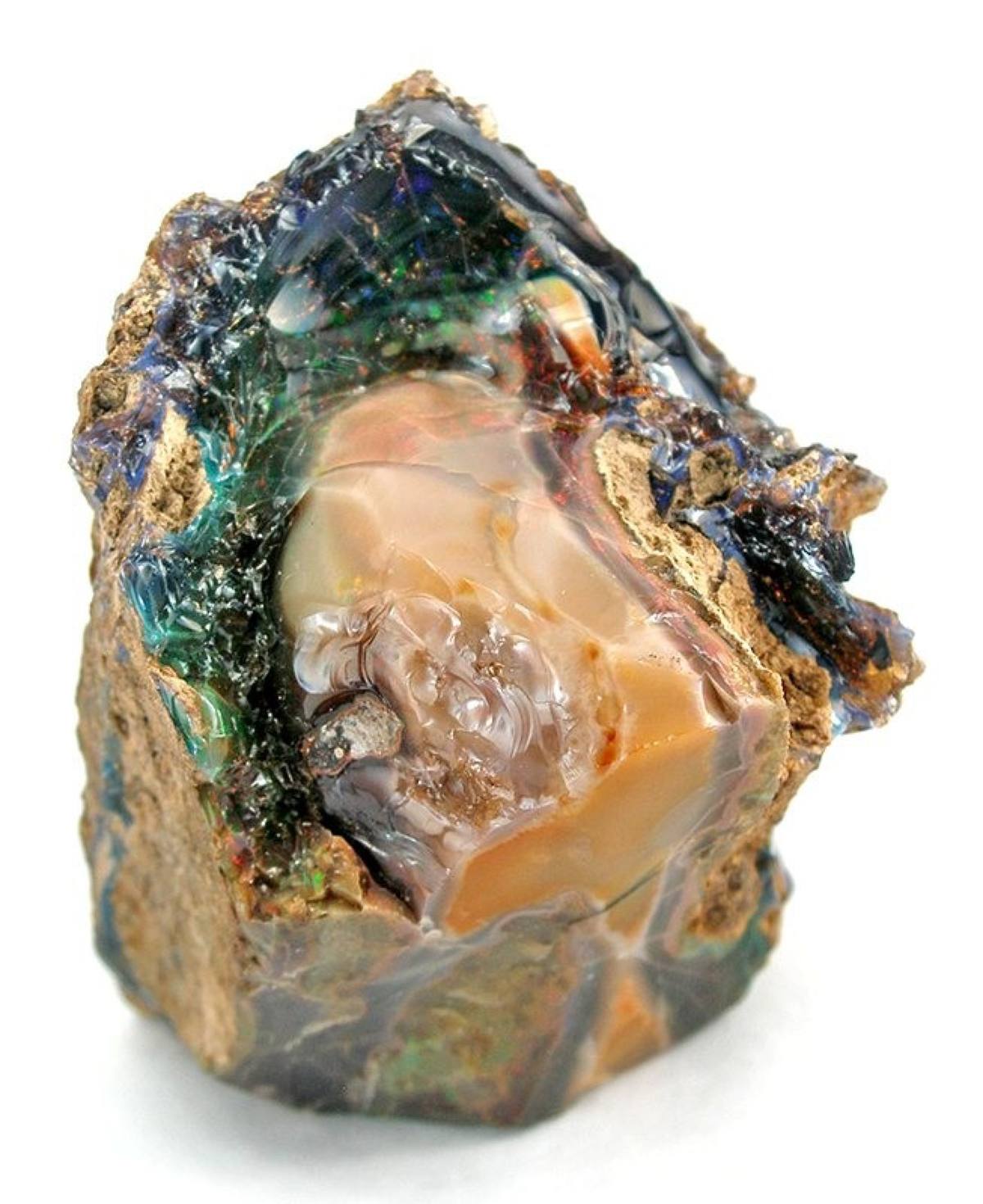
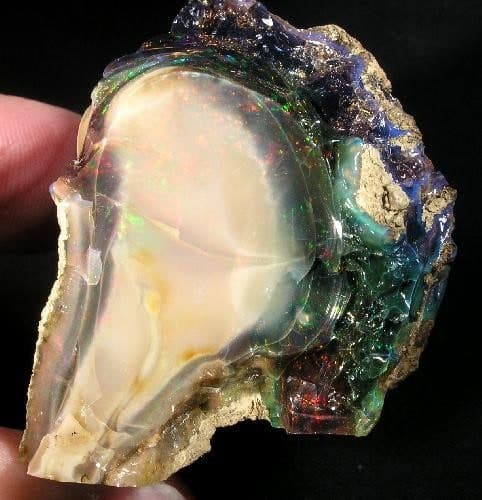
Opalized wood forms where silica-rich groundwater replaced the wood with hydrated silica instead of chalcedony. Virgin Valley in Nevada is the famous American source and produces wood with genuine play of color, which is spectacular and comes with a serious catch described below. Ordinary opalized wood without play of color is common in Nevada, Oregon and Idaho and is a pleasant, honest material.
Before you collect
Virgin Valley opalized wood is famously unstable. It formed saturated with water and can craze into a network of cracks days to years after it dries, sometimes destroying the piece. Serious collectors store it in water permanently, and dealers should disclose this. Treat any Virgin Valley opal you buy or dig as needing water storage until proven otherwise.
Straight answers
- Is it worth cutting?
- Cut and polish at lower speed with plenty of water. Heat is the enemy of opal, and dry grinding will craze a piece you cannot replace.
- What is it really worth?
- Ordinary opalized wood is inexpensive. Virgin Valley material with play of color is valuable, with the strong caveat about stability below.
- Can you legally keep it?
- Same BLM petrified wood limits apply: 25 pounds plus one piece per day, 250 pounds per year, personal use.
Where it is worth going
- Virgin ValleyHumboldt County, Nevada
Precious opal replacing wood, worked at long-running fee-dig mines. Beautiful, valuable, and prone to crazing.
Often confused with
Opalized Wood vs. its common look-alikes, and how to tell them apart in the field.
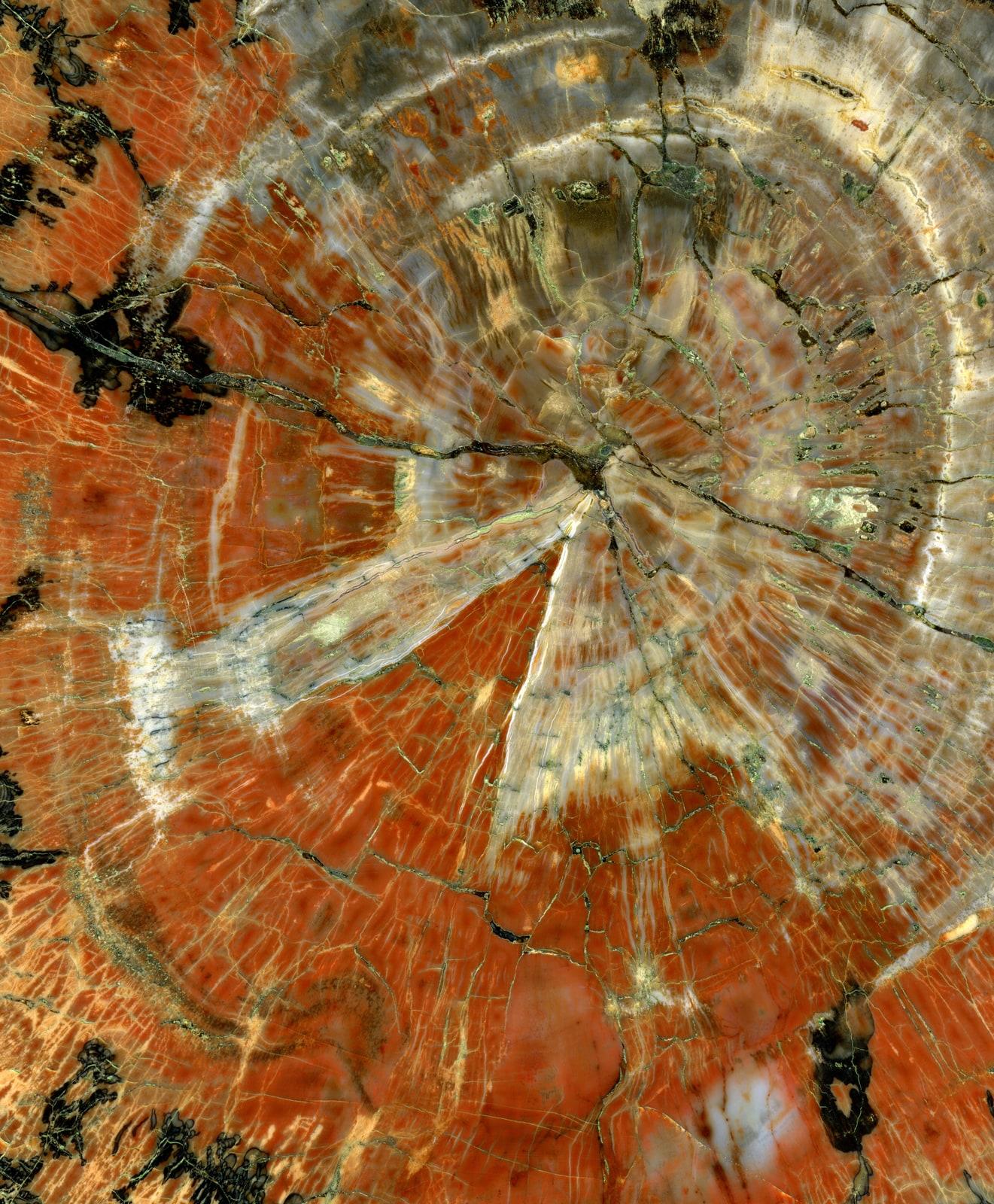
Often found alongside opalized wood
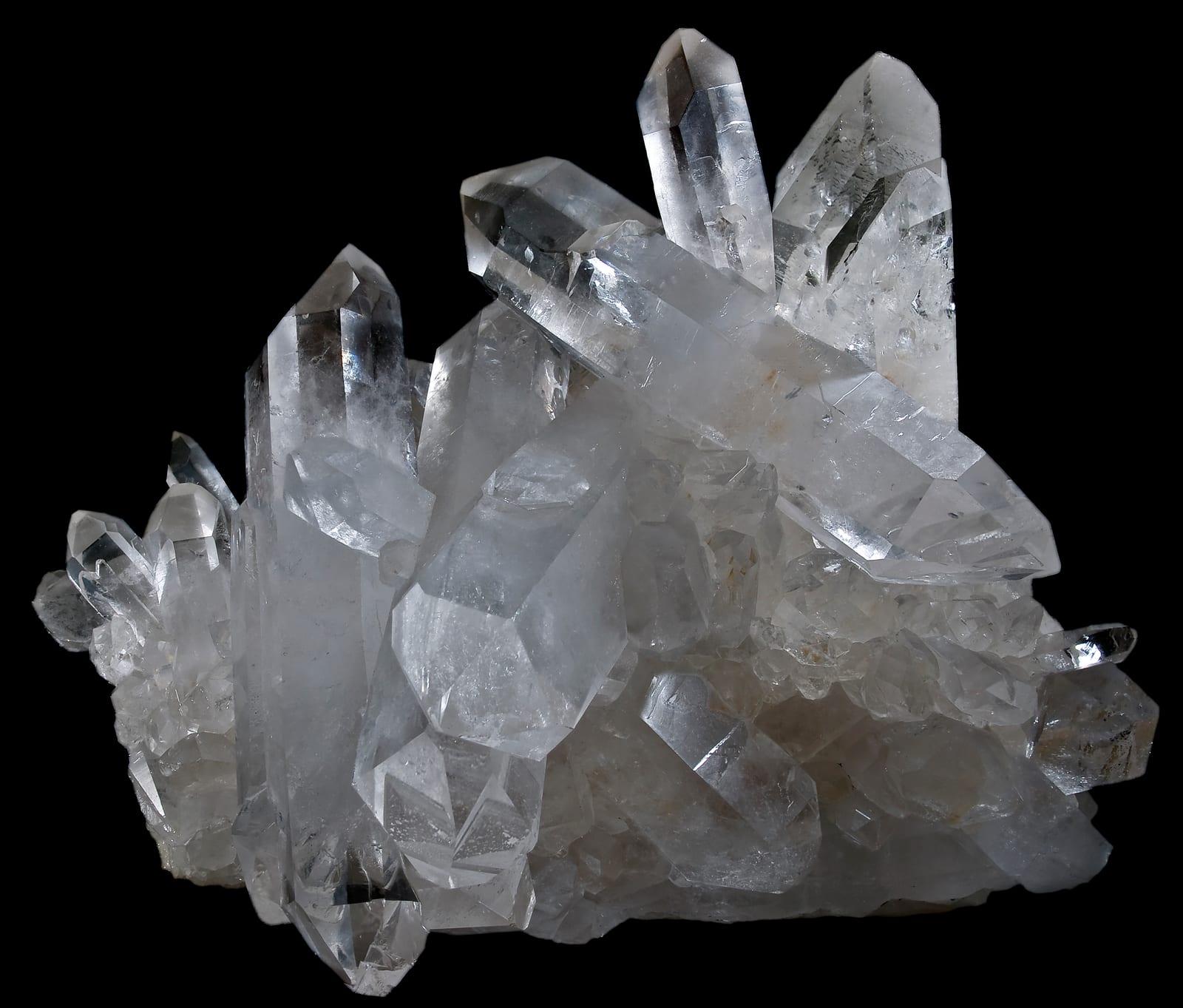
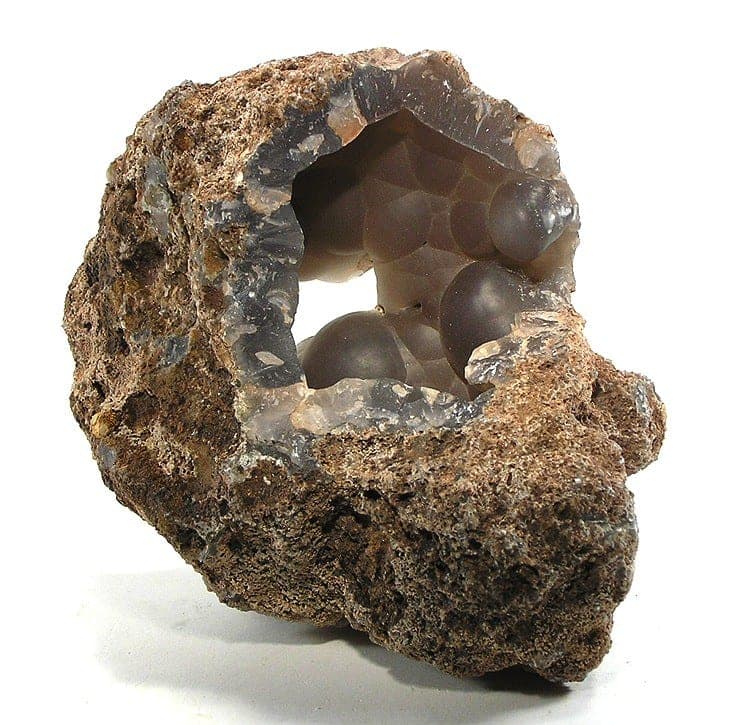
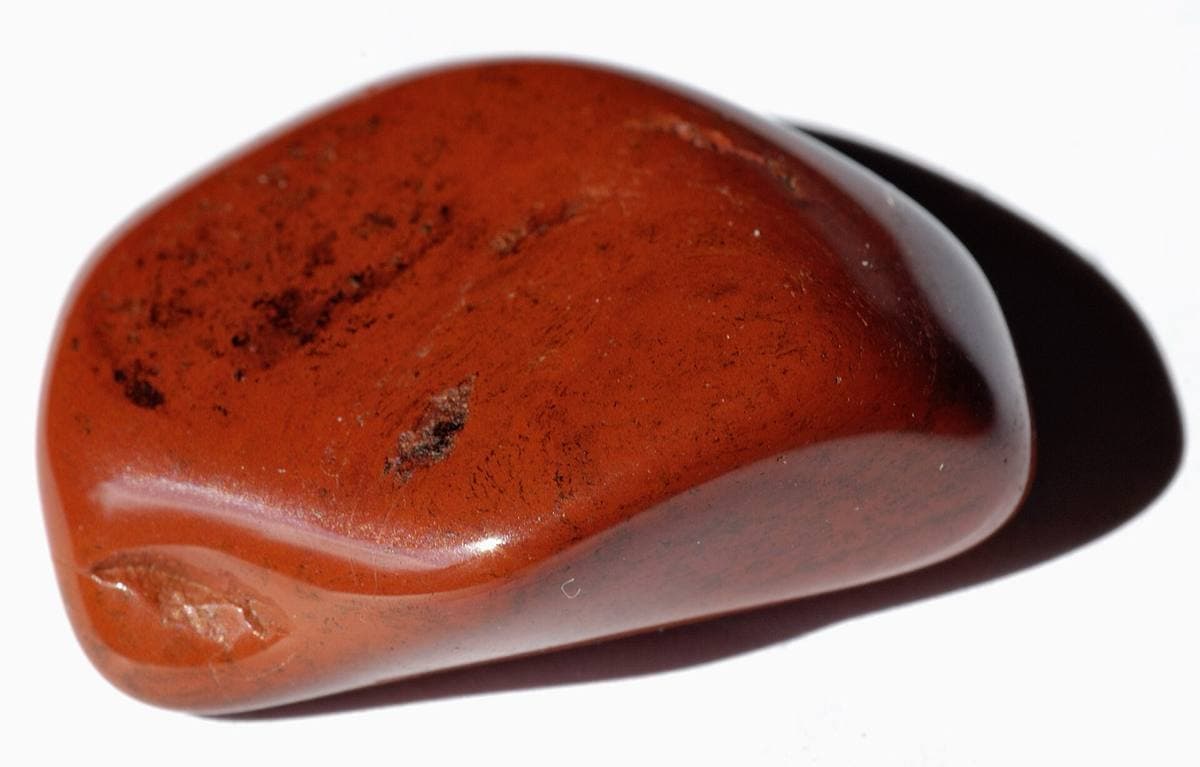
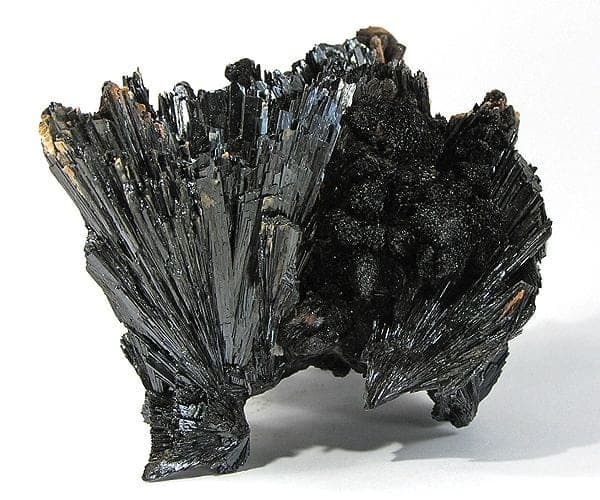
Minerals reported to co-occur with opalized wood. Spotting these in float or country rock is a strong cue you are in the right ground.
All properties
- Mohs hardness
- 5.5-6.5
- Density
- 2.0-2.5 g/cm³
- Luster
- Vitreous
- Transparency
- Translucent
- Fluorescence
- Often none, can be weak green under SW UV
- Rarity
- Common
- Uses
- Lapidary, Decorative, Collector
- Host rock
- sedimentary deposits
- Organism
- Trees and tree-like plants
- Preservation
- Cell walls replicated by silica in the form of opal
Where rockhounds find opalized wood
57 mapped spotsClassic worldwide localities
- Arizona, USA
- Madagascar
- Oregon, USA
- Indonesia
- Argentina
U.S. states with opalized wood
Each link opens a state-specific list of mapped rockhounding spots that produce opalized wood.
Field-hunting tip
Where it forms: sedimentary deposits. If you start seeing quartz, chalcedony, jasper in float, you are in the right ground. In the U.S., the densest reported localities are in Nebraska, Washington, Idaho. Start trip planning there.
More opalized wood photos
Common questions
How do you identify opalized wood?+
Where is opalized wood found?+
Can I find opalized wood in the United States?+
What rocks look like opalized wood?+
What minerals are found with opalized wood?+
What kind of rock does opalized wood form in?+
What is opalized wood used for?+
Find opalized wood on the map
RockHoundR shows mapped rockhounding spots, access rules, and lets you log every find.

