
Orbicular Jasper is a microcrystalline quartz characterized by distinct, circular or sphere-like patterns created by radial growth of minerals. It is highly prized by lapidary artists for its unique, colorful eyes and varied orb arrangements when polished. Commonly found in silicified volcanic or sedimentary rocks, it is typically collected as rough nodules or polished slabs.
Spotting orbicular jasper in the field
Field marks- 1
Concentric spherical structures, from pinhead to coin size, packed through the rock
- 2
Orbs often have a distinct rim and a differently colored core
- 3
Opaque, hard, dense, and frequently pitted with small druzy cavities
Orbicular is a structure rather than a place: the orbs formed as silica crystallized radially around scattered nuclei. The best known modern source is the Madagascar material sold as ocean jasper, which comes from coastal deposits near Marovato that are worked at low tide, which is why supply arrives in irregular batches. Ocean jasper often carries small druzy quartz pockets, and those pockets are a good authenticity cue.
Straight answers
- Is it worth cutting?
- Cut so orbs are sectioned near their equator, which gives the largest and most complete circles. Druzy pockets are a feature worth designing a cab around rather than grinding away.
- What is it really worth?
- Ocean jasper has moved from cheap to genuinely pricey as the original deposits were worked out. Ordinary orbicular jasper stays inexpensive.
- Can you legally keep it?
- Madagascar material is imported. Buy from dealers who can speak to their supply chain.
Often confused with
Orbicular Jasper vs. its common look-alikes, and how to tell them apart in the field.
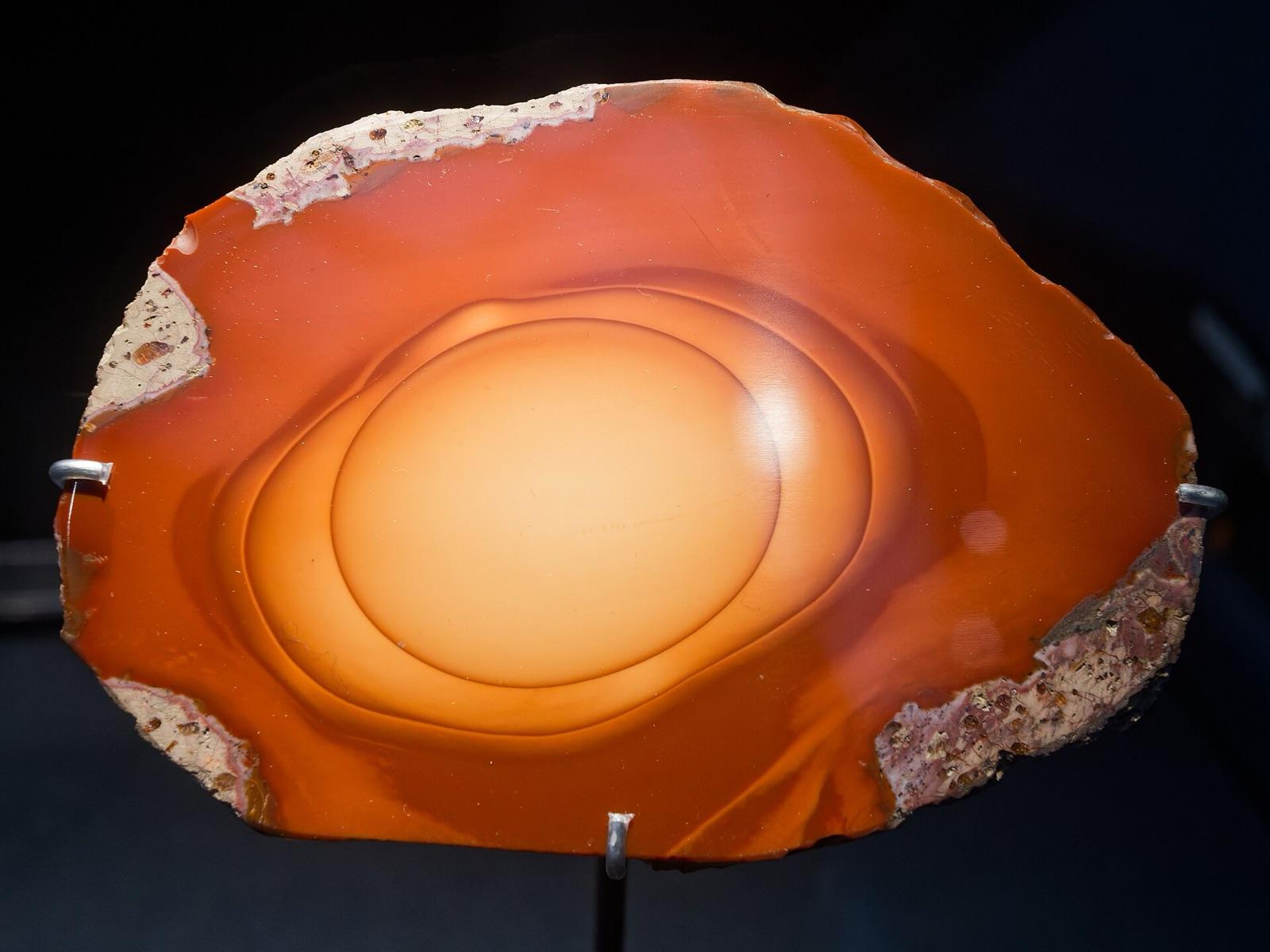
Often found alongside orbicular jasper
Minerals reported to co-occur with orbicular jasper. Spotting these in float or country rock is a strong cue you are in the right ground.
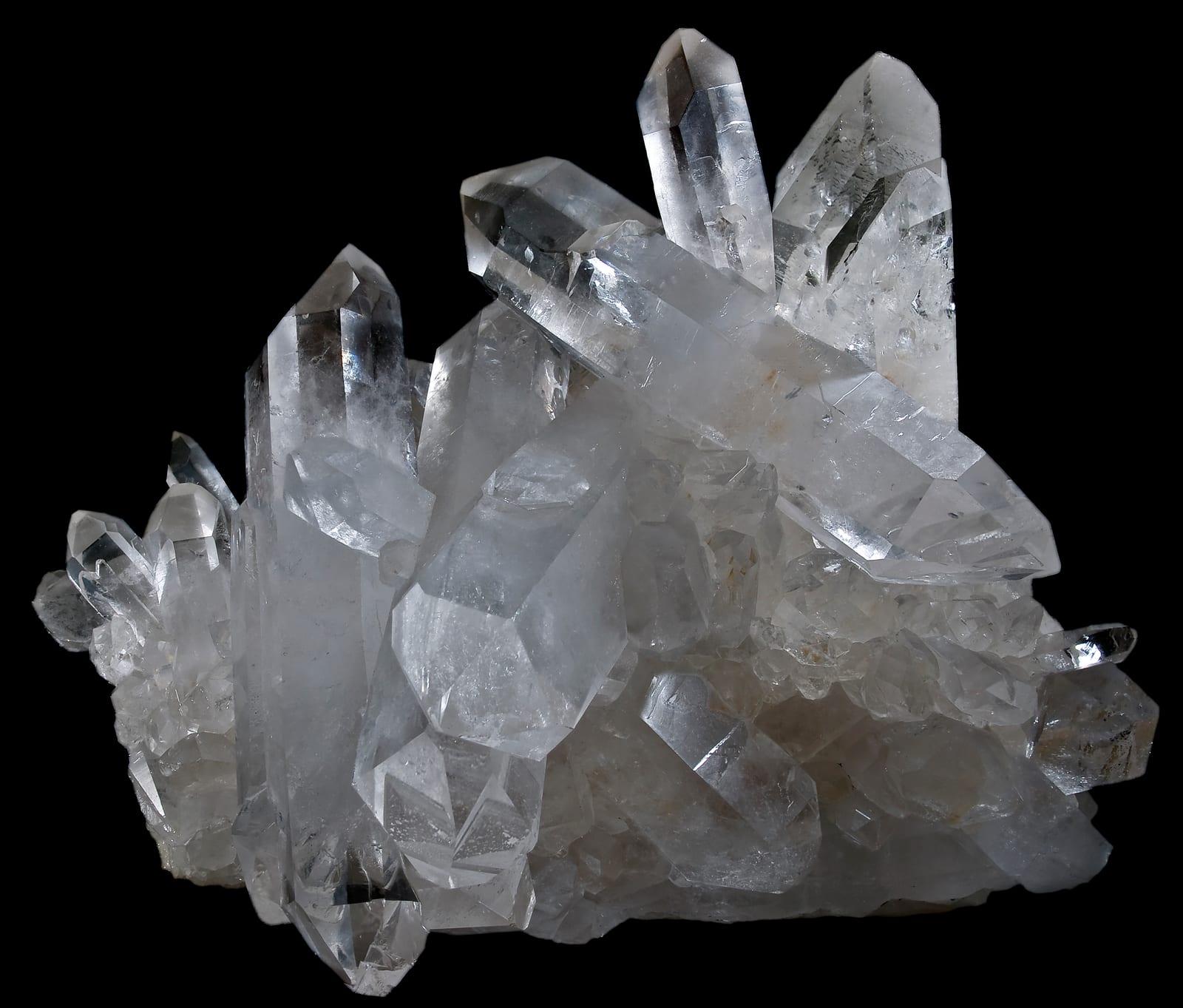
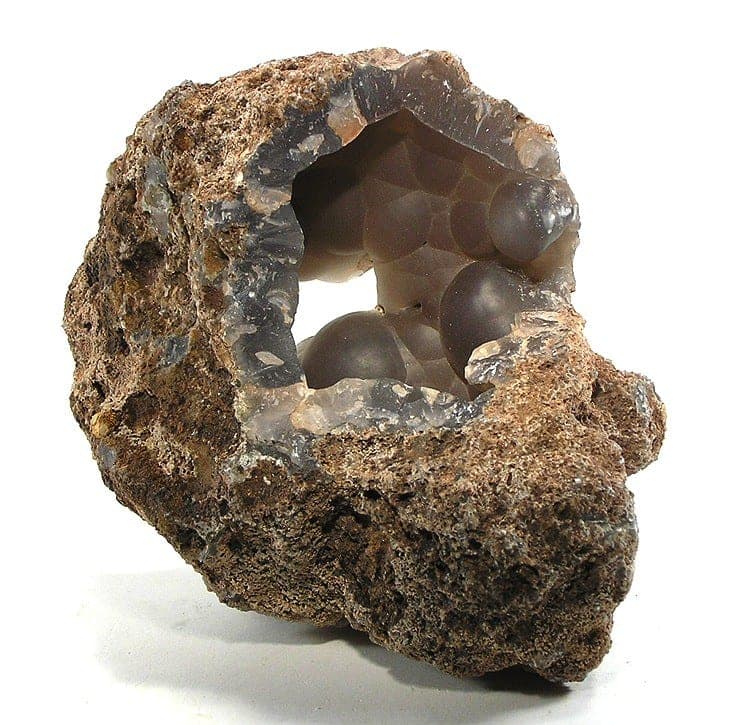
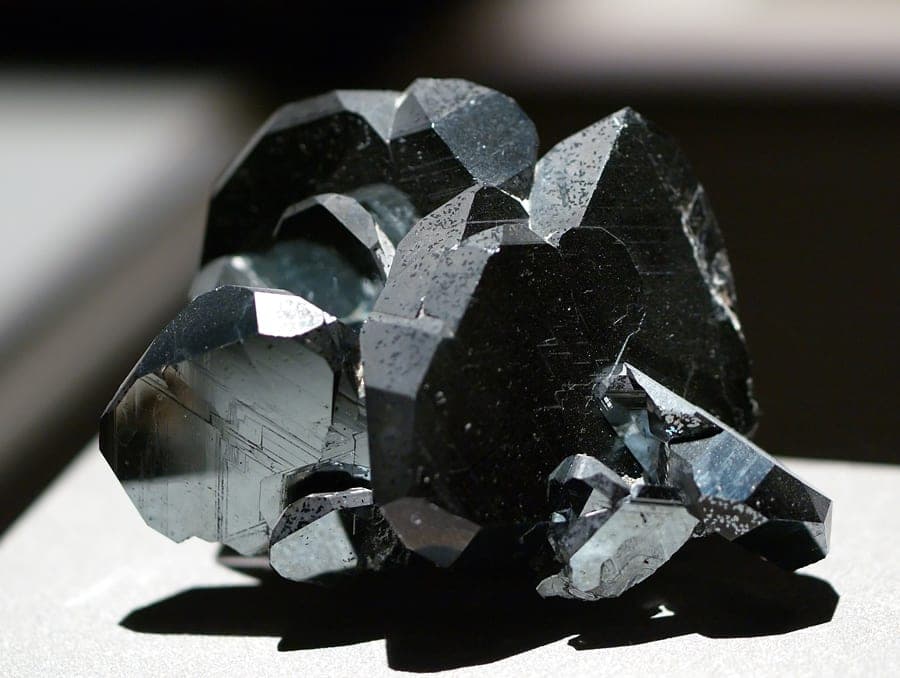
All properties
- Chemical formula
- SiO₂
- Mohs hardness
- 6.5-7
- Density
- 2.6-2.7 g/cm³
- Streak
- White
- Luster
- Waxy
- Transparency
- Opaque
- Crystal system
- Trigonal
- Crystal habit
- Massive
- Cleavage
- None
- Rarity
- Common
- Uses
- Lapidary, Ornamental, Collector
- Host rock
- sedimentary
Where rockhounds find orbicular jasper
2 mapped spotsClassic worldwide localities
- Madagascar
- USA
- Mexico
- Russia
- Australia
Field-hunting tip
Where it forms: sedimentary. If you start seeing quartz, chalcedony, hematite in float, you are in the right ground. Typical habit: massive. Train your eye for that shape before scanning the outcrop. In the U.S., the densest reported localities are in Washington. Start trip planning there.
Common questions
How do you identify orbicular jasper?+
Where is orbicular jasper found?+
Can I find orbicular jasper in the United States?+
What rocks look like orbicular jasper?+
What minerals are found with orbicular jasper?+
What kind of rock does orbicular jasper form in?+
What is orbicular jasper used for?+
Find orbicular jasper on the map
RockHoundR shows mapped rockhounding spots, access rules, and lets you log every find.

