Orpiment is a soft, highly distinctive yellow arsenic sulfide mineral often found alongside realgar. Collectors prize its bright color and foliated or bladed crystal habits, though it is sensitive to light and should be stored in a closed, dark container to prevent degradation.
Is this orpiment?
5-step field checkRun through these checks against the specimen in your hand. The more boxes tick, the more confident the ID.
- 1Test the hardnessTry to scratch orpiment with a known reference. Orpiment sits at Mohs 1.5-2, softer than the next harder reference, harder than the previous one.
- 2Check the streakDrag the specimen across an unglazed porcelain plate. Streak: pale lemon-yellow.
- 3Read the lusterHold the specimen under a strong light. Luster: resinous, pearly on cleavage surface.
- 4Match the color rangeCompare against the expected color range: yellow, orange, brownish-yellow, lemon yellow, orange yellow.
- 5Look at form & habitCrystal system: monoclinic. Typical habit: foliated, massive, prismatic.
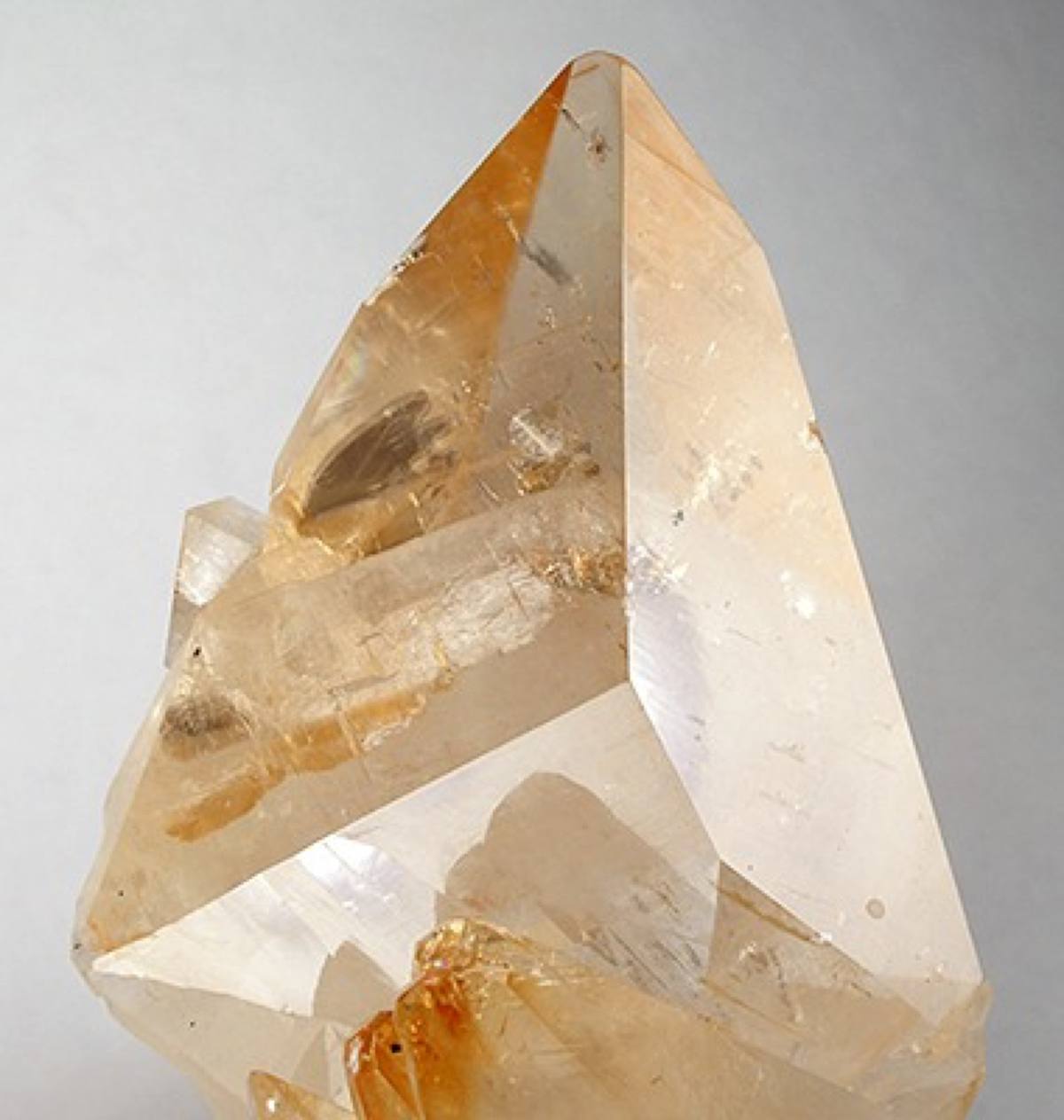
Often confused with
Orpiment vs. its common look-alikes, and how to tell them apart in the field.
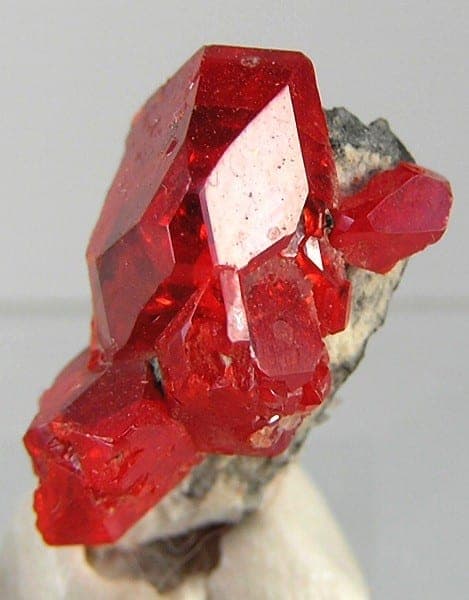
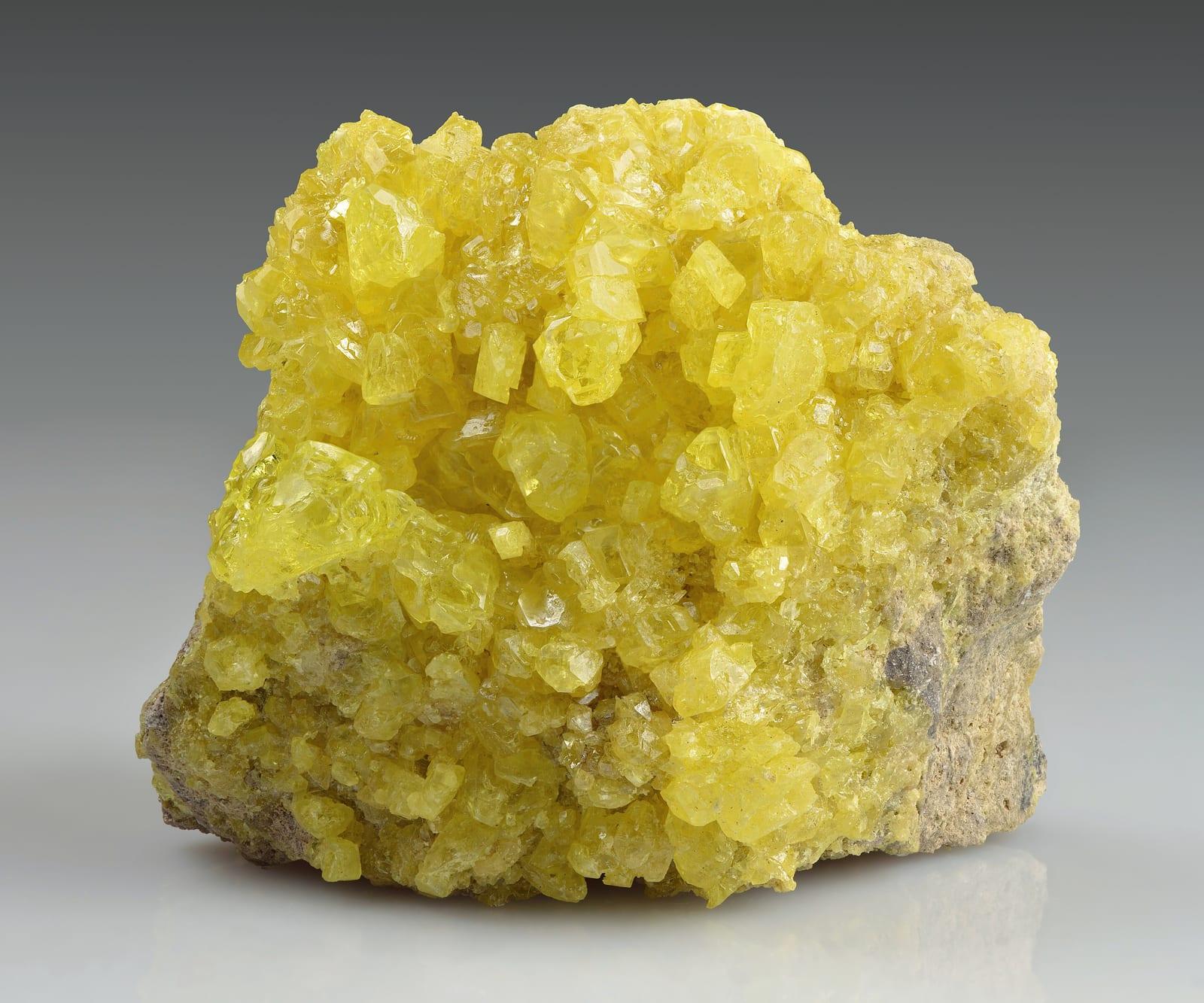
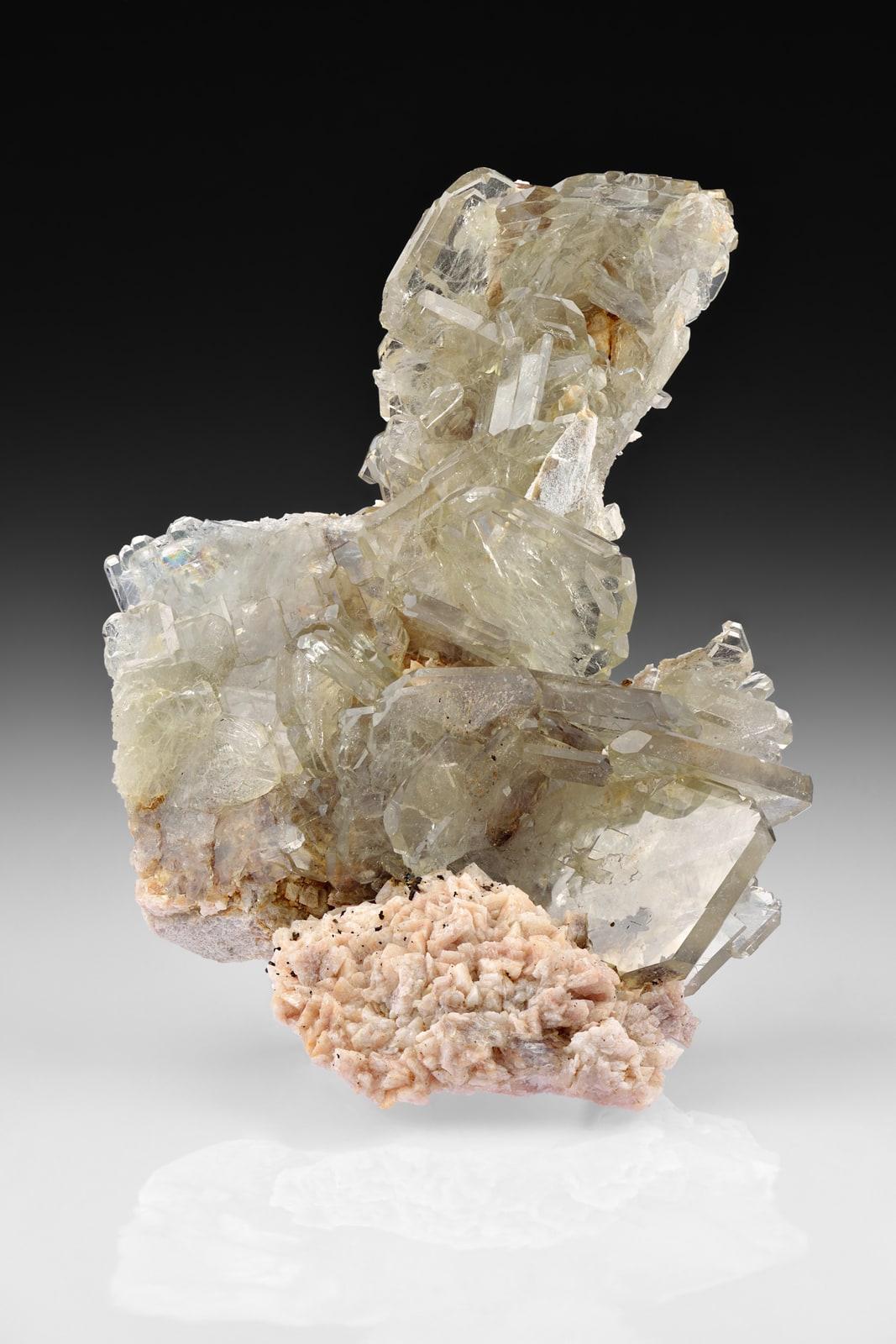
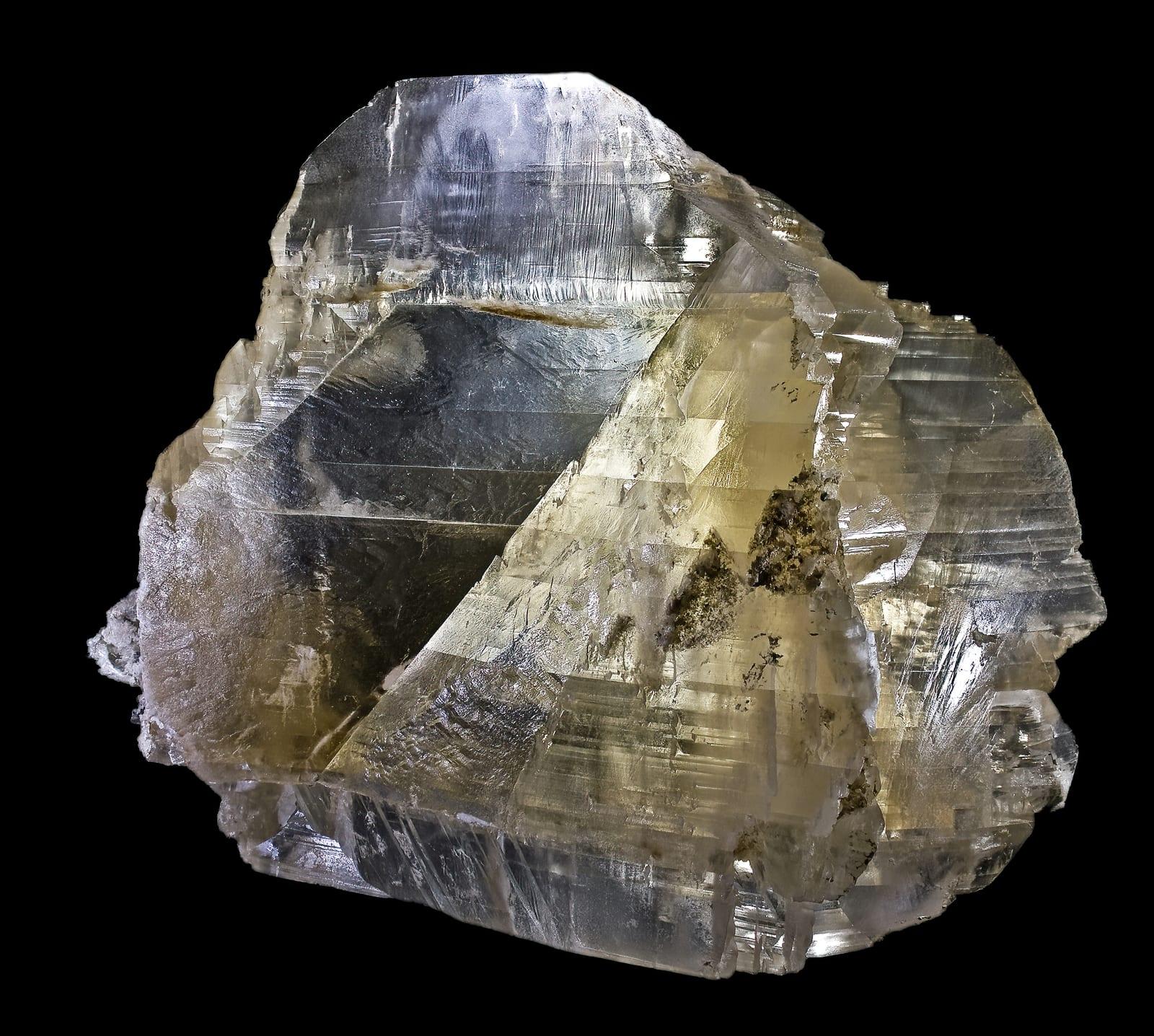
Often found alongside orpiment
Minerals reported to co-occur with orpiment. Spotting these in float or country rock is a strong cue you are in the right ground.
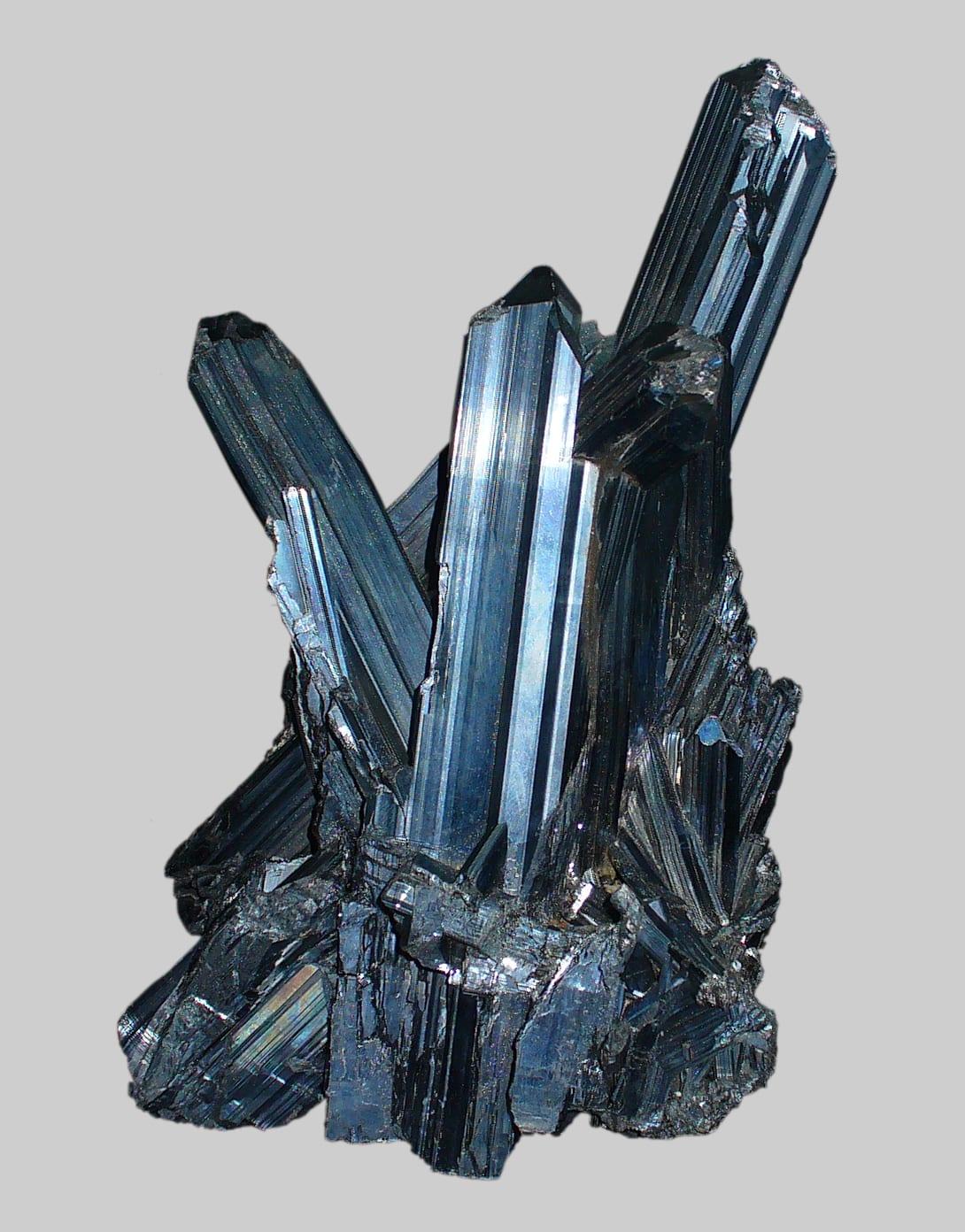
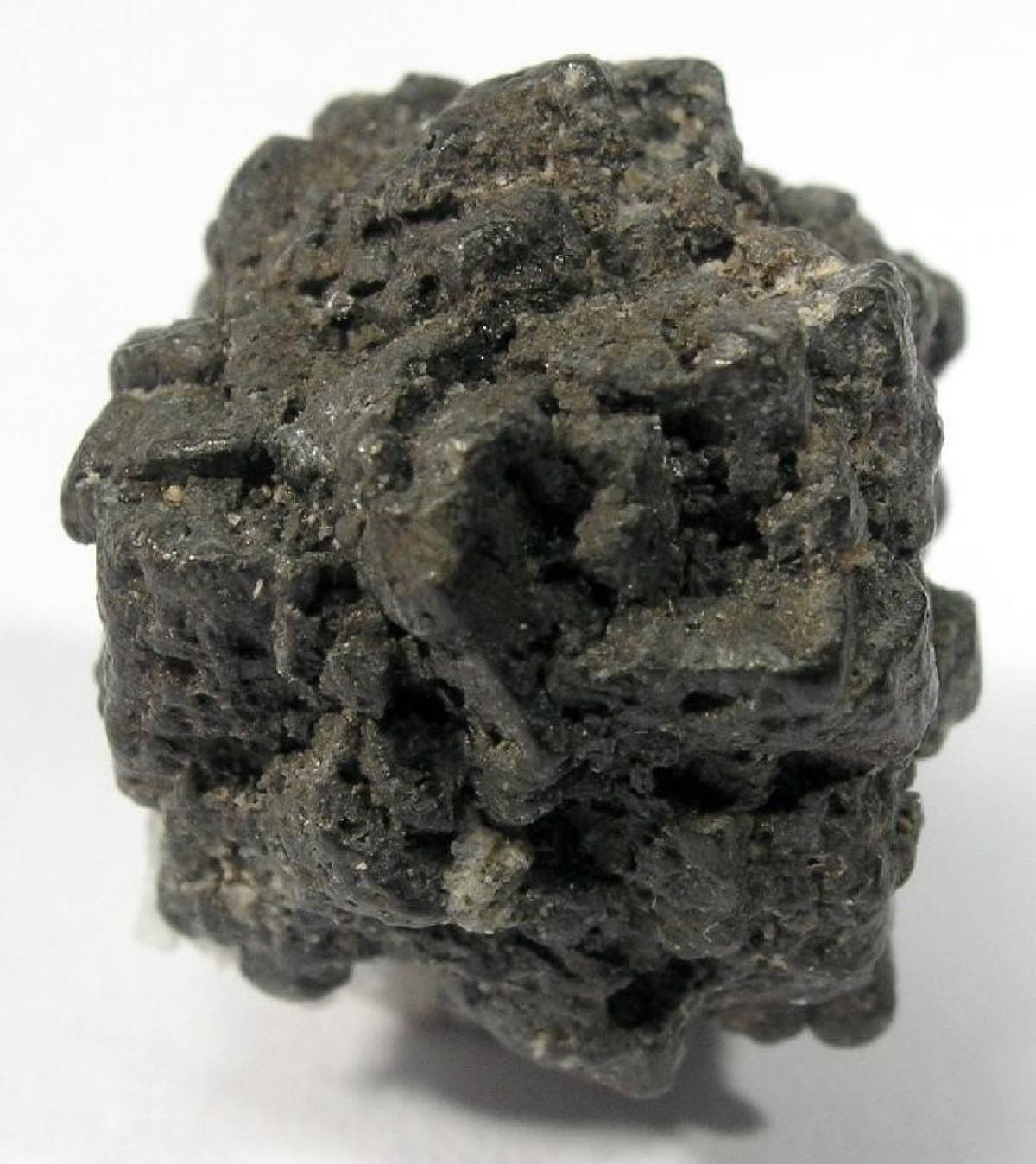
All properties
- Chemical formula
- As₂S₃
- Mohs hardness
- 1.5-2
- Density
- 3.49 g/cm³
- Streak
- Pale lemon-yellow
- Luster
- Resinous, pearly on cleavage surface
- Transparency
- Transparent
- Crystal system
- Monoclinic
- Crystal habit
- Foliated, massive, prismatic
- Cleavage
- Perfect on {010}, imperfect on {100}; cleavage lamellae are flexible
- Rarity
- Common
- Uses
- Collector, Historical pigment
- Host rock
- In low-temperature hydrothermal veins, hot springs and fumaroles; also commonly as an alteration product of arsenic minerals, especially realgar
Where rockhounds find orpiment
4 mapped spotsClassic worldwide localities
- Mercur, Tooele Co., Utah, USA
- Getchell mine, Humboldt Co., Nevada, USA
- White Caps mine, Manhattan, Nye Co., Nevada, USA
- Twin Creeks mine, Humboldt Co., Nevada, USA
- Tajov, Slovakia
- Křeševo, Bosnia-Herzegovina
Field-hunting tip
Where it forms: In low-temperature hydrothermal veins, hot springs and fumaroles; also commonly as an alteration product of arsenic minerals, especially realgar. If you start seeing stibnite, realgar, arsenic in float, you are in the right ground. Typical habit: foliated, massive, prismatic. Train your eye for that shape before scanning the outcrop. In the U.S., the densest reported localities are in Utah, Wyoming. Start trip planning there.
Common questions
How do you identify orpiment?+
Where is orpiment found?+
Can I find orpiment in the United States?+
Is orpiment safe to handle?+
What rocks look like orpiment?+
What minerals are found with orpiment?+
What kind of rock does orpiment form in?+
What is orpiment used for?+
Find orpiment on the map
RockHoundR shows mapped rockhounding spots, access rules, and lets you log every find.