Paranatisite is an extremely rare silicate mineral found primarily within the complex alkaline massifs of the Kola Peninsula. It typically occurs as small, flattened tabular crystals associated with other titanium-rich minerals in nepheline syenite environments. Due to its limited occurrence and specific geological requirements, it remains a highly sought-after species for advanced mineral collectors.
Is this paranatisite?
5-step field checkRun through these checks against the specimen in your hand. The more boxes tick, the more confident the ID.
- 1Test the hardnessTry to scratch paranatisite with a known reference. Paranatisite sits at Mohs 5, softer than the next harder reference, harder than the previous one.
- 2Check the streakDrag the specimen across an unglazed porcelain plate. Streak: white.
- 3Read the lusterHold the specimen under a strong light. Luster: vitreous to adamantine.
- 4Match the color rangeCompare against the expected color range: yellow, orange brown, orange.
- 5Look at form & habitCrystal system: orthorhombic. Typical habit: tabular crystals.
Often confused with
Paranatisite vs. its common look-alikes, and how to tell them apart in the field.
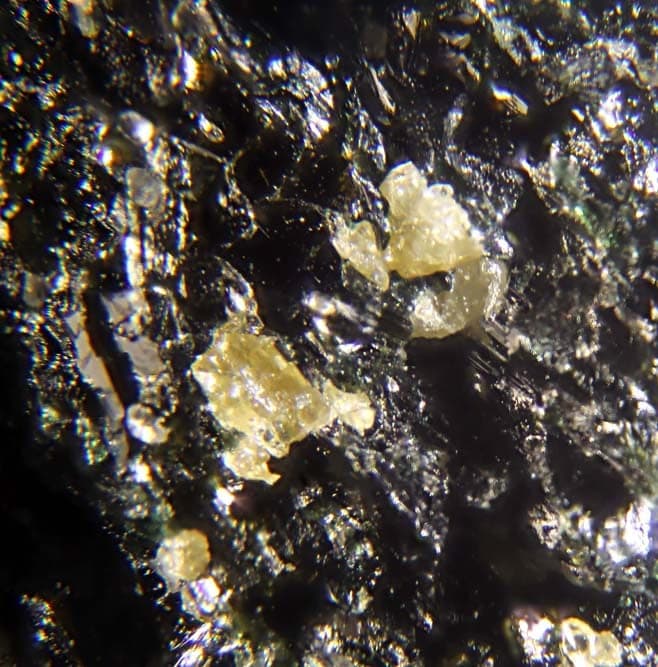
How to tell apart: Paranatisite is noticeably harder (Mohs 5 vs. 3-4).
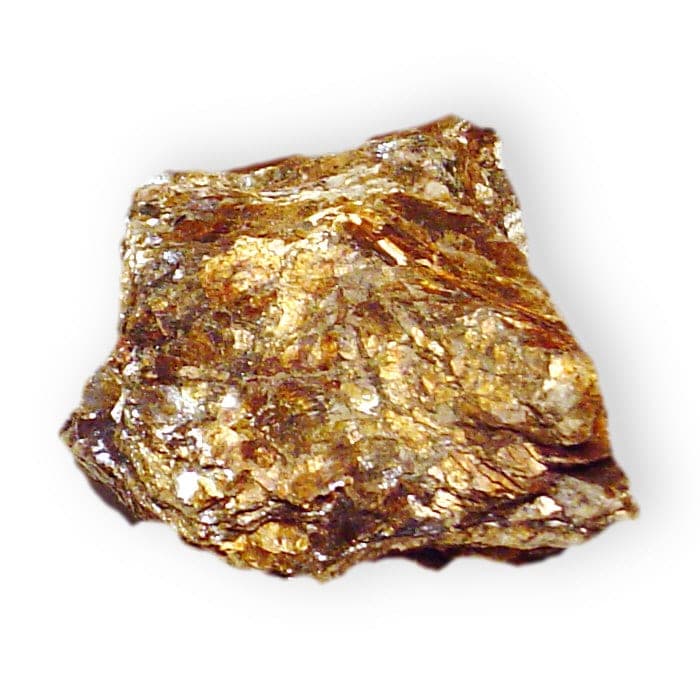
How to tell apart: Paranatisite is noticeably harder (Mohs 5 vs. 2-3); streak differs, so Paranatisite leaves white, Lamprophyllite leaves pale yellow, may have an orange tint; luster reads vitreous to adamantine on Paranatisite and submetallic on cleavages on Lamprophyllite.
Often found alongside paranatisite
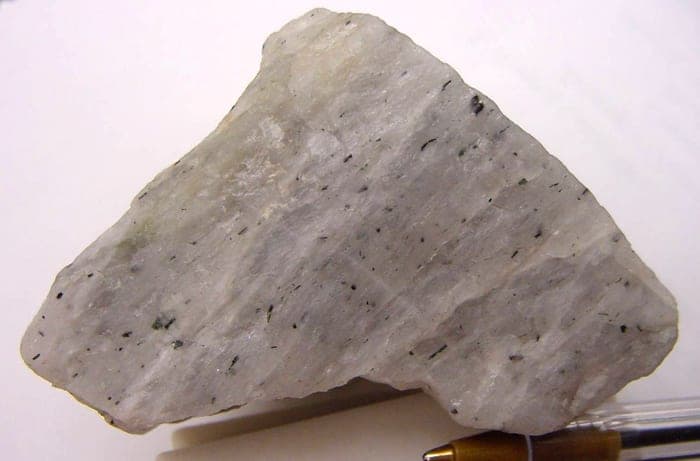
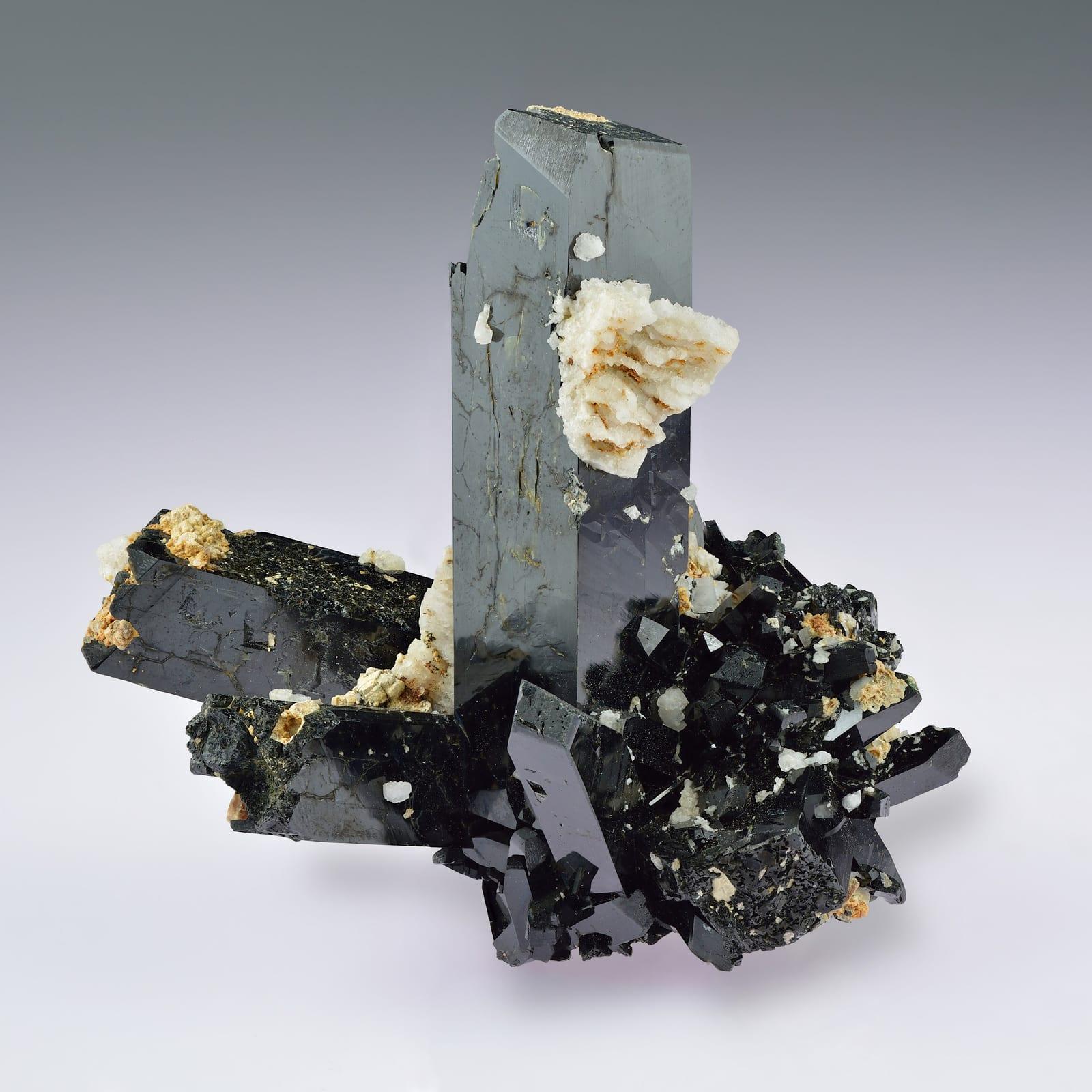
Minerals reported to co-occur with paranatisite. Spotting these in float or country rock is a strong cue you are in the right ground.
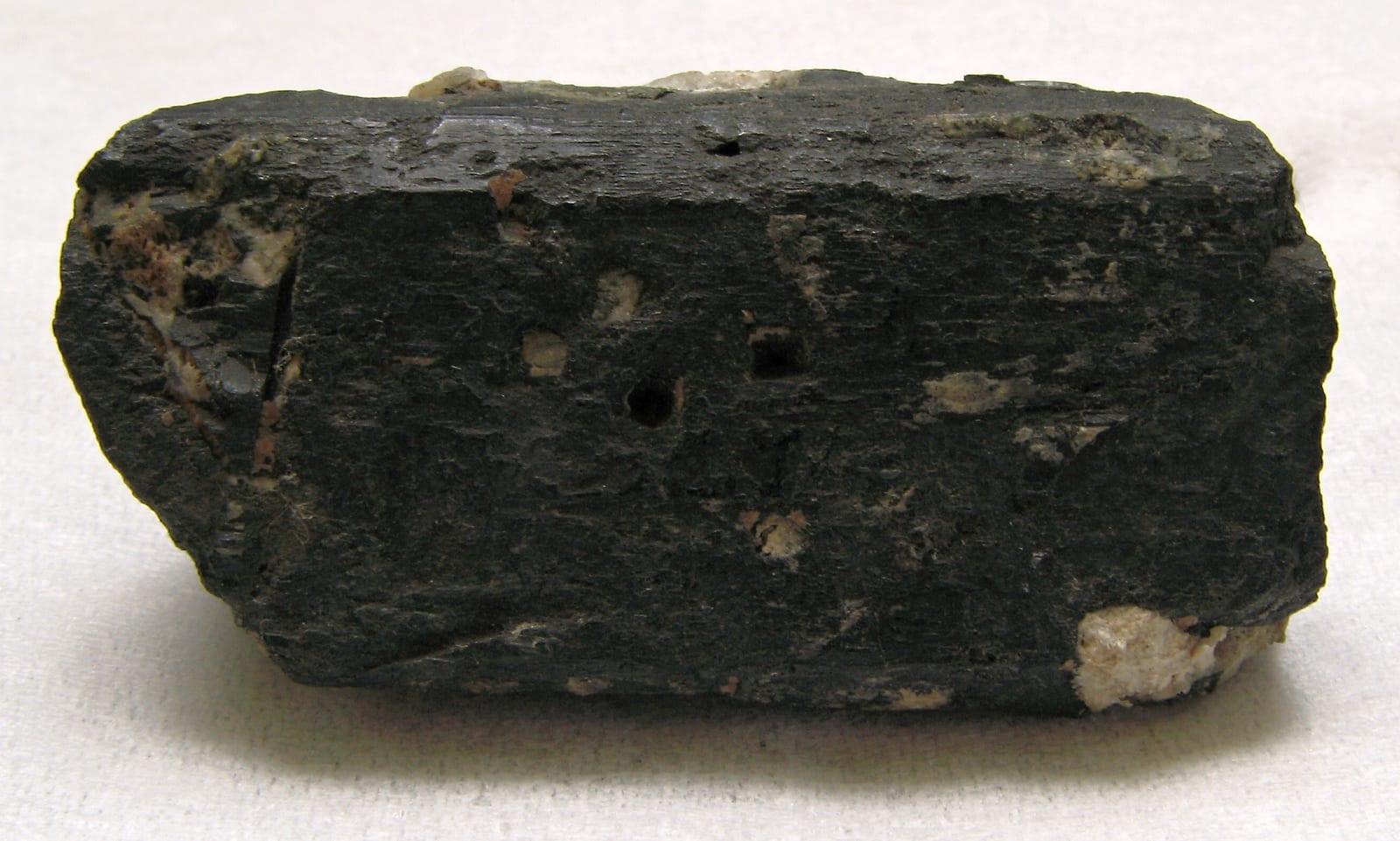
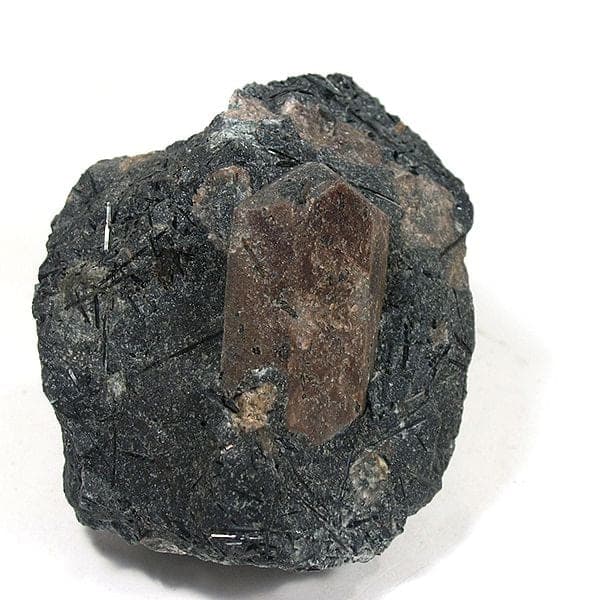
All properties
- Chemical formula
- Na₂TiSiO₅
- Mohs hardness
- 5
- Density
- 3.12 g/cm³
- Colors
- Streak
- White
- Luster
- Vitreous to adamantine
- Transparency
- Transparent to translucent
- Crystal system
- Orthorhombic
- Crystal habit
- Tabular crystals
- Cleavage
- None
- Rarity
- Rare
- Uses
- Collector
- Host rock
- In ultra-agpaitic pegmatites in a differentiated alkalic massif
Where rockhounds find paranatisite
Classic worldwide localities
- Mts. Yukspor and Rasvumchorr, Khibiny massif, Kola Peninsula, Russia
Field-hunting tip
Where it forms: In ultra-agpaitic pegmatites in a differentiated alkalic massif. If you start seeing nepheline, potassic feldspar, aegirine in float, you are in the right ground. Typical habit: tabular crystals. Train your eye for that shape before scanning the outcrop.
Common questions
How do you identify paranatisite?+
Where is paranatisite found?+
What rocks look like paranatisite?+
What minerals are found with paranatisite?+
What kind of rock does paranatisite form in?+
What is paranatisite used for?+
Find paranatisite on the map
RockHoundR shows mapped rockhounding spots, access rules, and lets you log every find.