Rainbow Obsidian is a naturally occurring volcanic glass characterized by shimmering, multicolored bands caused by nano-inclusions of magnetite. When polished or carved at the correct angle, it displays a distinct iridescent sheen that changes under light. It is primarily sourced from volcanic regions in Mexico and is highly prized by lapidaries for its unique play of color.
Spotting rainbow obsidian in the field
Field marks- 1
Looks like plain black obsidian until light hits it at the right angle
- 2
Then shows bands of green, purple, gold and pink sheen
- 3
The sheen sits in layers and only appears from one direction
The rainbow comes from aligned microscopic inclusions, and the practical consequence is that a rainbow obsidian cobble is invisible in the field unless you catch it right. Hunt with the sun in front of you and tilt every black piece you pick up. Glass Buttes in Oregon and localities in Mexico are the main sources. This is a material where you will walk past far more than you find until you learn the angle.
Before you collect
Sharp edges, same as all obsidian.
Straight answers
- Is it worth cutting?
- Orientation is everything and this is the hardest common material to orient. The sheen lies in a plane, so you must find that plane on the rough and cut parallel to it. Get it wrong and a spectacular piece polishes up plain black.
- What is it really worth?
- Modest as rough, considerably more when well-oriented and cut, because most cutters waste material learning the orientation.
- Can you legally keep it?
- Open collecting at Glass Buttes on BLM land.
Often confused with
Rainbow Obsidian vs. its common look-alikes, and how to tell them apart in the field.
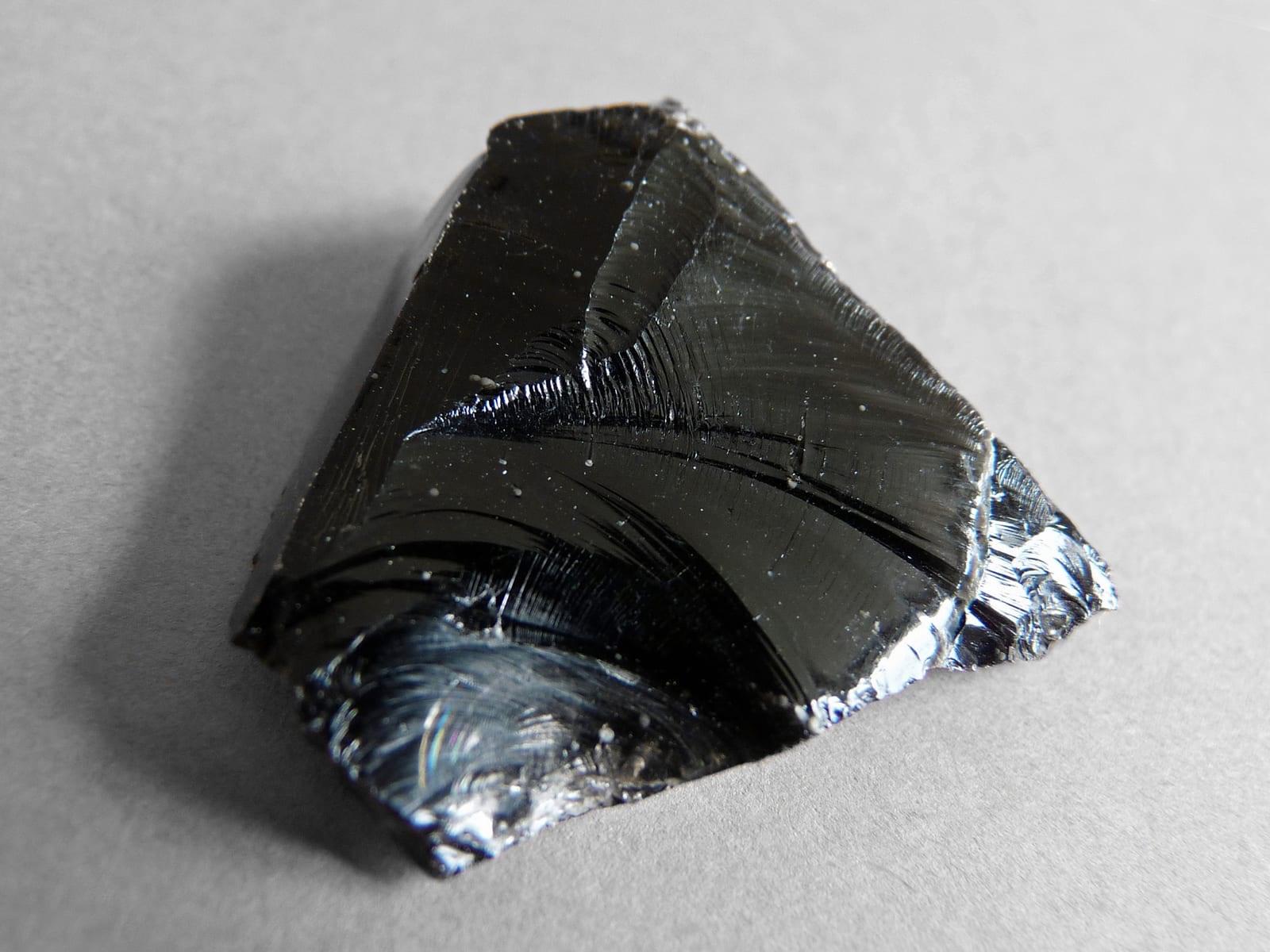
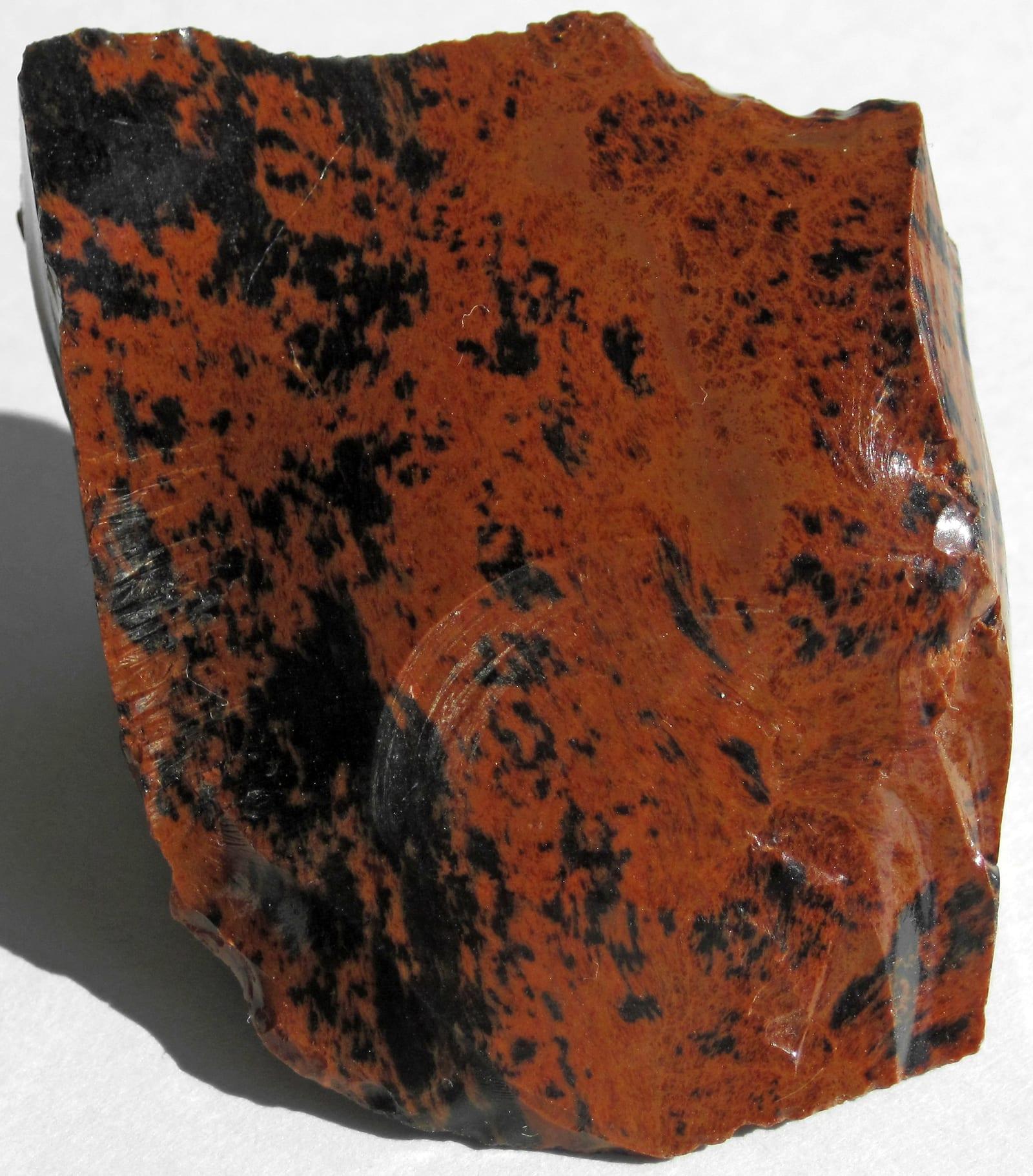
Often found alongside rainbow obsidian
Minerals reported to co-occur with rainbow obsidian. Spotting these in float or country rock is a strong cue you are in the right ground.
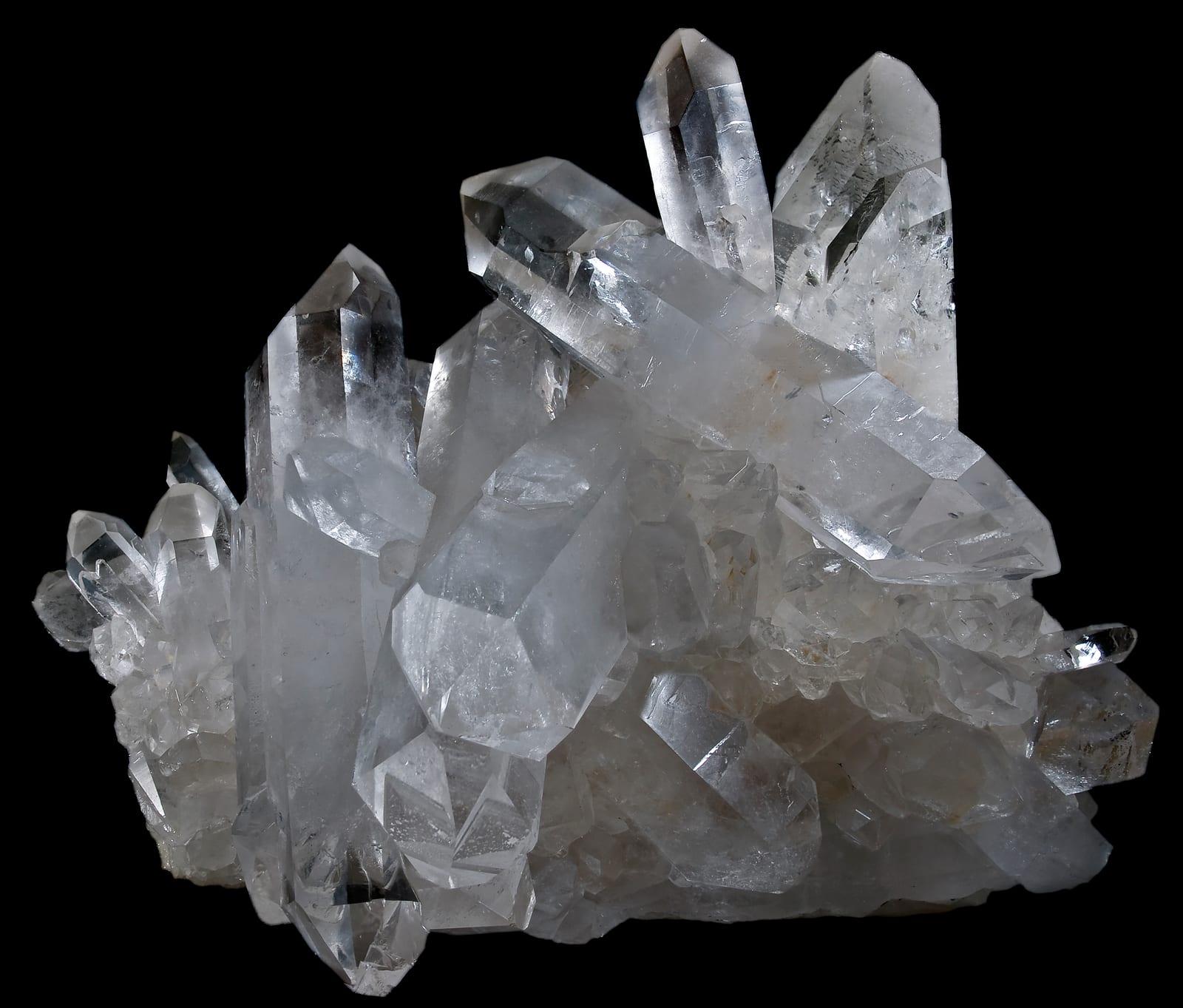
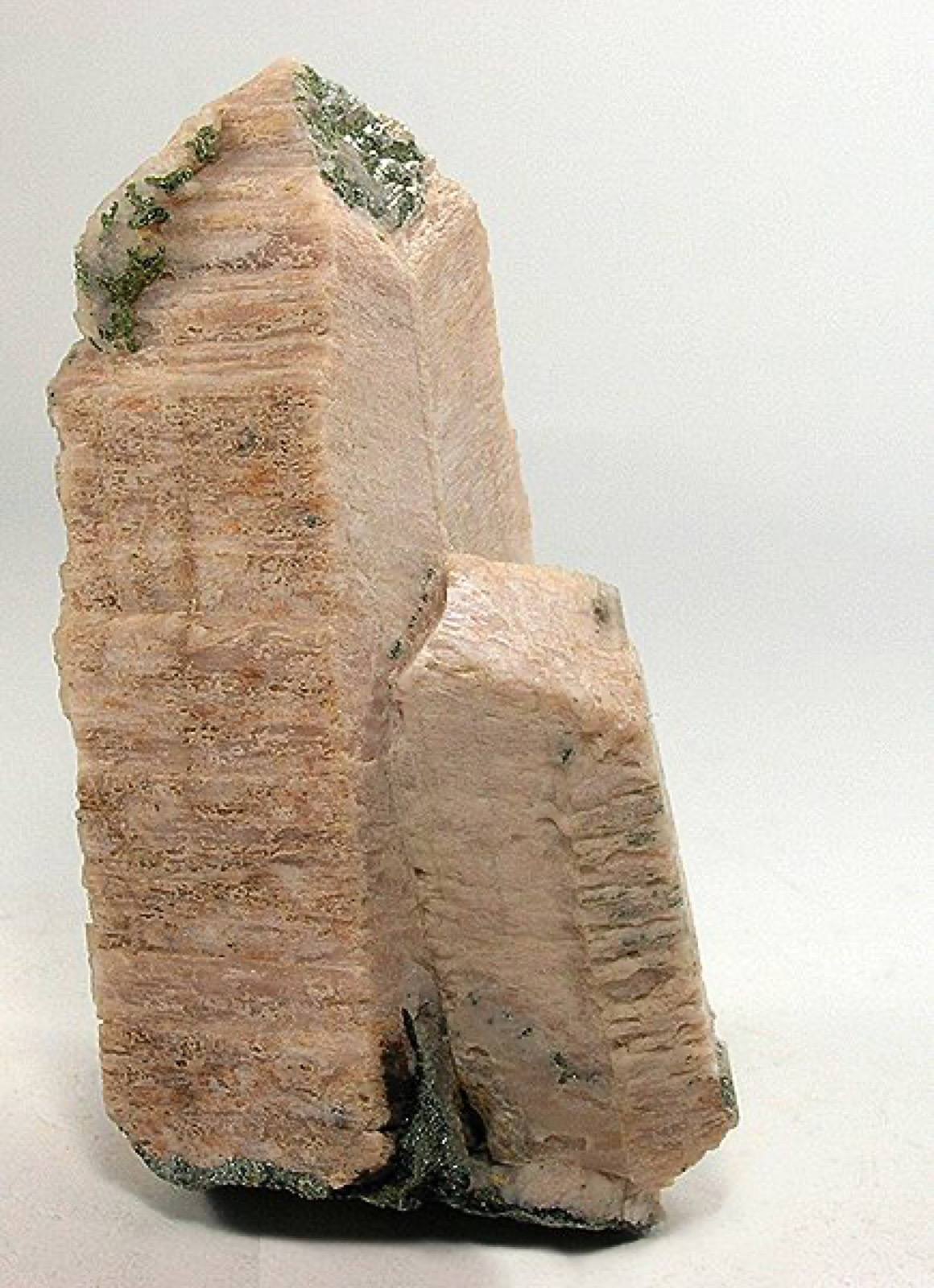
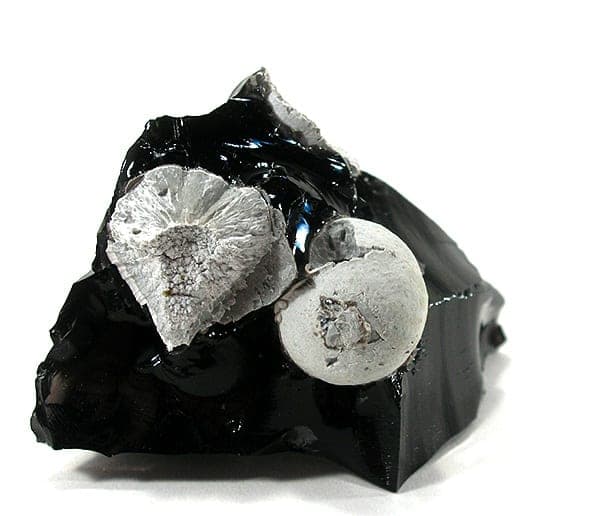
All properties
- Chemical formula
- SiO₂
- Mohs hardness
- 5-5.5
- Density
- 2.4 g/cm³
- Colors
- BlackIridescent
- Streak
- White
- Luster
- Vitreous
- Transparency
- Opaque
- Crystal system
- Amorphous
- Crystal habit
- Massive
- Cleavage
- None
- Rarity
- Common
- Uses
- Lapidary, Collector, Decorative
- Host rock
- rhyolitic lava
Where rockhounds find rainbow obsidian
Classic worldwide localities
- Mexico
- USA
- Iceland
- Armenia
Field-hunting tip
Where it forms: rhyolitic lava. If you start seeing quartz, feldspar, cristobalite in float, you are in the right ground. Typical habit: massive. Train your eye for that shape before scanning the outcrop.
Common questions
How do you identify rainbow obsidian?+
Where is rainbow obsidian found?+
What rocks look like rainbow obsidian?+
What minerals are found with rainbow obsidian?+
What kind of rock does rainbow obsidian form in?+
What is rainbow obsidian used for?+
Find rainbow obsidian on the map
RockHoundR shows mapped rockhounding spots, access rules, and lets you log every find.