Siltstone is a fine-grained sedimentary rock composed mainly of silt-sized particles. It feels gritty to the touch compared to claystone or shale and is commonly found in river channels, deltas, and floodplains.
Hardness
3-4
Mohs
Luster
Dull
Transparency
Opaque
Is this siltstone?
5-step field checkRun through these checks against the specimen in your hand. The more boxes tick, the more confident the ID.
- 1Test the hardnessTry to scratch siltstone with a known reference. Siltstone sits at Mohs 3-4, softer than the next harder reference, harder than the previous one.
- 2Read the textureLook at a fresh break with a hand lens. Texture: Not fissile; feels gritty. Grain size: Mostly silt, grains 2 to 62 micrometres.
- 3Pick out the mineralsComposition: Mudrock with low clay content. Identify the two or three most abundant grains.
- 4Read the lusterHold the specimen under a strong light. Luster: dull.
- 5Match the color rangeCompare against the expected color range: gray, red, brown, tan, green.
Often confused with
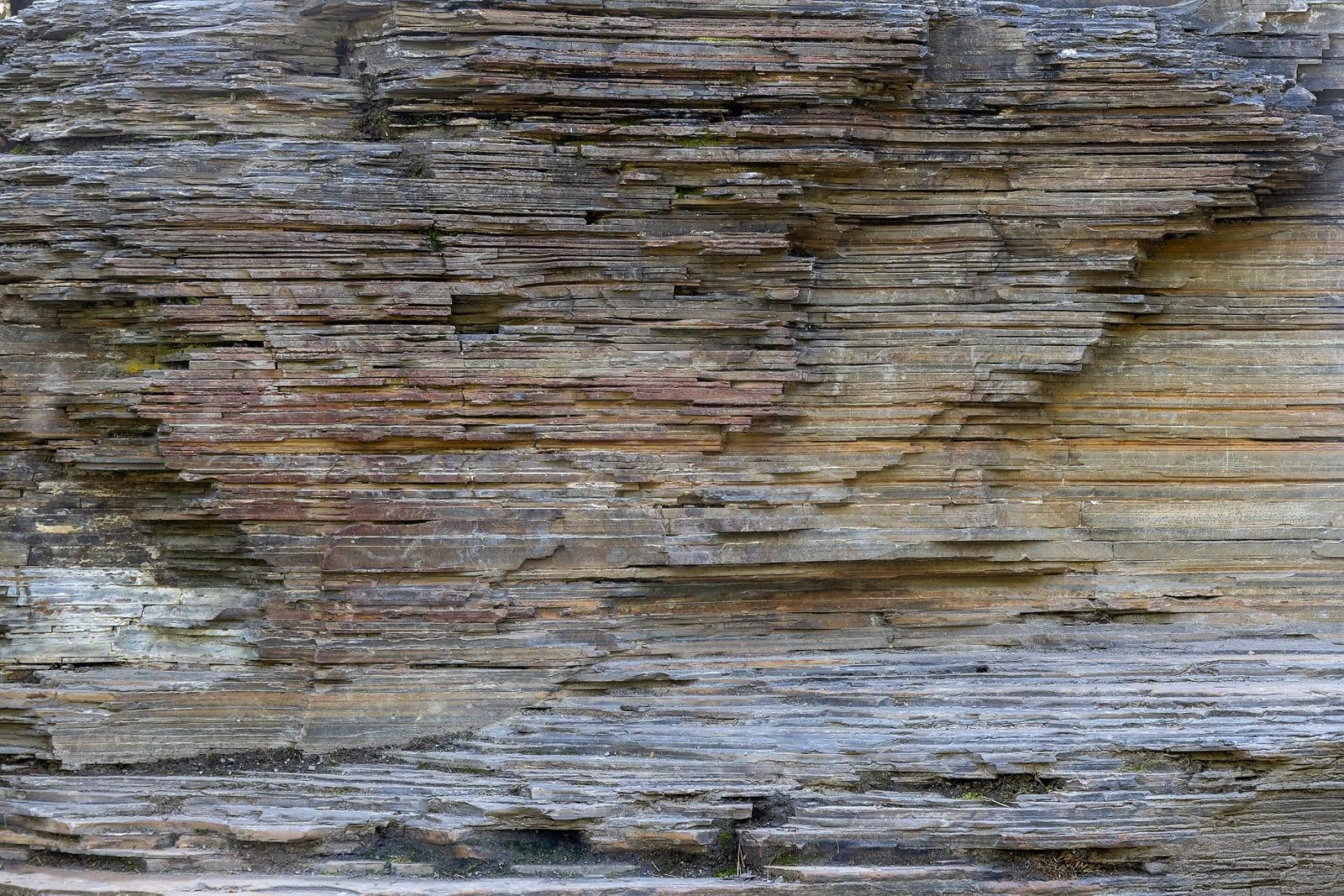
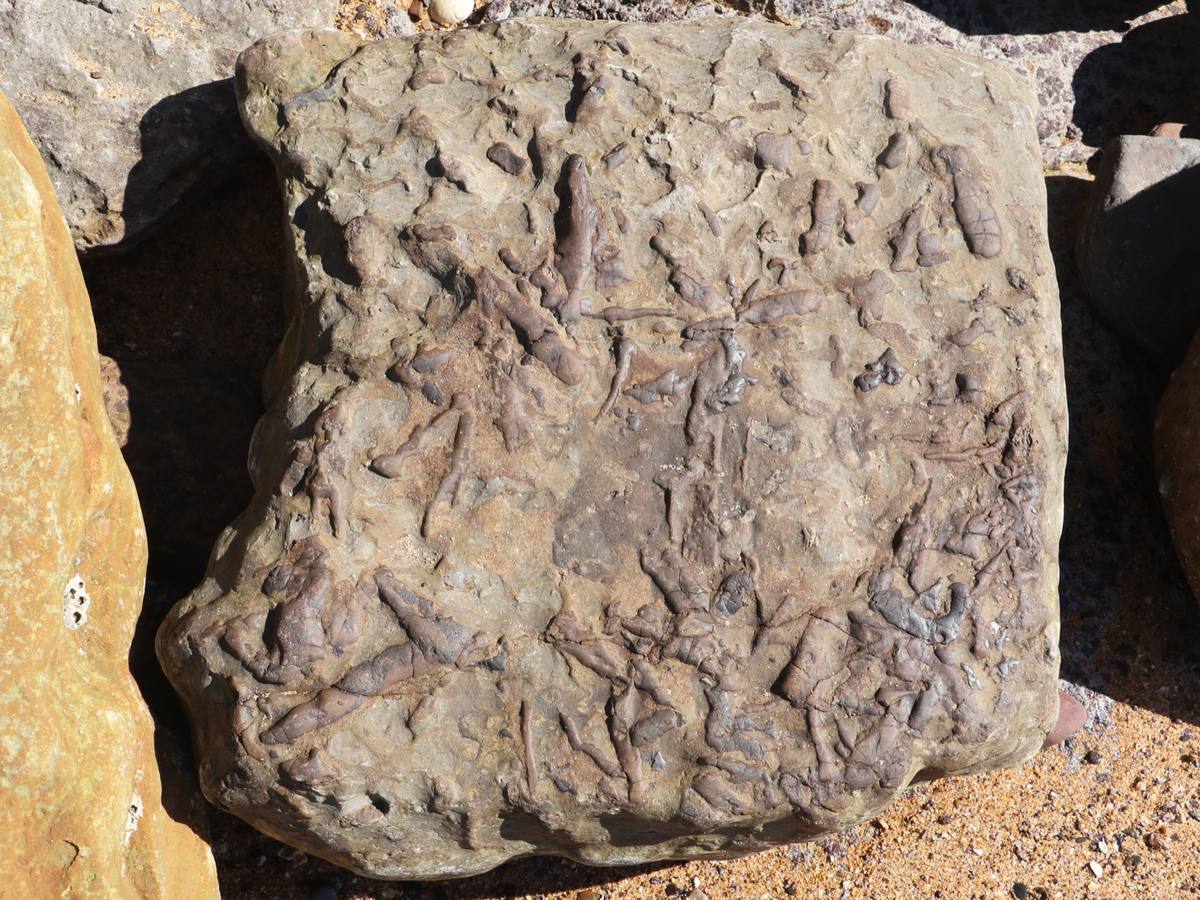
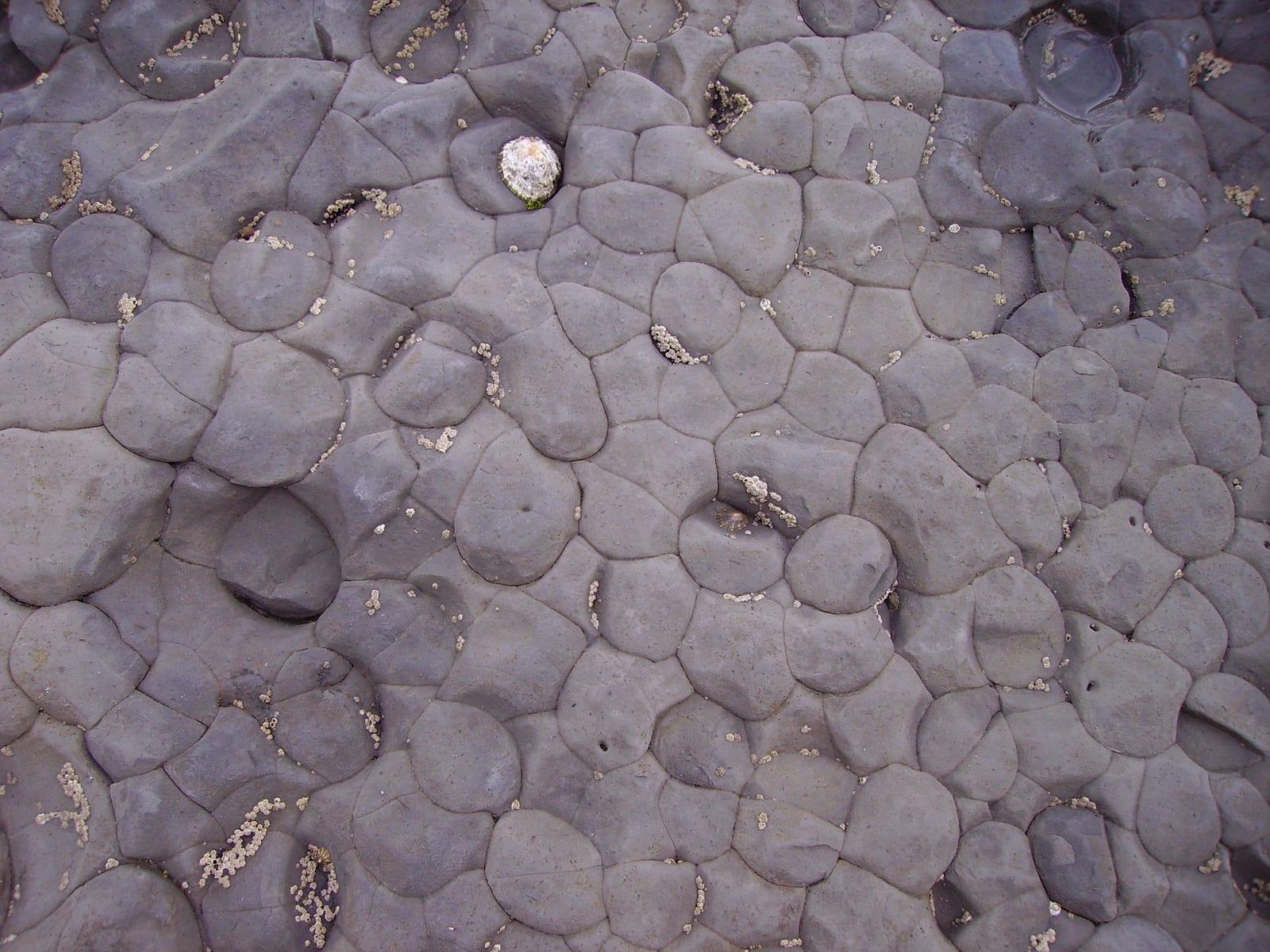
Siltstone vs. its common look-alikes, and how to tell them apart in the field.
Often found alongside siltstone
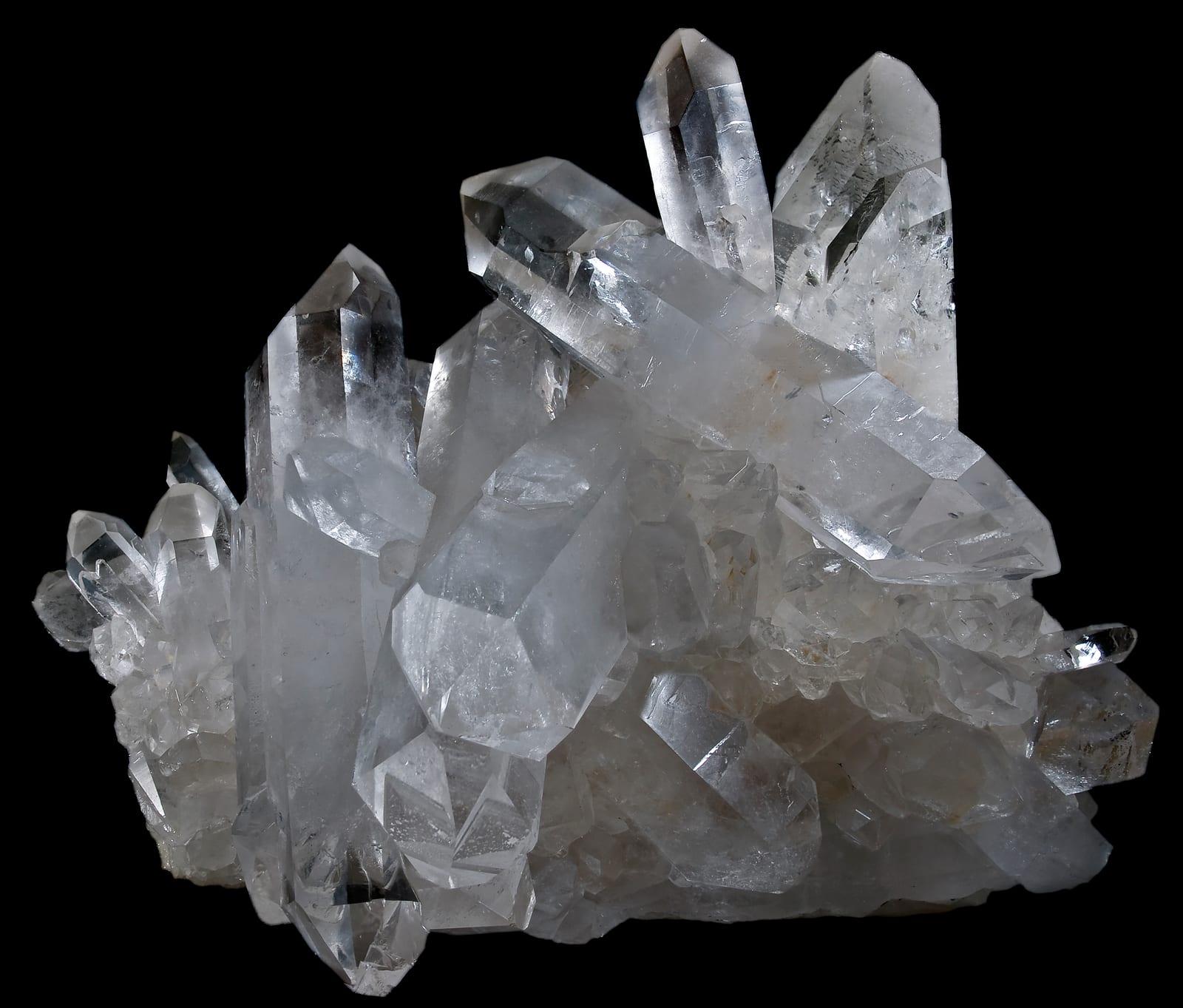
Minerals reported to co-occur with siltstone. Spotting these in float or country rock is a strong cue you are in the right ground.
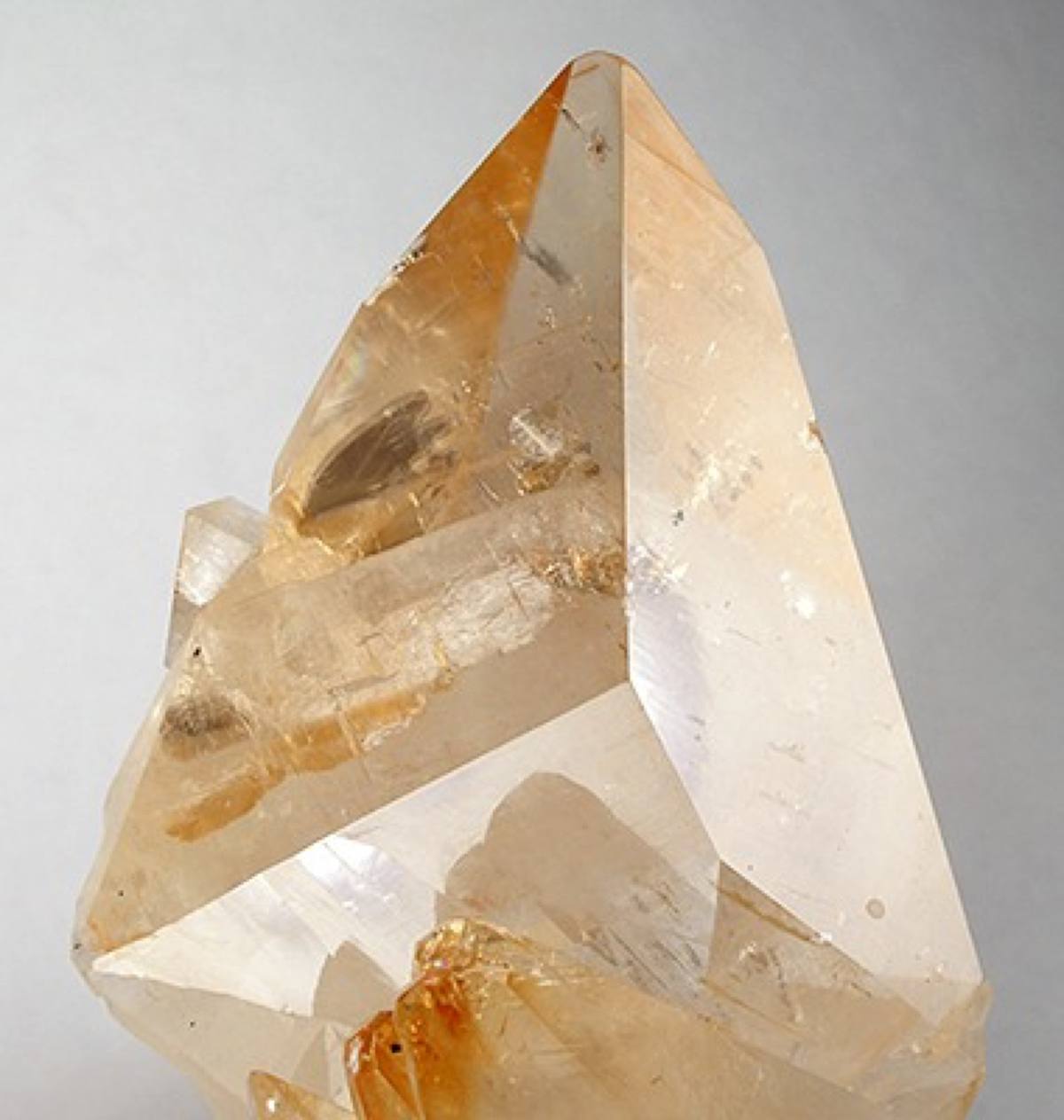
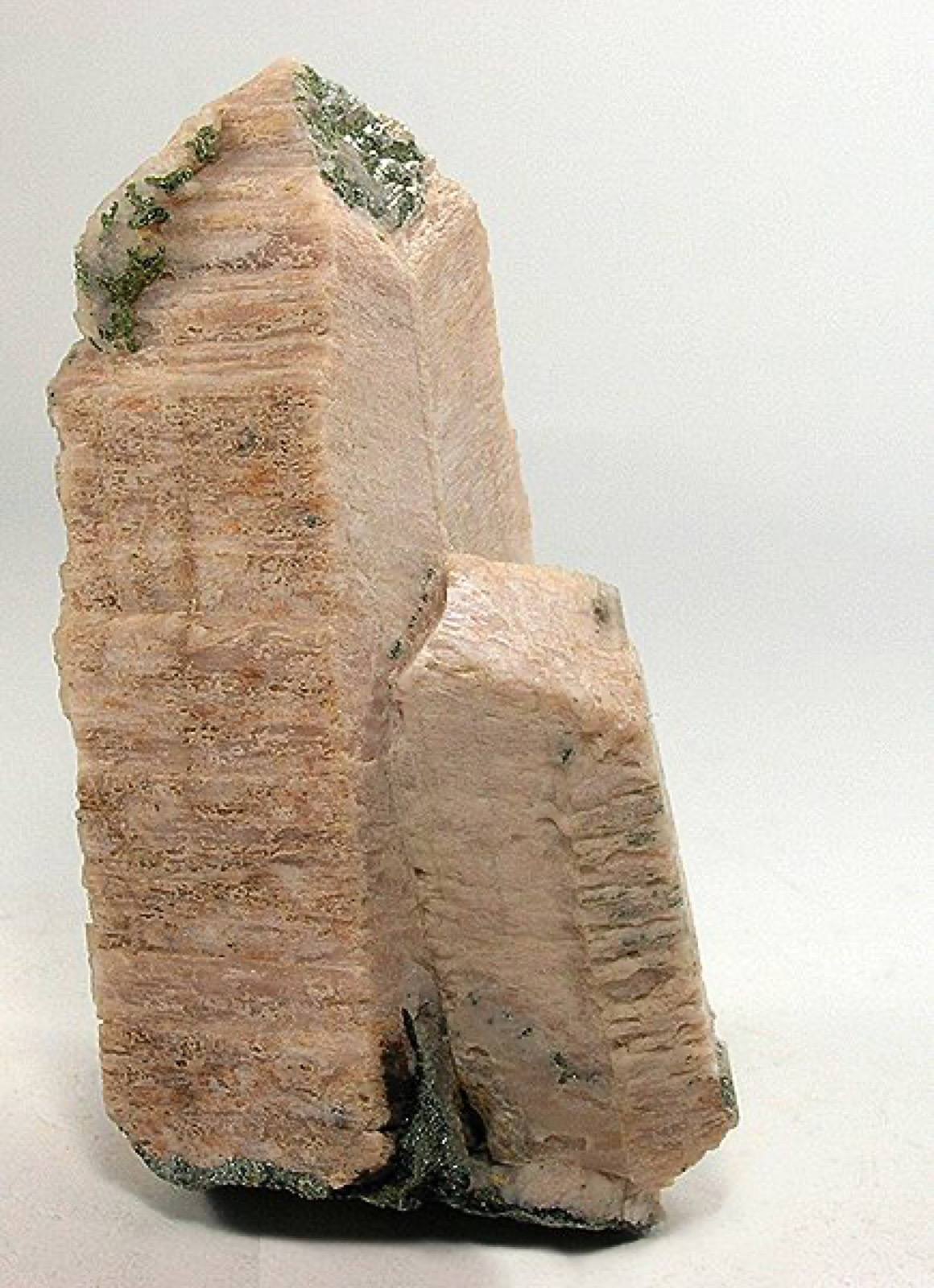
All properties
- Mohs hardness
- 3-4
- Density
- 2.2-2.6 g/cm³
- Luster
- Dull
- Transparency
- Opaque
- Rarity
- Common
- Uses
- Construction, Decorative, Educational
- Host rock
- sedimentary basins
- Texture
- Not fissile; feels gritty
- Grain size
- Mostly silt, grains 2 to 62 micrometres
- Composition
- Mudrock with low clay content
Where rockhounds find siltstone
Classic worldwide localities
- USA
- United Kingdom
- Germany
- China
- Australia
Field-hunting tip
Where it forms: sedimentary basins. If you start seeing quartz, clay minerals, calcite in float, you are in the right ground.
Common questions
How do you identify siltstone?+
Mohs hardness is 3-4. Texture: Not fissile; feels gritty. Composition: Mudrock with low clay content. Luster: dull. Common colors include gray, red, brown, tan.
Where is siltstone found?+
Notable localities include USA; United Kingdom; Germany; China; Australia.
What rocks look like siltstone?+
Siltstone is most often confused with Shale, Claystone, Mudstone. A quick hardness test and a streak check separate the look-alikes faster than color alone.
What minerals are found with siltstone?+
Siltstone commonly co-occurs with quartz, clay minerals, calcite, feldspar. Spotting any of these in float or country rock is a useful trip signal.
What kind of rock does siltstone form in?+
Where it forms: sedimentary basins. Working float back to the host body is the standard way to chase a fresh occurrence.
What is siltstone used for?+
Siltstone is used in construction, decorative, educational.
Find siltstone on the map
RockHoundR shows mapped rockhounding spots, access rules, and lets you log every find.