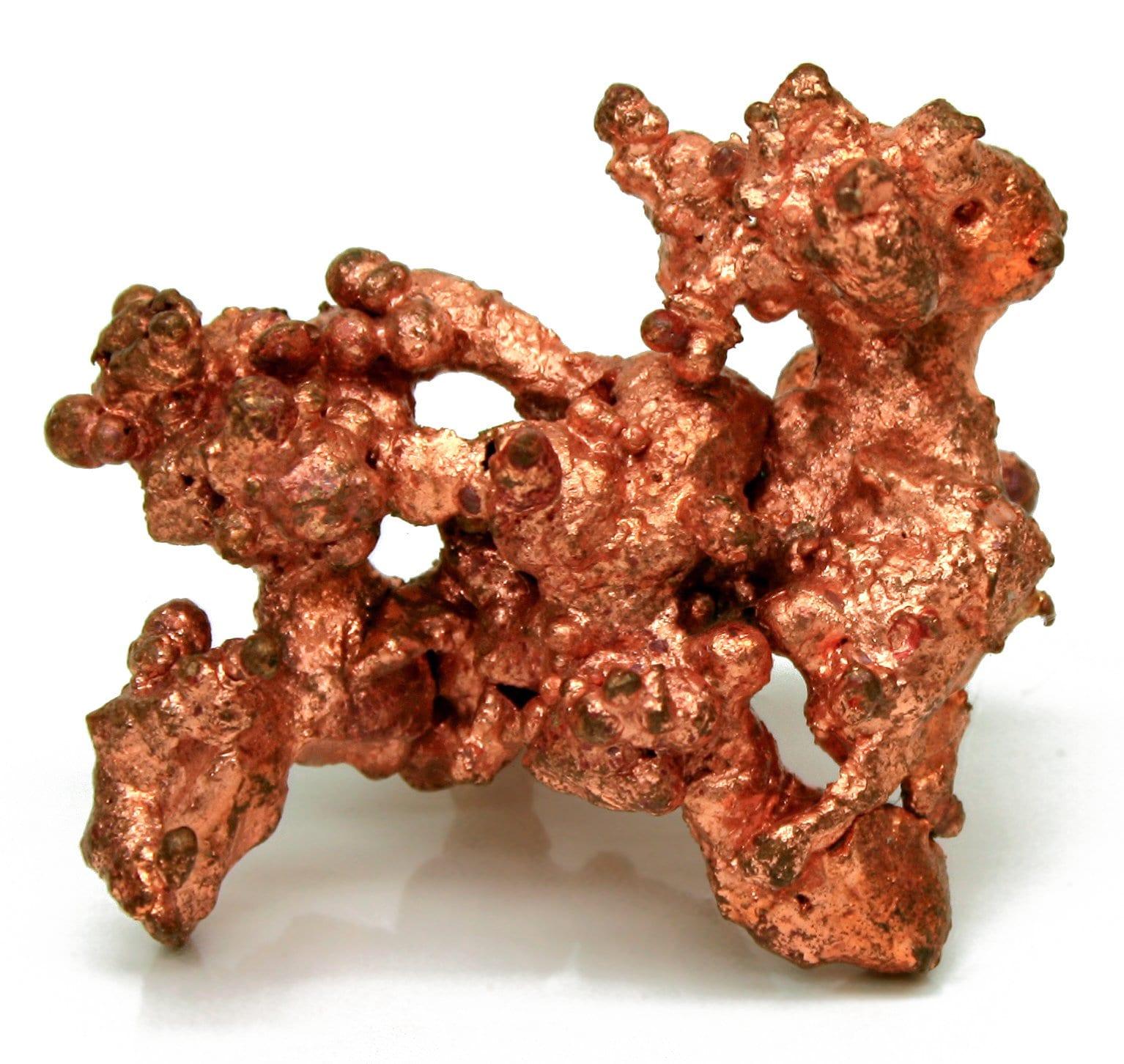
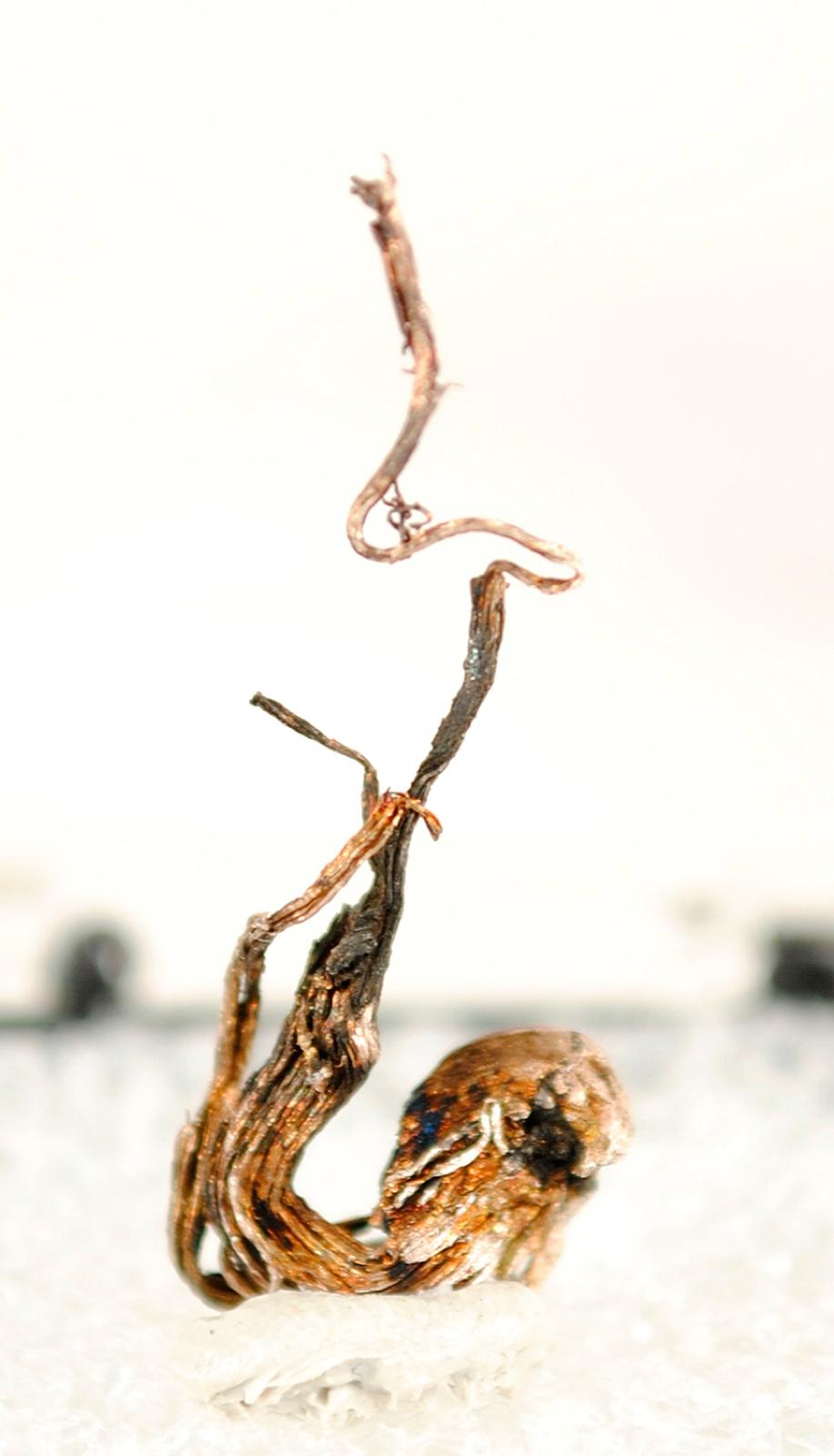
Silver is a highly conductive precious metal that often appears in nature as intricate wires, branching dendrites, or massive coatings. It frequently tarnishes to a dull grey or black color due to reaction with sulfur compounds, so collectors often display specimens in sealed environments. It is most commonly found in association with silver-sulfide minerals in hydrothermal vein systems.
Spotting silver in the field
Field marks- 1
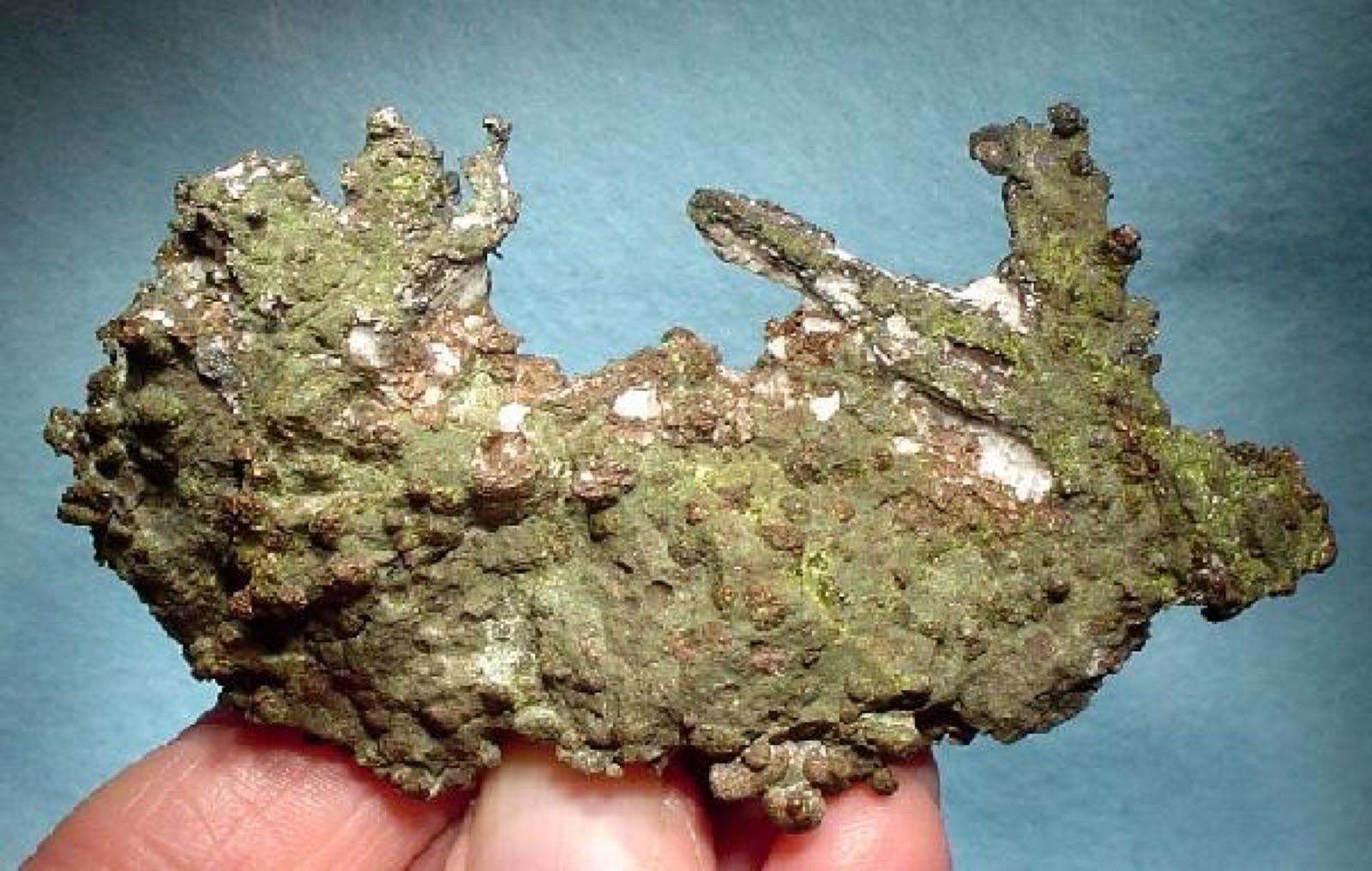
Tarnishes to black or dark grey, so it rarely looks silver in the field
- 2
Malleable and very heavy, dents under a pin rather than chipping
- 3
Often wiry, dendritic or in thin curling plates
Native silver almost never looks like silver, because it tarnishes quickly to a dull black. The wiry and dendritic habits are the useful cue, along with weight and malleability. It occurs in hydrothermal veins, often with cobalt and nickel minerals or with native copper. Realistically this is a specimen you buy or find in old mine dumps rather than something you turn up walking a creek.
Before you collect
Historic mine workings kill people every year through bad air, unstable ground and hidden shafts. Collect from dumps with permission, and stay out of underground workings entirely.
Straight answers
- Is it worth cutting?
- Not cut. Cleaned carefully, since aggressive tarnish removal damages delicate wire specimens.
- What is it really worth?
- Good crystallized specimens are valuable well beyond metal content, especially fine wire silver.
- Can you legally keep it?
- Old mine dumps are usually private or claimed, and many are on unsafe ground. Ask before entering, and never enter an old adit.
Often confused with
Silver vs. its common look-alikes, and how to tell them apart in the field.
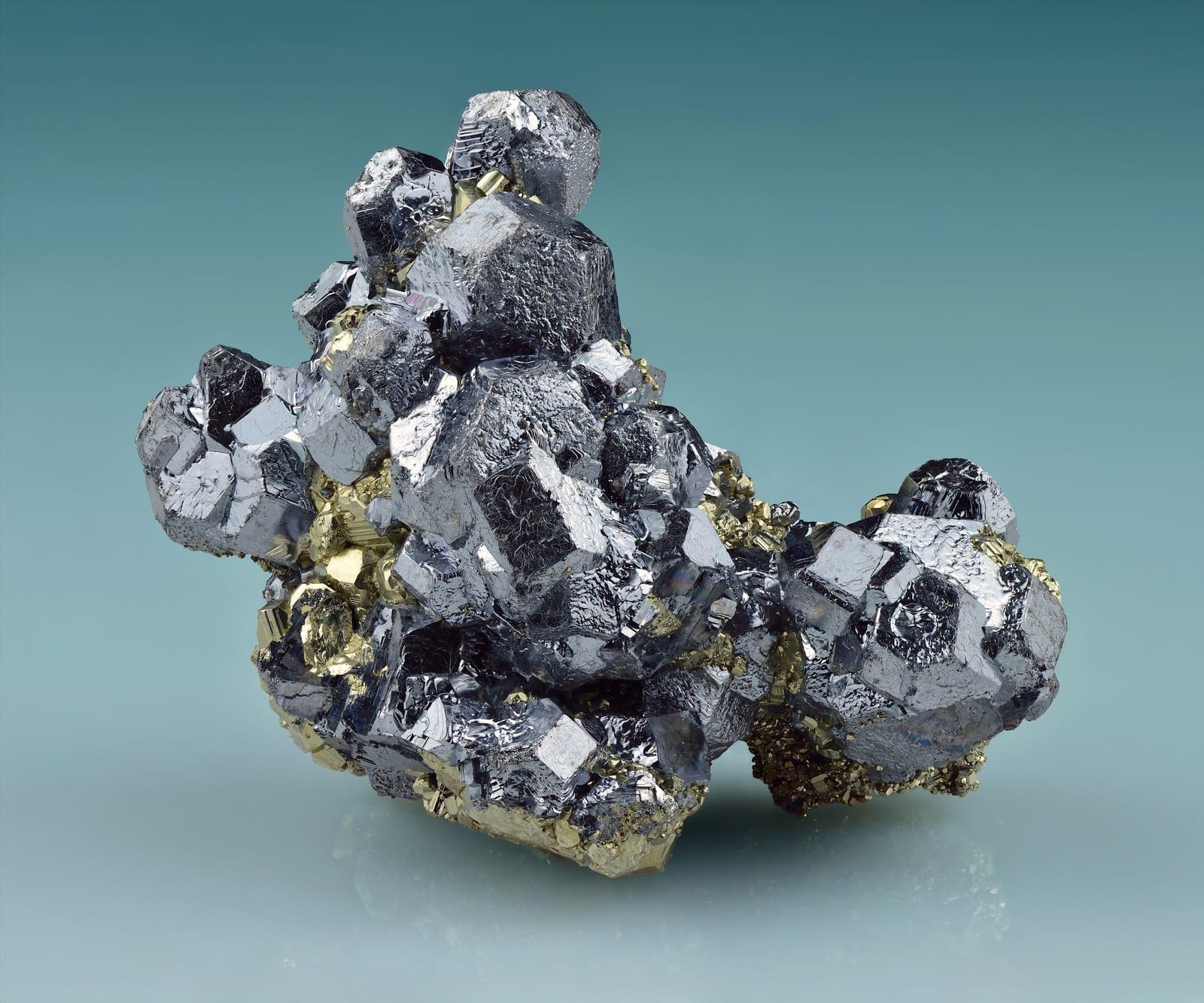
Often found alongside silver
Minerals reported to co-occur with silver. Spotting these in float or country rock is a strong cue you are in the right ground.
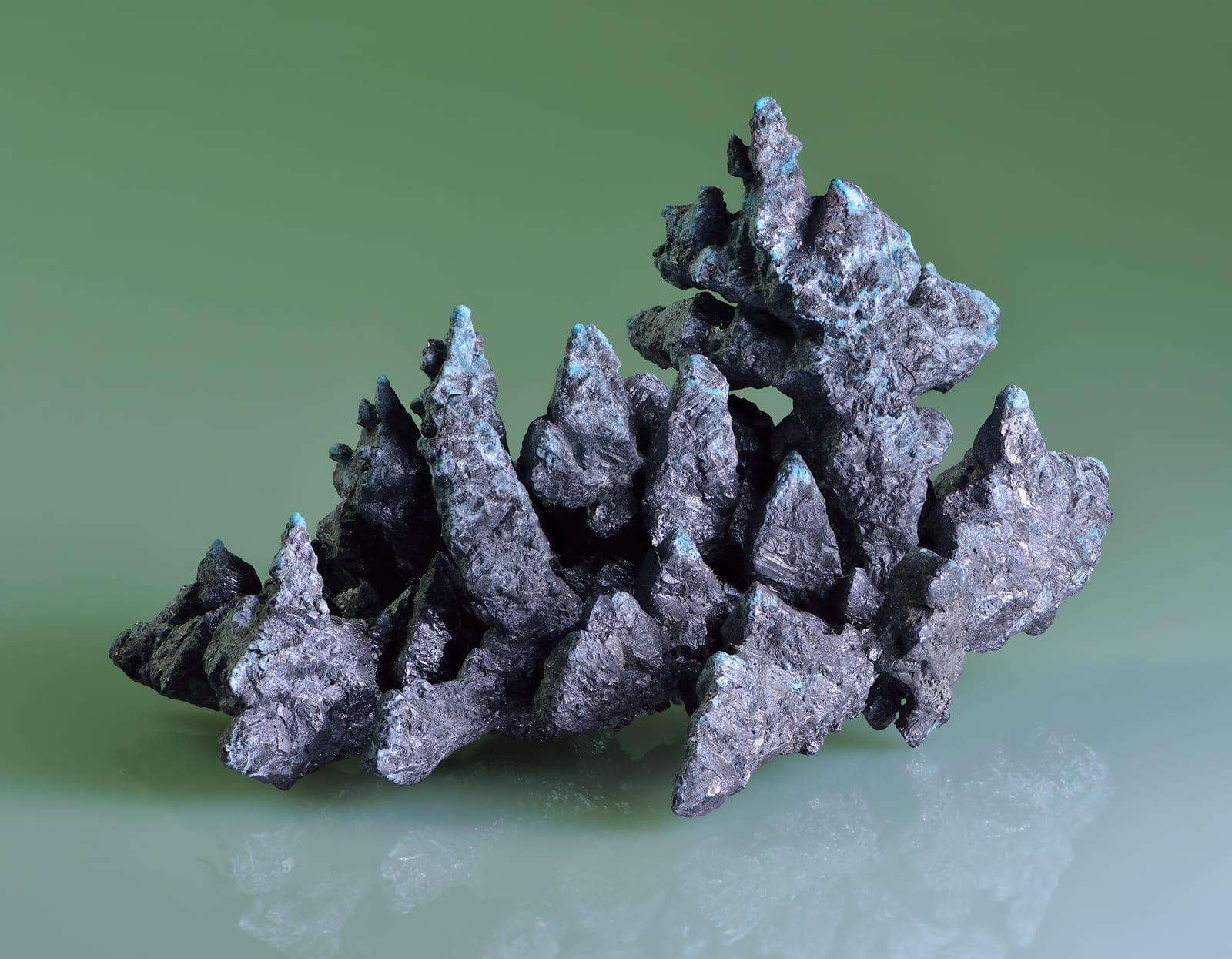
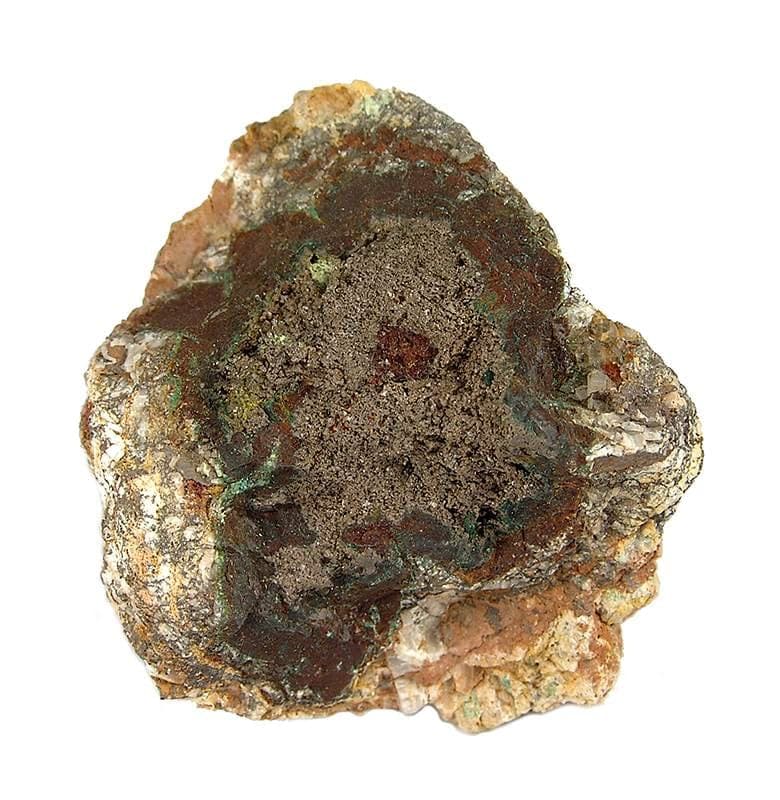
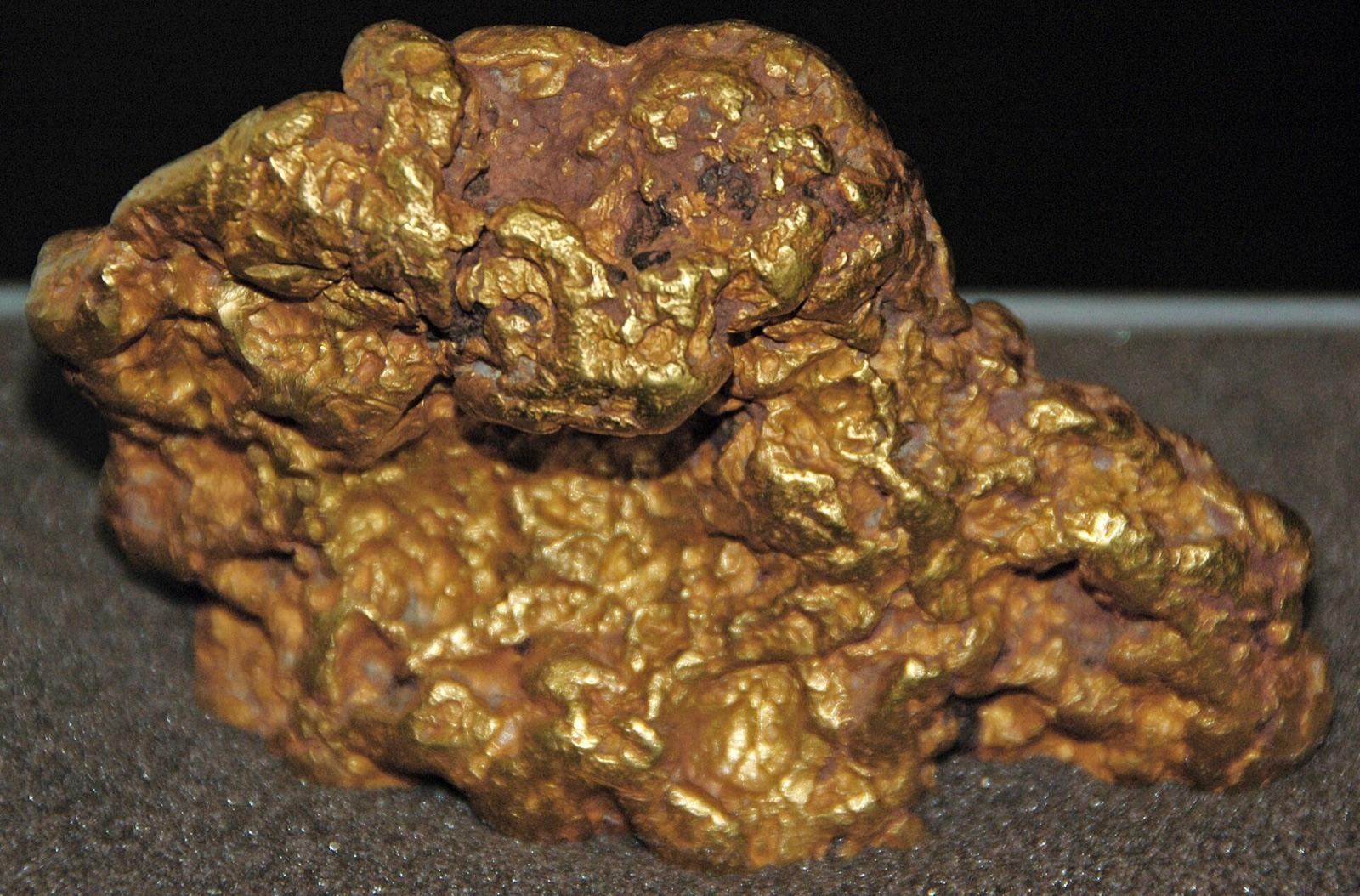
All properties
- Chemical formula
- Ag
- Mohs hardness
- 2.5-3
- Density
- 10.1-11.1 g/cm³
- Streak
- Silver-white
- Luster
- Metallic
- Transparency
- Opaque
- Crystal system
- Cubic
- Crystal habit
- Wire-like, dendritic, arborescent, massive, cubic crystals
- Cleavage
- None
- Rarity
- Uncommon
- Uses
- Collector, Industrial, Jewelry, Investment
- Host rock
- A primary hydrothermal mineral, also formed by secondary processes, especially in the oxidized portions of mineral deposits
Where rockhounds find silver
84 mapped spotsClassic worldwide localities
- Keweenaw Peninsula, Houghton and Keweenaw Cos., Michigan, USA
- Aspen, Pitkin Co., and from Creede, Mineral Co., Colorado, USA
- Silver King mine, Pinal Co., Arizona, USA
- Freiberg and Marienberg, Saxony, and at St. Andreasberg, Harz Mountains, Germany
- Exceptionally developed at Kongsberg, Norway
- Příbram and Jáchymov (Joachimsthal), Czech Republic
U.S. states with silver
Each link opens a state-specific list of mapped rockhounding spots that produce silver.
Field-hunting tip
Where it forms: A primary hydrothermal mineral, also formed by secondary processes, especially in the oxidized portions of mineral deposits. If you start seeing acanthite, chlorargyrite, embolite in float, you are in the right ground. Typical habit: wire-like, dendritic, arborescent, massive, cubic crystals. Train your eye for that shape before scanning the outcrop. In the U.S., the densest reported localities are in Nevada, Utah, Montana. Start trip planning there.
More silver photos
Common questions
How do you identify silver?+
Where is silver found?+
Can I find silver in the United States?+
What rocks look like silver?+
What minerals are found with silver?+
What kind of rock does silver form in?+
What is silver used for?+
Find silver on the map
RockHoundR shows mapped rockhounding spots, access rules, and lets you log every find.