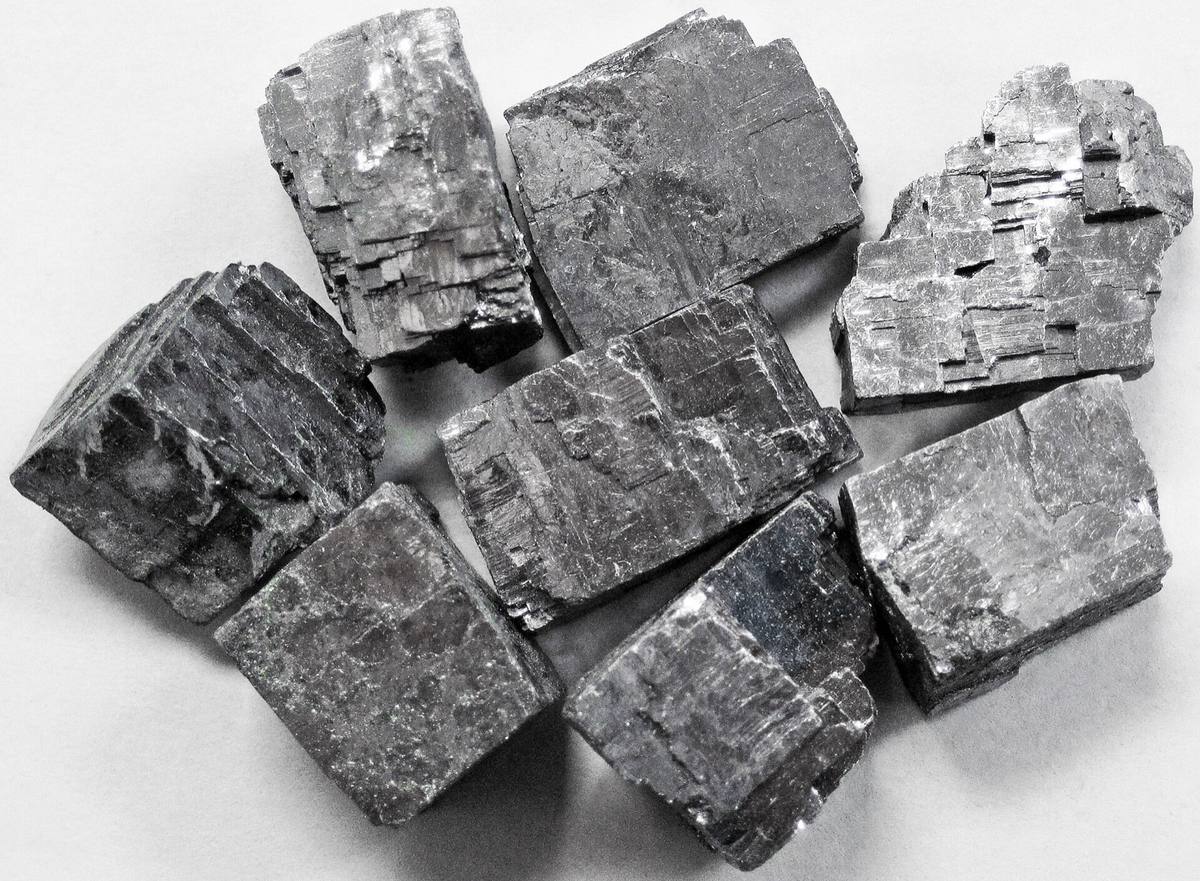
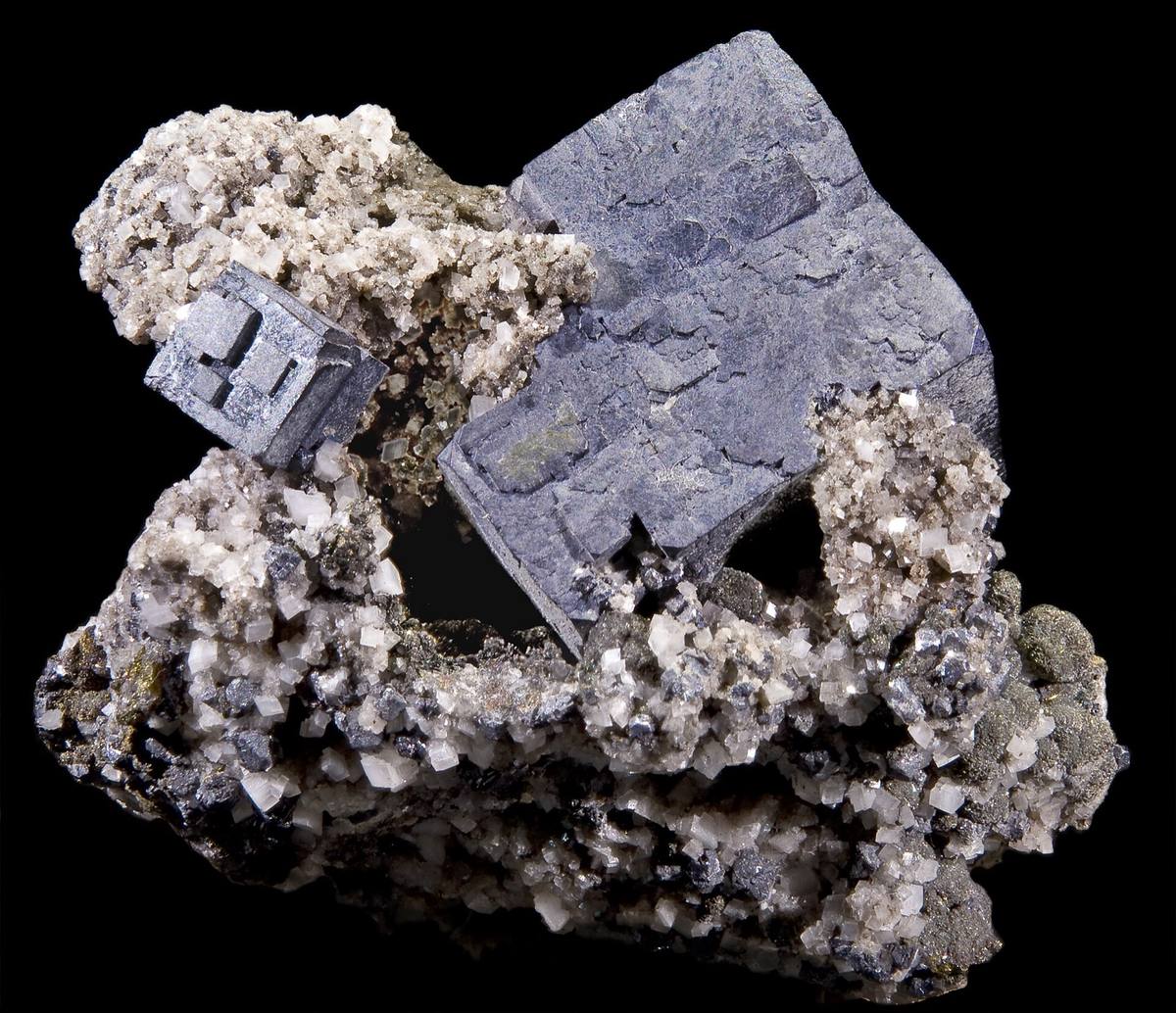
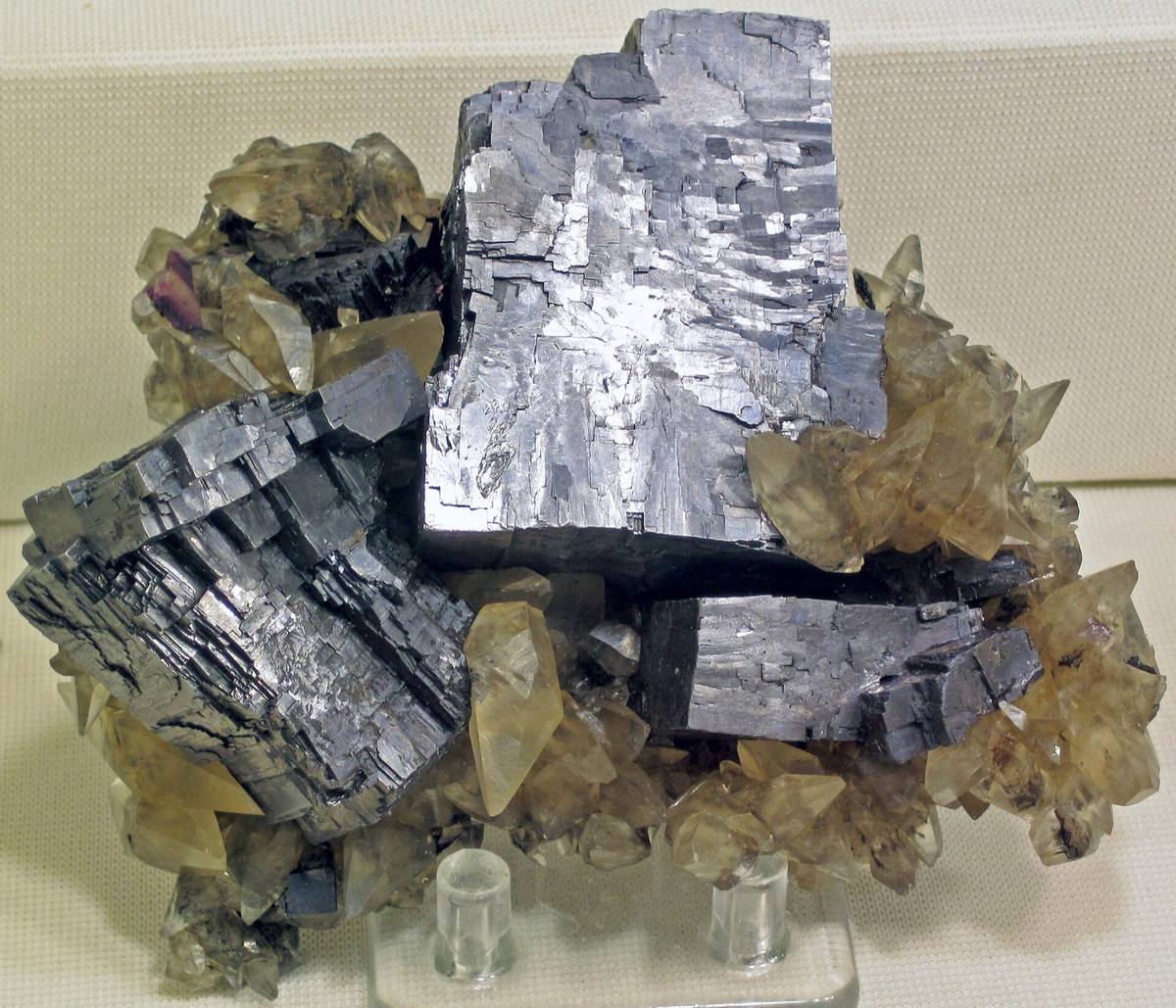
Galena is the primary ore of lead and is easily recognized by its heavy density, metallic lead-gray luster, and perfect cubic cleavage. It frequently forms distinctive shiny cubic or octahedral crystals in hydrothermal veins and carbonate environments.
Spotting galena in the field
Field marks- 1
Bright silvery metallic when fresh, dulling to grey, and extraordinarily heavy
- 2
Cleaves into perfect cubes, so broken pieces are little silver blocks
- 3
Soft at 2.5, and leaves a lead grey streak
Galena is lead sulfide and the weight is startling: it is about seven and a half times as dense as water, so a fist-sized piece feels wrong. Perfect cubic cleavage means a hammer blow produces a scatter of small silver cubes rather than random fragments, which is completely diagnostic. It occurs in hydrothermal veins and in the Mississippi Valley type deposits, and it is the Missouri state mineral, from the old lead belt.
Before you collect
Galena is a lead mineral. Wash your hands after handling it, never cut or grind it, keep it away from children, and do not put it anywhere near food preparation. Old lead mining districts also have contaminated soil and water, and some are designated cleanup sites with genuine health restrictions.
Straight answers
- Is it worth cutting?
- Not cut. Far too soft and too toxic to work.
- What is it really worth?
- Inexpensive. Sharp large cubes and specimens with associated calcite or sphalerite are the collectible form.
- Can you legally keep it?
- Ordinary personal-use collecting rules apply. Historic lead districts often have contaminated ground and access restrictions, some of them federal cleanup sites.
Often confused with
Galena vs. its common look-alikes, and how to tell them apart in the field.
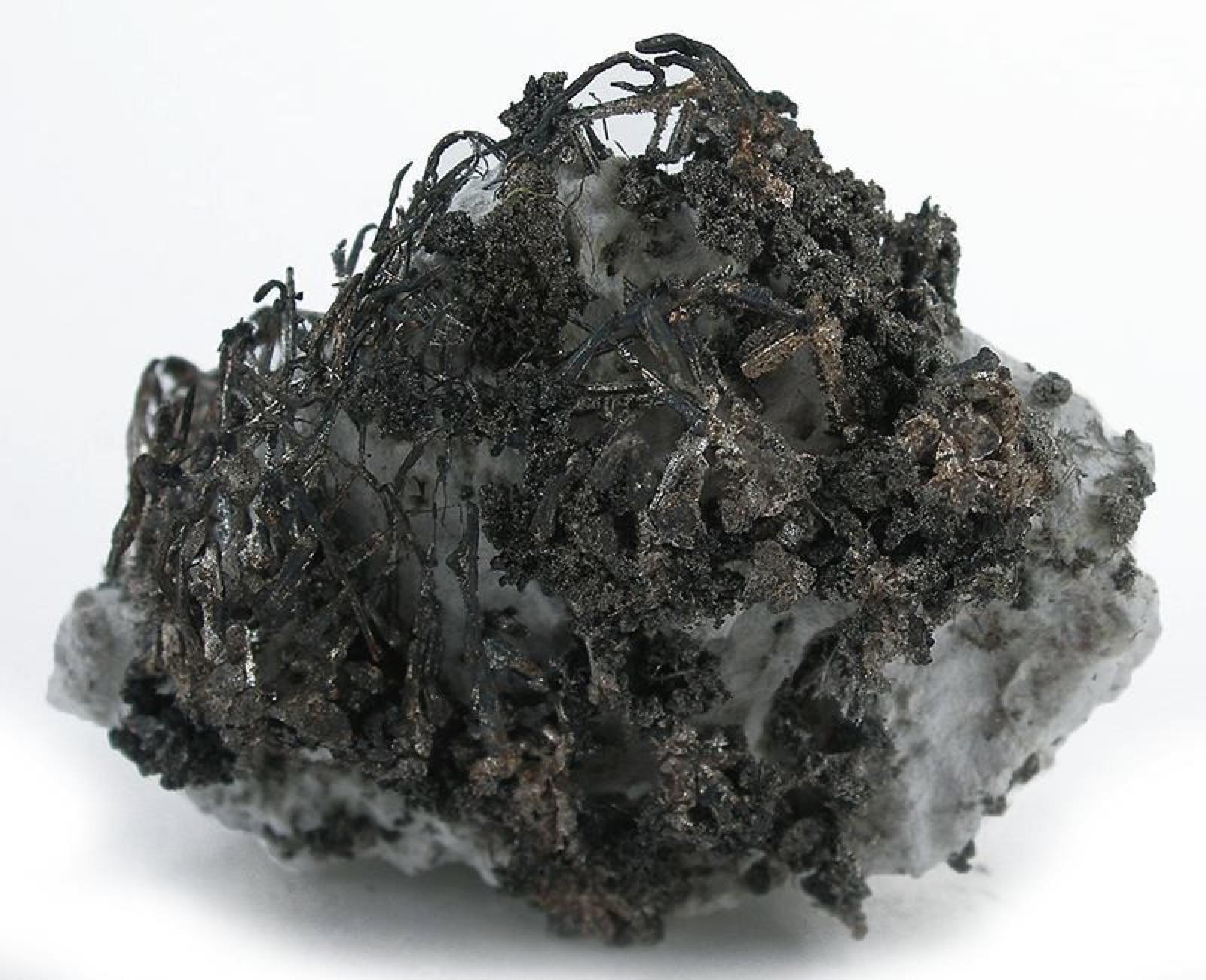
How to tell apart: Native silver is malleable and dents. Galena is brittle and cleaves into cubes.
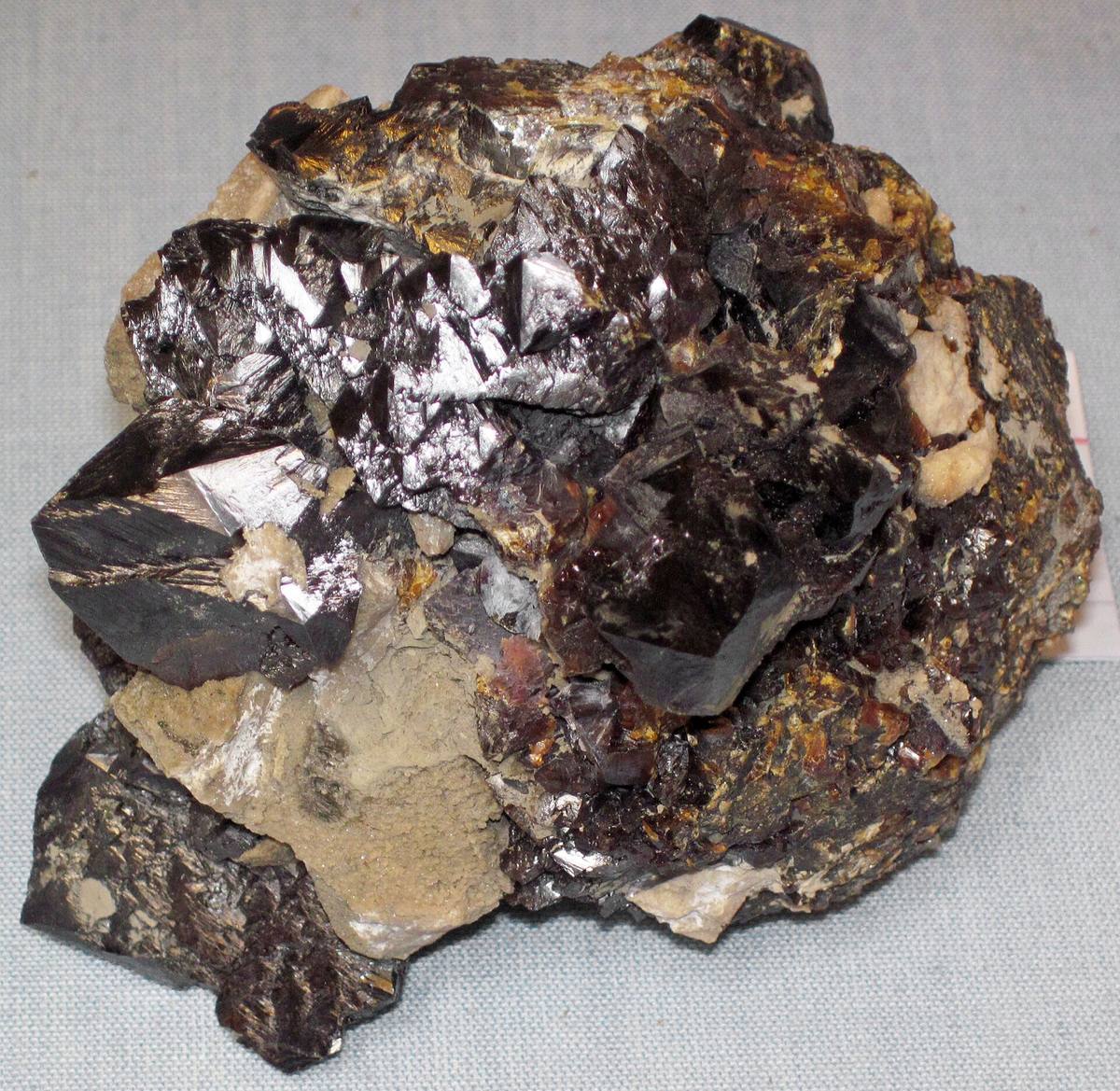
How to tell apart: Sphalerite is usually brown to black with a resinous rather than metallic look and gives a pale yellow-brown streak.
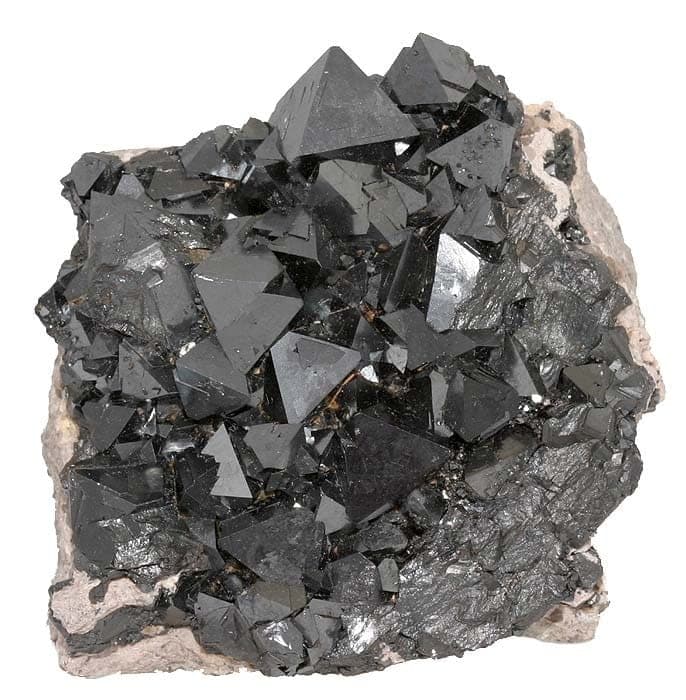
How to tell apart: Magnetite is strongly magnetic and black rather than silver. Galena is not magnetic.
Often found alongside galena
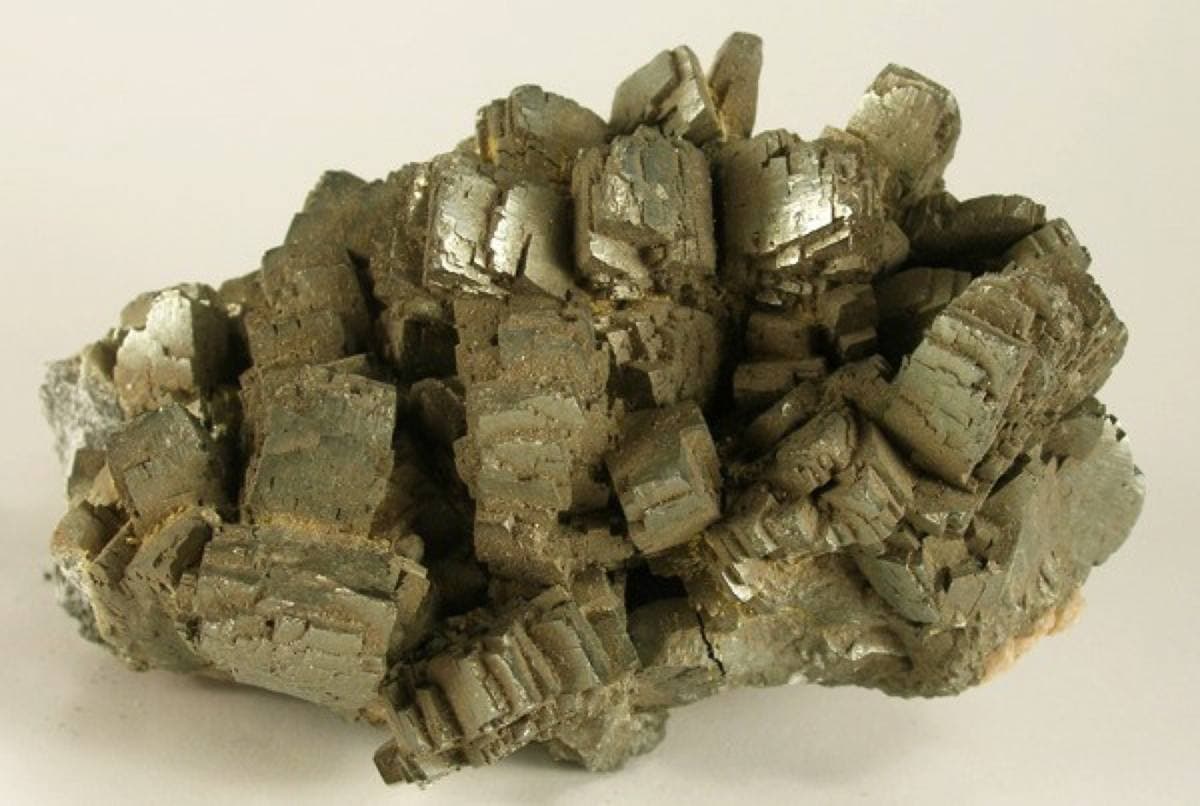
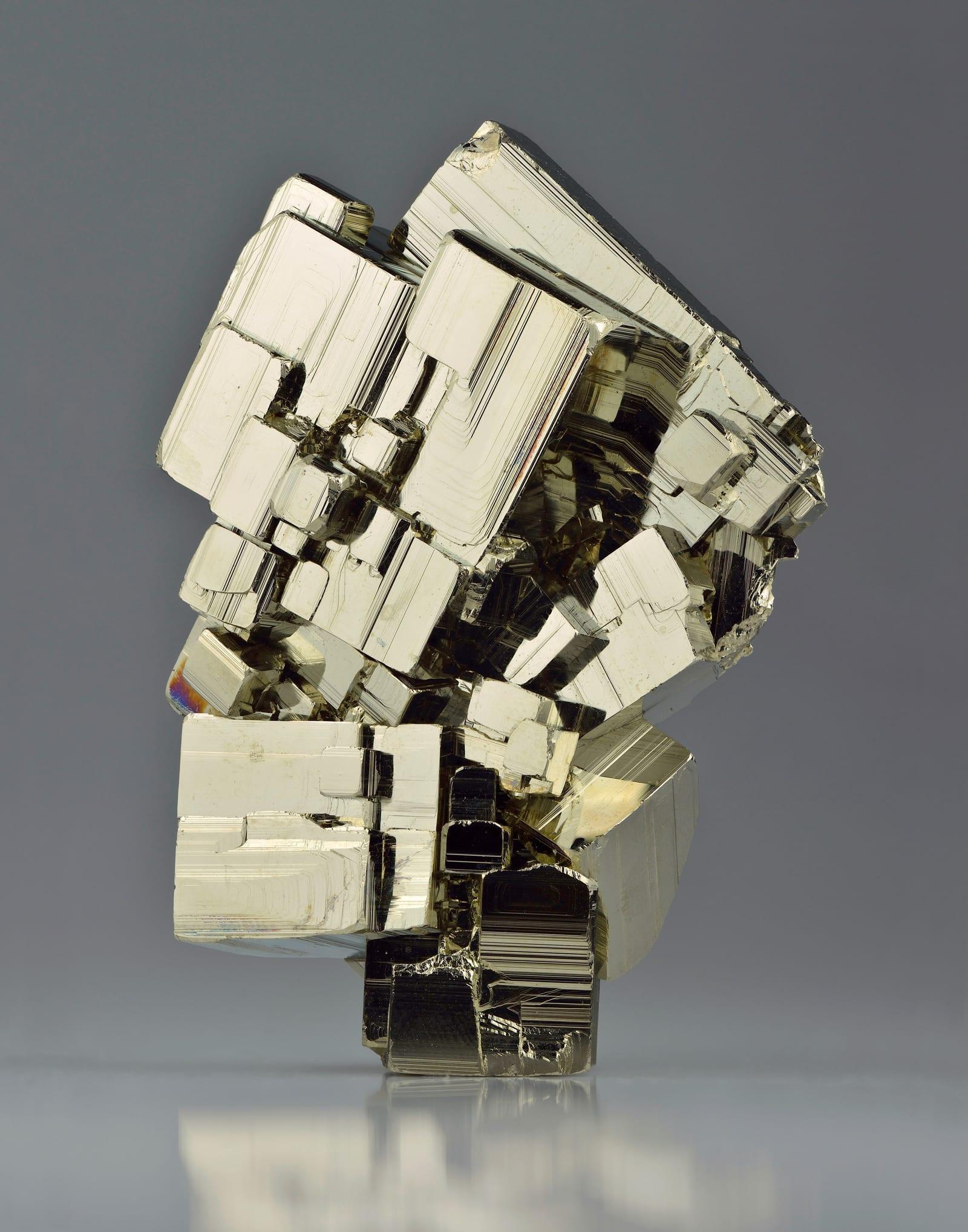
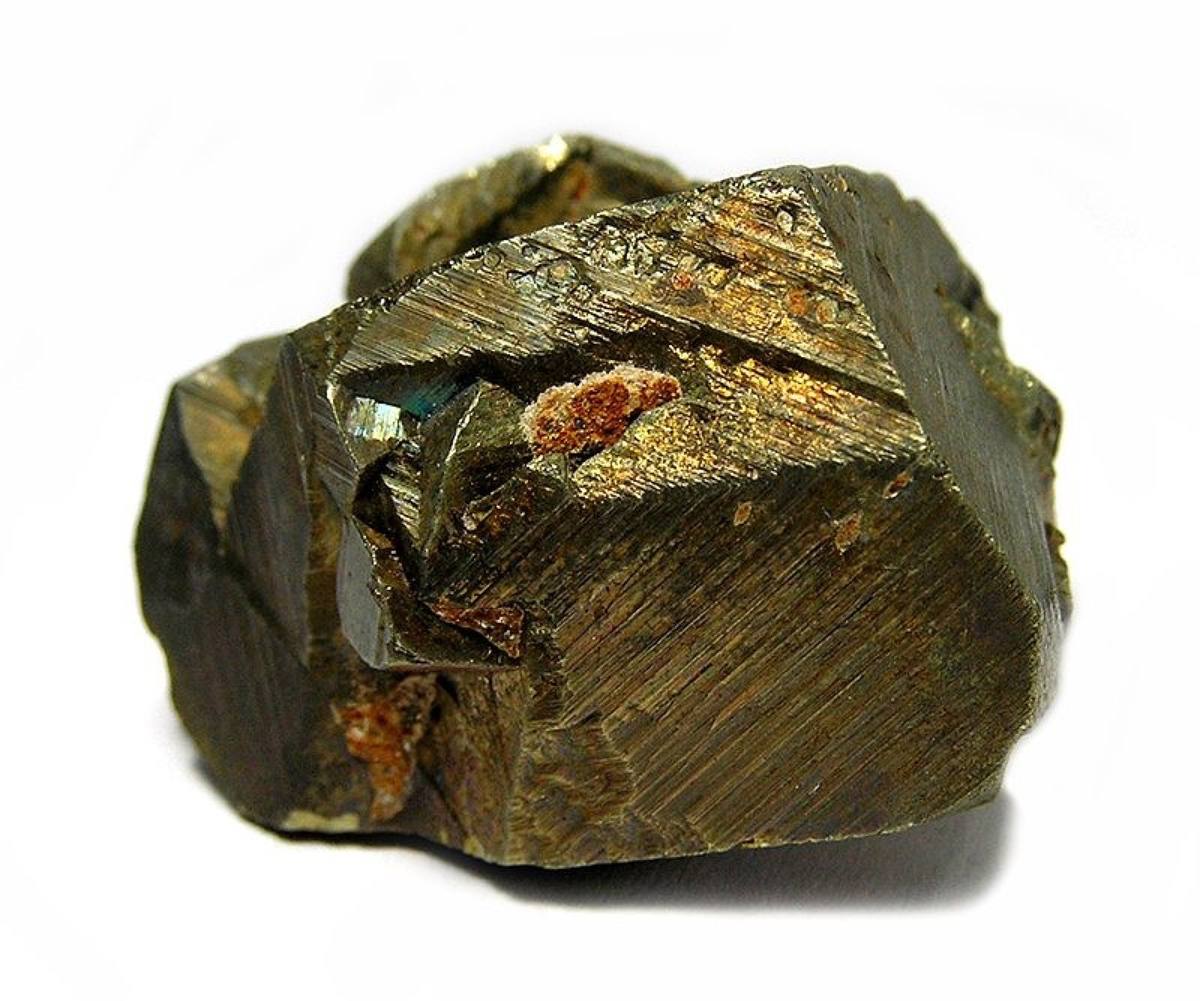
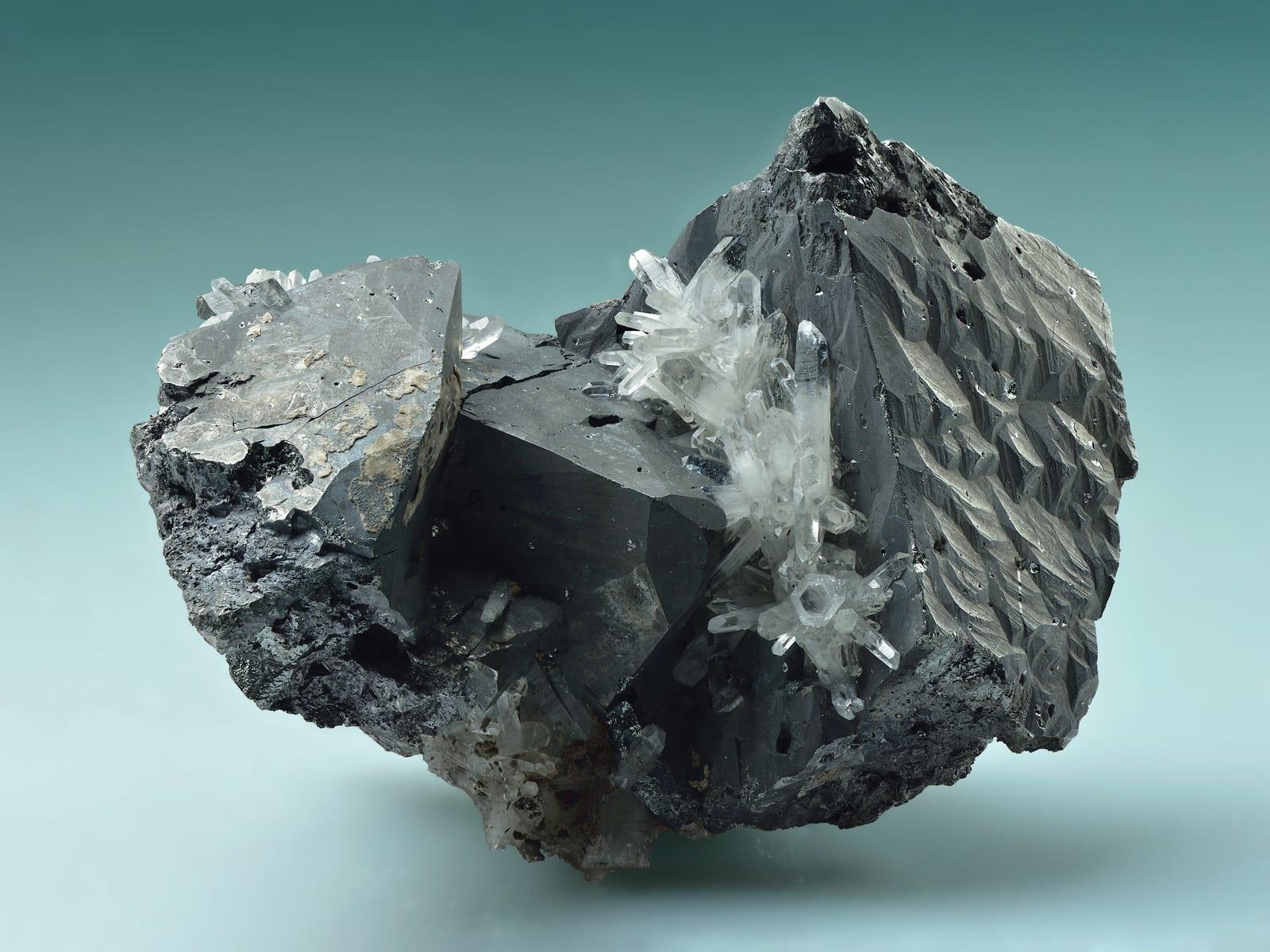
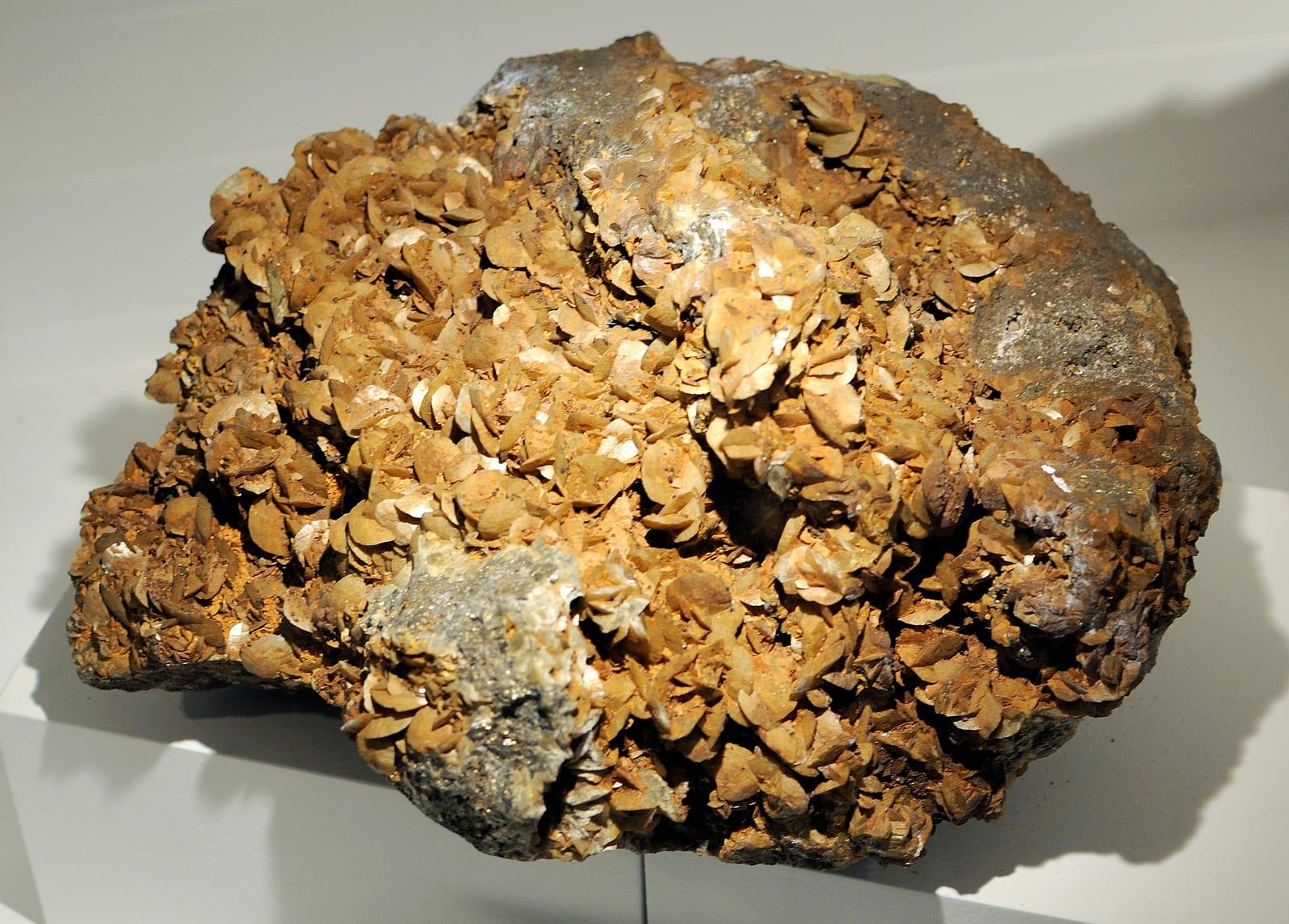
Minerals reported to co-occur with galena. Spotting these in float or country rock is a strong cue you are in the right ground.
All properties
- Chemical formula
- PbS
- Mohs hardness
- 2.5-2.75
- Density
- 7.58 g/cm³
- Colors
- Streak
- Lead-gray
- Luster
- Metallic
- Transparency
- Opaque
- Crystal system
- Cubic
- Crystal habit
- Cubic, octahedral, massive, granular
- Cleavage
- Perfect on {001}; parting or cleavage on {111}
- Rarity
- Common
- Uses
- Ore of lead, Collector, Industrial
- Host rock
- In many different types of environments
Where rockhounds find galena
157 mapped spotsClassic worldwide localities
- Coeur d’Alene district, Shoshone Co., Idaho, USA
- Leadville, Lake Co., and from Breckenridge, Summit Co., Colorado, USA
- Mississippi Valley region, in the Tri-State district, at Joplin, Jasper Co., Missouri, USA
- Galena, Cherokee Co., Kansas, USA
- Příbram, Czech Republic
- Freiberg, Saxony, Germany
U.S. states with galena
Each link opens a state-specific list of mapped rockhounding spots that produce galena.
- Utah49 spots
- Missouri17 spots
- New Jersey9 spots
- North Carolina7 spots
- Wisconsin7 spots
- New Mexico6 spots
- New York6 spots
- Tennessee6 spots
Field-hunting tip
Where it forms: In many different types of environments. If you start seeing sphalerite, marcasite, pyrite in float, you are in the right ground. Typical habit: cubic, octahedral, massive, granular. Train your eye for that shape before scanning the outcrop. In the U.S., the densest reported localities are in Utah, Missouri, New Jersey. Start trip planning there.
More galena photos
Common questions
How do you identify galena?+
Where is galena found?+
Can I find galena in the United States?+
Is galena safe to handle?+
What rocks look like galena?+
What minerals are found with galena?+
What kind of rock does galena form in?+
What is galena used for?+
Find galena on the map
RockHoundR shows mapped rockhounding spots, access rules, and lets you log every find.