Soapstone is a metamorphic rock composed primarily of talc, giving it a distinctive greasy or soapy feel. It is prized by carvers for its extreme softness, which allows it to be shaped easily with simple hand tools before being hardened through heating or polishing.
Spotting soapstone in the field
Field marks- 1
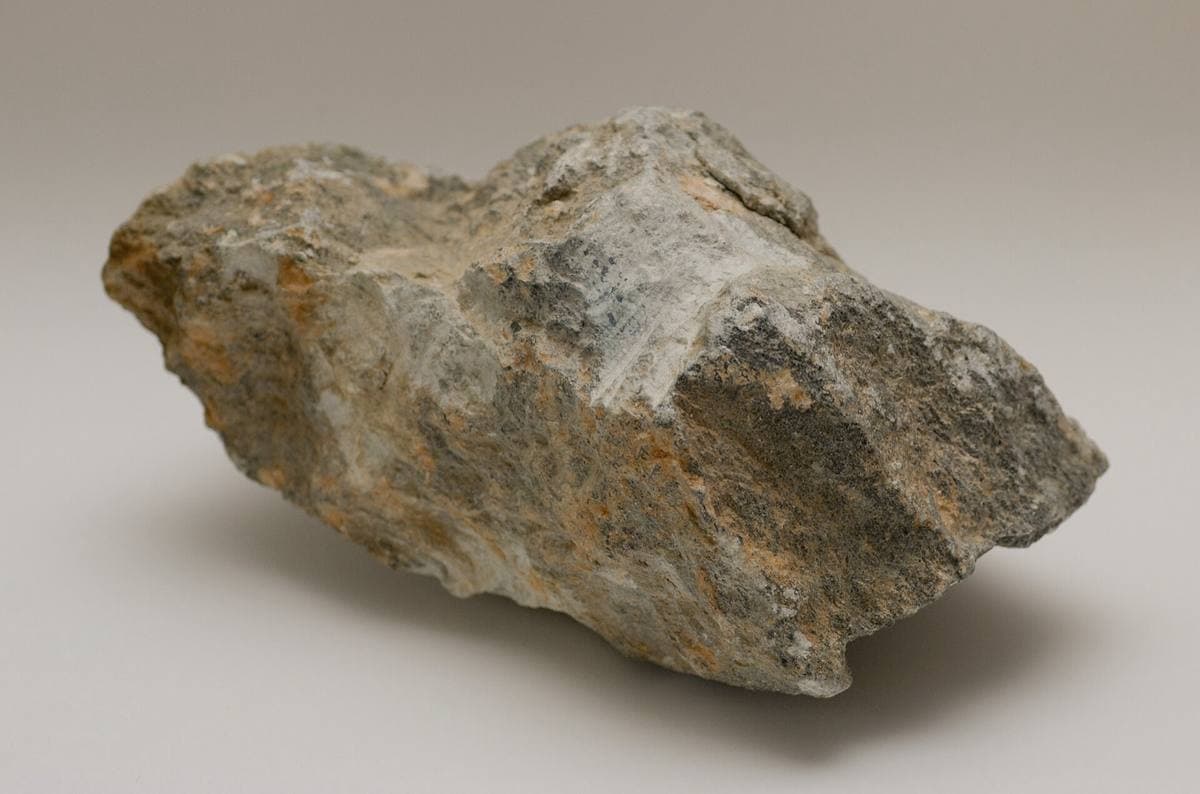
Distinctly soapy, slippery feel, which is where the name comes from
- 2
So soft you can scratch it deeply with a fingernail, hardness 1 to 2.5
- 3
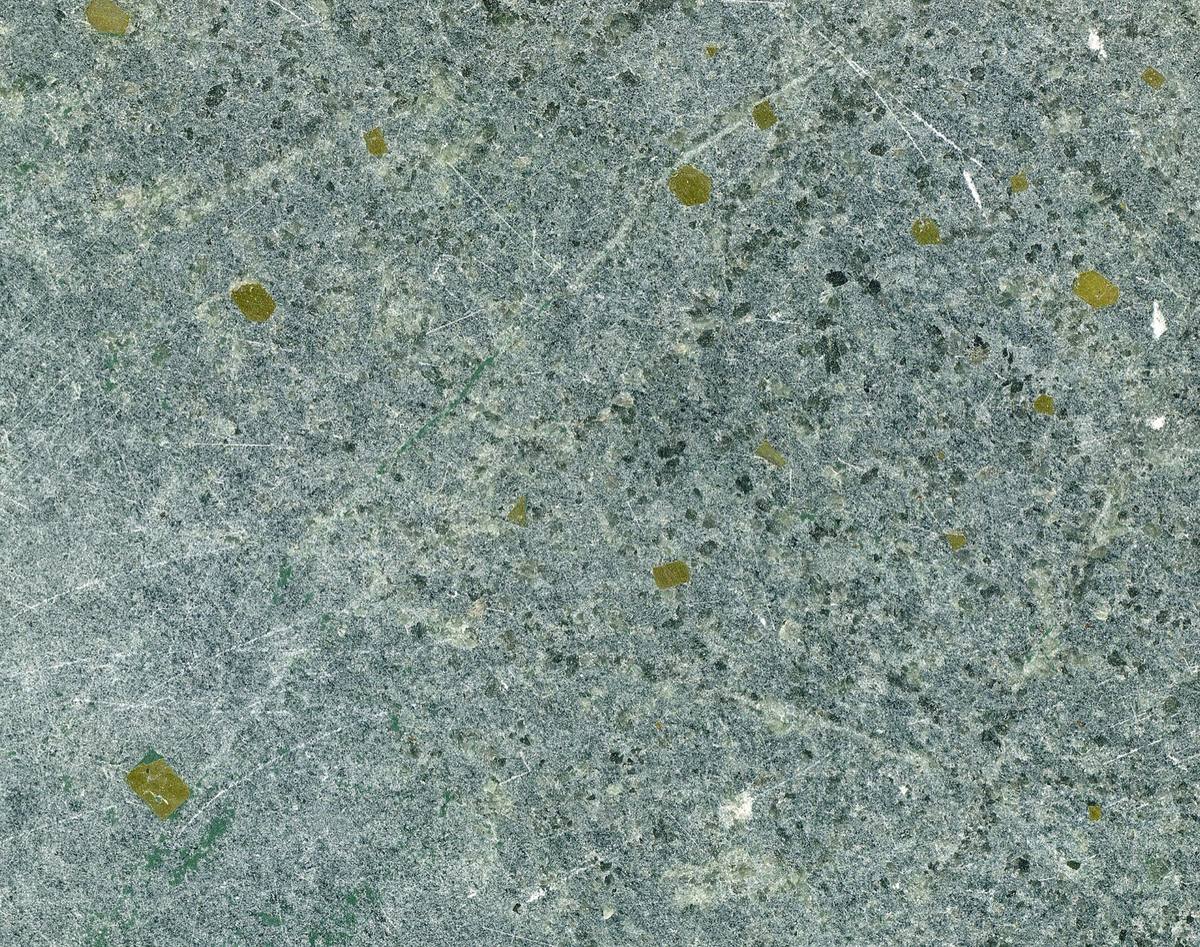
Grey, green or brown, opaque, with a dull to slightly pearly surface
Soapstone is a talc-rich metamorphic rock and it is the softest thing you will ever collect: a fingernail marks it. It occurs in the same ultramafic and serpentine terrain as nephrite and chrysoprase, and it has been quarried for carving and for cookware for thousands of years because it is easy to work and holds heat. Appalachian and Vermont occurrences are the classic American ones.
Before you collect
Talc-bearing rock in ultramafic terrain can contain asbestos minerals. Carve and sand wet, wear a respirator, and never work it dry.
Straight answers
- Is it worth cutting?
- Carves with hand tools, which makes it the best introduction to stone carving there is. It will not take a high polish, and finished pieces mark easily, which is part of its character rather than a flaw.
- What is it really worth?
- Very low. Its worth is as a carving medium.
- Can you legally keep it?
- Ordinary personal-use collecting rules apply. Historic quarries are usually private.
Often confused with
Soapstone vs. its common look-alikes, and how to tell them apart in the field.
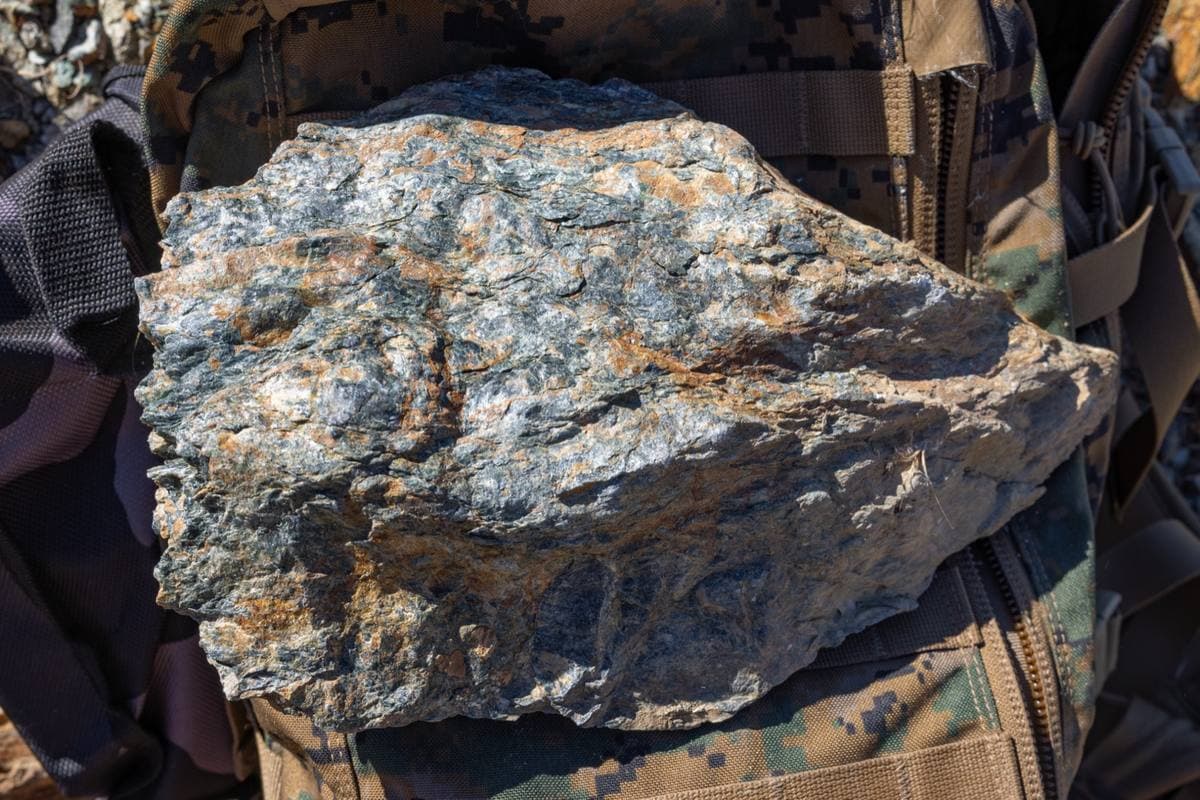
Often found alongside soapstone
Minerals reported to co-occur with soapstone. Spotting these in float or country rock is a strong cue you are in the right ground.
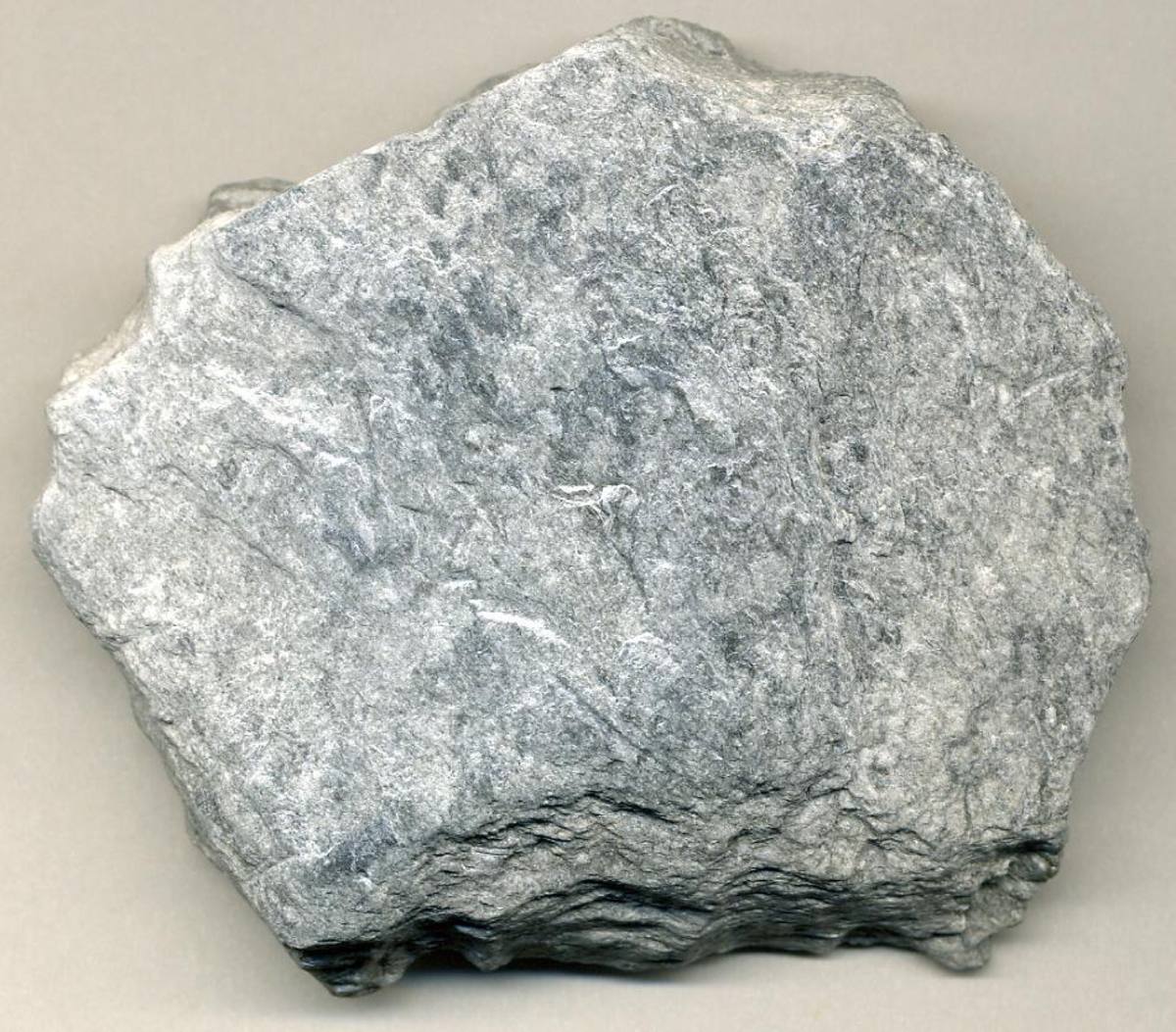
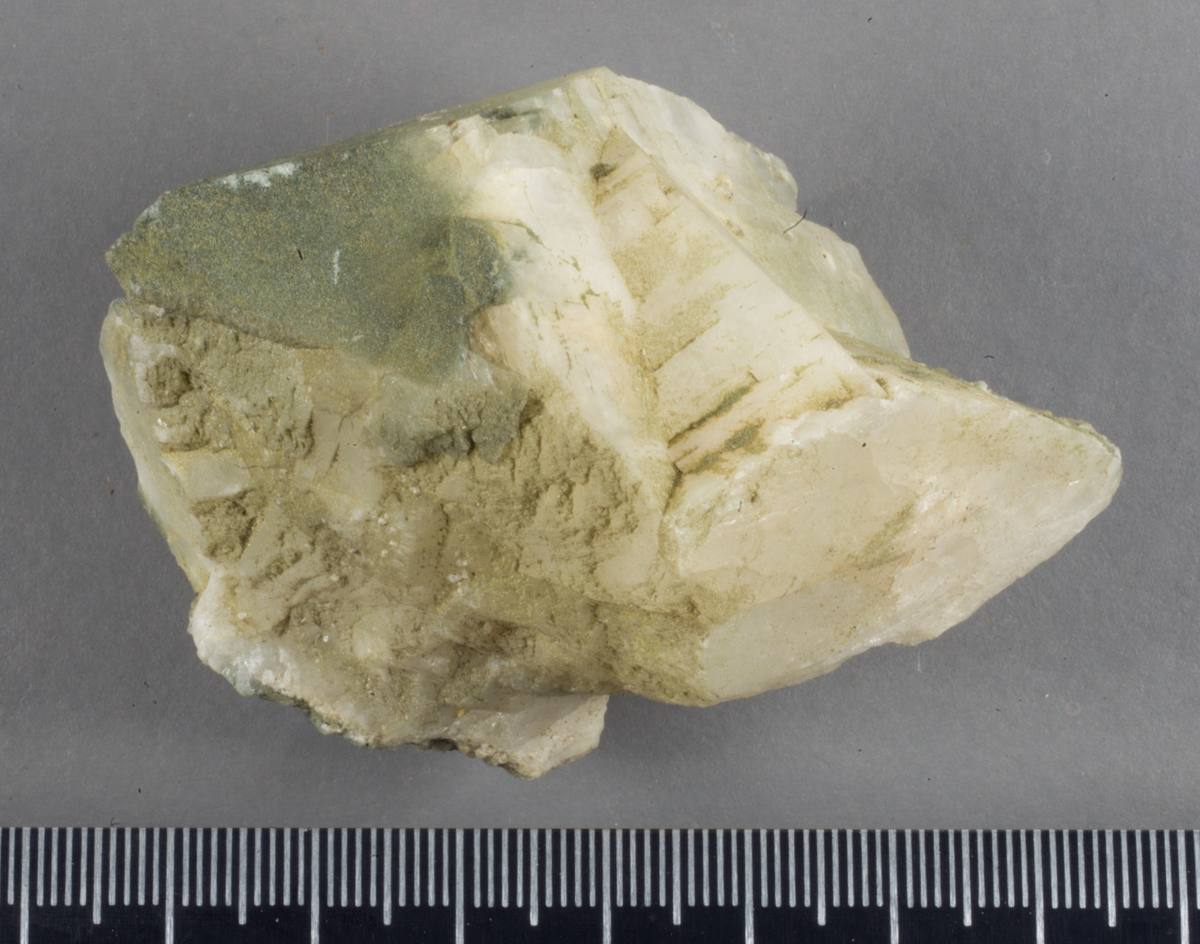
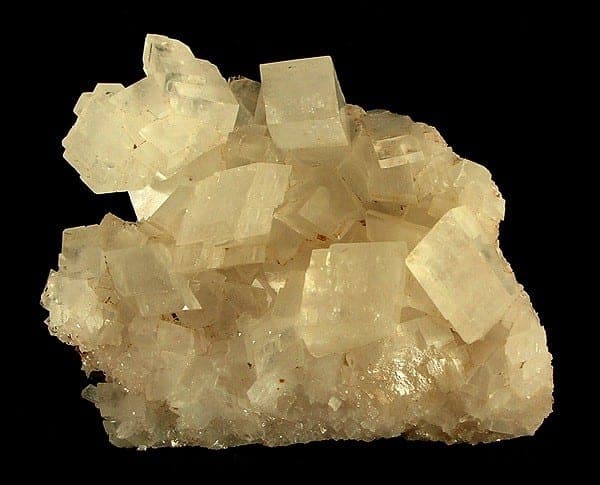
All properties
- Mohs hardness
- 1
- Density
- 2.7-2.8 g/cm³
- Luster
- Greasy
- Transparency
- Opaque
- Rarity
- Common
- Uses
- Sculpture, Decorative, Industrial, Heat-resistant materials
- Host rock
- metamorphic terrains
- Composition
- Largely talc, from about 30 percent in architectural grades to 80 percent in carving grades
Where rockhounds find soapstone
10 mapped spotsClassic worldwide localities
- Brazil
- India
- Finland
- USA
- China
Field-hunting tip
Where it forms: metamorphic terrains. If you start seeing talc, chlorite, magnesite in float, you are in the right ground. In the U.S., the densest reported localities are in Maryland, Connecticut, Pennsylvania. Start trip planning there.
More soapstone photos
Common questions
How do you identify soapstone?+
Where is soapstone found?+
Can I find soapstone in the United States?+
What rocks look like soapstone?+
What minerals are found with soapstone?+
What kind of rock does soapstone form in?+
What is soapstone used for?+
Find soapstone on the map
RockHoundR shows mapped rockhounding spots, access rules, and lets you log every find.