Stony-iron meteorites are rare objects consisting of a mixture of metallic nickel-iron and silicate minerals, most notably olivine. They are highly sought after by collectors for the 'pallasite' variety, which displays beautiful, gemmy green olivine crystals set within a metallic iron matrix. These specimens are typically found as weathered fragments in desert or arid environments.
Is this stony-iron meteorite?
5-step field checkRun through these checks against the specimen in your hand. The more boxes tick, the more confident the ID.
- 1Test the hardnessTry to scratch stony-iron meteorite with a known reference. Stony-Iron Meteorite sits at Mohs 5-6, softer than the next harder reference, harder than the previous one.
- 2Pick out the mineralsComposition: Mixtures of metal and rock; divided into pallasites and mesosiderites. Identify the two or three most abundant grains.
- 3Check the streakDrag the specimen across an unglazed porcelain plate. Streak: none, or a weak grayish streak if pressed hard.
- 4Read the lusterHold the specimen under a strong light. Luster: metallic.
- 5Match the color rangeCompare against the expected color range: brown, metallic, yellow, green.
Often confused with
Stony-Iron Meteorite vs. its common look-alikes, and how to tell them apart in the field.
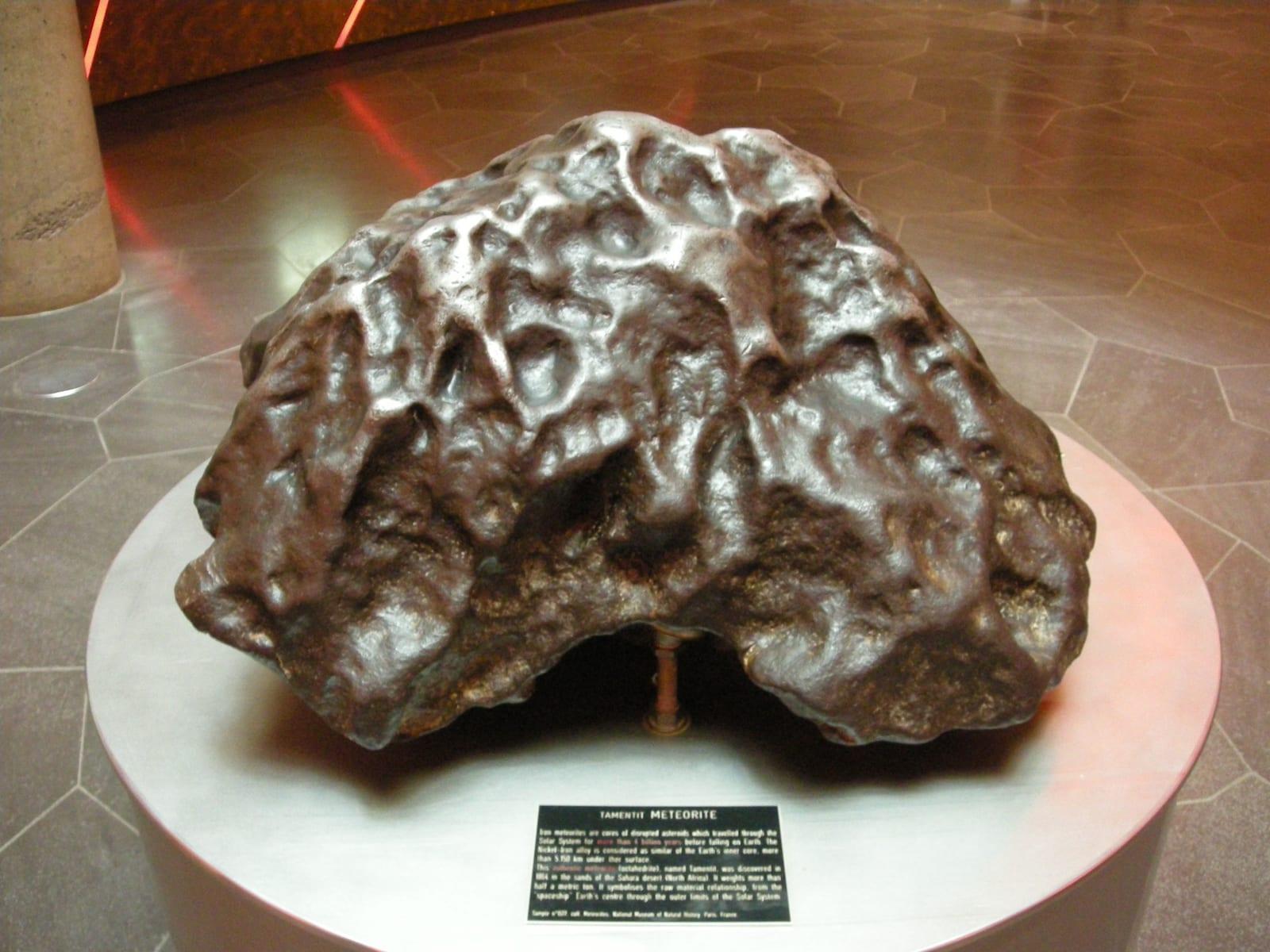
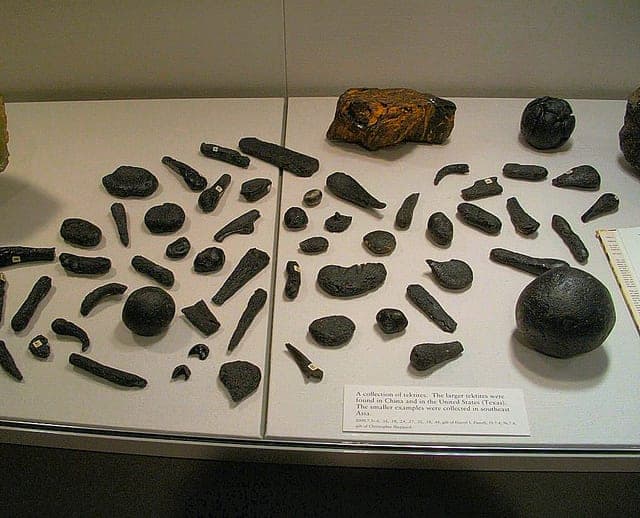
Often found alongside stony-iron meteorite
Minerals reported to co-occur with stony-iron meteorite. Spotting these in float or country rock is a strong cue you are in the right ground.
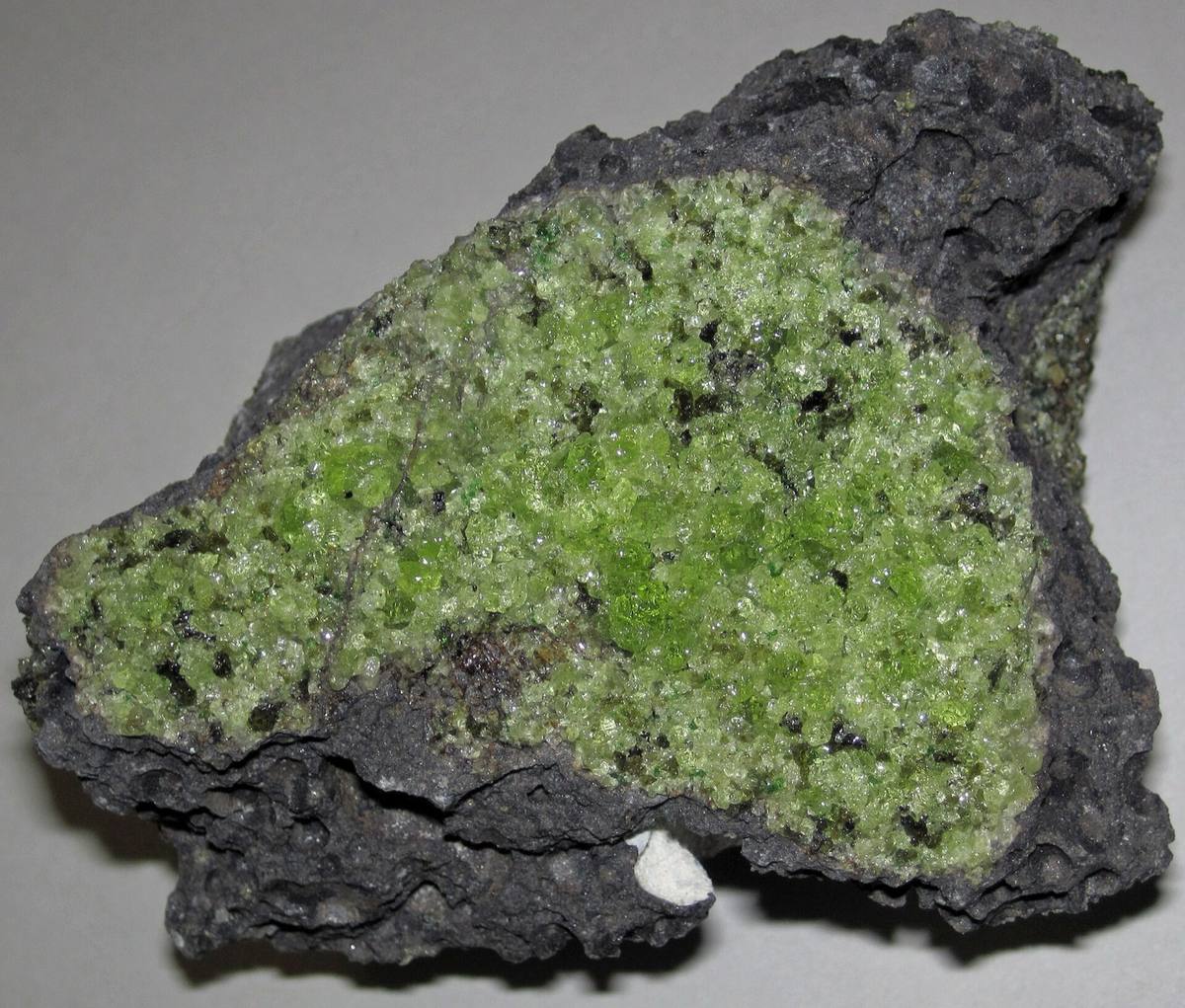
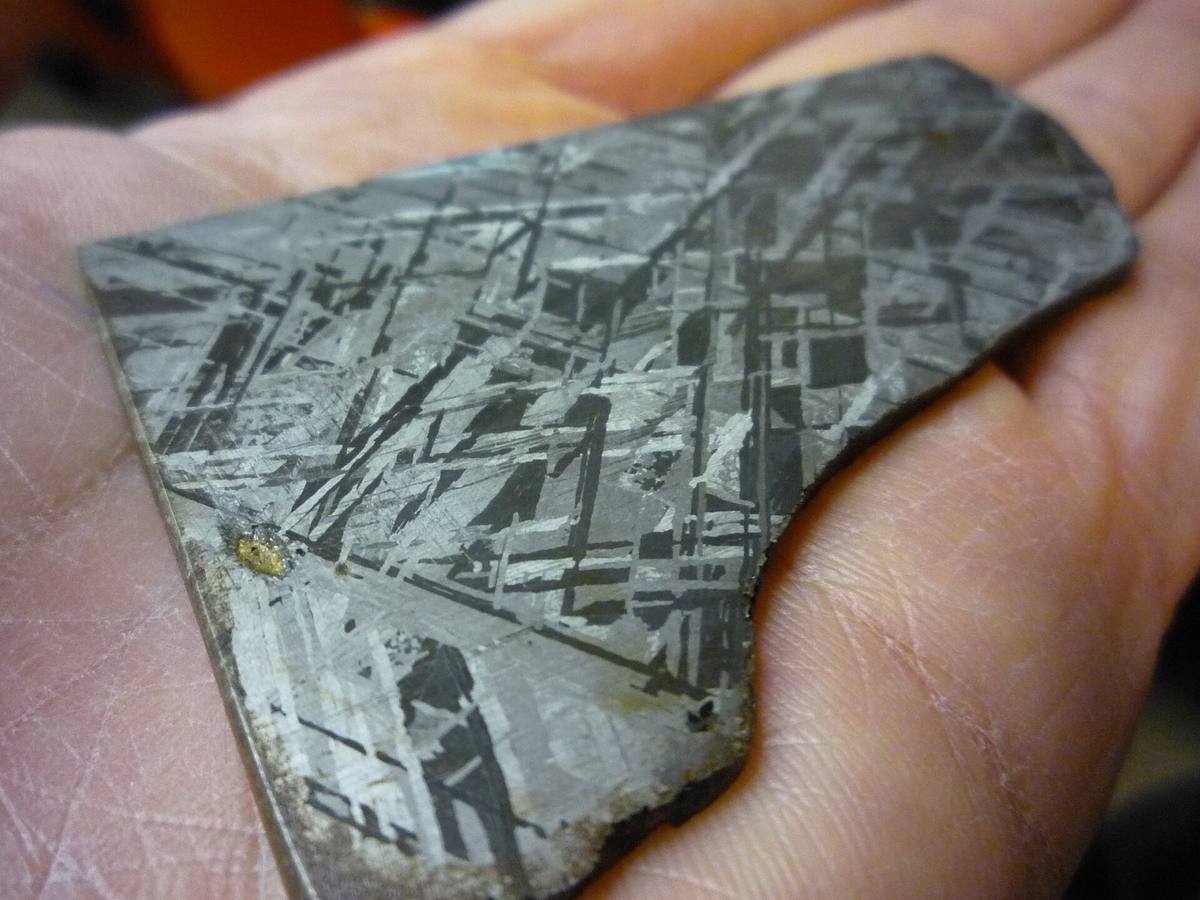
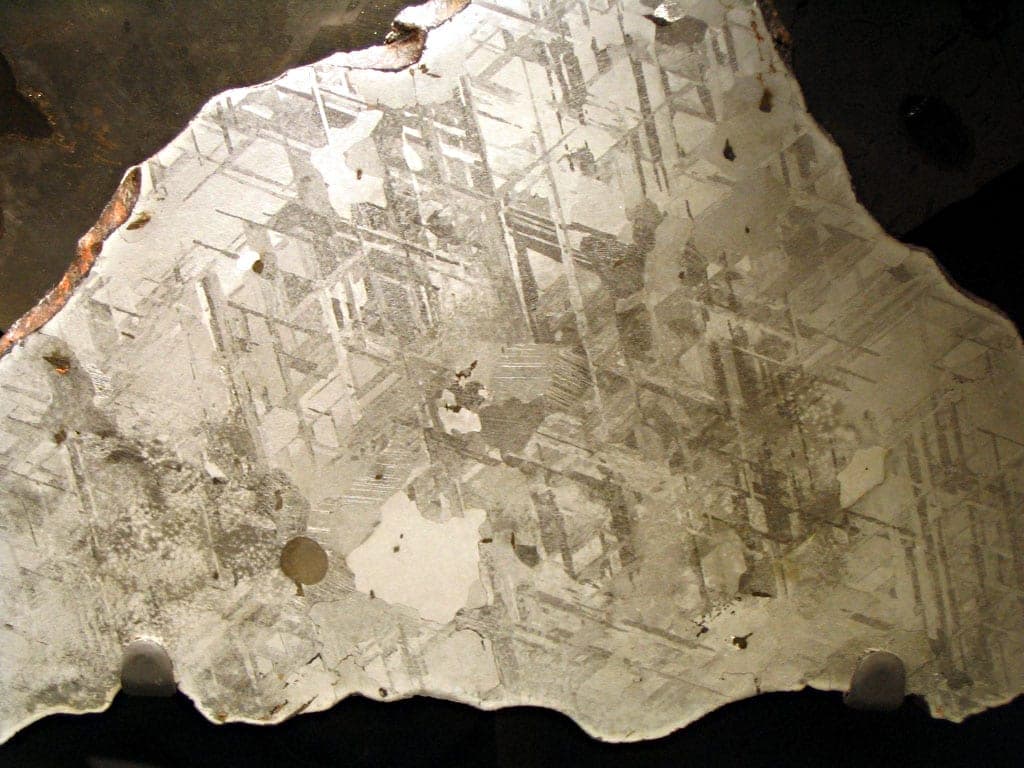
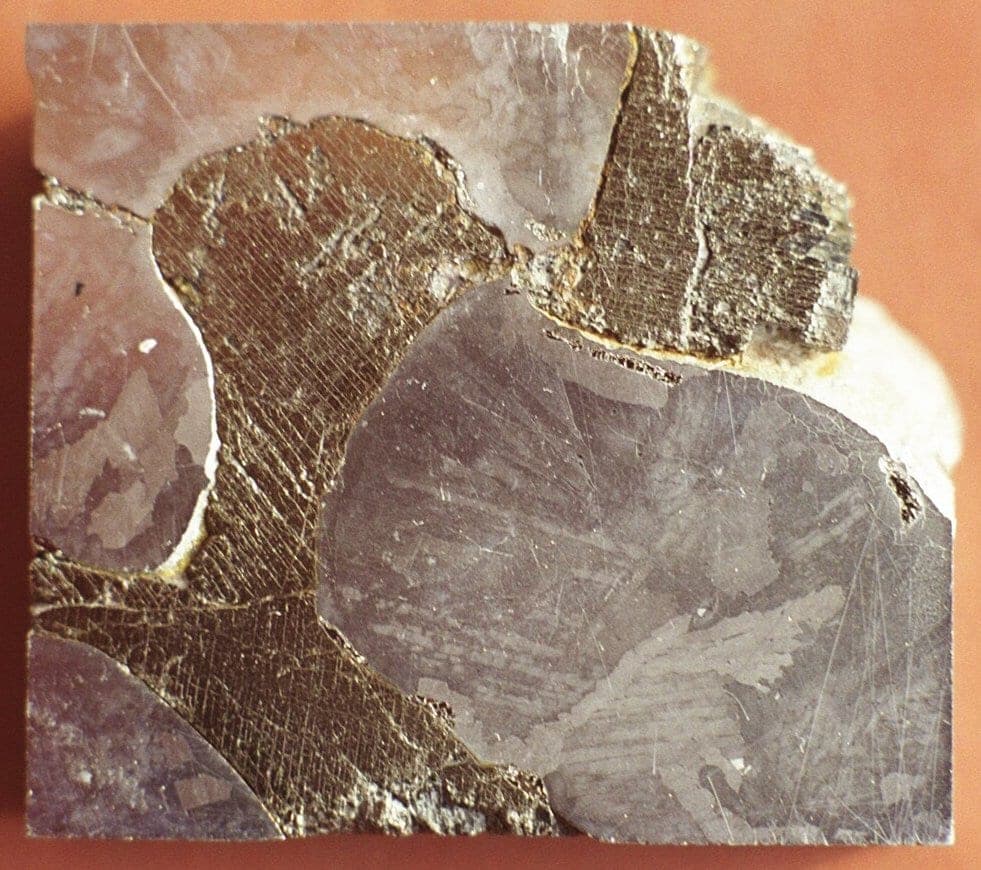
All properties
- Mohs hardness
- 5-6
- Density
- 4.5-6.0 g/cm³
- Streak
- None, or a weak grayish streak if pressed hard
- Luster
- Metallic
- Transparency
- Opaque
- Rarity
- Rare
- Uses
- Collector, Scientific research
- Host rock
- extraterrestrial
- Composition
- Mixtures of metal and rock; divided into pallasites and mesosiderites
Where rockhounds find stony-iron meteorite
Classic worldwide localities
- Brahin, Belarus
- Brenham, Kansas, USA
- Imilac, Atacama, Chile
- Esquel, Chubut, Argentina
Field-hunting tip
Where it forms: extraterrestrial. If you start seeing olivine, kamacite, taenite in float, you are in the right ground.
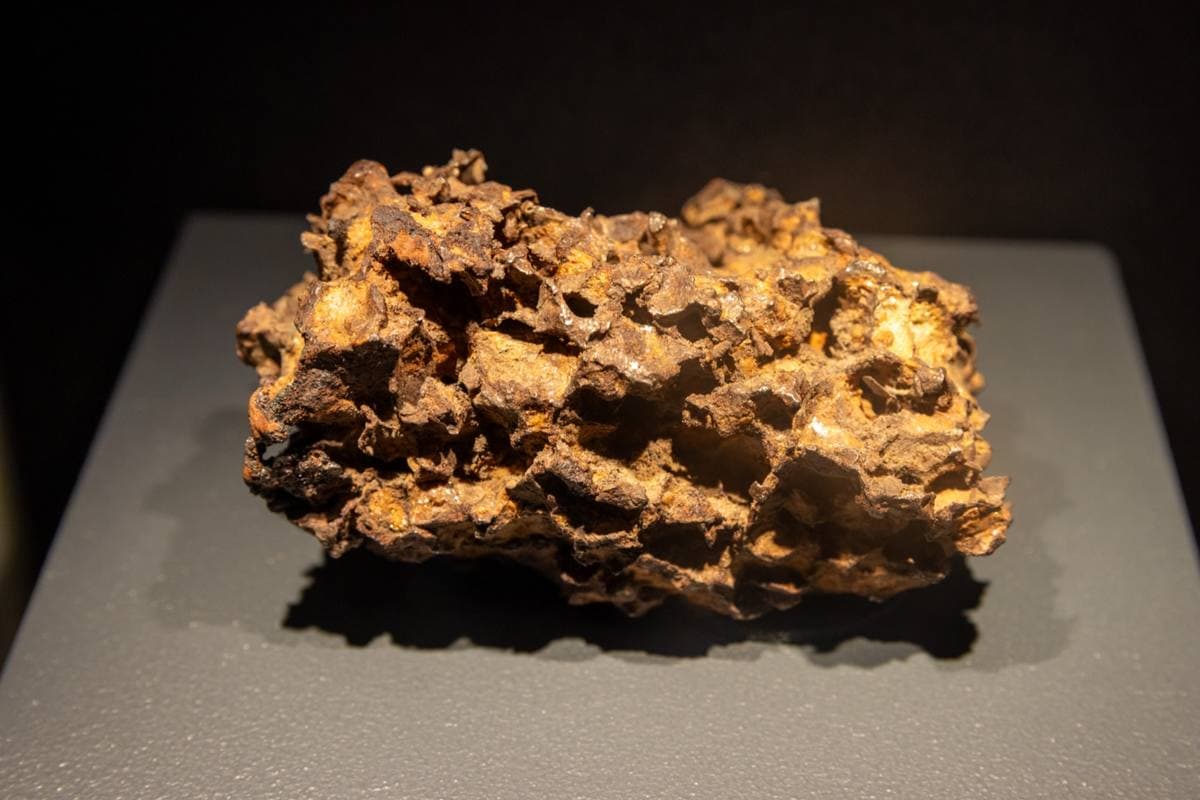
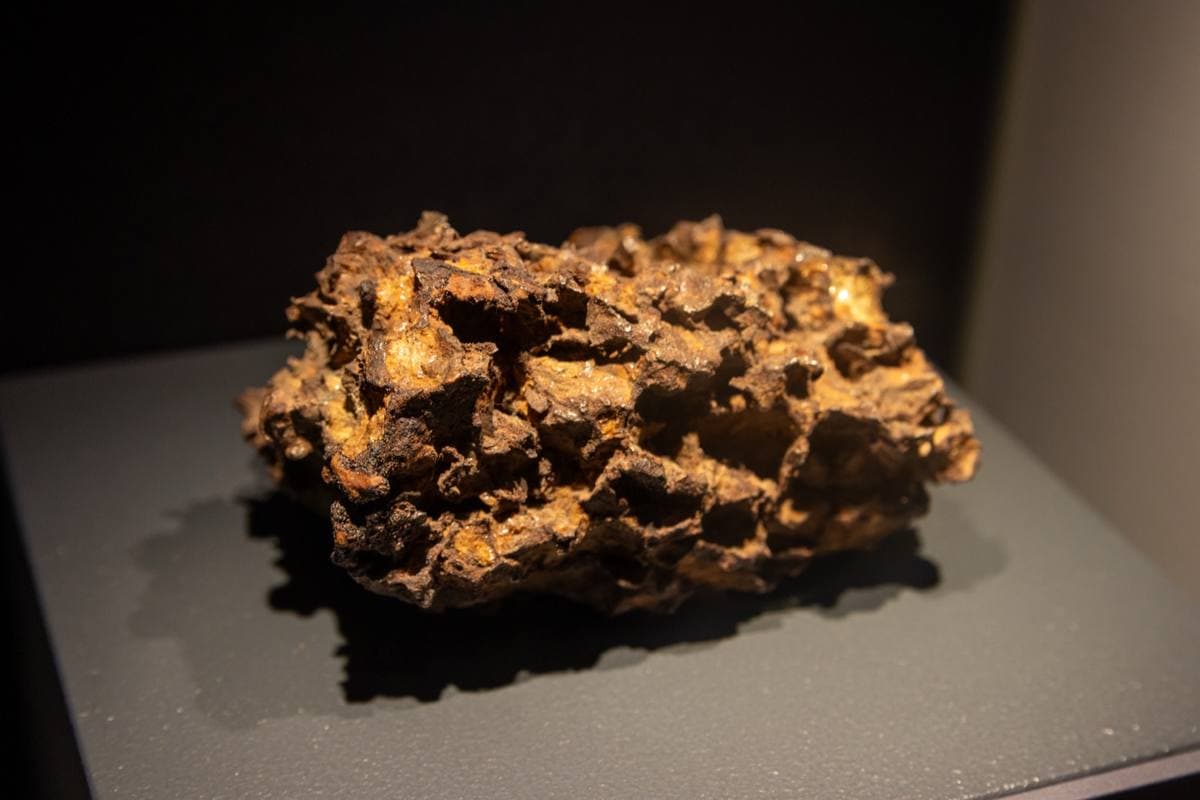
More stony-iron meteorite photos
Common questions
How do you identify stony-iron meteorite?+
Where is stony-iron meteorite found?+
What rocks look like stony-iron meteorite?+
What minerals are found with stony-iron meteorite?+
What kind of rock does stony-iron meteorite form in?+
What is stony-iron meteorite used for?+
Find stony-iron meteorite on the map
RockHoundR shows mapped rockhounding spots, access rules, and lets you log every find.