Agate vs Jasper: how to tell them apart
Quick answer
The main difference between agate and jasper is translucency, not hardness. Both are chalcedony at Mohs 6.5 to 7, so hardness cannot separate them. Agate is translucent and usually banded, while jasper is opaque and solidly colored. Hold a thin edge up to a strong light: agate glows and may show banding, while jasper blocks the light completely.
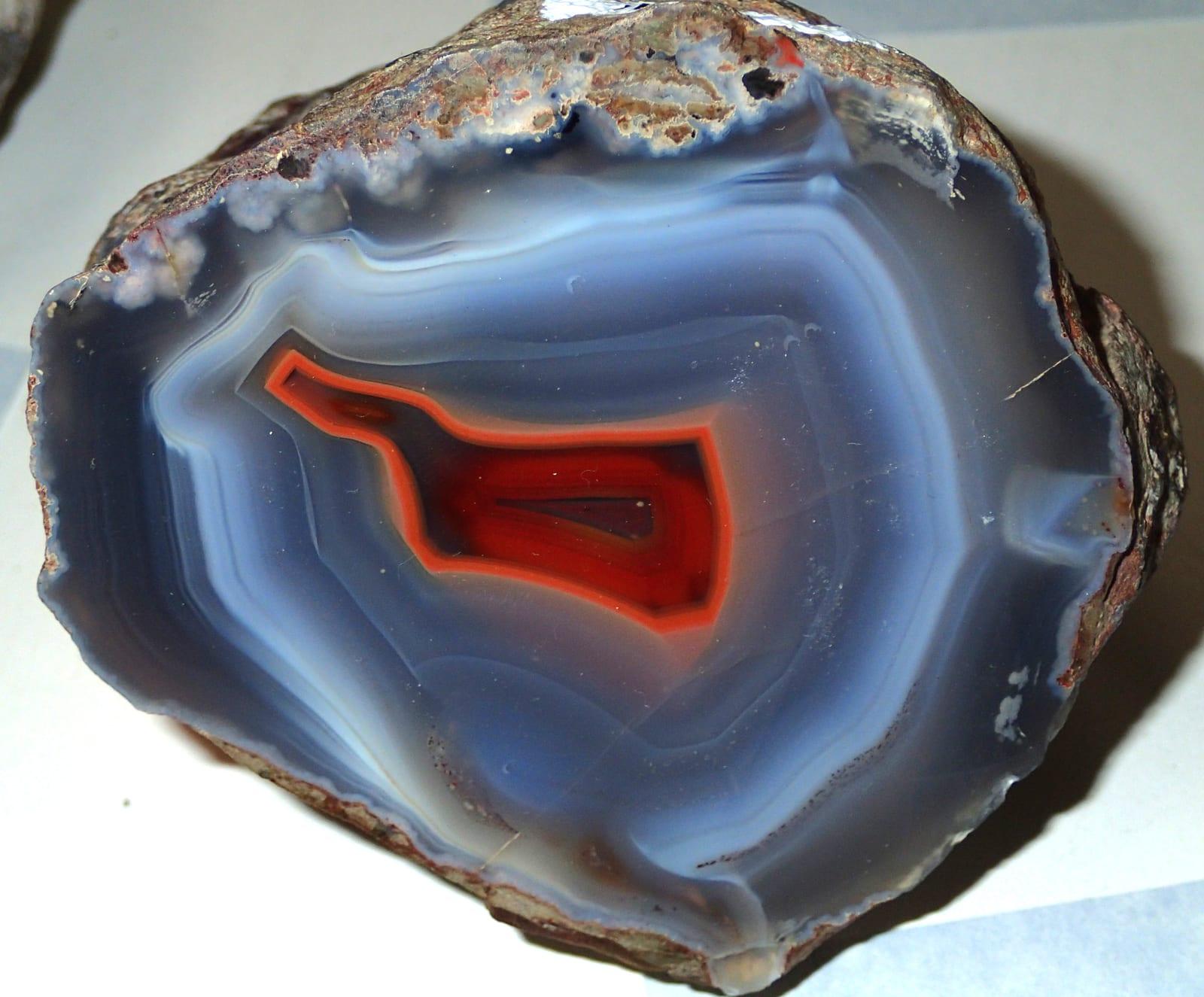
Agate
Full agate guide →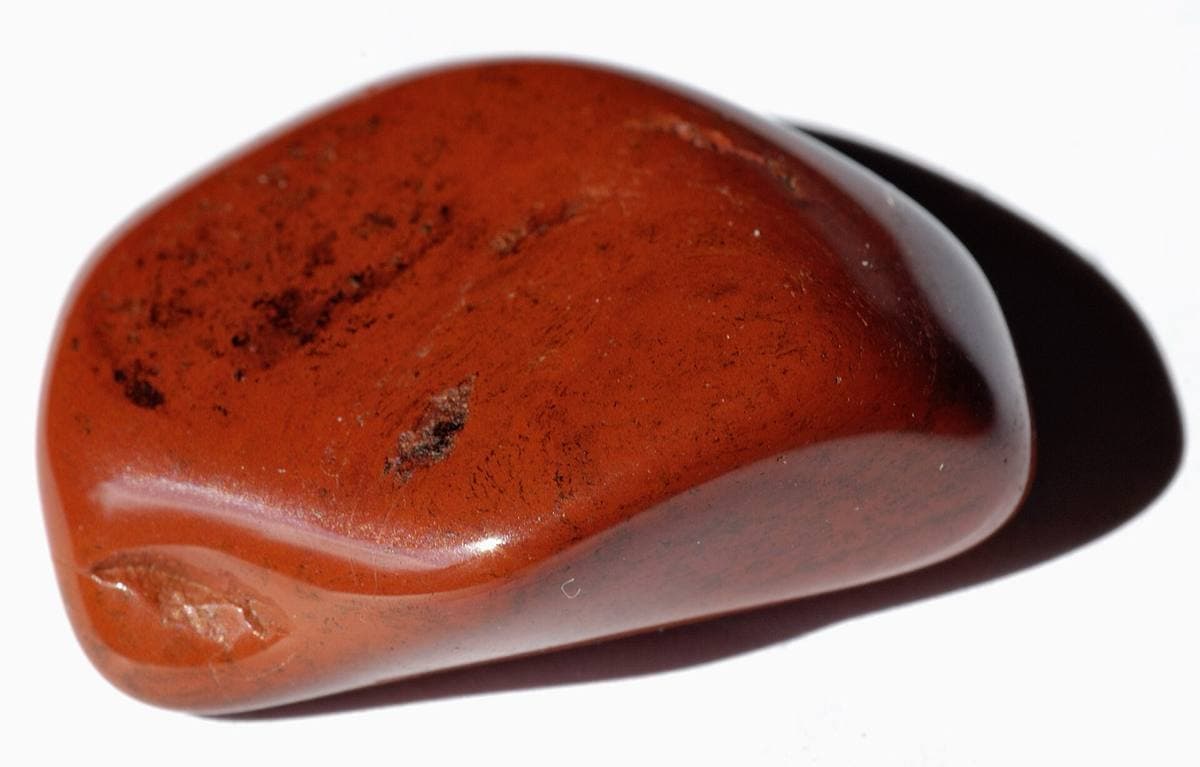
Jasper
Full jasper guide →Agate and jasper are both chalcedony, the same microcrystalline quartz, so they share a hardness near 7 and turn up side by side in the same gravels and lava country. The difference is how much silica versus mineral impurity each carries. Agate formed as fairly pure, water-clear silica lining cavities, which is why it transmits light and frequently bands. Jasper is silica packed with iron oxides and clay, which makes it opaque and solidly colored. Plenty of rough is genuinely both, sold as jaspagate, but for clean specimens the translucency test settles it in seconds.
What is the difference between Agate and Jasper?
Light through a thin edge
- Agate
- Translucent. A chip or thin edge glows when backlit.
- Jasper
- Opaque. No light passes, even on a thin flake.
Pattern
- Agate
- Banding, fortification lines, eyes, and tubes are common.
- Jasper
- Solid color, mottling, or splotches. No concentric banding.
Cause of color
- Agate
- Trace iron and other ions in mostly pure silica.
- Jasper
- Heavy iron-oxide and clay content throughout.
Where it forms
- Agate
- Lines gas pockets and seams, growing inward in layers.
- Jasper
- Fills fractures and replaces sediment as a solid mass.
Agate vs Jasper: properties compared
Highlighted rows are where Agate and Jasper differ. The badge marks the most reliable at-a-glance separator. Property data from the RockHoundR mineral database.
| Property | Agate | Jasper |
|---|---|---|
| Type | Mineral | Mineral |
| Mohs hardness | 6.5-7 | 6.5-7 |
| Streak | White | White |
| Transparency(differs)Best field test | Translucent | Opaque |
| Luster | Waxy | Waxy |
| Cleavage | None | None |
| Crystal system | Trigonal | Trigonal |
| Crystal habit(differs) | Banded, Botryoidal, Nodular, Massive | Massive |
| Fluorescence | None to Weak Fluorescent | Not recorded |
| Chemical formula | SiO₂ | SiO₂ |
Why are Agate and Jasper confused?
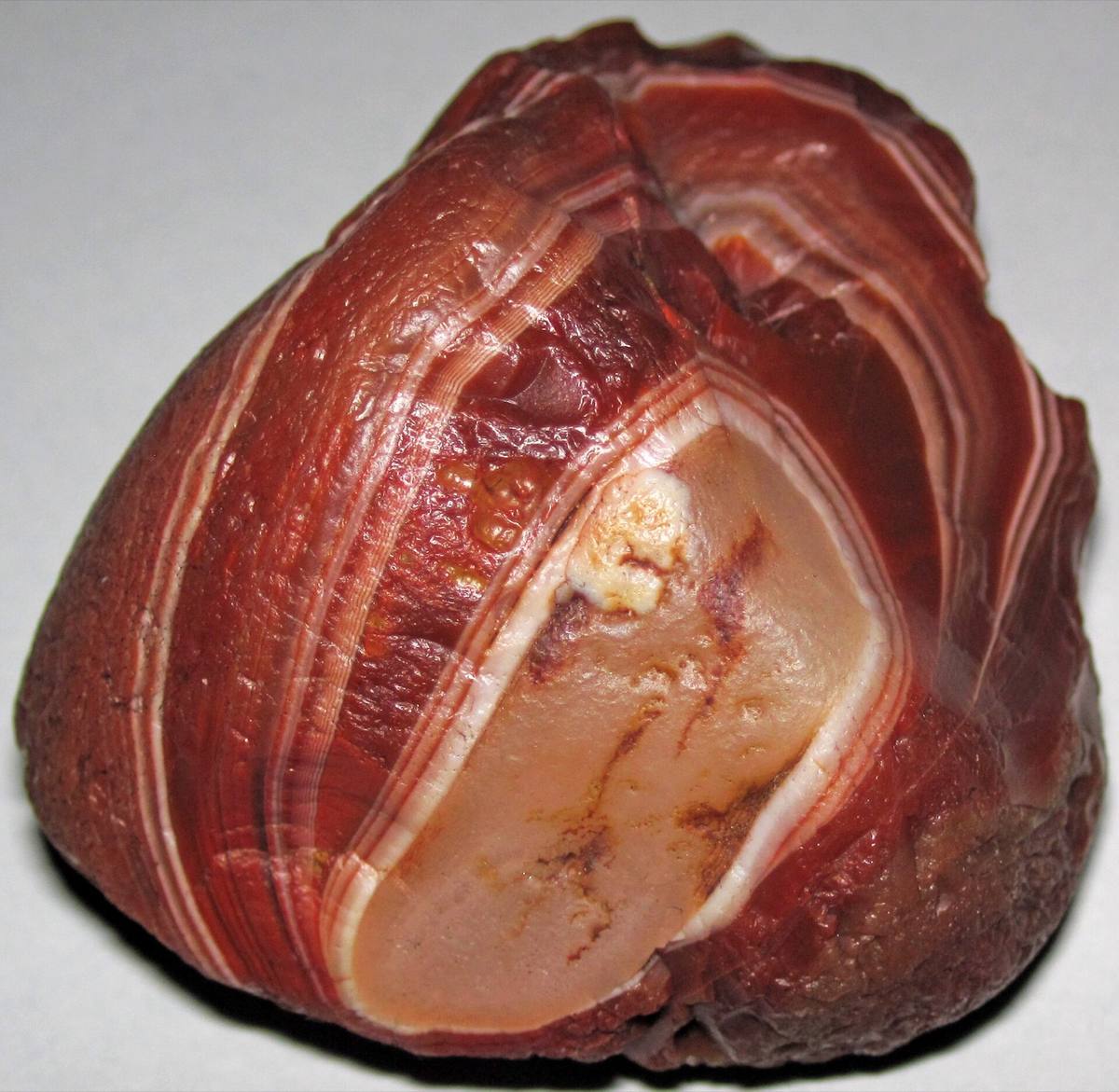
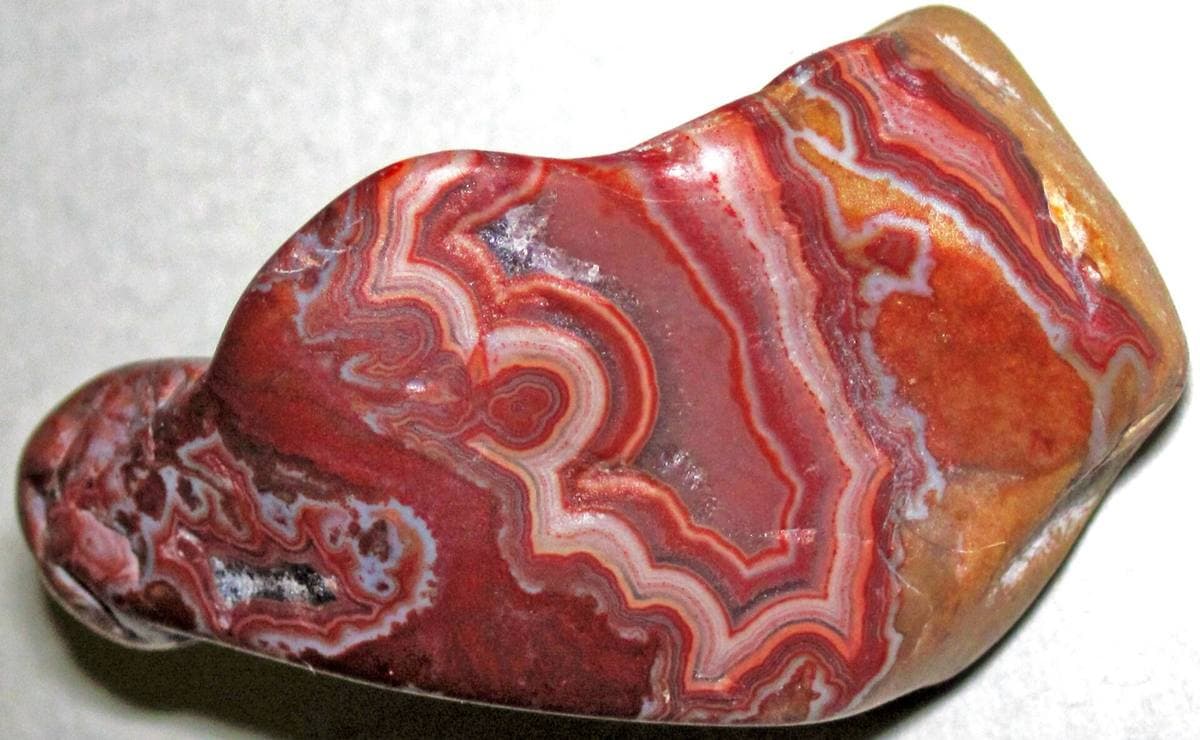
Both are tough, waxy, conchoidally-fracturing quartz that take a high polish, both come in reds, browns, and yellows, and both are sold loose in the same shop bins. At a glance a polished red jasper and a solid carnelian agate can look identical until you check the light.
How to tell Agate from Jasper
Ordered from the most reliable field test to the least. Start at the top.
- 1
Backlight a thin edge
ReliableShine a phone flashlight against a thin edge or chip in a dark room. Agate transmits a warm glow, sometimes revealing internal banding. Jasper blocks the light completely. This single test separates the two more reliably than color ever will.
- 2
Look for banding
UsefulConcentric bands, fortification zig-zags, or a clear-to-cloudy gradient point to agate. A uniform or randomly mottled body with no layering points to jasper.
- 3
Hardness sanity check
SupportingBoth sit around Mohs 6.5 to 7, so hardness will not separate agate from jasper. It only rules out softer red look-alikes like rhodochrosite or calcite, which a knife will scratch and neither agate nor jasper will.
Agate or Jasper: which is more valuable?
Neither is inherently precious, and value tracks pattern and locality rather than the agate-or-jasper label. Named banded agates (Lake Superior, Fairburn, Laguna) and picture jaspers with scenic patterns command the highest prices; plain bulk material of either is inexpensive.
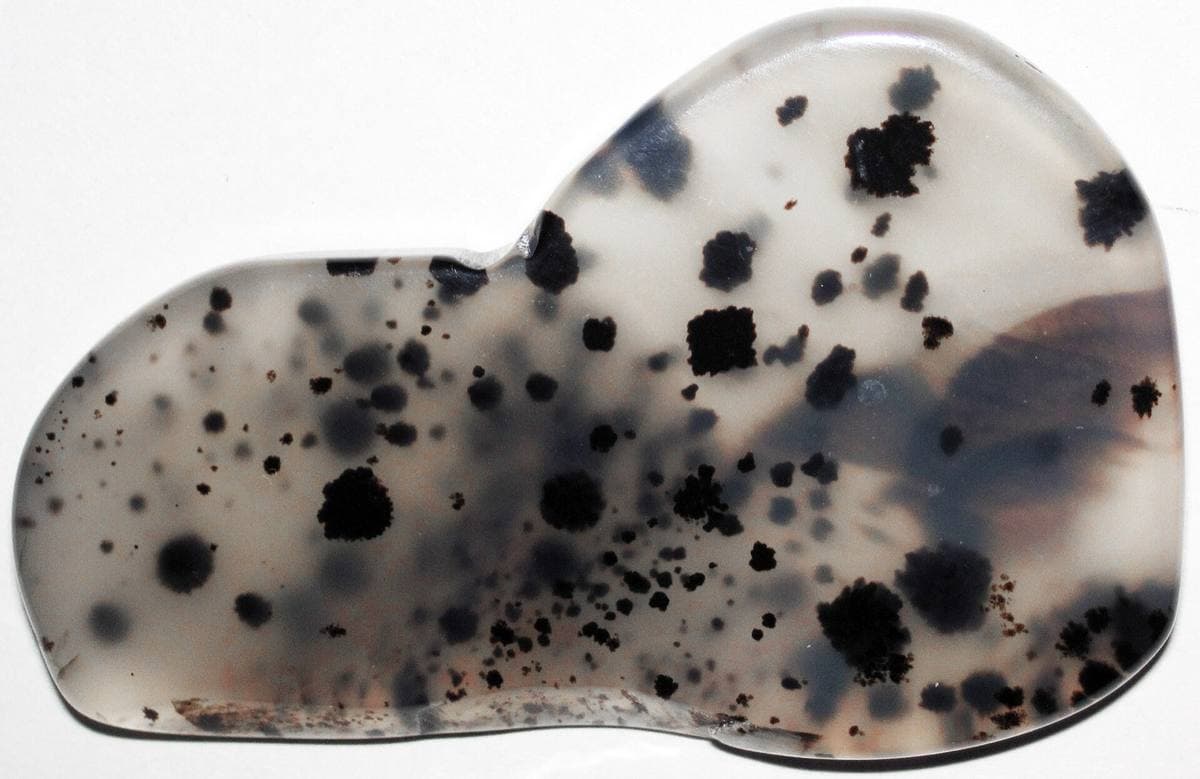
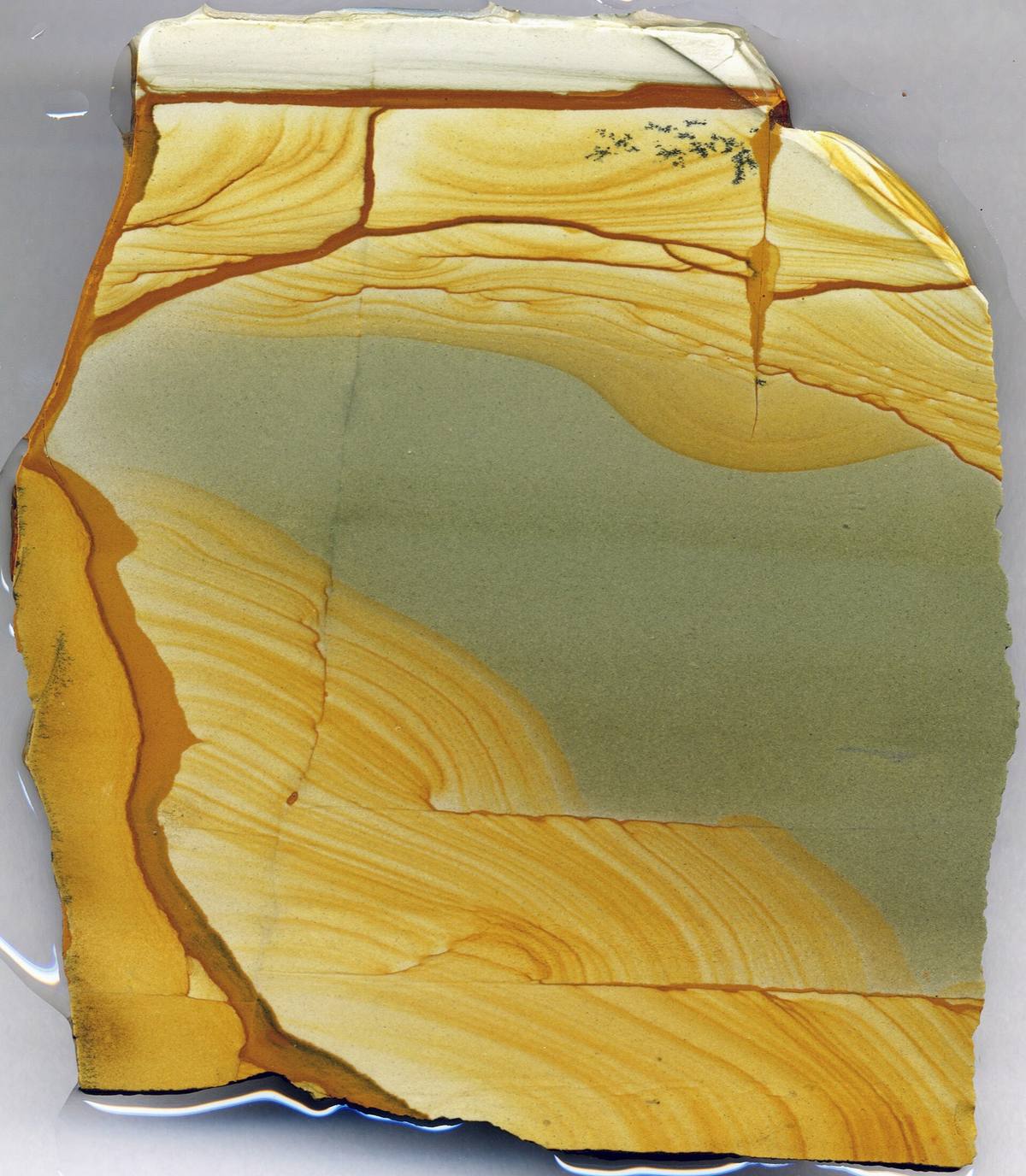
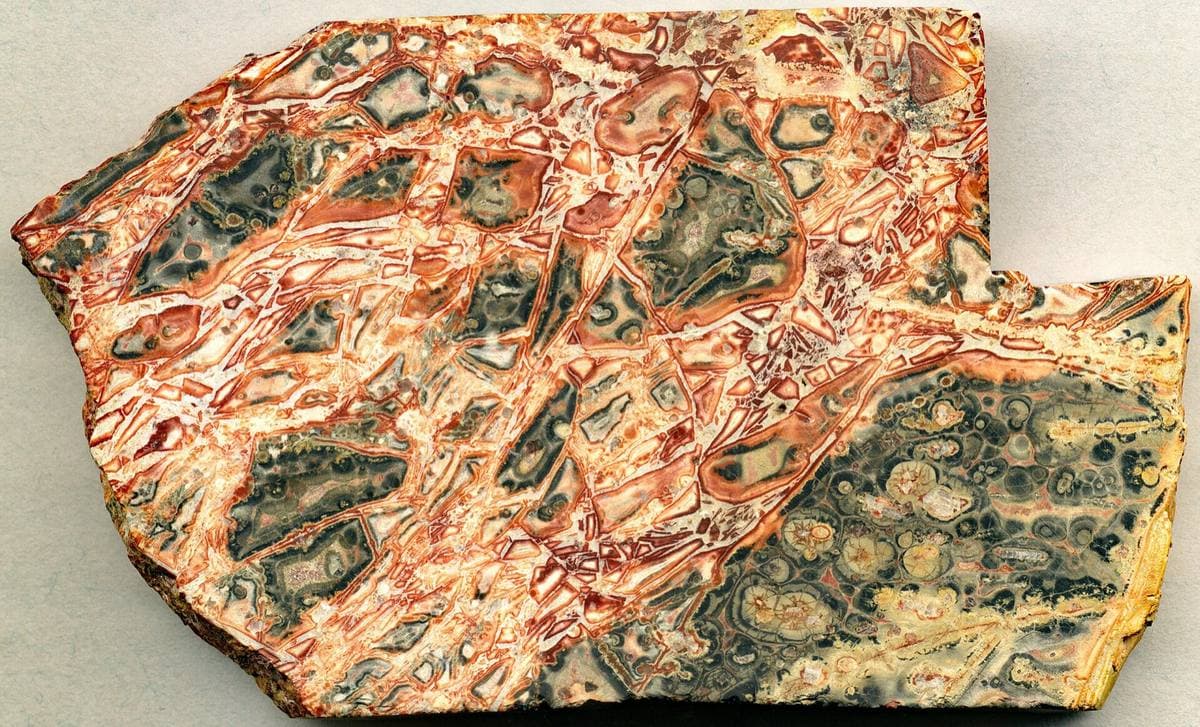
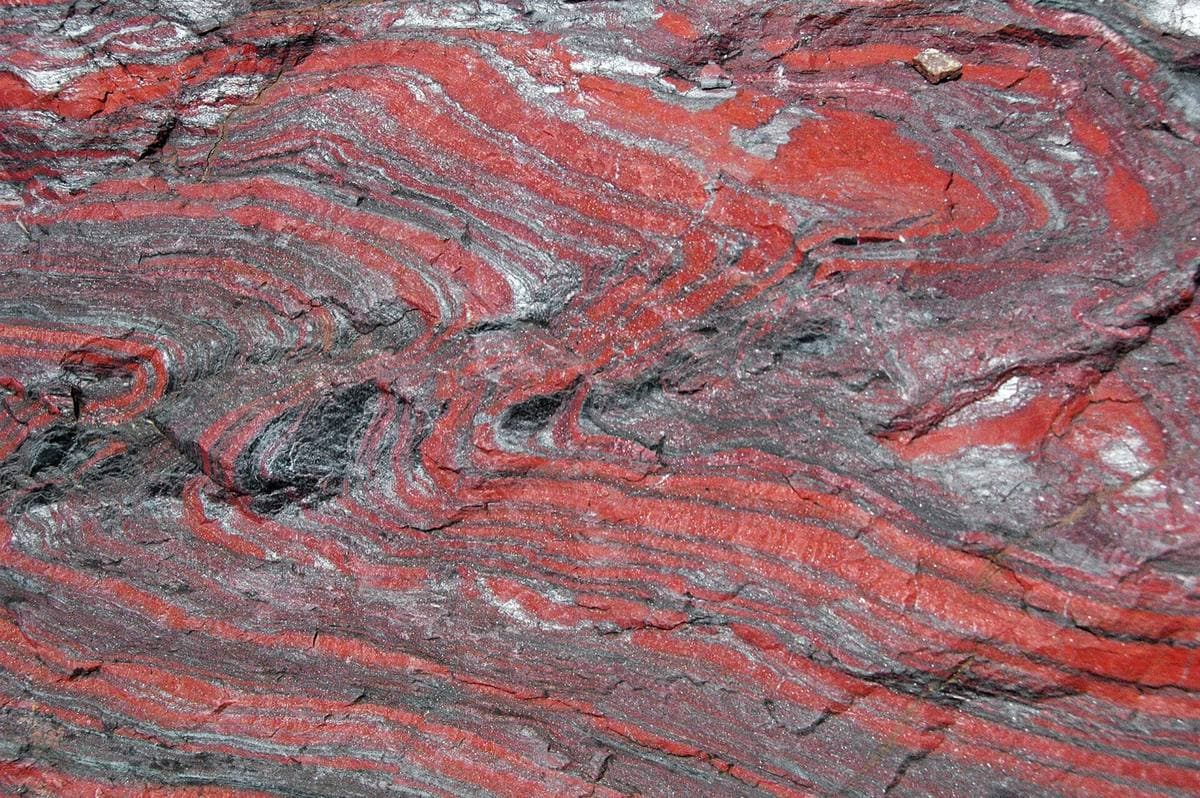
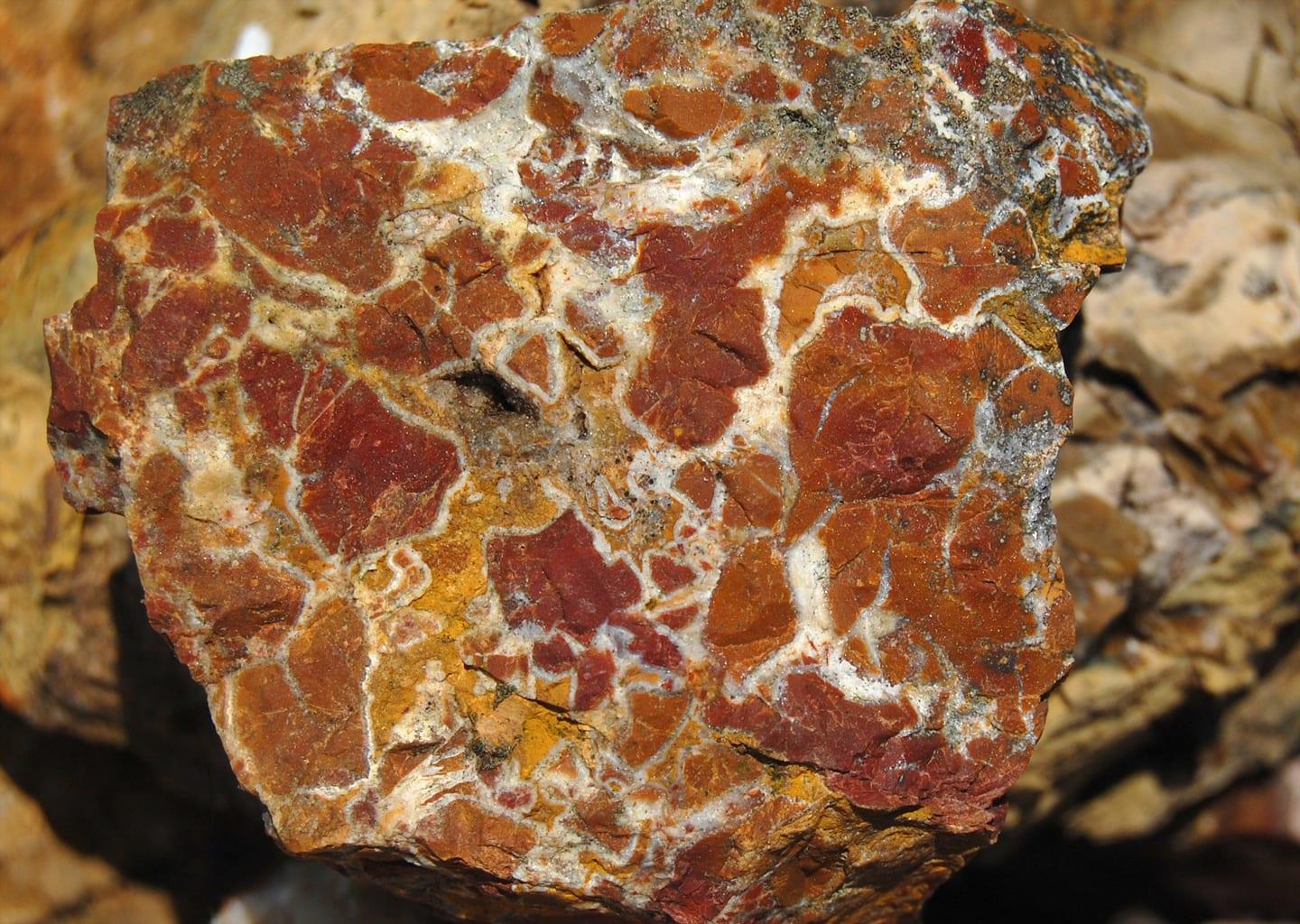
Agate and Jasper photos
Where to find each
Bottom line
If a thin edge glows, it is agate. If it stays opaque, it is jasper. Banding confirms agate. Everything else, including color, is unreliable on its own.
Common questions
Can a rock be both agate and jasper?+
Is agate or jasper harder?+
Why is my red stone opaque but called agate?+
Does the polish tell them apart?+
Identify your find in the field
RockHoundR maps rockhounding spots, shows land access, and lets you log and label every find so you stop second-guessing look-alikes.