Pyrite vs Gold: how to tell them apart
Quick answer
The difference between gold and pyrite (fool's gold) is that gold is a soft, dense metal while pyrite is a hard, brittle mineral. Rub each on unglazed tile: real gold leaves a golden-yellow streak and dents when poked, while pyrite leaves a greenish-black streak and shatters when struck.
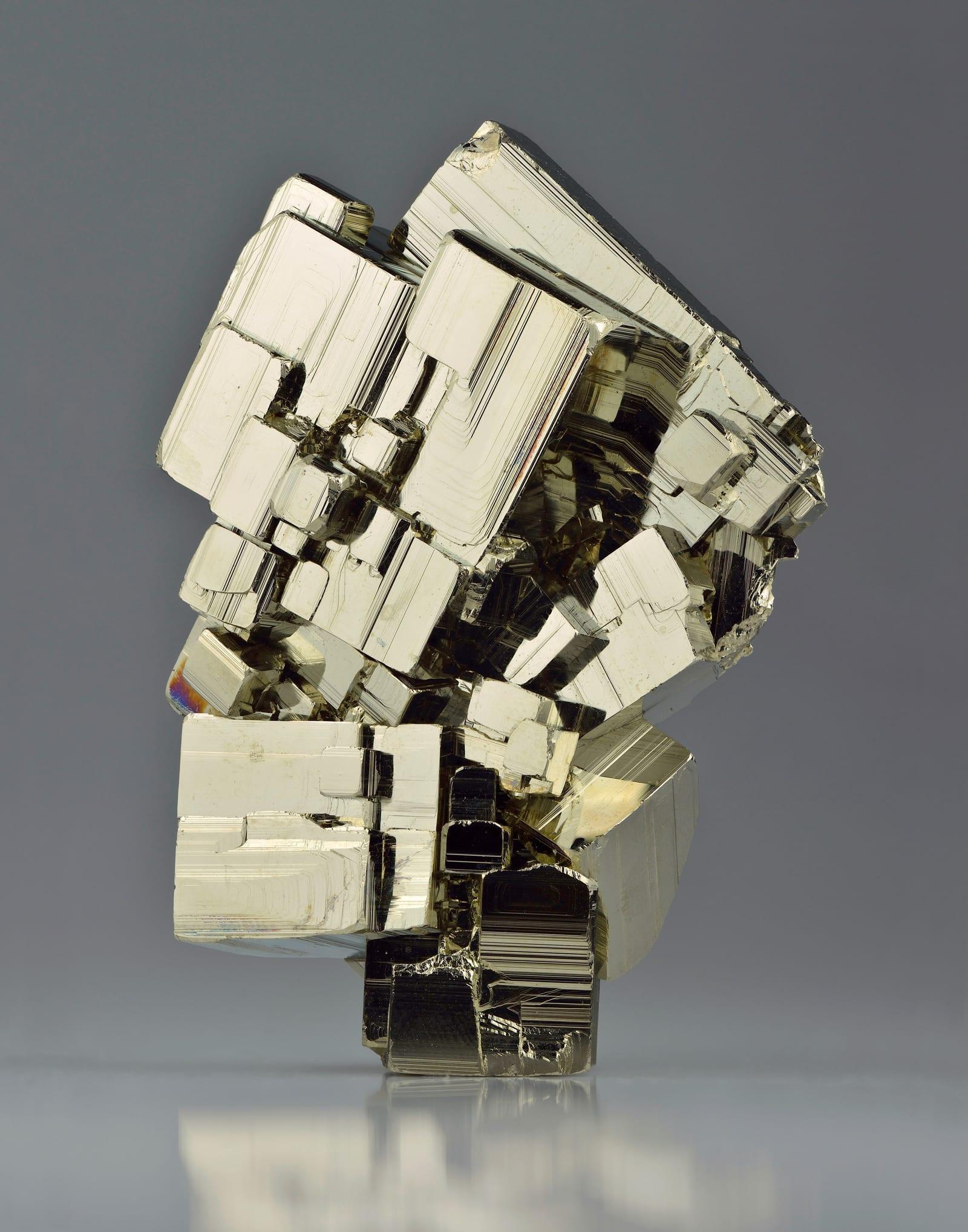
Pyrite
Full pyrite guide →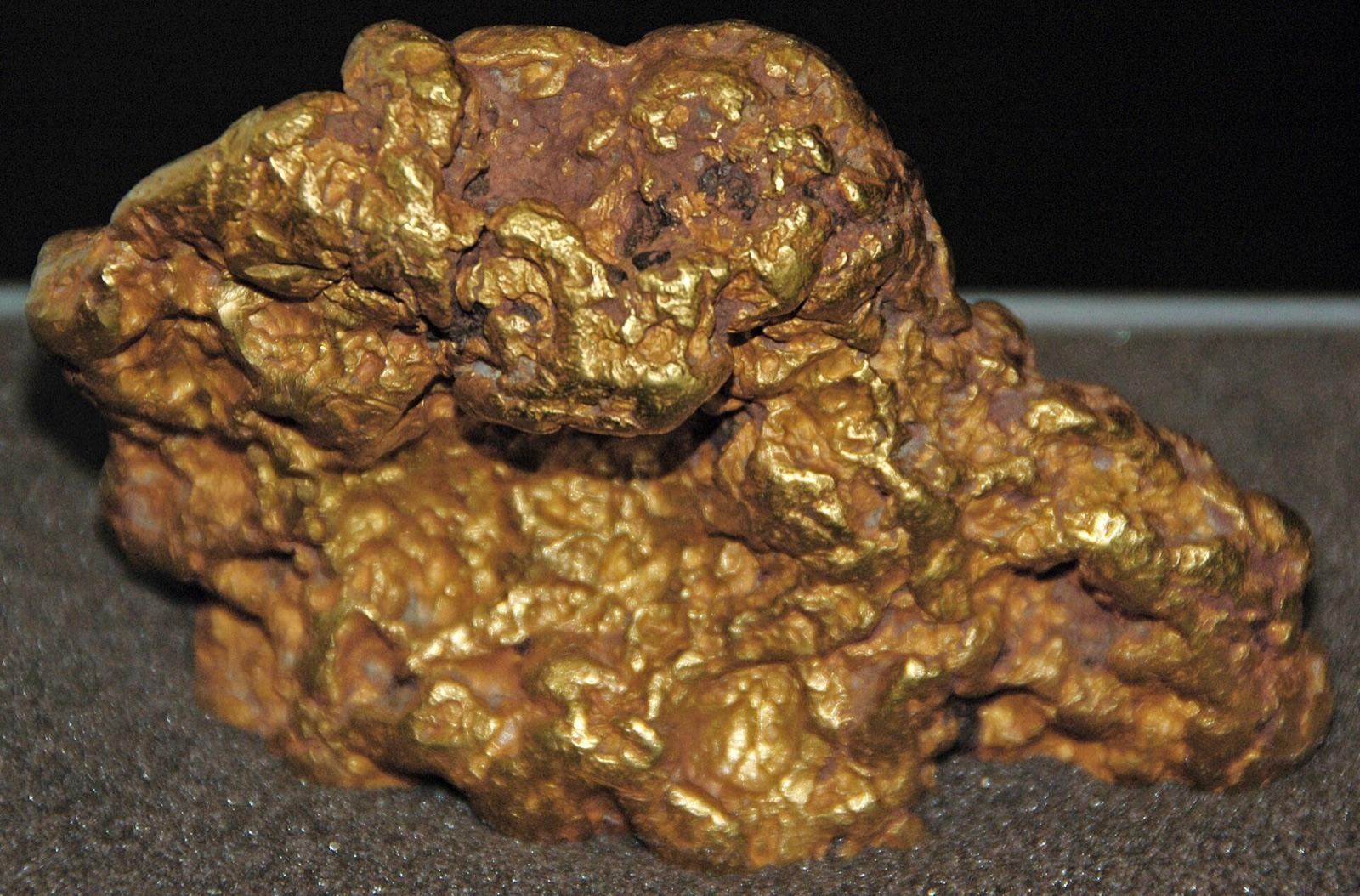
Gold
Full gold guide →Pyrite earned the name fool's gold because a brassy cube glinting in a pan stops every new prospector. The two could hardly be more different physically, though. Gold is a soft, dense, malleable metal that never tarnishes. Pyrite is an iron sulfide, harder, lighter, brittle, and prone to forming sharp cubic crystals. A couple of 30-second tests rule out a false alarm before you get excited.
What is the difference between Pyrite and Gold?
Streak
- Pyrite
- Greenish-black to brownish-black on unglazed tile.
- Gold
- Golden-yellow, the same color as the metal.
Hardness and brittleness
- Pyrite
- Mohs 6 to 6.5, brittle. Shatters or powders when struck.
- Gold
- Mohs 2.5 to 3, malleable. Dents, bends, and flattens.
Shape
- Pyrite
- Often sharp cubes or pyritohedra with striated faces.
- Gold
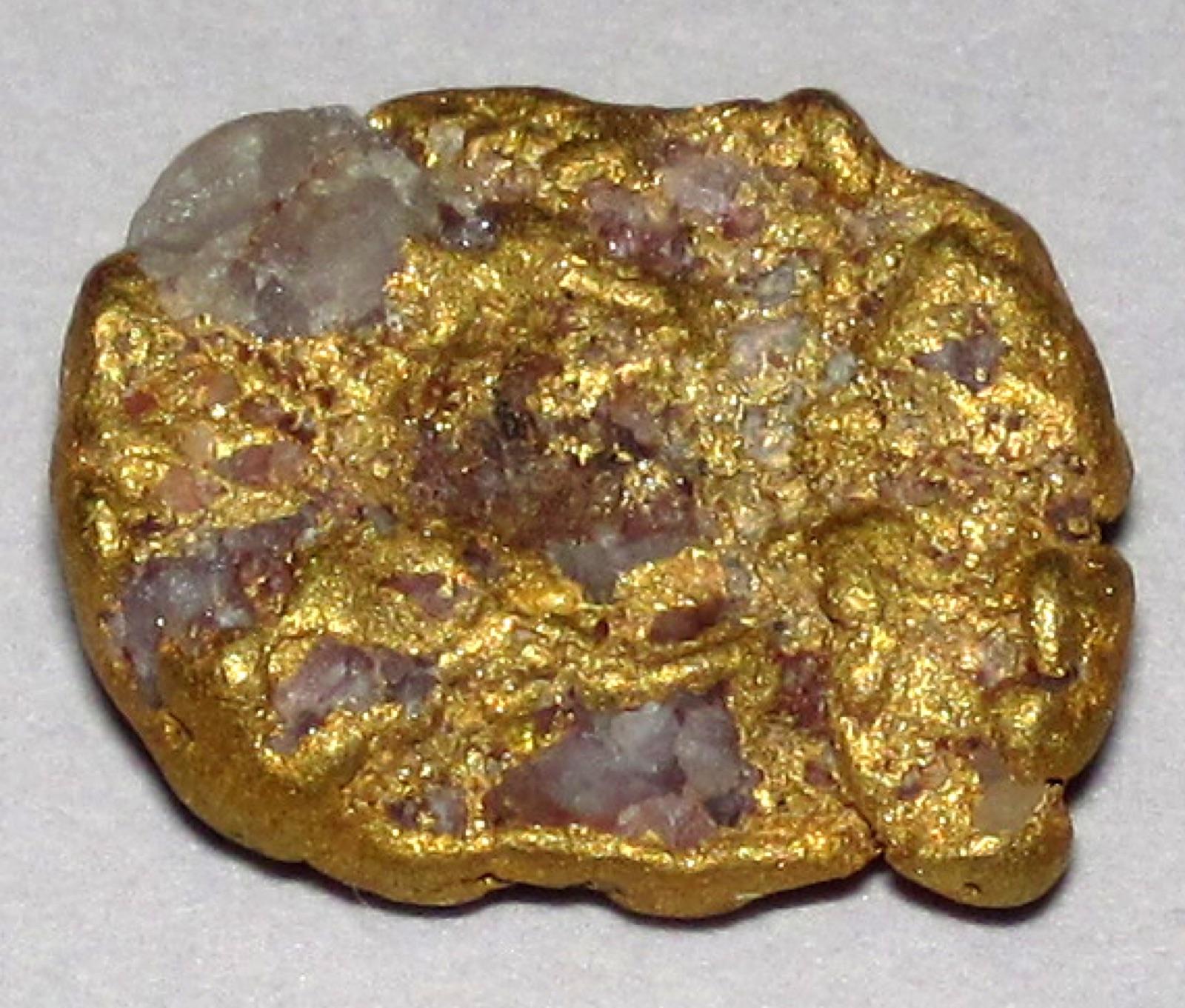
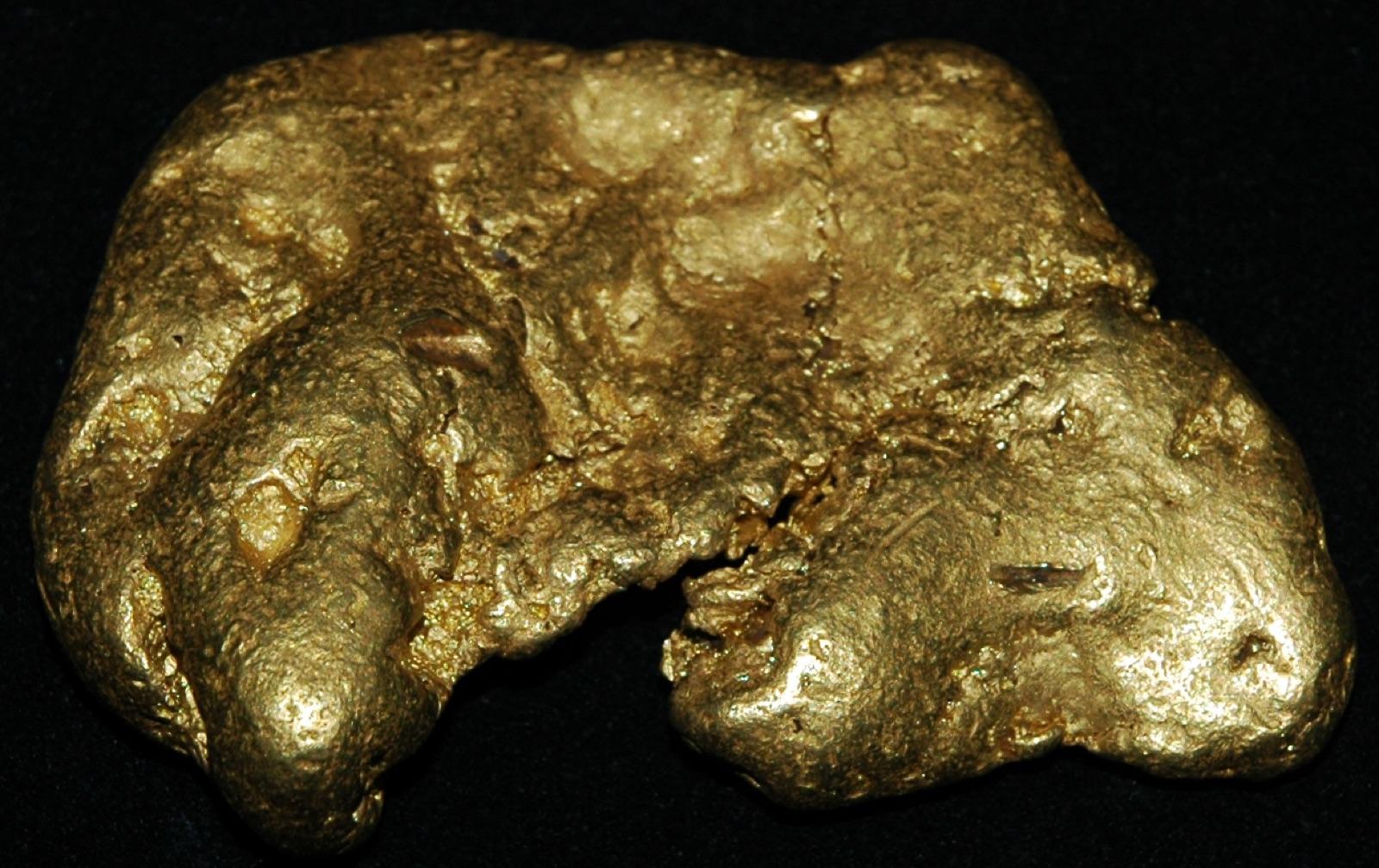
- Rounded nuggets, flakes, and wires. No cubic crystals.
Weight (density)
- Pyrite
- Moderately heavy, specific gravity around 5.
- Gold
- Extremely heavy, specific gravity around 19. Feels dense.
Pyrite vs Gold: properties compared
Highlighted rows are where Pyrite and Gold differ. The badge marks the most reliable at-a-glance separator. Property data from the RockHoundR mineral database.
| Property | Pyrite | Gold |
|---|---|---|
| Type | Mineral | Mineral |
| Mohs hardness(differs)Best field test | 6-6.5Harder | 2.5-3 |
| Streak(differs) | Greenish Black to Brownish Black | Yellow |
| Transparency(differs) | Opaque | Opaque in All But Thinnest Foils |
| Luster(differs) | Metallic, Splendent | Metallic |
| Cleavage(differs) | Indistinct On {001}; Partings On {011} and {111}, Indistinct | None |
| Crystal system | Cubic | Cubic |
| Crystal habit(differs) | Cubes, Pyritohedrons, Octahedrons, Massive, Granular | Nuggets, Dendritic, Wire, Leaf, Octahedral Crystals, Flakes |
| Chemical formula(differs) | FeS₂ | Au |
Why are Pyrite and Gold confused?
Both are metallic and yellow, both sparkle in sunlight, and both show up in quartz veins and stream gravels. In bright light a fresh pyrite face has almost the same brassy color as gold, especially to an eye that wants it to be gold.
How to tell Pyrite from Gold
Ordered from the most reliable field test to the least. Start at the top.
- 1
Streak on unglazed tile
ReliableDrag the sample across the back of a ceramic tile or a streak plate. Gold leaves a shiny golden-yellow line. Pyrite leaves a greenish-black to brownish-black line. This is the single most decisive test and needs no tools beyond the tile.
- 2
Poke and bend test
ReliablePress a steel pin or knife tip firmly into a grain. Gold is soft and malleable, so it dents and flattens without breaking. Pyrite is brittle and hard; it resists the pin, and a struck crystal shatters into angular bits rather than bending.
- 3
Look at the crystal shape
UsefulWell-formed cubes, eight-sided pyritohedra, or fine parallel striations on flat faces mean pyrite. Gold does not grow cubes; it occurs as irregular nuggets, scales, leaves, and wires.
- 4
Heft it
SupportingGold is almost four times denser than pyrite, so a real nugget feels startlingly heavy for its size. Heft is suggestive but hard to judge on tiny flakes, so confirm with streak or the poke test.
Pyrite or Gold: which is more valuable?
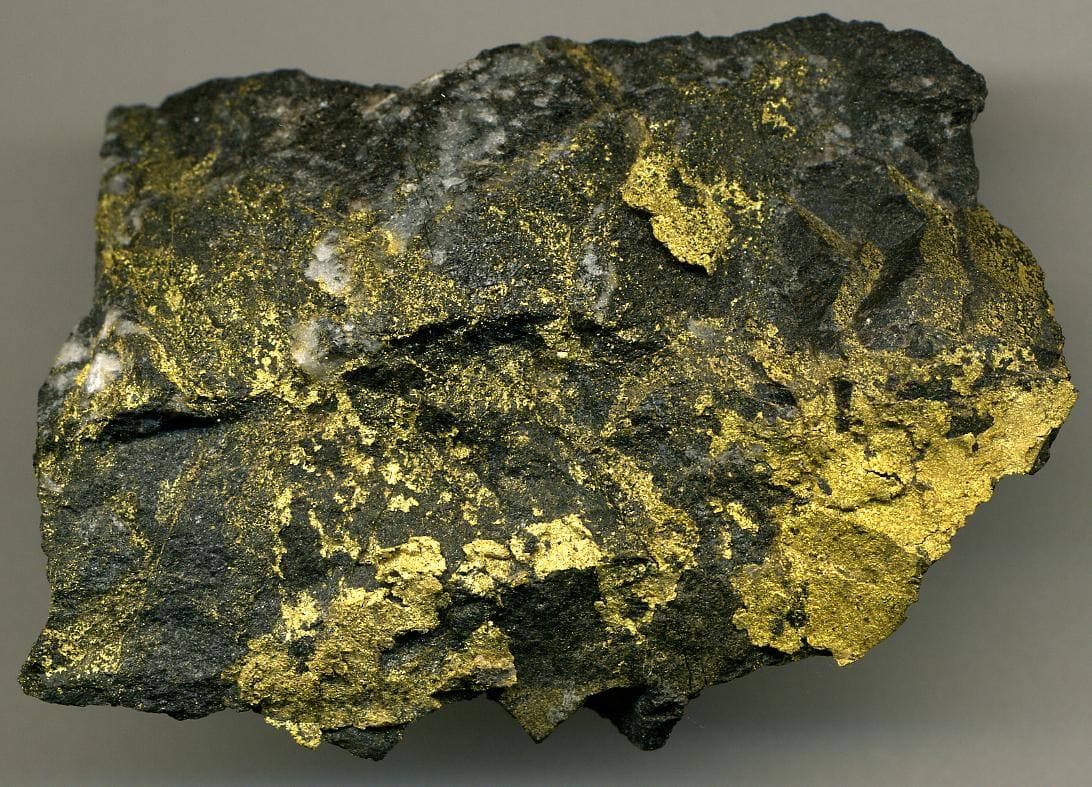
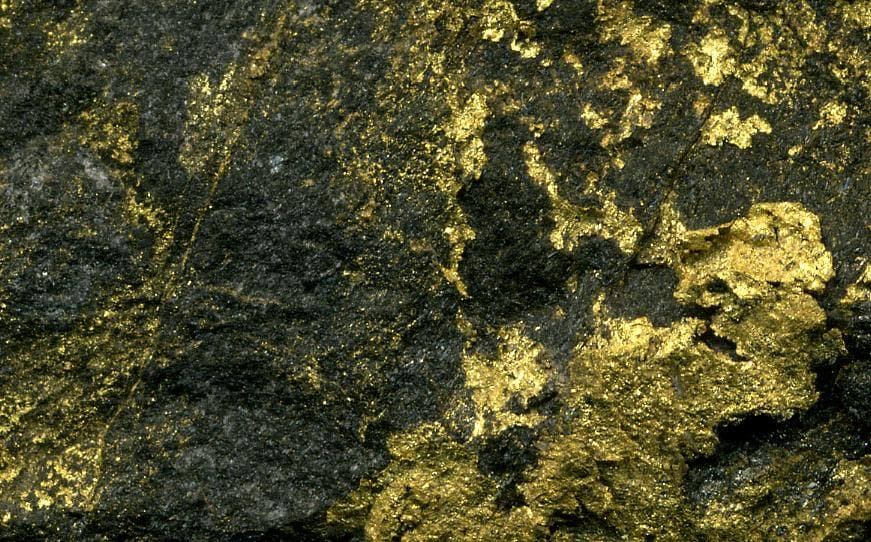
Gold is obviously the valuable one, but pyrite has its own modest collector and decor market, especially clean cubic crystals from Spain or Peru. Do not discard pyrite from a vein, though: gold and pyrite often form together, and visible pyrite can be a useful indicator that gold is nearby.
Pyrite and Gold photos
Where to find each
Bottom line
Golden streak plus a dent when poked equals gold. Greenish-black streak, brittleness, and cubic crystals equal pyrite. Color and sparkle alone prove nothing.
Common questions
What is the easiest way to tell gold from pyrite?+
Is fool's gold worth any money?+
Can gold and pyrite occur together?+
Does chalcopyrite also look like gold?+
Identify your find in the field
RockHoundR maps rockhounding spots, shows land access, and lets you log and label every find so you stop second-guessing look-alikes.