Gold is a highly malleable, bright yellow native metal prized for its resistance to tarnish and corrosion. Collectors typically look for unique crystal habits like 'wire' or 'dendritic' growth rather than standard dust or flakes. It is most commonly found in hydrothermal quartz veins or in alluvial placer deposits where it has been weathered from source rock.
Spotting gold in the field
Field marks- 1
Stays bright yellow in shadow, where pyrite and mica go dull or dark
- 2
Malleable: a real flake dents and bends under a pin instead of shattering
- 3
Extremely heavy, so it sits at the very bottom of the pan and stays there
The shadow test settles almost every false alarm. Move the pan so the suspect flake is shaded: gold stays yellow and lustrous, pyrite darkens, and mica goes grey and loses its flash. Weight does the rest, since gold is around nineteen times the density of water and simply will not be washed out of a properly worked pan. Look at the inside of river bends, behind boulders, in bedrock cracks, and at the base of gravel layers, since gold works its way down until something stops it.
Before you collect
Check claim status before you dig. A claim does not have to be fenced or obviously worked to be valid, and claim owners take it extremely seriously. Use the BLM's mining claim records, look for corner posts and notices, and when in doubt pan somewhere else.
Straight answers
- Is it worth cutting?
- Not a lapidary material. Gold in quartz is often more valuable as a specimen left intact than as recovered metal.
- What is it really worth?
- Priced off the spot metal market, but natural nuggets sell well above melt value to collectors, particularly larger ones with good character.
- Can you legally keep it?
- This is where rockhounding meets mining law. Recreational panning is generally allowed on open public land, but the productive ground is overwhelmingly covered by active mining claims, and working someone's claim is theft. Many states regulate motorized methods, and suction dredging is restricted or banned in several, California included.
Often confused with
Gold vs. its common look-alikes, and how to tell them apart in the field.
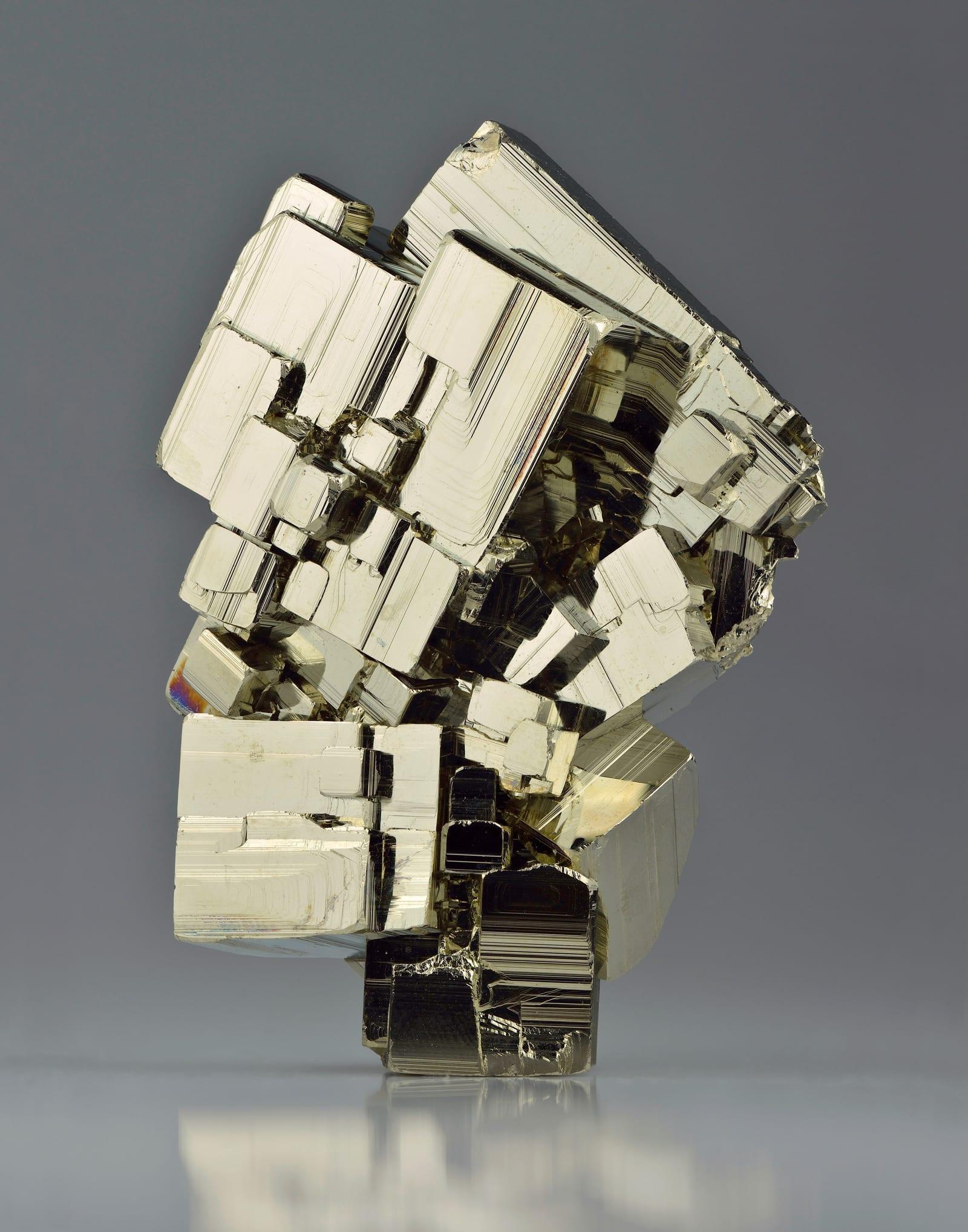
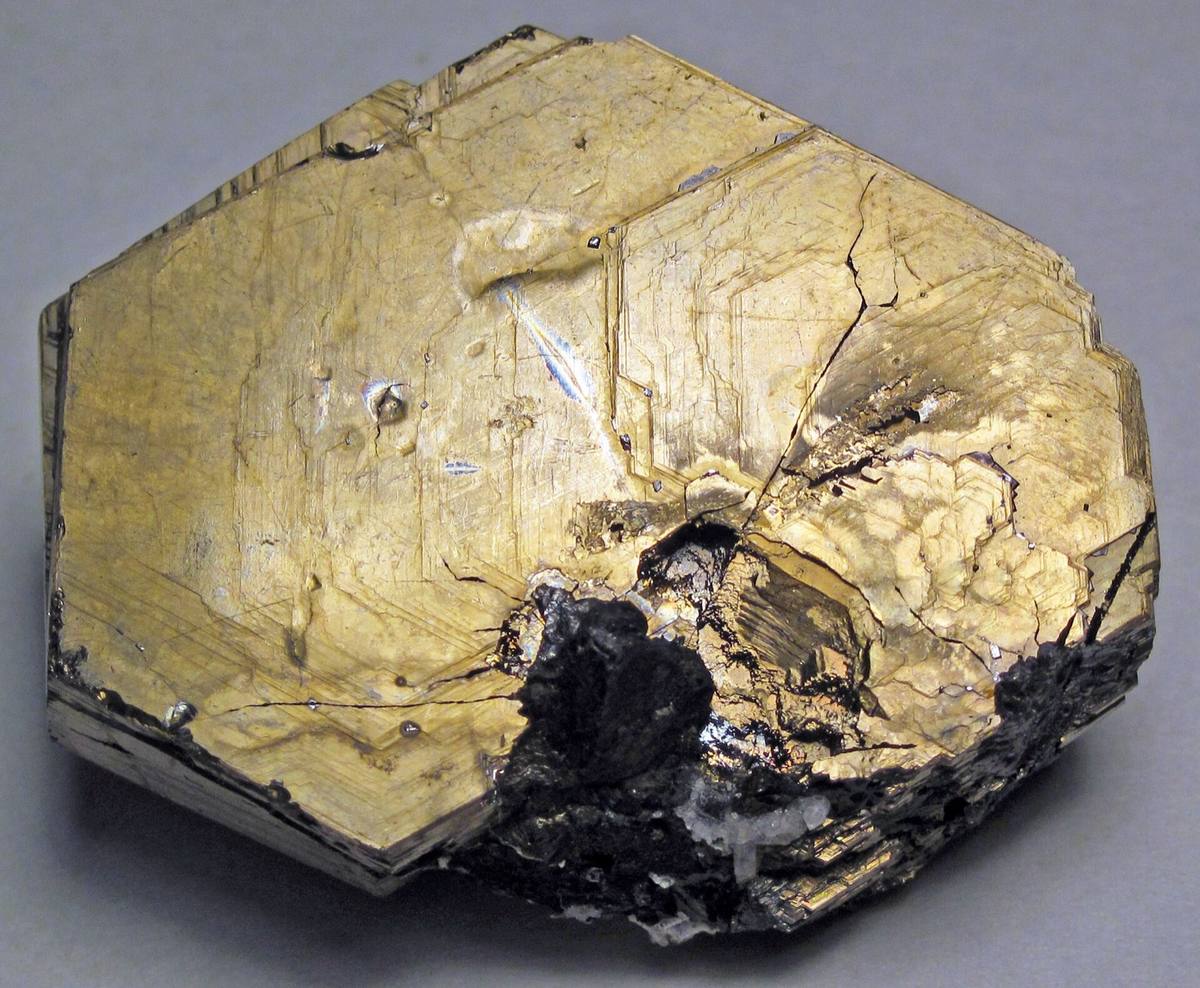
How to tell apart: Fool's gold is brittle and shatters under a pin, is brassy rather than buttery, and goes dark in shadow. It also forms cubes, which gold does not.
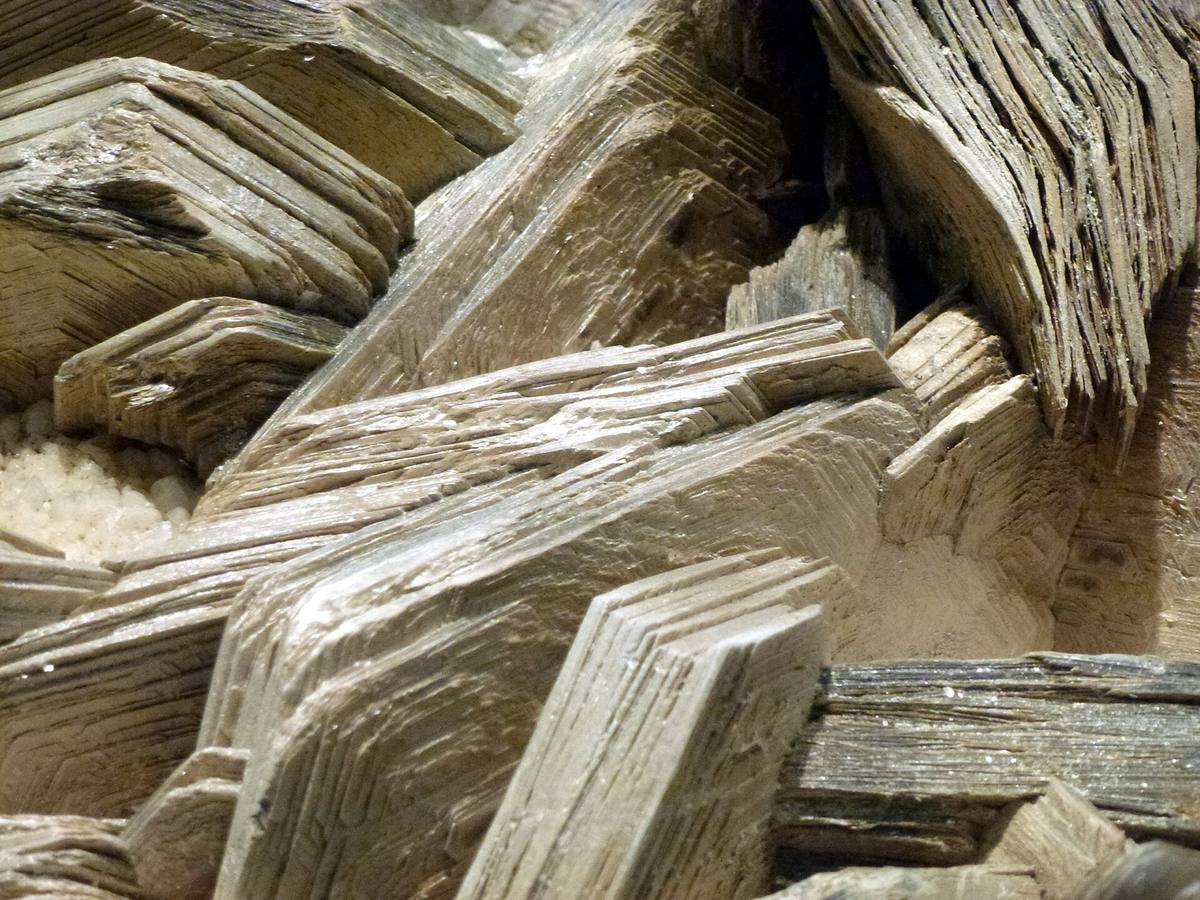
How to tell apart: Biotite and phlogopite flakes flash gold in direct sun and vanish in shade. They are also so light they wash straight out of the pan.
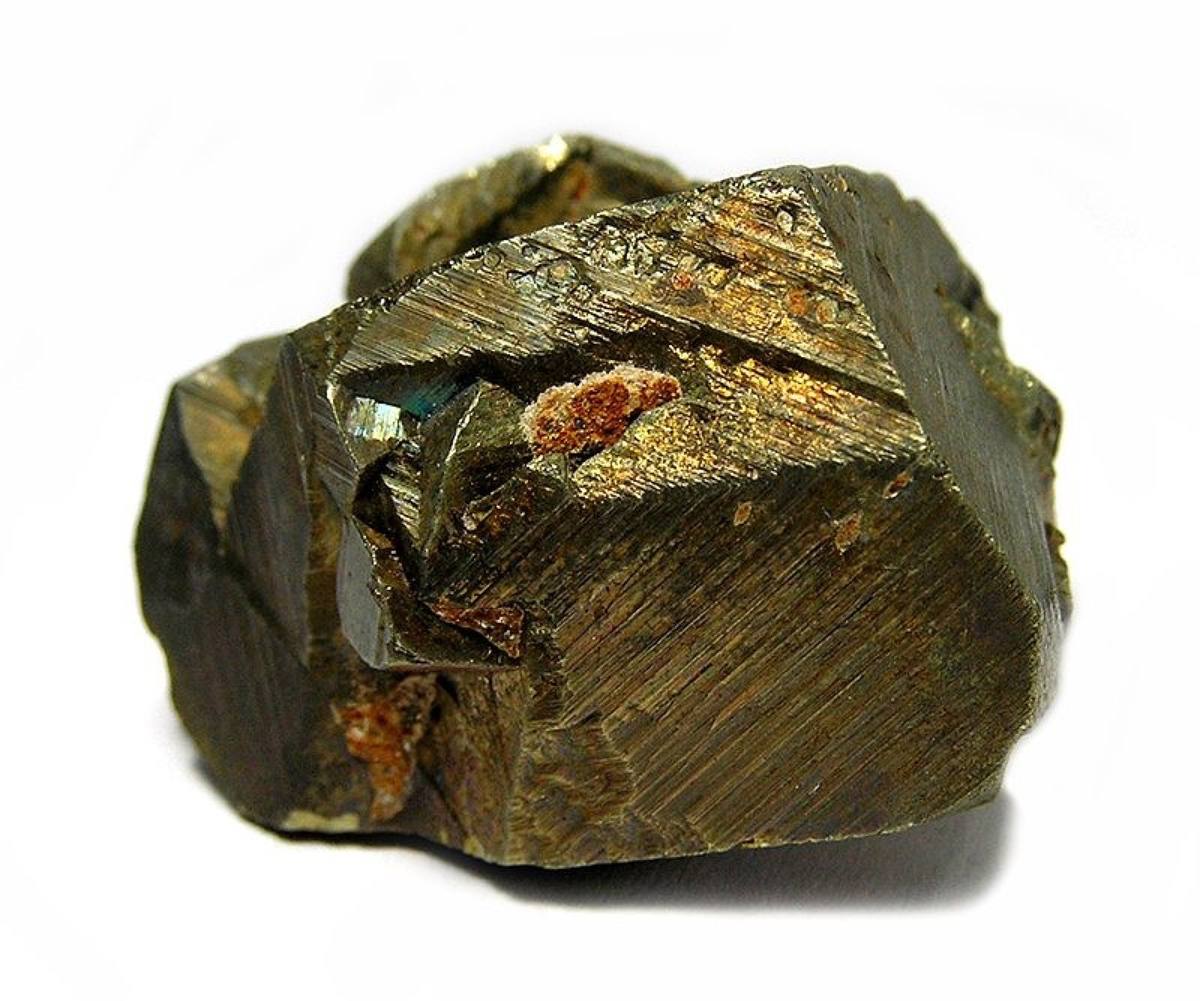
How to tell apart: More brassy and often iridescent, and brittle. Same pin test as pyrite.
Often found alongside gold
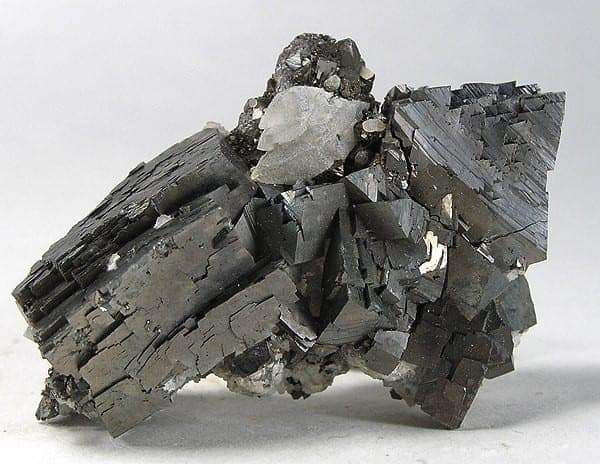
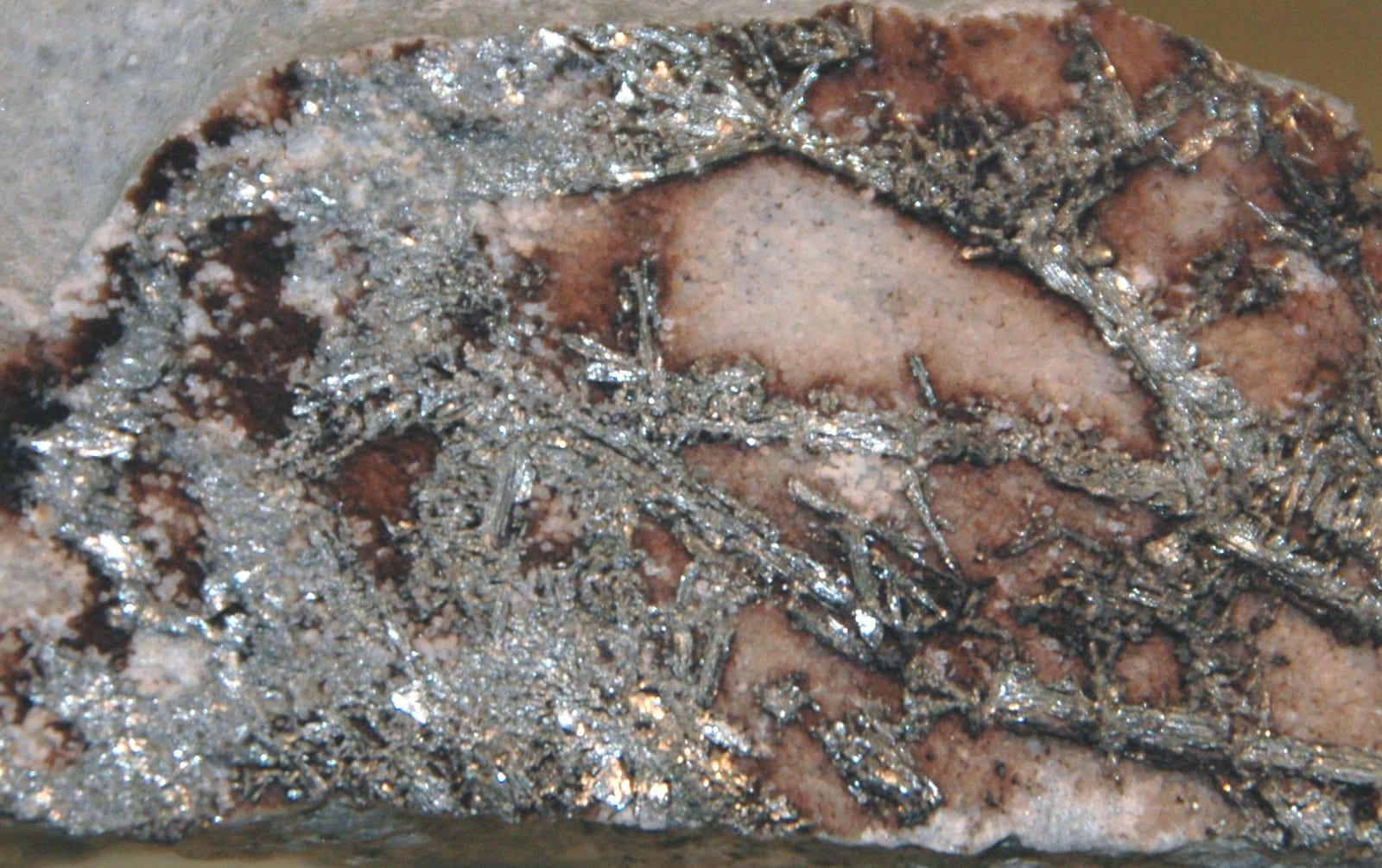
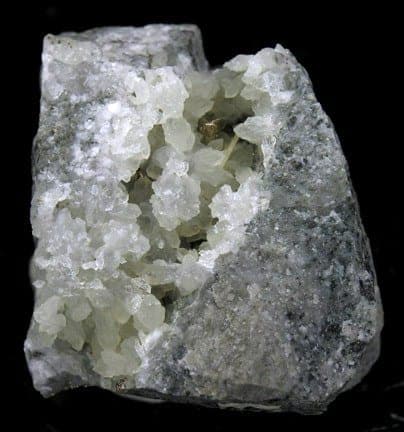
Minerals reported to co-occur with gold. Spotting these in float or country rock is a strong cue you are in the right ground.
All properties
- Chemical formula
- Au
- Mohs hardness
- 2.5-3
- Density
- 19.3 g/cm³
- Colors
- Streak
- Yellow
- Luster
- Metallic
- Transparency
- Opaque in all but thinnest foils
- Crystal system
- Cubic
- Crystal habit
- Nuggets, dendritic, wire, leaf, octahedral crystals, flakes
- Cleavage
- None
- Rarity
- Common
- Uses
- Investment, Jewelry, Electronics, Collector
- Host rock
- Widespread in very small quantities in rocks of many kinds throughout the world, and in sea water
Where rockhounds find gold
247 mapped spotsClassic worldwide localities
- Mother Lode belt of the Sierra Nevada, both lode and placer deposits, California, USA
- Homestake mine at Lead, Lawrence Co., South Dakota, USA
- Breckenridge, Summit Co., Colorado, USA
- Lake Co., at Leadville, Colorado, USA
- Siberia, along the eastern slope of the Ural Mountains, Russia
- Yekaterinburg (Sverdlovsk), as at Beresovsk, Russia
U.S. states with gold
Each link opens a state-specific list of mapped rockhounding spots that produce gold.
- Nevada45 spots
- Utah31 spots
- Montana24 spots
- Idaho23 spots
- North Carolina23 spots
- Washington22 spots
- Oregon8 spots
- South Carolina8 spots
Field-hunting tip
Where it forms: Widespread in very small quantities in rocks of many kinds throughout the world, and in sea water. If you start seeing pyrite, chalcopyrite, arsenopyrite in float, you are in the right ground. Typical habit: nuggets, dendritic, wire, leaf, octahedral crystals, flakes. Train your eye for that shape before scanning the outcrop. In the U.S., the densest reported localities are in Nevada, Utah, Montana. Start trip planning there.
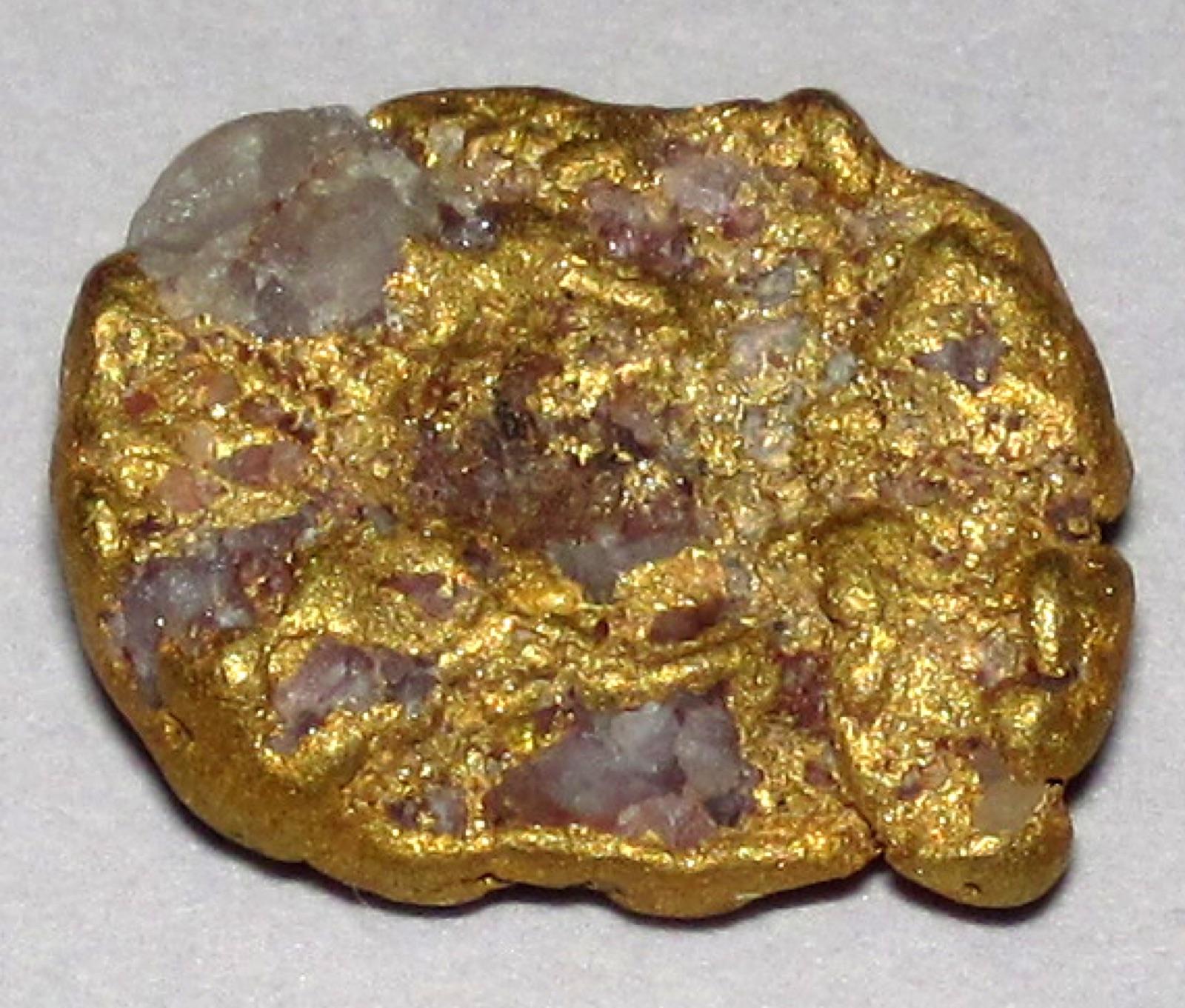
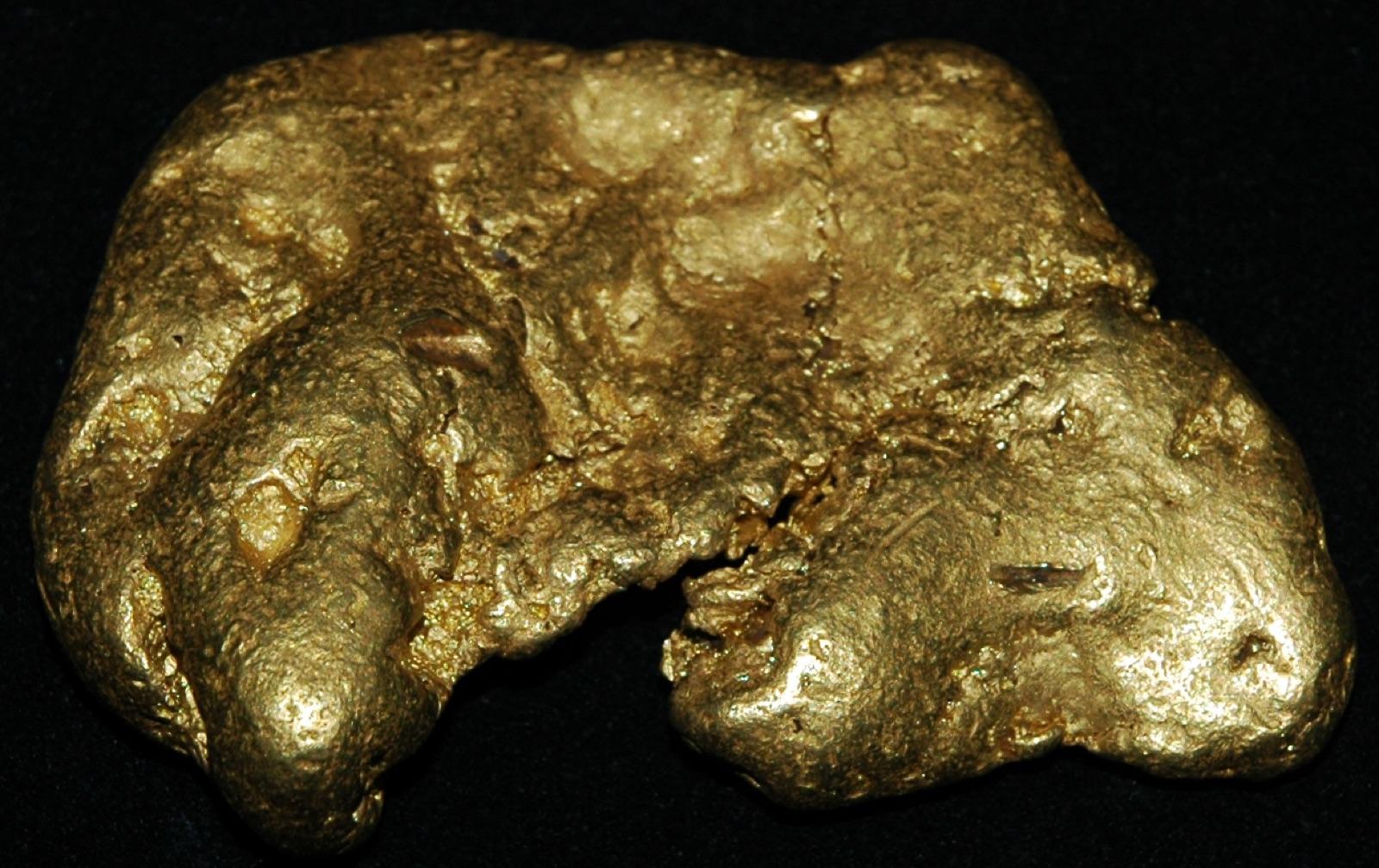
More gold photos
Common questions
How do you identify gold?+
Where is gold found?+
Can I find gold in the United States?+
What rocks look like gold?+
What minerals are found with gold?+
What kind of rock does gold form in?+
What is gold used for?+
Find gold on the map
RockHoundR shows mapped rockhounding spots, access rules, and lets you log every find.