Where to Find Dolomite in West Virginia
West Virginia has 7 mapped collecting spots that report dolomite, spread across 6 counties. The largest share sits in Grant County with 2 spots. 7 of the spots are on land mapped as publicly accessible.
Every dolomite spot we track in West Virginia
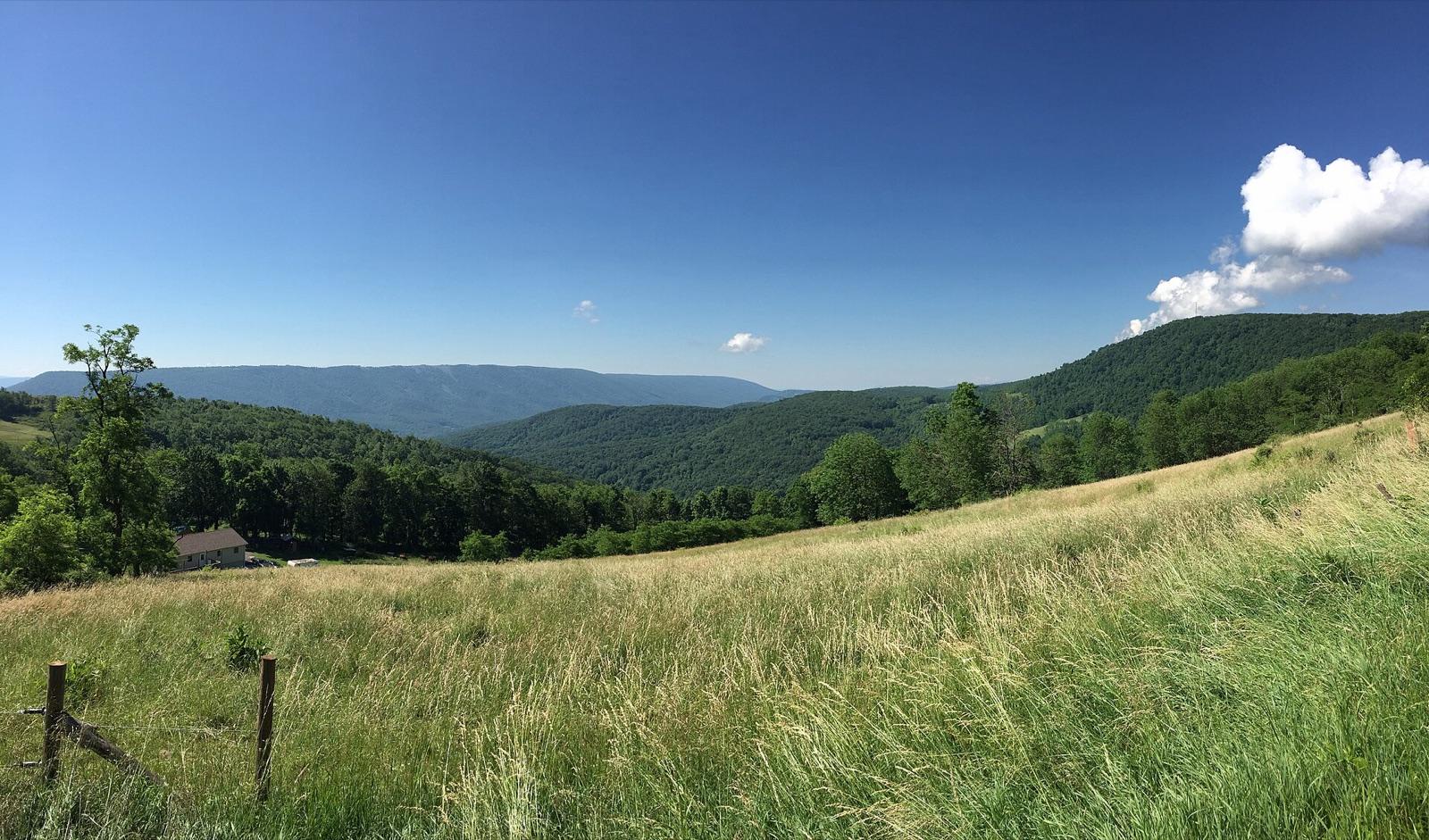 Best spotKnobly MountainMineral County, West VirginiaPublic access · Chalcedony, Calcite, Dolomite +4
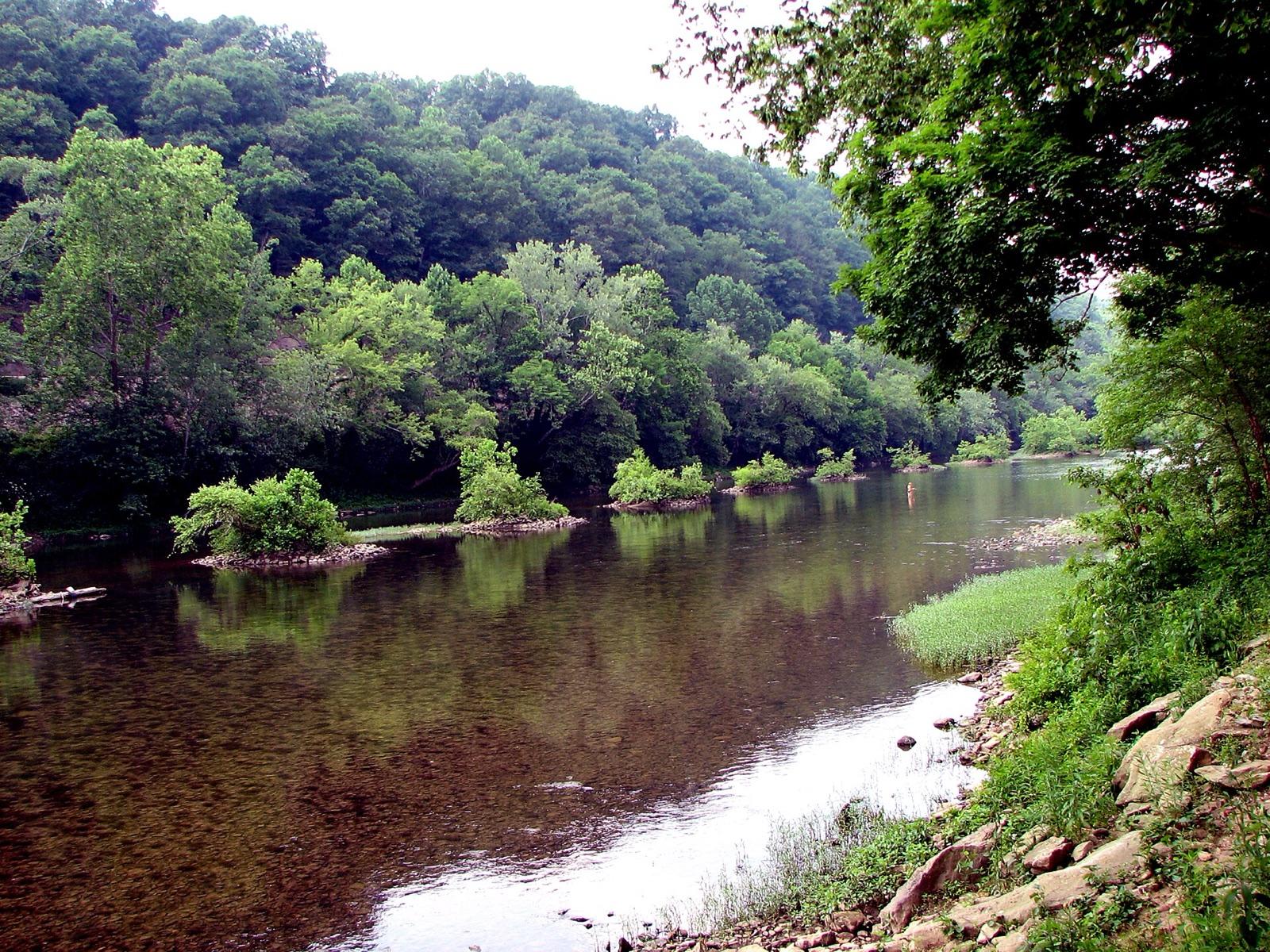 Best spotFort SpringGreenbrier County, West VirginiaPublic access · Calcite, Celestite, Dolomite +1
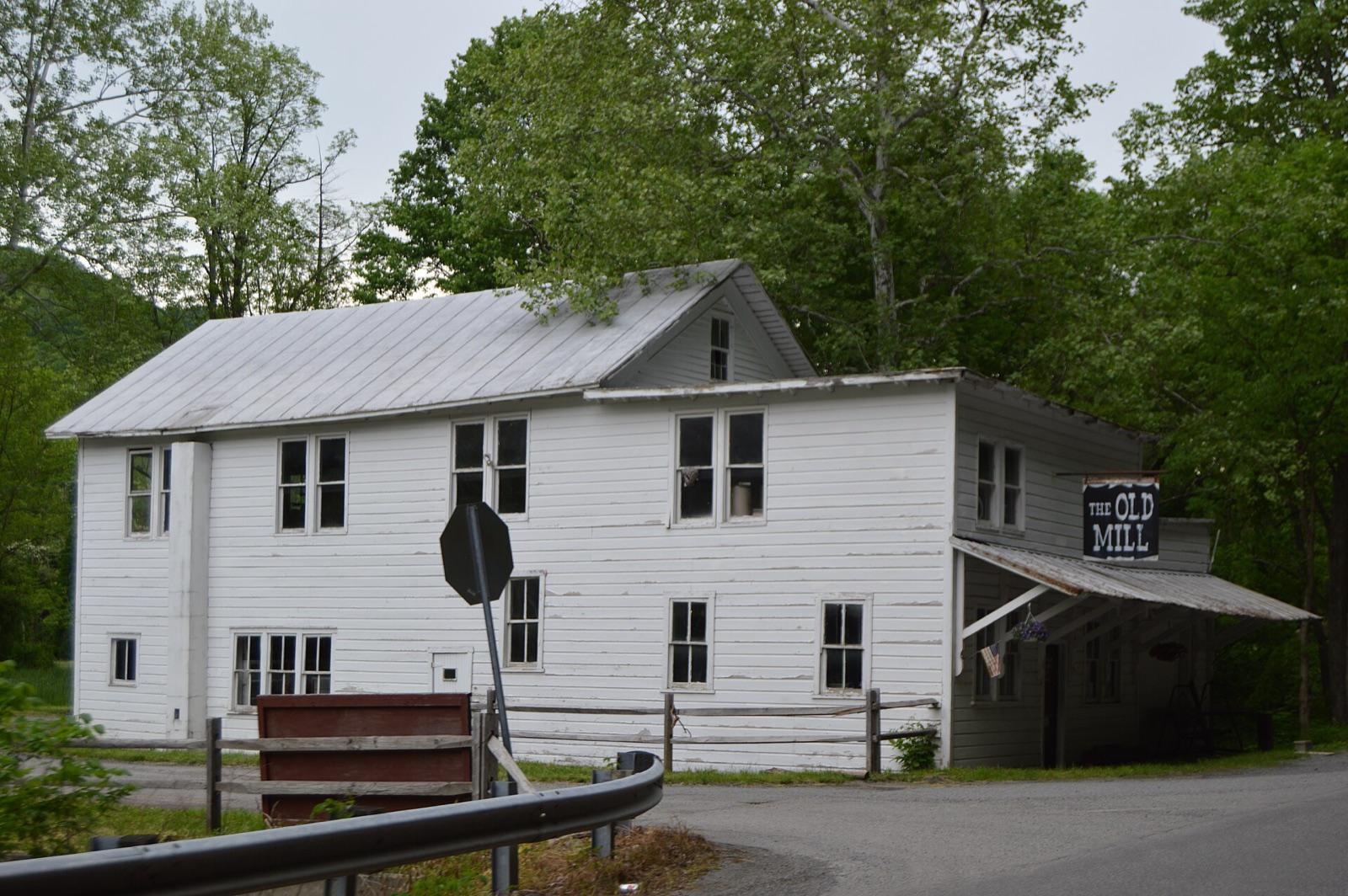 Best spotHarmanRandolph County, West VirginiaPublic access · Calcite, Dolomite, Quartz
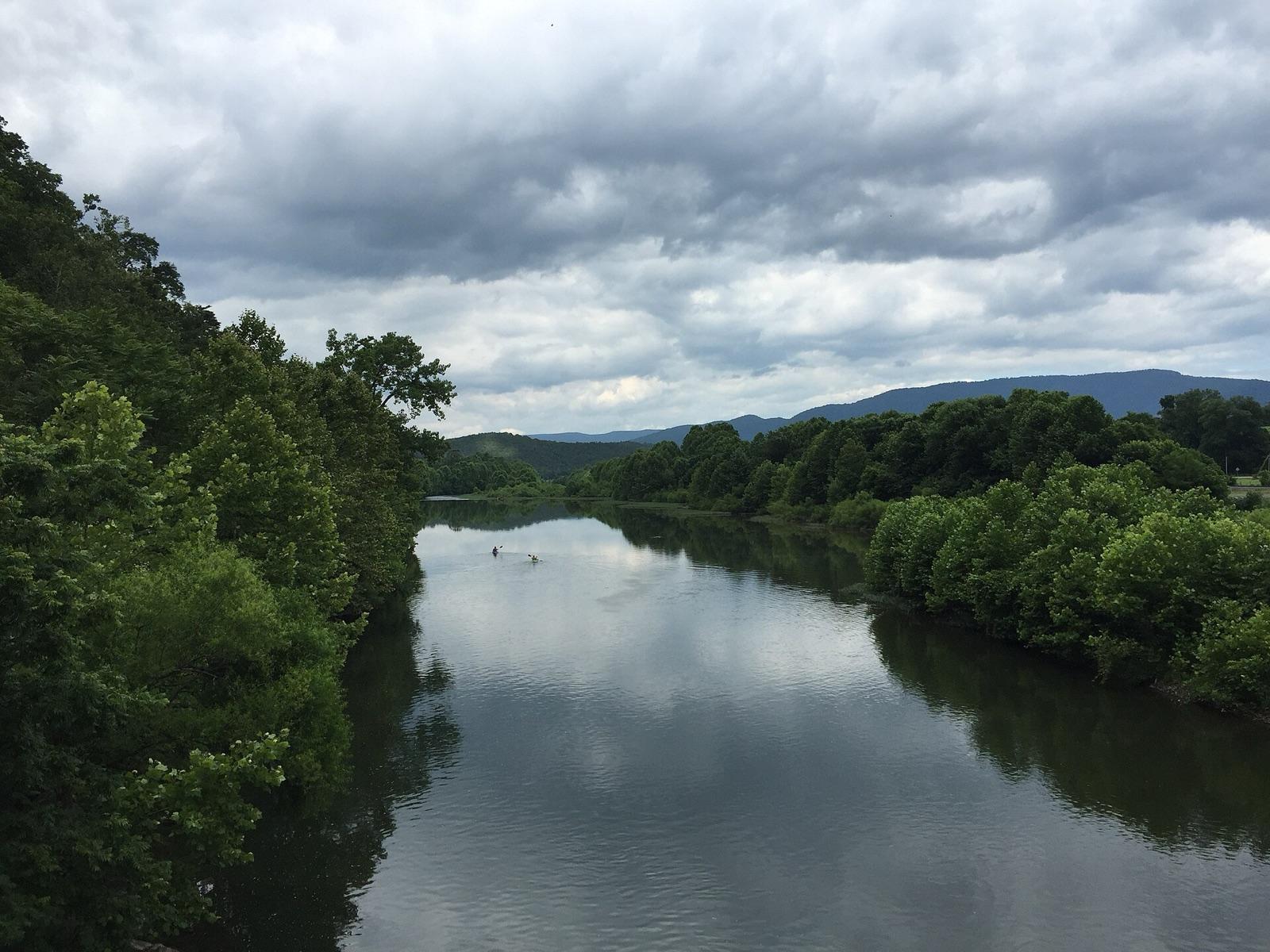 Best spotPetersburgGrant County, West VirginiaPublic access · Calcite, Dolomite, Quartz
 Judy GapPendleton County, West VirginiaPublic access · Calcite, Dolomite, Smoky Quartz +1
- North Fork GapGrant County, West VirginiaPublic access · Calcite, Celestite, Dolomite +1
- Berkeley CountyBerkeley County, West VirginiaPublic access · Calcite, Dolomite, Quartz
Standout dolomite spots in West Virginia
Hand-picked from the full list above, with the reason each one earns a trip.
Petersburg
Grant County
Petersburg sits on the South Branch Potomac River just downstream of Smoke Hole Canyon, where the river drops onto a broad valley and drops its bed load of quartz, calcite, and dolomite eroded from the Silurian and Devonian ridges upstream.
Fort Spring
Greenbrier County
Fort Spring lies on the Greenbrier River in southern Greenbrier County, in the Mississippian carbonate belt that gives the county its celestite, calcite, and dolomite.
Knobly Mountain
Mineral County
Knobly Mountain is a classic 19th-century West Virginia mineral locality, a railroad cut on the mountain's west flank that exposed limestone yielding exceptional celestite crystals before 1890.
Harman
Randolph County
Harman lies in the high country of eastern Randolph County near the Dry Fork of the Cheat River and the edge of the Monongahela National Forest, where folded Devonian and Mississippian carbonates weather out quartz, calcite, and dolomite.
Best counties for dolomite in West Virginia
Ranked by the number of mapped dolomite spots. County links open the full rockhounding page for that county.
Before you go
Read the dolomite identification guide so you know what a keeper looks like in the field: Dolomite in the encyclopedia.
Dolomite in West Virginia FAQ
Where can you find dolomite in West Virginia?+
How many dolomite spots are mapped in West Virginia?+
Is it legal to collect dolomite in West Virginia?+
Where else to find dolomite
More minerals to hunt in West Virginia
Hunt dolomite in West Virginia with the map in your pocket
RockHoundR puts these spots on an offline map with BLM and Forest Service overlays, geology layers, and a log for your finds.