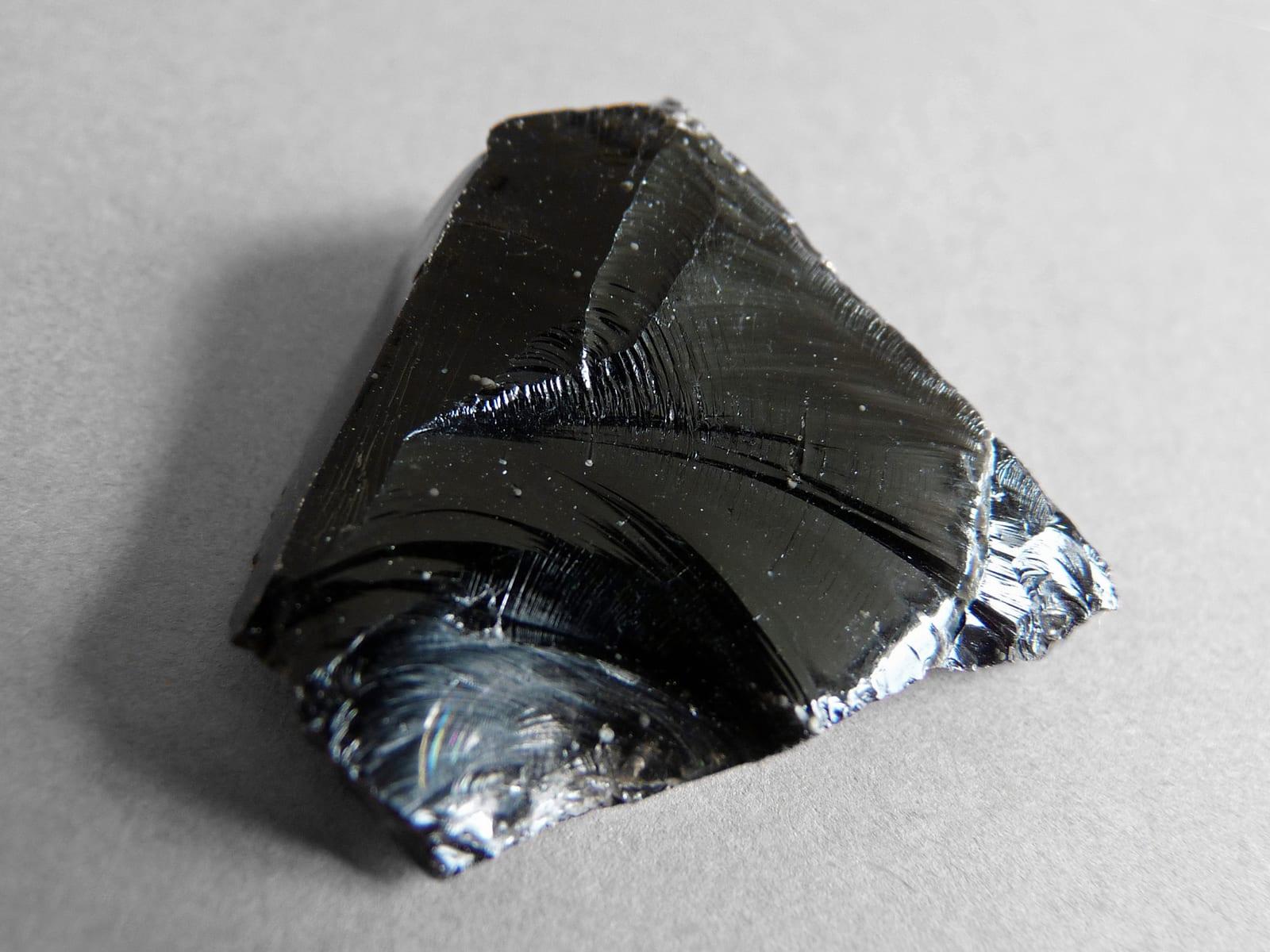
Apache Tears are naturally rounded, translucent obsidian nodules found embedded in perlite deposits. They are prized by collectors for their smooth, pebble-like surfaces and glassy interior, which is often visible when held against a strong light source.
Spotting apache tears in the field
Field marks- 1
Small rounded black nodules, thumbnail to walnut sized
- 2
Translucent brown when held to a strong light, unlike massive obsidian
- 3
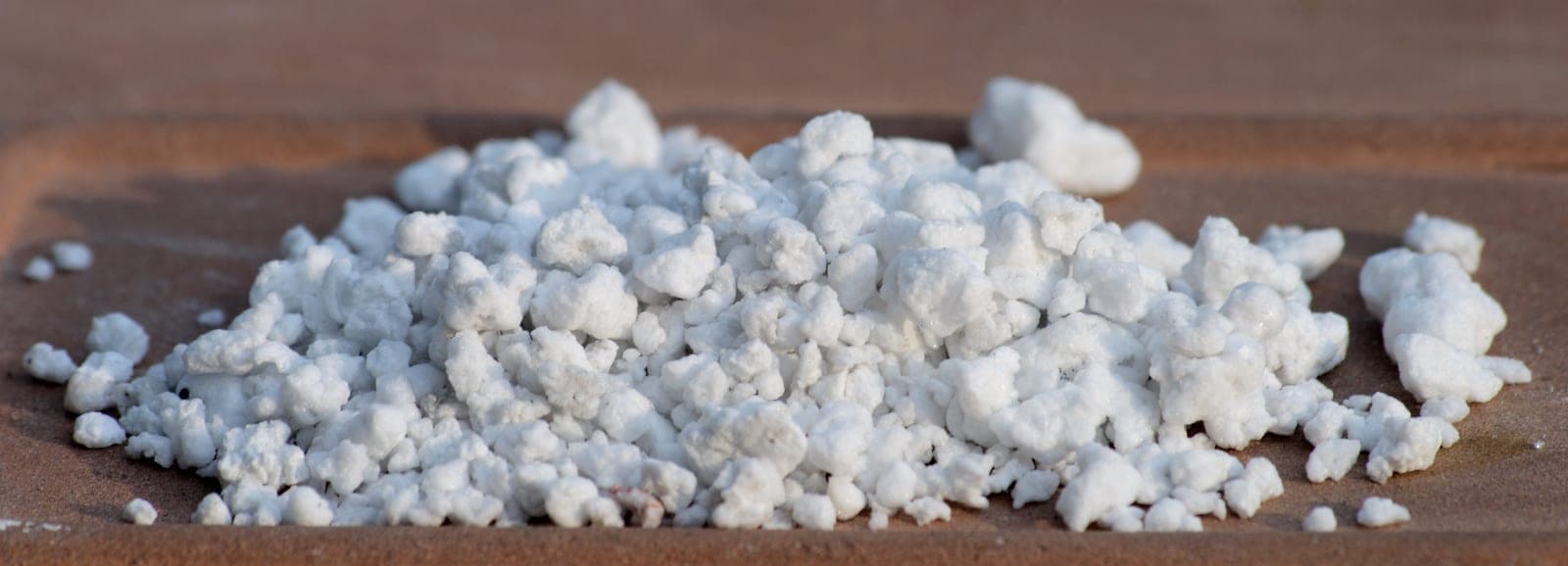
Found weathering out of a chalky white or grey perlite matrix
Apache tears are obsidian nodules that resisted the hydration that turned the surrounding glass into soft grey perlite, which is why they weather out as loose rounded pebbles from a crumbly white host. That perlite is the search image: find the chalky grey-white outcrops and screen the loose material below them. Superior, Arizona is the classic locality. Hold every one to the sun, because the translucency is what separates them from ordinary basalt pebbles.
Straight answers
- Is it worth cutting?
- Tumble beautifully and are a classic beginner tumbling stone, since they are small, round and already close to finished shape.
- What is it really worth?
- Very cheap and sold by the bag. Their value is as a first find for a beginner, which is not nothing.
- Can you legally keep it?
- Arizona localities are a mix of BLM land open to personal-use collecting and private commercial sites that charge a small fee.
Where it is worth going
- SuperiorPinal County, Arizona
The classic Apache tears locality, below the Apache Leap escarpment. Mixed public and commercial ground.
Often confused with
Apache Tears vs. its common look-alikes, and how to tell them apart in the field.
Often found alongside apache tears
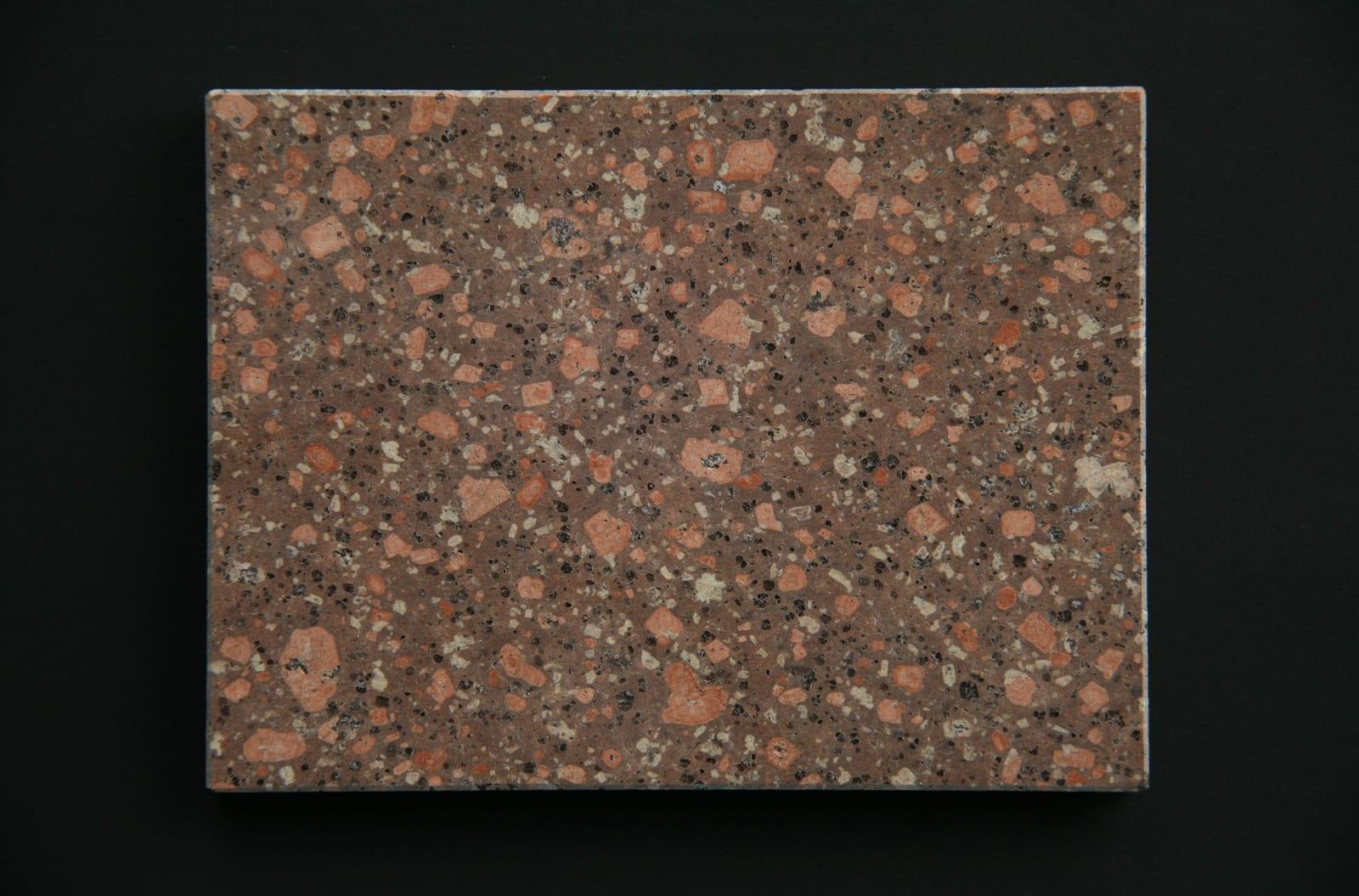
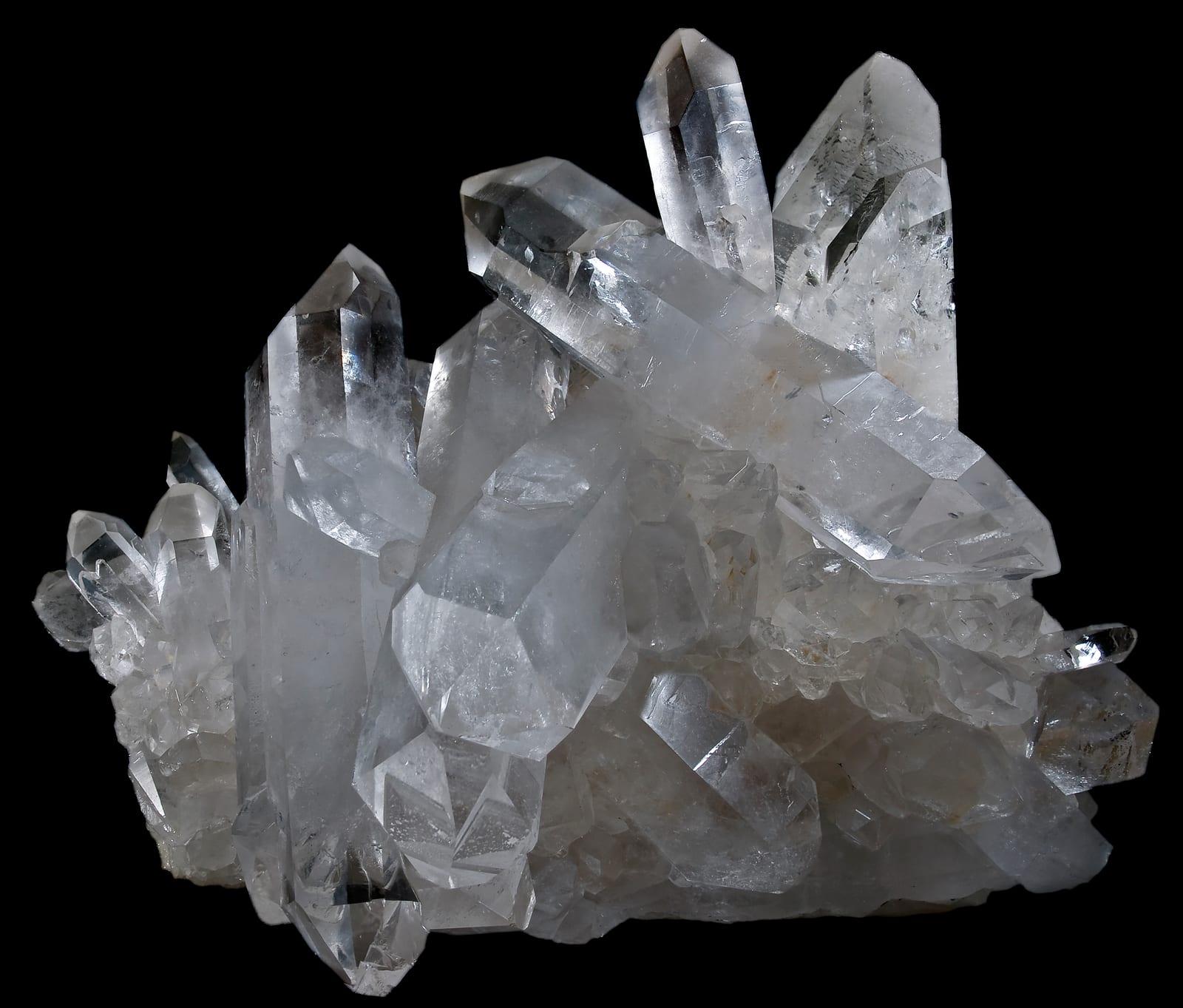
Minerals reported to co-occur with apache tears. Spotting these in float or country rock is a strong cue you are in the right ground.
All properties
- Chemical formula
- SiO₂
- Mohs hardness
- 5-5.5
- Density
- 2.35-2.6 g/cm³
- Colors
- Streak
- White
- Luster
- Vitreous
- Transparency
- Translucent
- Crystal system
- Amorphous
- Crystal habit
- Rounded Nodules
- Cleavage
- None
- Rarity
- Common
- Uses
- Collector, Lapidary, Decorative
- Host rock
- Rhyolitic Volcanic Glass
- Typical price
- $2-20 per specimen
Where rockhounds find apache tears
6 mapped spotsClassic worldwide localities
- Arizona, USA
- Nevada, USA
- Mexico
- Iceland
- Armenia
Field-hunting tip
Look in rhyolitic volcanic glass country, the host setting where apache tears typically forms. If you start seeing perlite, rhyolite, quartz in float, you are in the right ground. Field specimens usually show a rounded nodules habit, so train your eye for that shape before scanning the outcrop. In the U.S., the densest reported localities are in New Mexico, Nevada, Colorado. Start trip planning there.
Common questions
How do you identify apache tears?+
Where is apache tears found?+
Can I find apache tears in the United States?+
How much is apache tears worth?+
What rocks look like apache tears?+
What minerals are found with apache tears?+
What kind of rock does apache tears form in?+
What is apache tears used for?+
Find apache tears on the map
RockHoundR shows mapped rockhounding spots, access rules, and lets you log every find.