
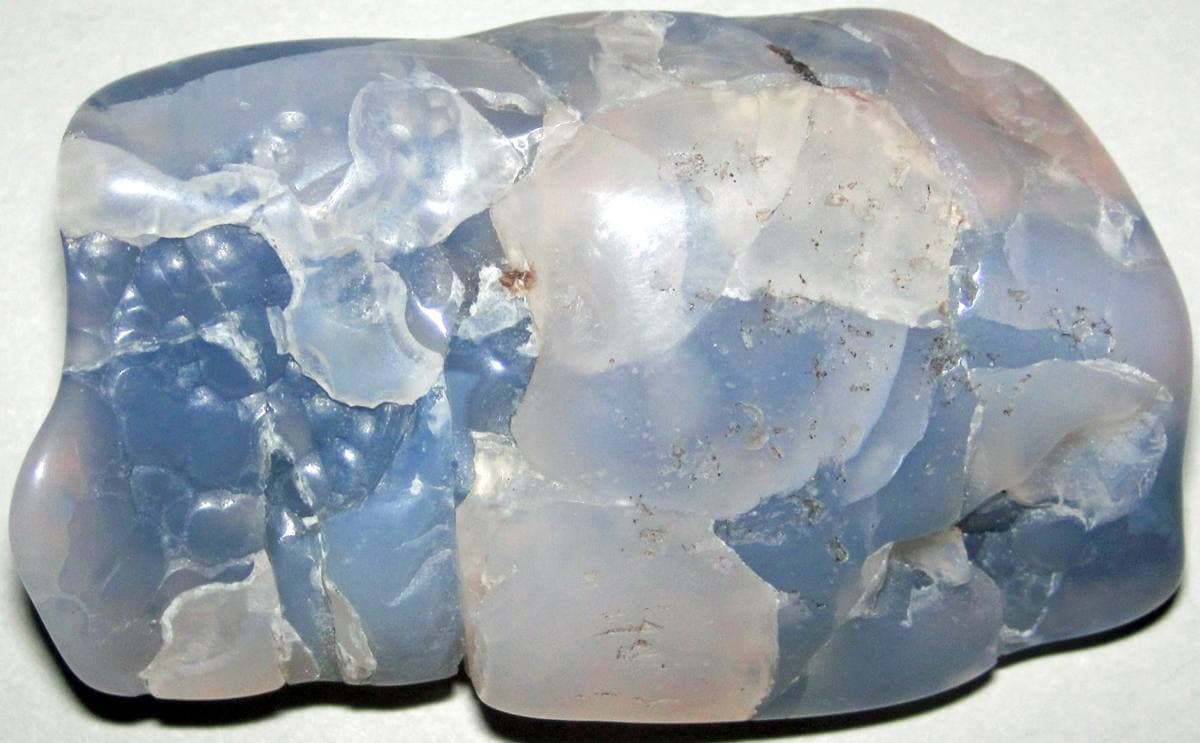
Blue chalcedony is a cryptocrystalline variety of quartz prized for its soothing, sky-blue color caused by light scattering. It is typically found forming botryoidal or massive habits in volcanic cavities and is a favorite for cabochon cutting due to its toughness and translucent finish.
Spotting blue chalcedony in the field
Field marks- 1
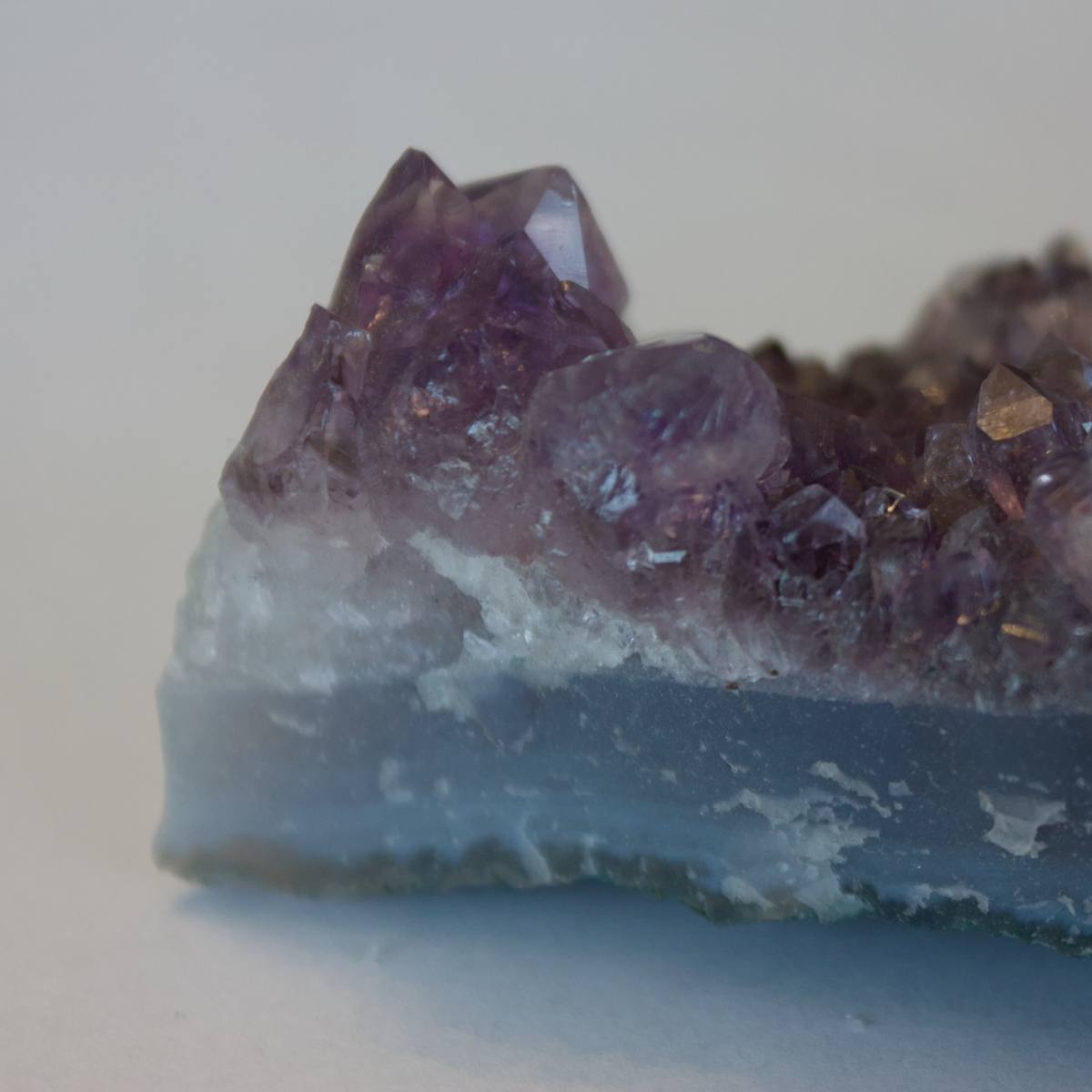
Soft, milky blue to blue-grey, translucent with a slightly cloudy body
- 2
Color is a scattering effect rather than a pigment, so it shifts with the light
- 3
Waxy luster, no banding, hardness 7
The blue is not a colorant but light scattering in the microscopic structure, which is why it looks different against a dark background than a light one, and why photographs of it are so often disappointing. Judge it outdoors in shade. Notable American material includes the Mount Airy area in Nevada, Ellensburg Blue from Washington, and Holley Blue from Oregon, all of which command far more than generic blue chalcedony.
Straight answers
- Is it worth cutting?
- Cut domed rather than flat. A high dome gathers light and deepens the blue, while a flat cab looks washed out.
- What is it really worth?
- Generic material is cheap; named localities like Ellensburg Blue and Holley Blue are collected seriously and priced far higher, with a corresponding amount of misnamed material on the market.
- Can you legally keep it?
- Ellensburg Blue's productive ground is largely private. Nevada occurrences are mostly BLM under normal personal-use rules.
Where it is worth going
- Ellensburg BlueKittitas County, Washington
One of the most sought-after blue chalcedonies in North America. Most of the good ground is private ranch land.
- Holley BlueNear Holley, Linn County, Oregon
Lavender-blue agate from a limited area, largely worked out and now mostly a buying material.
Often confused with
Blue Chalcedony vs. its common look-alikes, and how to tell them apart in the field.
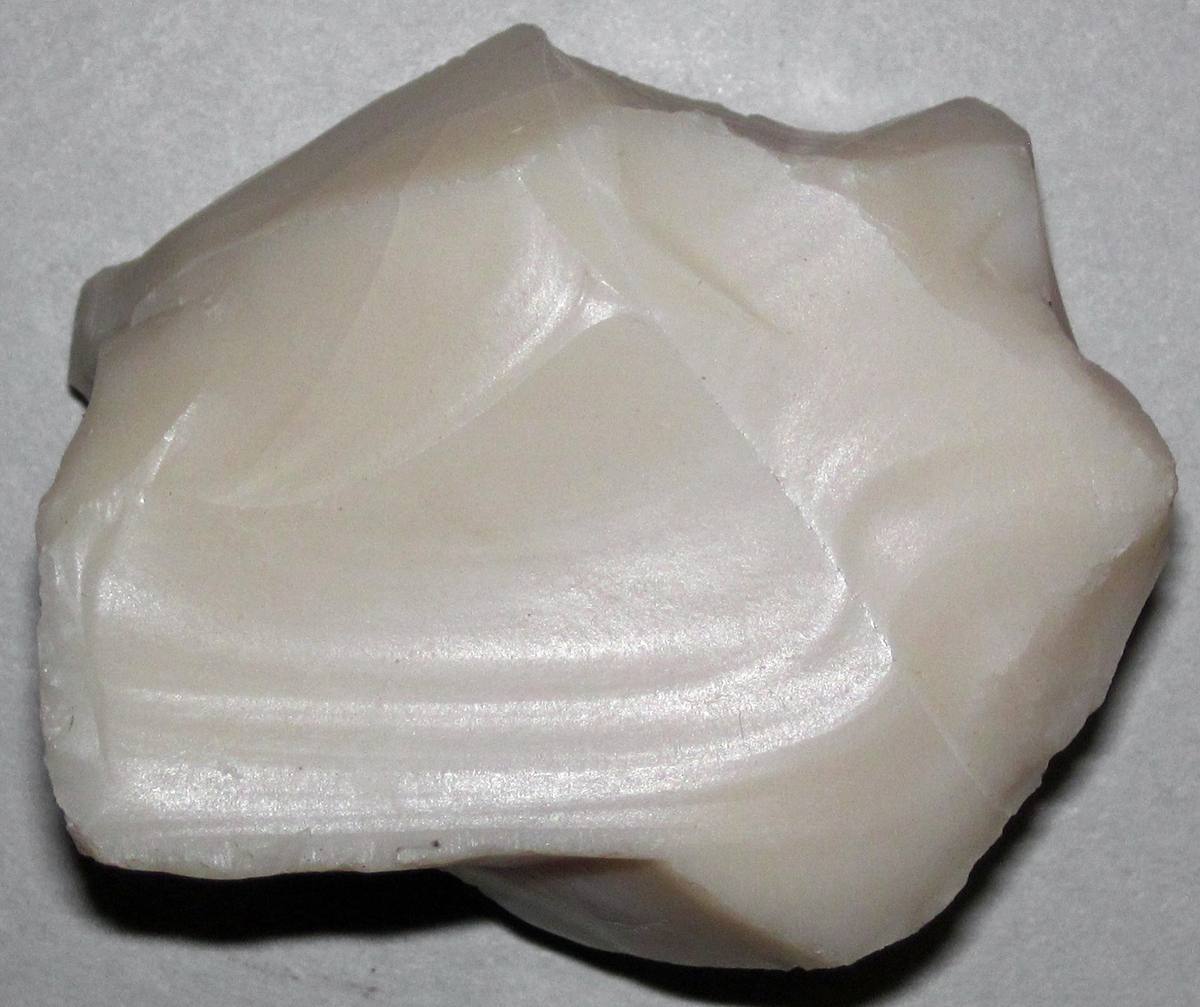
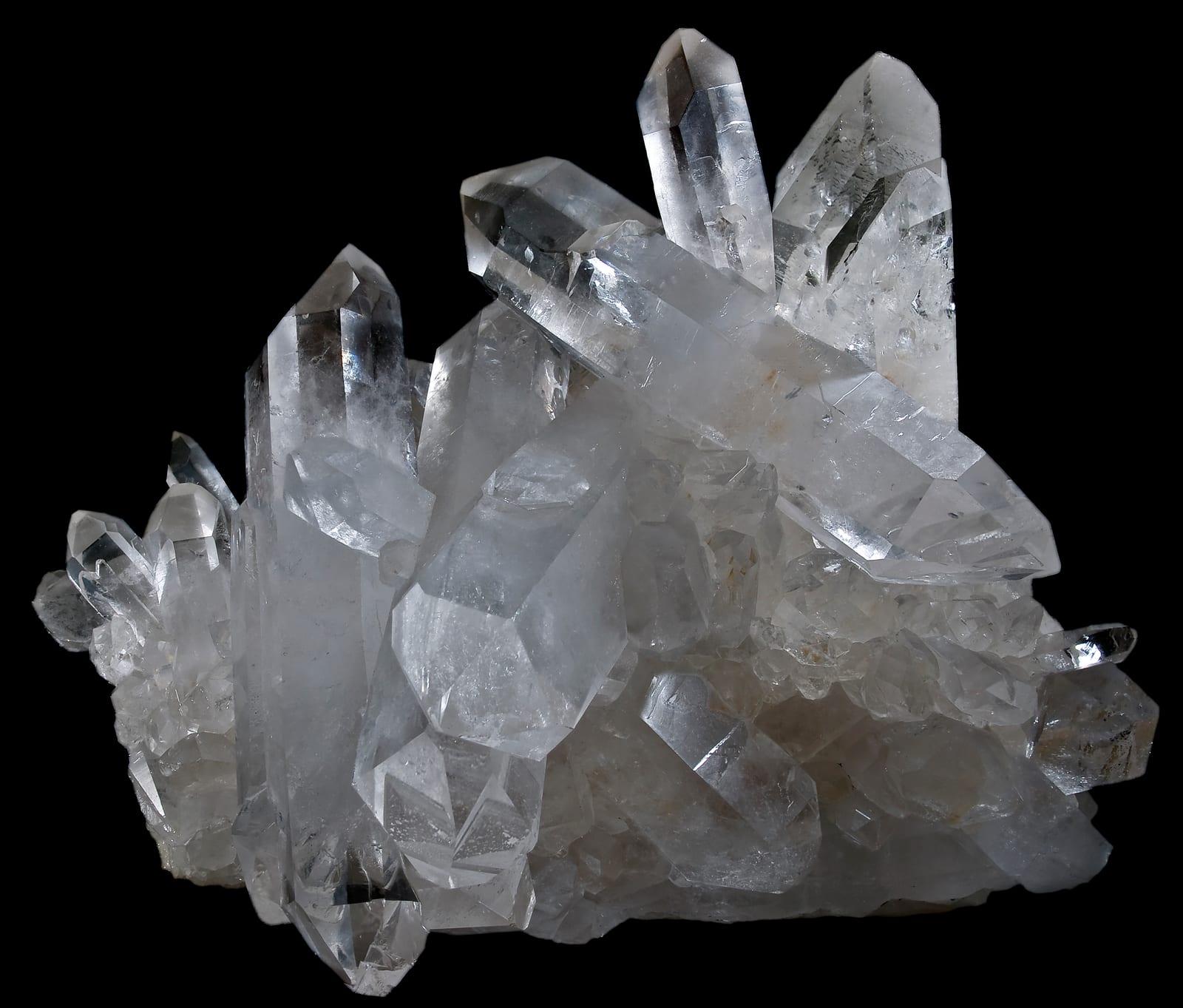
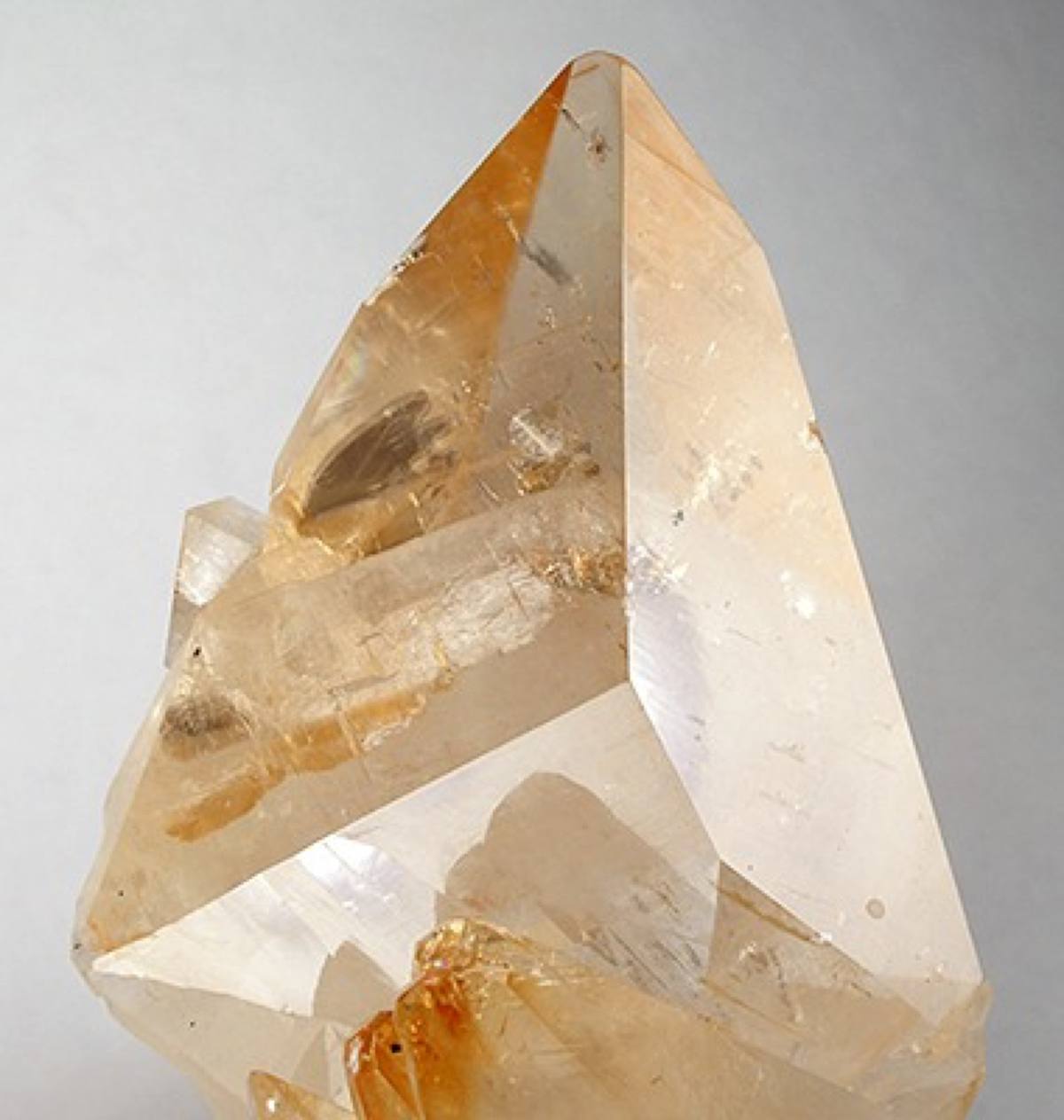
Often found alongside blue chalcedony
Minerals reported to co-occur with blue chalcedony. Spotting these in float or country rock is a strong cue you are in the right ground.
All properties
- Chemical formula
- SiO₂
- Mohs hardness
- 6.5-7
- Density
- 2.58-2.64 g/cm³
- Colors
- Streak
- White
- Luster
- Waxy
- Transparency
- Translucent
- Crystal system
- Trigonal
- Crystal habit
- Botryoidal, massive, crusts
- Cleavage
- None
- Rarity
- Common
- Uses
- Gemstone, Lapidary, Decorative, Collector
- Host rock
- hydrothermal veins and volcanic cavities
Where rockhounds find blue chalcedony
4 mapped spotsClassic worldwide localities
- Turkey
- Namibia
- USA
- Iceland
- Malawi
Field-hunting tip
Where it forms: hydrothermal veins and volcanic cavities. If you start seeing quartz, calcite, zeolites in float, you are in the right ground. Typical habit: botryoidal, massive, crusts. Train your eye for that shape before scanning the outcrop. In the U.S., the densest reported localities are in South Dakota, Nebraska, New Mexico. Start trip planning there.
More blue chalcedony photos
Common questions
How do you identify blue chalcedony?+
Where is blue chalcedony found?+
Can I find blue chalcedony in the United States?+
What rocks look like blue chalcedony?+
What minerals are found with blue chalcedony?+
What kind of rock does blue chalcedony form in?+
What is blue chalcedony used for?+
Find blue chalcedony on the map
RockHoundR shows mapped rockhounding spots, access rules, and lets you log every find.

