Common opal is a non-precious variety of opal that lacks the characteristic play-of-color found in precious opal. It is typically found in massive or botryoidal forms and is often cut into cabochons for jewelry or collected for its diverse, solid color palette.
Spotting common opal in the field
Field marks- 1
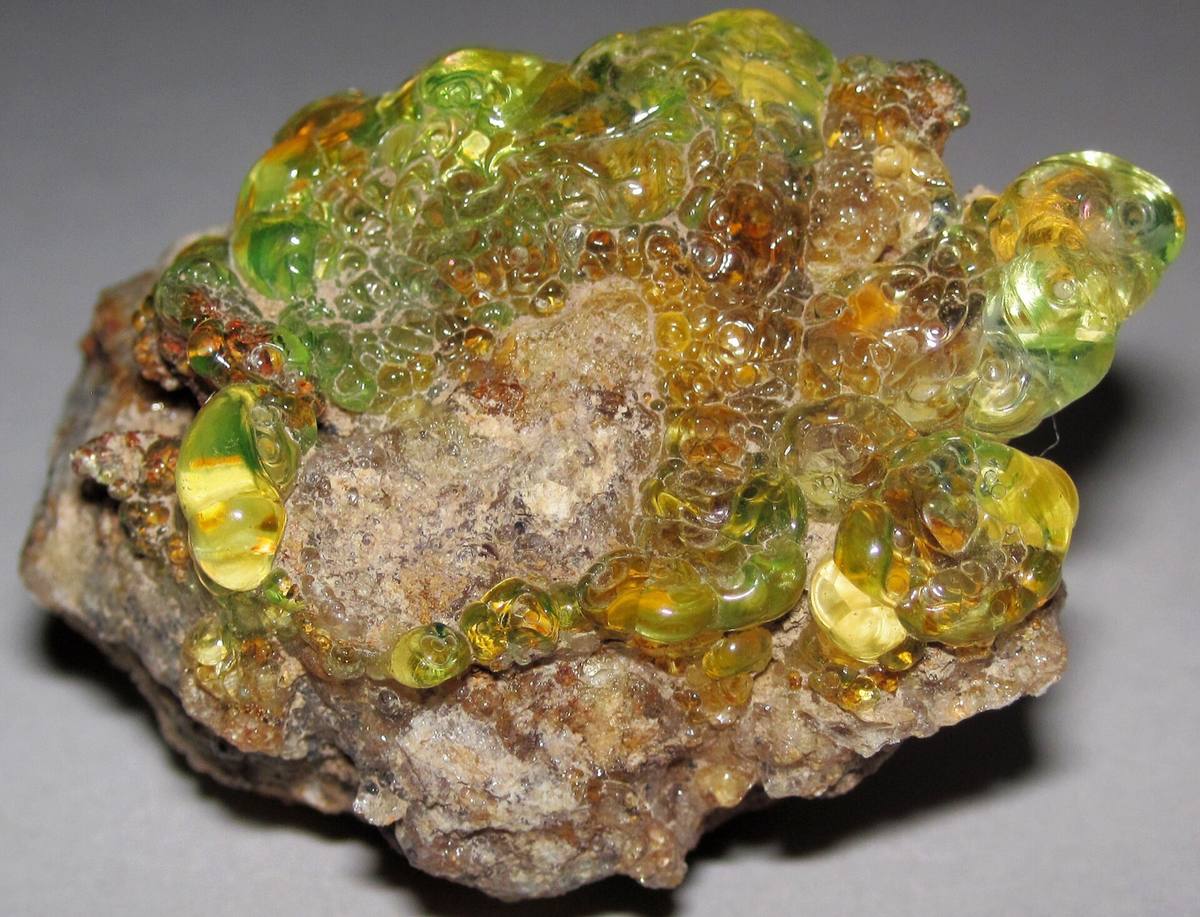
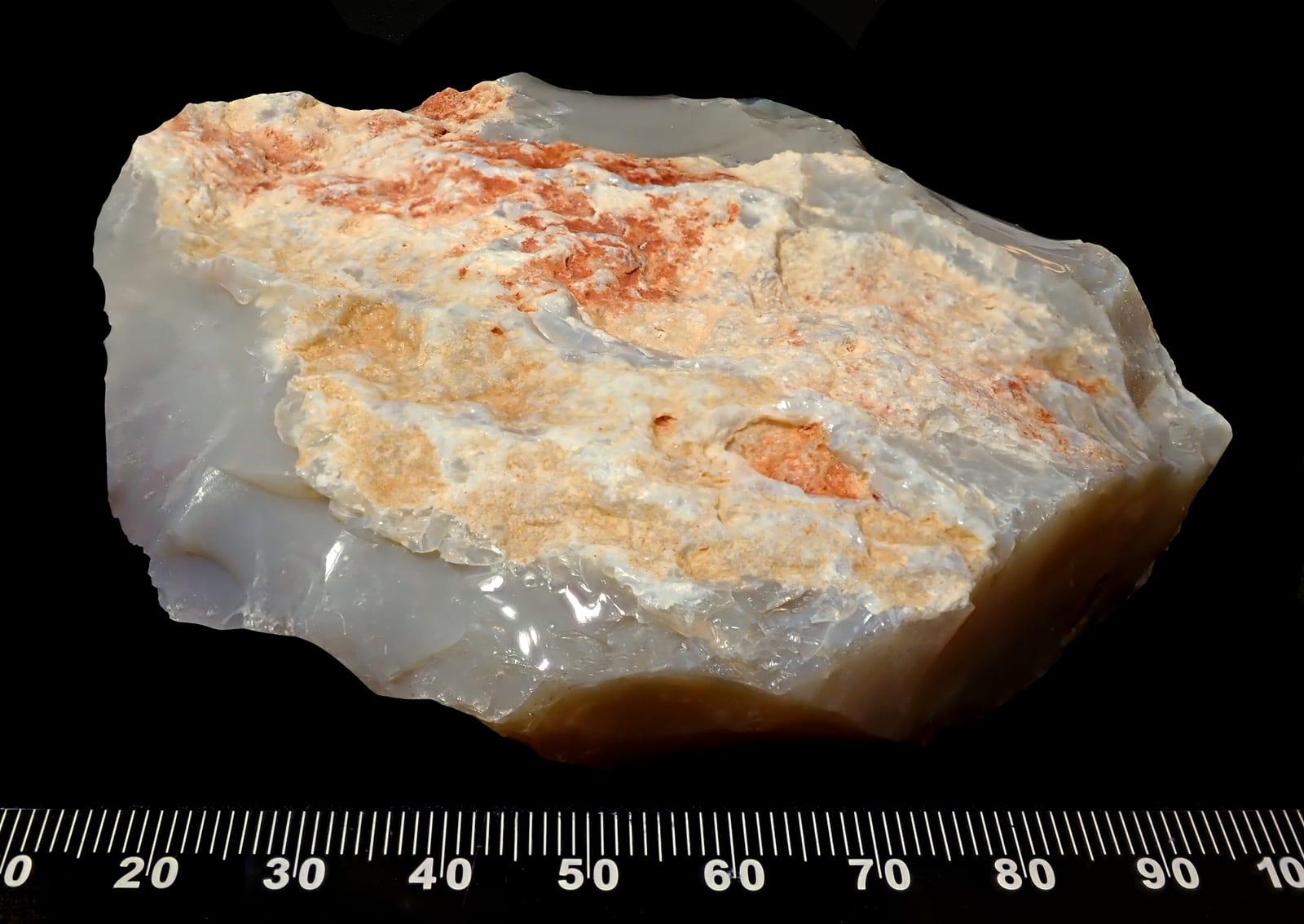
Solid color with no play of color: pink, green, yellow, blue, white or brown
- 2
Waxy to porcelain-like luster, light in the hand
- 3
Softer than quartz, will take a steel point
Also called potch, and it is the overwhelming majority of all opal in the ground. Do not treat that as a disappointment: solid-color common opal in pink, blue or green cuts beautifully and is a genuinely attractive material in its own right. It fills seams and cavities in volcanic country across the American West, and it is often the first sign that precious opal might be nearby.
Straight answers
- Is it worth cutting?
- Cuts easily and takes a good polish with care. A forgiving material to learn opal technique on before risking anything valuable.
- What is it really worth?
- Inexpensive. Strong even color, translucency and stability are what make a piece worth cutting.
- Can you legally keep it?
- Widely collectible on western BLM land under ordinary personal-use rules.
Often confused with
Common Opal vs. its common look-alikes, and how to tell them apart in the field.
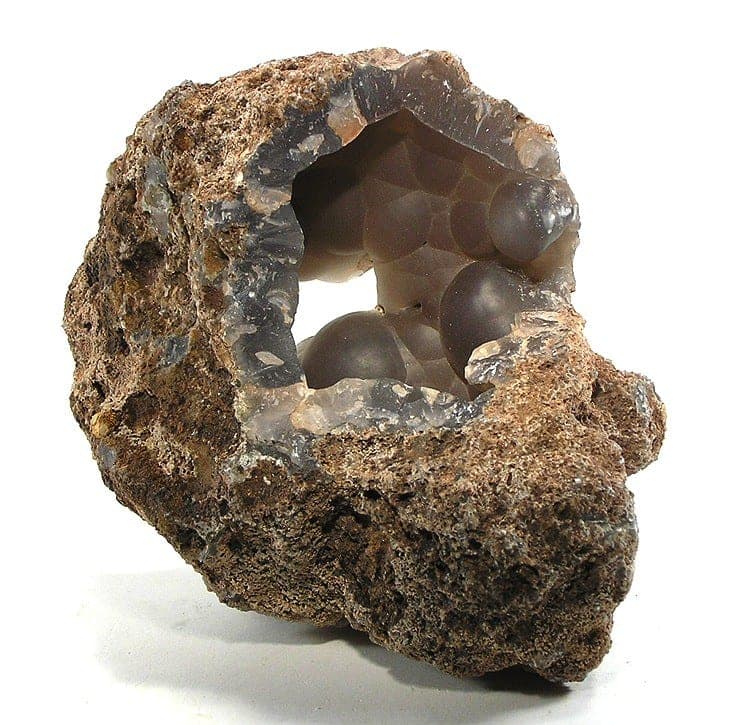
How to tell apart: Hardness and weight. Chalcedony is 7 and feels dense; common opal is softer and noticeably lighter.
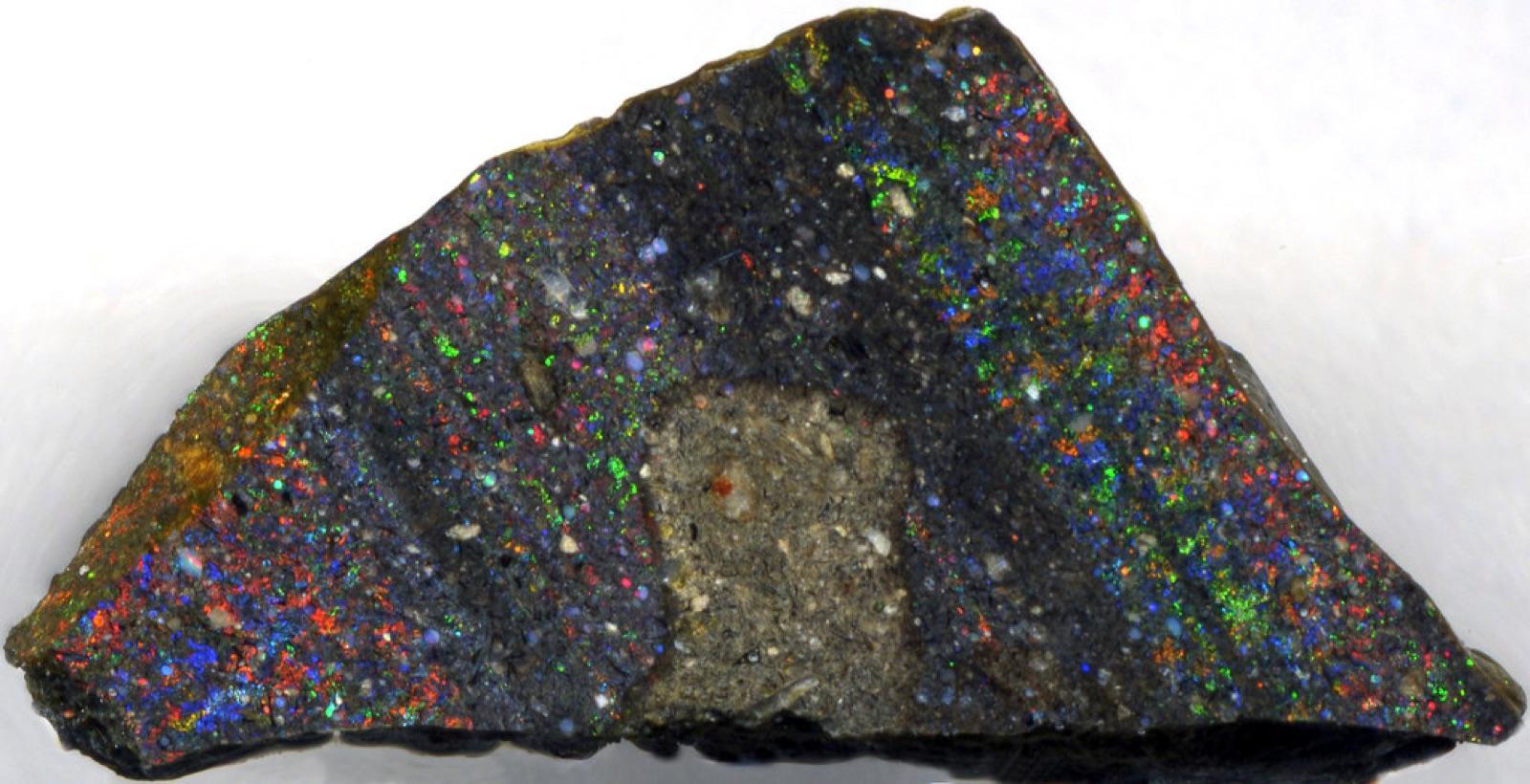
How to tell apart: Rock it under a point light. If nothing flashes and changes color, it is common opal.
Often found alongside common opal
Minerals reported to co-occur with common opal. Spotting these in float or country rock is a strong cue you are in the right ground.
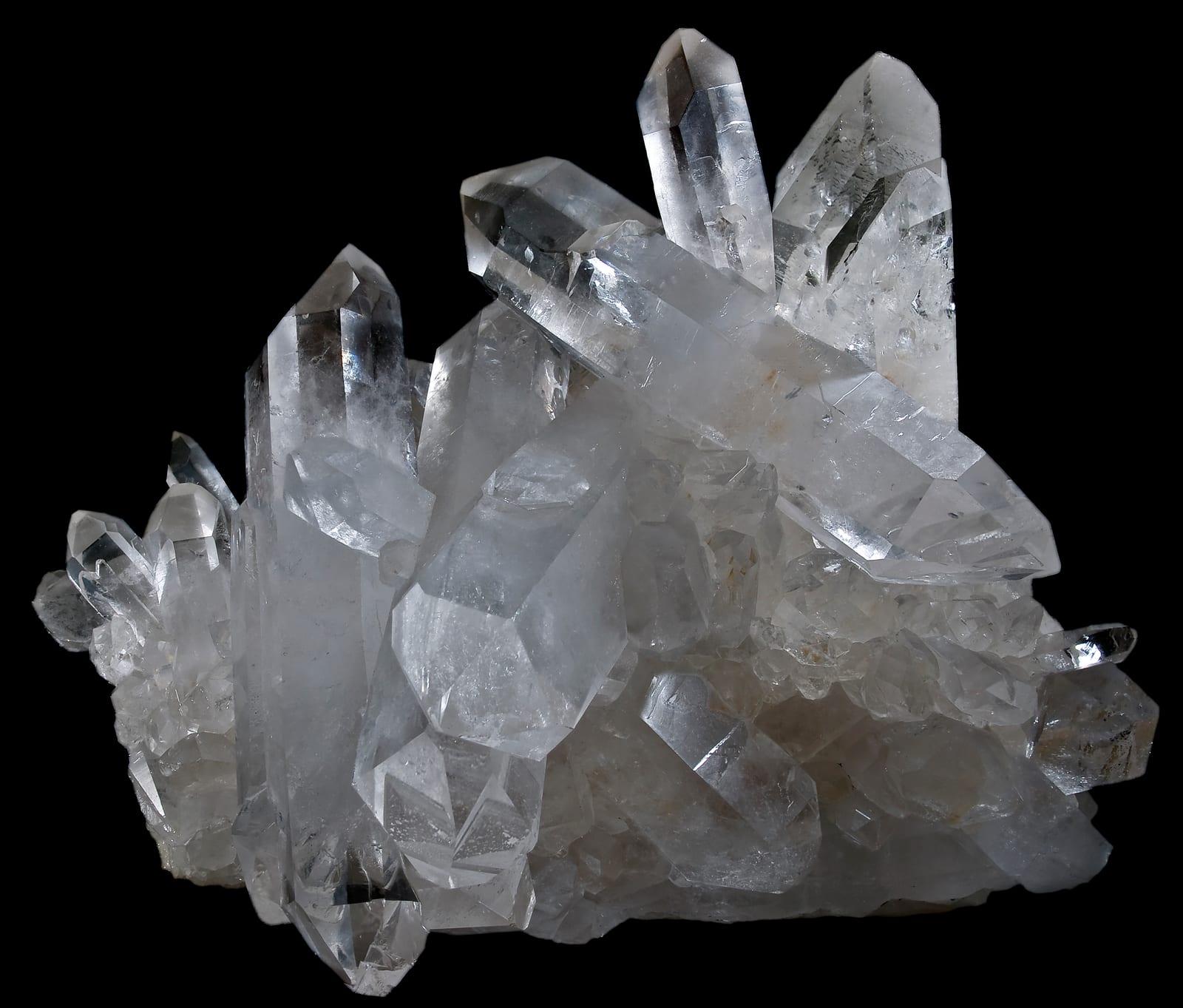
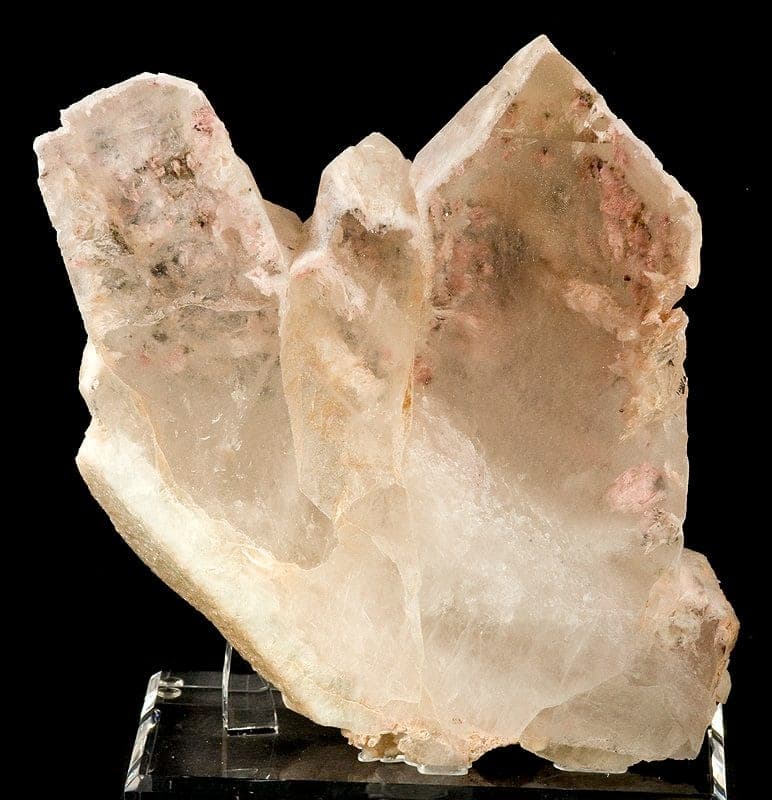
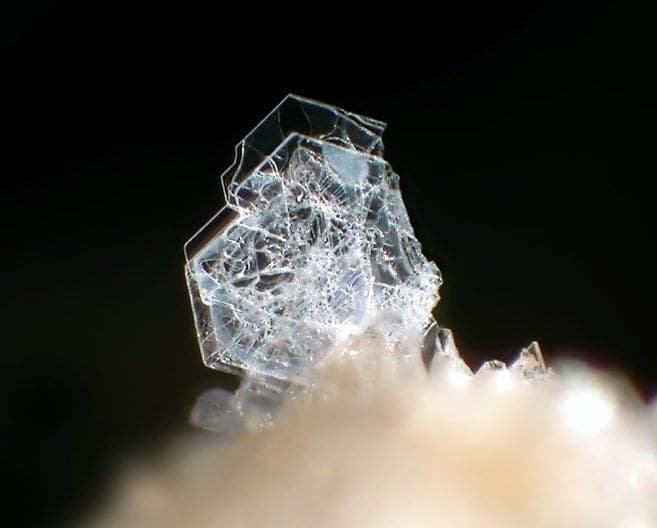
All properties
- Chemical formula
- SiO₂·nH₂O
- Mohs hardness
- 5.5-6.5
- Density
- 1.9-2.2 g/cm³
- Streak
- White
- Luster
- Vitreous
- Transparency
- Translucent
- Crystal system
- Amorphous
- Crystal habit
- Massive, botryoidal, reniform, stalactitic
- Cleavage
- None
- Fluorescence
- Green or white under UV
- Rarity
- Common
- Uses
- Lapidary, Collector, Decorative
- Host rock
- volcanic ash, sedimentary rocks, hydrothermal veins
Where rockhounds find common opal
22 mapped spotsClassic worldwide localities
- Australia
- Mexico
- USA
- Peru
- Ethiopia
U.S. states with common opal
Each link opens a state-specific list of mapped rockhounding spots that produce common opal.
Field-hunting tip
Where it forms: volcanic ash, sedimentary rocks, hydrothermal veins. If you start seeing quartz, chalcedony, montmorillonite in float, you are in the right ground. Typical habit: massive, botryoidal, reniform, stalactitic. Train your eye for that shape before scanning the outcrop. In the U.S., the densest reported localities are in New Jersey, Nevada, Oregon. Start trip planning there.
More common opal photos
Common questions
How do you identify common opal?+
Where is common opal found?+
Can I find common opal in the United States?+
What rocks look like common opal?+
What minerals are found with common opal?+
What kind of rock does common opal form in?+
What is common opal used for?+
Find common opal on the map
RockHoundR shows mapped rockhounding spots, access rules, and lets you log every find.