Chamosite is an iron-rich member of the chlorite group that commonly forms as an alteration product in marine sedimentary environments. It is most often found as green, clay-like, earthy masses or fine micaceous coatings, frequently associated with oolitic iron ores.
Is this chamosite?
5-step field checkRun through these checks against the specimen in your hand. The more boxes tick, the more confident the ID.
- 1Test the hardnessTry to scratch chamosite with a known reference. Chamosite sits at Mohs 2-3, softer than the next harder reference, harder than the previous one.
- 2Check the streakDrag the specimen across an unglazed porcelain plate. Streak: green to gray.
- 3Read the lusterHold the specimen under a strong light. Luster: pearly.
- 4Match the color rangeCompare against the expected color range: gray, greenish gray, brown, blackish green.
- 5Look at form & habitCrystal system: monoclinic. Typical habit: granular, oolitic.
Often confused with
Chamosite vs. its common look-alikes, and how to tell them apart in the field.
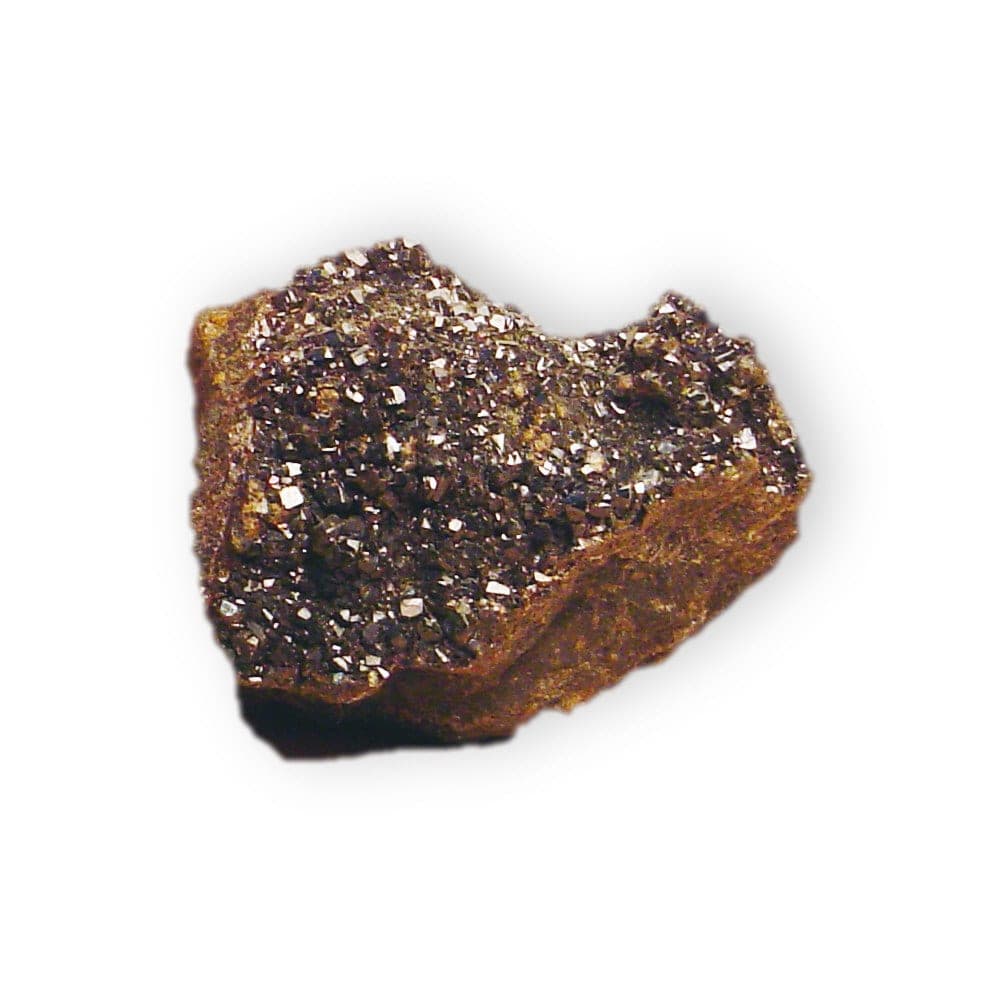
How to tell apart: Streak differs, so Chamosite leaves green to gray, Clinochlore leaves greenish white to white.
How to tell apart: Streak differs, so Chamosite leaves green to gray, Pennantite leaves brownish yellow.
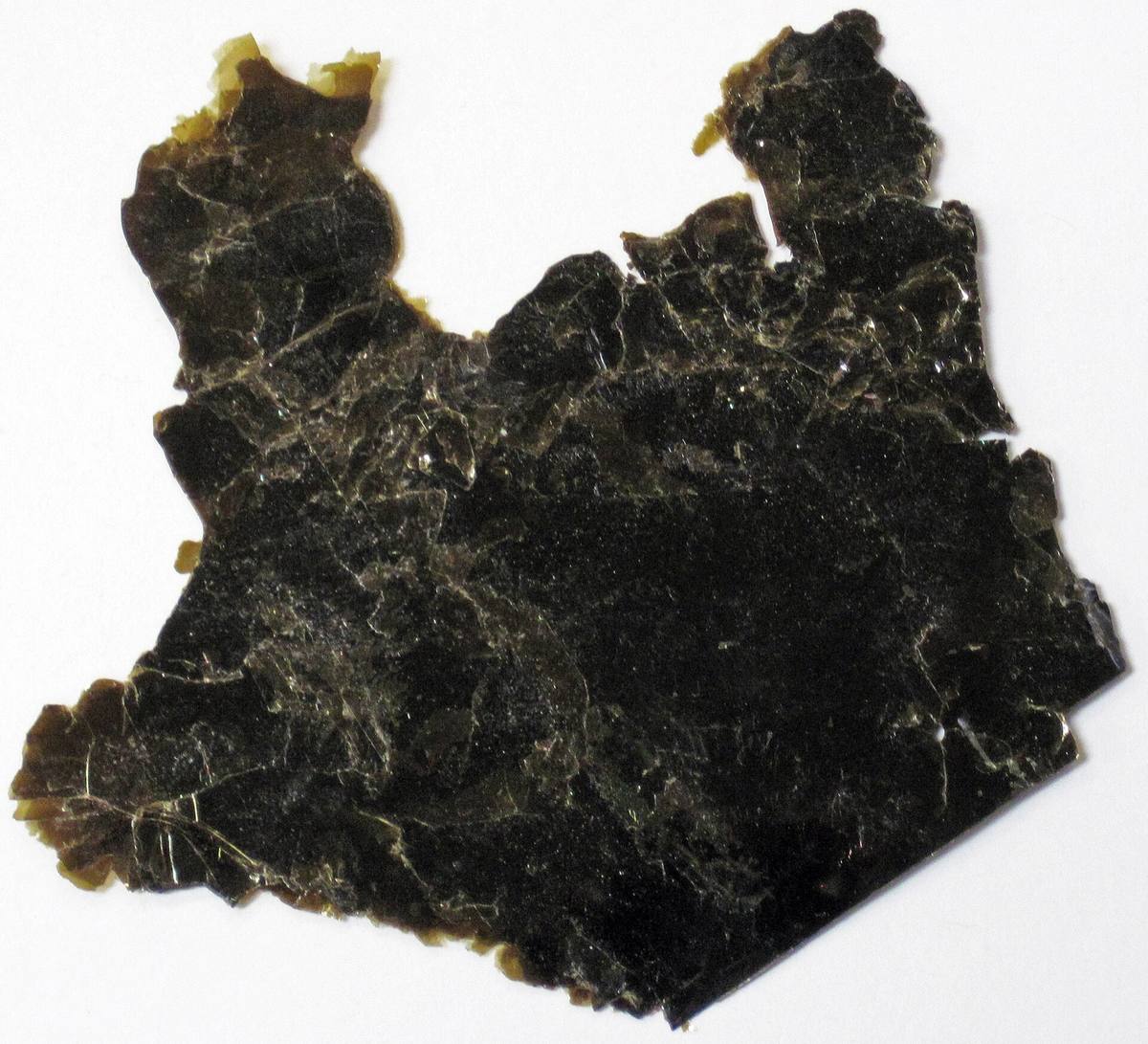
How to tell apart: Streak differs, so Chamosite leaves green to gray, Biotite leaves white; luster reads pearly on Chamosite and splendent to submetallic, vitreous, pearly on cleavage on Biotite.
Often found alongside chamosite
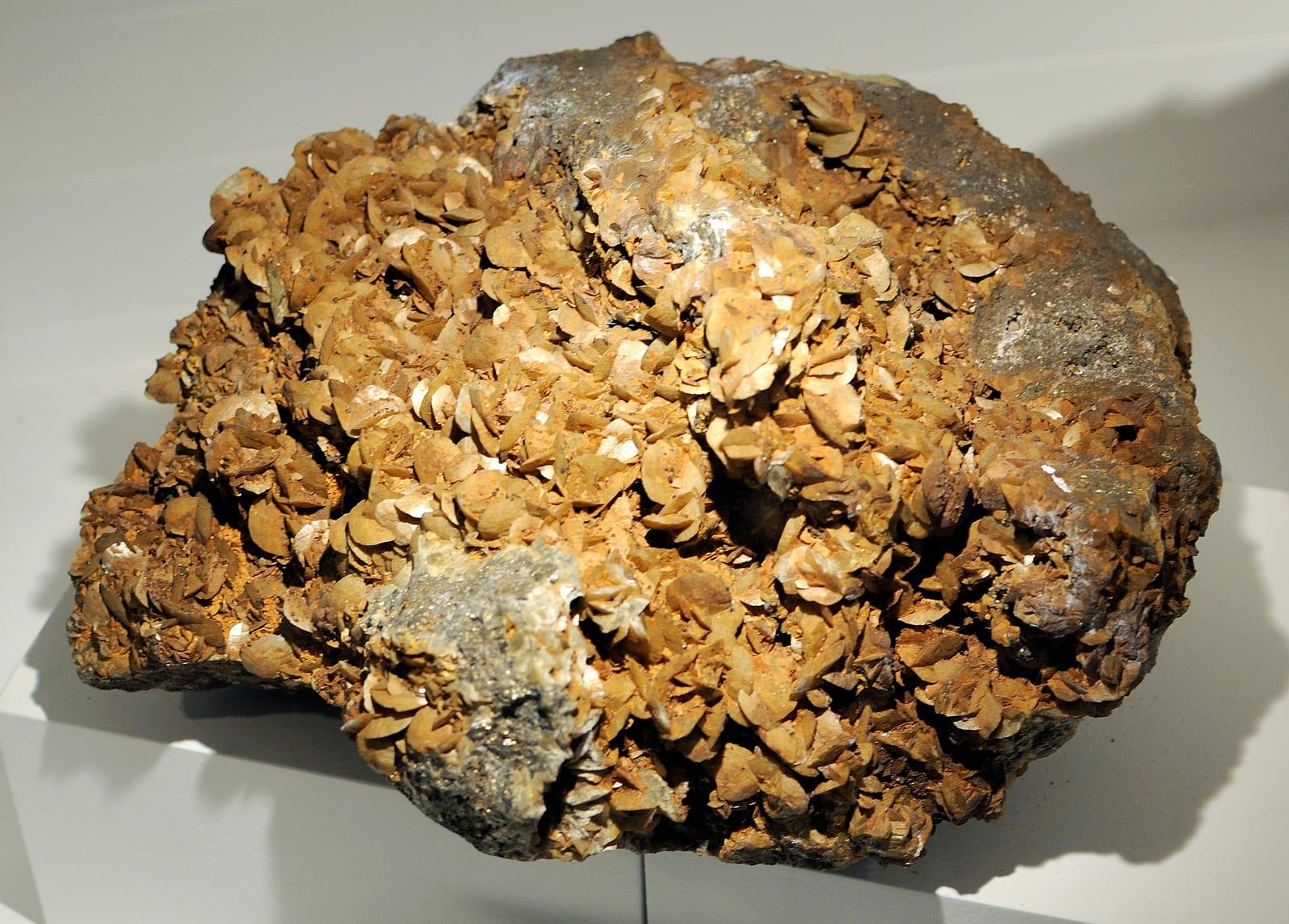
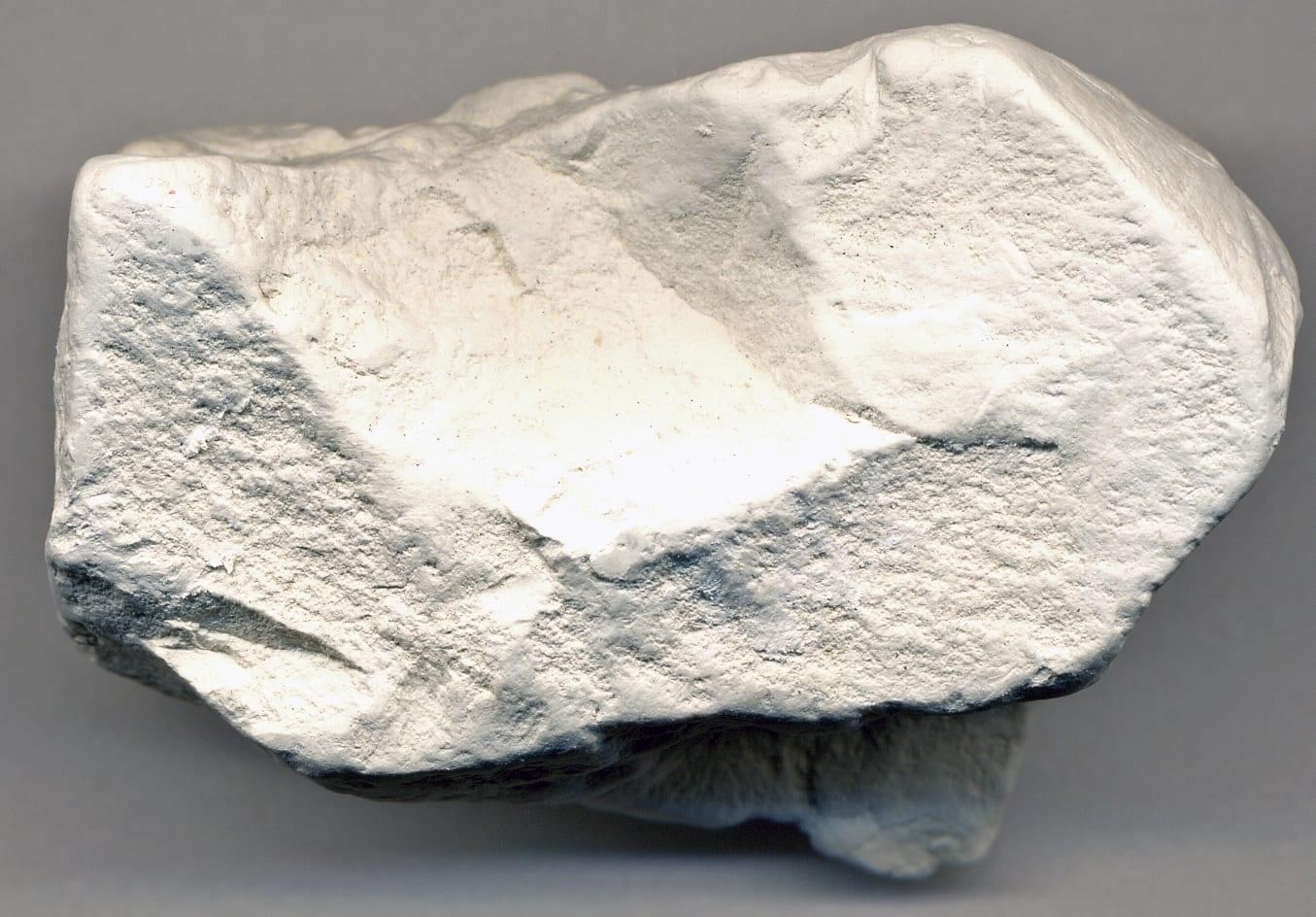
Minerals reported to co-occur with chamosite. Spotting these in float or country rock is a strong cue you are in the right ground.
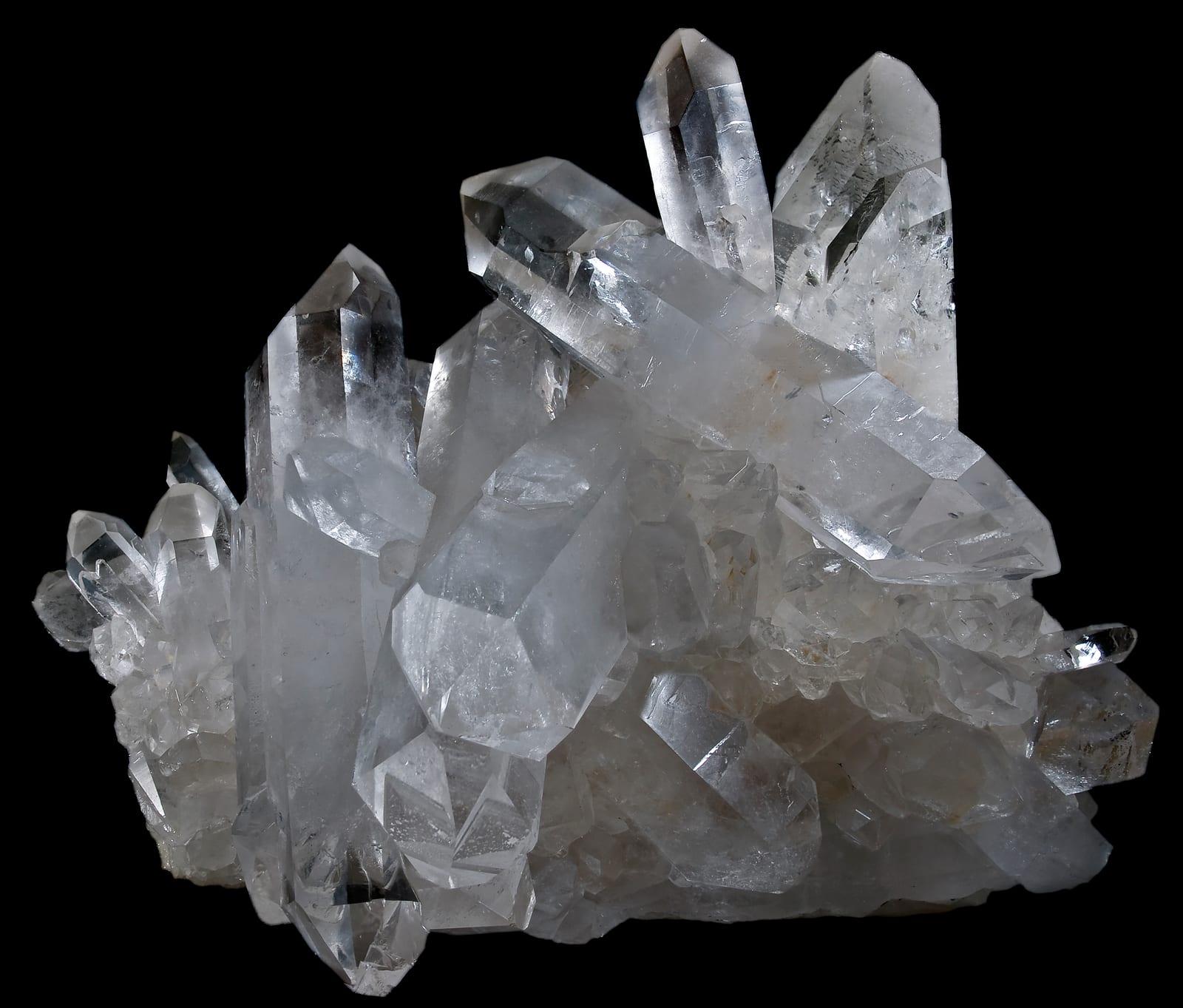
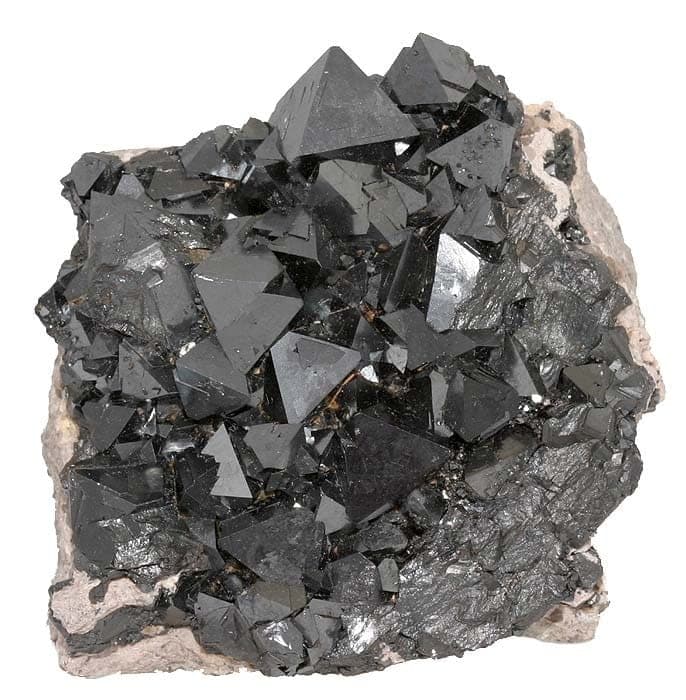
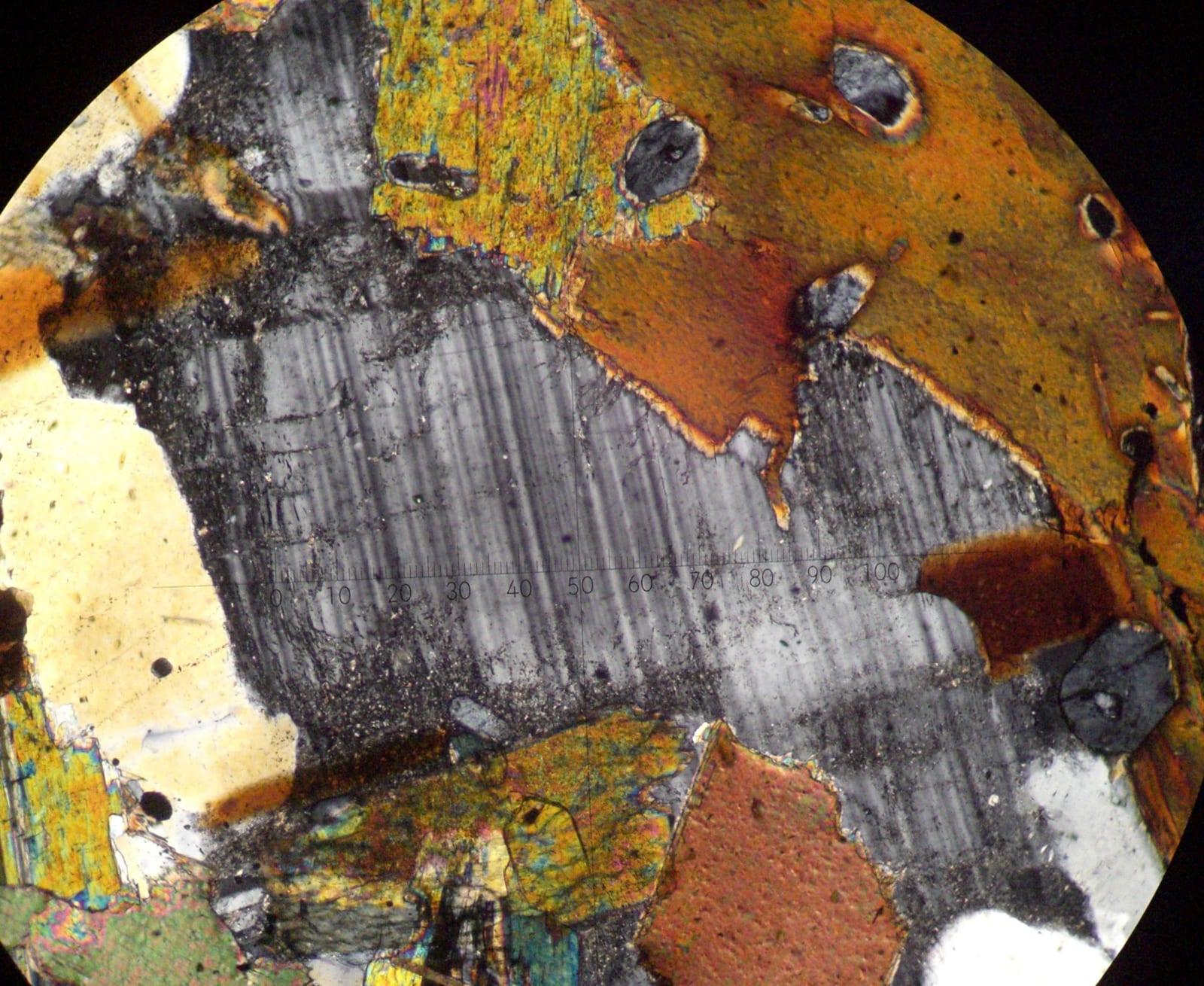
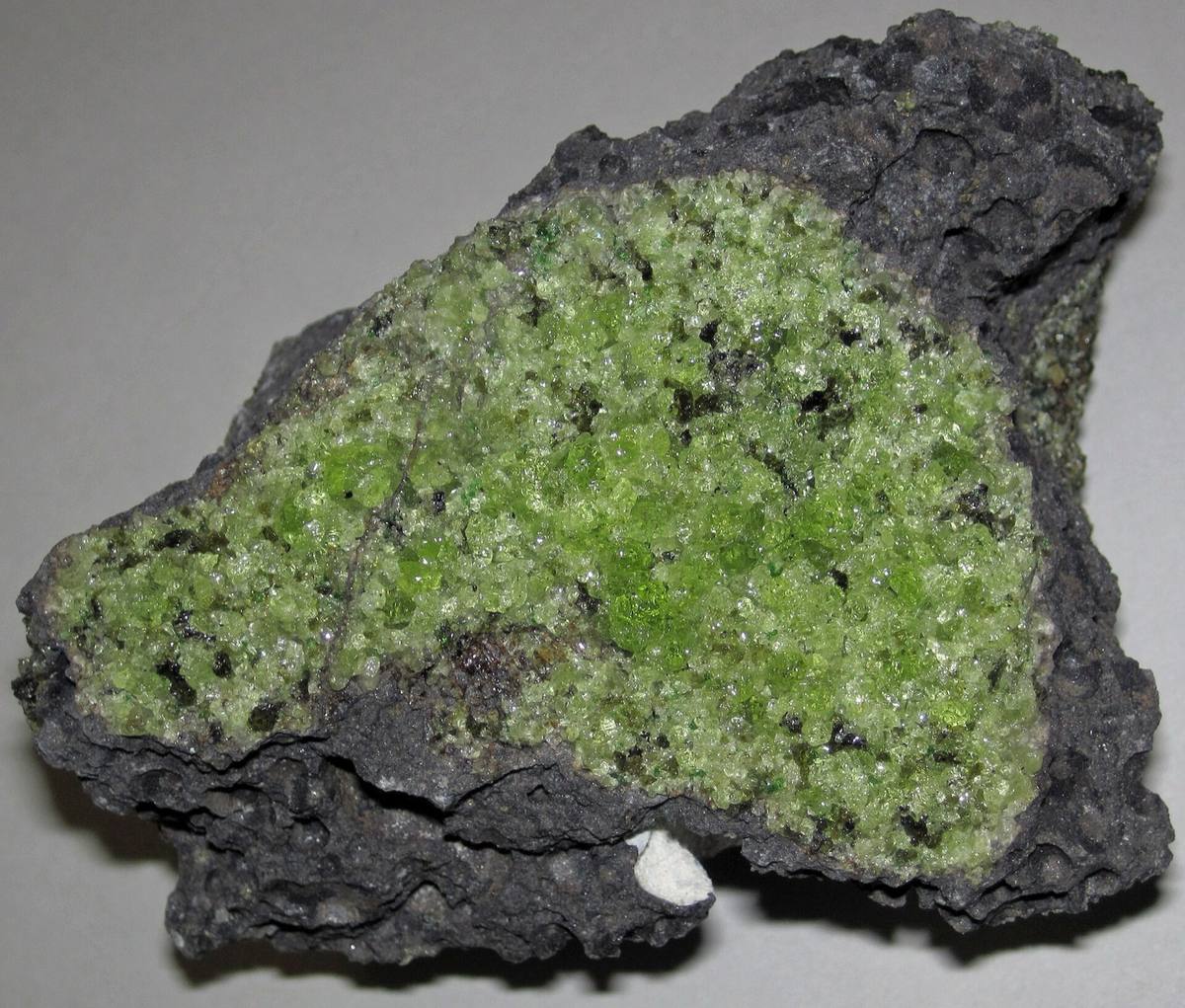
All properties
- Chemical formula
- (Fe²⁺,Mg,Fe³⁺)₅Al(Si₃Al)O₁₀(OH,O)₈
- Mohs hardness
- 2-3
- Density
- 3.0-3.4 g/cm³
- Streak
- Green to gray
- Luster
- Pearly
- Transparency
- Translucent to almost opaque
- Crystal system
- Monoclinic
- Crystal habit
- Granular, oolitic
- Cleavage
- {001}, perfect
- Rarity
- Common
- Uses
- Collector, Geological study
- Host rock
- In sedimentary ironstones; authigenically formed under reducing conditions in the presence of decomposed organic material
Where rockhounds find chamosite
Classic worldwide localities
- Creede, Mineral Co., Colorado, USA
- Hot Springs, Garland Co., Arkansas, USA
- Beacon Hill mine, Champion, Marquette Co., Michigan, USA
- Chamoson, Valais, and in the Maderantal, Uri, Switzerland
- Heřmanovice and Kladno, Czech Republic
- Schmiedefeld, near Suhl, and Schleiz, Thuringia, Germany
Field-hunting tip
Where it forms: In sedimentary ironstones; authigenically formed under reducing conditions in the presence of decomposed organic material. If you start seeing siderite, kaolinite, quartz in float, you are in the right ground. Typical habit: granular, oolitic. Train your eye for that shape before scanning the outcrop.
Common questions
How do you identify chamosite?+
Where is chamosite found?+
What rocks look like chamosite?+
What minerals are found with chamosite?+
What kind of rock does chamosite form in?+
What is chamosite used for?+
Find chamosite on the map
RockHoundR shows mapped rockhounding spots, access rules, and lets you log every find.