
Magnetite is a widespread iron oxide mineral easily identified by its strong magnetic properties. It typically occurs as well-defined octahedral crystals or massive aggregates in igneous and metamorphic environments, and is a primary ore of iron.
Spotting magnetite in the field
Field marks- 1
Strongly magnetic, enough to pick up paperclips in the lodestone variety
- 2
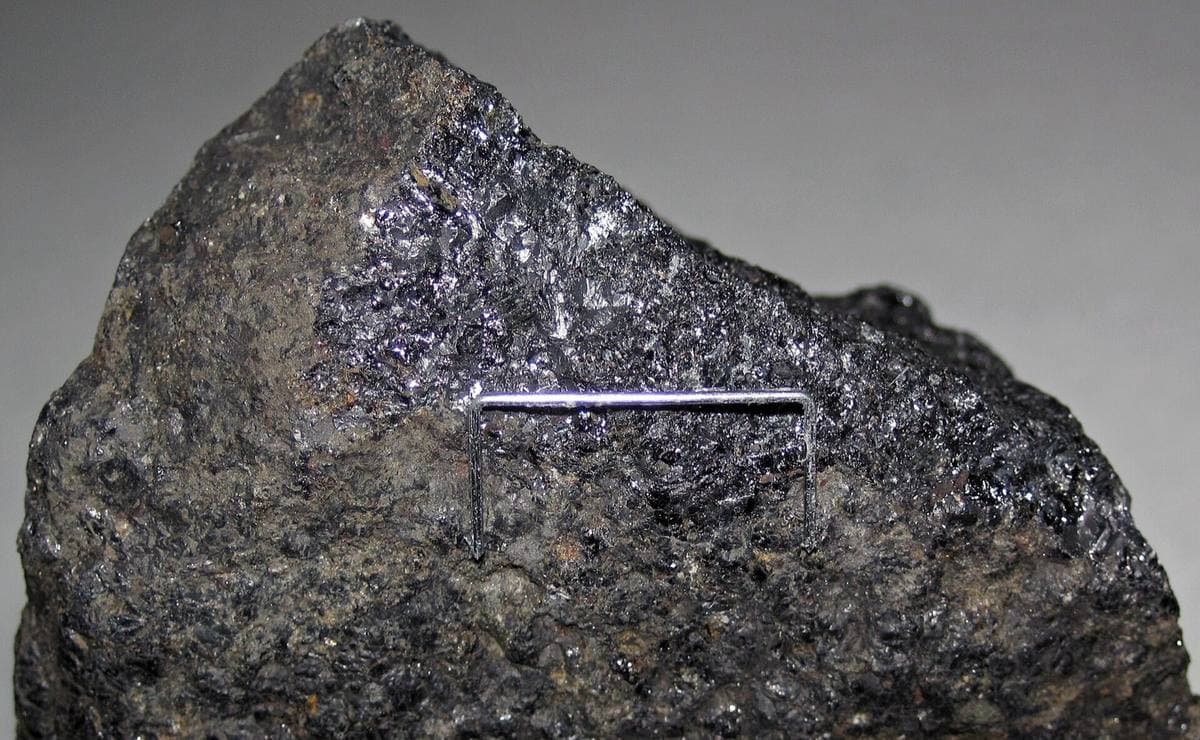
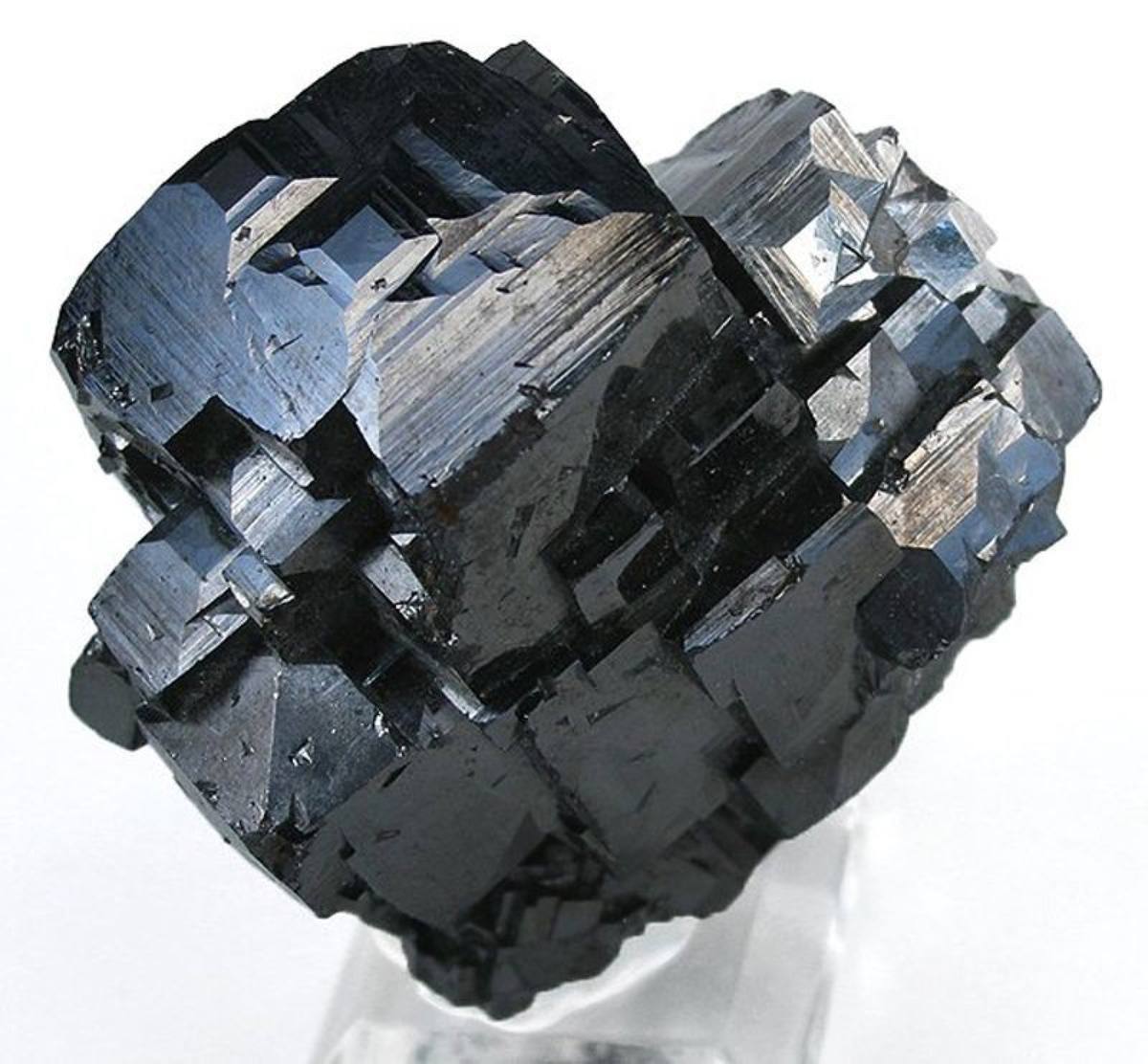
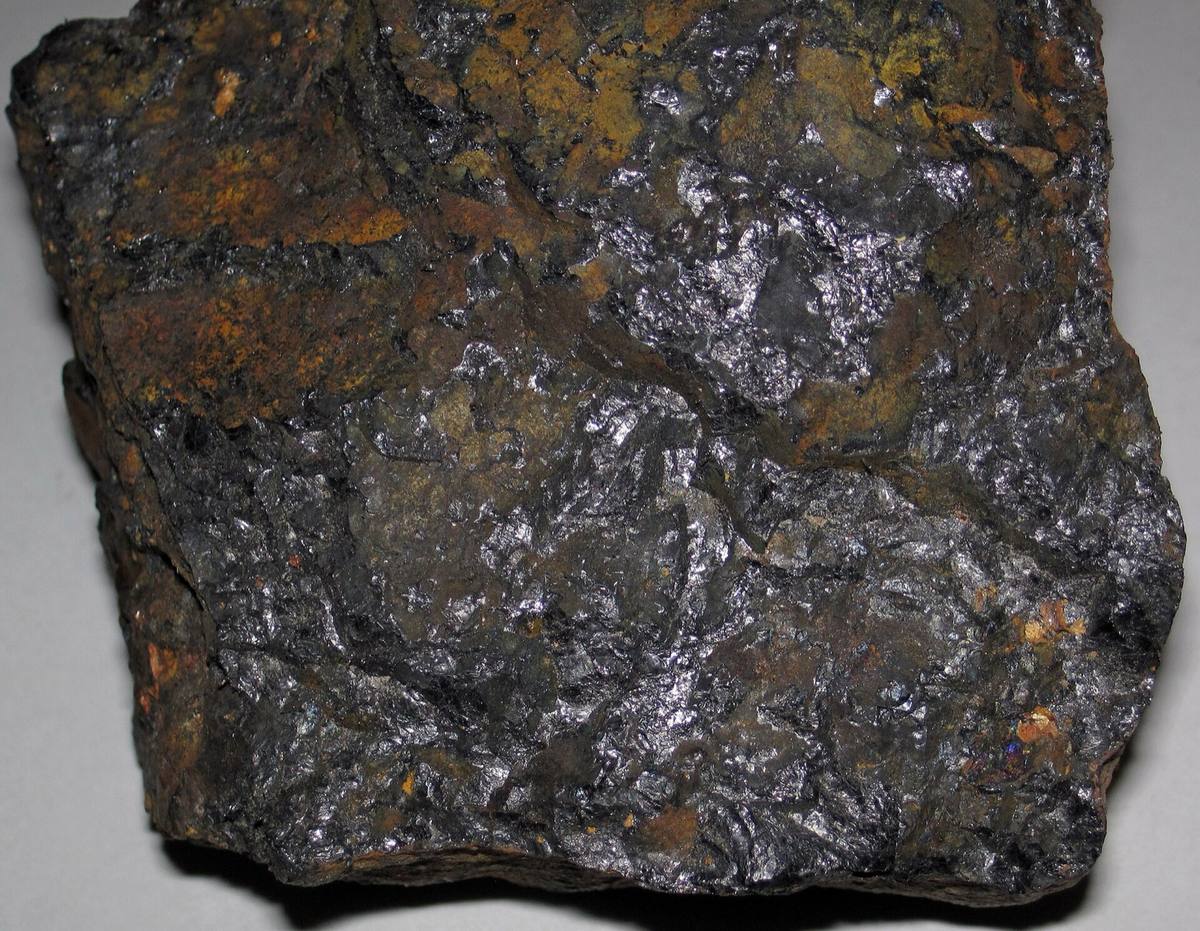
Black, metallic to submetallic, forming octahedral crystals
- 3
Leaves a black streak, hardness 5.5 to 6.5
Carry a magnet and this identifies itself. Magnetite makes up most of the black sand in any placer concentrate, which is why gold panners know it well: it is the heavy black material you separate out to find the gold underneath. Lodestone is the naturally magnetized variety that acts as a permanent magnet. It forms octahedra, eight triangular faces, which is a useful shape cue in outcrop.
Straight answers
- Is it worth cutting?
- Not cut. A specimen and indicator mineral.
- What is it really worth?
- Effectively none. Lodestone that visibly picks up iron filings has novelty value.
- Can you legally keep it?
- Ordinary personal-use collecting rules apply.
Often confused with
Magnetite vs. its common look-alikes, and how to tell them apart in the field.
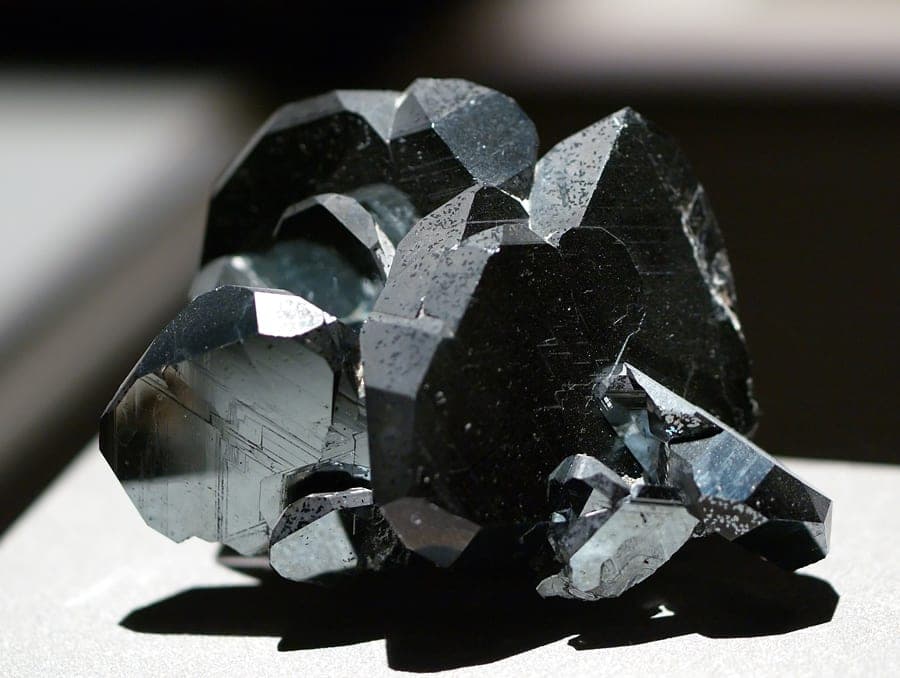
How to tell apart: Streak. Magnetite is black, hematite is red-brown. Magnetism also separates them.
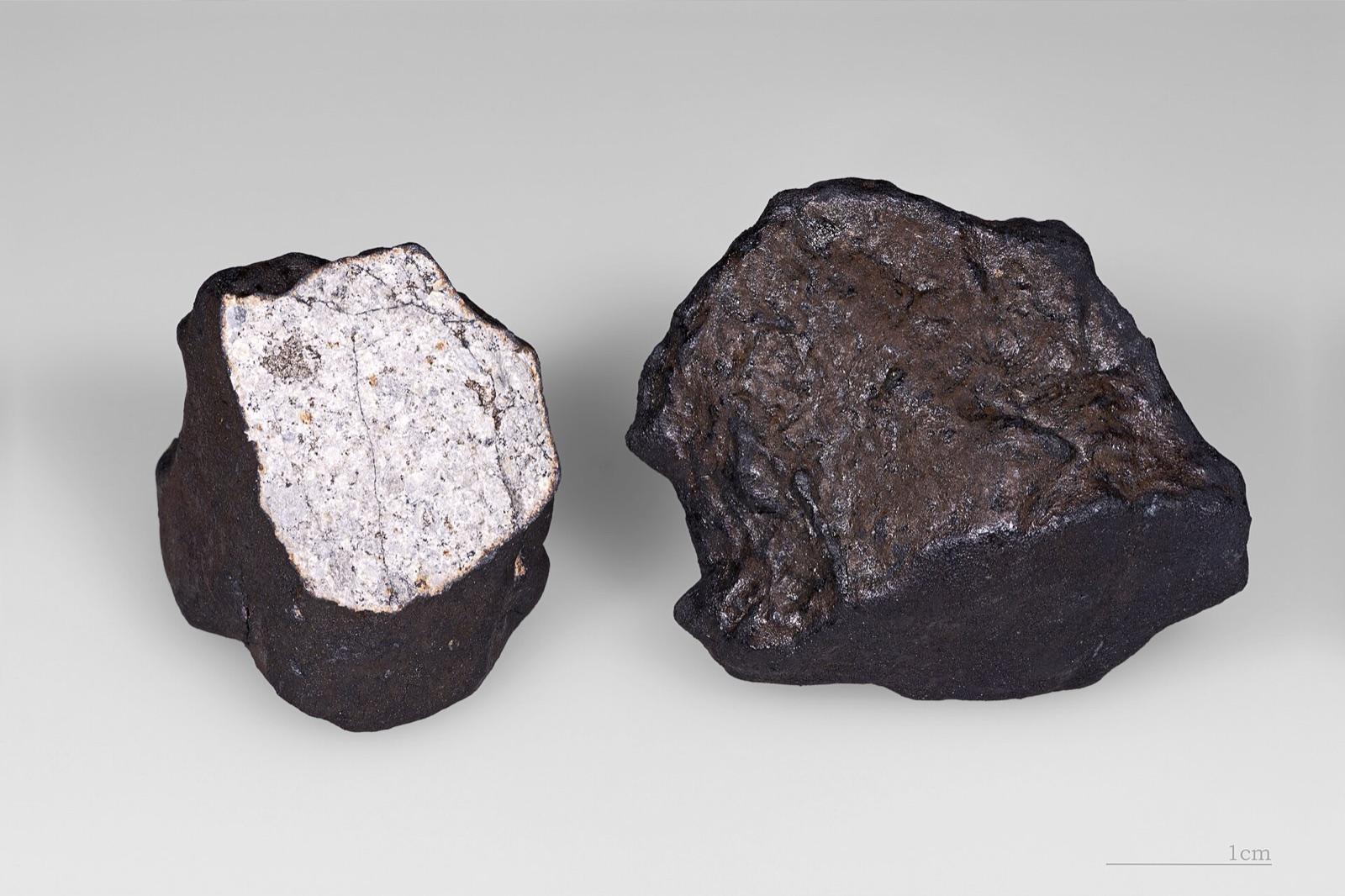
How to tell apart: The most common meteorwrong of all. Magnetite is magnetic and heavy like a meteorite, but it streaks black and often forms octahedral crystals, which meteorites never do.
Often found alongside magnetite
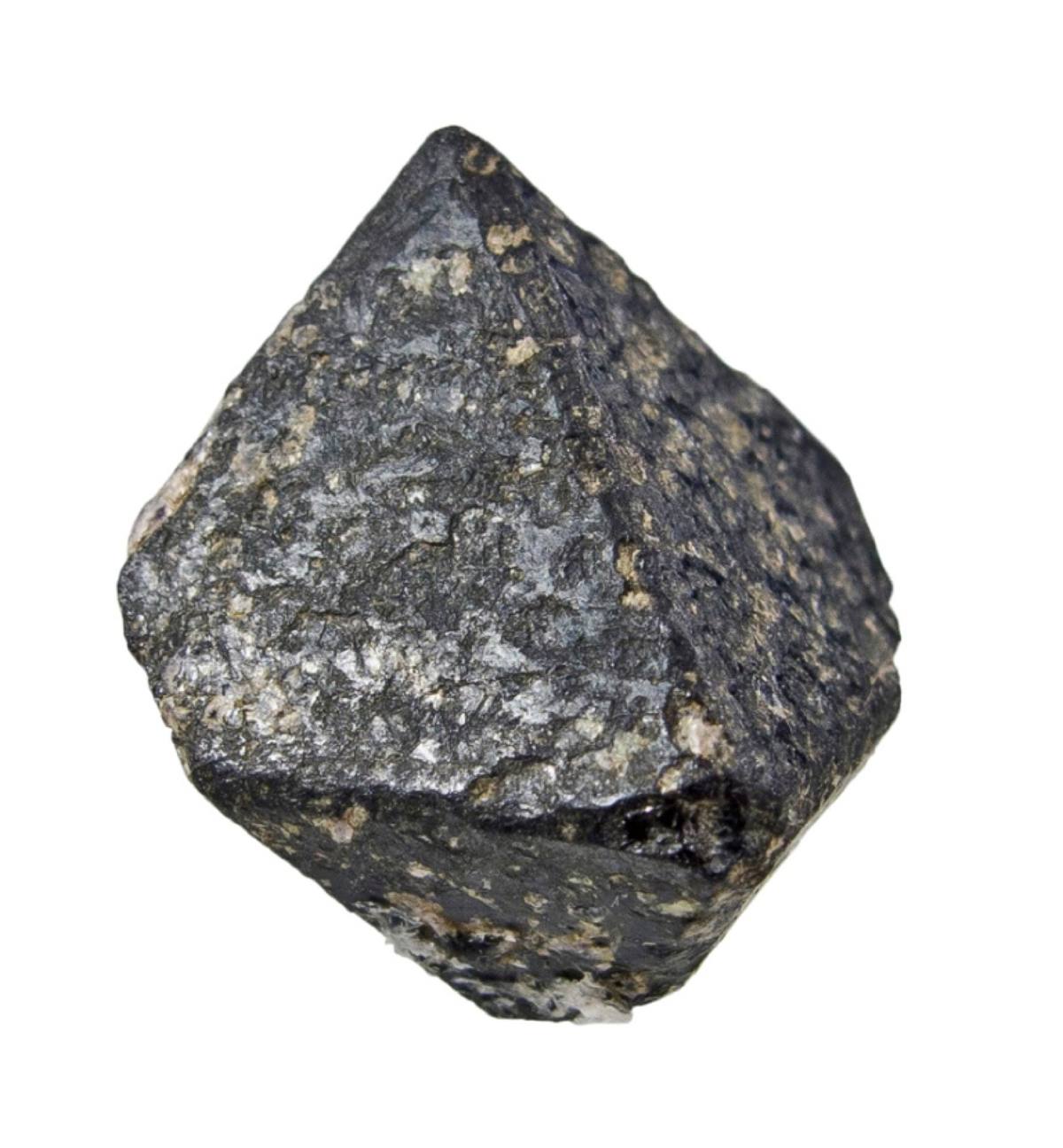
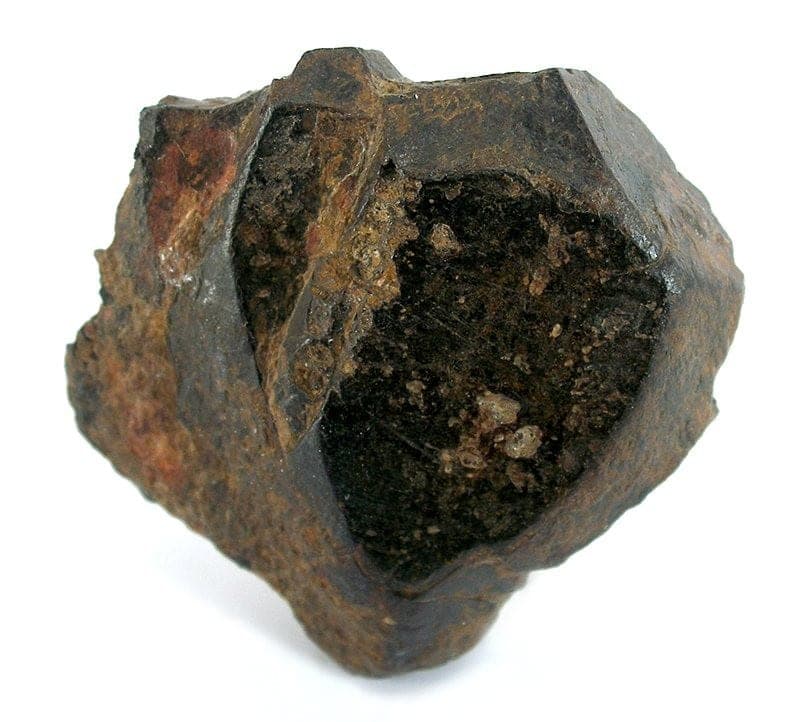
Minerals reported to co-occur with magnetite. Spotting these in float or country rock is a strong cue you are in the right ground.
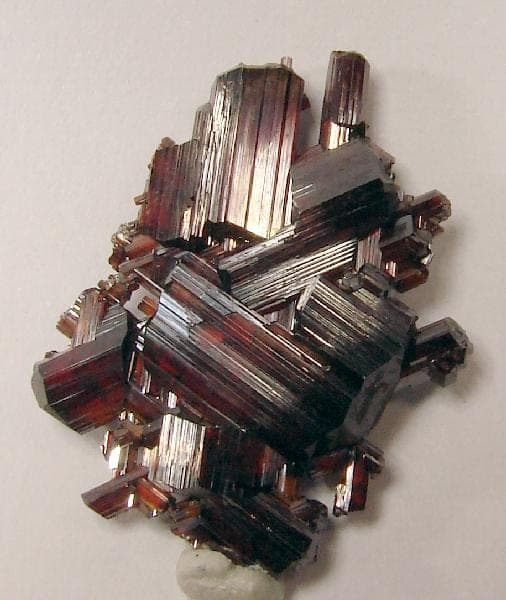
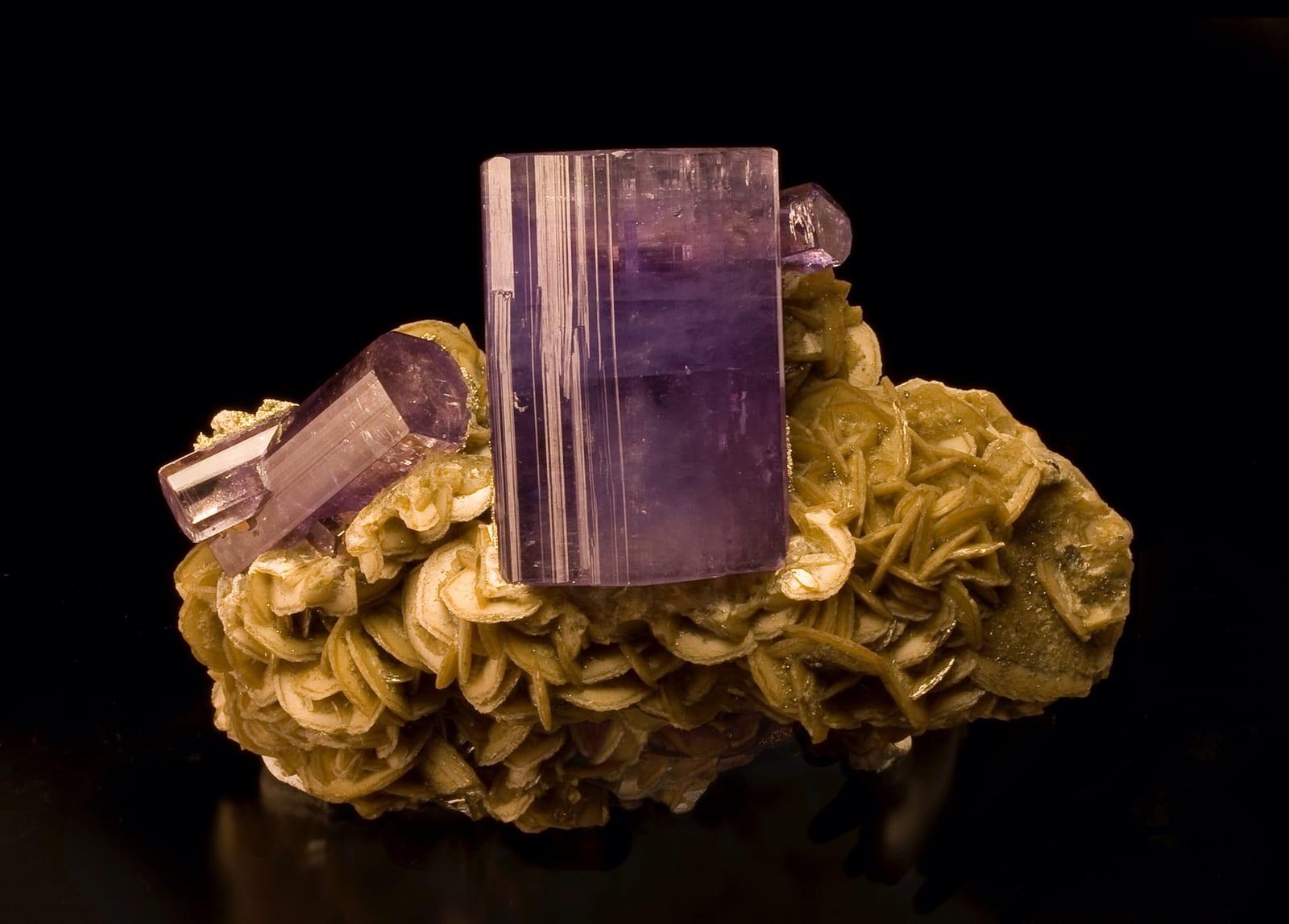
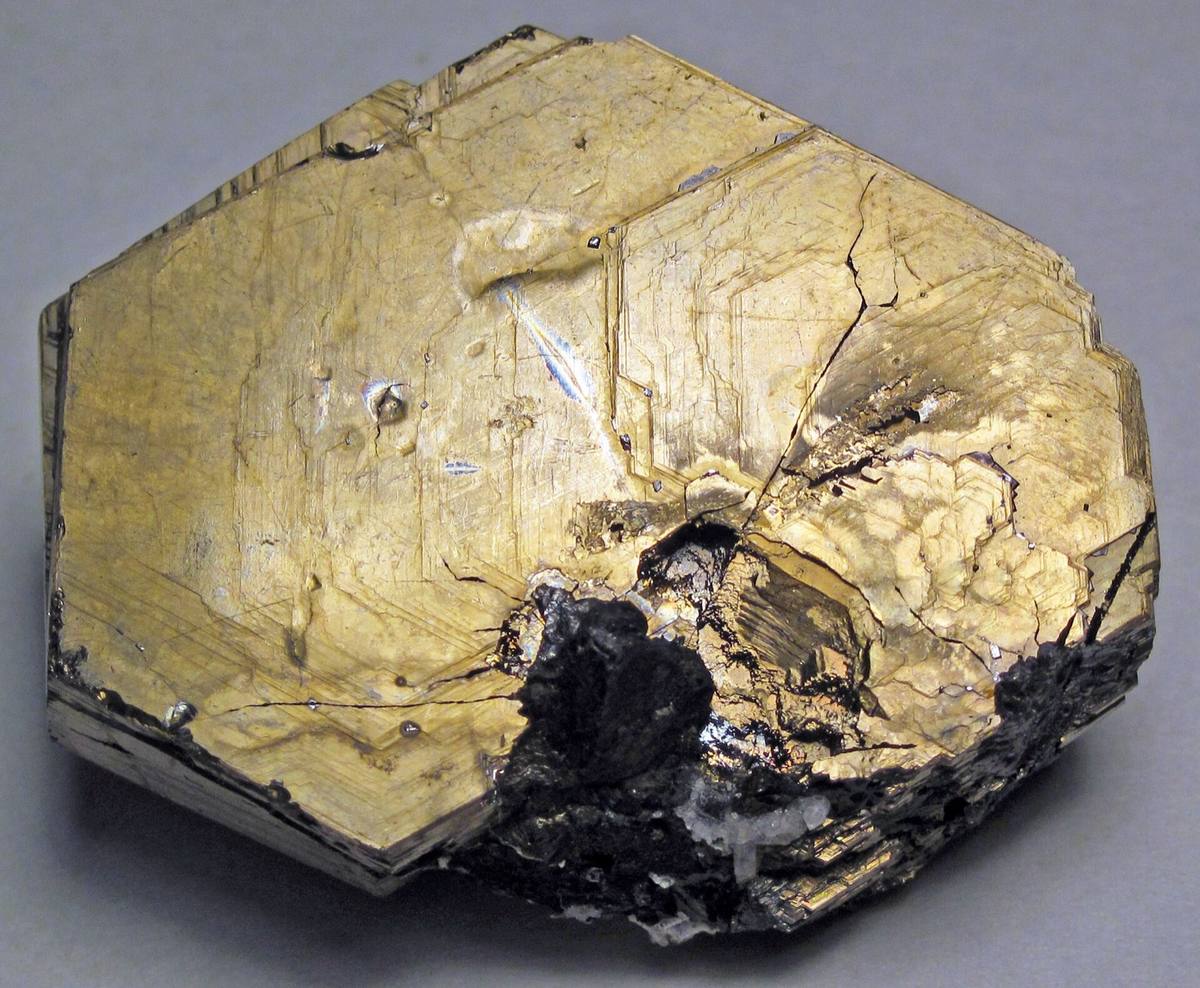
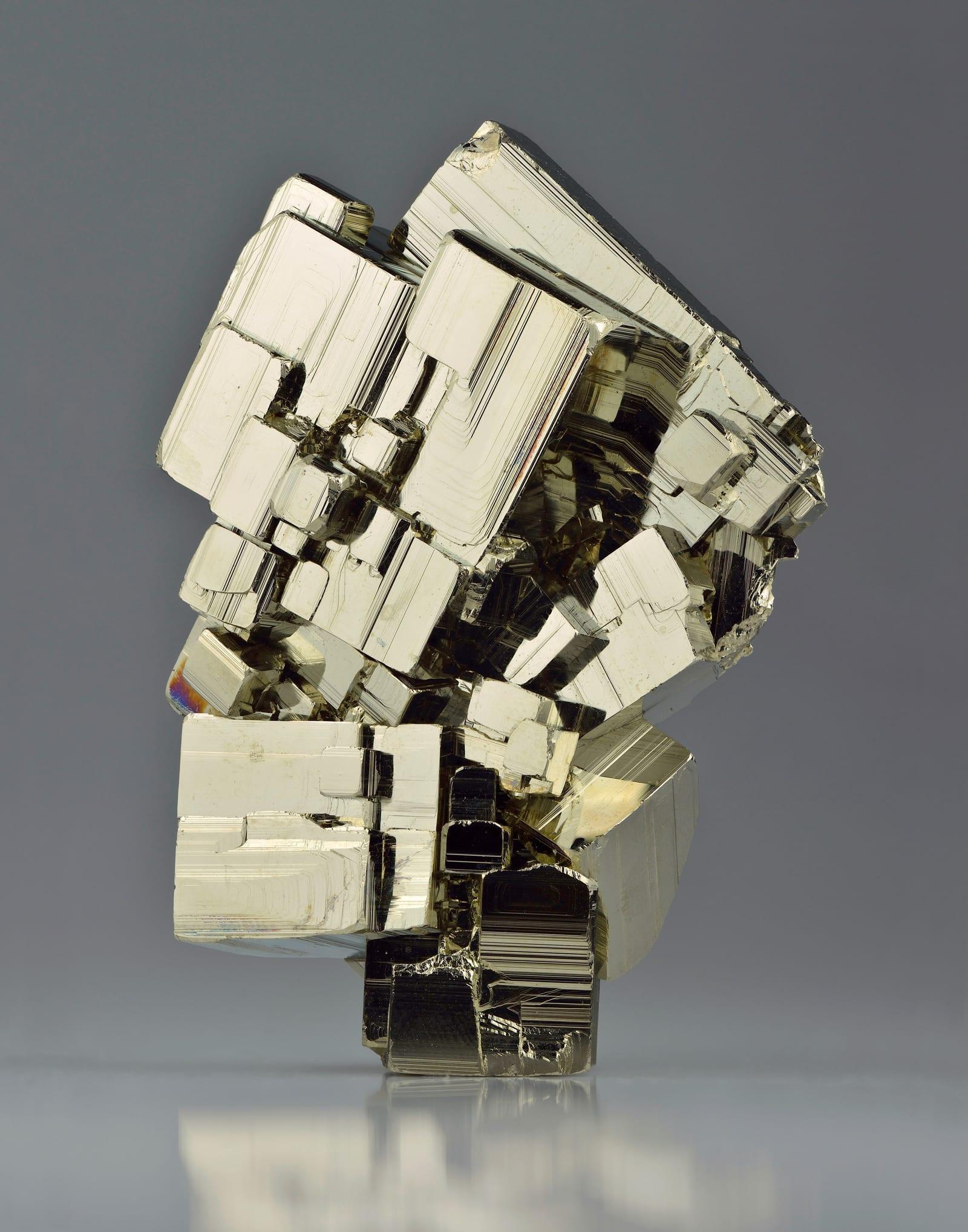
All properties
- Chemical formula
- Fe₃O₄
- Mohs hardness
- 5.5-6.5
- Density
- 5.1-5.2 g/cm³
- Streak
- Black
- Luster
- Metallic to submetallic, may be dull
- Transparency
- Opaque, translucent through very thin edges
- Crystal system
- Cubic
- Crystal habit
- Octahedral crystals, massive, granular
- Cleavage
- Parting on {111}, very good
- Rarity
- Common
- Uses
- Collector, Industrial, Ore mineral
- Host rock
- A common accessory mineral in igneous and metamorphic rocks, in which magmatic segregation or contact metamorphism may produce economic deposits
Where rockhounds find magnetite
76 mapped spotsClassic worldwide localities
- Lake Sanford, Essex Co., and in the Tilly Foster mine, Brewster, Putnam Co., New York, USA
- Magnet Cove, Hot Springs Co., Arkansas, USA
- Iron Springs district, Iron Co., Utah, USA
- Falun, Kiruna, Vastanfors, Sweden
- Arendal, Norway
- Zlatoust and Magnetigorsk, Ural Mountains, Russia
U.S. states with magnetite
Each link opens a state-specific list of mapped rockhounding spots that produce magnetite.
Field-hunting tip
Where it forms: A common accessory mineral in igneous and metamorphic rocks, in which magmatic segregation or contact metamorphism may produce economic deposits. If you start seeing chromite, ilmenite, ulvospinel in float, you are in the right ground. Typical habit: octahedral crystals, massive, granular. Train your eye for that shape before scanning the outcrop. In the U.S., the densest reported localities are in Utah, North Carolina, New York. Start trip planning there.
More magnetite photos
Common questions
How do you identify magnetite?+
Where is magnetite found?+
Can I find magnetite in the United States?+
What rocks look like magnetite?+
What minerals are found with magnetite?+
What kind of rock does magnetite form in?+
What is magnetite used for?+
Find magnetite on the map
RockHoundR shows mapped rockhounding spots, access rules, and lets you log every find.

