
Precious opal is defined by its characteristic play-of-color caused by the diffraction of light through a regular array of internal silica spheres. It is typically found in sedimentary ironstone nodules or as fillings in volcanic vesicles, prized by collectors for its vibrant spectral flashes.
Spotting precious opal in the field
Field marks- 1
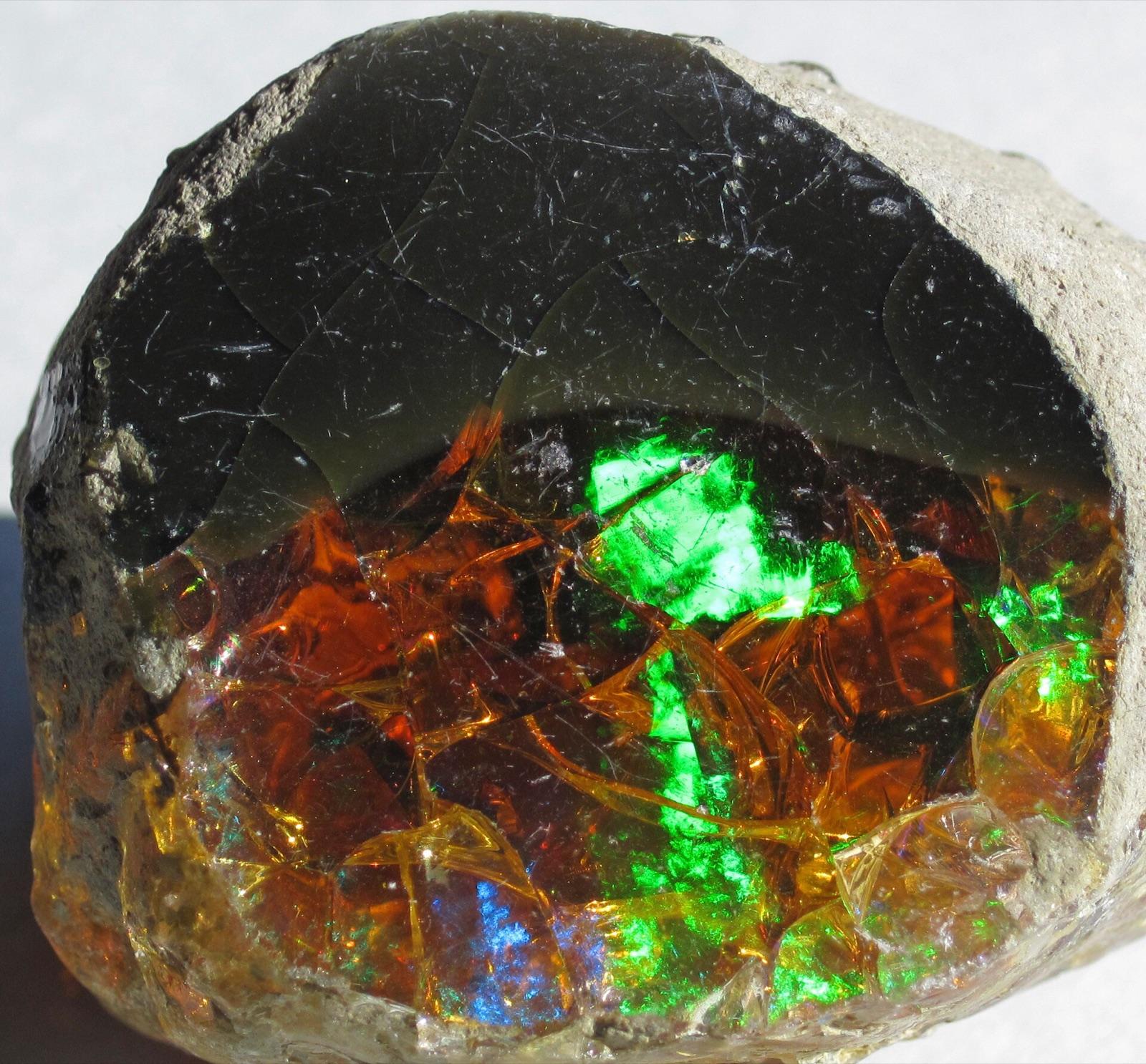
Play of color: flashes of spectral color that move and change with viewing angle
- 2
The color is not a stain or a sheen; it appears to sit at depth inside the stone
- 3
Waxy luster, light in the hand, softer than quartz
Play of color comes from an orderly array of silica spheres diffracting light, and the test is simple: rock the stone slowly under a point light source. Real play of color moves, changes hue and switches on and off. A surface sheen that stays put is not it. In the field, wet or freshly dug opal shows far more fire than it will when dry, which is a trap when judging what to keep, so wet a comparison piece and be honest with yourself about the difference.
Before you collect
Some precious opal, Virgin Valley material in particular, crazes as it dries and can break apart weeks or years after it comes out of the ground. Store suspect material in water, ask any seller directly about stability, and treat a bargain price on Virgin Valley opal as information rather than luck.
Straight answers
- Is it worth cutting?
- Only cut precious opal once you have practiced on potch. Low speed, plenty of water, and never let it get hot enough to be uncomfortable to hold.
- What is it really worth?
- The high end of what a rockhound can find. Value depends on the brightness of the fire, the range of colors, the pattern, and above all stability.
- Can you legally keep it?
- In the United States, the important precious opal ground is at private fee-dig mines. Nevada and Idaho are the main options.
Where it is worth going
- Virgin ValleyHumboldt County, Nevada
Black precious opal and opalized wood at long-running fee-dig mines. Spectacular material with a real stability problem.
- Spencer Opal MineClark County, Idaho
Thin-layered opal, mostly cut as triplets. A well-established public fee dig.
Often confused with
Precious Opal vs. its common look-alikes, and how to tell them apart in the field.
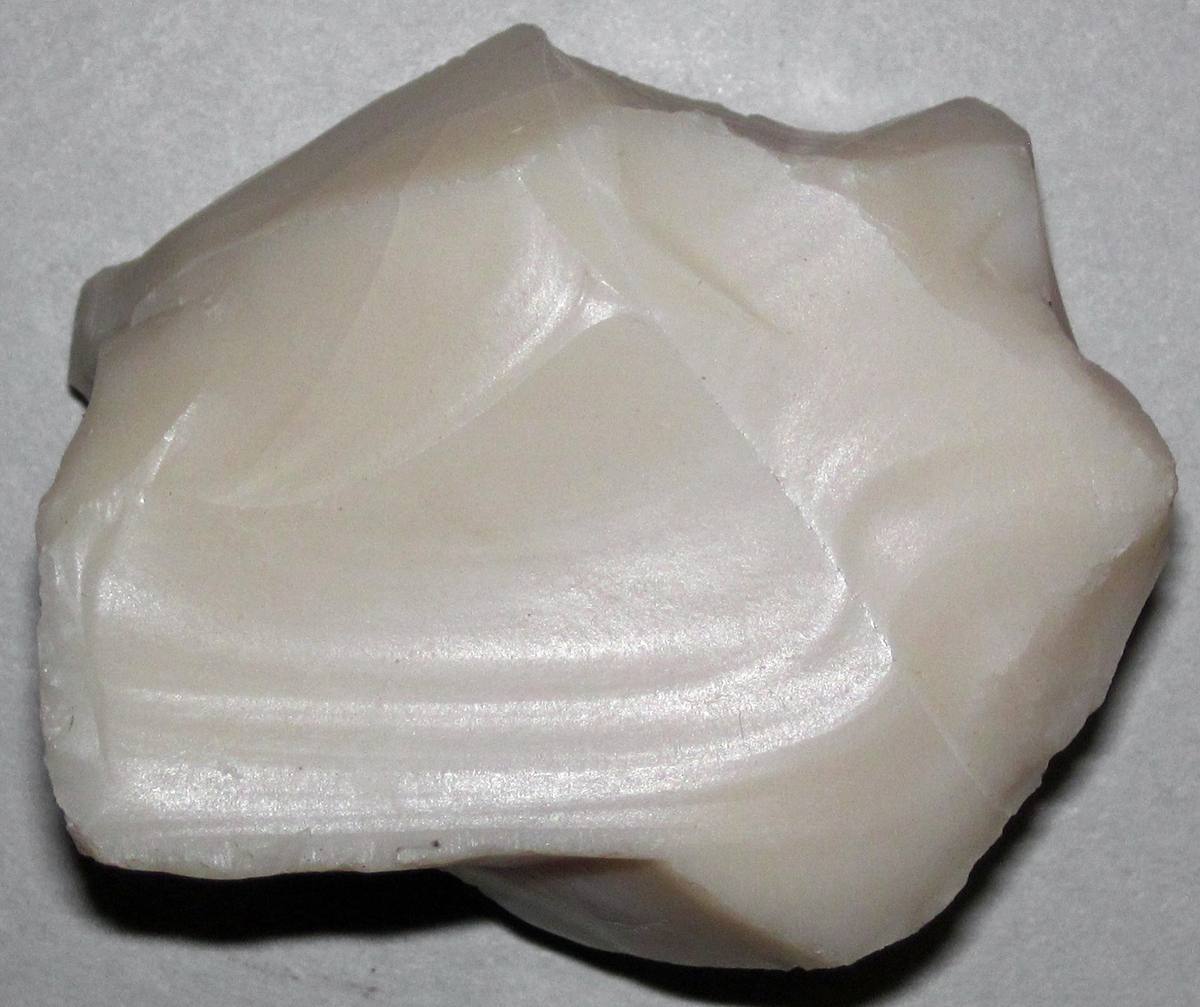
Often found alongside precious opal
Minerals reported to co-occur with precious opal. Spotting these in float or country rock is a strong cue you are in the right ground.
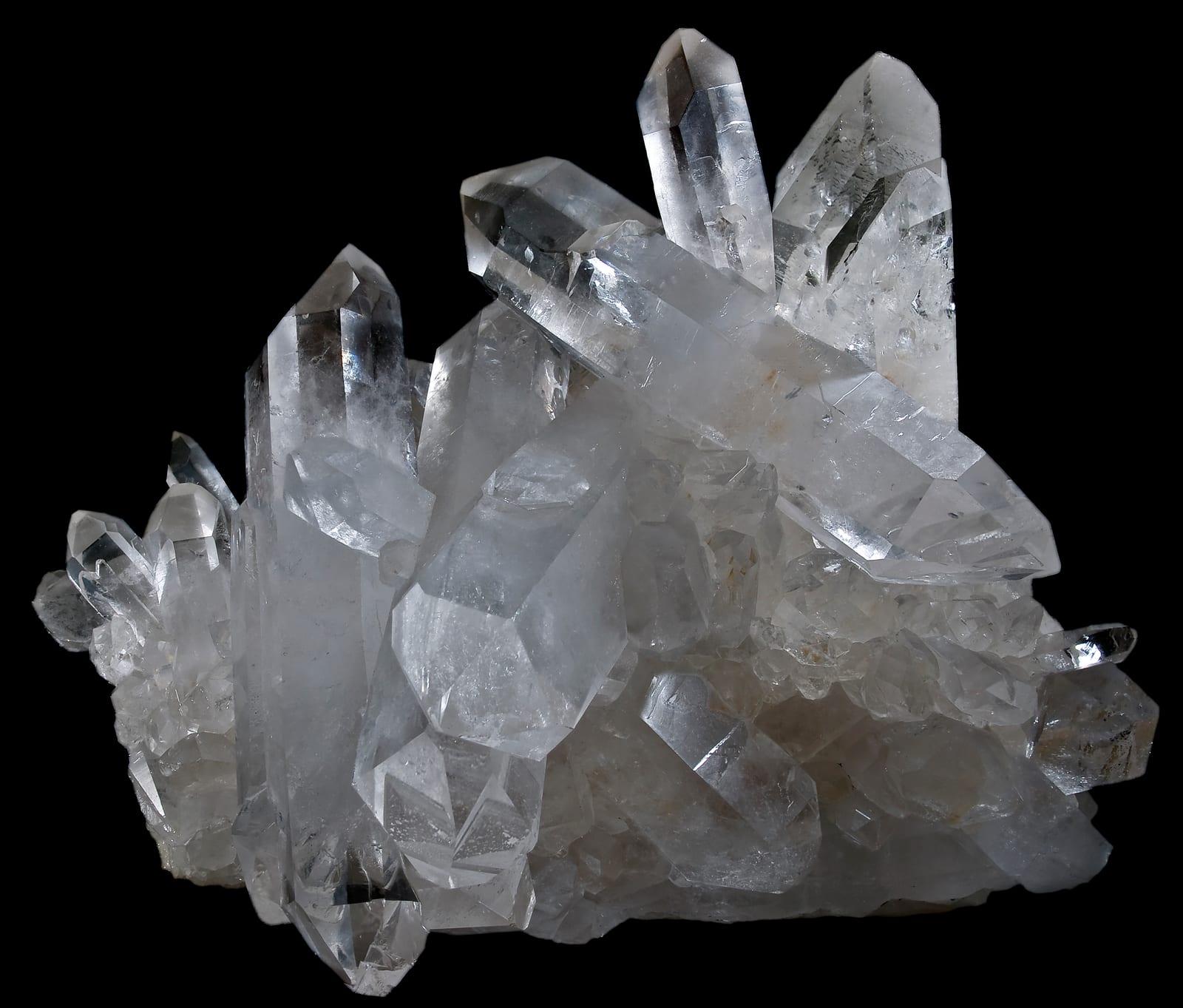
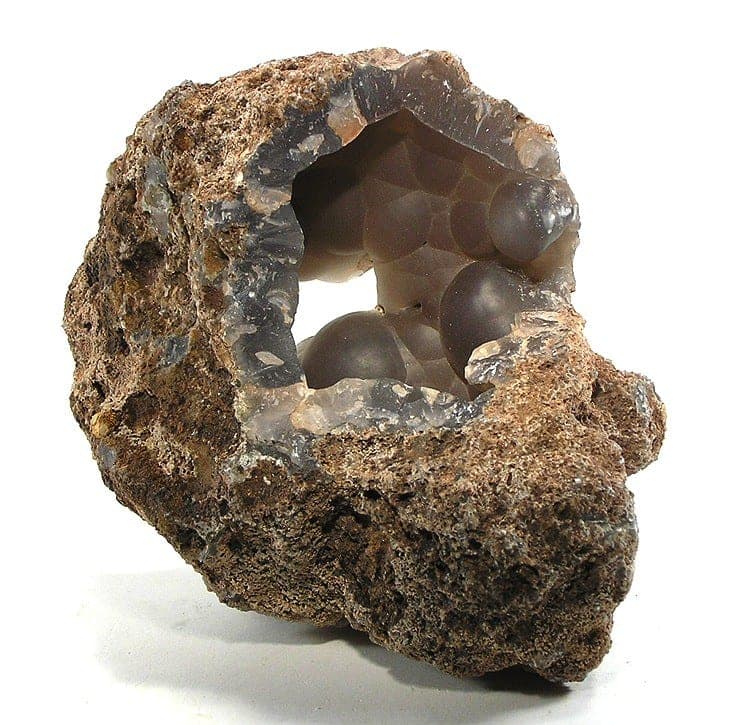
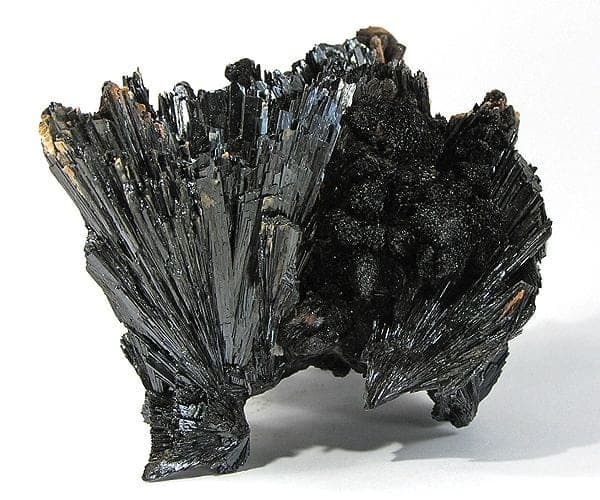
All properties
- Chemical formula
- SiO₂·nH₂O
- Mohs hardness
- 5.5-6.5
- Density
- 2.0-2.2 g/cm³
- Streak
- White
- Luster
- Vitreous
- Transparency
- Translucent
- Crystal system
- Amorphous
- Crystal habit
- Reniform
- Cleavage
- None
- Fluorescence
- Often bright white, yellow, or green under UV
- Rarity
- Rare
- Uses
- Gemstone, Collector, Jewelry
- Host rock
- sedimentary rocks and volcanic cavities
Where rockhounds find precious opal
1 mapped spotsClassic worldwide localities
- Lightning Ridge, Australia
- Coober Pedy, Australia
- Welo, Ethiopia
- Querétaro, Mexico
- Dubník, Slovakia
Field-hunting tip
Where it forms: sedimentary rocks and volcanic cavities. If you start seeing quartz, chalcedony, goethite in float, you are in the right ground. Typical habit: reniform. Train your eye for that shape before scanning the outcrop. In the U.S., the densest reported localities are in Nevada. Start trip planning there.
More precious opal photos
Common questions
How do you identify precious opal?+
Where is precious opal found?+
Can I find precious opal in the United States?+
What rocks look like precious opal?+
What minerals are found with precious opal?+
What kind of rock does precious opal form in?+
What is precious opal used for?+
Find precious opal on the map
RockHoundR shows mapped rockhounding spots, access rules, and lets you log every find.

