
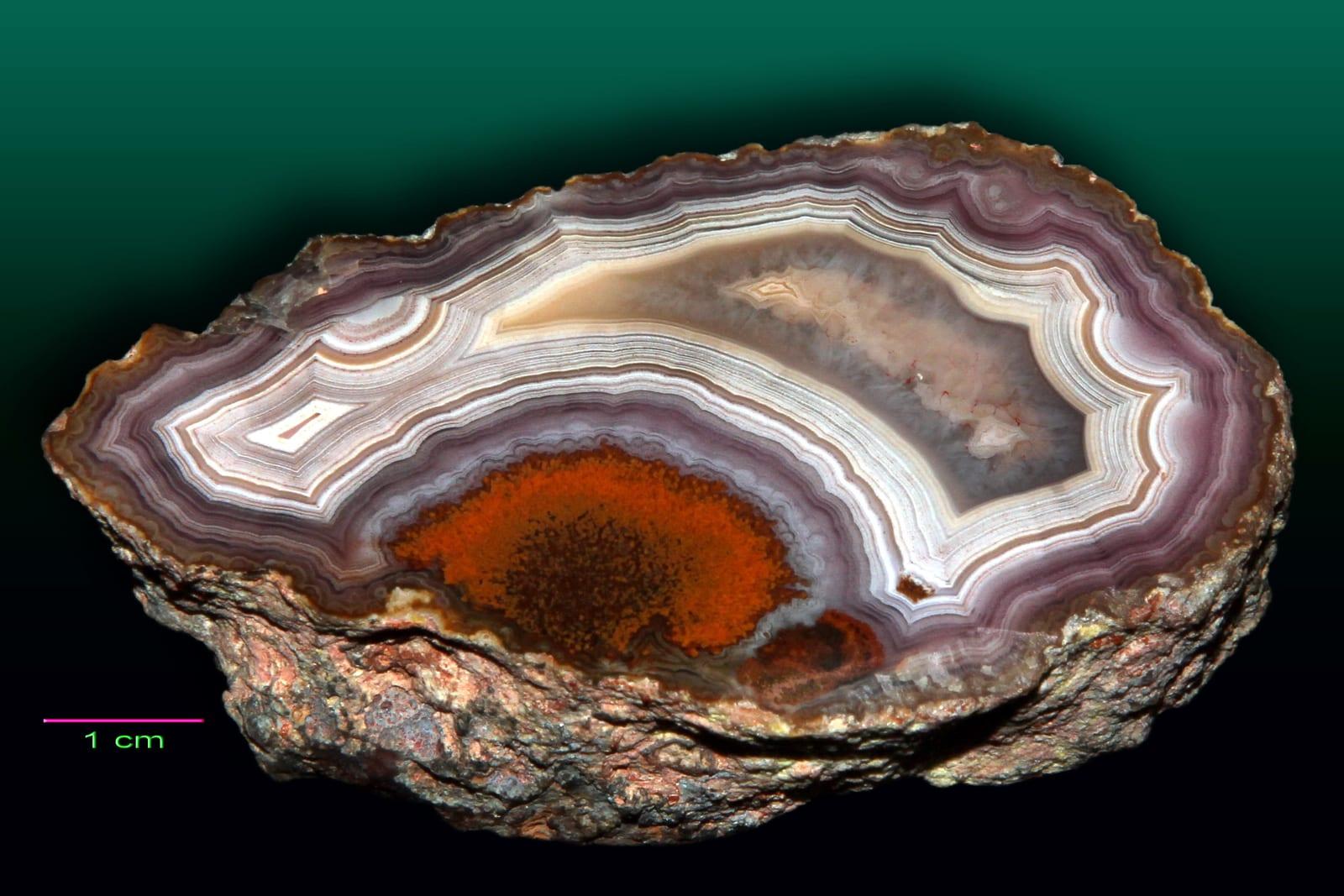
Condor Agate is a highly prized variety of banded chalcedony known for its vibrant, contrasting colors and intricate, rhythmic patterns. It is typically found as small nodules in volcanic host rocks in the Patagonia region of Argentina, where it often displays exquisite fortification banding.
Spotting condor agate in the field
Field marks- 1
Bold, wide bands in yellow, orange, red and white, brighter and more saturated than most agate
- 2
Often a clear or milky center surrounded by strongly contrasting rings
- 3
Nodules commonly show a rough, knobbly volcanic skin
Another buy rather than a find, from the San Rafael area of Mendoza Province, Argentina. It was only seriously worked from the 1990s, which is why it feels newer than the classic agates and why supply has moved in waves. If you are buying uncut nodules, the volcanic rind hides everything, and you are effectively gambling: ask whether the seller has cut the ends of the lot, and expect a real share of duds.
Straight answers
- Is it worth cutting?
- Cuts and polishes cleanly at hardness 7. Because the banding is bold, thicker slabs around 6 mm hold up better visually than the thin slabs you would cut for moss agate.
- What is it really worth?
- Mid-range for a premium named agate, and the price swings hard with what has recently come out of the ground. Uncut nodules are cheaper for the obvious reason.
- Can you legally keep it?
- Imported material. Nothing to worry about beyond ordinary customs declaration.
Often confused with
Condor Agate vs. its common look-alikes, and how to tell them apart in the field.
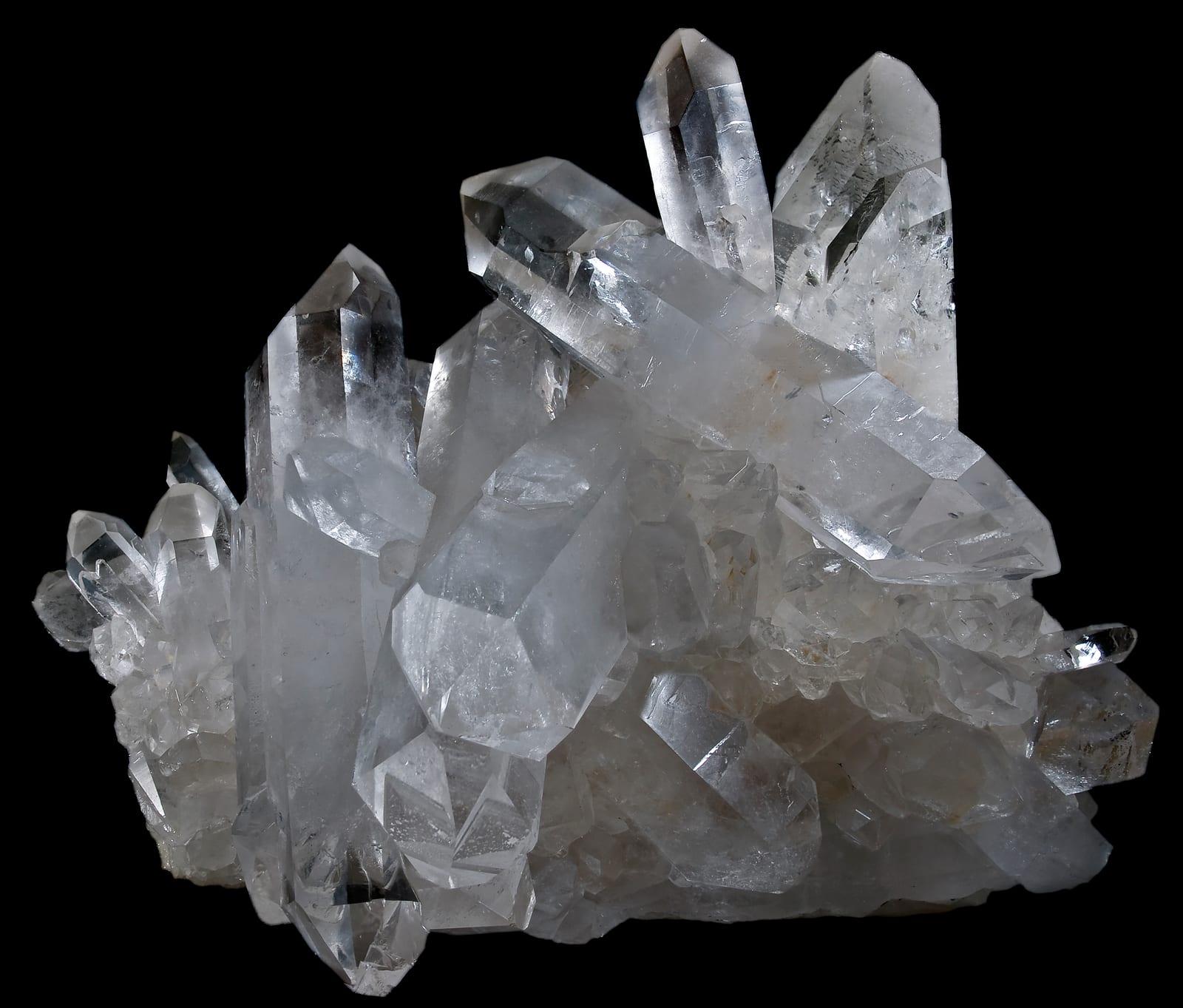
Often found alongside condor agate
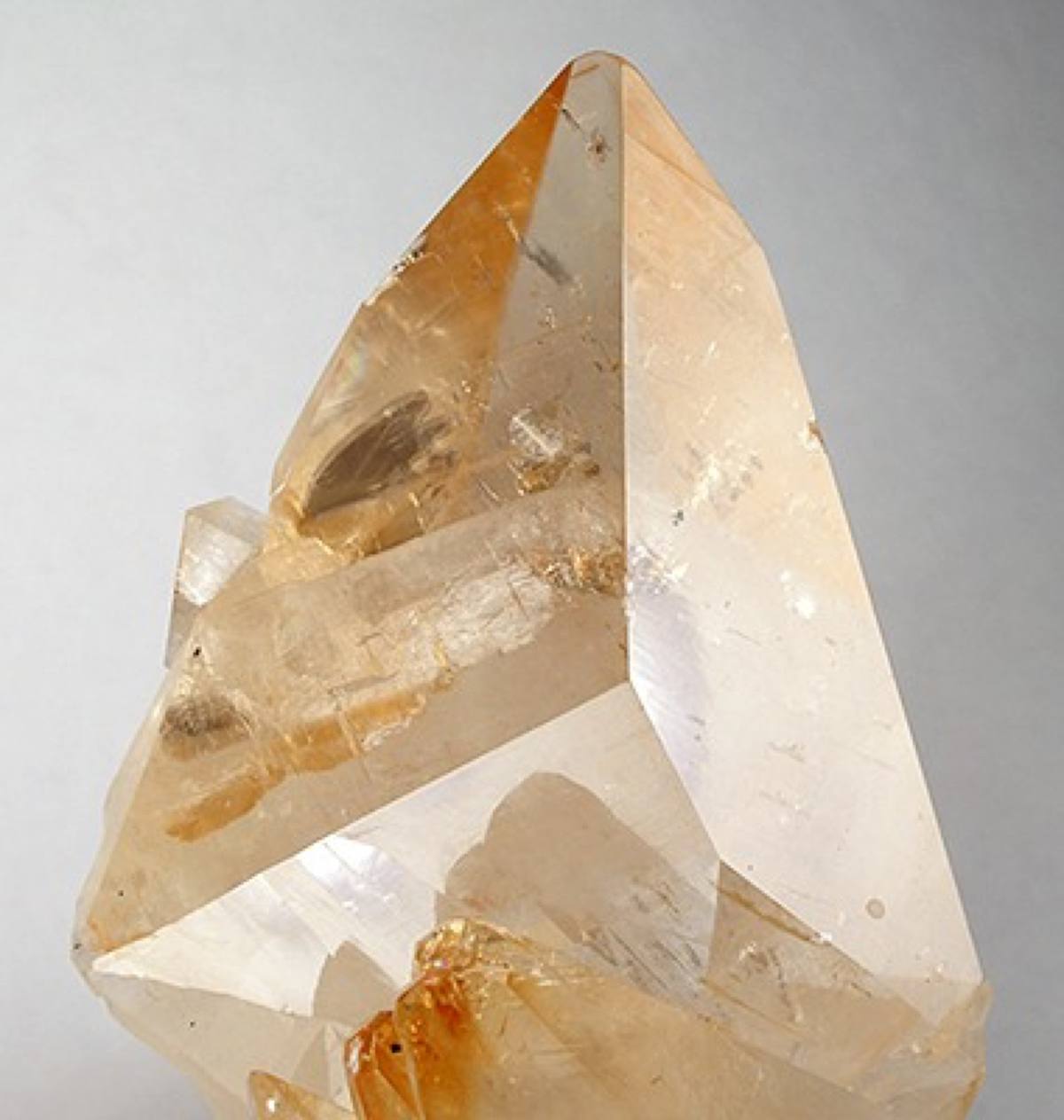
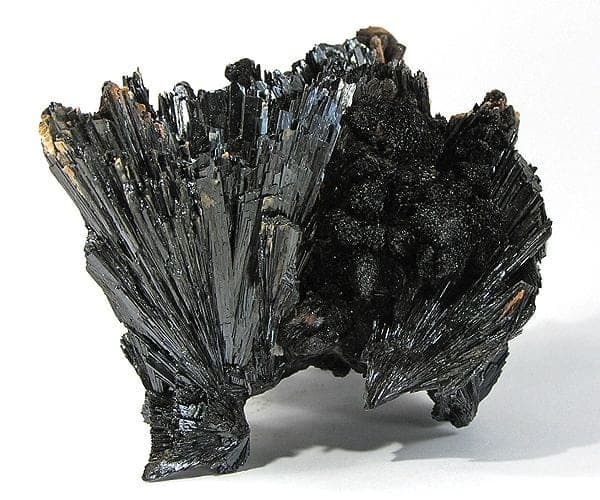
Minerals reported to co-occur with condor agate. Spotting these in float or country rock is a strong cue you are in the right ground.
All properties
- Chemical formula
- SiO₂
- Mohs hardness
- 6.5-7
- Density
- 2.65 g/cm³
- Streak
- White
- Luster
- Vitreous
- Transparency
- Translucent
- Crystal system
- Trigonal
- Crystal habit
- Nodular
- Cleavage
- None
- Rarity
- Common
- Uses
- Lapidary, Collector, Decorative
- Host rock
- volcanic rocks
Where rockhounds find condor agate
Classic worldwide localities
- Patagonia, Argentina
Field-hunting tip
Where it forms: volcanic rocks. If you start seeing quartz, calcite, goethite in float, you are in the right ground. Typical habit: nodular. Train your eye for that shape before scanning the outcrop.
Common questions
How do you identify condor agate?+
Where is condor agate found?+
What rocks look like condor agate?+
What minerals are found with condor agate?+
What kind of rock does condor agate form in?+
What is condor agate used for?+
Find condor agate on the map
RockHoundR shows mapped rockhounding spots, access rules, and lets you log every find.

