Laguna Agate is a world-renowned variety of chalcedony known for its intense, vibrant color banding and complex fortification patterns. Found exclusively in the volcanic rhyolite of Ojo Laguna in Chihuahua, Mexico, it is highly sought after by lapidaries for its ability to take a high polish and create exceptional jewelry pieces.
Spotting laguna agate in the field
Field marks- 1
Extremely fine, tight banding with vivid red, pink and gold against clear grey
- 2
Strong three-dimensional depth to the pattern, often with a visible growth axis
- 3
Comes as small nodules, typically fist size or under
Be clear with yourself about this one: Laguna is not a field find for almost anyone reading this. It comes from the Ojo Laguna area of Chihuahua, Mexico, from ground that is privately held and worked by local miners, and essentially all of it reaches collectors through buying rather than digging. Knowing it matters anyway, because it is the yardstick the whole hobby measures banded agate against, and because plenty of lesser material gets sold under the name.
Straight answers
- Is it worth cutting?
- Cut sparingly and think first. A whole polished half of good Laguna is worth more than the cabs you would get out of it.
- What is it really worth?
- One of the most expensive agates in the world by weight, and the name gets attached to Mexican agate of every quality. Buy from someone who can tell you the specific bed, and treat unusually cheap Laguna as evidence it is not Laguna.
- Can you legally keep it?
- Bought material, so the concern is import and provenance rather than collecting rules. Mexican agate crosses into the United States routinely and legally through normal customs declaration.
Often confused with
Laguna Agate vs. its common look-alikes, and how to tell them apart in the field.
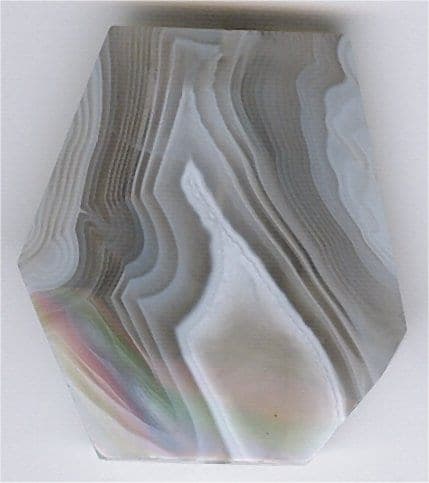
How to tell apart: Botswana banding is finer still but runs to grey, lavender and white. Laguna carries reds and golds that Botswana simply does not.
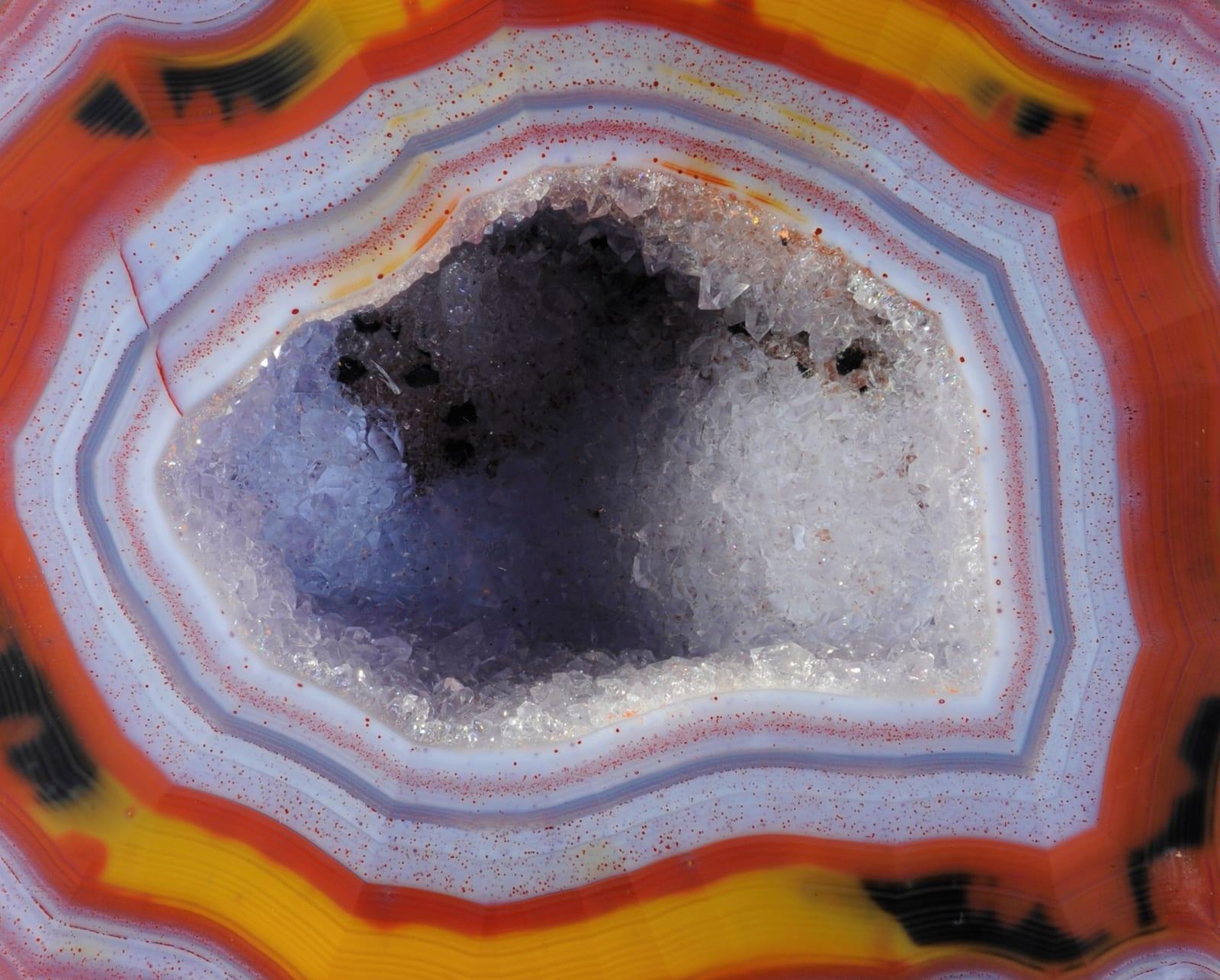
How to tell apart: Condor is the Argentine equivalent and gets confused constantly. Condor tends to bolder, wider bands and more yellow; Laguna's banding is tighter and more red.
Often found alongside laguna agate
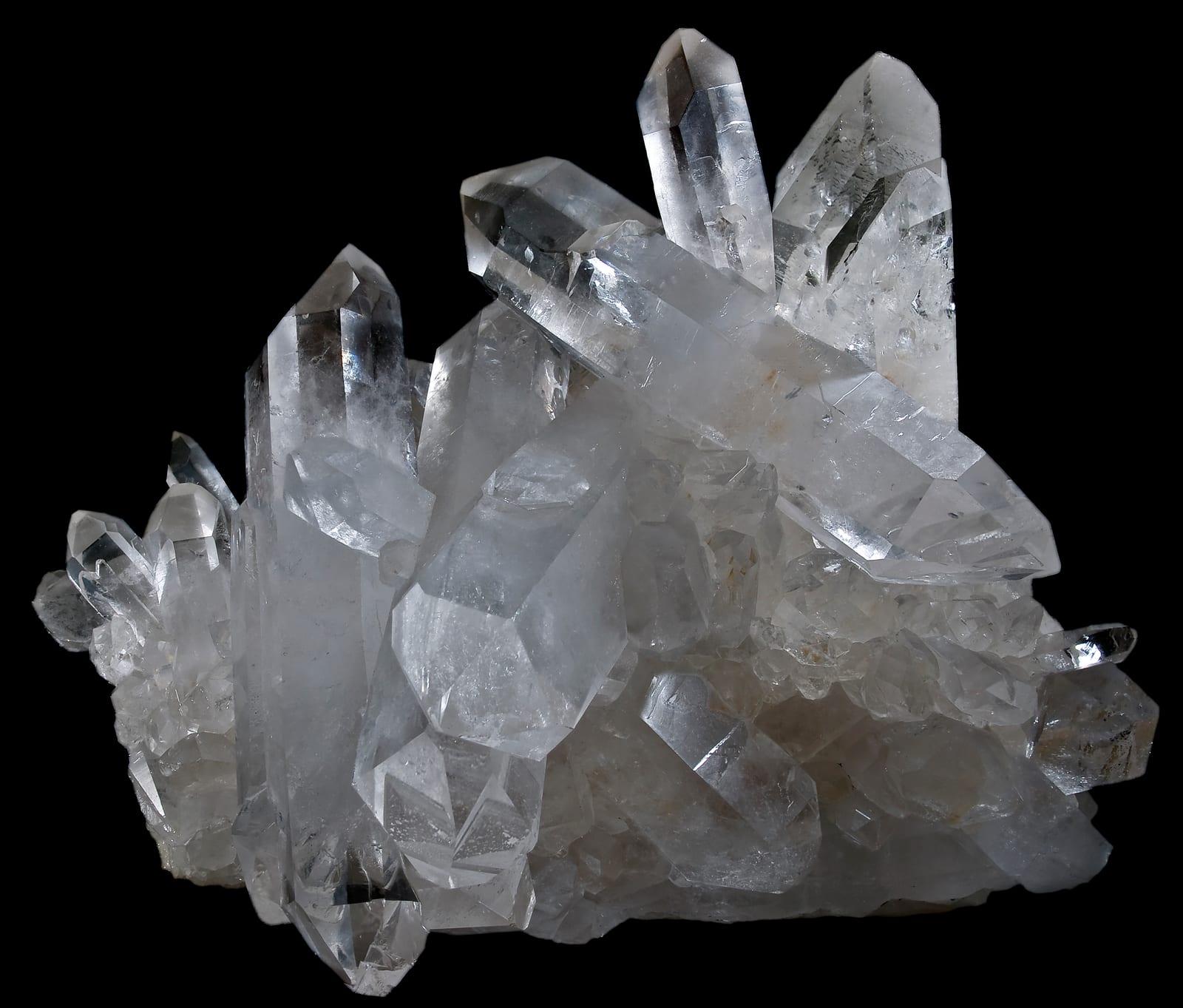
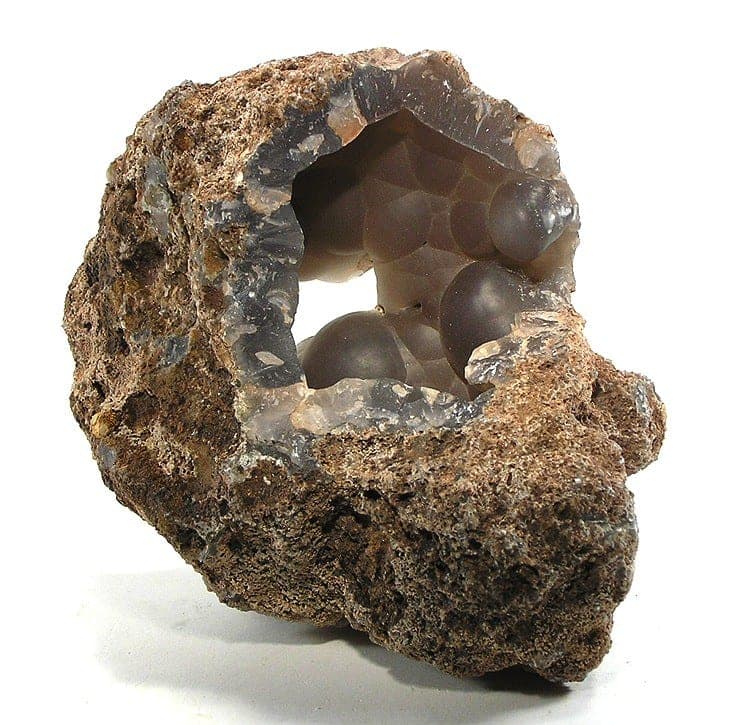
Minerals reported to co-occur with laguna agate. Spotting these in float or country rock is a strong cue you are in the right ground.
All properties
- Chemical formula
- SiO₂
- Mohs hardness
- 6.5-7
- Density
- 2.6-2.7 g/cm³
- Streak
- White
- Luster
- Vitreous
- Transparency
- Translucent
- Crystal system
- Trigonal
- Crystal habit
- Botryoidal
- Cleavage
- None
- Rarity
- Uncommon
- Uses
- Lapidary, Collector, Decorative
- Host rock
- rhyolitic volcanic rocks
Where rockhounds find laguna agate
Classic worldwide localities
- Ojo Laguna, Chihuahua, Mexico
Field-hunting tip
Where it forms: rhyolitic volcanic rocks. If you start seeing quartz, chalcedony, calcite in float, you are in the right ground. Typical habit: botryoidal. Train your eye for that shape before scanning the outcrop.
Common questions
How do you identify laguna agate?+
Where is laguna agate found?+
What rocks look like laguna agate?+
What minerals are found with laguna agate?+
What kind of rock does laguna agate form in?+
What is laguna agate used for?+
Find laguna agate on the map
RockHoundR shows mapped rockhounding spots, access rules, and lets you log every find.