
Dunite is an ultramafic plutonic rock composed almost entirely of olivine. It is typically found in ophiolite complexes and often shows significant alteration into serpentinite, making fresh, solid samples a prized find for rockhounders interested in mantle petrology.
Is this dunite?
5-step field checkRun through these checks against the specimen in your hand. The more boxes tick, the more confident the ID.
- 1Test the hardnessTry to scratch dunite with a known reference. Dunite sits at Mohs 6.5-7, softer than the next harder reference, harder than the previous one.
- 2Read the textureLook at a fresh break with a hand lens. Texture: Phaneritic. Grain size: Coarse-grained.
- 3Pick out the mineralsComposition: Over 90 percent olivine, with minor pyroxene, hornblende, chromite, magnetite, pyrope or plagioclase. Identify the two or three most abundant grains.
- 4Read the lusterHold the specimen under a strong light. Luster: vitreous.
- 5Match the color rangeCompare against the expected color range: yellow-green, olive-green, dark green.
Often confused with
Dunite vs. its common look-alikes, and how to tell them apart in the field.
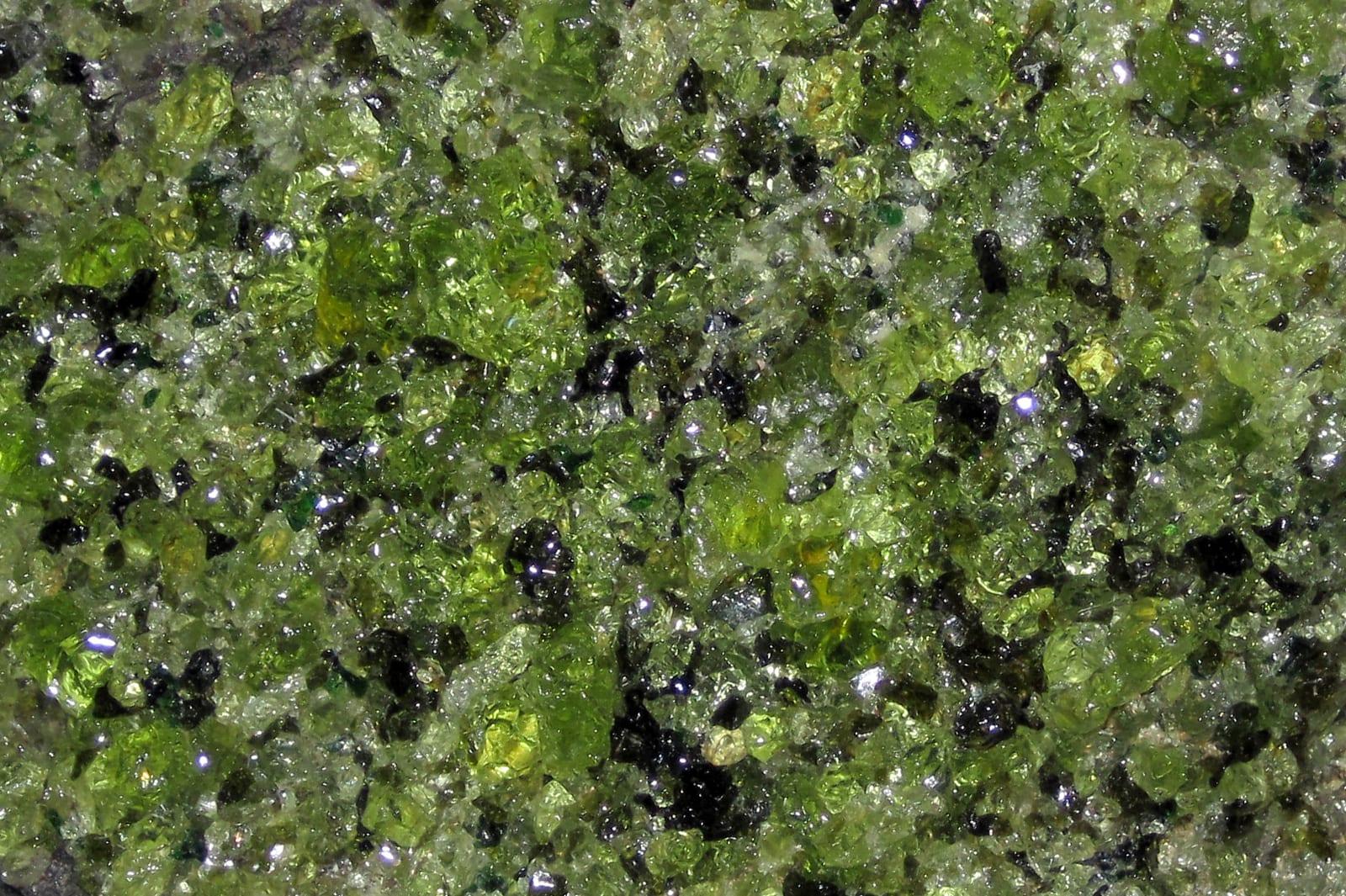
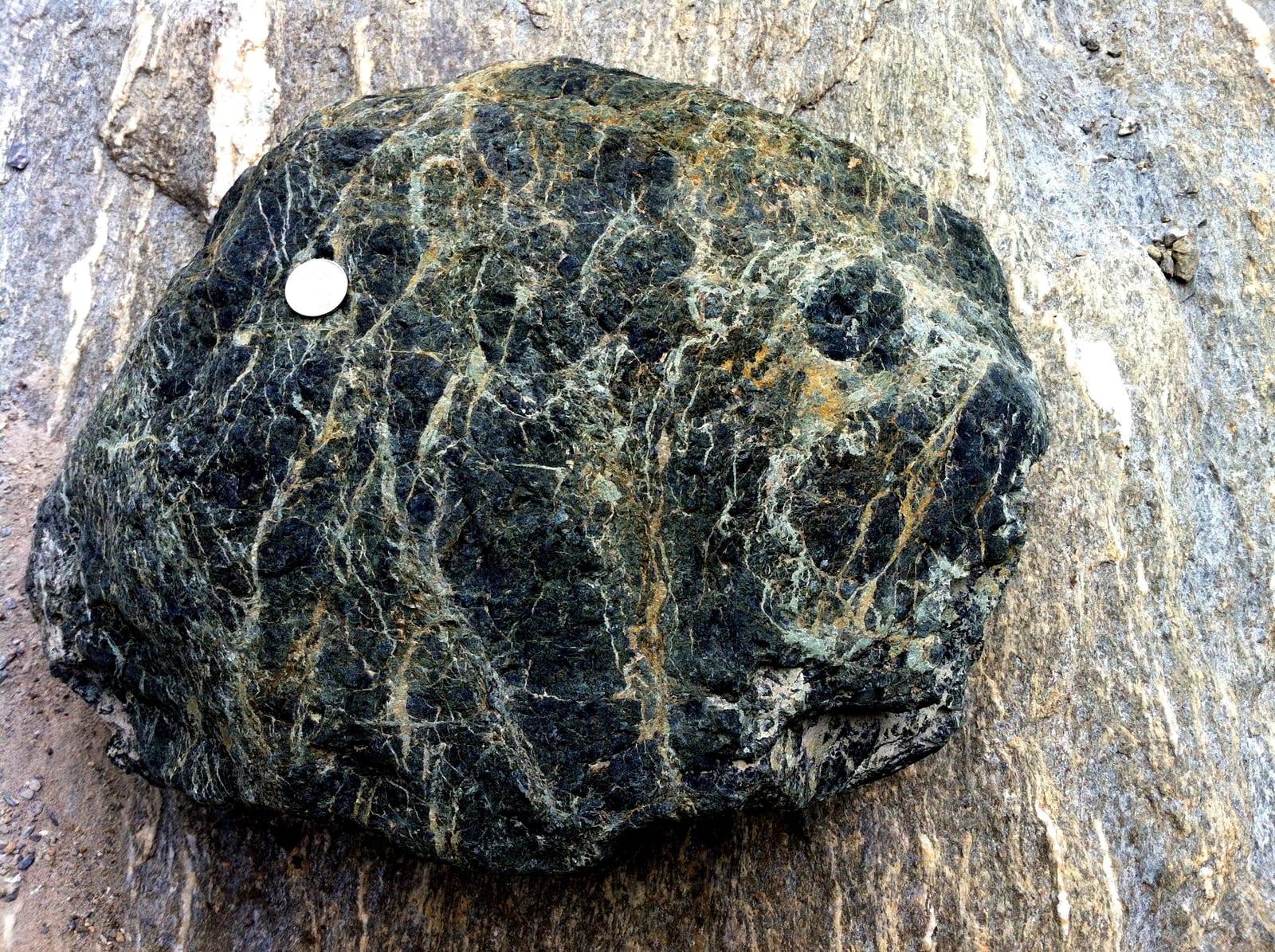
Often found alongside dunite
Minerals reported to co-occur with dunite. Spotting these in float or country rock is a strong cue you are in the right ground.
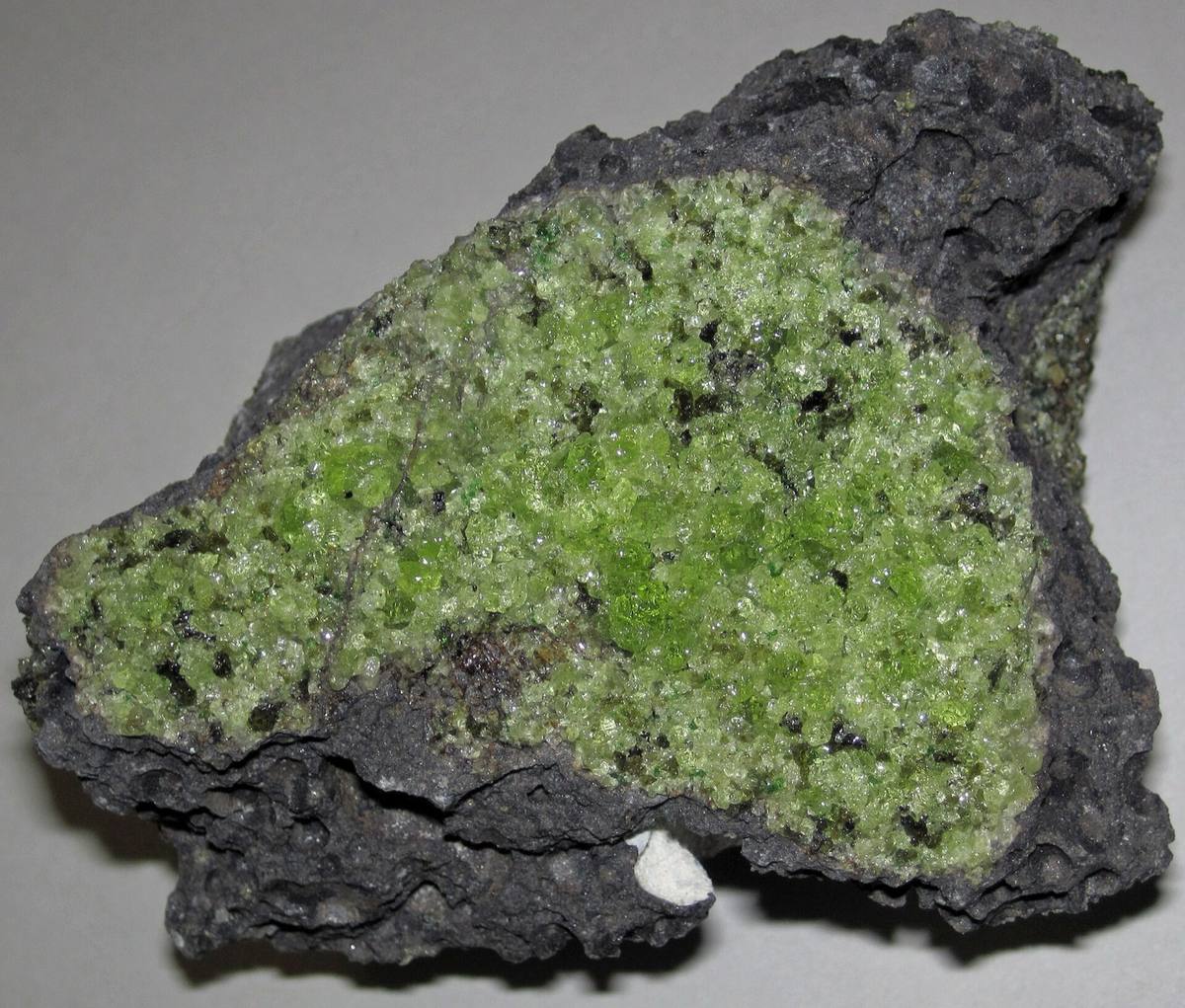
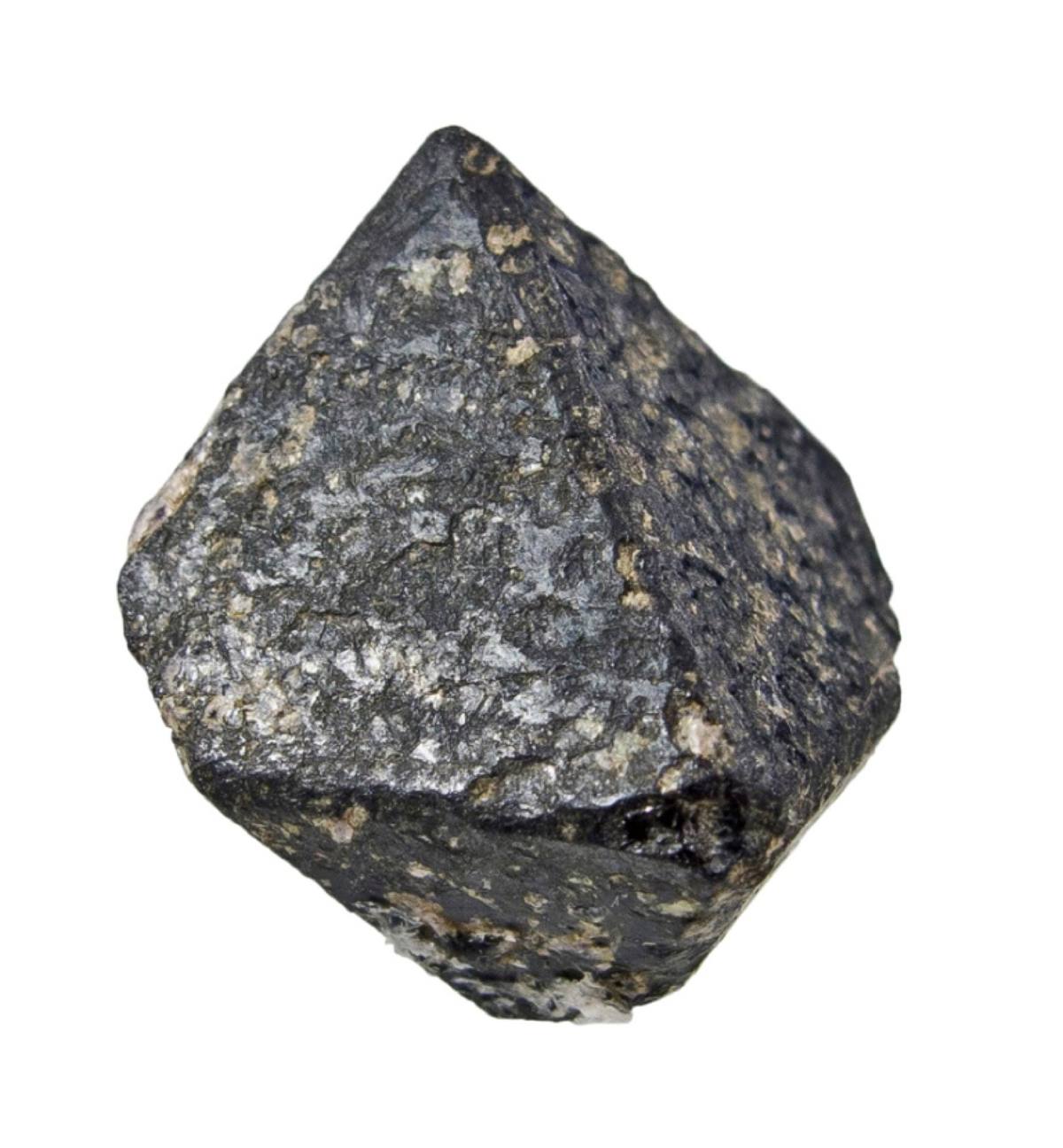
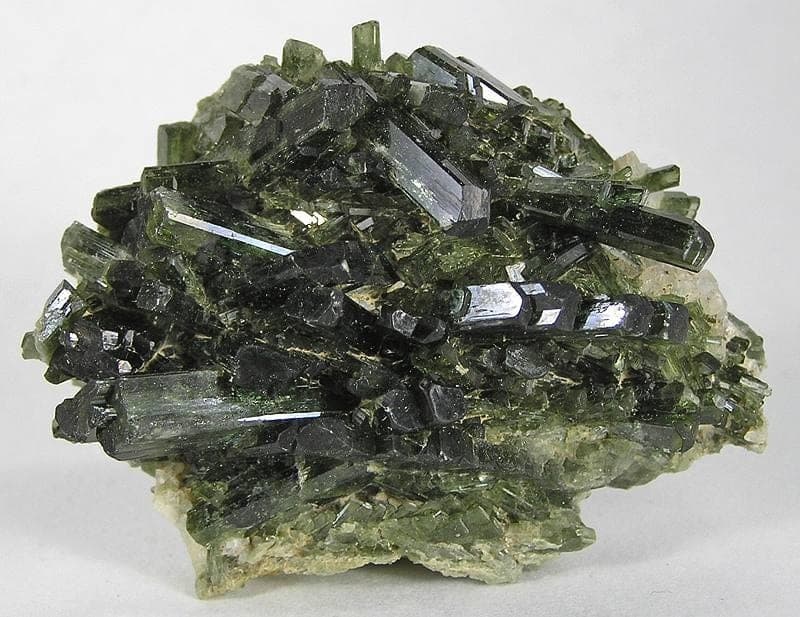
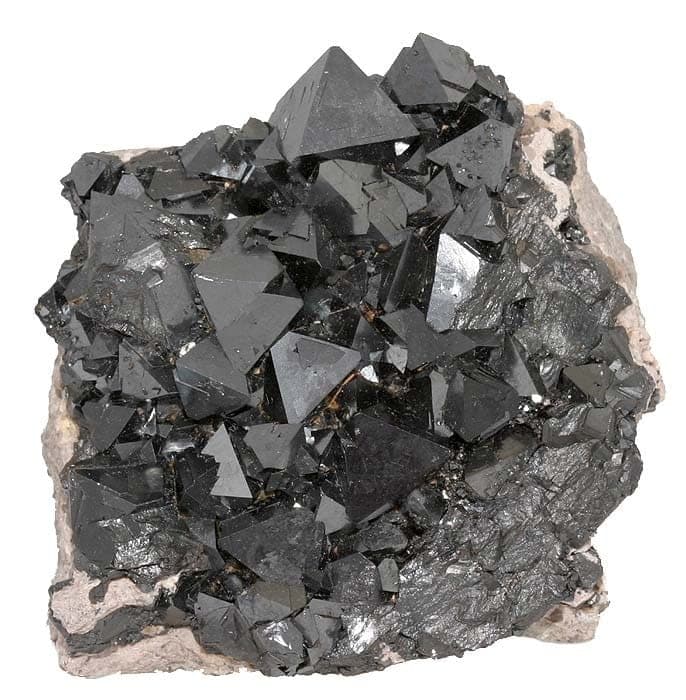
All properties
- Mohs hardness
- 6.5-7
- Density
- 3.2-3.4 g/cm³
- Luster
- Vitreous
- Transparency
- Translucent
- Rarity
- Common
- Uses
- Industrial, Collector, Geological study
- Host rock
- mantle rocks
- Texture
- Phaneritic
- Grain size
- Coarse-grained
- Composition
- Over 90 percent olivine, with minor pyroxene, hornblende, chromite, magnetite, pyrope or plagioclase
Where rockhounds find dunite
Classic worldwide localities
- Dun Mountain, New Zealand
- Twin Sisters Mountains, USA
- Troodos Ophiolite, Cyprus
- Norway
- Canada
Field-hunting tip
Where it forms: mantle rocks. If you start seeing olivine, chromite, pyroxene in float, you are in the right ground.
Common questions
How do you identify dunite?+
Where is dunite found?+
What rocks look like dunite?+
What minerals are found with dunite?+
What kind of rock does dunite form in?+
What is dunite used for?+
Find dunite on the map
RockHoundR shows mapped rockhounding spots, access rules, and lets you log every find.

