
Eclogite is a high-grade metamorphic rock primarily composed of red pyrope-almandine garnet and green sodic pyroxene known as omphacite. It forms under high-pressure, moderate-temperature conditions, typically indicating subduction zone processes deep within the Earth's crust. Collectors prize it for the striking contrast between its vibrant green and red components.
Is this eclogite?
2-step field checkRun through these checks against the specimen in your hand. The more boxes tick, the more confident the ID.
- 1Pick out the mineralsComposition: Almandine-pyrope garnet in a matrix of omphacite; accessory kyanite, rutile and quartz. Identify the two or three most abundant grains.
- 2Match the color rangeCompare against the expected color range: green, red.
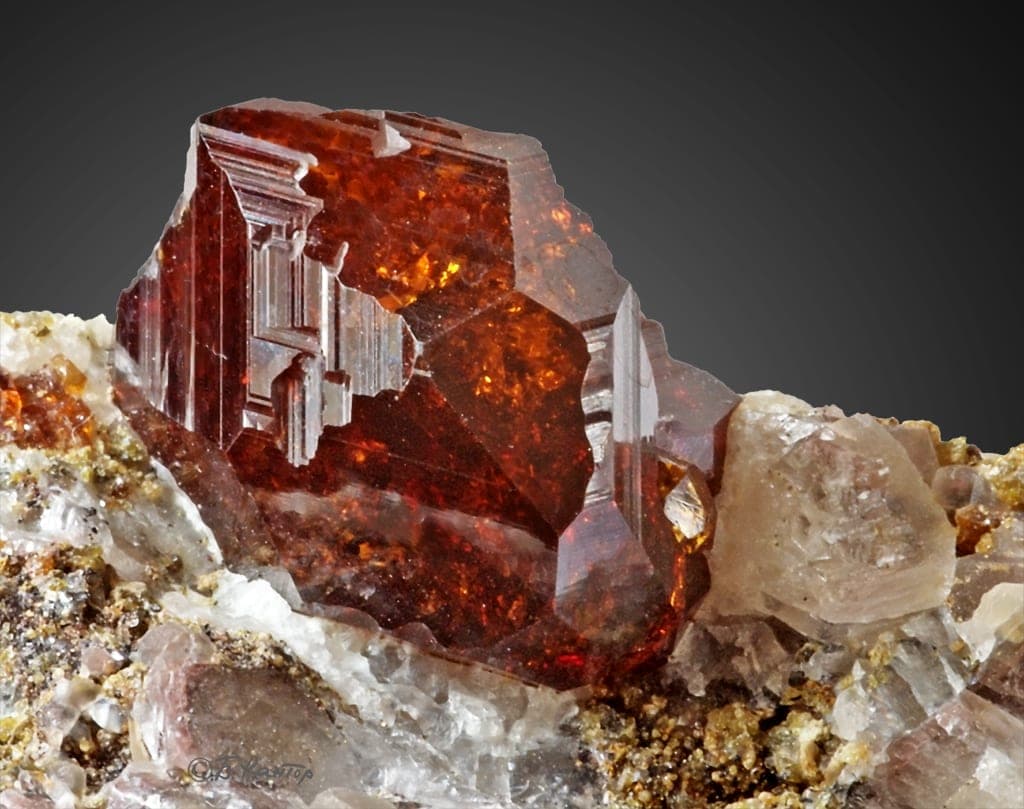
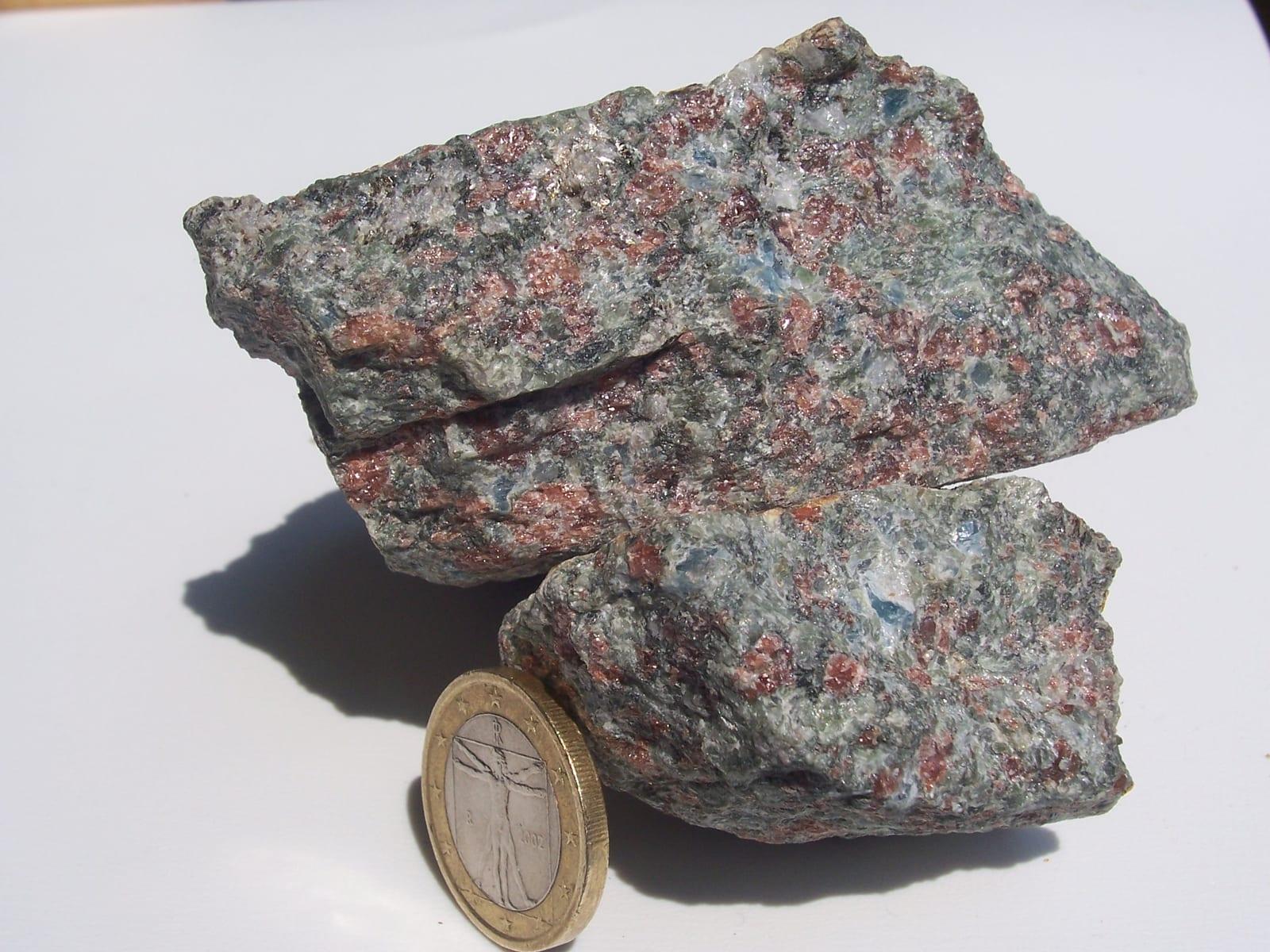
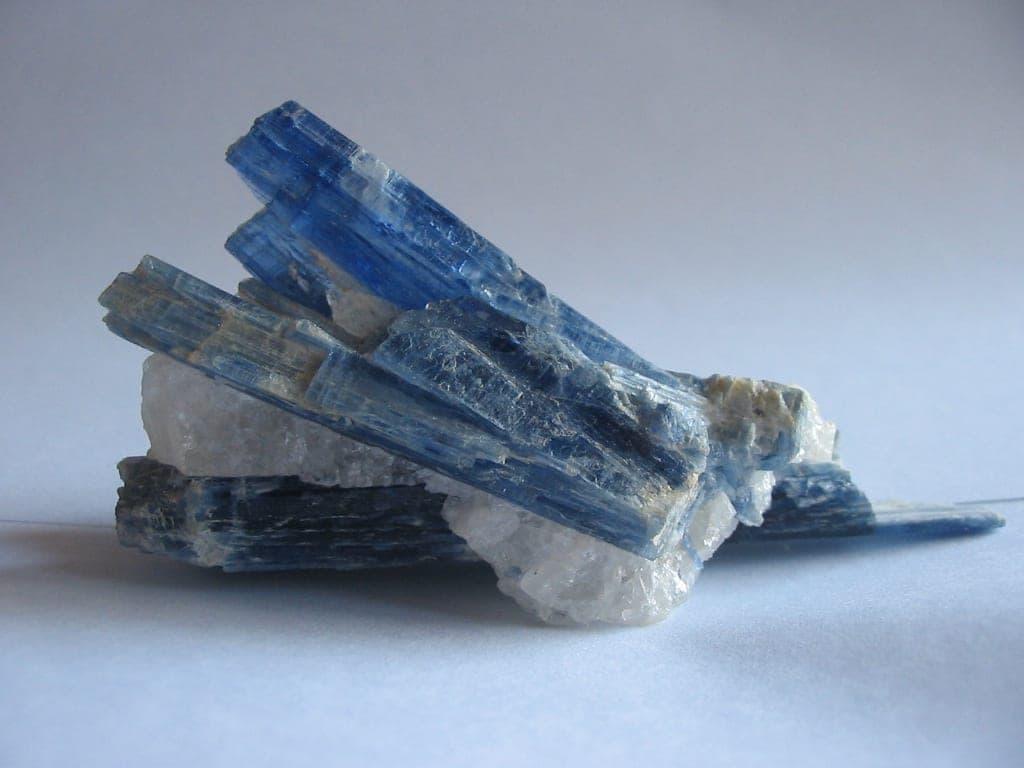
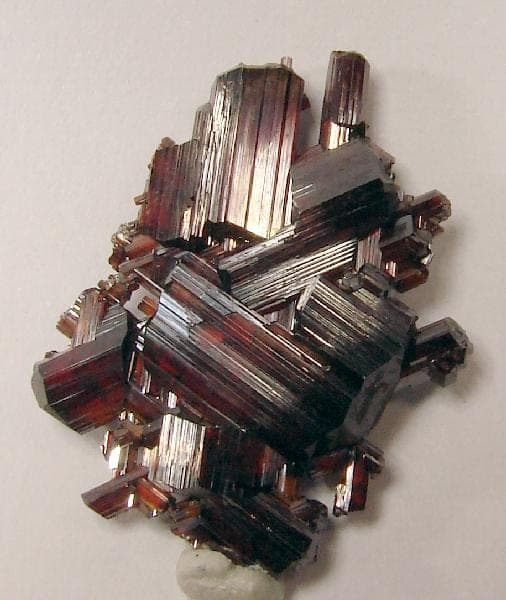
Often found alongside eclogite
Minerals reported to co-occur with eclogite. Spotting these in float or country rock is a strong cue you are in the right ground.
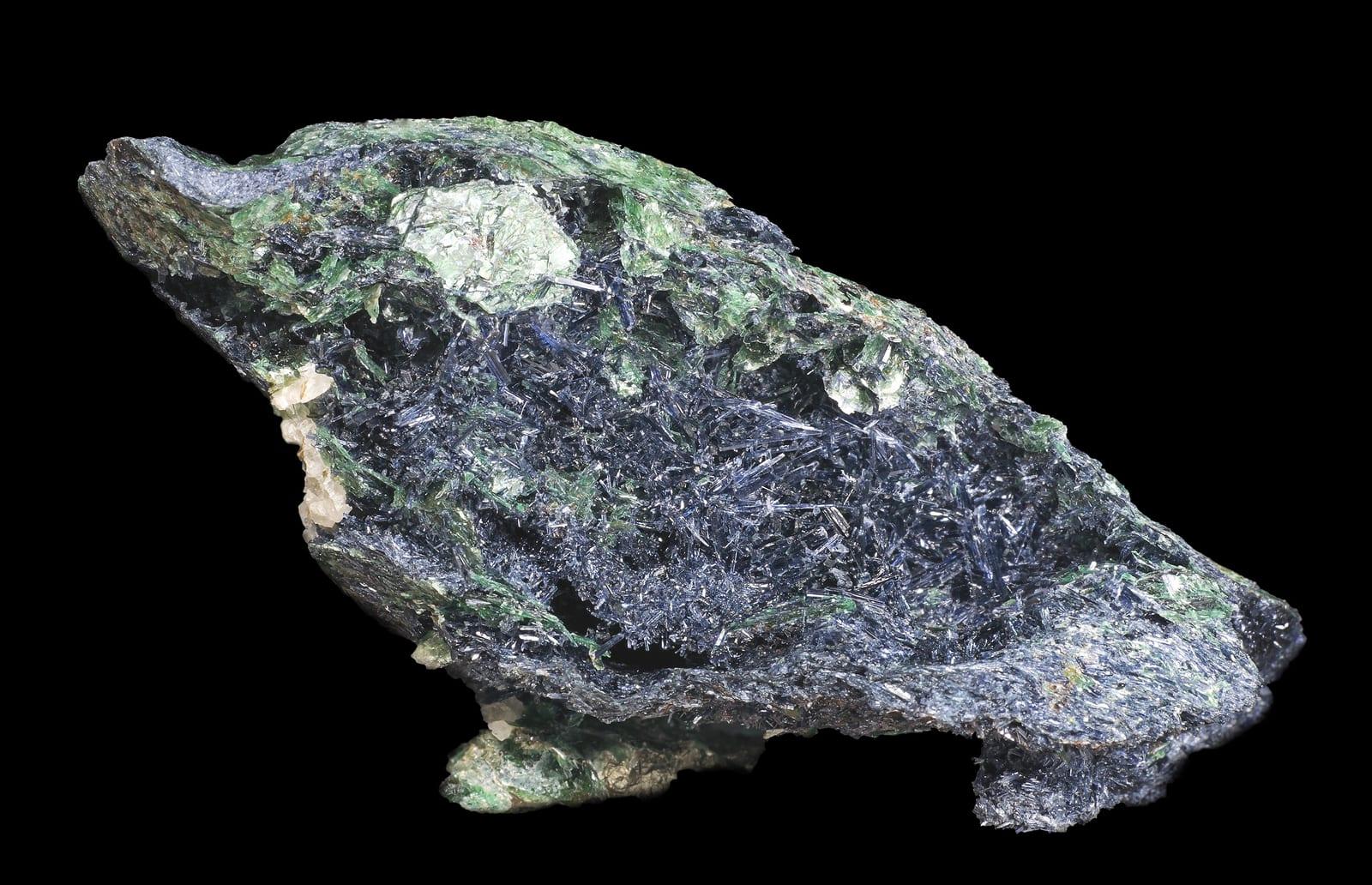
All properties
- Density
- 3.3-3.6 g/cm³
- Rarity
- Common
- Uses
- Collector, Scientific research
- Host rock
- metamorphic belts
- Composition
- Almandine-pyrope garnet in a matrix of omphacite; accessory kyanite, rutile and quartz
Where rockhounds find eclogite
Classic worldwide localities
- Norway
- Austria
- California, USA
- China
- Russia
Field-hunting tip
Where it forms: metamorphic belts. If you start seeing garnet, omphacite, kyanite in float, you are in the right ground.
Common questions
Where is eclogite found?+
What minerals are found with eclogite?+
What kind of rock does eclogite form in?+
What is eclogite used for?+
Find eclogite on the map
RockHoundR shows mapped rockhounding spots, access rules, and lets you log every find.

