Fairburn Agate is a highly prized fortification agate famous for its intricate, multi-colored geometric banding patterns. It is typically found in the weathered gravels and sedimentary formations of western South Dakota and Nebraska, often requiring extensive searching in the field to locate. It is considered one of the finest examples of fortification banding in the world, making it a staple for serious lapidary artists and mineral collectors.
Spotting fairburn agate in the field
Field marks- 1
Tight, sharply angular fortification banding, not the soft concentric rings of common agate
- 2
Held-in colors: brick red, cream, black, soft pink, often all in one stone
- 3
Usually small, thumb to egg size, and often sitting fully exposed on bare ground
This is a walking hunt, not a digging one. Fairburns weather out of the Chadron and Brule formations and lie loose on the surface of the prairie and in gravel washes, so you cover ground slowly with your eyes down and the sun low. Morning and late afternoon light is worth an hour of extra hunting, because the low angle catches the banding on a stone that reads as plain grey at noon. Most people walk over dozens before they train their eye, and the honest expectation for a first full day is zero to one.
Before you collect
The Badlands National Park boundary is not fenced in most places. Collecting inside it is a federal offense, and this specific mistake is the most common way rockhounds get cited in South Dakota.
Straight answers
- Is it worth cutting?
- Most collectors never cut them. A good Fairburn is worth more whole and face-polished on one side than sliced.
- What is it really worth?
- The most sought-after agate in the United States, and priced accordingly: good palm-sized stones run into the hundreds and top specimens well past that. It also means the accessible ground has been walked for a century.
- Can you legally keep it?
- Buffalo Gap National Grassland is open to casual surface collection for personal use, which is where most legal hunting happens. Badlands National Park is closed to all collecting, and the two share a long boundary, so know exactly where you are standing.
Where it is worth going
- Buffalo Gap National GrasslandSouthwestern South Dakota, around Fairburn and Scenic
The classic public ground. Surface collecting for personal use, no digging into banks.
Often confused with
Fairburn Agate vs. its common look-alikes, and how to tell them apart in the field.
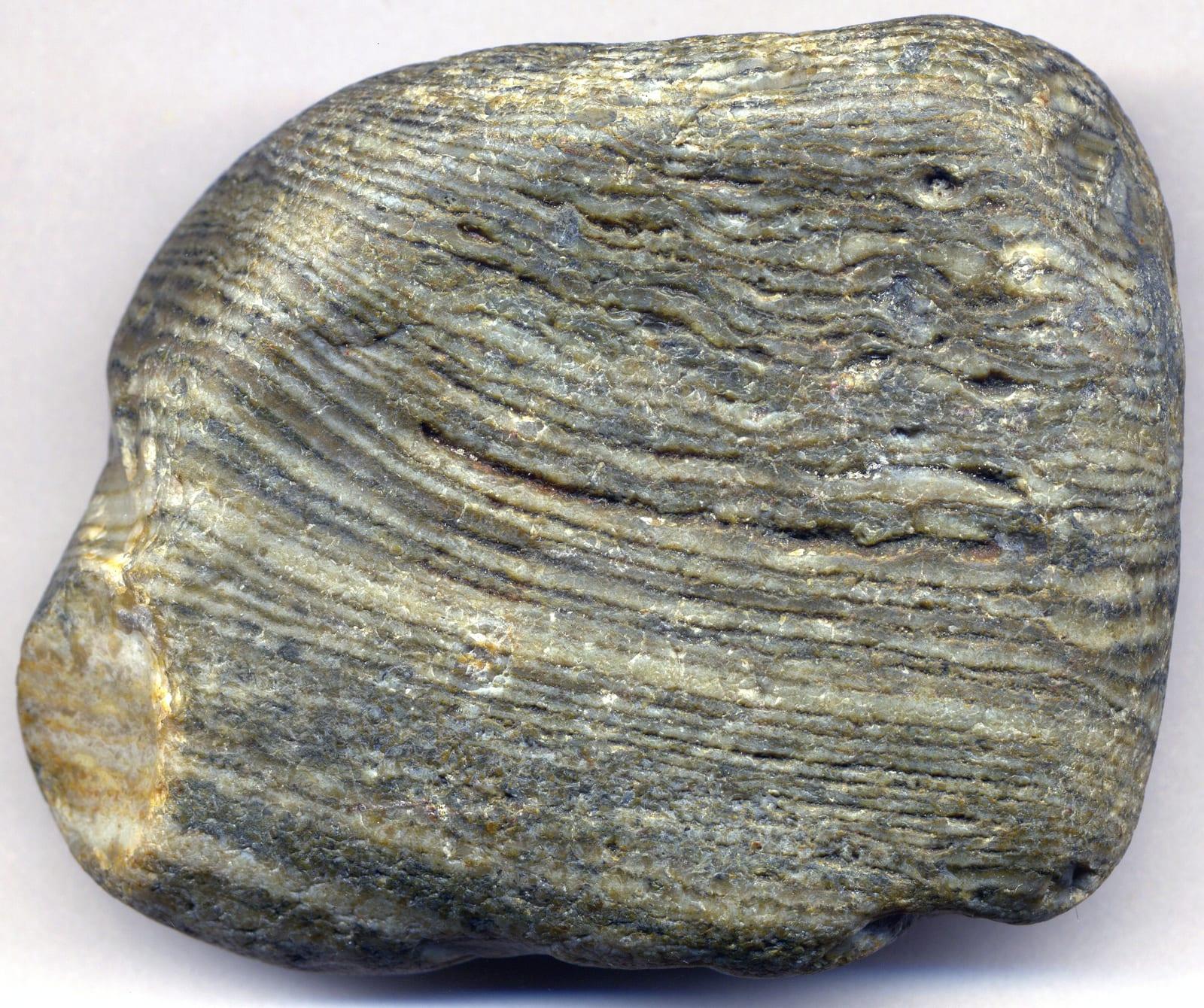
How to tell apart: Prairie agate is the common cousin from the same ground, with soft, cloudy, poorly defined banding. A Fairburn's bands are sharp-edged and hold their line around every corner.
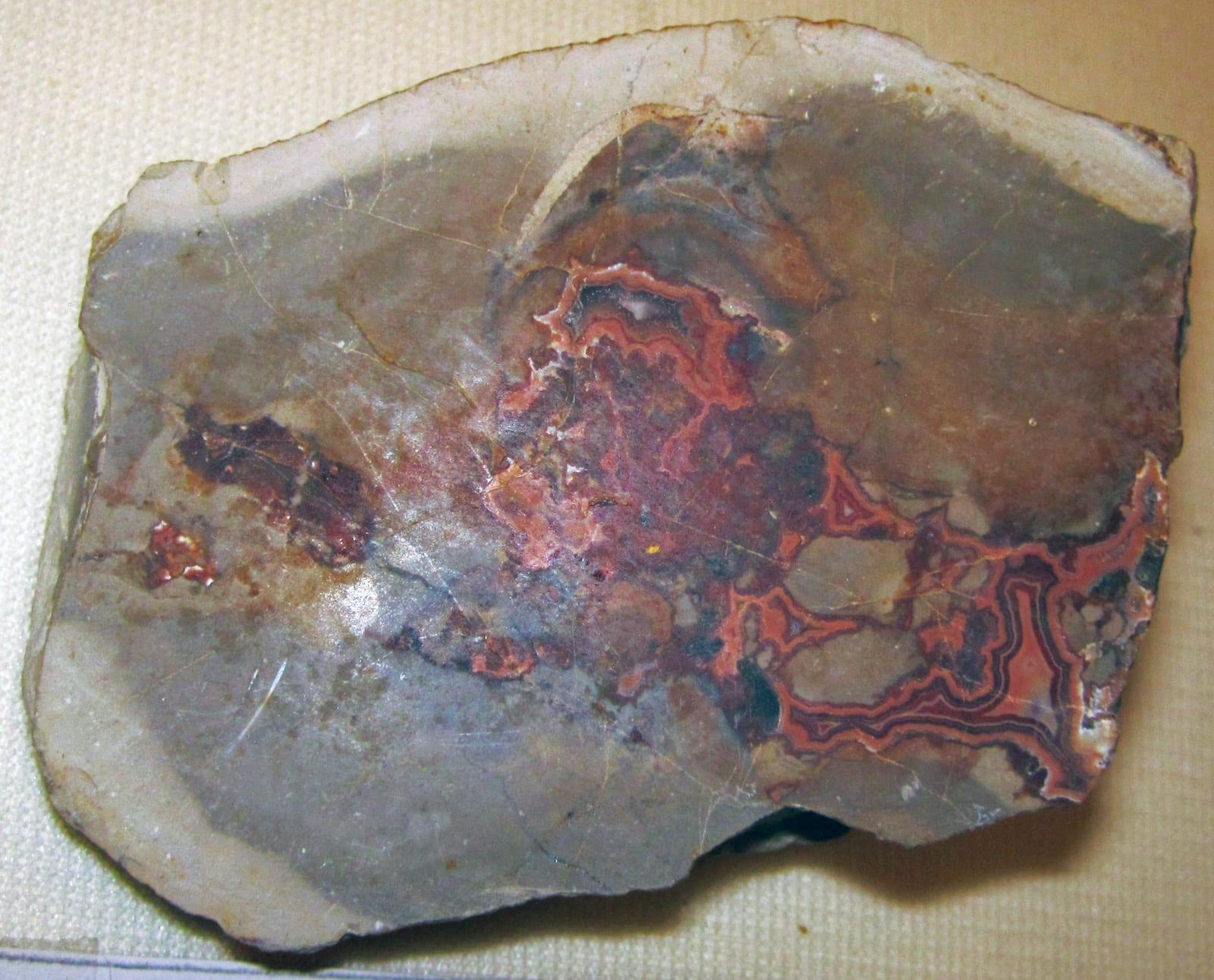
How to tell apart: Teepee Canyon material is also tightly banded but comes from limestone pockets in the Black Hills and runs to pinks and oranges in a more circular pattern.
Often found alongside fairburn agate
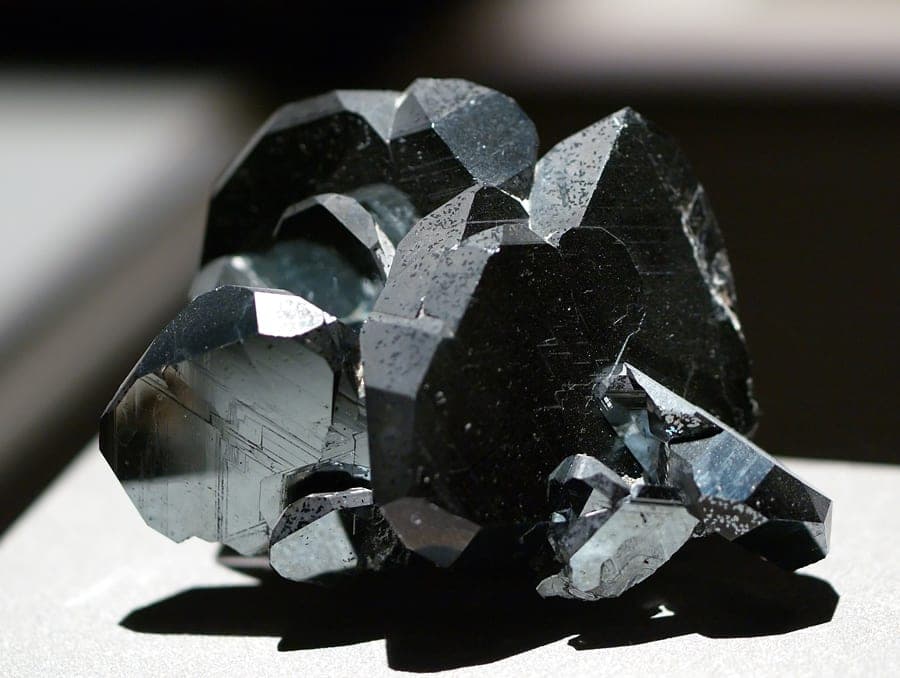
Minerals reported to co-occur with fairburn agate. Spotting these in float or country rock is a strong cue you are in the right ground.
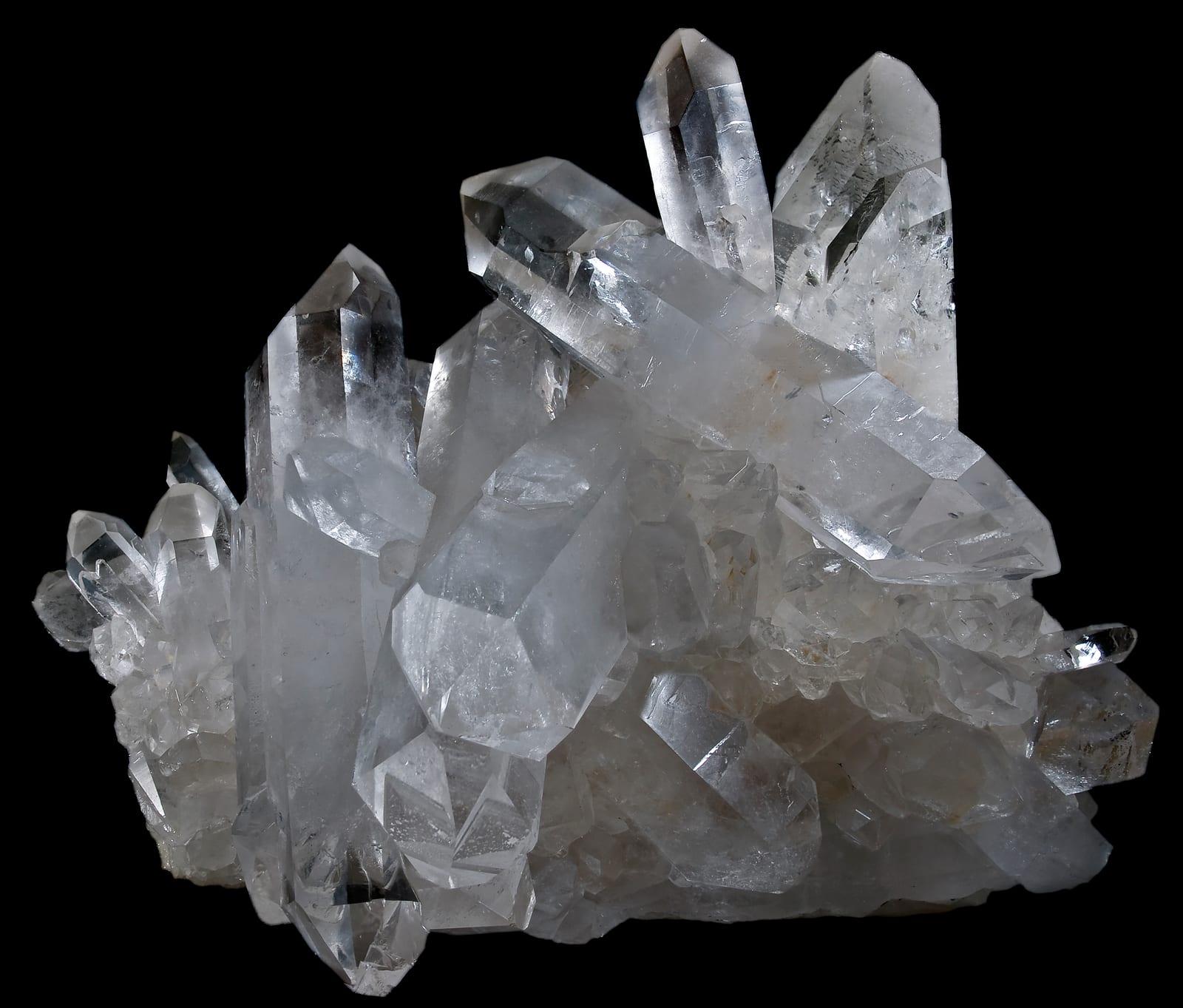
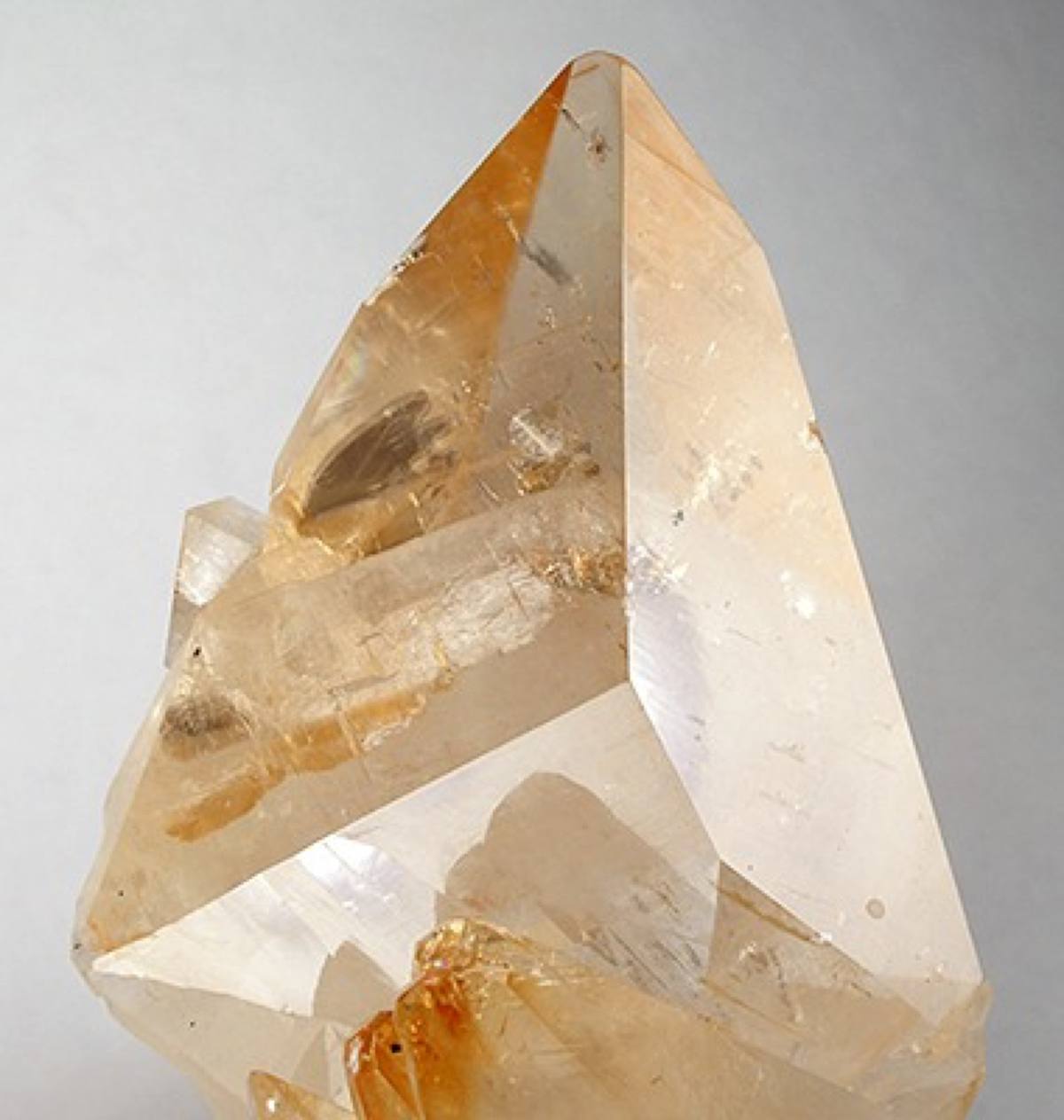
All properties
- Chemical formula
- SiO₂
- Mohs hardness
- 6.5-7
- Density
- 2.6-2.65 g/cm³
- Streak
- White
- Luster
- Vitreous
- Transparency
- Translucent
- Crystal system
- Trigonal
- Crystal habit
- Botryoidal
- Cleavage
- None
- Rarity
- Rare
- Uses
- Lapidary, Collector, Decorative
- Host rock
- sedimentary gravel deposits
Where rockhounds find fairburn agate
13 mapped spotsClassic worldwide localities
- Fairburn, South Dakota USA
- Custer County, South Dakota USA
- Fall River County, South Dakota USA
- Nebraska USA
Field-hunting tip
Where it forms: sedimentary gravel deposits. If you start seeing quartz, calcite, hematite in float, you are in the right ground. Typical habit: botryoidal. Train your eye for that shape before scanning the outcrop. In the U.S., the densest reported localities are in South Dakota, Nebraska. Start trip planning there.
Common questions
How do you identify fairburn agate?+
Where is fairburn agate found?+
Can I find fairburn agate in the United States?+
What rocks look like fairburn agate?+
What minerals are found with fairburn agate?+
What kind of rock does fairburn agate form in?+
What is fairburn agate used for?+
Find fairburn agate on the map
RockHoundR shows mapped rockhounding spots, access rules, and lets you log every find.