Lake Superior Agates are prized by collectors for their vibrant concentric banding caused by iron impurities deposited in gas cavities within ancient basaltic lavas. These are typically found in glacial gravels and along the shorelines of the Great Lakes, recognized by their smooth, pitted surfaces and translucent, multi-colored layers.
Spotting lake superior agate in the field
Field marks- 1
Rust-red to orange banding, from iron picked up in the ancient basalt flows
- 2
Waxy, greasy sheen on a weathered face, never the glassy shine of quartz
- 3
A thin edge glows orange when you hold it up to the sky
Forget the polished pictures. A Lake Superior agate on the beach is a pitted, chalky, orange-grey lump that looks like every third rock around it. The tell is translucency: pick up anything with a warm orange cast and hold it against the sky. Chert stays dead black, agate lights up. Wet rock reads far better than dry, so work the swash line where waves are still washing cobble, and go on an overcast day when the glare is off the water. The glaciers spread these south across Minnesota, Wisconsin and into Iowa, so gravel pits and freshly plowed fields hundreds of miles from the lake are as good a bet as the shoreline, and far less picked over.
Straight answers
- Is it worth cutting?
- Hardness 7 and no cleavage, so it tumbles and cabs beautifully. Slab across the banding rather than along it, or you lose the fortification pattern that makes it worth cutting.
- What is it really worth?
- Common beach material is genuinely a few dollars a pound, and most of what you pick up is worth keeping only because you found it. The four-figure specimens are large, sharply banded, uncracked pieces well over fist size, which is a different rock from what a first season produces.
- Can you legally keep it?
- Casual hand collection is generally fine on public beaches and public land, but Minnesota and Wisconsin state parks prohibit it, and the shoreline is a patchwork of private lots. Gravel pits are private property and always need the operator's permission.
Where it is worth going
- Minnesota North ShorePublic beaches between Duluth and Grand Marais
The famous ground, and correspondingly hunted. Best after a storm has turned the cobble over.
- Glacial till countryGravel pits and plowed fields across central Minnesota, Wisconsin and northern Iowa
Where the serious hunters actually go. Far less pressure than the lake, and the same agates.
Often confused with
Lake Superior Agate vs. its common look-alikes, and how to tell them apart in the field.
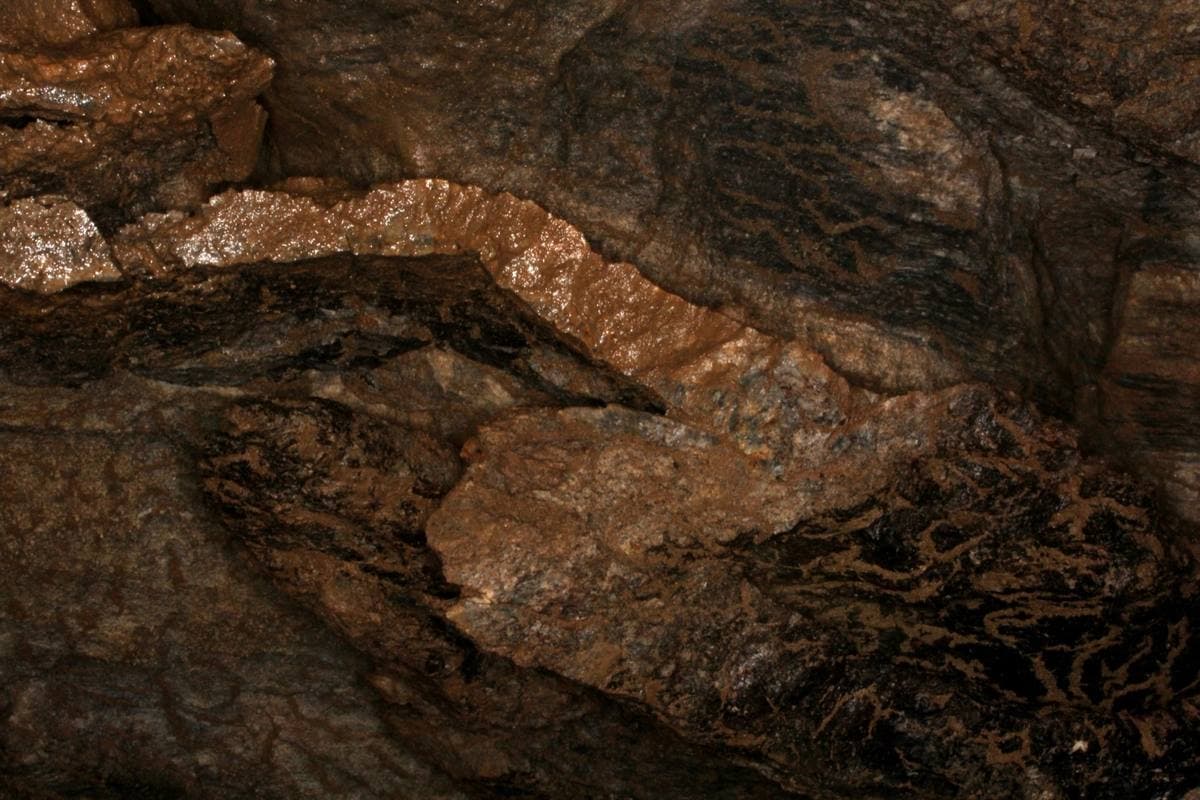
How to tell apart: Chert is opaque all the way through. Hold both to the sun: the agate passes light through its edges, the chert does not.
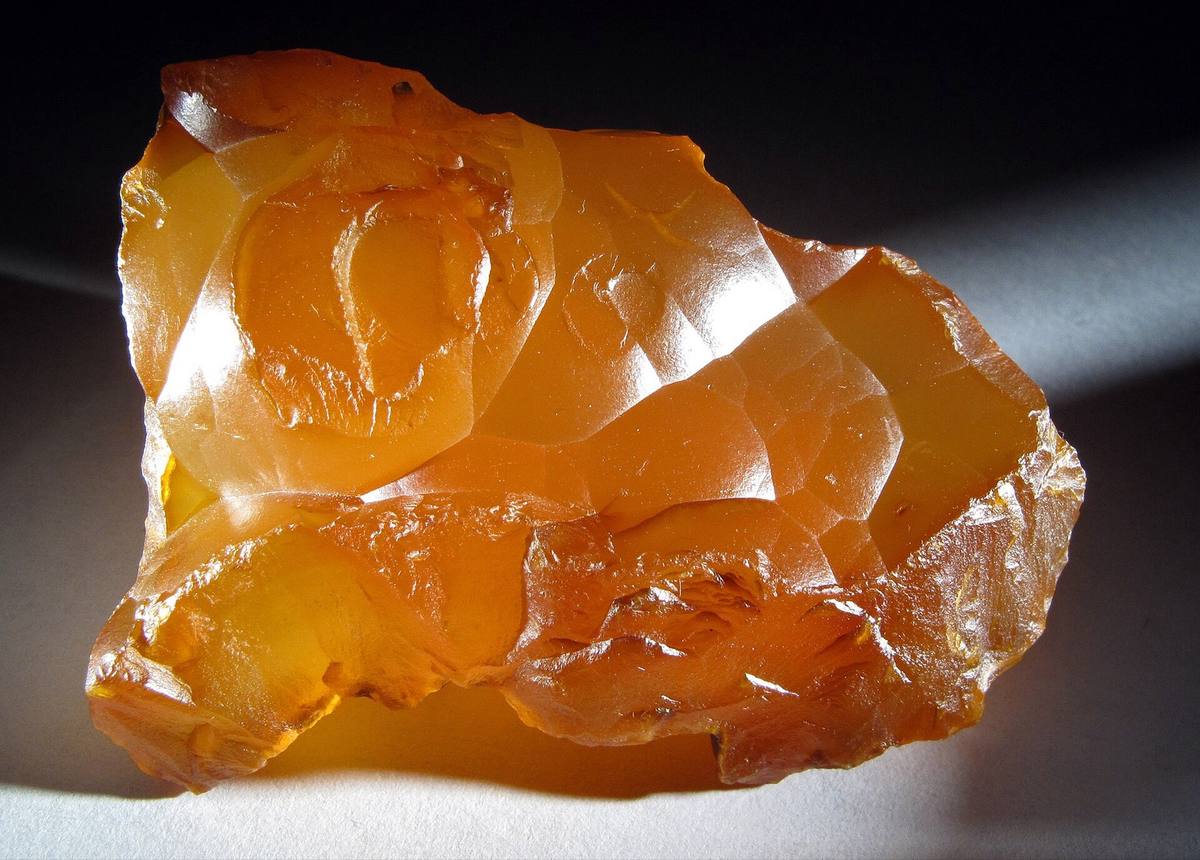
How to tell apart: Carnelian is one even orange throughout. Lake Superior agate is banded, even if the banding only shows on a chipped face.
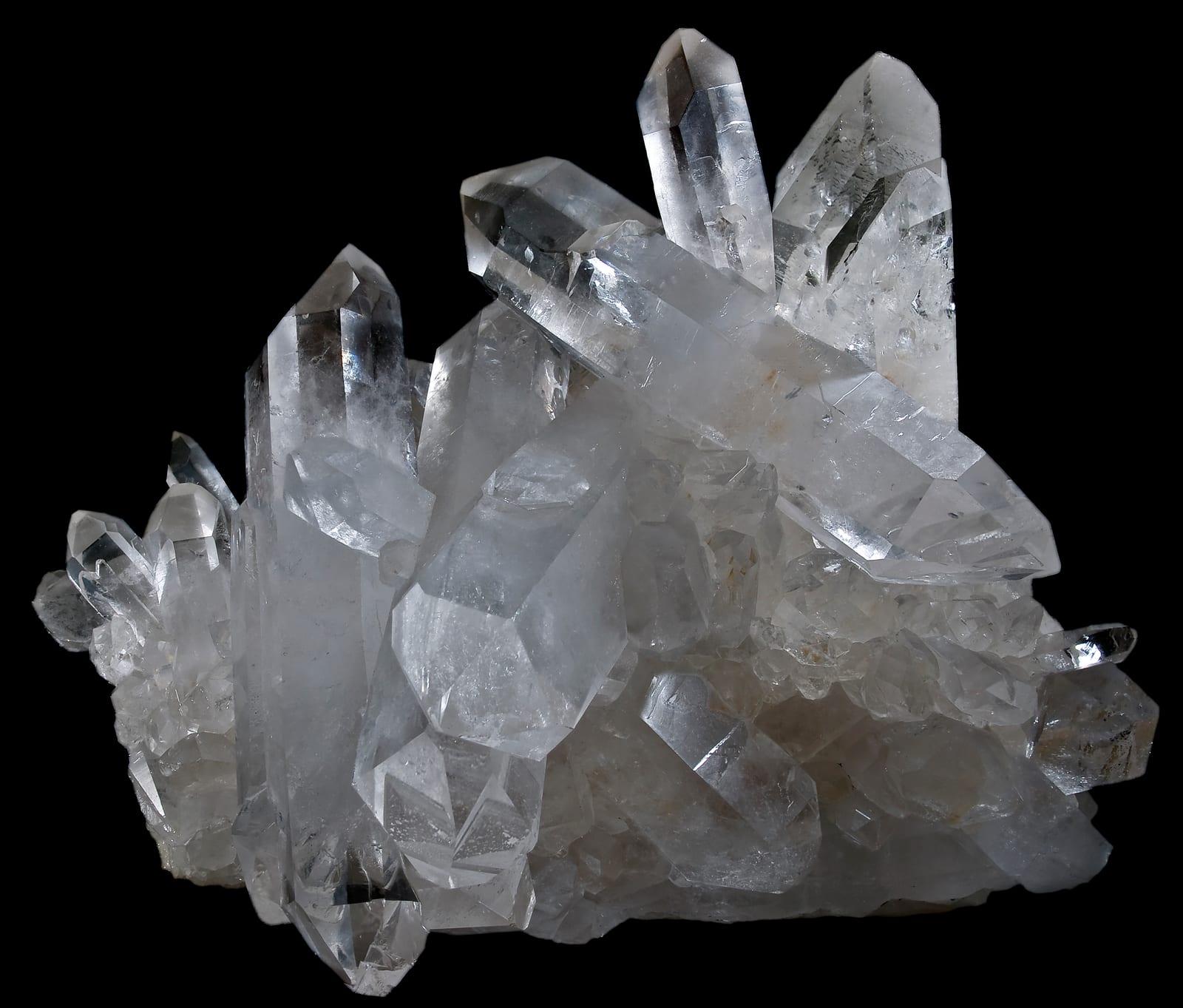
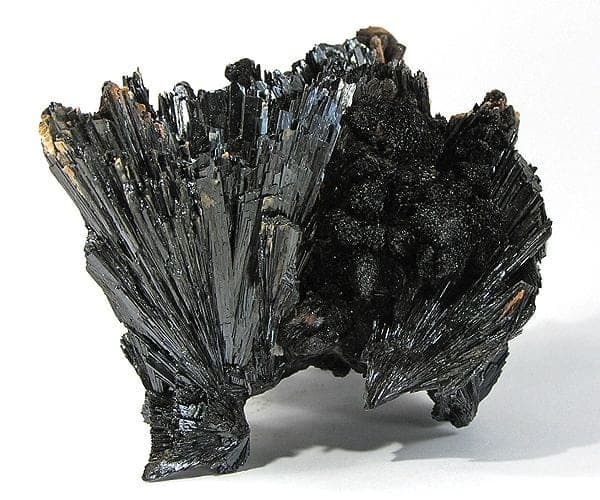
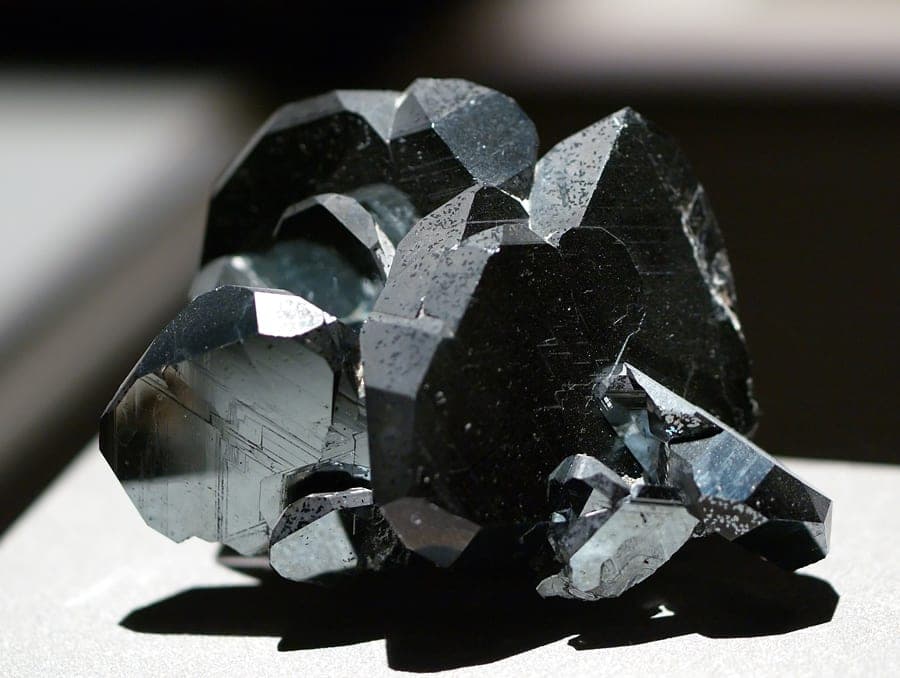
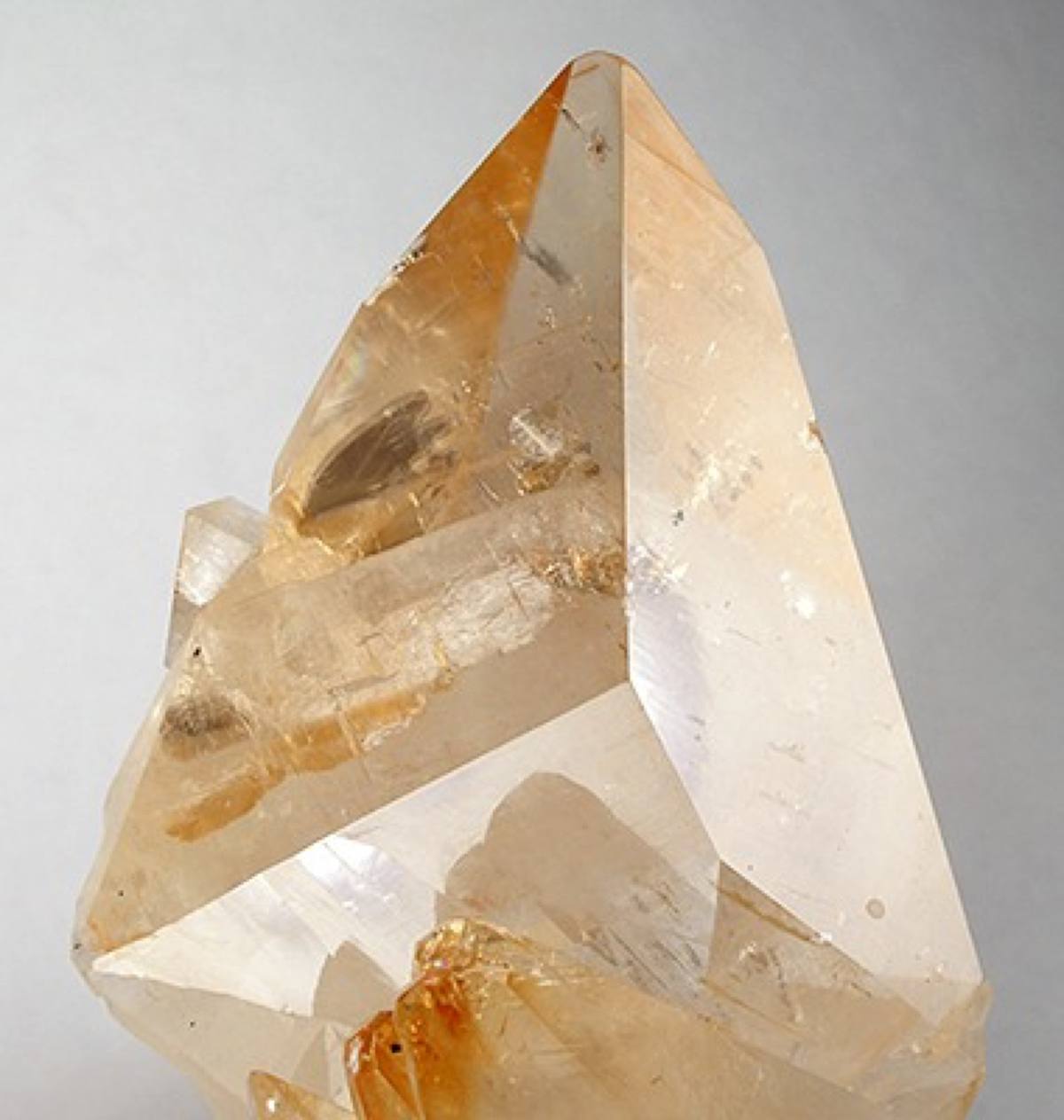
Often found alongside lake superior agate
Minerals reported to co-occur with lake superior agate. Spotting these in float or country rock is a strong cue you are in the right ground.
All properties
- Chemical formula
- SiO₂
- Mohs hardness
- 6.5-7
- Density
- 2.6-2.7 g/cm³
- Streak
- White
- Luster
- Vitreous
- Transparency
- Translucent
- Crystal system
- Trigonal
- Crystal habit
- Banded nodules
- Cleavage
- None
- Rarity
- Common
- Uses
- Lapidary, Collector, Decorative
- Host rock
- glacial drift and basaltic lava flows
Where rockhounds find lake superior agate
87 mapped spotsClassic worldwide localities
- Minnesota
- Wisconsin
- Michigan
- Ontario
- Lake Superior region
U.S. states with lake superior agate
Each link opens a state-specific list of mapped rockhounding spots that produce lake superior agate.
Field-hunting tip
Where it forms: glacial drift and basaltic lava flows. If you start seeing quartz, goethite, hematite in float, you are in the right ground. Typical habit: banded nodules. Train your eye for that shape before scanning the outcrop. In the U.S., the densest reported localities are in Minnesota, Michigan, Wisconsin. Start trip planning there.
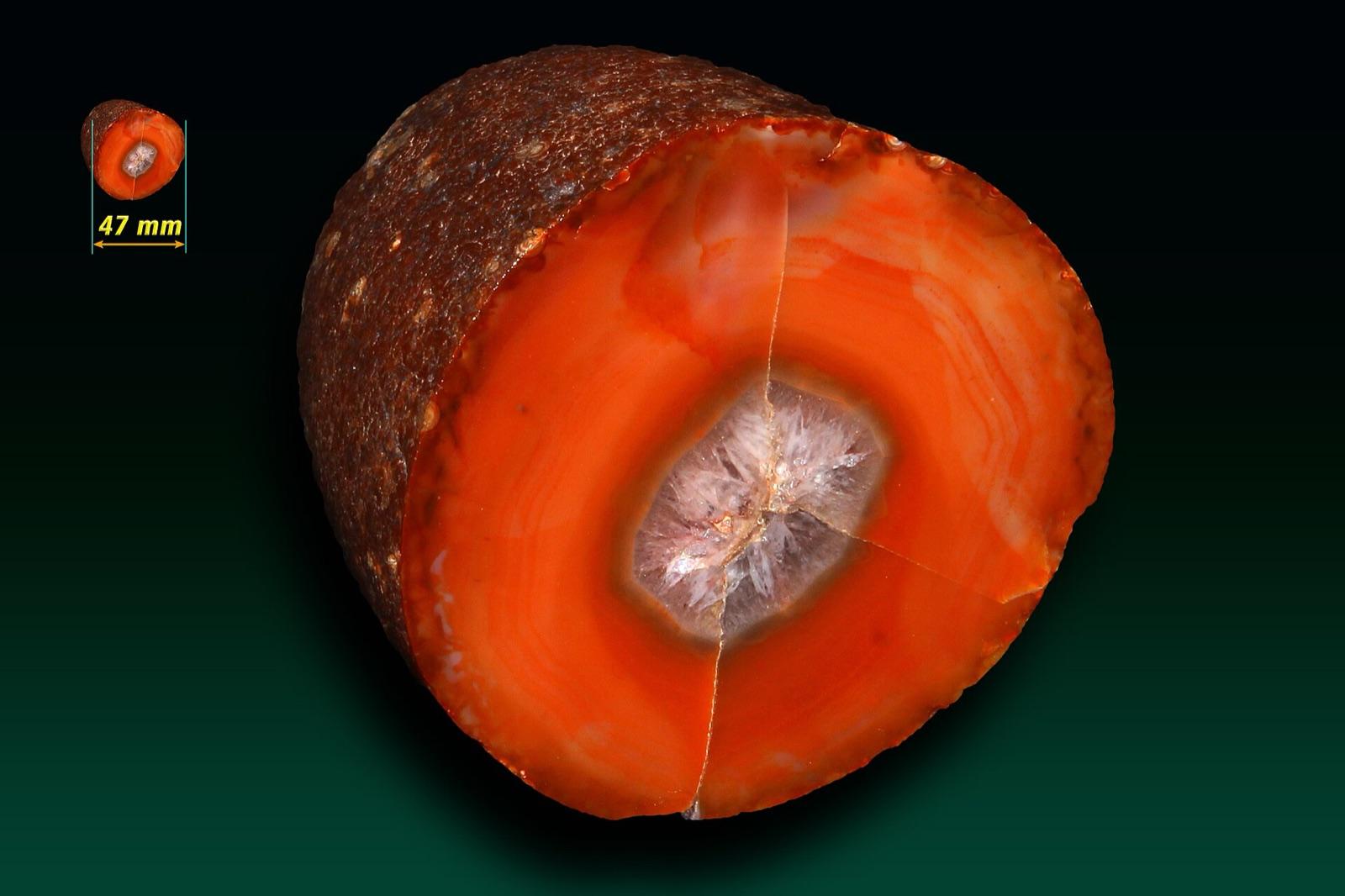
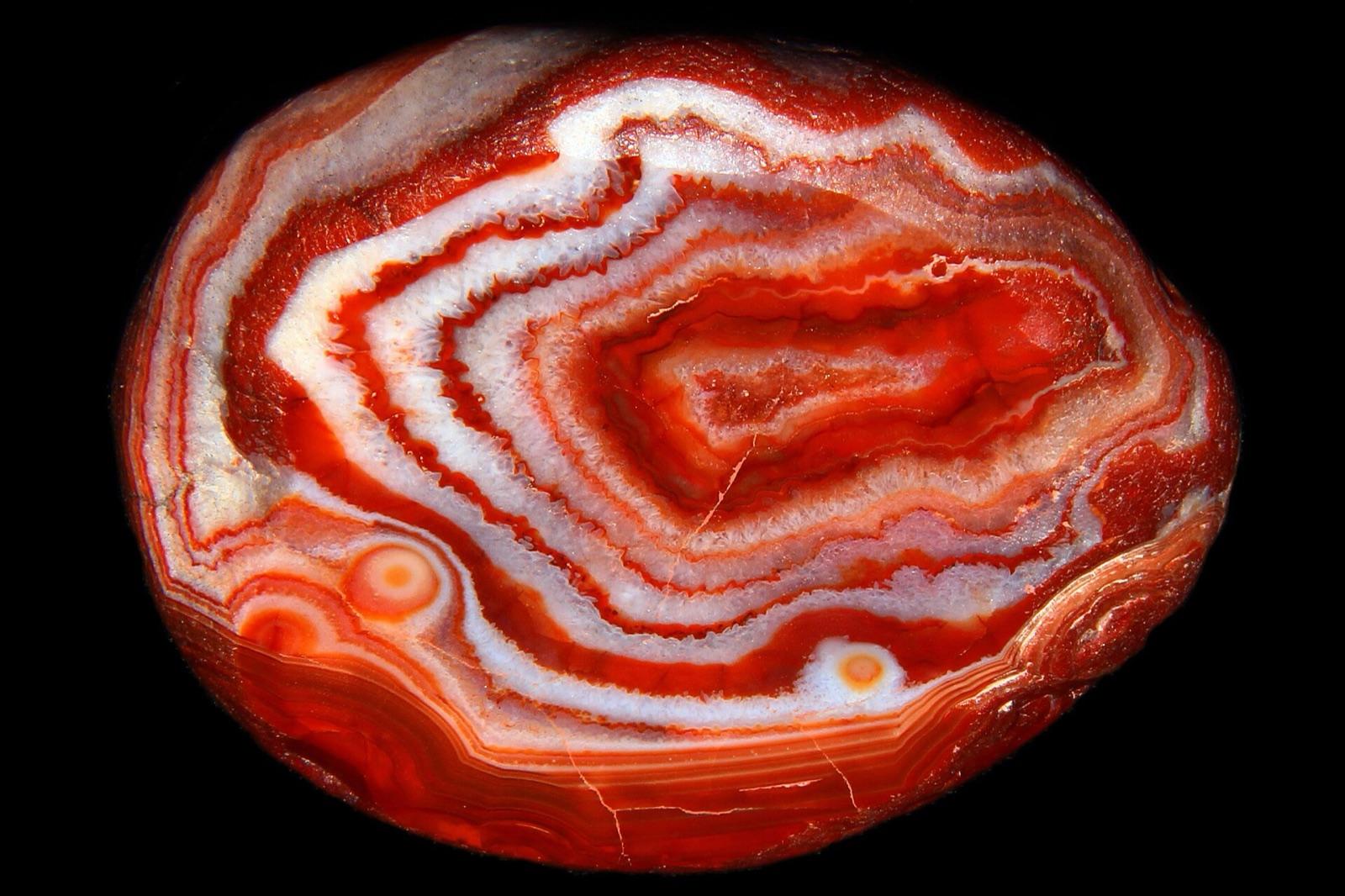
More lake superior agate photos
Common questions
How do you identify lake superior agate?+
Where is lake superior agate found?+
Can I find lake superior agate in the United States?+
What rocks look like lake superior agate?+
What minerals are found with lake superior agate?+
What kind of rock does lake superior agate form in?+
What is lake superior agate used for?+
Find lake superior agate on the map
RockHoundR shows mapped rockhounding spots, access rules, and lets you log every find.