
Fish fossils are the mineralized remains or impressions of prehistoric fish preserved in sedimentary rock. They often appear as flattened skeletons in limestone or shale, with delicate fin details visible, and are highly prized by collectors for their anatomical detail and evolutionary significance.
Spotting fish fossil in the field
Field marks- 1
Complete articulated skeleton lying flat on a pale limestone slab
- 2
Fine detail: individual fin rays, vertebrae and scales visible
- 3
Slabs split cleanly along the bedding, exposing the fish in relief
The Green River Formation around Kemmerer in Wyoming is the reason most people ever hold one of these, and the practical route is one of the commercial quarries that lets you split rock for a day rate. The technique is patience: work a bedding plane with a wide chisel, take off thin sheets, and check every face. Common species like Knightia turn up regularly; a good Diplomystus or Phareodus is a real day. The soft limestone is easy to split and easy to ruin, so go slowly at the edges.
Before you collect
The Wyoming fee quarries operate under conditions that reserve rare species. Common fish you keep; gar, stingrays and unusual specimens generally must be surrendered to the quarry. Know a given quarry's rules before you split rock, because this catches visitors out regularly.
Straight answers
- Is it worth cutting?
- Not cut. Slabs are trimmed and the fish is prepared with fine tools, then usually mounted for wall display.
- What is it really worth?
- Common Knightia are inexpensive and sold everywhere. Large, rare or multi-fish plates, and anything unusual, are far more valuable.
- Can you legally keep it?
- Vertebrate fossils, so collecting on federal land requires a permit and is not available to hobbyists. The Wyoming quarries are private or leased operations, which is what makes them legal. Fossil Butte National Monument is closed to collecting.
Where it is worth going
- Green River Formation quarriesNear Kemmerer, Lincoln County, Wyoming
Several commercial dig-your-own quarries. Day rate, tools provided, keep the common species.
Often confused with
Fish Fossil vs. its common look-alikes, and how to tell them apart in the field.
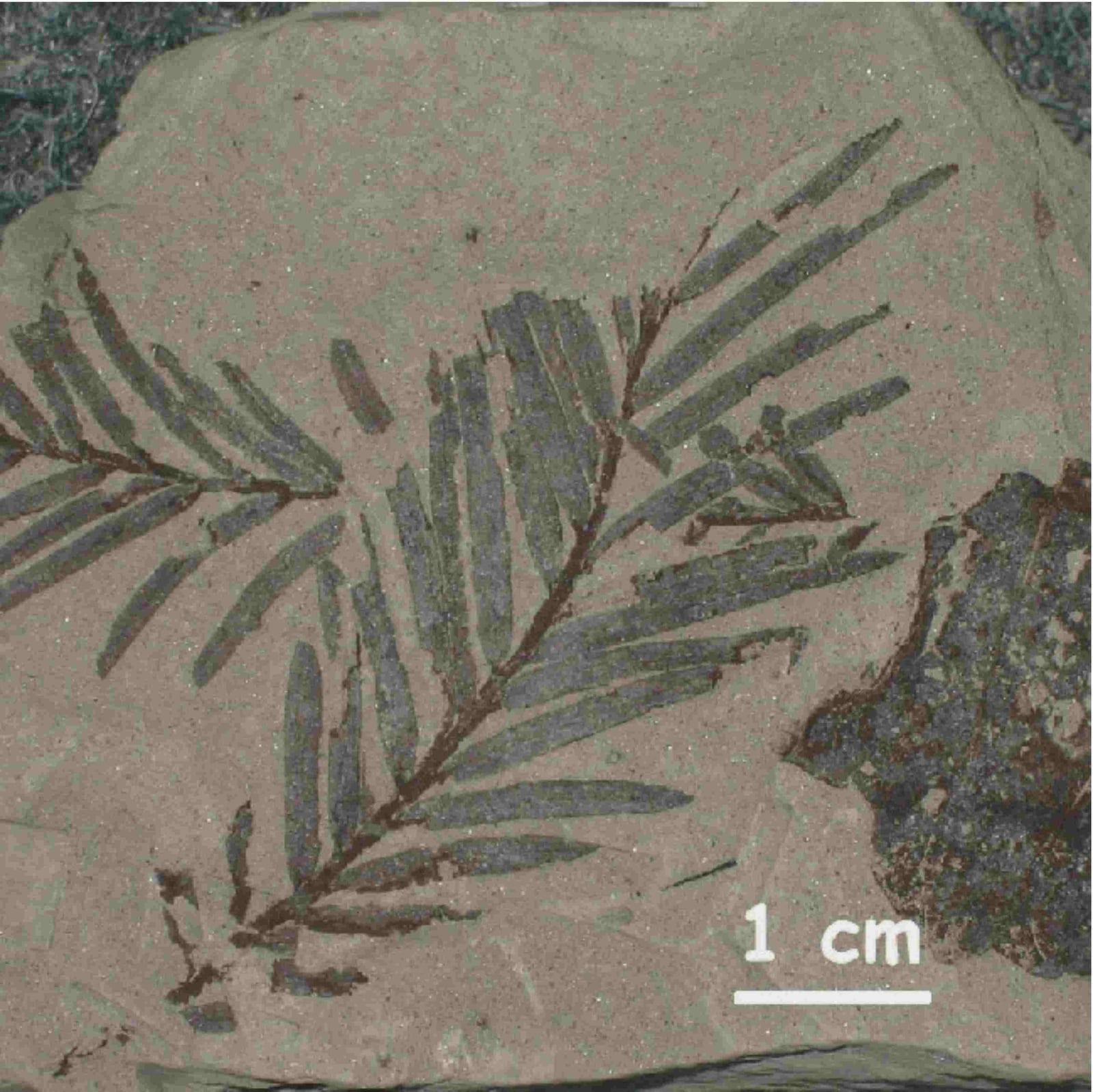
Often found alongside fish fossil
Minerals reported to co-occur with fish fossil. Spotting these in float or country rock is a strong cue you are in the right ground.
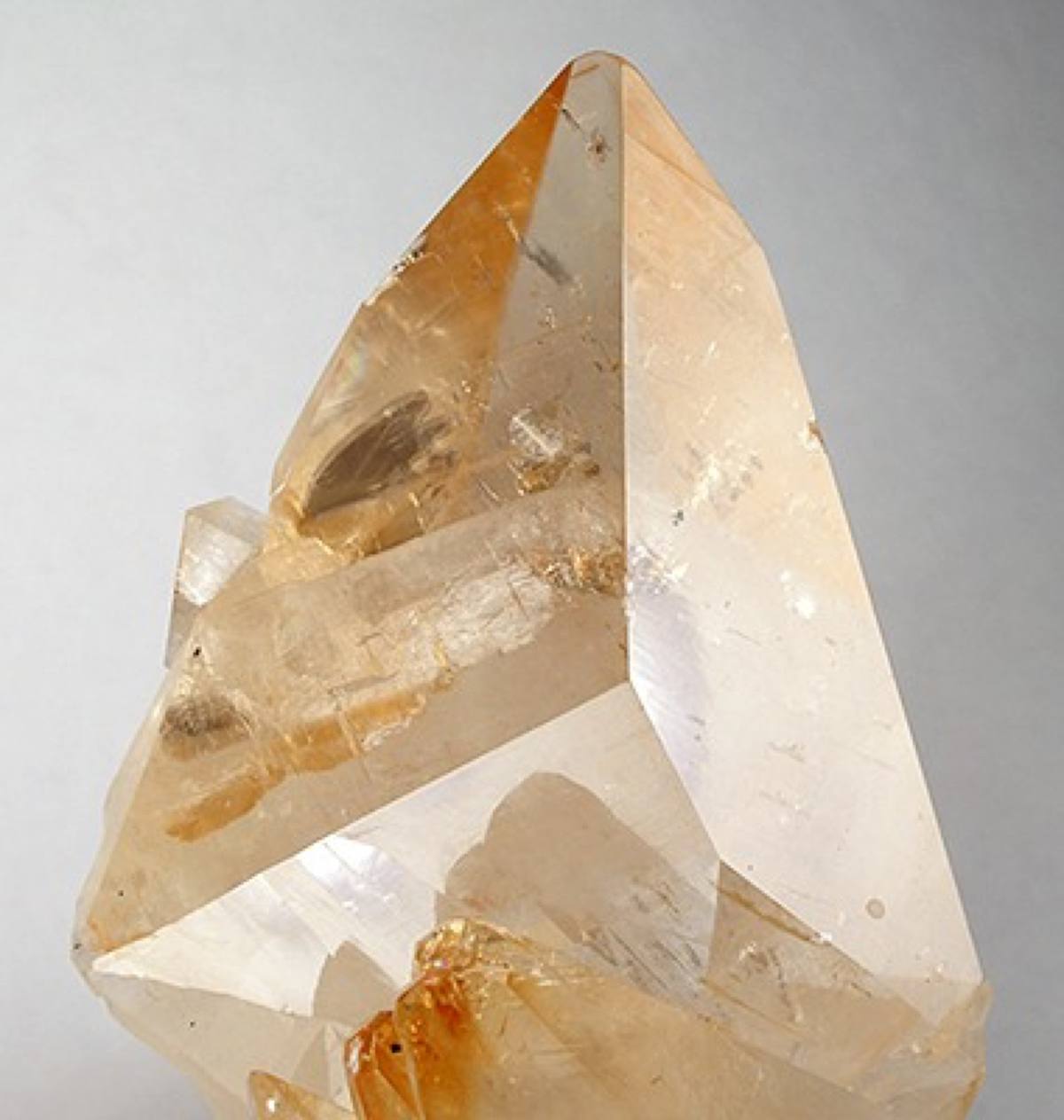
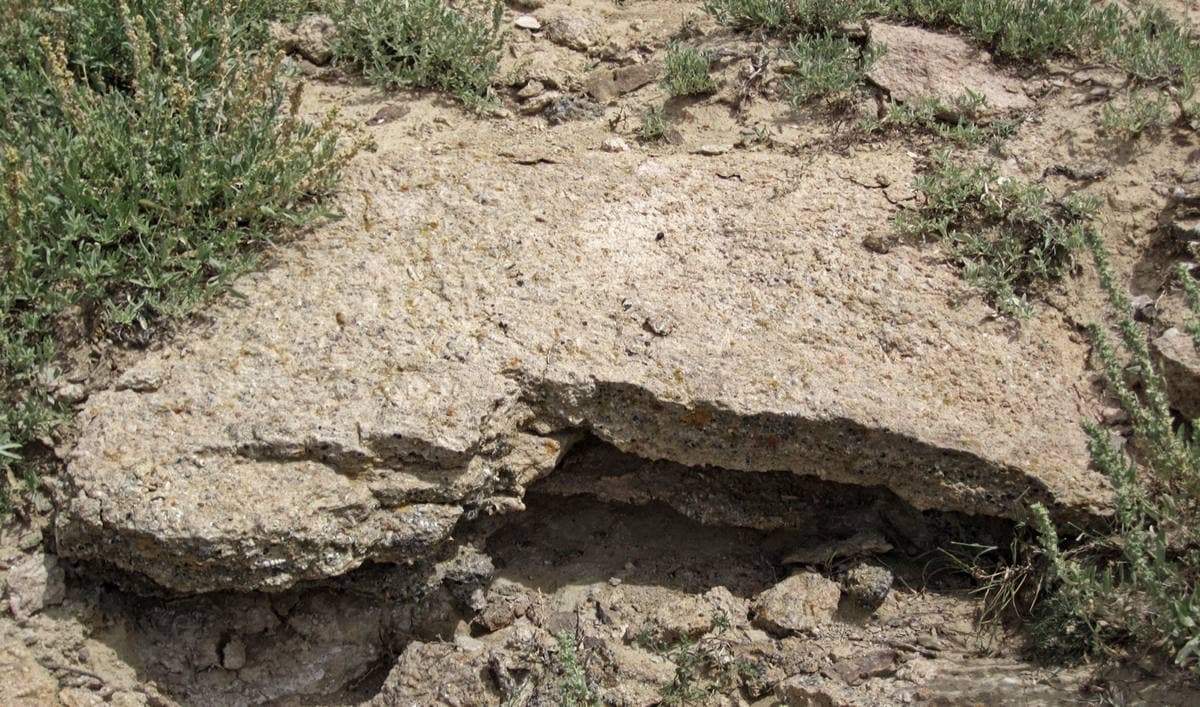
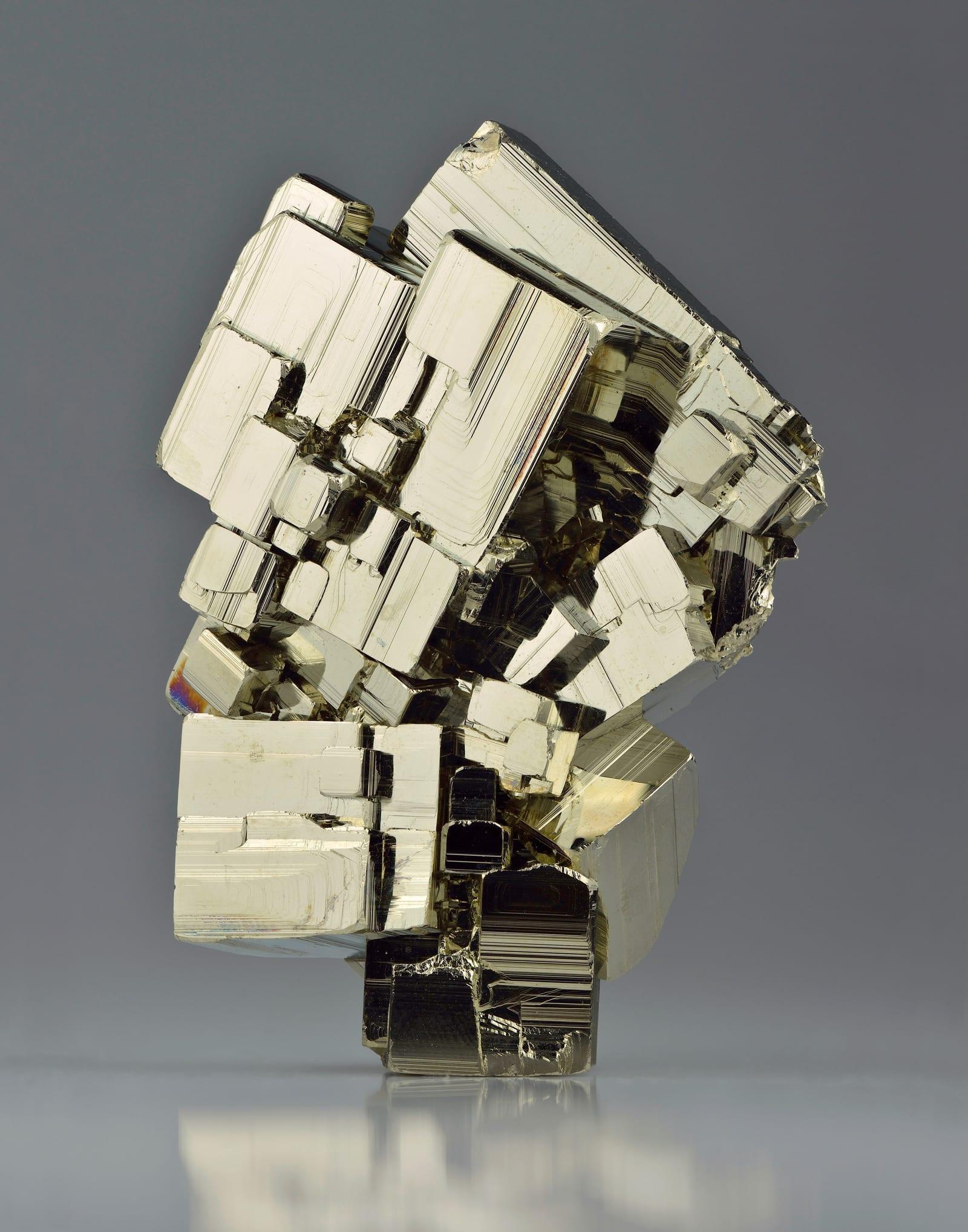
All properties
- Mohs hardness
- 3-5
- Density
- 2.0-2.8 g/cm³
- Luster
- Dull
- Transparency
- Opaque
- Rarity
- Common
- Uses
- Collector, Decorative
- Host rock
- sedimentary rock
- Organism
- Fish
- Age
- Cambrian onward; Green River Formation fish are Eocene (53.5 to 48.5 million years ago)
- Preservation
- Green River Formation: whole articulated fossils in fine lake sediment
Where rockhounds find fish fossil
Classic worldwide localities
- Green River Formation, USA
- Solnhofen Limestone, Germany
- Santana Formation, Brazil
- Lebanon
- England
Field-hunting tip
Where it forms: sedimentary rock. If you start seeing calcite, limestone, pyrite in float, you are in the right ground.
Common questions
How do you identify fish fossil?+
Where is fish fossil found?+
What rocks look like fish fossil?+
What minerals are found with fish fossil?+
What kind of rock does fish fossil form in?+
What is fish fossil used for?+
Find fish fossil on the map
RockHoundR shows mapped rockhounding spots, access rules, and lets you log every find.

