Fossil leaves are botanical remains preserved in sedimentary rock through carbonization or impressions. Collectors look for high-contrast specimens in fine-grained shale where venation and margins are clearly defined.
Spotting fossil leaf in the field
Field marks- 1
Dark carbon film or clear impression of a leaf on fine-grained rock
- 2
Orderly venation: a midrib with branching secondary veins
- 3
Usually on shale or fine siltstone that splits along the bedding
Leaf fossils split out of fine-grained sediment the same way fish do, and the same slow-chisel technique applies. Look in lake and floodplain deposits, coal-measure shales and volcanic ash beds. The venation is what separates a real leaf from the mineral dendrites that fool people constantly, so bring a hand lens and check for a midrib with orderly secondary veins branching off it. Freshly split carbon films can flake, so a light consolidant is worth carrying if you find good material.
Straight answers
- Is it worth cutting?
- Not cut. Split, trimmed, and stabilized if the carbon film is fragile.
- What is it really worth?
- Low for common species. Complete, well-centered leaves with sharp venation, and anything from a famous locality, are worth more.
- Can you legally keep it?
- Plant fossils are treated like invertebrates: reasonable personal-use collecting is allowed on BLM and Forest Service land without a permit, and the material may not be sold. Florissant Fossil Beds National Monument is closed, though private fee digs operate nearby.
Often confused with
Fossil Leaf vs. its common look-alikes, and how to tell them apart in the field.
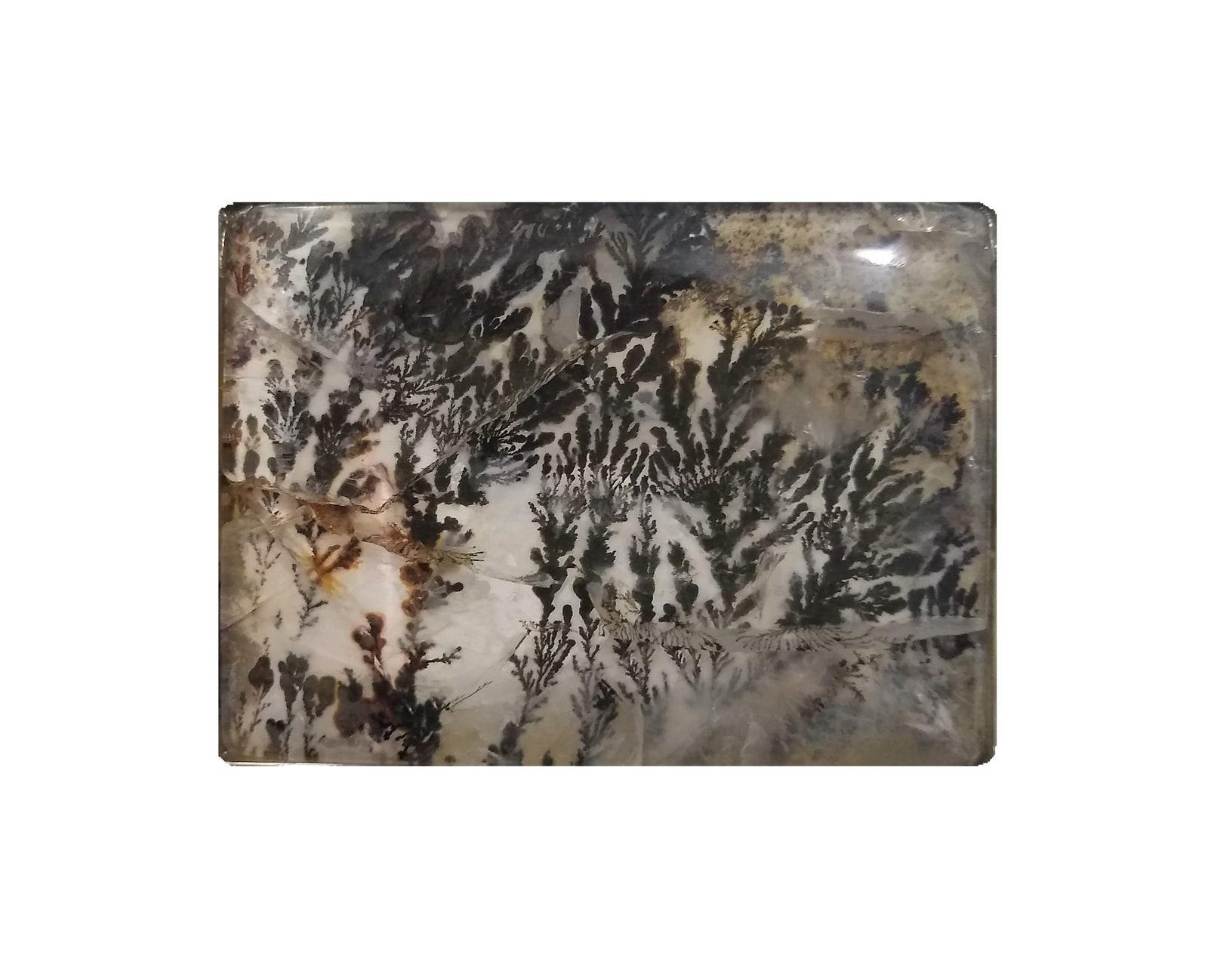
Often found alongside fossil leaf
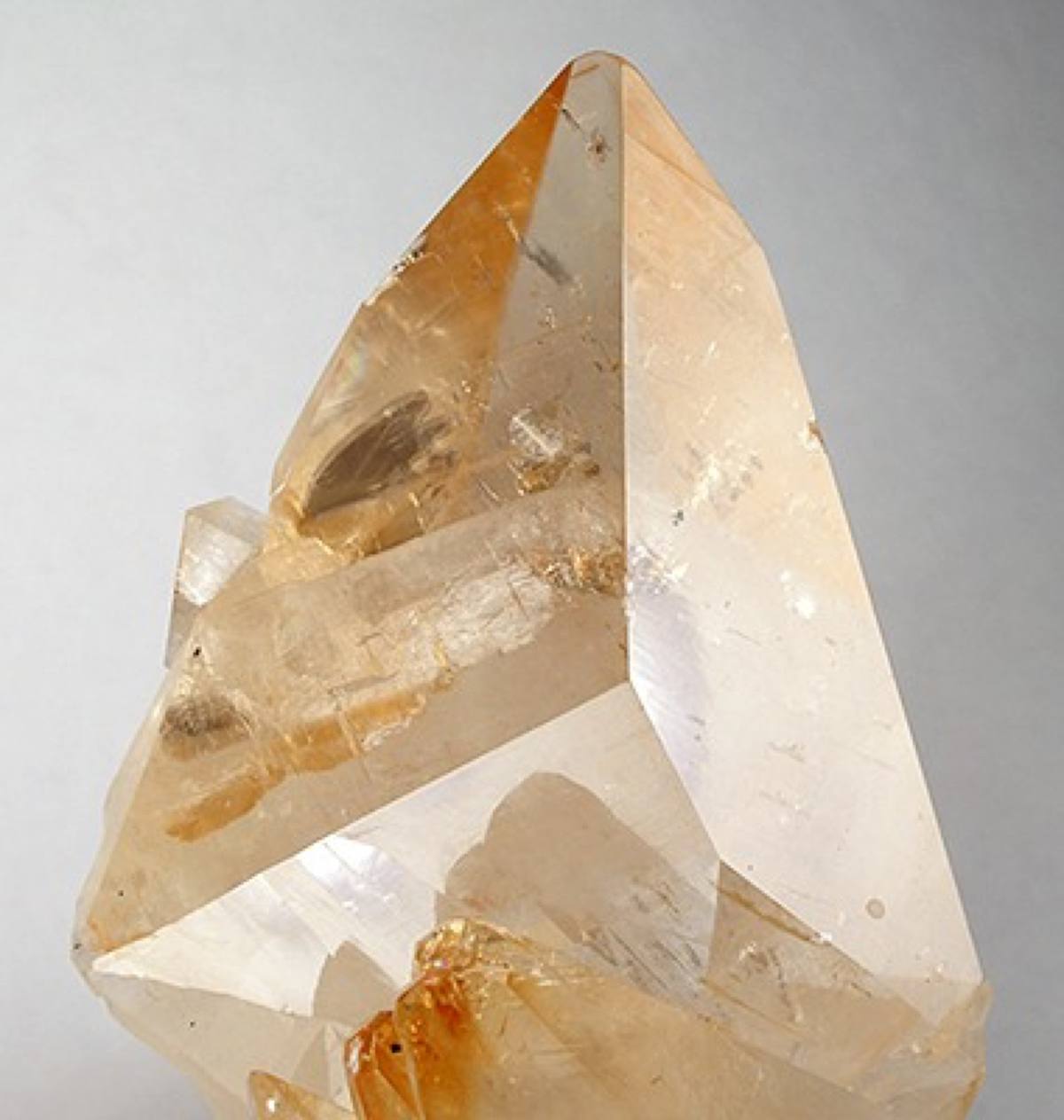
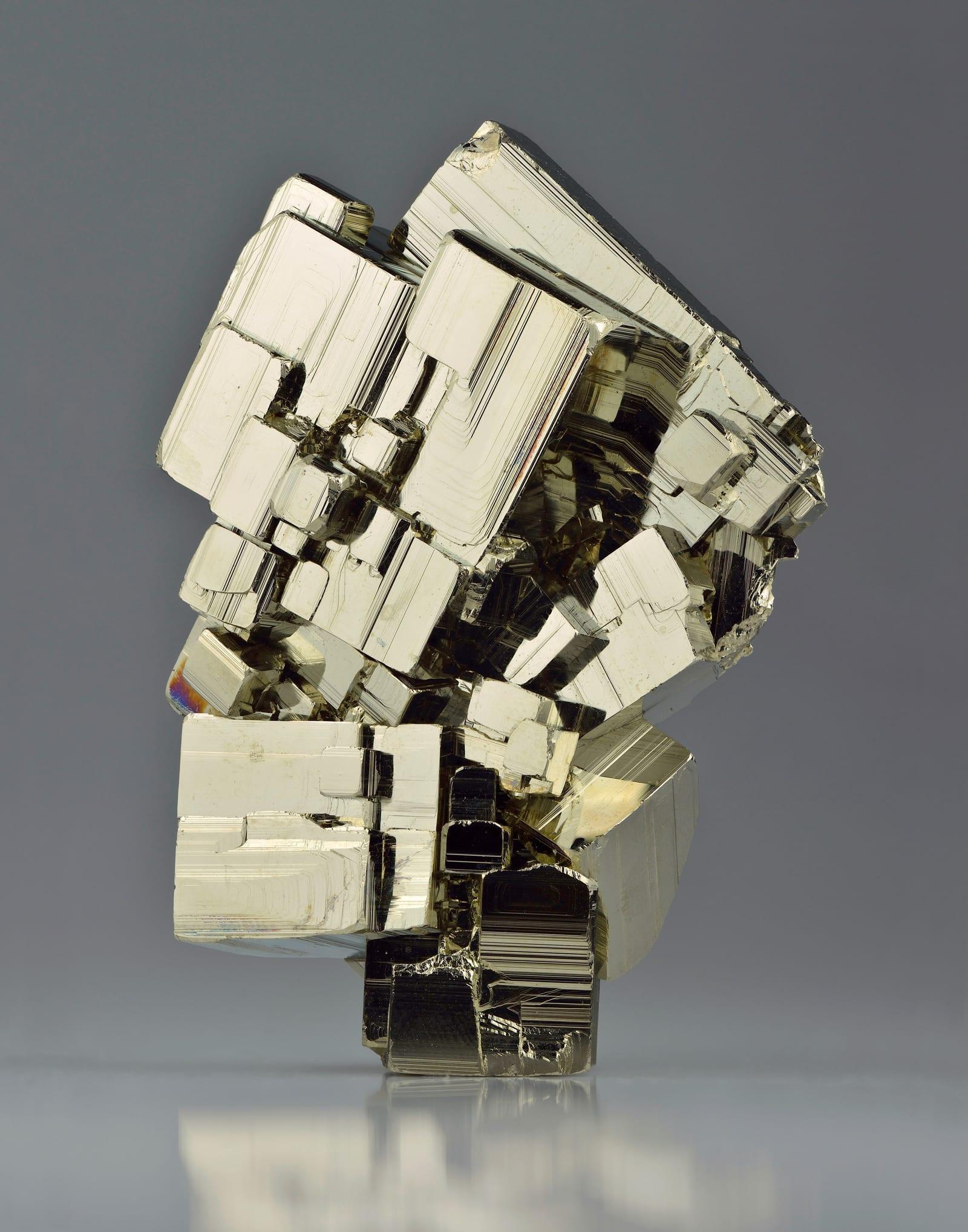
Minerals reported to co-occur with fossil leaf. Spotting these in float or country rock is a strong cue you are in the right ground.
All properties
- Mohs hardness
- 2-4
- Density
- 2.0-2.5 g/cm³
- Luster
- Dull
- Transparency
- Opaque
- Rarity
- Common
- Uses
- Collector, Decorative, Scientific
- Host rock
- shale
- Organism
- Plants
Where rockhounds find fossil leaf
Classic worldwide localities
- Florissant, Colorado, USA
- Green River Formation, USA
- Messel Pit, Germany
- Hokkaido, Japan
Field-hunting tip
Where it forms: shale. If you start seeing calcite, clay minerals, pyrite in float, you are in the right ground.
Common questions
How do you identify fossil leaf?+
Where is fossil leaf found?+
What rocks look like fossil leaf?+
What minerals are found with fossil leaf?+
What kind of rock does fossil leaf form in?+
What is fossil leaf used for?+
Find fossil leaf on the map
RockHoundR shows mapped rockhounding spots, access rules, and lets you log every find.