Fletcherite is a rare copper-nickel sulfide mineral member of the linnaeite group. It is primarily found in the Viburnum Trend of Missouri, often occurring as dark, metallic-lustered octahedrons associated with base-metal sulfides.
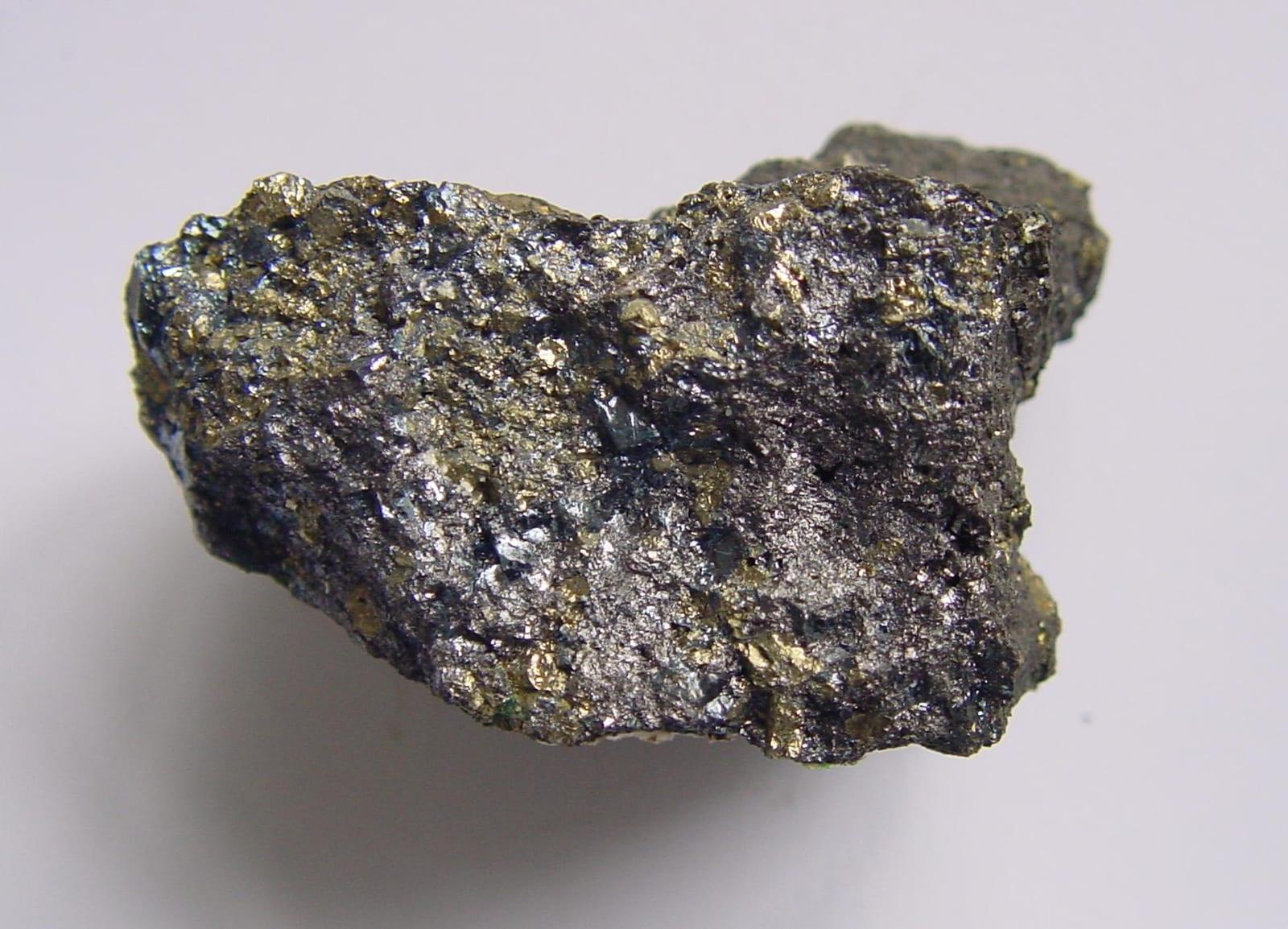
Is this fletcherite?
5-step field checkRun through these checks against the specimen in your hand. The more boxes tick, the more confident the ID.
- 1Test the hardnessTry to scratch fletcherite with a known reference. Fletcherite sits at Mohs 5, softer than the next harder reference, harder than the previous one.
- 2Check the streakDrag the specimen across an unglazed porcelain plate. Streak: black.
- 3Read the lusterHold the specimen under a strong light. Luster: metallic.
- 4Match the color rangeCompare against the expected color range: steel gray.
- 5Look at form & habitCrystal system: cubic. Typical habit: octahedral crystals, massive.
Often confused with
Fletcherite vs. its common look-alikes, and how to tell them apart in the field.
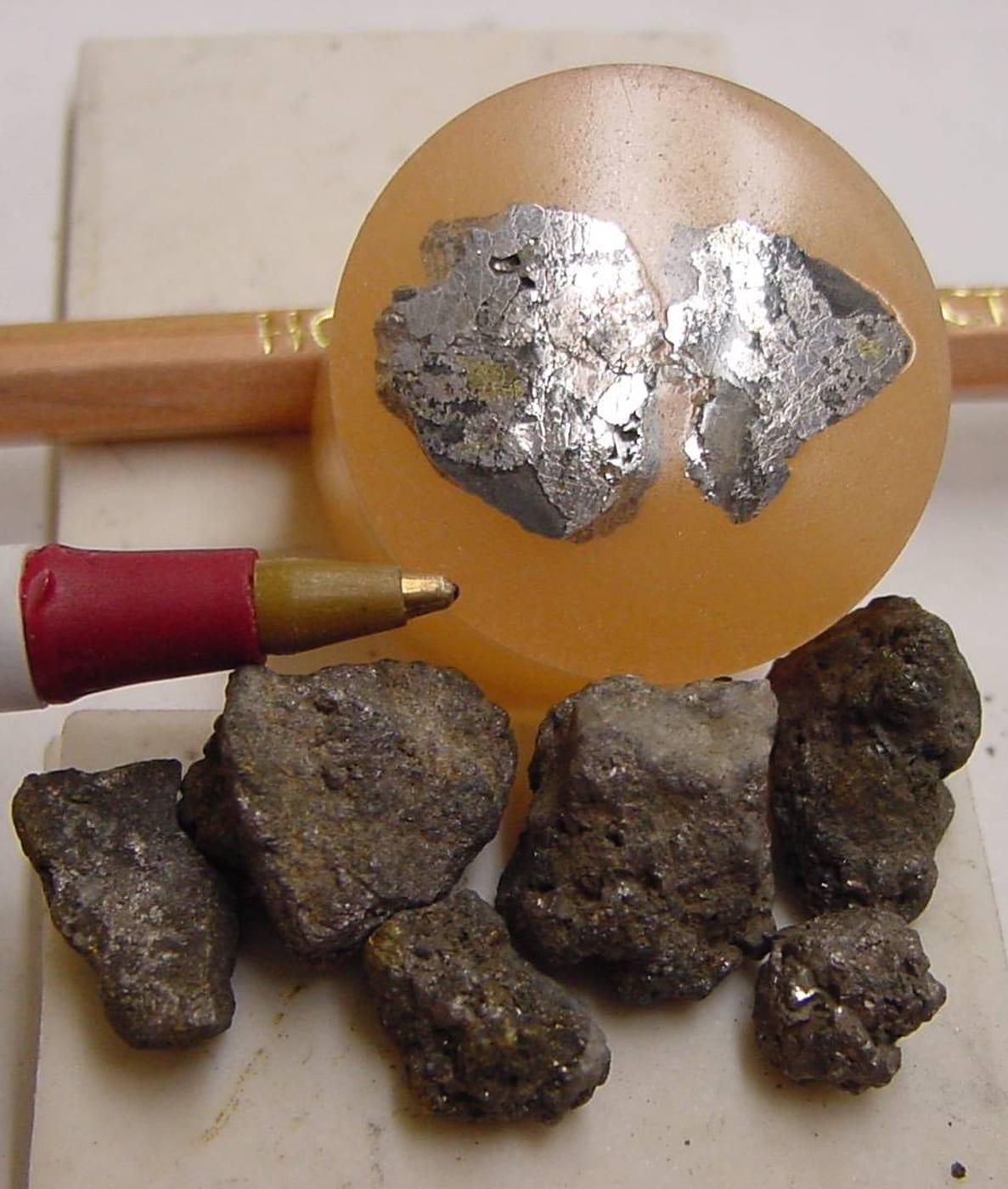
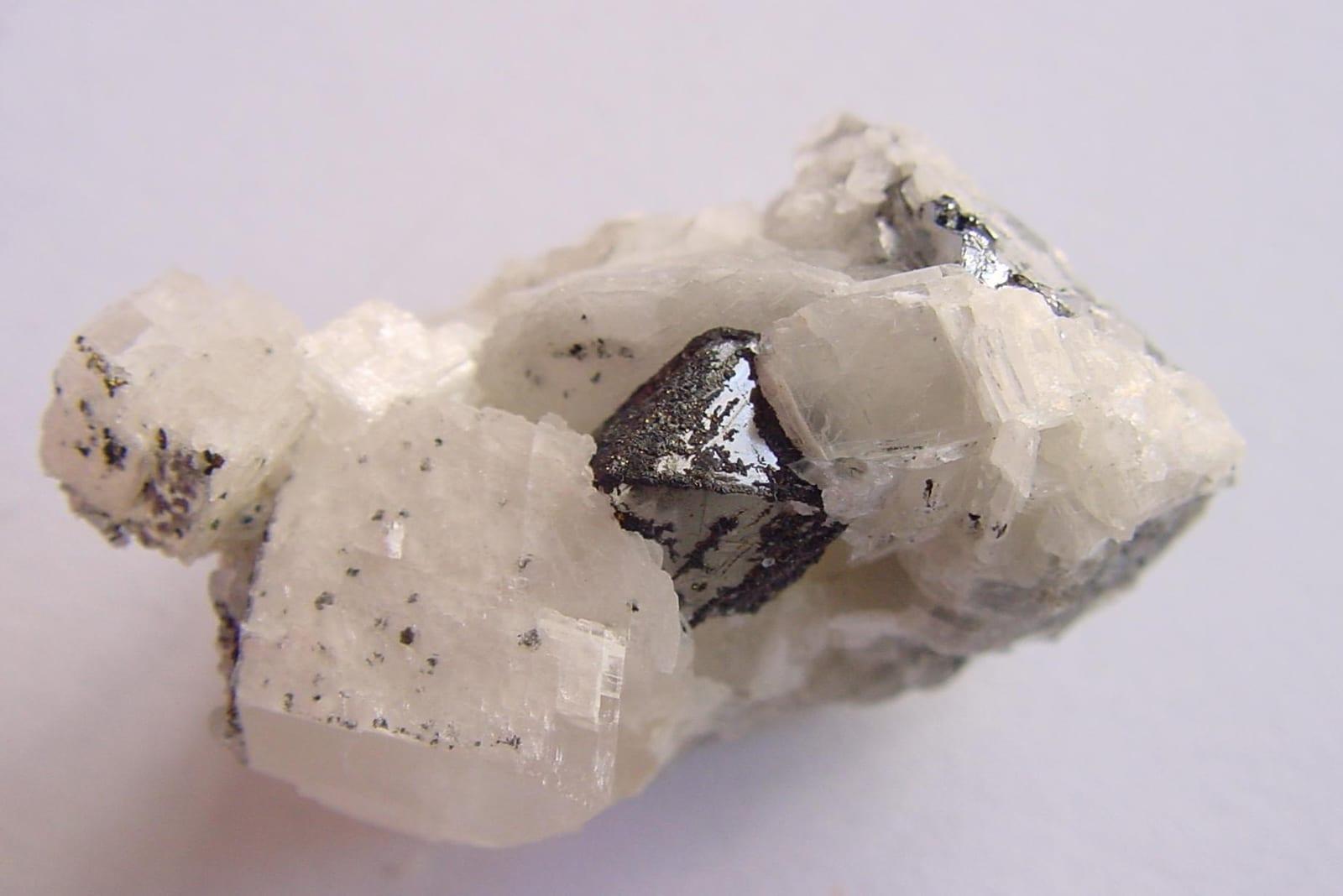
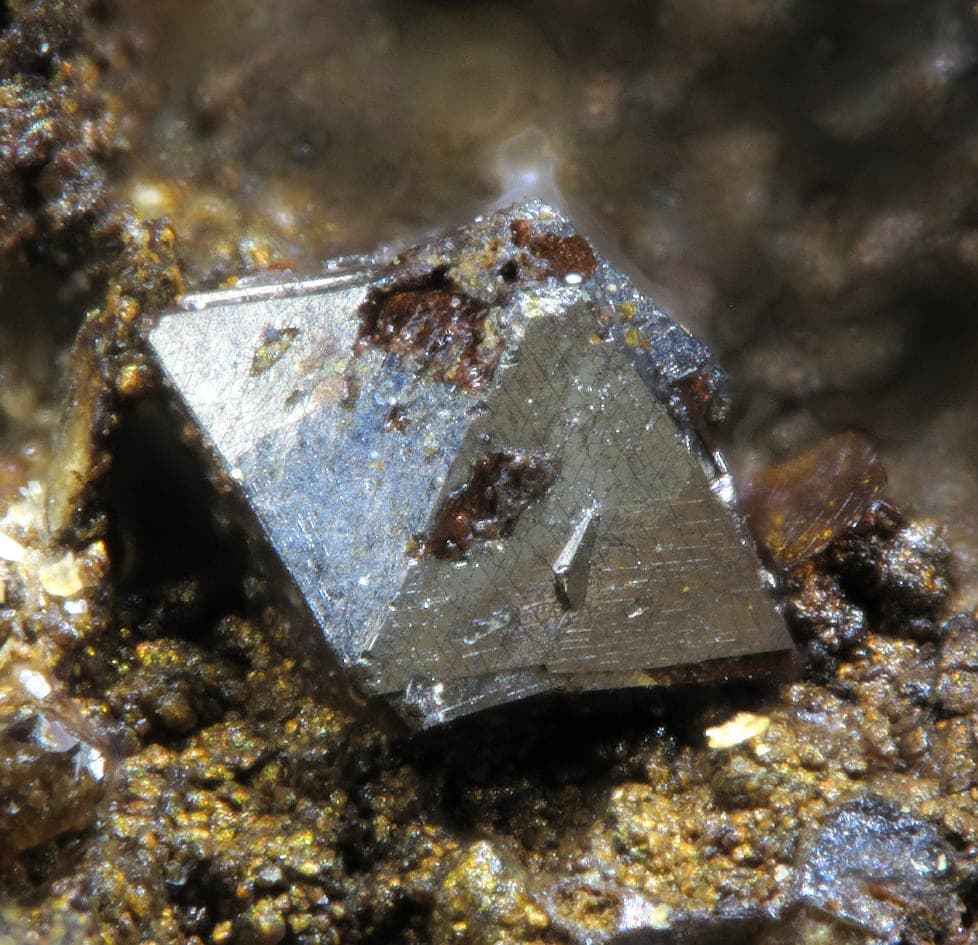
Often found alongside fletcherite
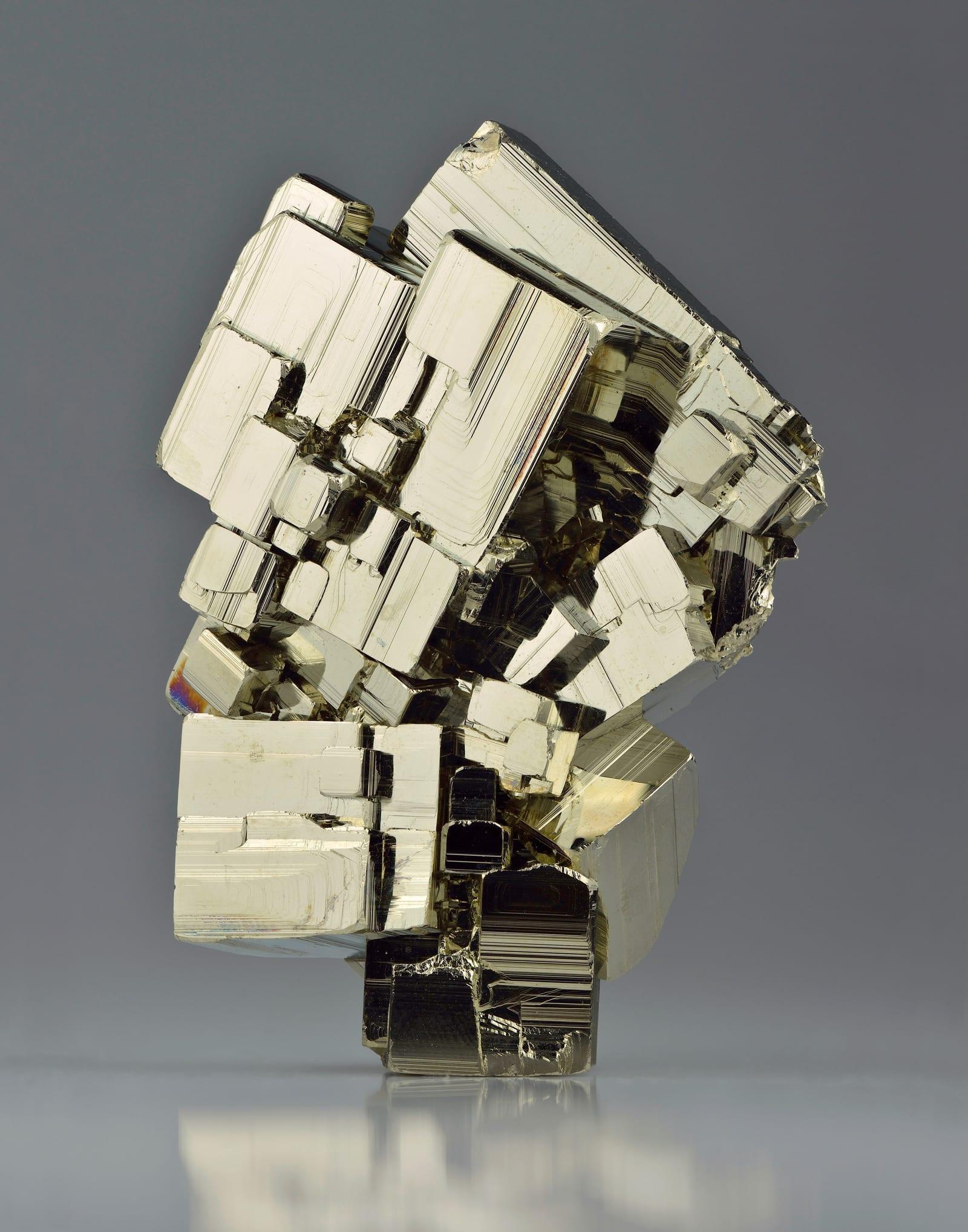
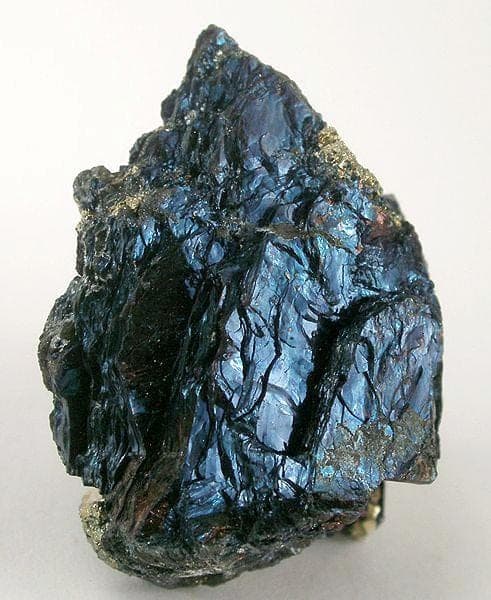
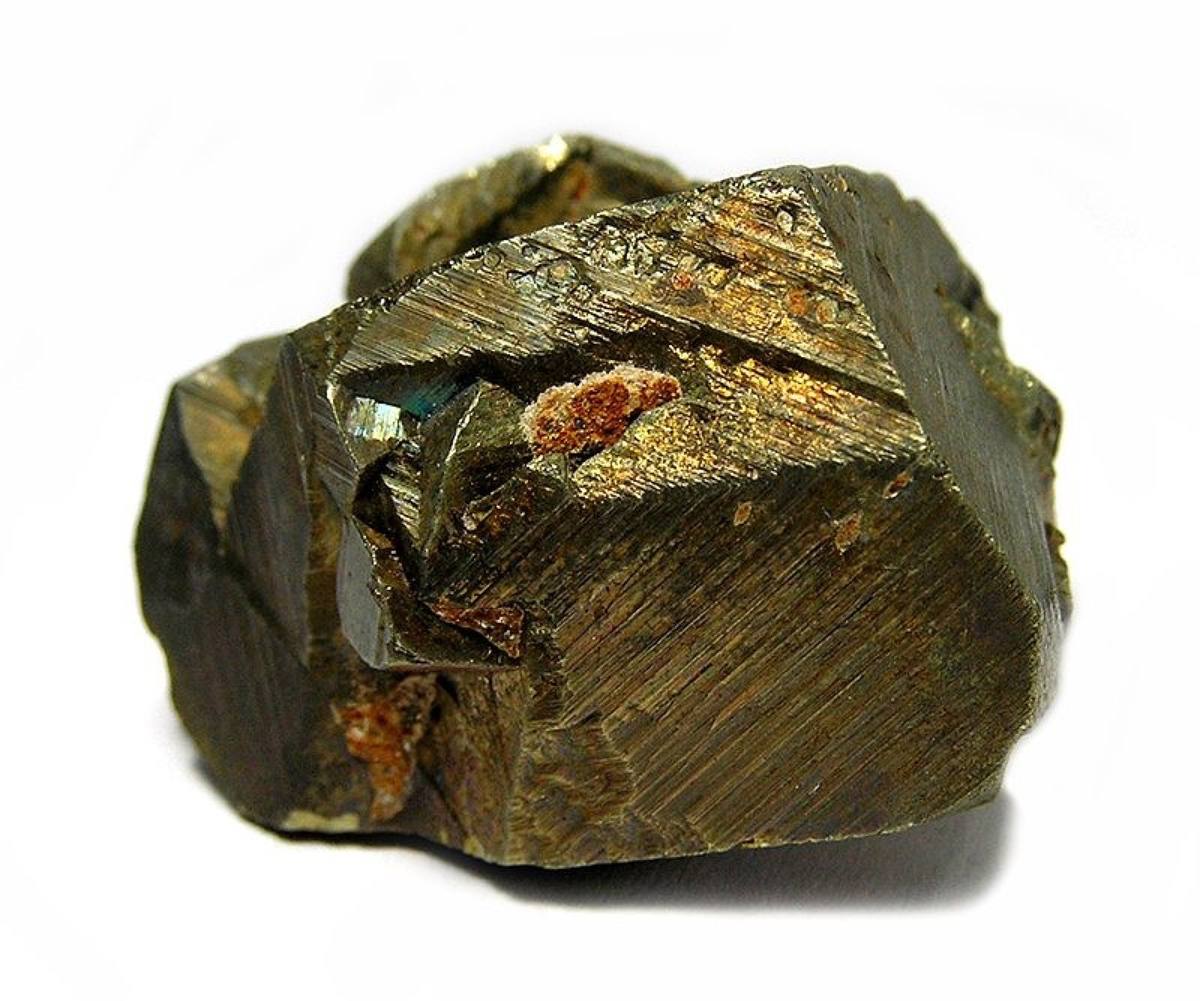
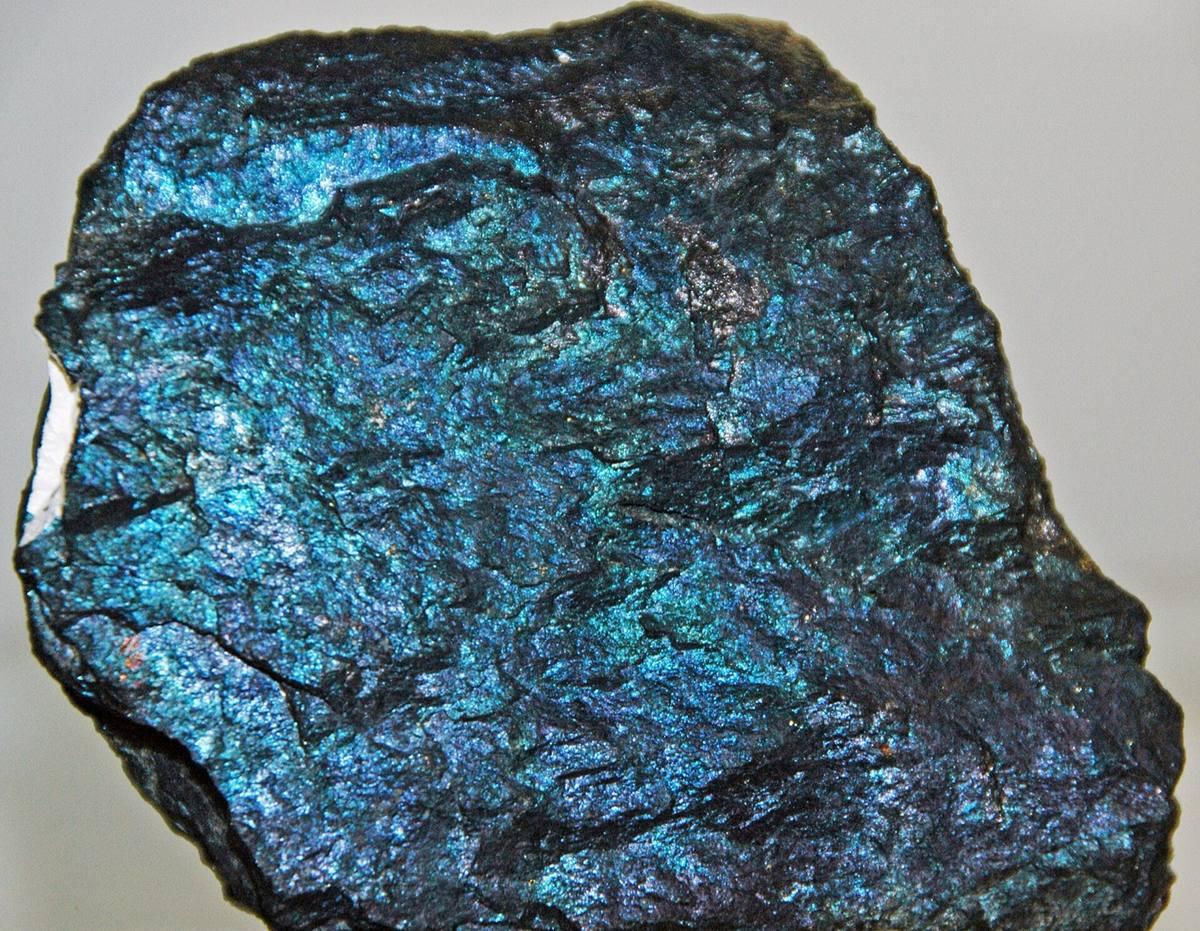
Minerals reported to co-occur with fletcherite. Spotting these in float or country rock is a strong cue you are in the right ground.
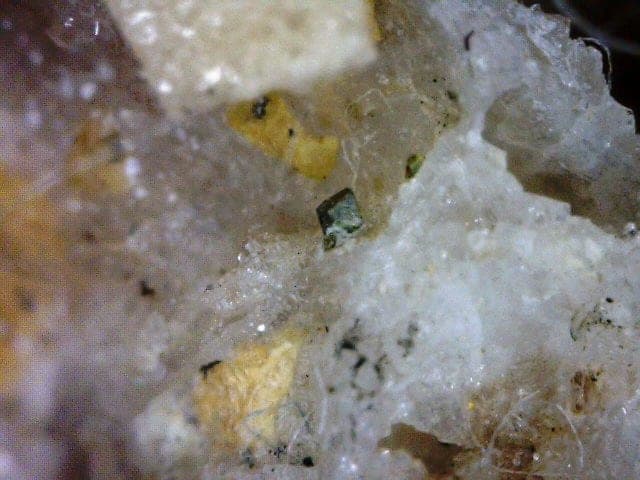
All properties
- Chemical formula
- CuNi₂S₄
- Mohs hardness
- 5
- Density
- 4.76 g/cm³
- Colors
- Streak
- Black
- Luster
- Metallic
- Transparency
- Opaque
- Crystal system
- Cubic
- Crystal habit
- Octahedral crystals, massive
- Cleavage
- None
- Rarity
- Rare
- Uses
- Collector, Research
- Host rock
- Disseminated in copper sulfides, in copper-rich pods replacing dolostone (Fletcher mine, Missouri, USA); in black slates (Kalgoorlie, Australia)
Where rockhounds find fletcherite
Classic worldwide localities
- Fletcher mine, Reynolds Co., Missouri (type locality), and at the New Rambler Cu–Ni mine, Medicine Bow Mountains, east of Encampment, Albany Co., Wyoming, USA
- Băiţa (Rézbánya), Romania
- Rum Jungle, Alligator River district, Northern Territory, and from Kalgoorlie, Western Australia
Field-hunting tip
Where it forms: Disseminated in copper sulfides, in copper-rich pods replacing dolostone (Fletcher mine, Missouri, USA); in black slates (Kalgoorlie, Australia). If you start seeing vaesite, pyrite, covellite in float, you are in the right ground. Typical habit: octahedral crystals, massive. Train your eye for that shape before scanning the outcrop.
Common questions
How do you identify fletcherite?+
Where is fletcherite found?+
Is fletcherite safe to handle?+
What rocks look like fletcherite?+
What minerals are found with fletcherite?+
What kind of rock does fletcherite form in?+
What is fletcherite used for?+
Find fletcherite on the map
RockHoundR shows mapped rockhounding spots, access rules, and lets you log every find.