Fossilized shark teeth are biological remains that have been permineralized over millions of years, often preserving the serrated edges and enamel of the original tooth. They are commonly found in riverbeds, coastal sediments, and phosphate mines, appearing in colors ranging from tan to jet black depending on the minerals in the surrounding sediment.
Is this fossilized shark teeth?
5-step field checkRun through these checks against the specimen in your hand. The more boxes tick, the more confident the ID.
- 1Test the hardnessTry to scratch fossilized shark teeth with a known reference. Fossilized Shark Teeth sits at Mohs 3-5, softer than the next harder reference, harder than the previous one.
- 2Check the streakDrag the specimen across an unglazed porcelain plate. Fossilized Shark Teeth leaves a white streak.
- 3Read the lusterHold the specimen under a strong light. Fossilized Shark Teeth typically shows a dull to vitreous luster.
- 4Match the color rangeCompare against the expected color range: black, gray, brown, tan, cream.
- 5Look at form & habitTypical habit: triangular.
Often found alongside fossilized shark teeth
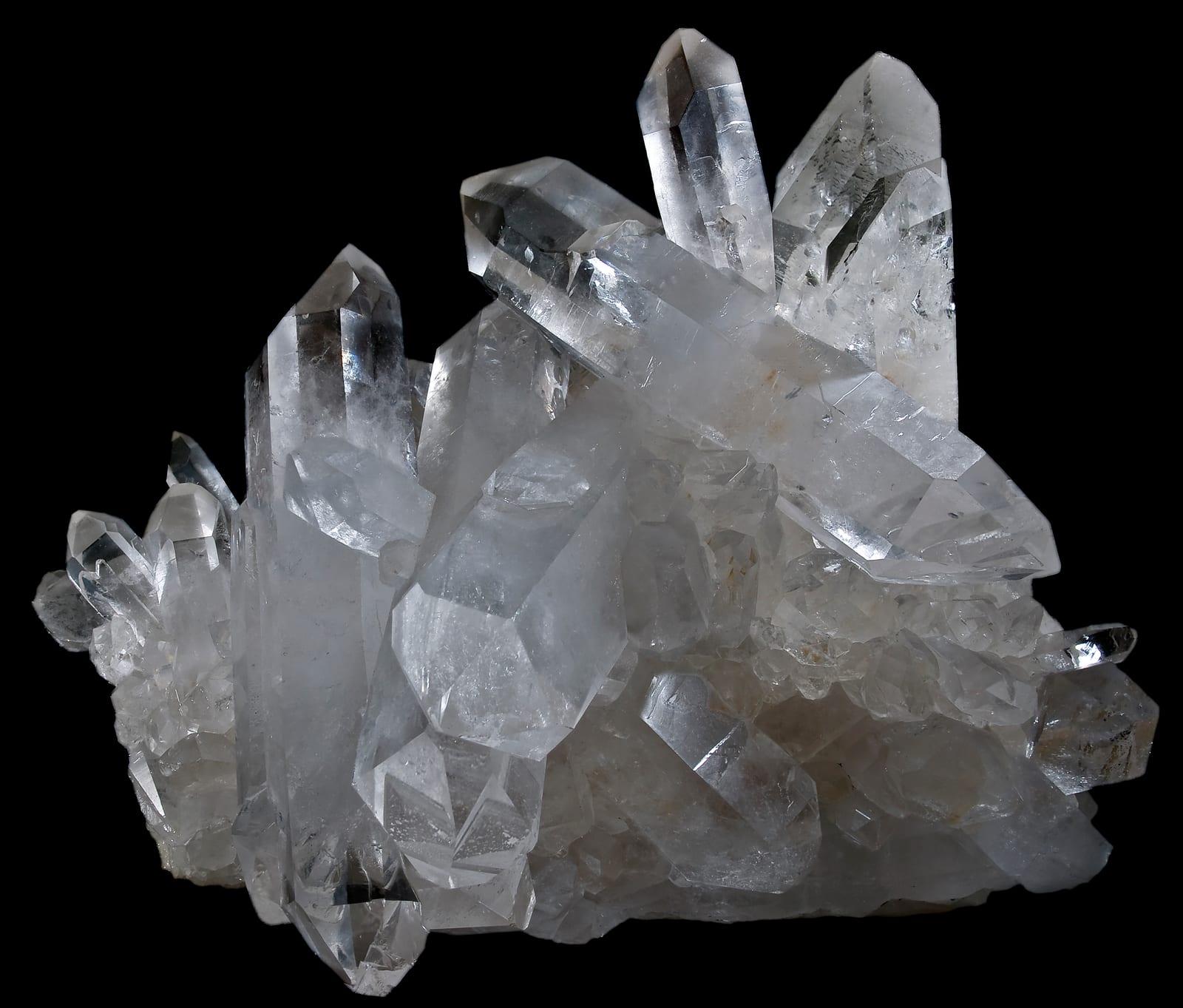
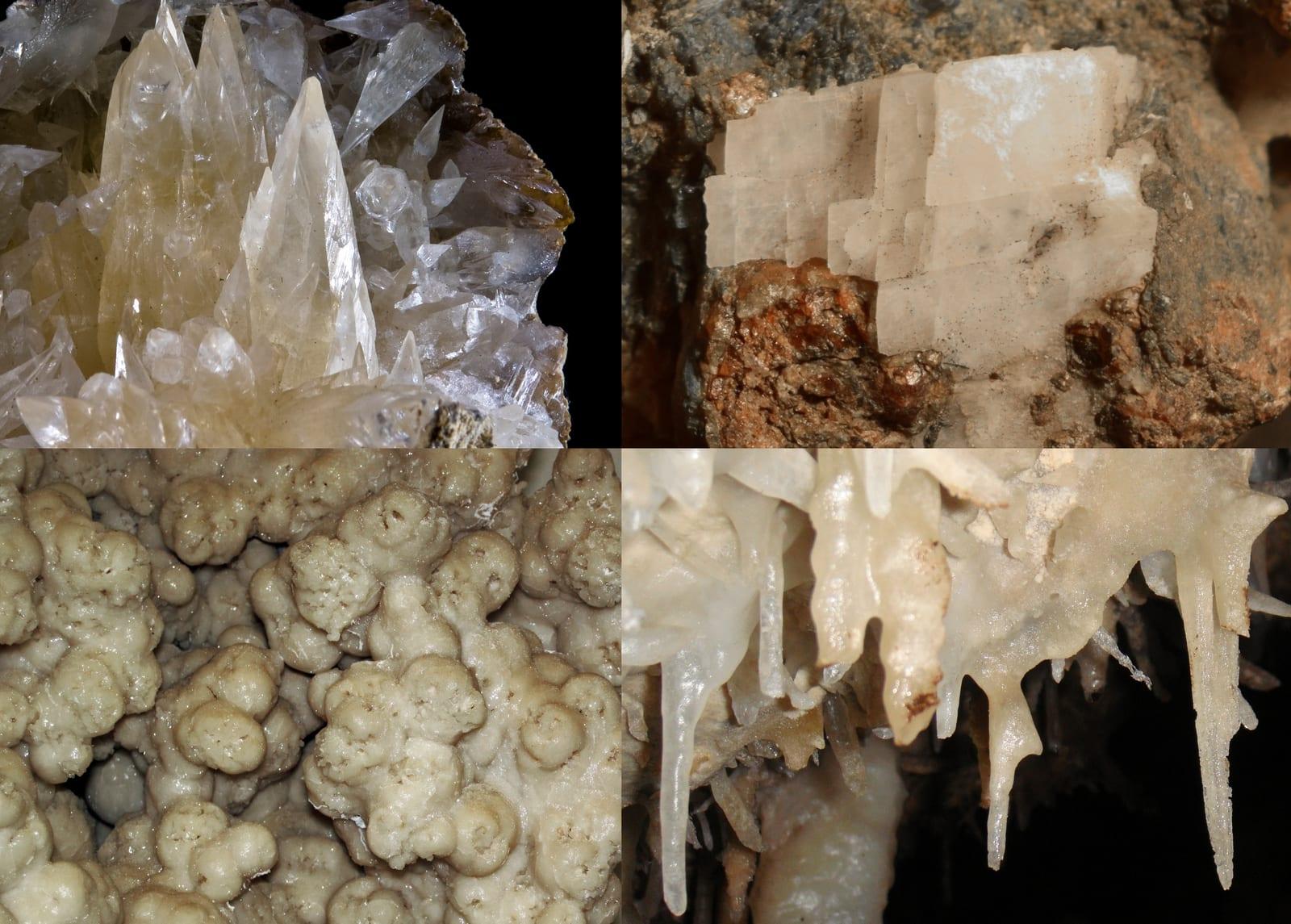
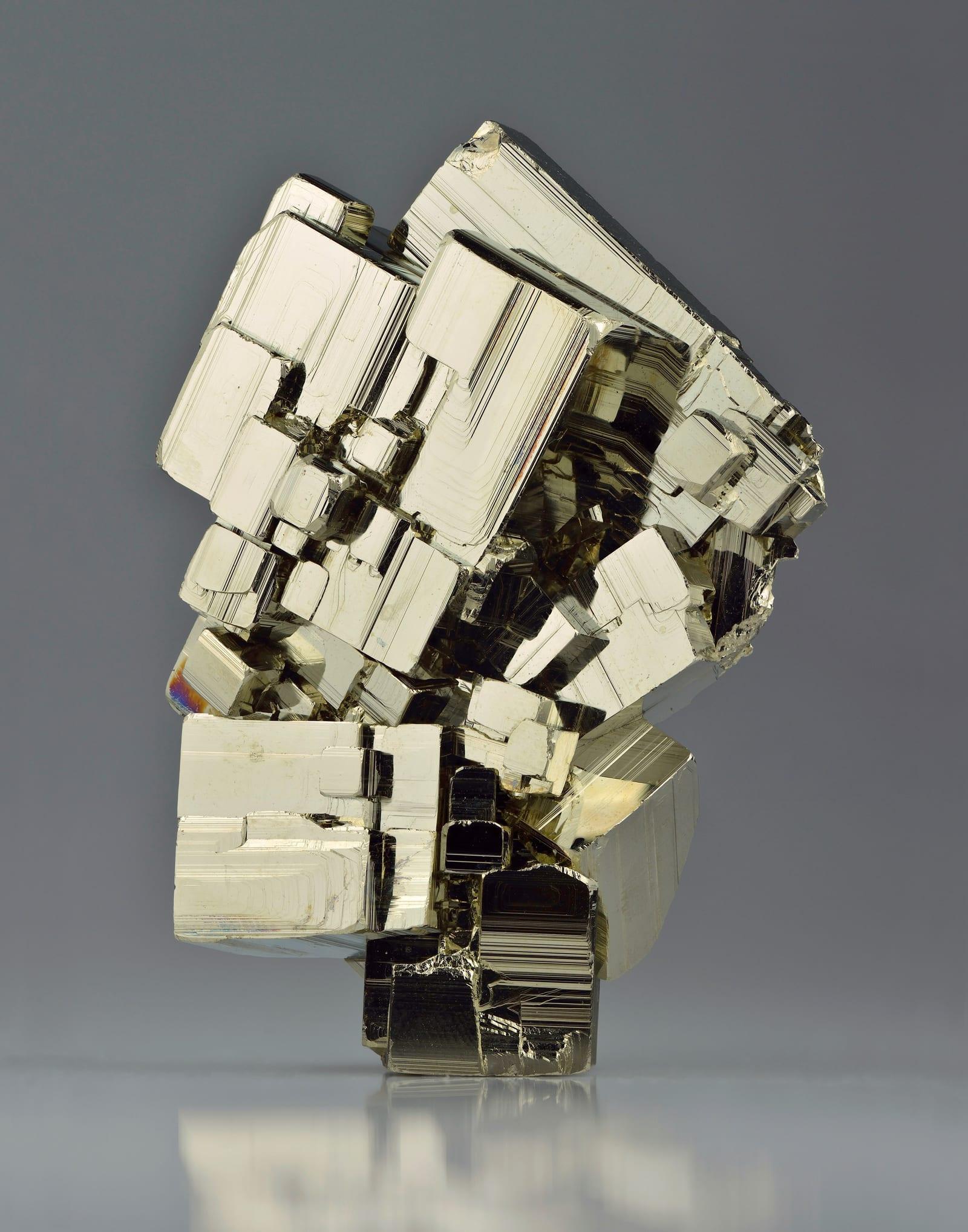
Minerals reported to co-occur with fossilized shark teeth. Spotting these in float or country rock is a strong cue you are in the right ground.
All properties
- Mohs hardness
- 3-5
- Density
- 2.5-3.0 g/cm³
- Streak
- White
- Luster
- Dull to Vitreous
- Transparency
- Opaque
- Crystal habit
- Triangular
- Cleavage
- None
- Rarity
- Common
- Uses
- Collector, Jewelry, Educational
- Host rock
- Sedimentary Deposits
- Typical price
- $1-50 for common species, $100-5000+ for large Megalodon teeth
Where rockhounds find fossilized shark teeth
3 mapped spotsClassic worldwide localities
- Peace River, Florida
- Charleston, South Carolina
- Aurora, North Carolina
- Maryland Cliffs
- Morocco
Field-hunting tip
Look in sedimentary deposits country, the host setting where fossilized shark teeth typically forms. If you start seeing quartz, calcite, pyrite in float, you are in the right ground. Field specimens usually show a triangular habit, so train your eye for that shape before scanning the outcrop. In the U.S., the densest reported localities are in Texas, South Carolina. Start trip planning there.
Common questions
How do you identify fossilized shark teeth?+
Where is fossilized shark teeth found?+
Can I find fossilized shark teeth in the United States?+
How much is fossilized shark teeth worth?+
What minerals are found with fossilized shark teeth?+
What kind of rock does fossilized shark teeth form in?+
What is fossilized shark teeth used for?+
Find fossilized shark teeth on the map
RockHoundR shows mapped rockhounding spots, access rules, and lets you log every find.