Gastropod fossils represent the remains or impressions of prehistoric snails found within sedimentary rock layers. Collectors often look for intact spiral shells that have been preserved through mineralization, frequently seen replaced by calcite, chalcedony, or pyrite.
Transparency
Opaque
Is this gastropod fossil?
2-step field checkRun through these checks against the specimen in your hand. The more boxes tick, the more confident the ID.
- 1Name the organismDecide what left the fossil before worrying about the rock. Organism: Snails and slugs (class Gastropoda). Age: Late Cambrian to recent.
- 2Match the color rangeCompare against the expected color range: brown, gray, white, tan, black.
Often found alongside gastropod fossil
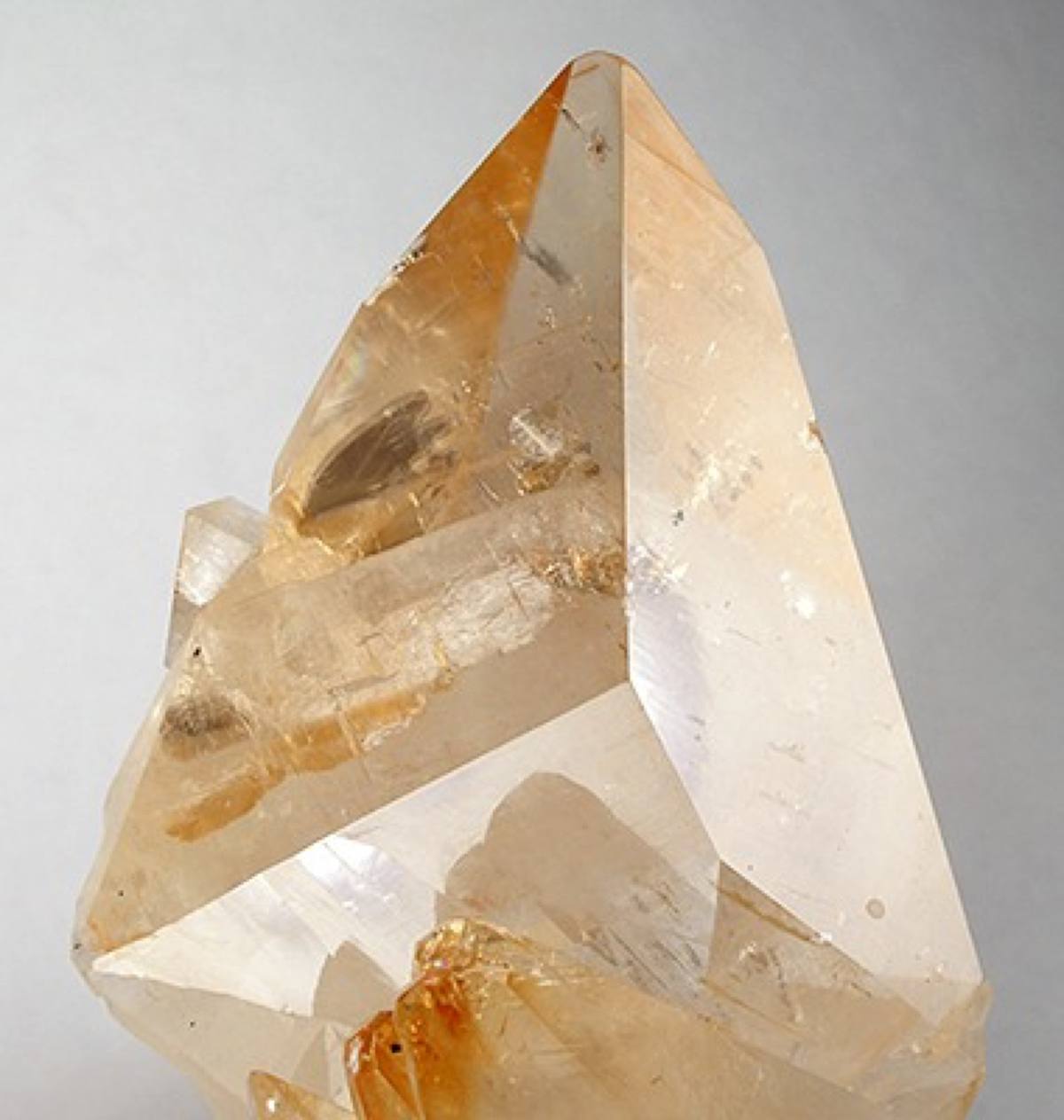
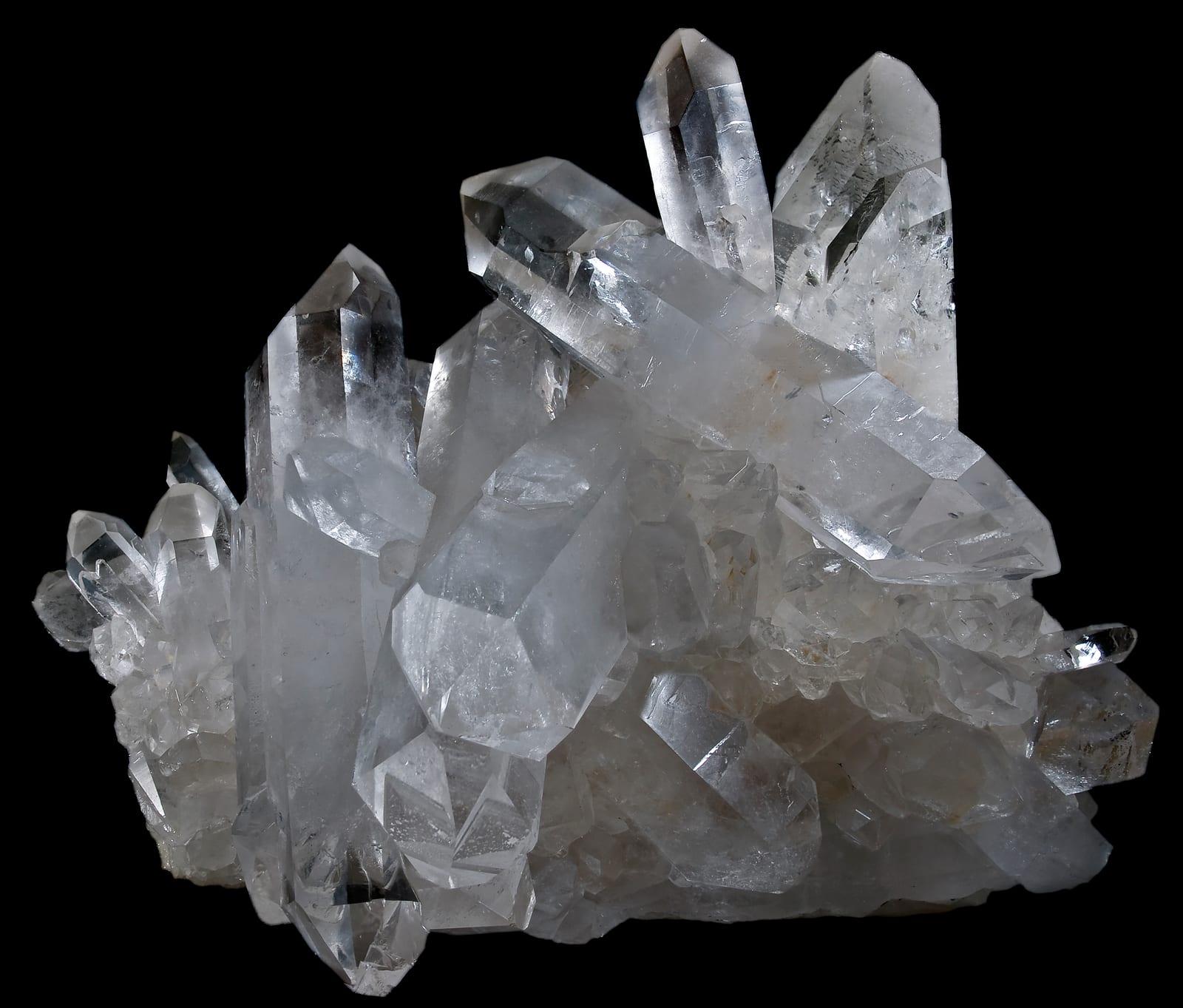
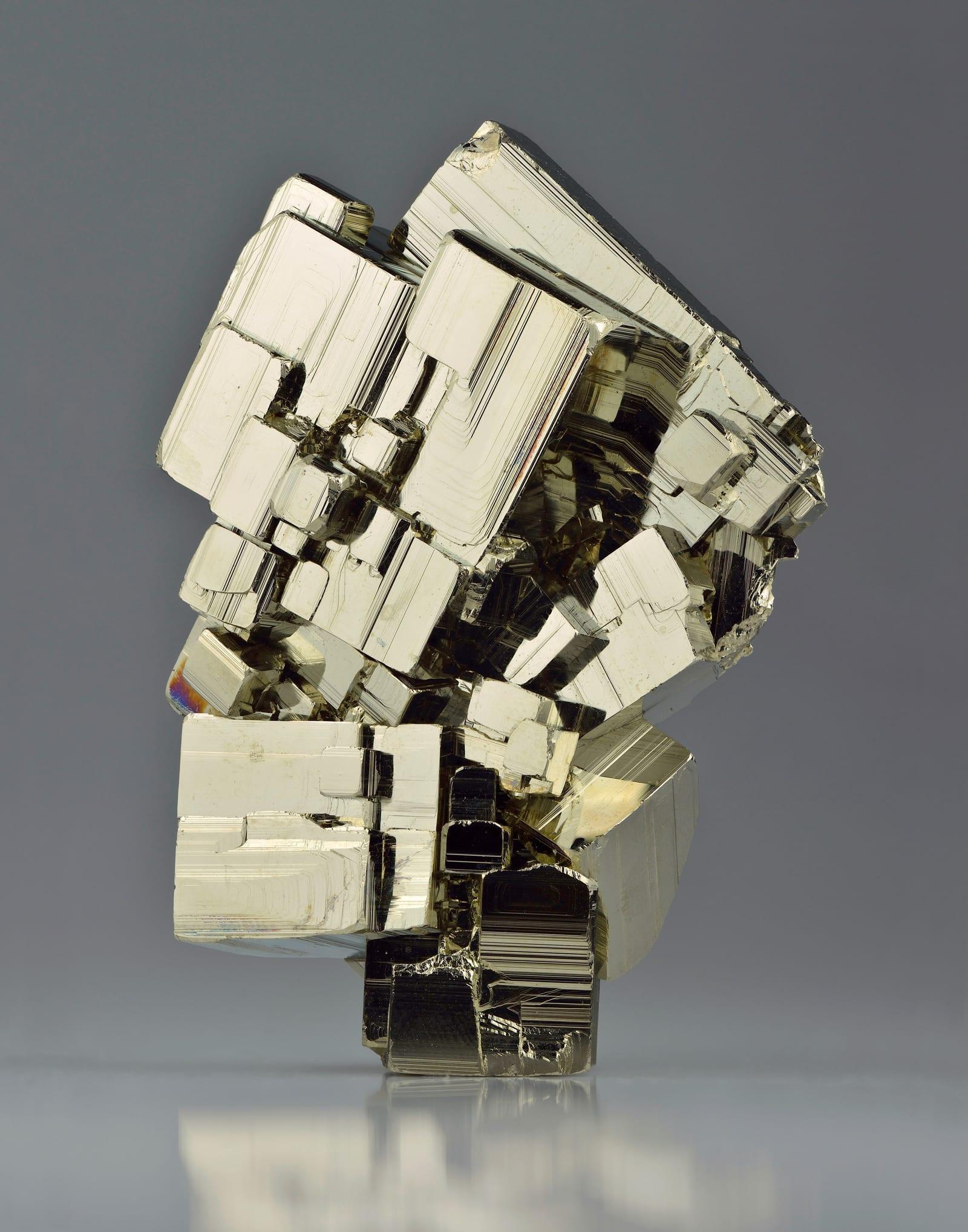
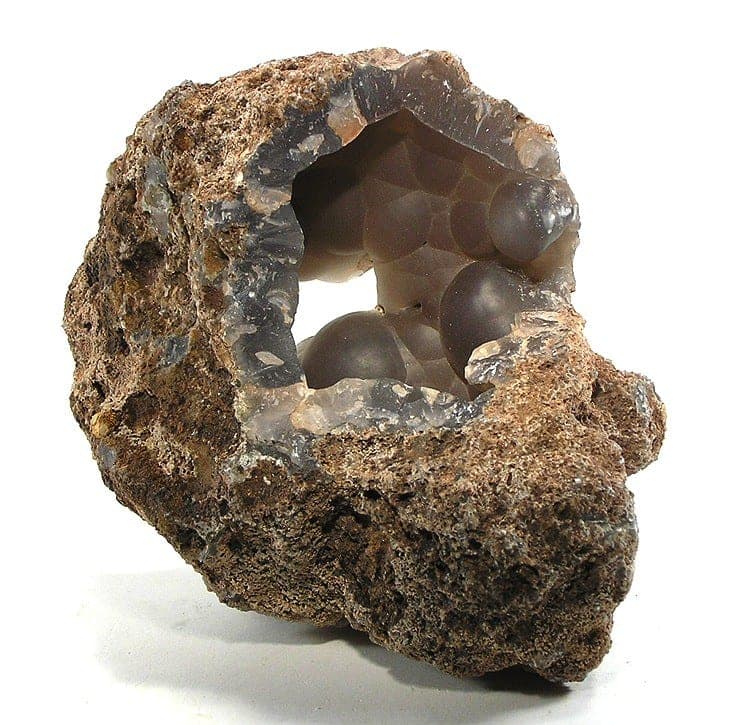
Minerals reported to co-occur with gastropod fossil. Spotting these in float or country rock is a strong cue you are in the right ground.
All properties
- Transparency
- Opaque
- Rarity
- Common
- Uses
- Collector, Decorative, Lapidary
- Host rock
- sedimentary rock
- Organism
- Snails and slugs (class Gastropoda)
- Age
- Late Cambrian to recent
Where rockhounds find gastropod fossil
Classic worldwide localities
- United Kingdom
- United States
- Morocco
- Germany
- China
Field-hunting tip
Where it forms: sedimentary rock. If you start seeing calcite, quartz, pyrite in float, you are in the right ground.
Common questions
Where is gastropod fossil found?+
Notable localities include United Kingdom; United States; Morocco; Germany; China.
What minerals are found with gastropod fossil?+
Gastropod Fossil commonly co-occurs with Calcite, Quartz, Pyrite, Chalcedony. Spotting any of these in float or country rock is a useful trip signal.
What kind of rock does gastropod fossil form in?+
Where it forms: sedimentary rock. Working float back to the host body is the standard way to chase a fresh occurrence.
What is gastropod fossil used for?+
Gastropod Fossil is used in collector, decorative, lapidary.
Find gastropod fossil on the map
RockHoundR shows mapped rockhounding spots, access rules, and lets you log every find.