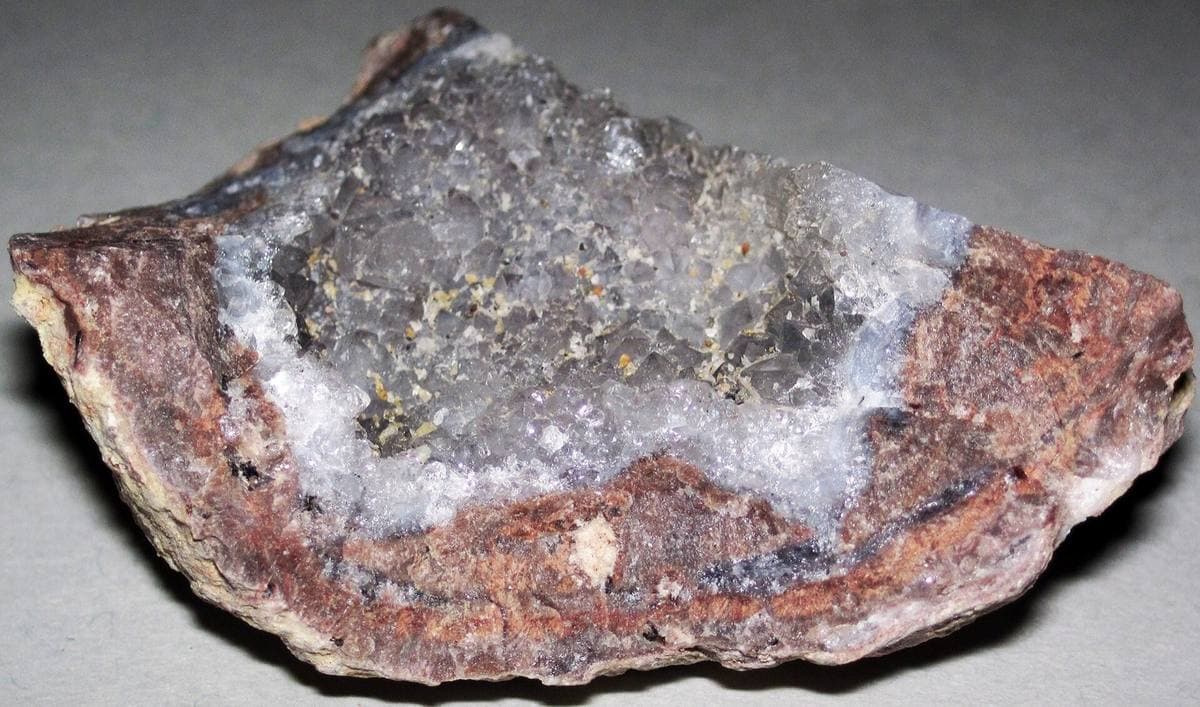
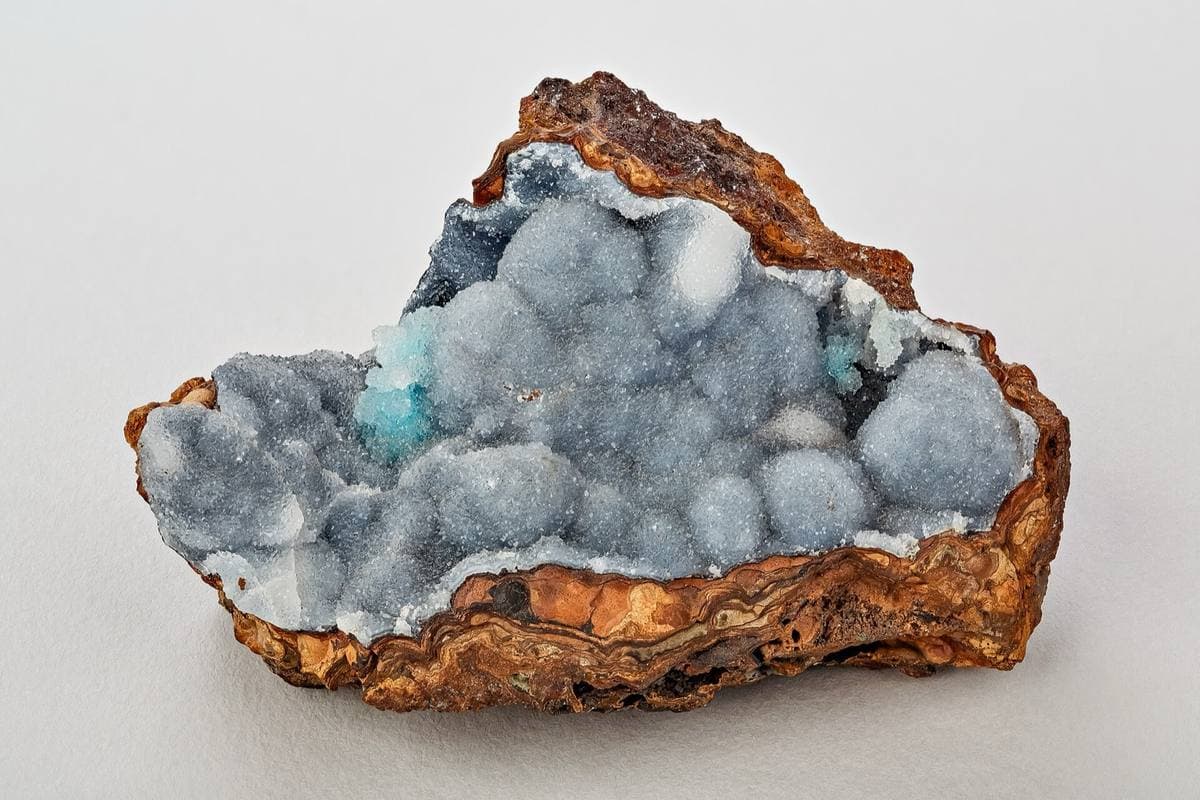
A geode is a secondary geological structure characterized by a hollow, spherical or sub-spherical cavity within a rock lined with crystals or chalcedony layers. Collectors prize them for their surprise interior contents, which often include sparkling quartz or amethyst points. They are most commonly found in sedimentary strata like limestone or within certain volcanic gas bubbles.
Spotting geode in the field
Field marks- 1
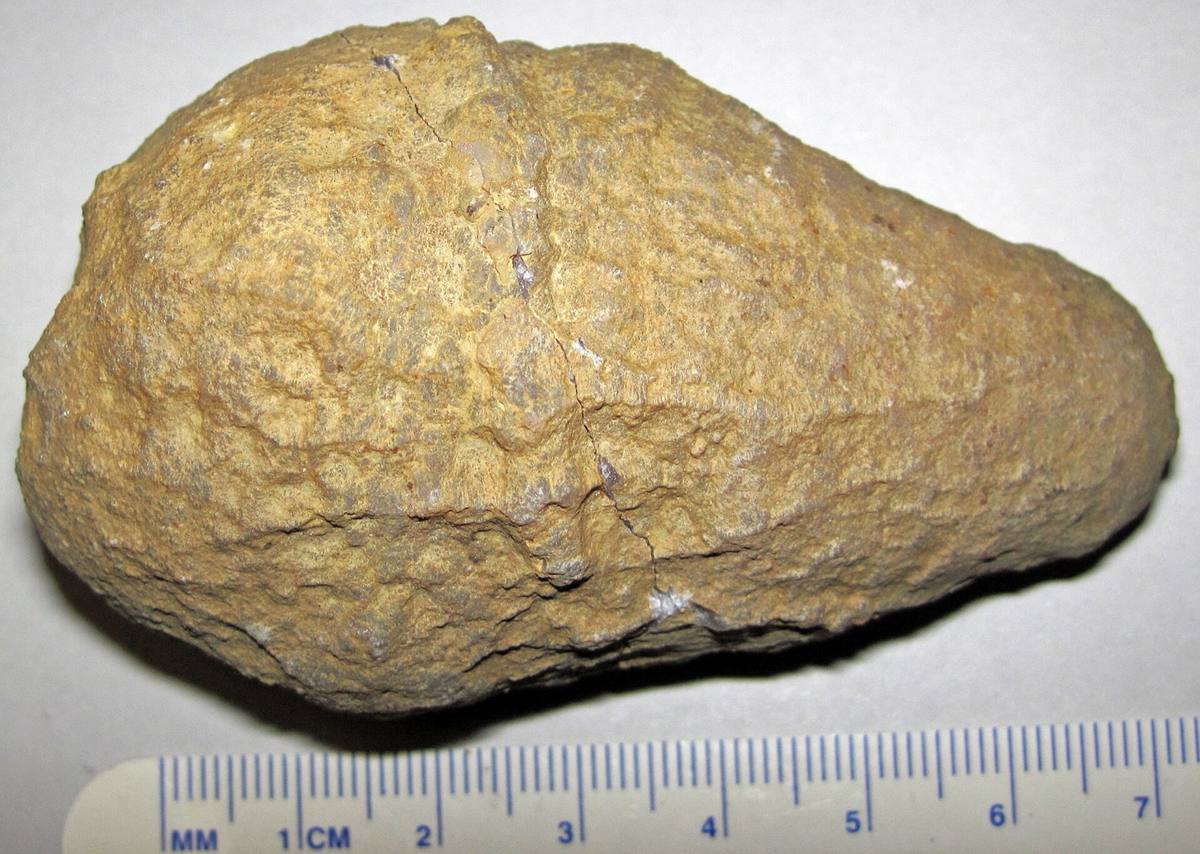
Rounded, roughly spherical, with a bumpy or cauliflower-textured outer surface
- 2
Noticeably light for its size if hollow, which is the single best field test
- 3
Often a visible seam or a slightly rough patch where it separated from the host rock
The skill is judging a geode without breaking it, because breaking everything is both destructive and exhausting. Weigh it in your hand against a solid rock of the same size: a hollow geode feels wrong, too light for its bulk. Some people shake them, though a crystal-lined geode rarely rattles. Look in limestone and volcanic country, in creek beds below outcrops, and in the weathered zone where they have already been freed from the host. A pipe cutter or a wet saw opens them far more cleanly than a hammer.
Straight answers
- Is it worth cutting?
- Cut with a wet saw or crack with a soil pipe cutter for a clean break. A hammer shatters as often as it splits, and you only get one attempt per geode.
- What is it really worth?
- Cheap and abundant as a class. Value comes from unusual mineral fillings, good crystal quality, and clean symmetrical halves.
- Can you legally keep it?
- Personal-use collecting on public land under ordinary rules. Many productive geode beds are on private farmland or at fee-dig sites, so ask.
Often confused with
Geode vs. its common look-alikes, and how to tell them apart in the field.
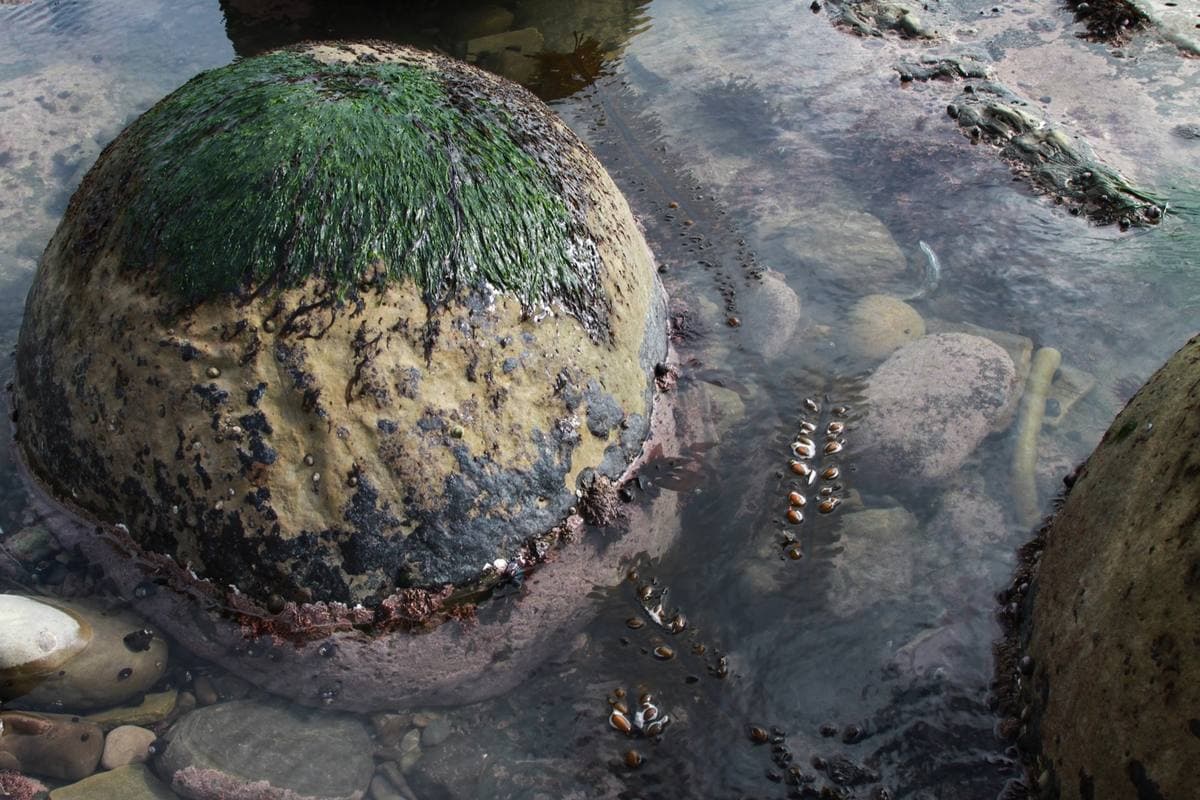
How to tell apart: Concretions are solid all the way through and grew outward from a nucleus. Geodes are hollow or crystal-filled and grew inward from a shell.
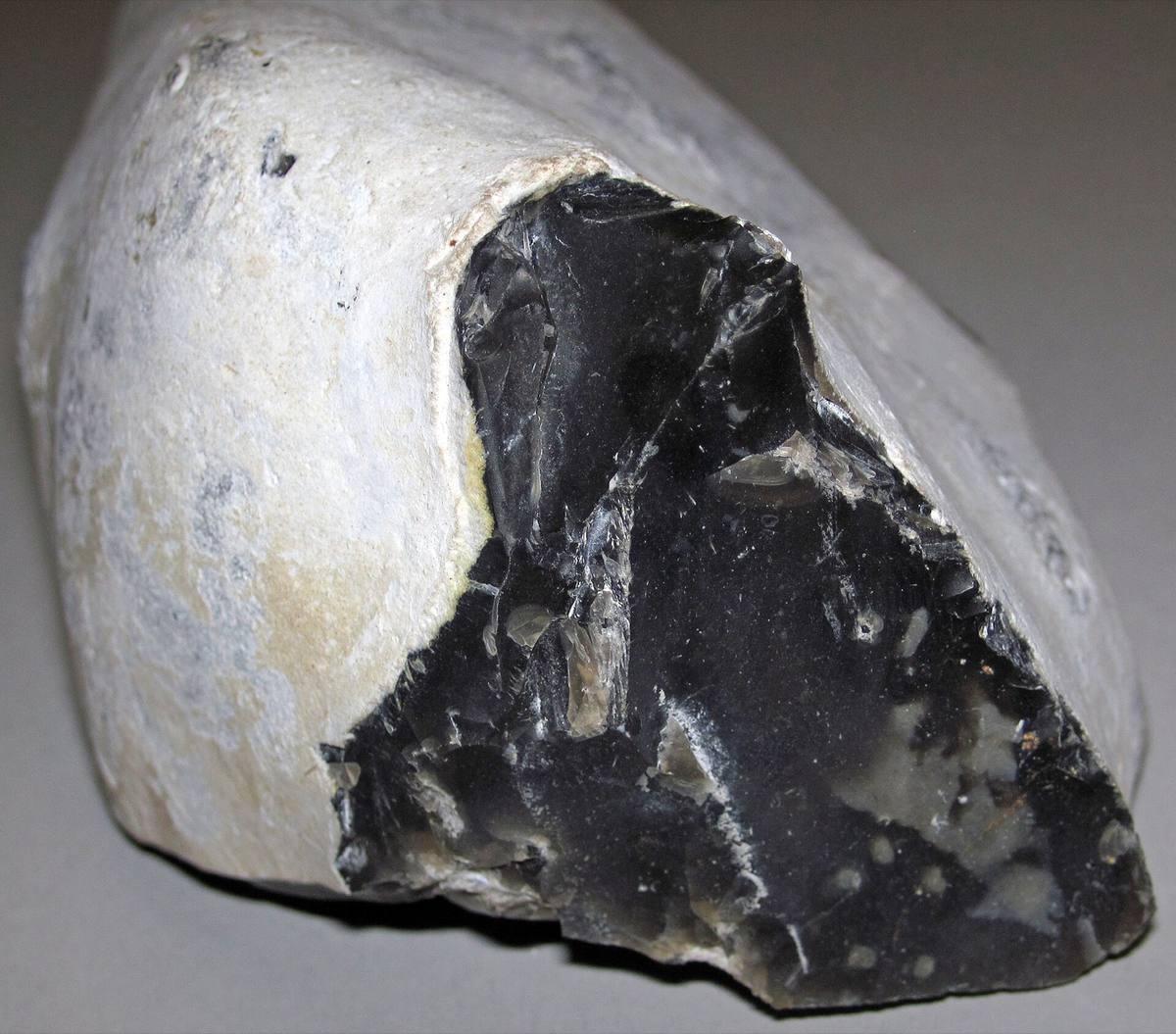
How to tell apart: A nodule is filled solid with agate or chalcedony rather than lined with crystals. Same origin, different ending, and heavier for its size.
Often found alongside geode
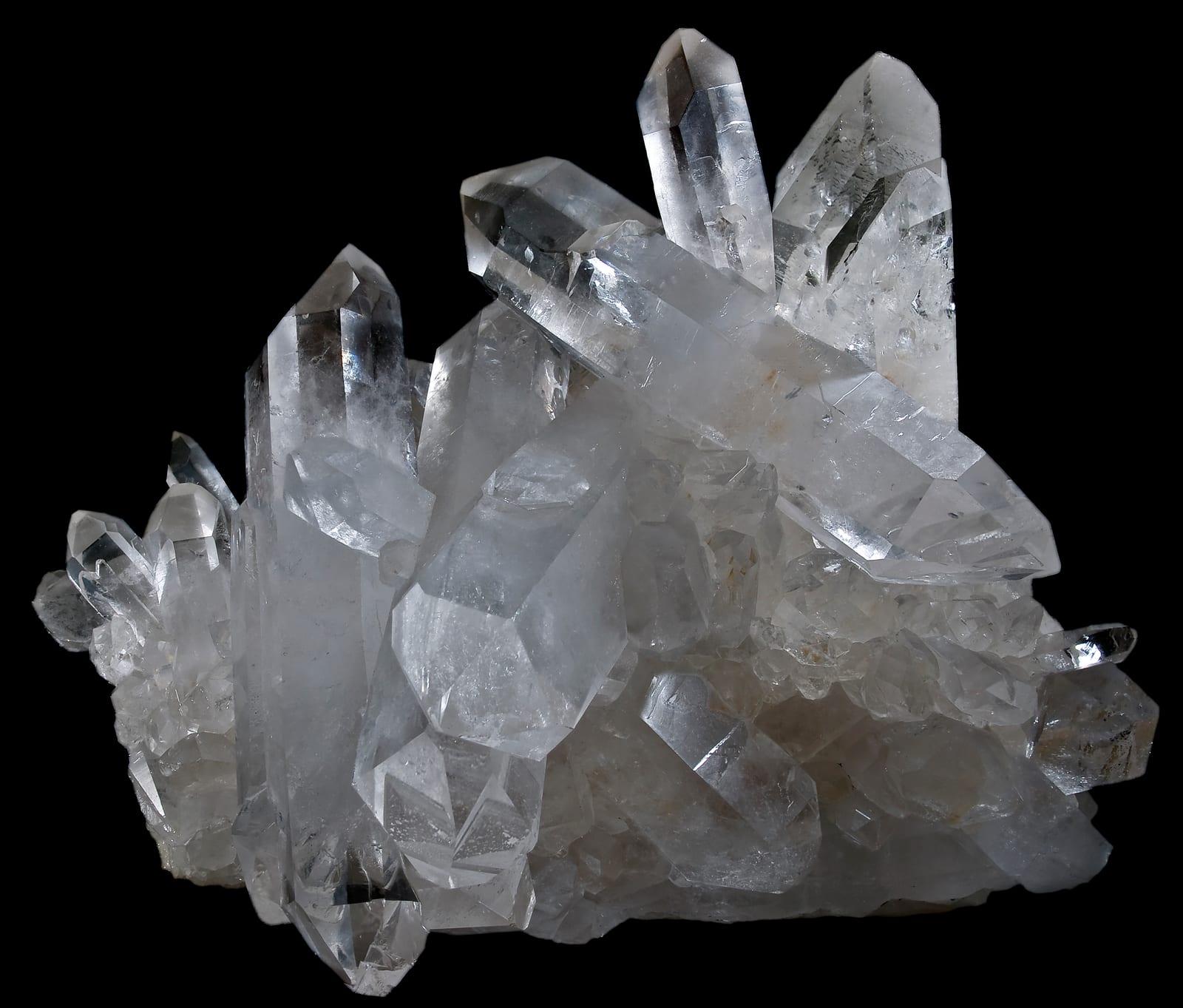
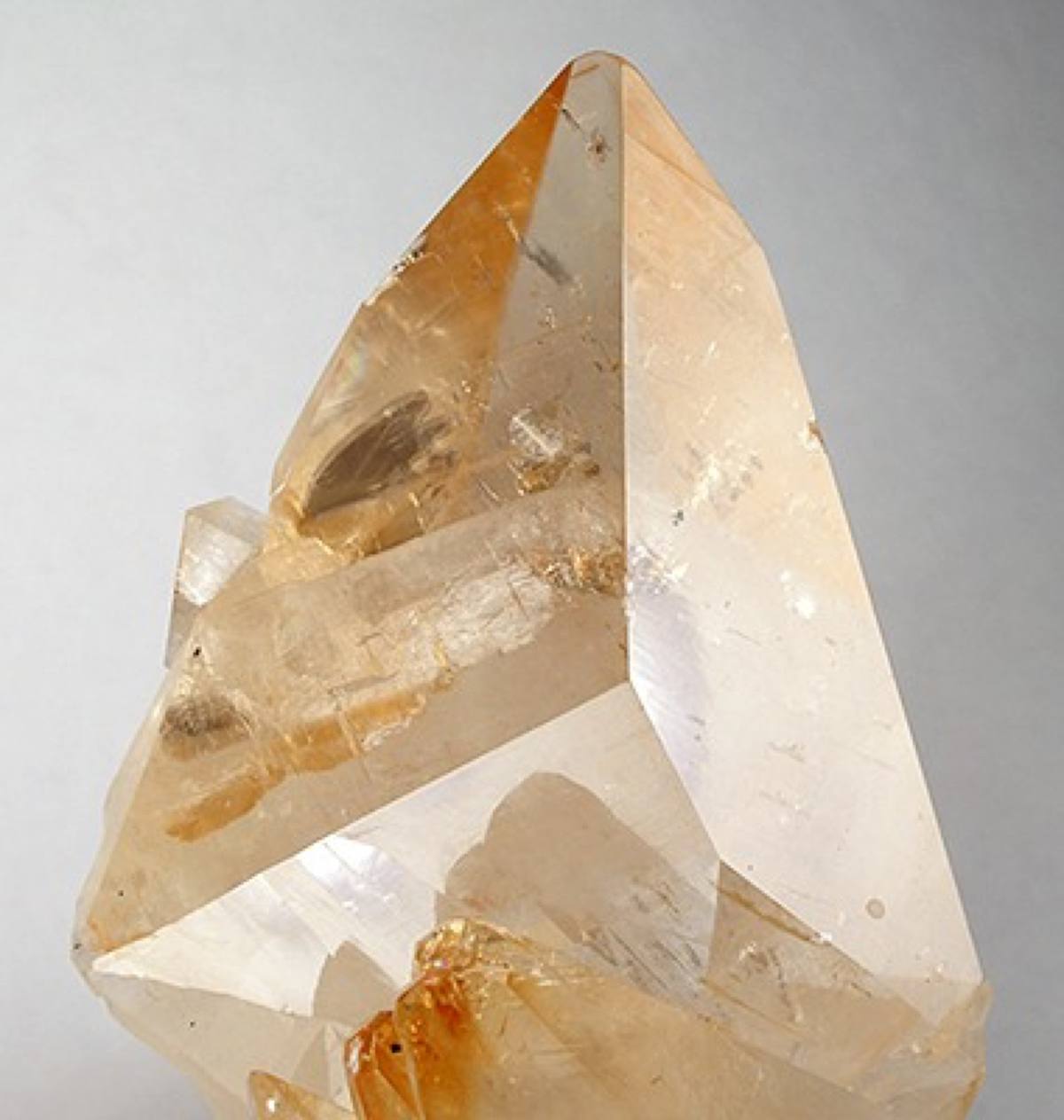
Minerals reported to co-occur with geode. Spotting these in float or country rock is a strong cue you are in the right ground.
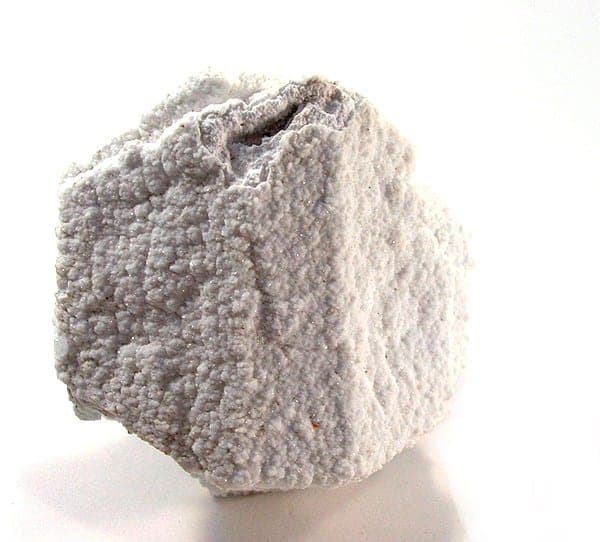
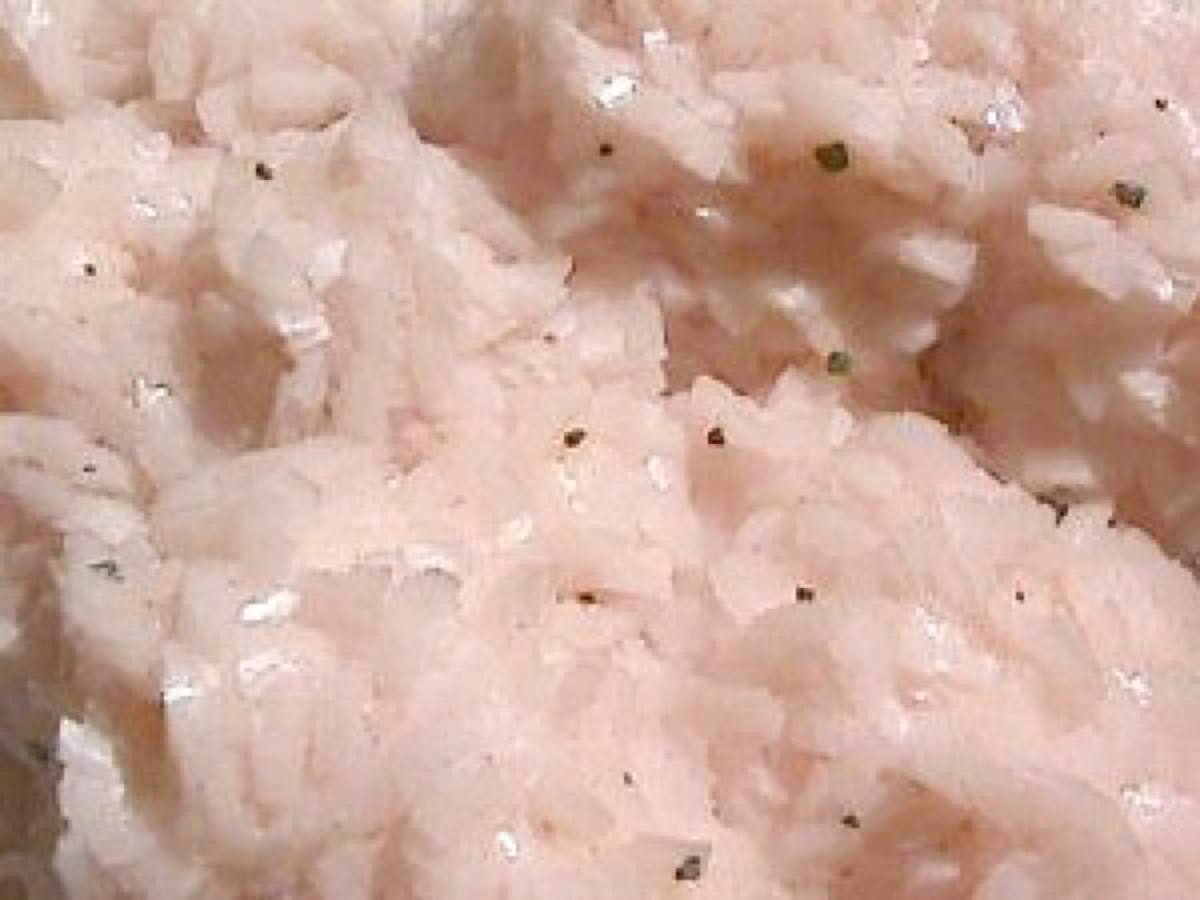
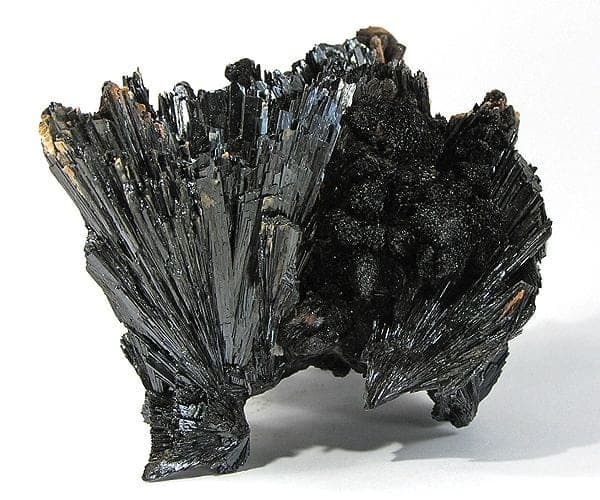
All properties
- Mohs hardness
- 7
- Density
- 2.6-2.7 g/cm³
- Luster
- Vitreous
- Transparency
- Translucent
- Rarity
- Common
- Uses
- Collector, Decorative, Lapidary
- Host rock
- limestone or volcanic rock
- Texture
- Hollow, roughly spherical rock with a mineral lining
- Composition
- Crystals such as quartz (including amethyst), calcite or celestite, or banded agate and chalcedony
Where rockhounds find geode
126 mapped spotsClassic worldwide localities
- Keokuk, Iowa, USA
- Durango, Mexico
- Morocco
- Brazil
- Kentucky, USA
U.S. states with geode
Each link opens a state-specific list of mapped rockhounding spots that produce geode.
- Iowa13 spots
- Kentucky11 spots
- Illinois10 spots
- Oregon10 spots
- Kansas8 spots
- Tennessee8 spots
- Washington8 spots
- Missouri7 spots
Field-hunting tip
Where it forms: limestone or volcanic rock. If you start seeing quartz, calcite, celestine in float, you are in the right ground. In the U.S., the densest reported localities are in Iowa, Kentucky, Illinois. Start trip planning there.
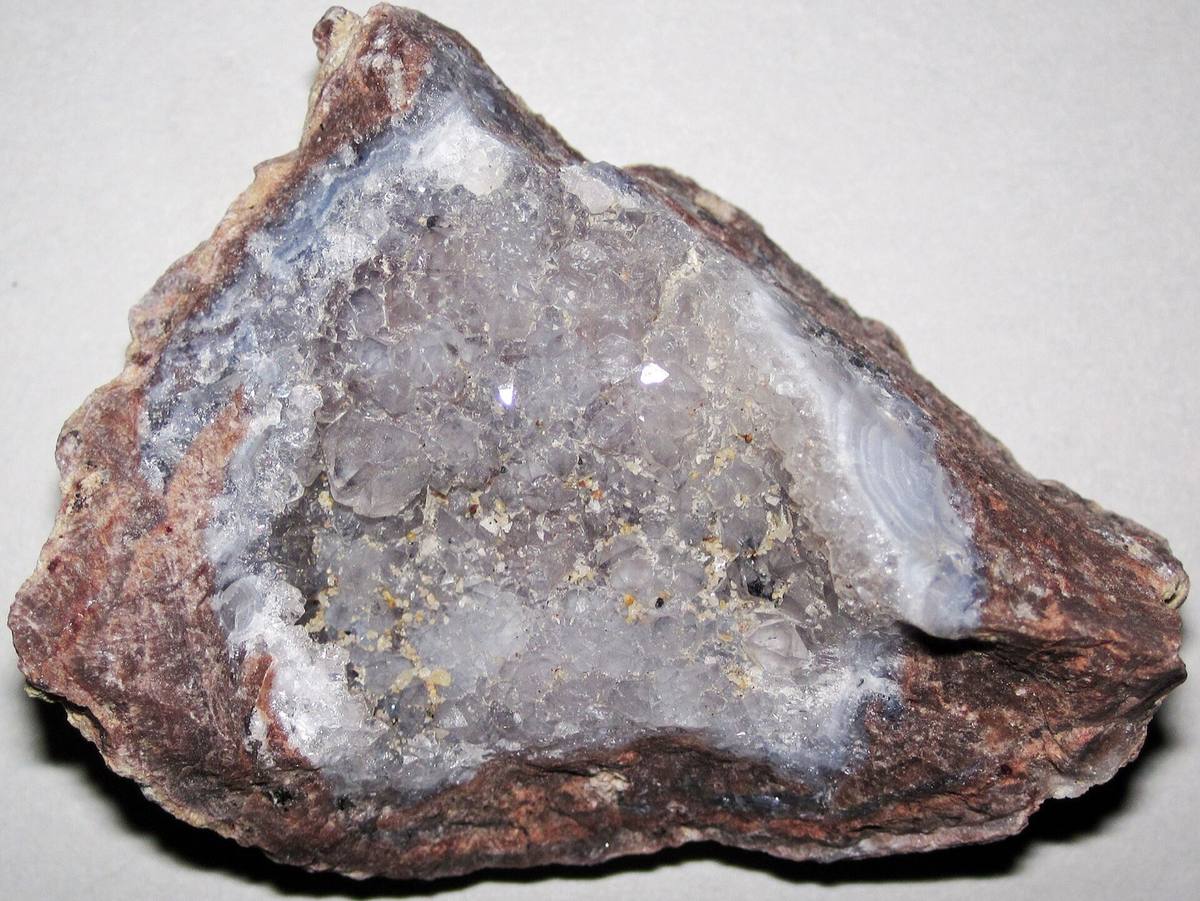
More geode photos
Common questions
How do you identify geode?+
Where is geode found?+
Can I find geode in the United States?+
What rocks look like geode?+
What minerals are found with geode?+
What kind of rock does geode form in?+
What is geode used for?+
Find geode on the map
RockHoundR shows mapped rockhounding spots, access rules, and lets you log every find.