
Concretions are hard, compact masses of sedimentary rock formed by the precipitation of mineral cement within the spaces between sediment grains. They often exhibit spherical or discoidal shapes and can be found by weathering out of softer host rocks like shales or limestones. Collectors prize them for their unique internal patterns, especially when they form septarian cracks filled with secondary minerals.
Spotting concretion in the field
Field marks- 1
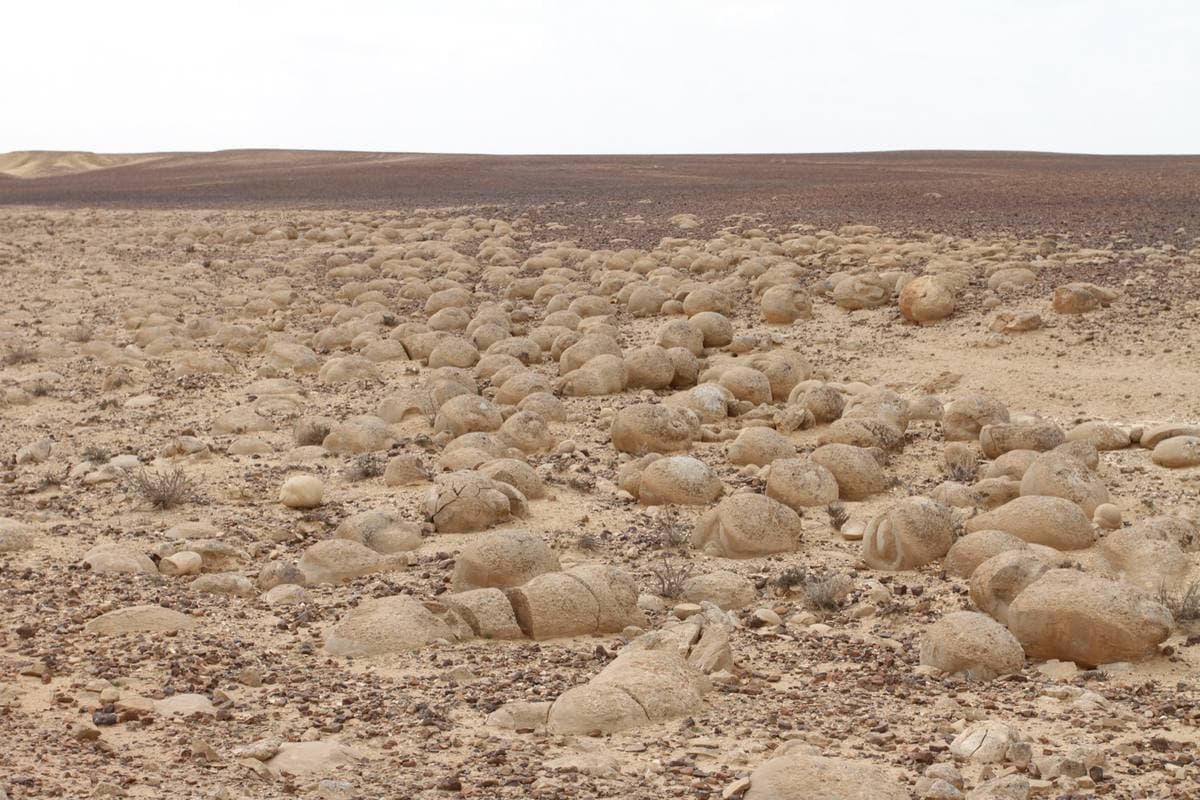
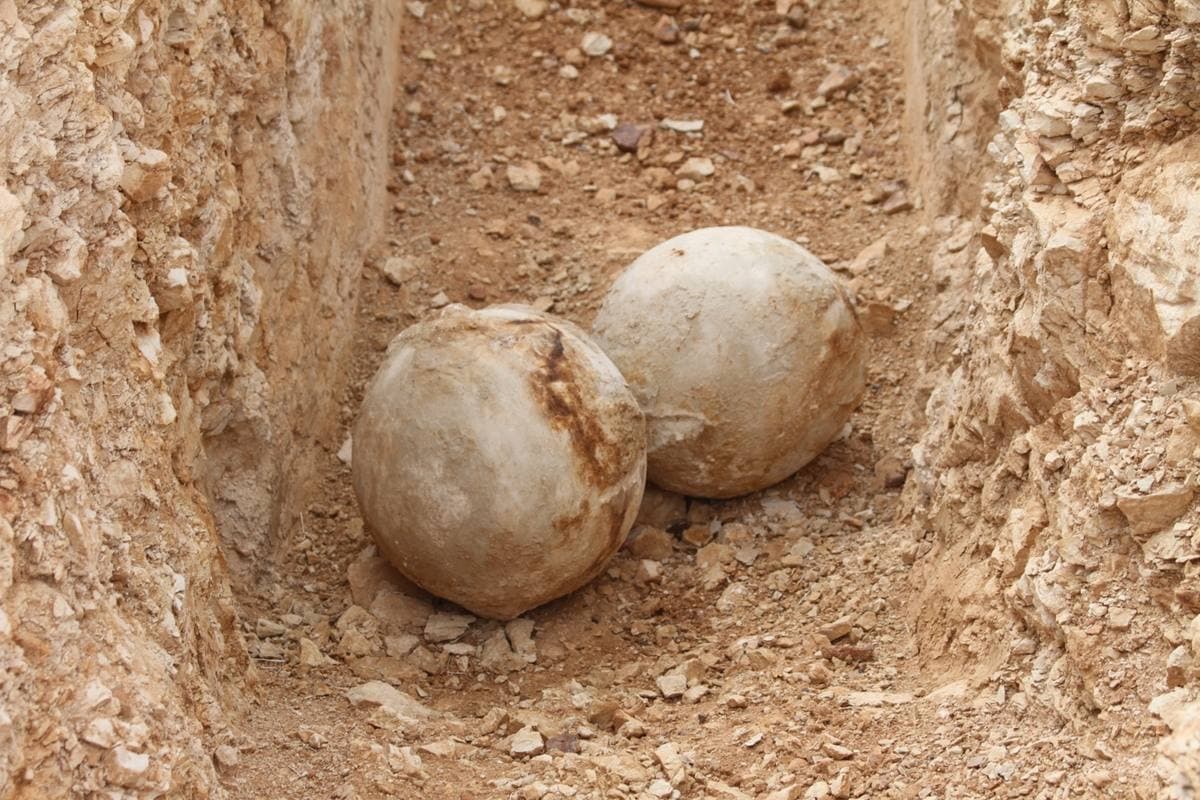
Solid, rounded or lens-shaped masses that weather out of shale and sandstone
- 2
Often visibly harder than the rock around them, standing proud of the outcrop
- 3
May split to reveal radiating calcite veins, or a fossil at the center
A concretion grew outward from a nucleus as minerals cemented the sediment around it, which is the opposite of how a geode forms. That nucleus is the reason to care: it is very often a fossil, and some of the best-preserved fossils in the world come from inside concretions, because the hard shell protected them. Look in shale badlands and along creek cuts. Septarian nodules are the variety with a network of shrinkage cracks filled with yellow calcite, which is what makes them worth cutting.
Straight answers
- Is it worth cutting?
- Septarian nodules cut and polish well, though the calcite is soft at 3 and the surrounding matrix harder, so they undercut and need a careful final polish.
- What is it really worth?
- Ordinary concretions have none. Septarian nodules and fossil-bearing concretions are the exceptions.
- Can you legally keep it?
- Ordinary personal-use collecting rules apply for the rock itself. If a concretion contains a vertebrate fossil, federal land rules change completely, so see the fossil entries.
Often confused with
Concretion vs. its common look-alikes, and how to tell them apart in the field.
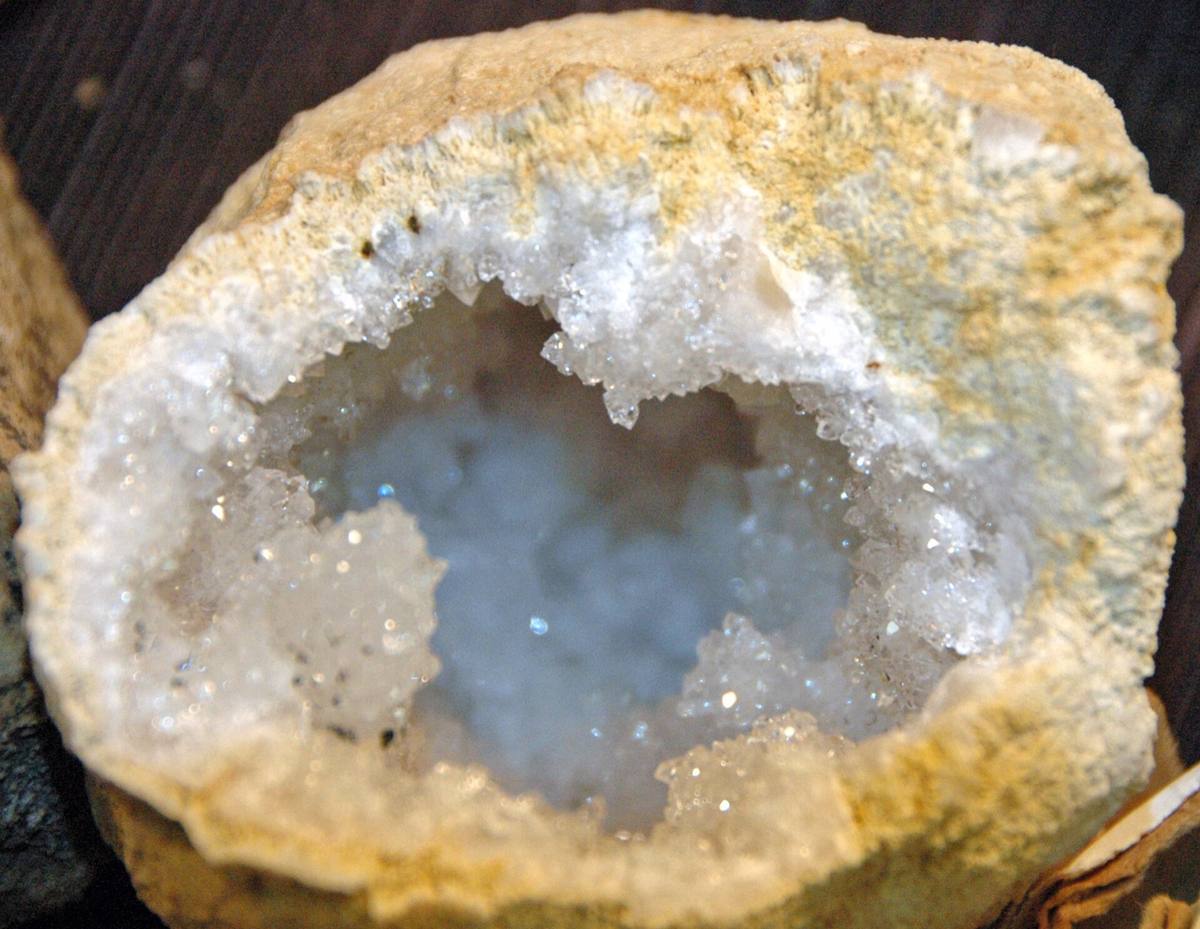
Often found alongside concretion
Minerals reported to co-occur with concretion. Spotting these in float or country rock is a strong cue you are in the right ground.
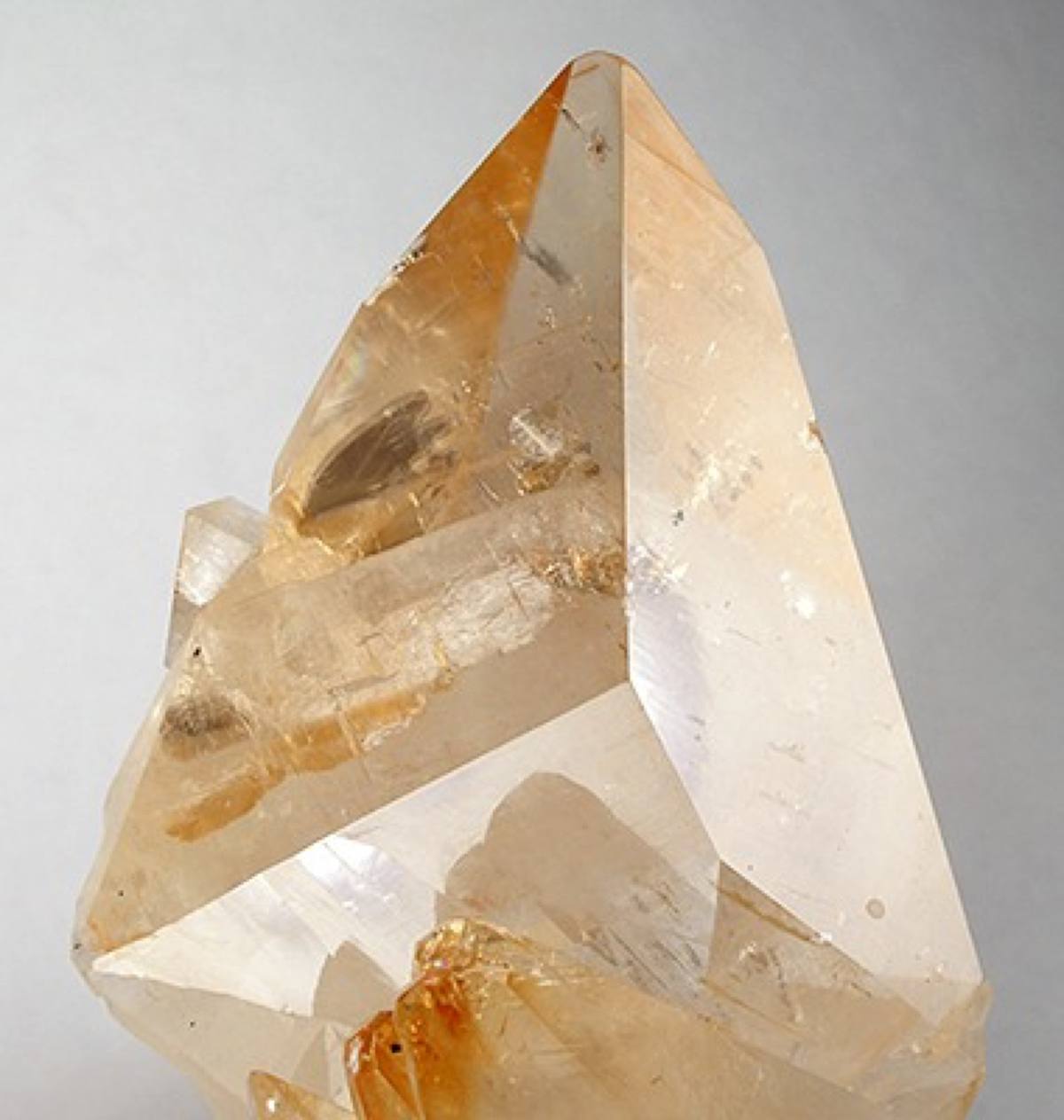
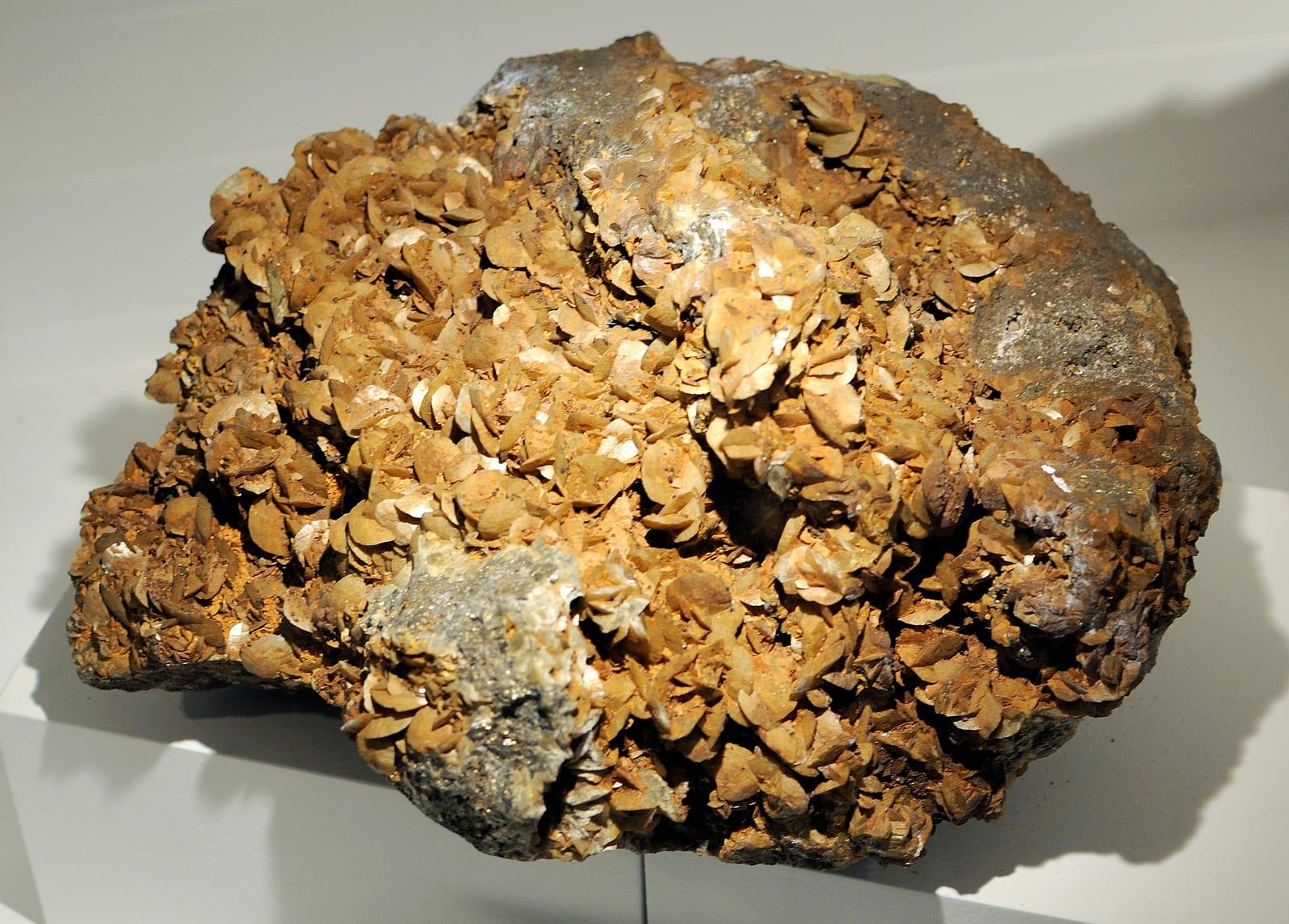
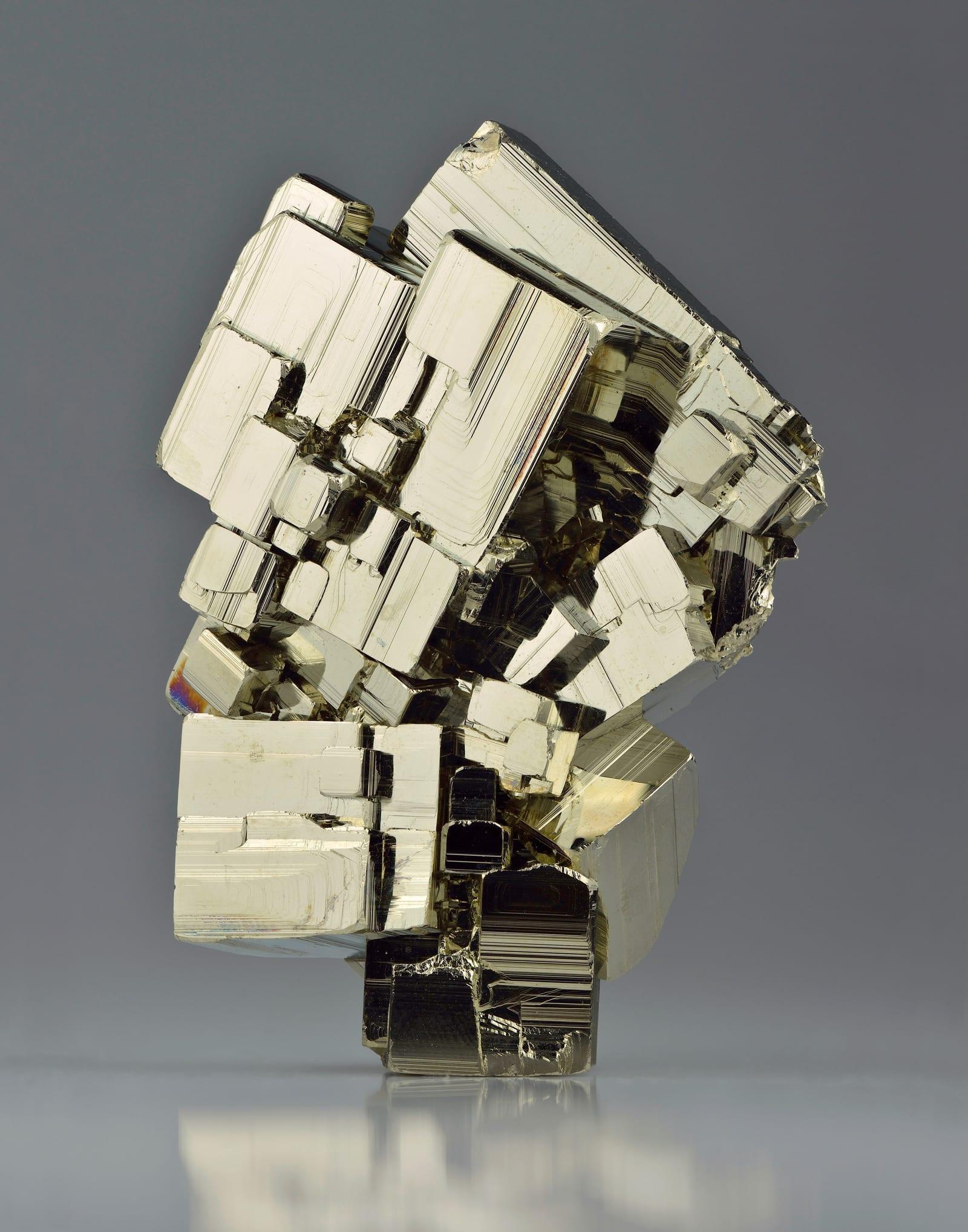
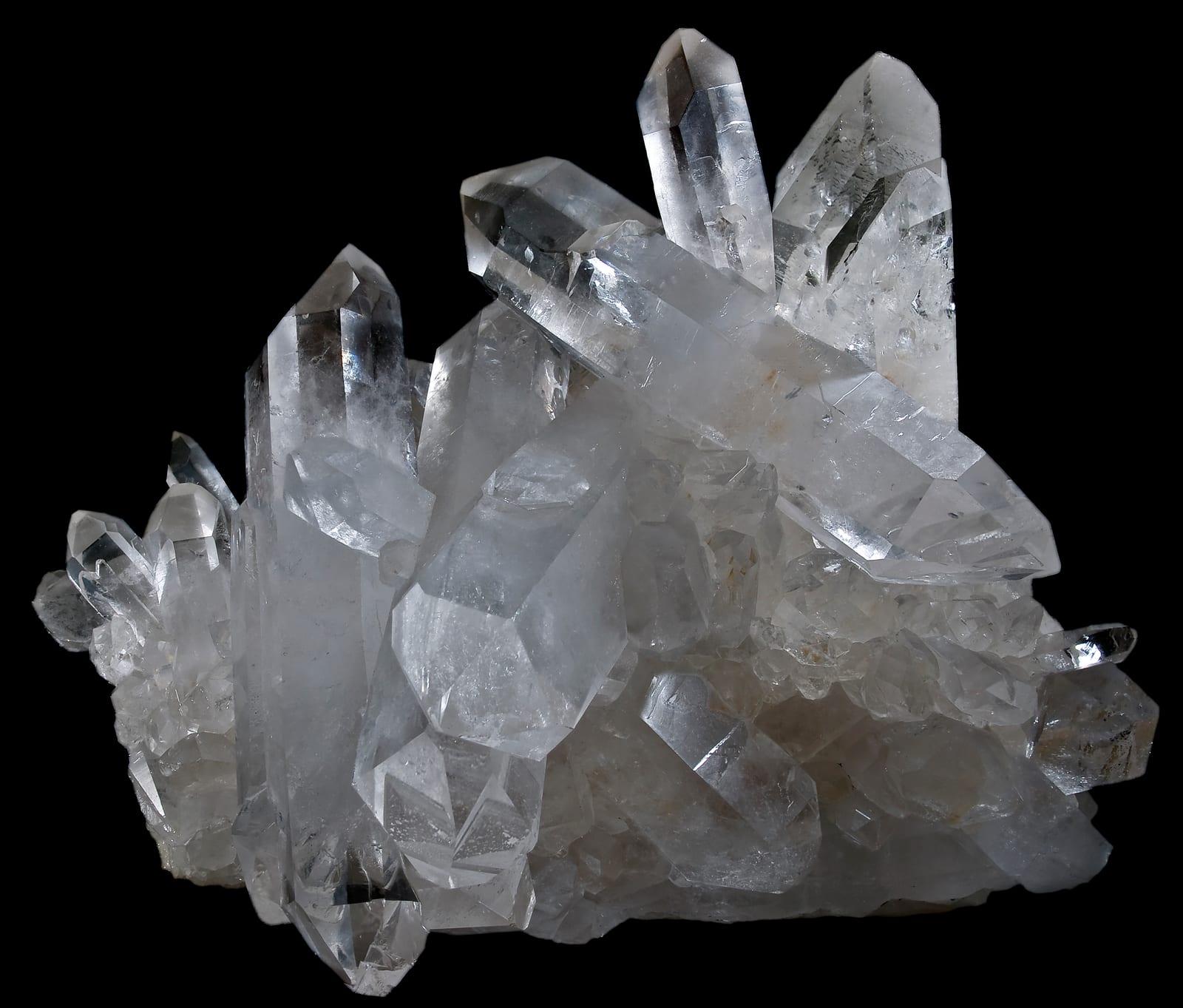
All properties
- Mohs hardness
- 3-7
- Density
- 2.0-3.0 g/cm³
- Luster
- Dull
- Transparency
- Opaque
- Rarity
- Common
- Uses
- Collector, Decorative
- Host rock
- Sedimentary rock, particularly shale or mudstone
- Texture
- Hard, compact mass that grows concentrically or throughout its volume
- Composition
- Sediment cemented by precipitated mineral, commonly a minor component of the host rock
Where rockhounds find concretion
1 mapped spotsClassic worldwide localities
- United States
- United Kingdom
- Canada
- Germany
- Morocco
Field-hunting tip
Where it forms: Sedimentary rock, particularly shale or mudstone. If you start seeing calcite, siderite, pyrite in float, you are in the right ground. In the U.S., the densest reported localities are in Kansas. Start trip planning there.
More concretion photos
Common questions
How do you identify concretion?+
Where is concretion found?+
Can I find concretion in the United States?+
What rocks look like concretion?+
What minerals are found with concretion?+
What kind of rock does concretion form in?+
What is concretion used for?+
Find concretion on the map
RockHoundR shows mapped rockhounding spots, access rules, and lets you log every find.

