Grossular is a calcium-aluminum garnet that ranges in color from the vibrant green of Tsavorite to the cinnamon-brown of Hessonite. It is most commonly found in contact metamorphic rocks, specifically skarns, where limestone has been altered by igneous intrusions. Collectors should look for distinct dodecahedral crystal forms and its characteristic vitreous luster.
Spotting grossular in the field
Field marks- 1
Green, orange-brown, yellow or colorless, the most varied garnet in color
- 2
Rounded garnet crystal form, often as clustered masses in skarn
- 3
Hardness around 6.5 to 7, no cleavage
Grossular is the calcium-aluminium garnet and it is a skarn mineral, so it forms where limestone was cooked and altered by an intruding magma. That narrows the search usefully: look at contact zones between limestone and igneous rock. It includes hessonite, the orange-brown variety, and tsavorite, the intensely green chromium-bearing variety from East Africa that is one of the most valuable garnets there is. Massive green grossular from places like Mexico is often sold as a jade substitute.
Straight answers
- Is it worth cutting?
- Transparent material facets well. Massive green material cabs and carves like a soft jade substitute.
- What is it really worth?
- Enormous range. Common massive grossular is cheap, hessonite is moderate, and fine tsavorite competes with emerald.
- Can you legally keep it?
- Ordinary personal-use collecting rules apply where it occurs on open public land.
Often confused with
Grossular vs. its common look-alikes, and how to tell them apart in the field.
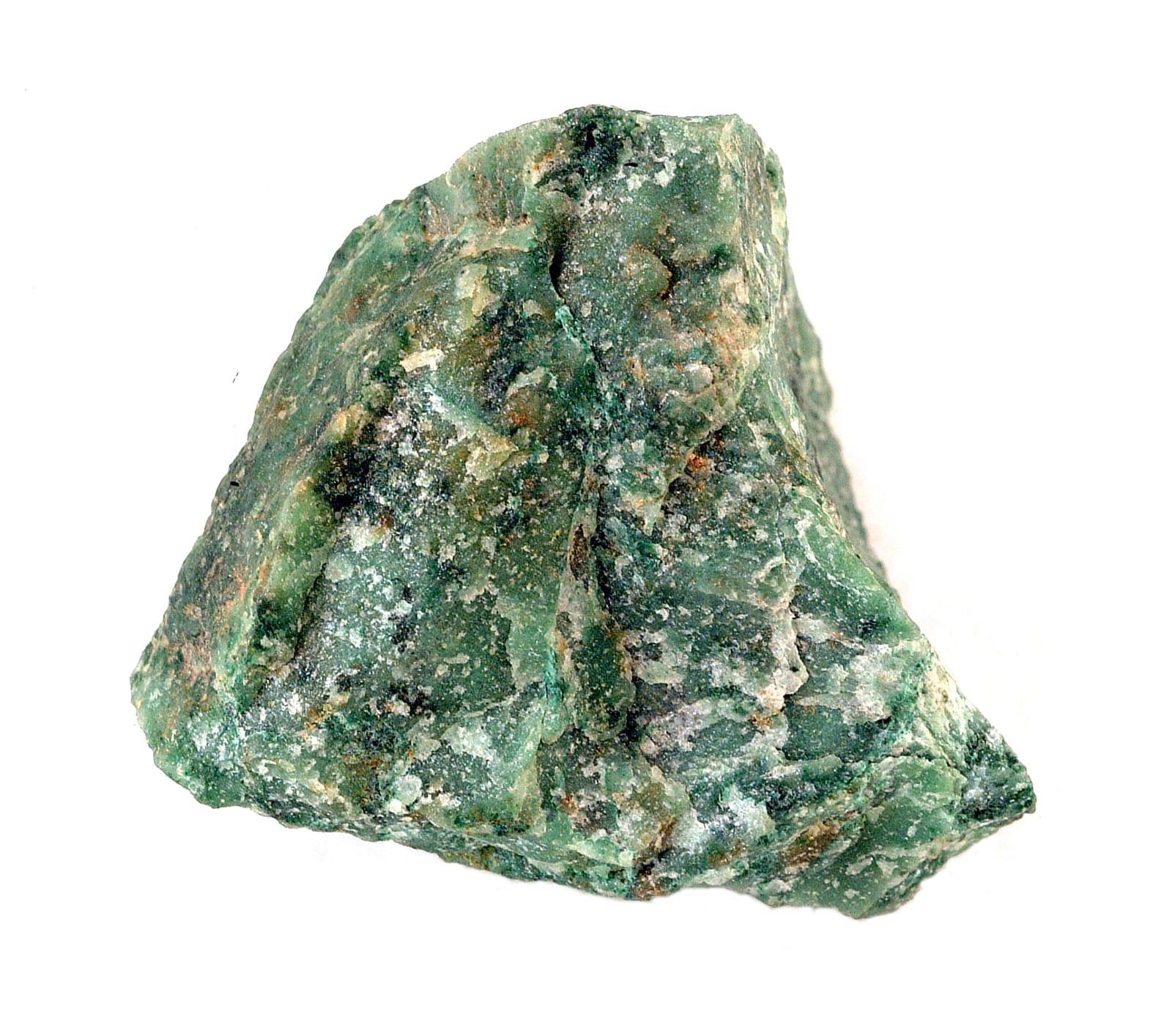
How to tell apart: Massive green grossular is sold as Transvaal jade. It has a granular rather than fibrous texture and lacks jade's exceptional toughness.
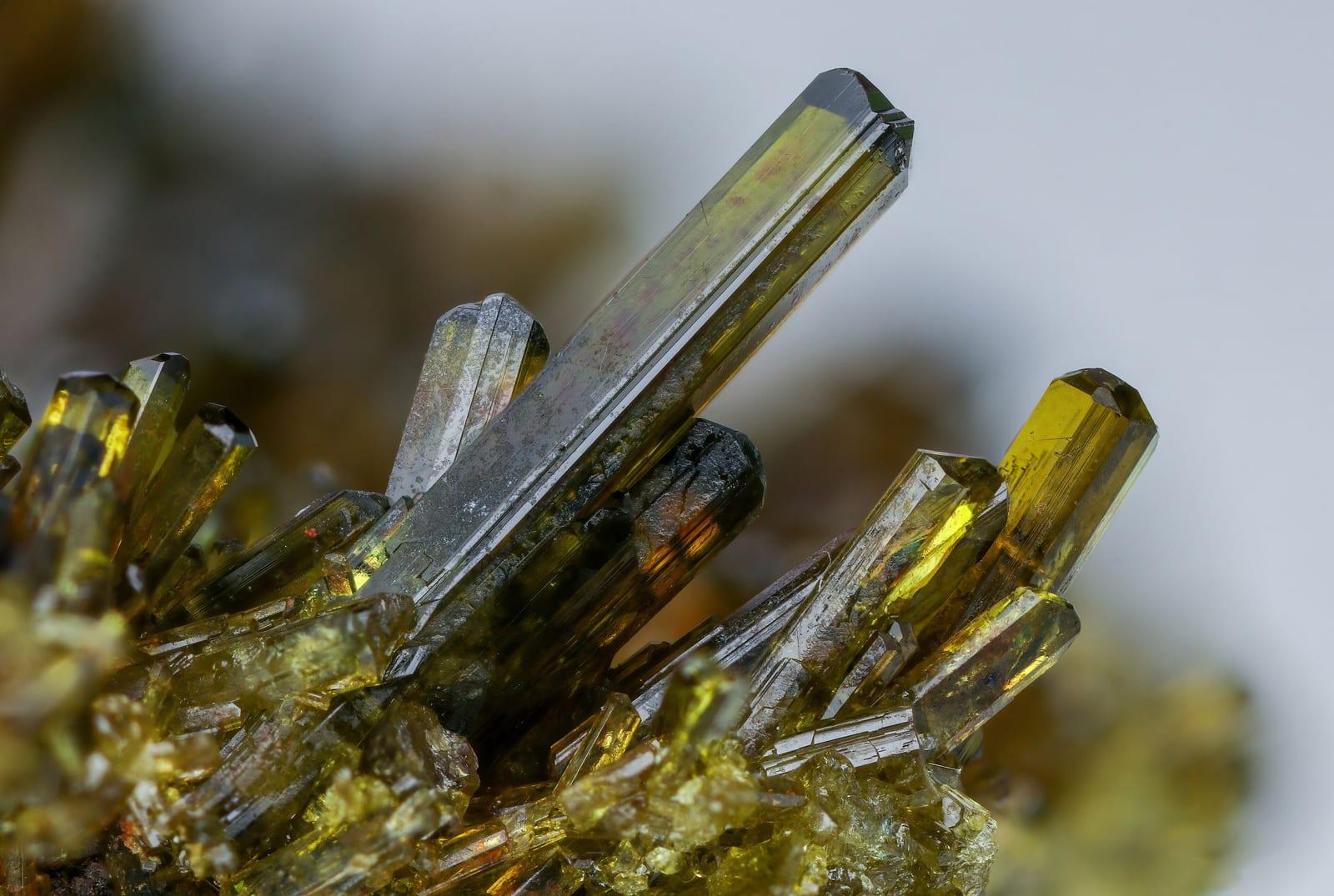
How to tell apart: Epidote is yellowish green with one perfect cleavage and forms elongated blades, not rounded garnet crystals.
Often found alongside grossular
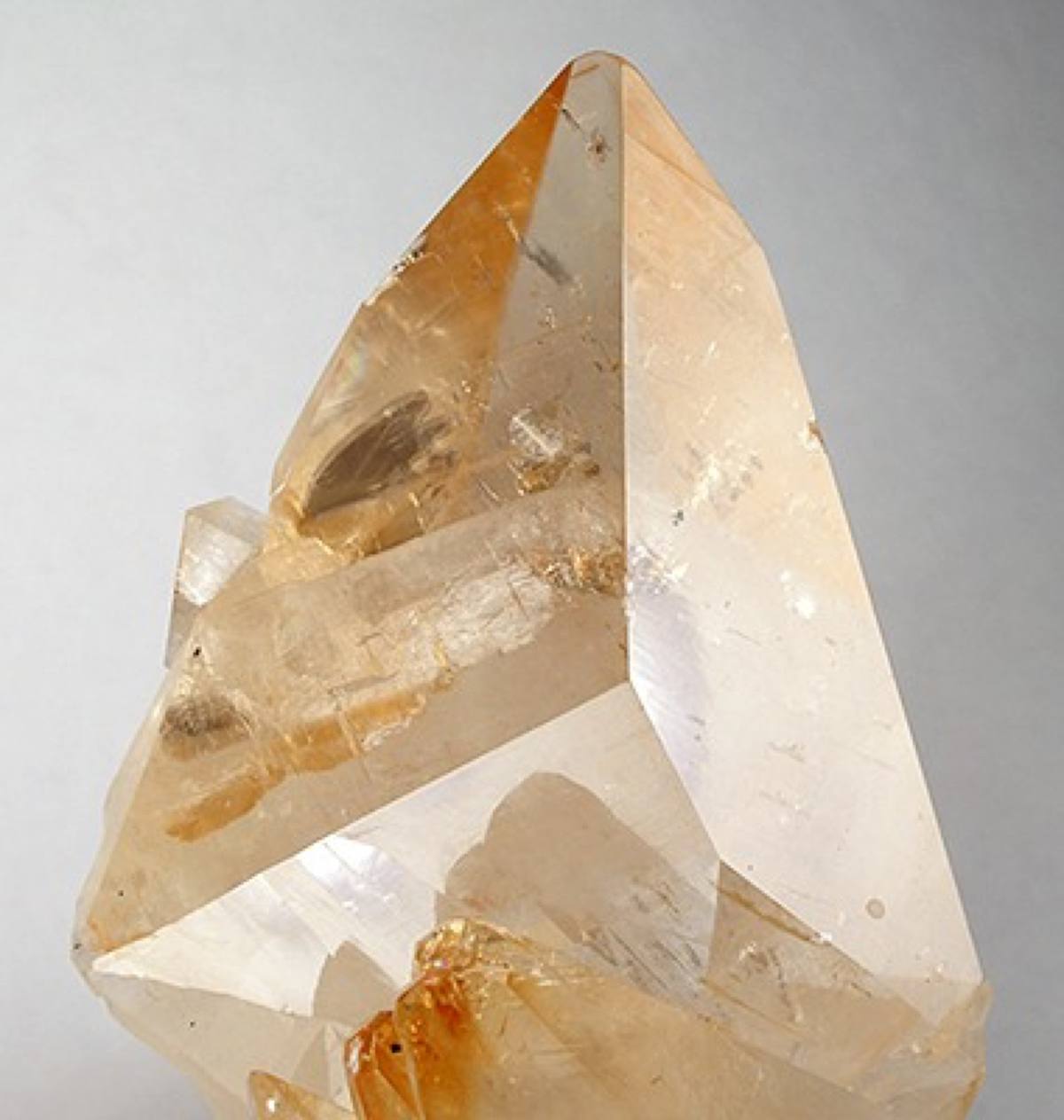
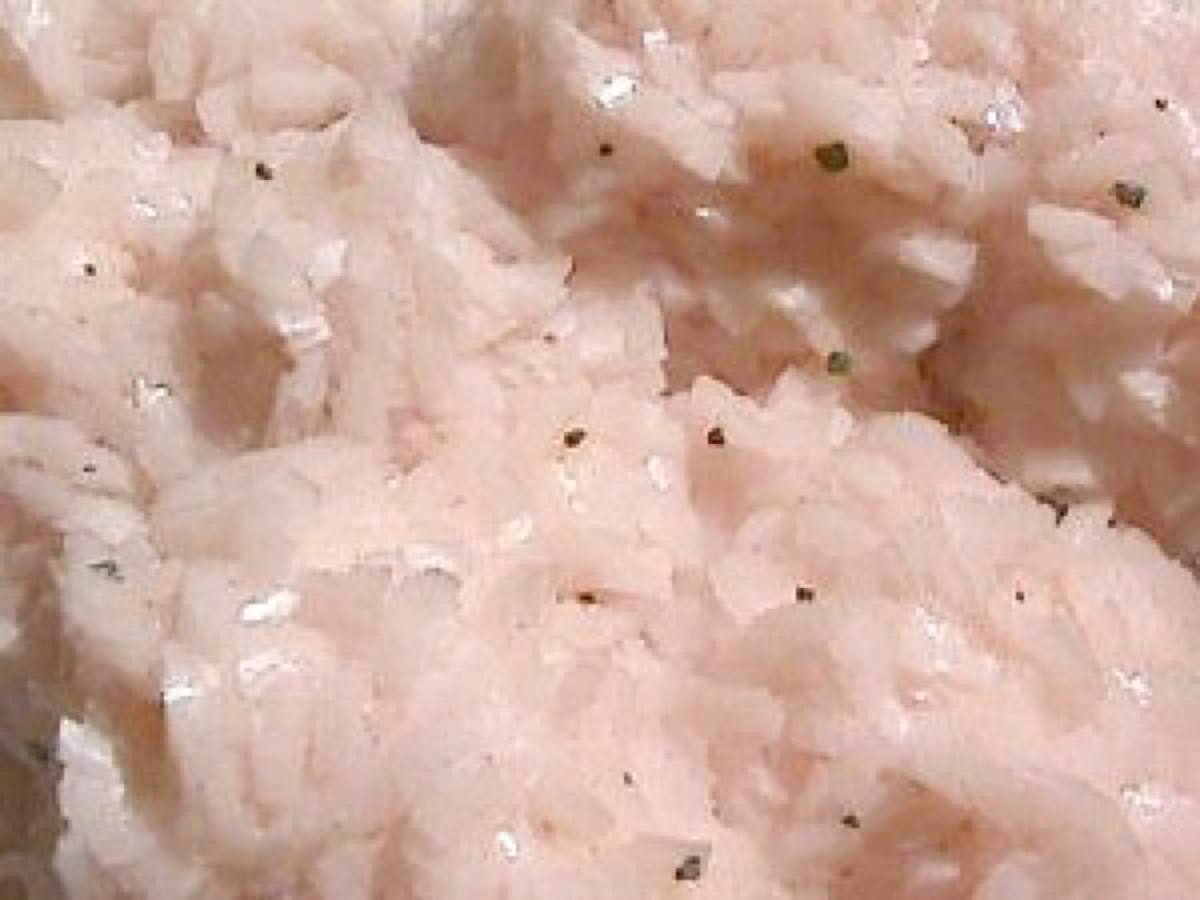
Minerals reported to co-occur with grossular. Spotting these in float or country rock is a strong cue you are in the right ground.
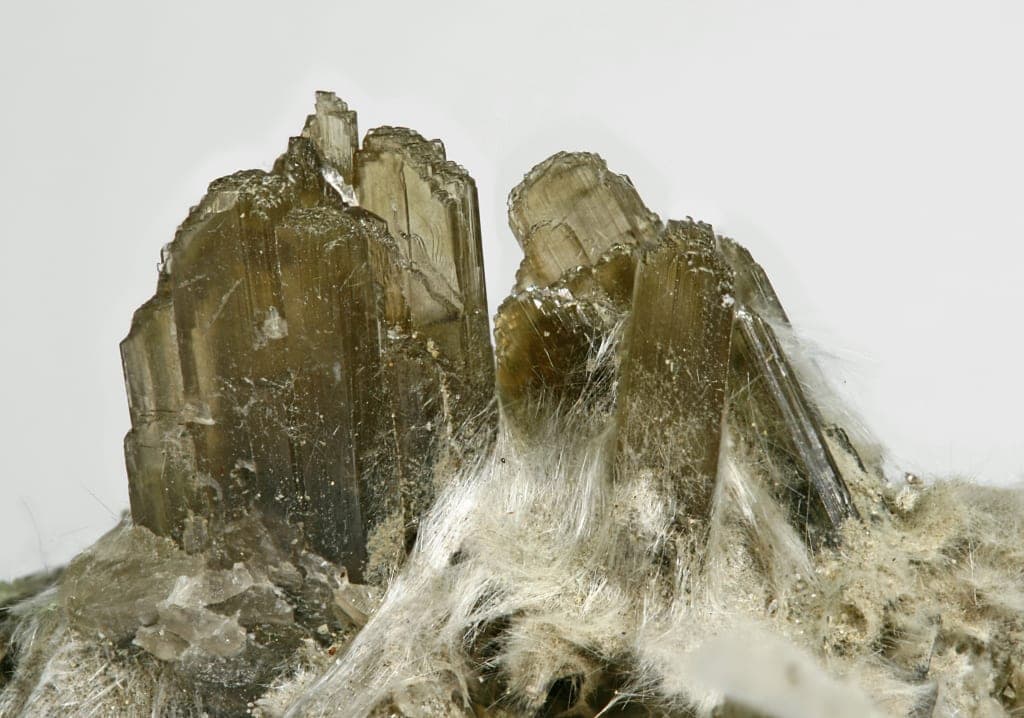
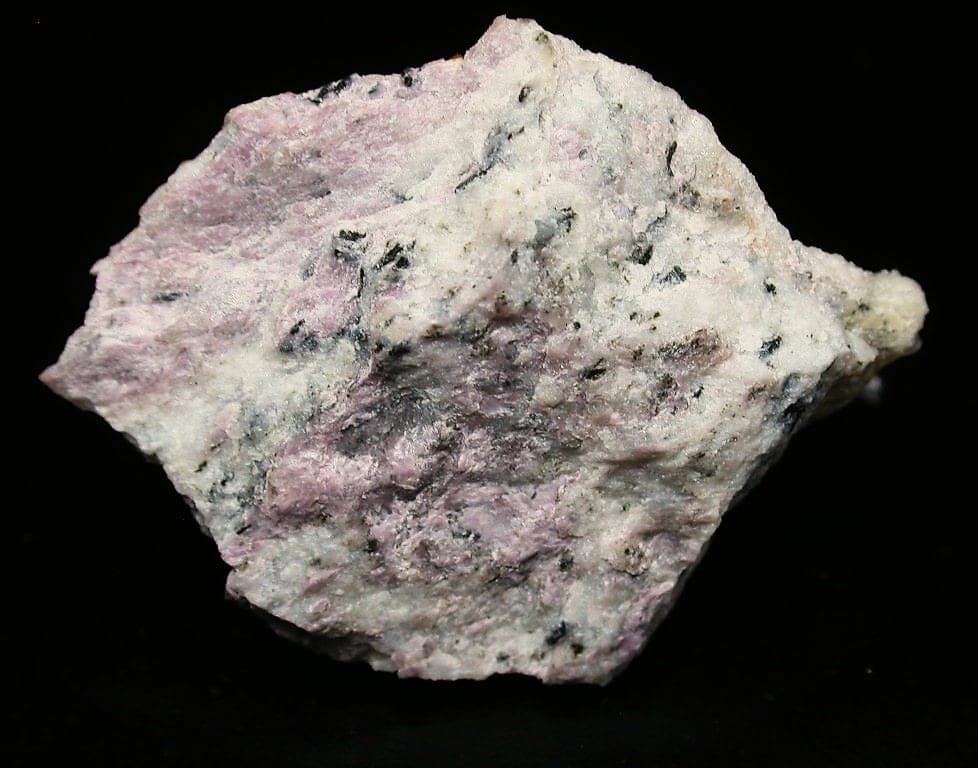
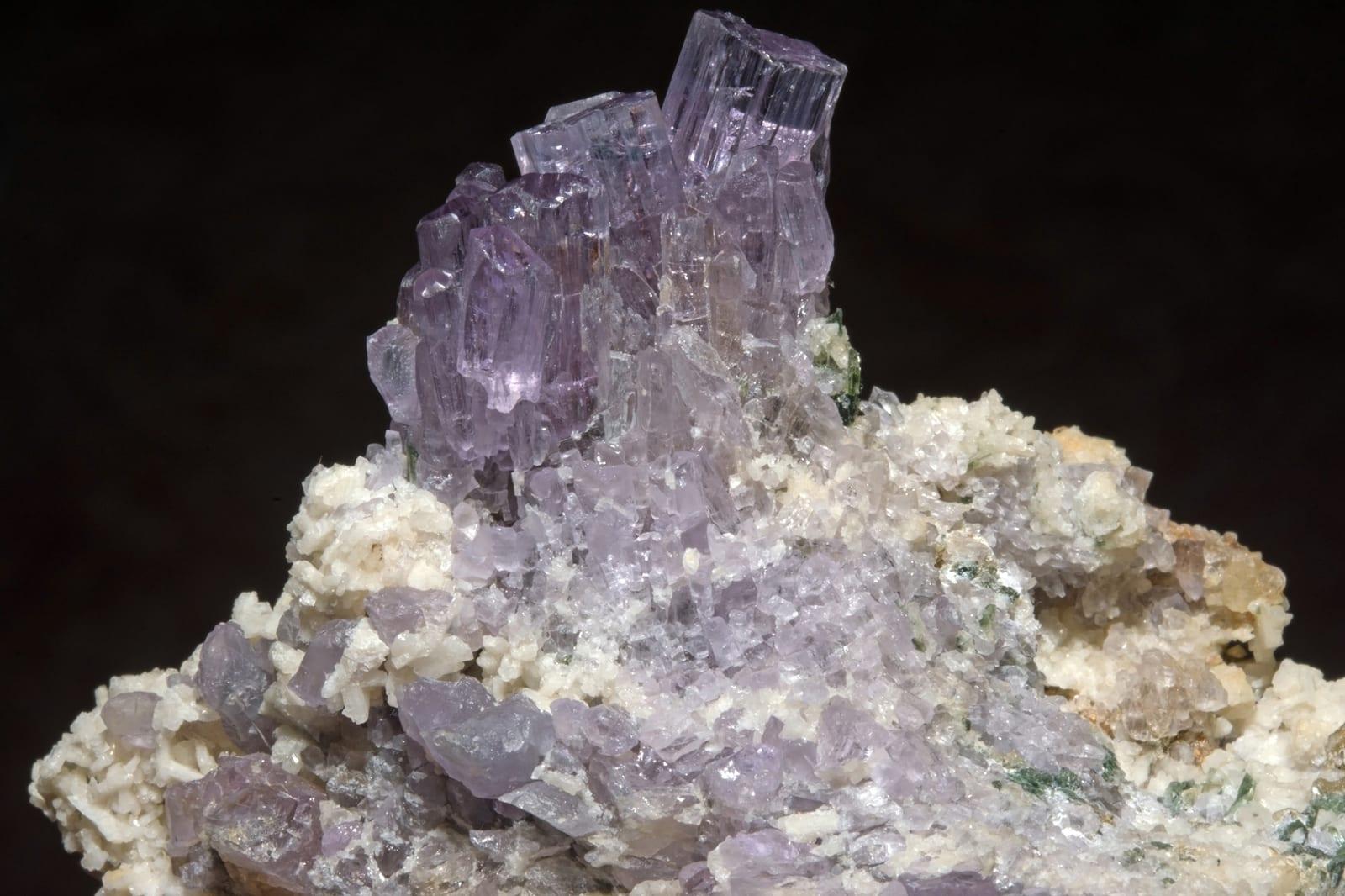
All properties
- Chemical formula
- Ca₃Al₂(SiO₄)₃
- Mohs hardness
- 6.5-7
- Density
- 3.594 g/cm³
- Streak
- White
- Luster
- Vitreous to resinous
- Transparency
- Transparent to opaque
- Crystal system
- Cubic
- Crystal habit
- Dodecahedral or trapezohedral crystals, massive, granular
- Cleavage
- Parting on {110} rarely observed
- Fluorescence
- Pink under SW UV; orange under LW UV
- Rarity
- Common
- Uses
- Collector, Gemstone, Lapidary
- Host rock
- In contact and regionally metamorphosed calcareous rocks, or rocks which have undergone calcium metasomatism; in some schists and serpentinites
Where rockhounds find grossular
Classic worldwide localities
- Standish, Cumberland Co., Maine, and at the Belvidere Mountain quarries, Lowell, Orleans Co., Vermont, USA
- Crestmore, Riverside Co., the Old Cosumnes copper mine, El Dorado Co., San Carlos mine, Mazourka Canyon, Inyo Range, Inyo Co., and Santa Rosa, Sonoma Co., California, USA
- Vesper Peak, Sultan basin, Snohomish Co., Washington, USA
- Chernyshevsk, at the confluence of the Vilyui and Akhtaragda Rivers, Yakutia, Russia
- Ala Valley, Piedmont, Italy
- Zillertal, Tirol, Austria
Field-hunting tip
Where it forms: In contact and regionally metamorphosed calcareous rocks, or rocks which have undergone calcium metasomatism; in some schists and serpentinites. If you start seeing calcite, dolomite, epidote in float, you are in the right ground. Typical habit: dodecahedral or trapezohedral crystals, massive, granular. Train your eye for that shape before scanning the outcrop.
Common questions
How do you identify grossular?+
Where is grossular found?+
What rocks look like grossular?+
What minerals are found with grossular?+
What kind of rock does grossular form in?+
What is grossular used for?+
Find grossular on the map
RockHoundR shows mapped rockhounding spots, access rules, and lets you log every find.