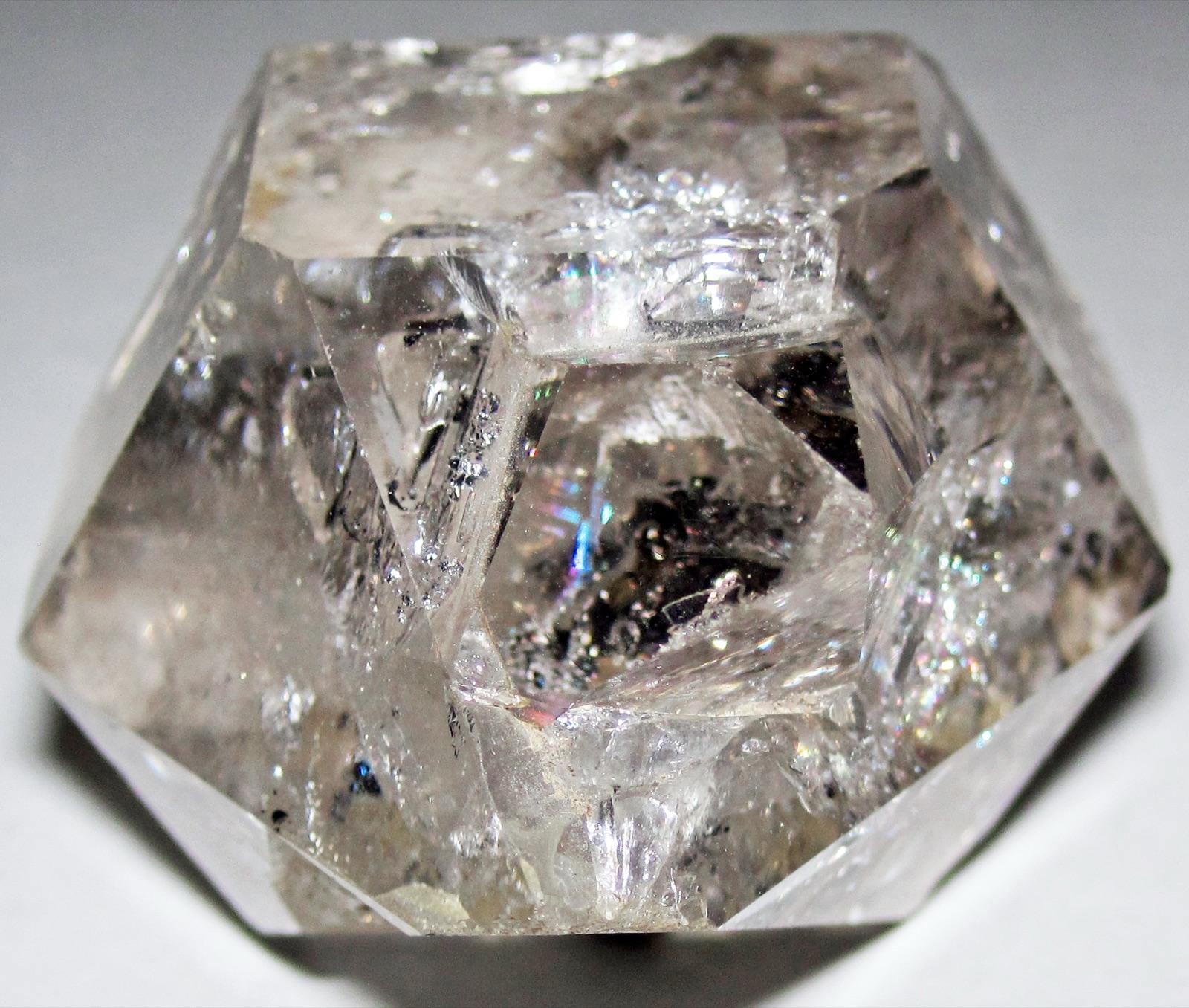
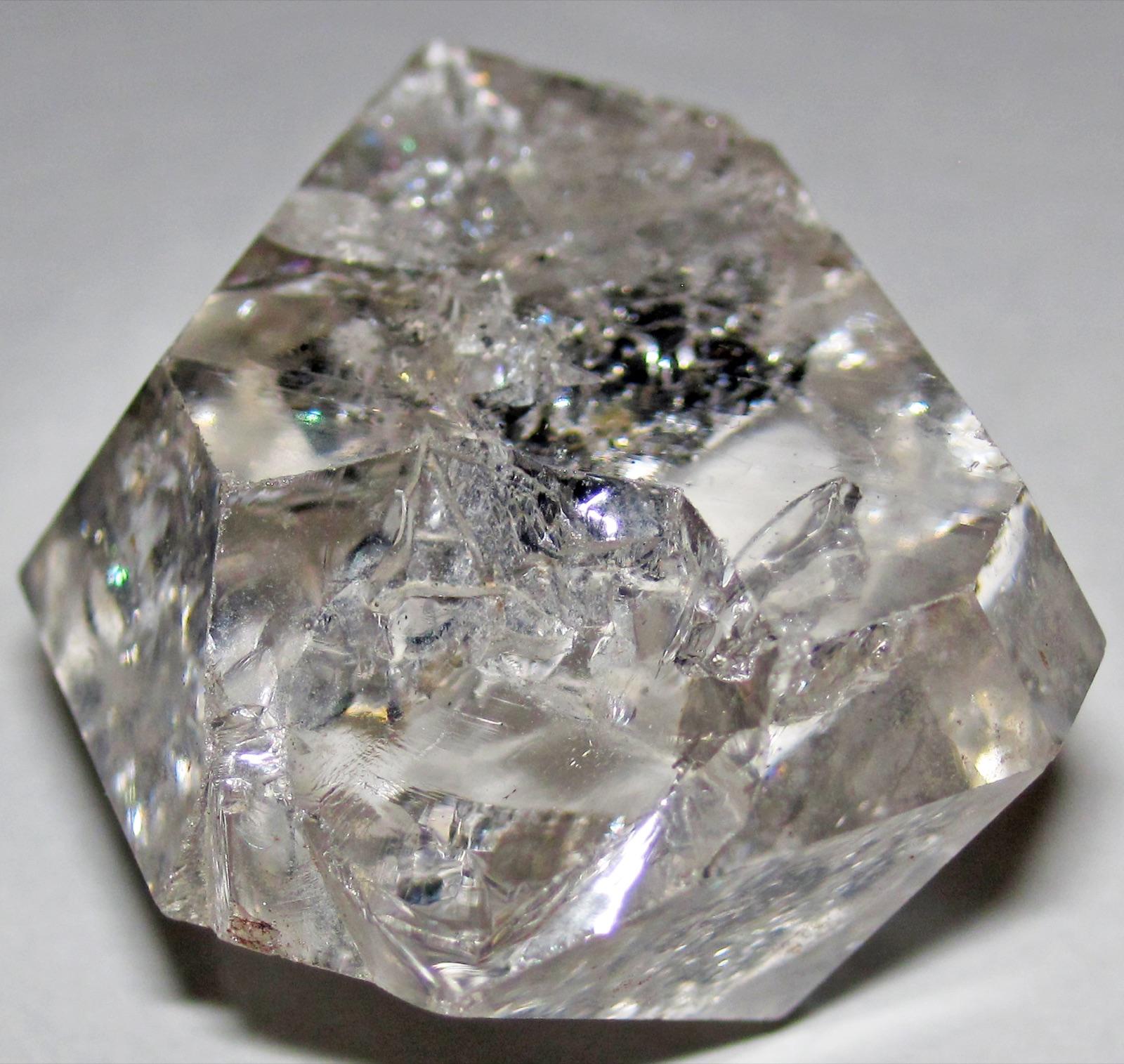
Herkimer diamond is exceptionally clear, doubly terminated quartz crystals found in vugs within dolostone outcrops in New York. They are famous for their brilliant, diamond-like luster and natural geometric perfection that often requires no cutting or polishing. Collectors prize them for their extreme clarity and the occasional inclusion of black carbonaceous material or fluid pockets.
Spotting herkimer diamond in the field
Field marks- 1
Doubly terminated: a natural point at both ends, with no broken attachment face
- 2
Short and stubby rather than long-prismatic, and often glass-clear
- 3
Faces have a bright natural polish straight out of the rock
Herkimers grew floating in pockets in a very hard Cambrian dolostone, which is why they have points on both ends and why getting them out is genuinely hard work. Loose crystals wash out into the soil and pocket clay and can be found by hand, but the good ones come from breaking rock, and that rock is unforgiving. Bring a heavy crack hammer, a few chisels, eye protection you actually wear, and gloves. Work a seam rather than the face, and look for the tan pocket clay, since crystals sit in it.
Straight answers
- Is it worth cutting?
- Almost never cut. They are sold and worn as natural crystals precisely because the faces come out already bright.
- What is it really worth?
- Small clear singles are inexpensive and abundant. Large flawless crystals, and specimens with anthraxolite or fluid inclusions, climb quickly.
- Can you legally keep it?
- The producing ground in Herkimer and Montgomery counties is privately owned, and collecting happens at established pay-to-dig sites that charge by the day. There is no meaningful public land option, so do not go looking for a free roadside outcrop.
Where it is worth going
- Herkimer County pay-to-dig minesMiddleville and Fonda, New York
Several long-running commercial sites. Day rates, tools sometimes rented on site, keep what you find.
Often confused with
Herkimer Diamond vs. its common look-alikes, and how to tell them apart in the field.
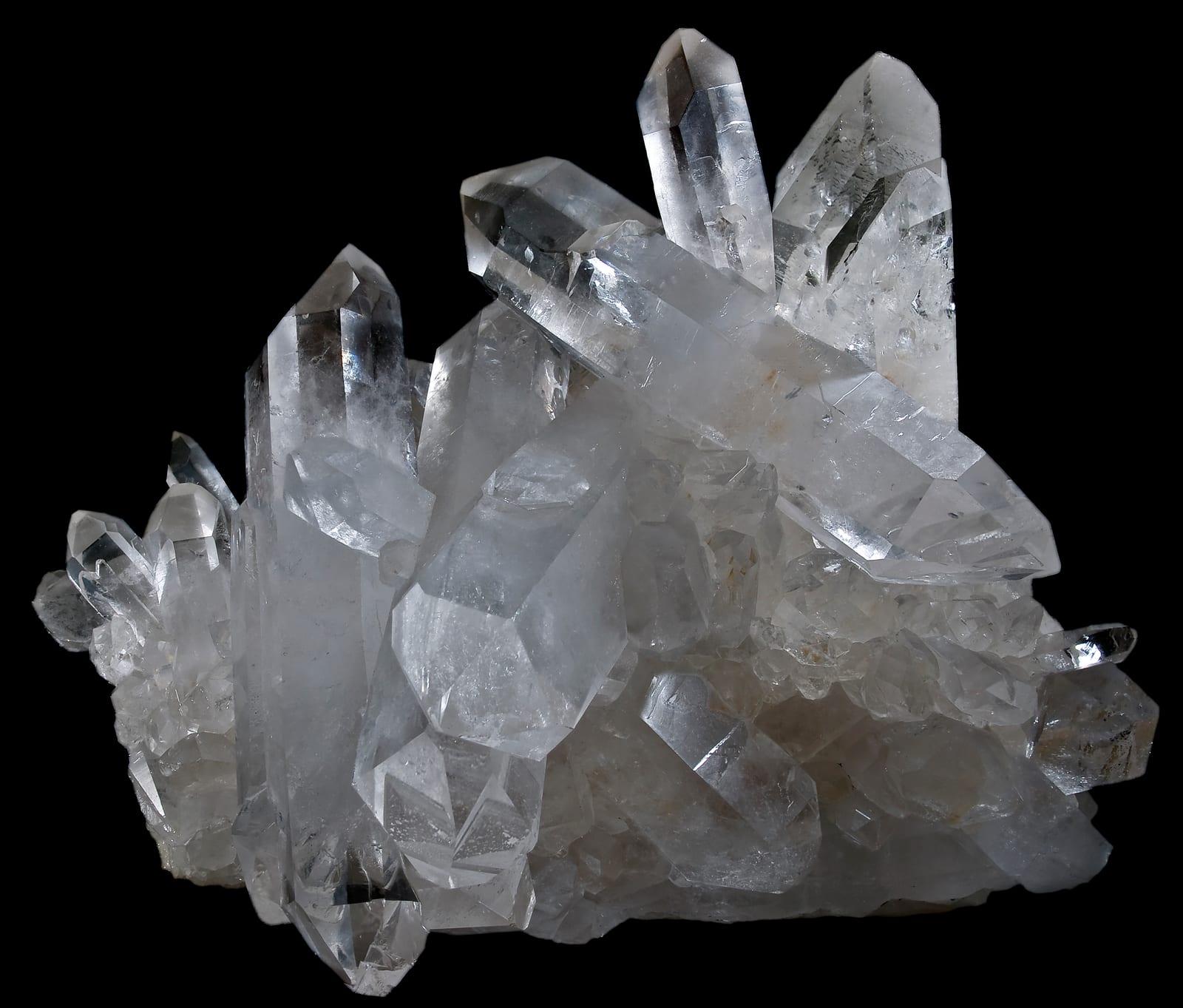
How to tell apart: Ordinary quartz has one termination and a broken base where it grew off the matrix. A true Herkimer is pointed at both ends because it grew unattached.
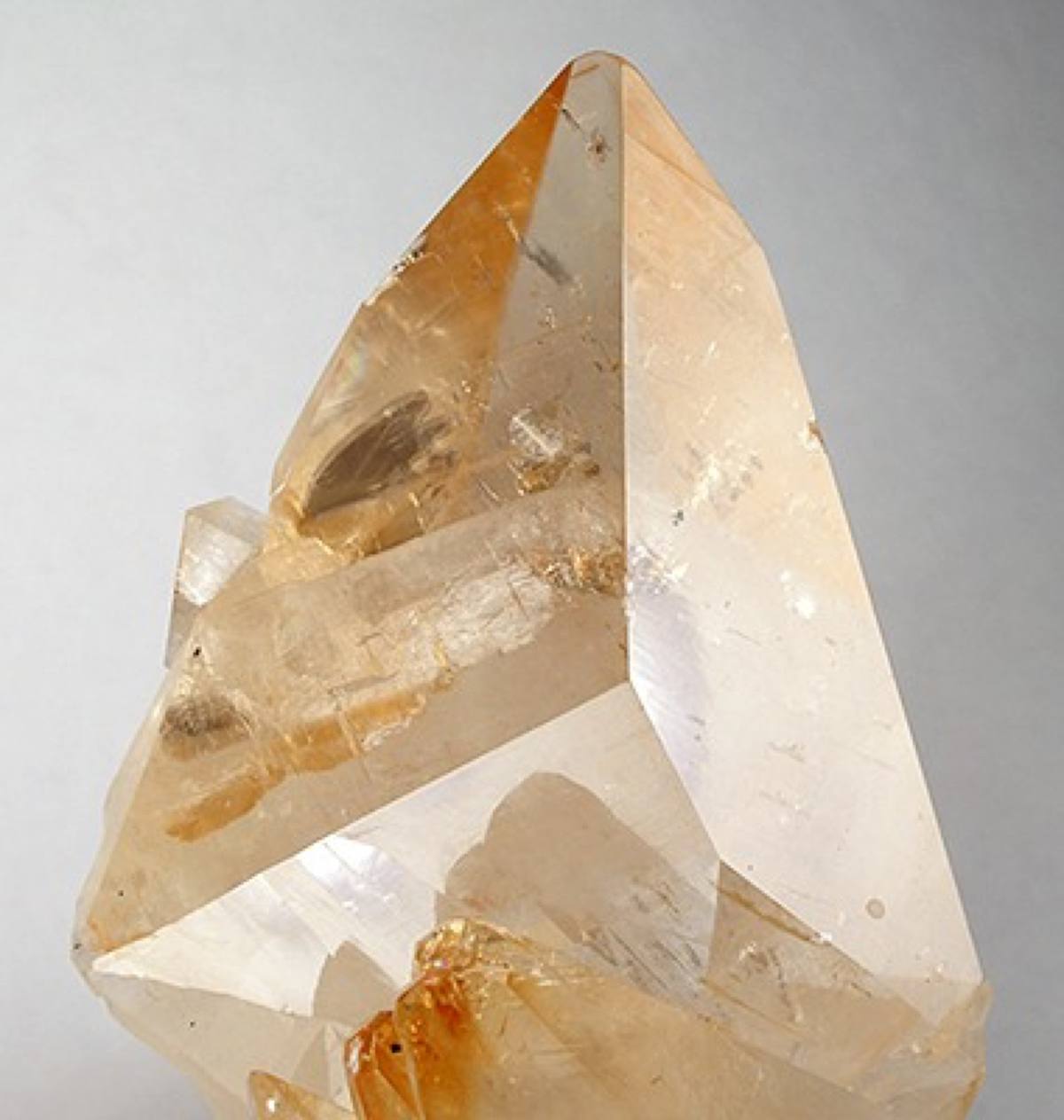
How to tell apart: The dolostone hosts calcite too. Calcite is soft, marks with a knife, and lacks the glassy double points.
Often found alongside herkimer diamond
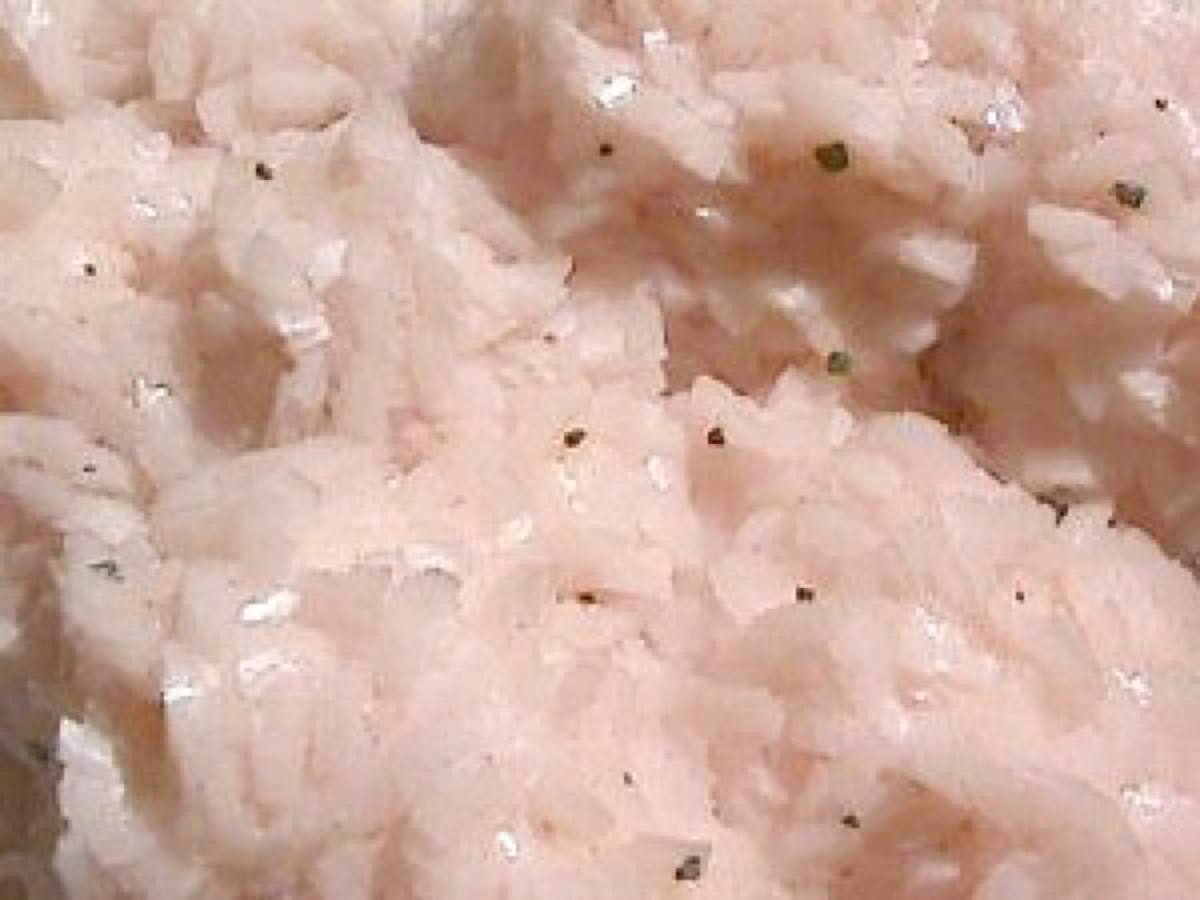
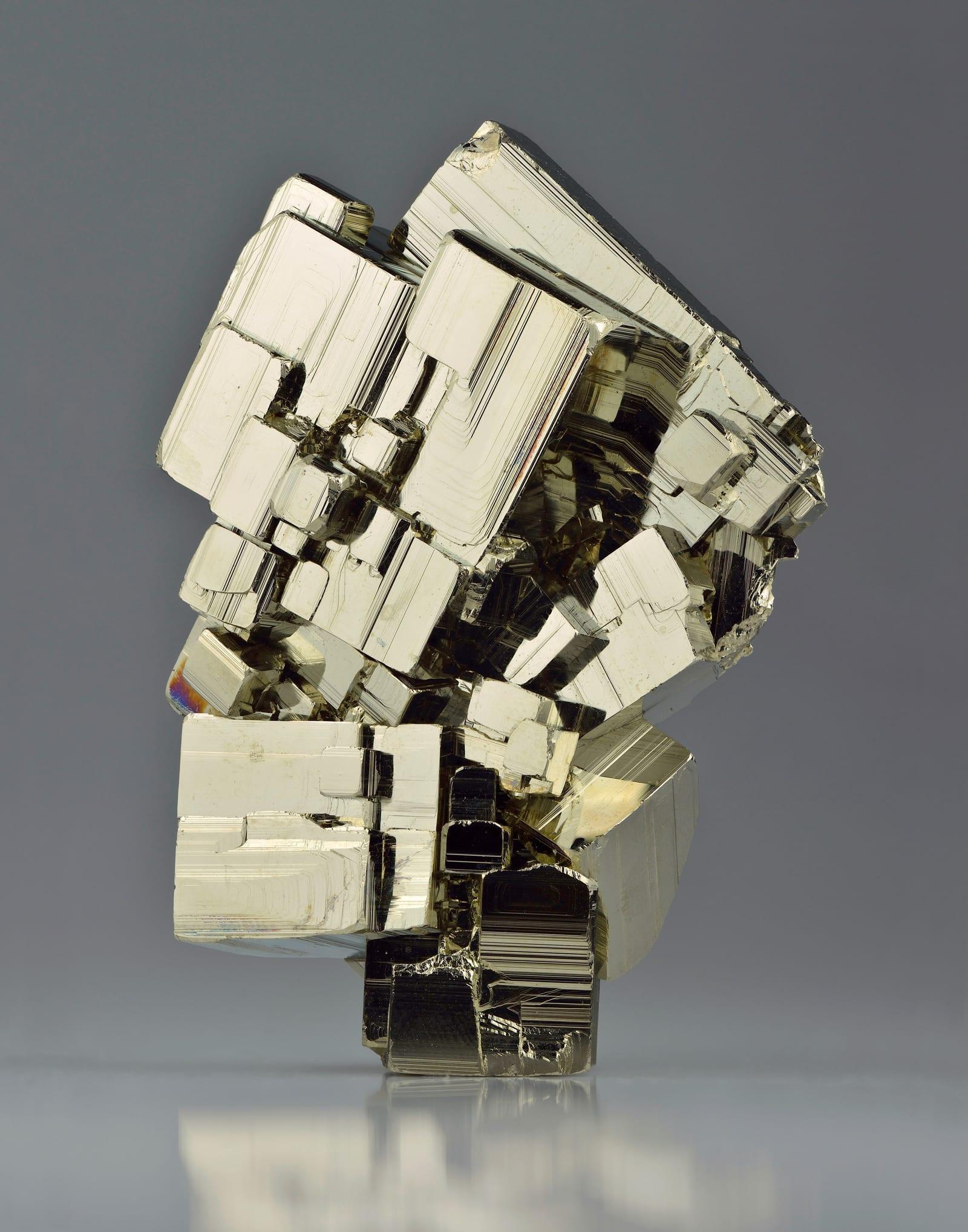
Minerals reported to co-occur with herkimer diamond. Spotting these in float or country rock is a strong cue you are in the right ground.
All properties
- Chemical formula
- SiO₂
- Mohs hardness
- 7
- Density
- 2.65 g/cm³
- Colors
- ColorlessSmoky
- Streak
- White
- Luster
- Vitreous
- Transparency
- Transparent
- Crystal system
- Trigonal
- Crystal habit
- Doubly terminated hexagonal prismatic
- Cleavage
- None
- Rarity
- Common
- Uses
- Collector, Jewelry, Lapidary
- Host rock
- Dolostone
Where rockhounds find herkimer diamond
15 mapped spotsClassic worldwide localities
- Herkimer County, New York
- Little Falls, New York
- Mohawk Valley, New York
U.S. states with herkimer diamond
Each link opens a state-specific list of mapped rockhounding spots that produce herkimer diamond.
Field-hunting tip
Where it forms: Dolostone. If you start seeing dolomite, calcite, pyrite in float, you are in the right ground. Typical habit: doubly terminated hexagonal prismatic. Train your eye for that shape before scanning the outcrop. In the U.S., the densest reported localities are in New York, Pennsylvania. Start trip planning there.
More herkimer diamond photos
Common questions
How do you identify herkimer diamond?+
Where is herkimer diamond found?+
Can I find herkimer diamond in the United States?+
What rocks look like herkimer diamond?+
What minerals are found with herkimer diamond?+
What kind of rock does herkimer diamond form in?+
What is herkimer diamond used for?+
Find herkimer diamond on the map
RockHoundR shows mapped rockhounding spots, access rules, and lets you log every find.