Holmquistite is a rare lithium-rich amphibole typically found as acicular or fibrous aggregates in the contact zones of lithium pegmatites. Collectors look for its distinctive violet-blue color, which helps distinguish it from more common dark-colored amphiboles in lithium-rich geological environments.
Is this holmquistite?
5-step field checkRun through these checks against the specimen in your hand. The more boxes tick, the more confident the ID.
- 1Test the hardnessTry to scratch holmquistite with a known reference. Holmquistite sits at Mohs 5-6, softer than the next harder reference, harder than the previous one.
- 2Check the streakDrag the specimen across an unglazed porcelain plate. Streak: white, with sky-blue tinge.
- 3Read the lusterHold the specimen under a strong light. Luster: vitreous.
- 4Match the color rangeCompare against the expected color range: violet, blue, light blue, dark violet, black.
- 5Look at form & habitCrystal system: orthorhombic. Typical habit: prismatic.
Often confused with
Holmquistite vs. its common look-alikes, and how to tell them apart in the field.
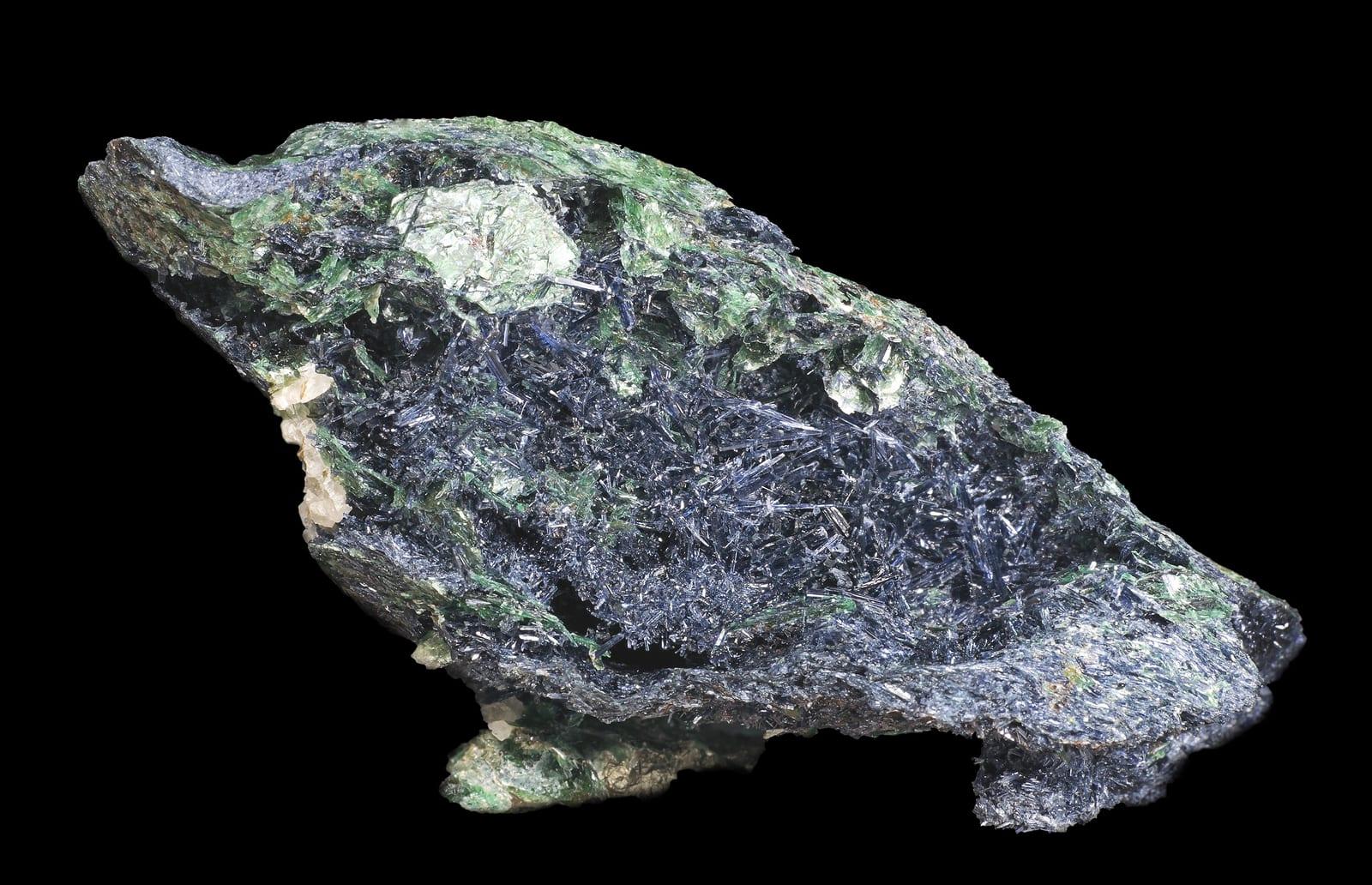
How to tell apart: Streak differs, so Holmquistite leaves white, with sky-blue tinge, Glaucophane leaves blue-gray.
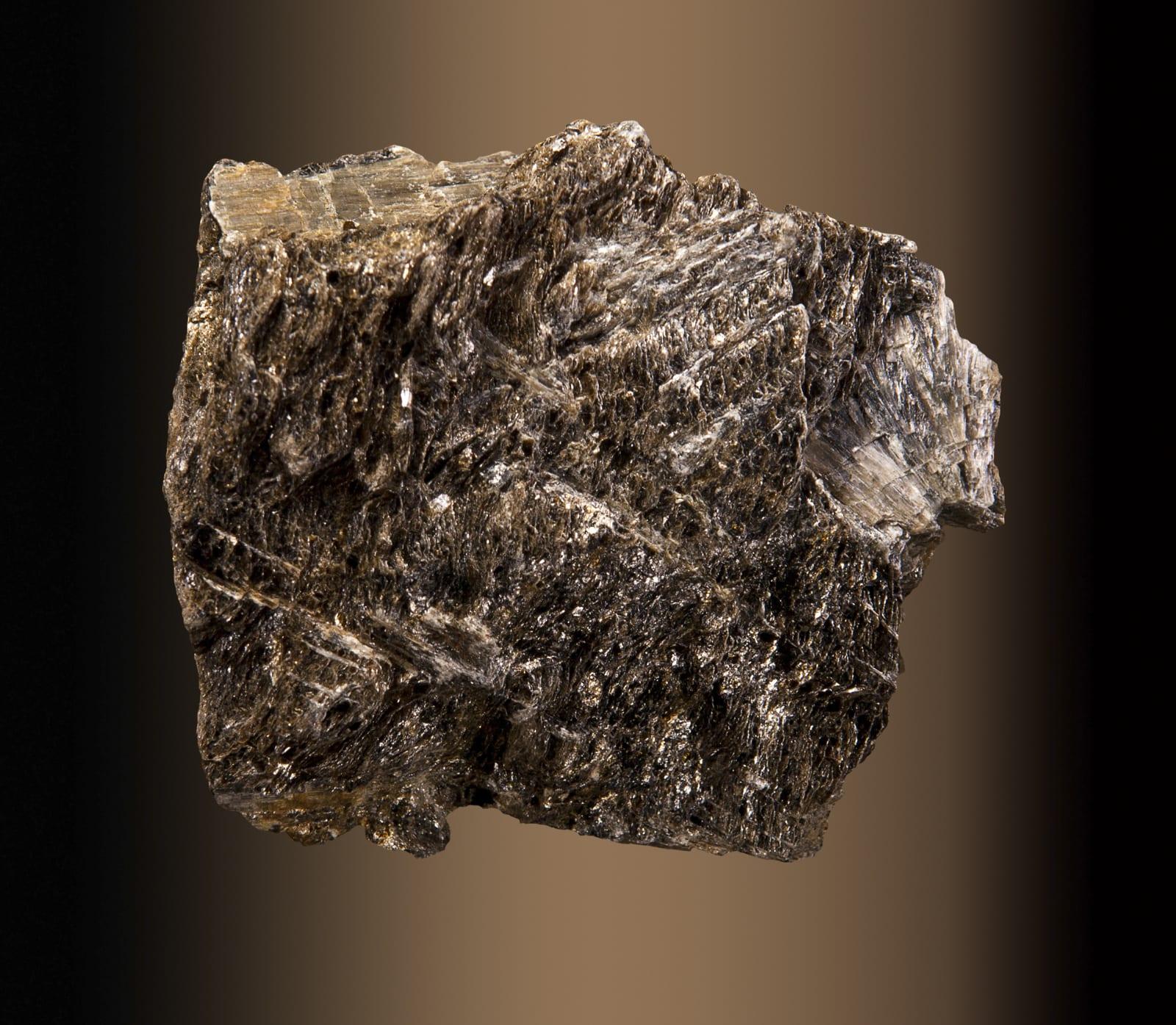
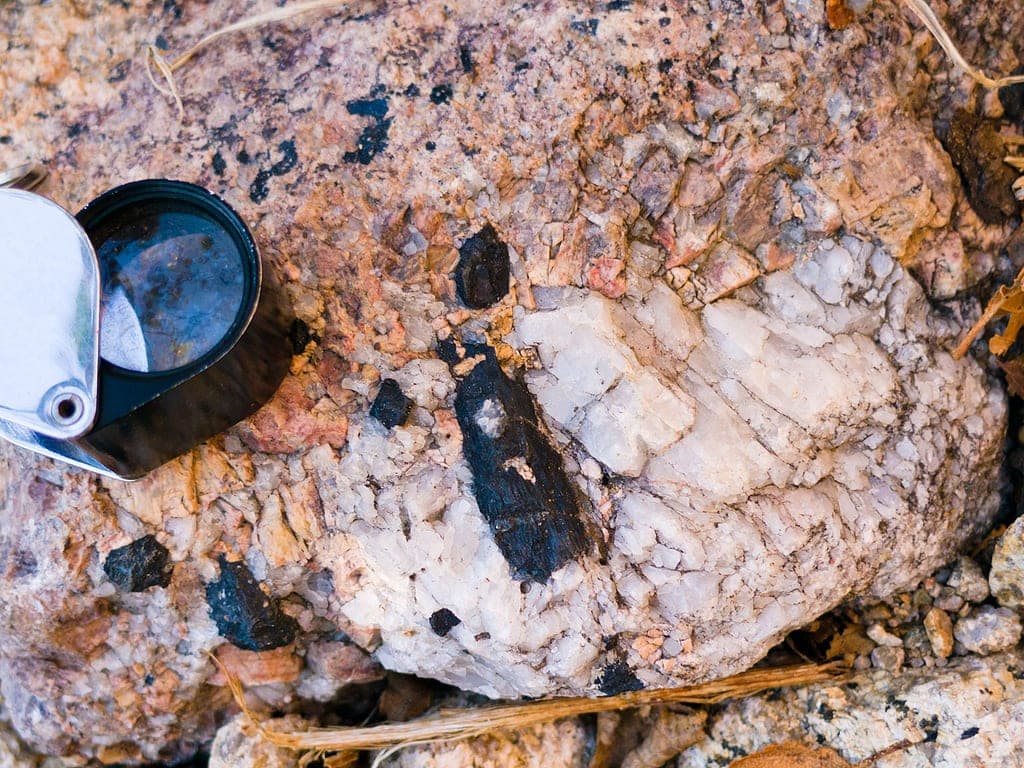
How to tell apart: Streak differs, so Holmquistite leaves white, with sky-blue tinge, Riebeckite leaves greenish brown.
Often found alongside holmquistite
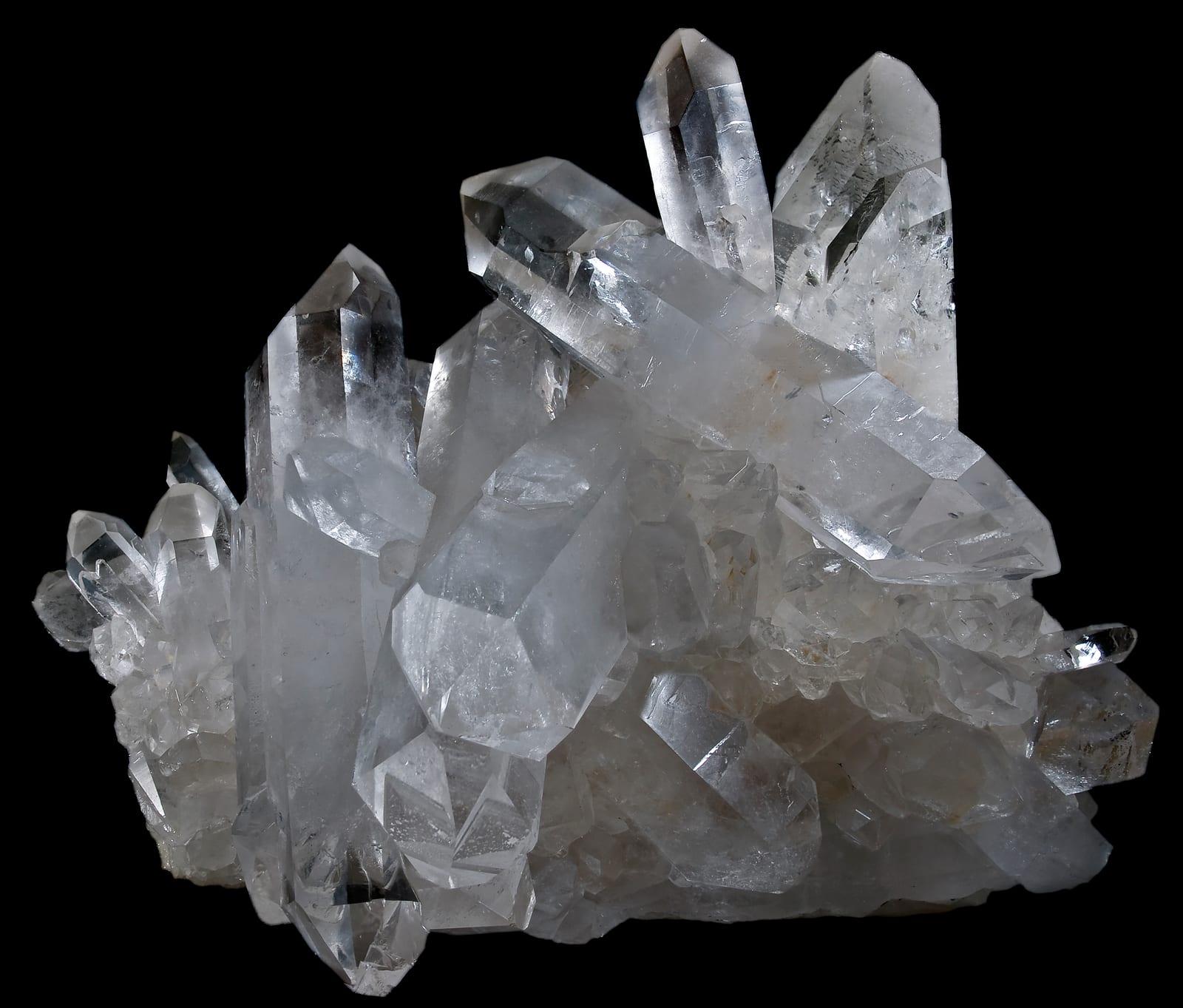
Minerals reported to co-occur with holmquistite. Spotting these in float or country rock is a strong cue you are in the right ground.
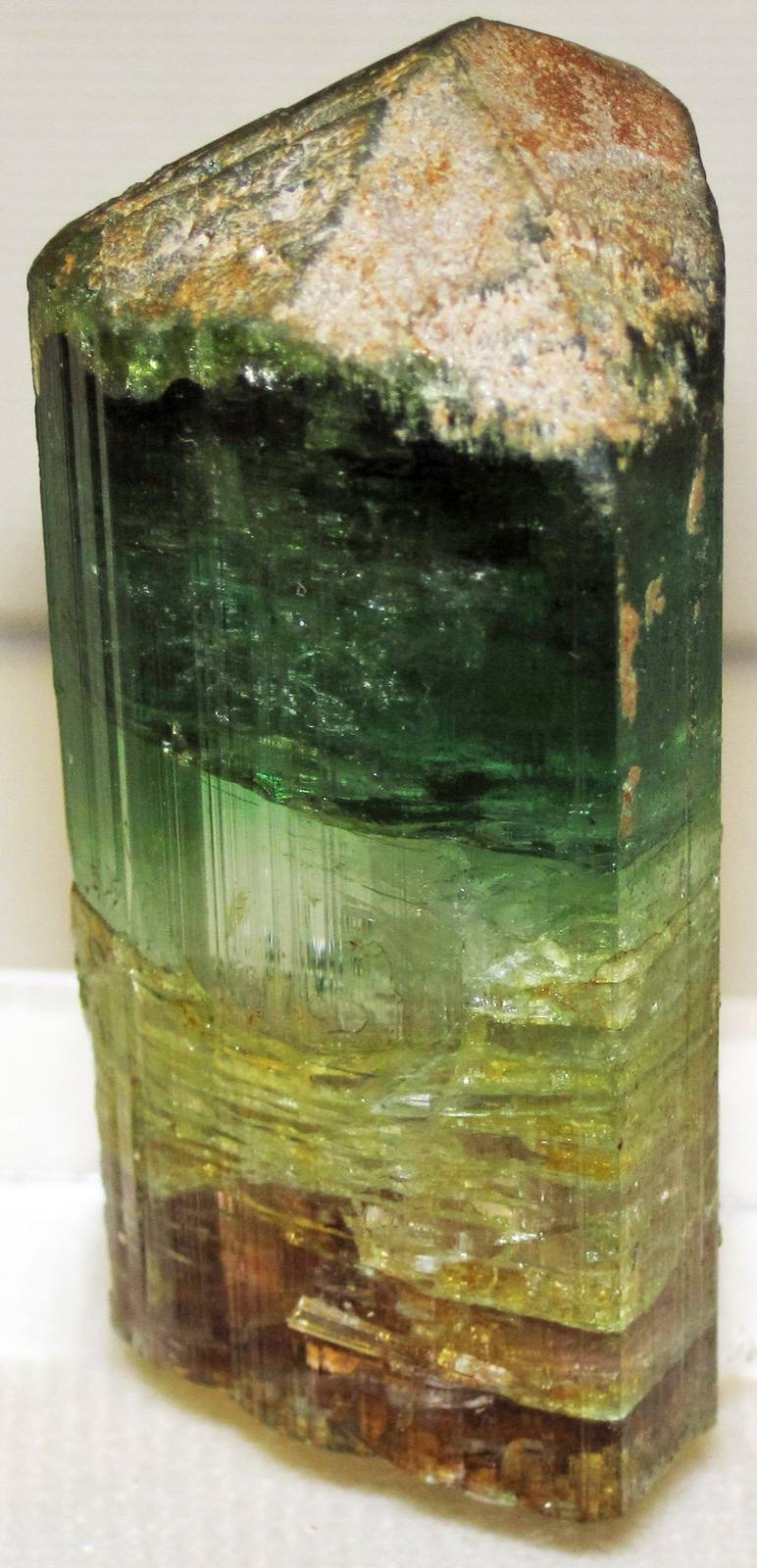
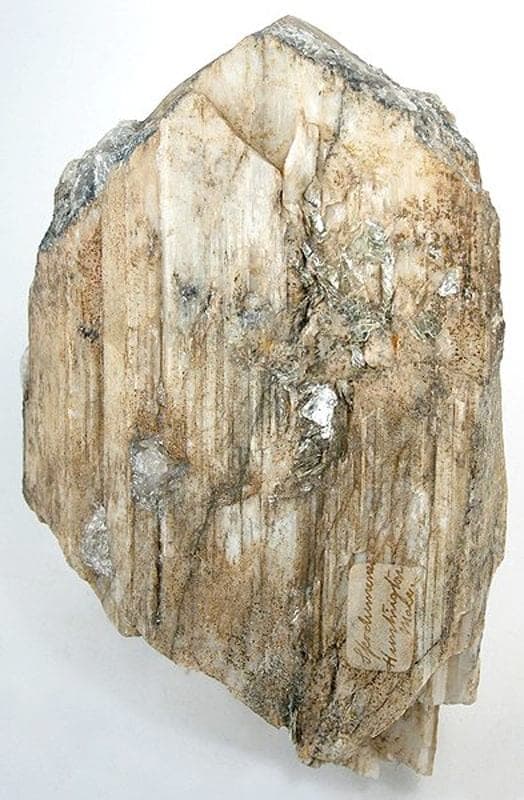
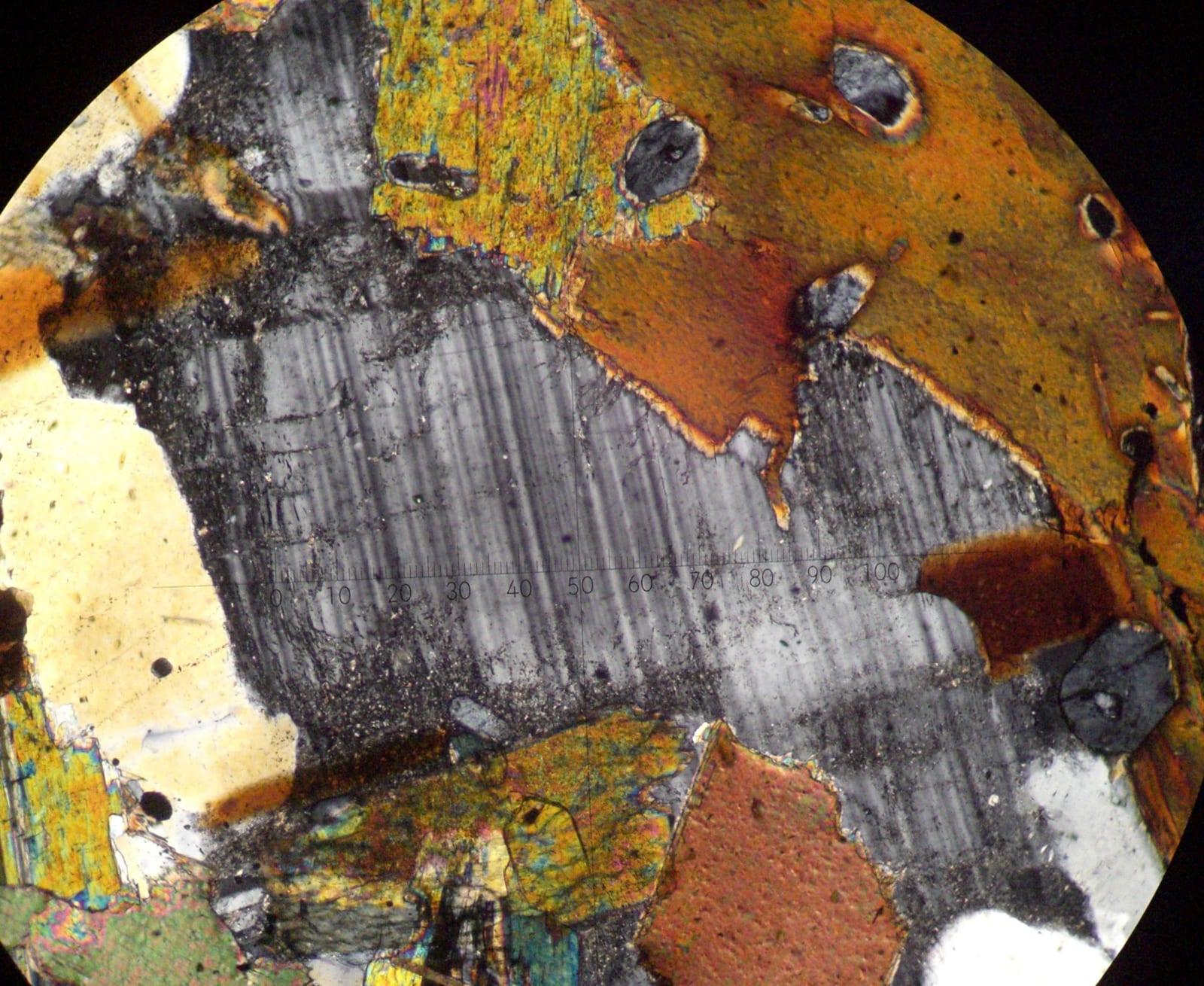
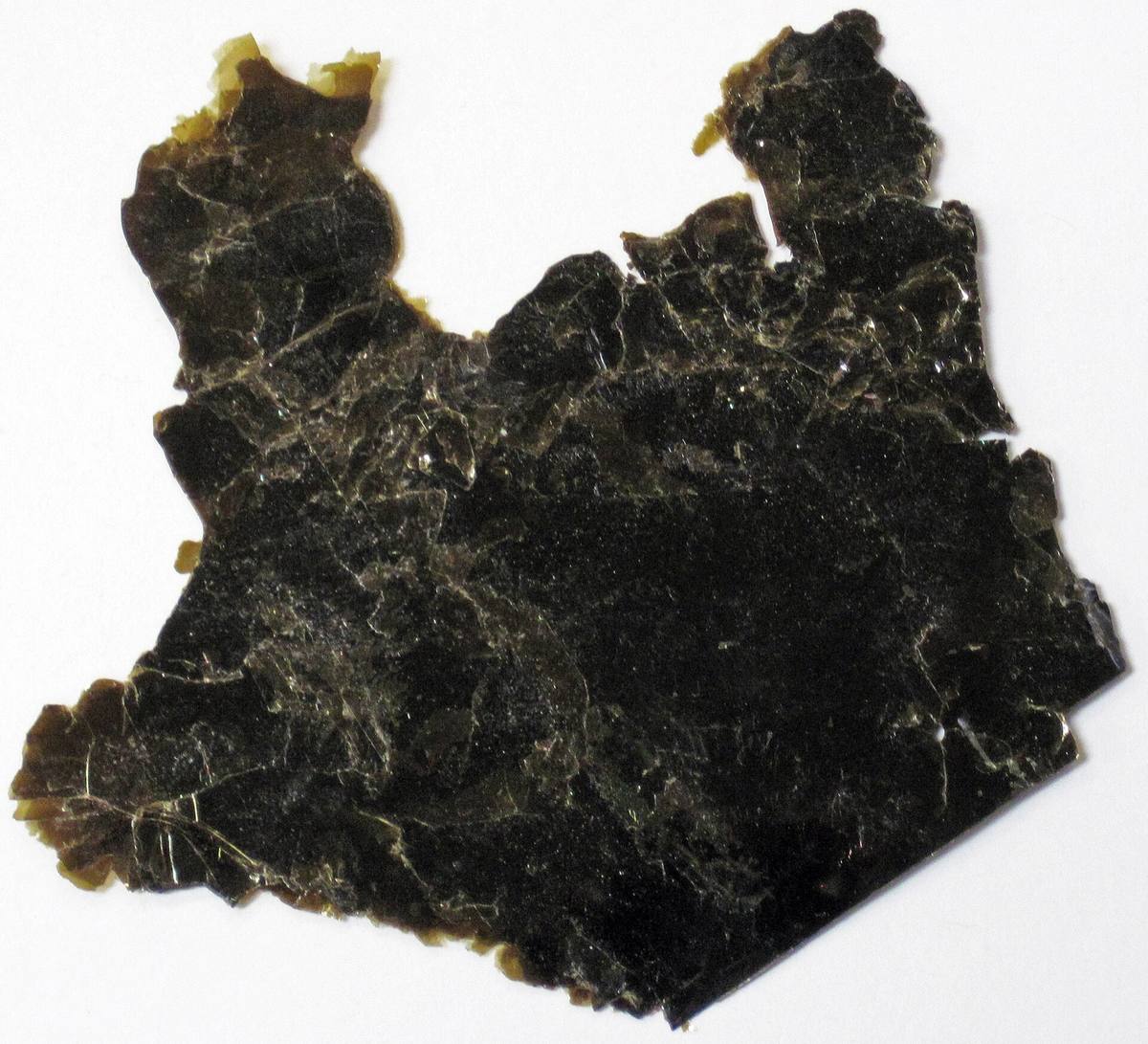
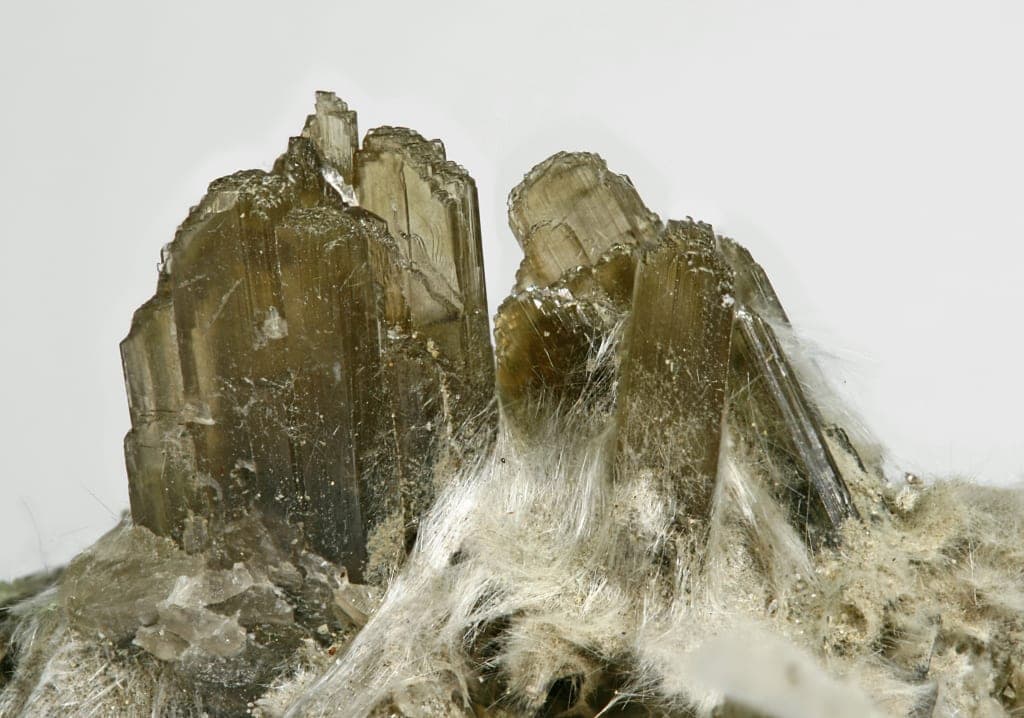
All properties
- Chemical formula
- □Li₂(Mg₃Al₂)Si₈O₂₂(OH)₂
- Mohs hardness
- 5-6
- Density
- 2.95-3.13 g/cm³
- Colors
- Streak
- White, with sky-blue tinge
- Luster
- Vitreous
- Transparency
- Transparent to translucent
- Crystal system
- Orthorhombic
- Crystal habit
- Prismatic
- Cleavage
- Perfect on {210}, intersecting at ~54° and ~126°; partings on {001}, {112}, and {113}
- Rarity
- Rare
- Uses
- Collector, Geological research
- Host rock
- As metasomatic replacements near the outer margins of lithium-rich pegmatites
Where rockhounds find holmquistite
Classic worldwide localities
- Hiddenite, Alexander Co., and the Foote mine, Kings Mountain, Cleveland Co., North Carolina, USA
- Harding pegmatite, Dixon, Taos Co., New Mexico, USA
- Keystone, Pennington Co., South Dakota, USA
- Utö, Sweden
- Brandrücken, Austria
- Barraute, and near St. Benoit, Quebec, and in the Tanco pegmatite, Bernic Lake, Manitoba, Canada
Field-hunting tip
Where it forms: As metasomatic replacements near the outer margins of lithium-rich pegmatites. If you start seeing quartz, clinoholmquistite, tourmaline in float, you are in the right ground. Typical habit: prismatic. Train your eye for that shape before scanning the outcrop.
Common questions
How do you identify holmquistite?+
Where is holmquistite found?+
What rocks look like holmquistite?+
What minerals are found with holmquistite?+
What kind of rock does holmquistite form in?+
What is holmquistite used for?+
Find holmquistite on the map
RockHoundR shows mapped rockhounding spots, access rules, and lets you log every find.