
Keokuk geodes are famous for their hollow, spherical limestone exteriors filled with sparkling, druzy quartz or chalcedony crystals. They are typically found by splitting the nodule to reveal a variety of crystal formations, including clear quartz points, banded agate, or colorful mineral inclusions like calcite and dolomite.
Spotting keokuk geode in the field
Field marks- 1
Softball to melon sized, with a chalky white to tan cauliflower exterior
- 2
Interiors lined with clear or milky quartz, sometimes with calcite, pyrite or goethite
- 3
Found weathering out of blue-grey shale banks in creek beds
The Keokuk geode beds sit in the Warsaw Formation across the corner where Iowa, Missouri and Illinois meet, and this is the most productive geode ground in North America. Work creek beds after high water, where the shale banks have been cut and geodes have rolled free. They weather out naturally, so surface hunting is genuinely productive and you do not need to attack a bank. Most of the good ground is private farmland, and there are several long-established fee-dig sites that solve the access problem cheaply.
Straight answers
- Is it worth cutting?
- Cut in half with a wet saw for the cleanest presentation, or crack with a pipe cutter. Some collectors polish the sawn rim and leave the crystal face natural.
- What is it really worth?
- Inexpensive. Uncommon fillings such as kaolinite, barite, sphalerite or good pyrite are what collectors pay for.
- Can you legally keep it?
- Almost all of the classic ground is private. Fee-dig operations near Keokuk are the straightforward legal route, and trespassing on farmland is the main way people get in trouble here.
Where it is worth going
- Keokuk geode bedsWhere Iowa, Missouri and Illinois meet along the Mississippi
The richest geode field in North America. Mostly private land, with several established pay-to-dig farms.
Often confused with
Keokuk Geode vs. its common look-alikes, and how to tell them apart in the field.
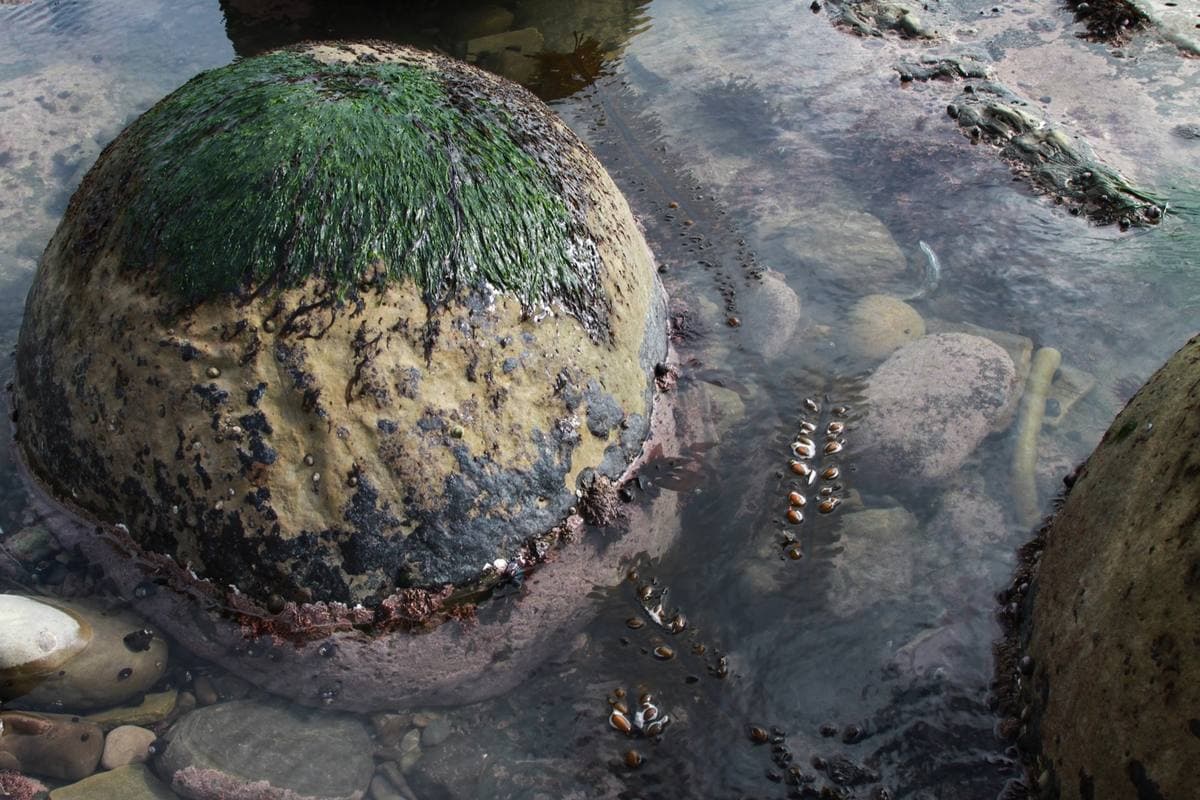
Often found alongside keokuk geode
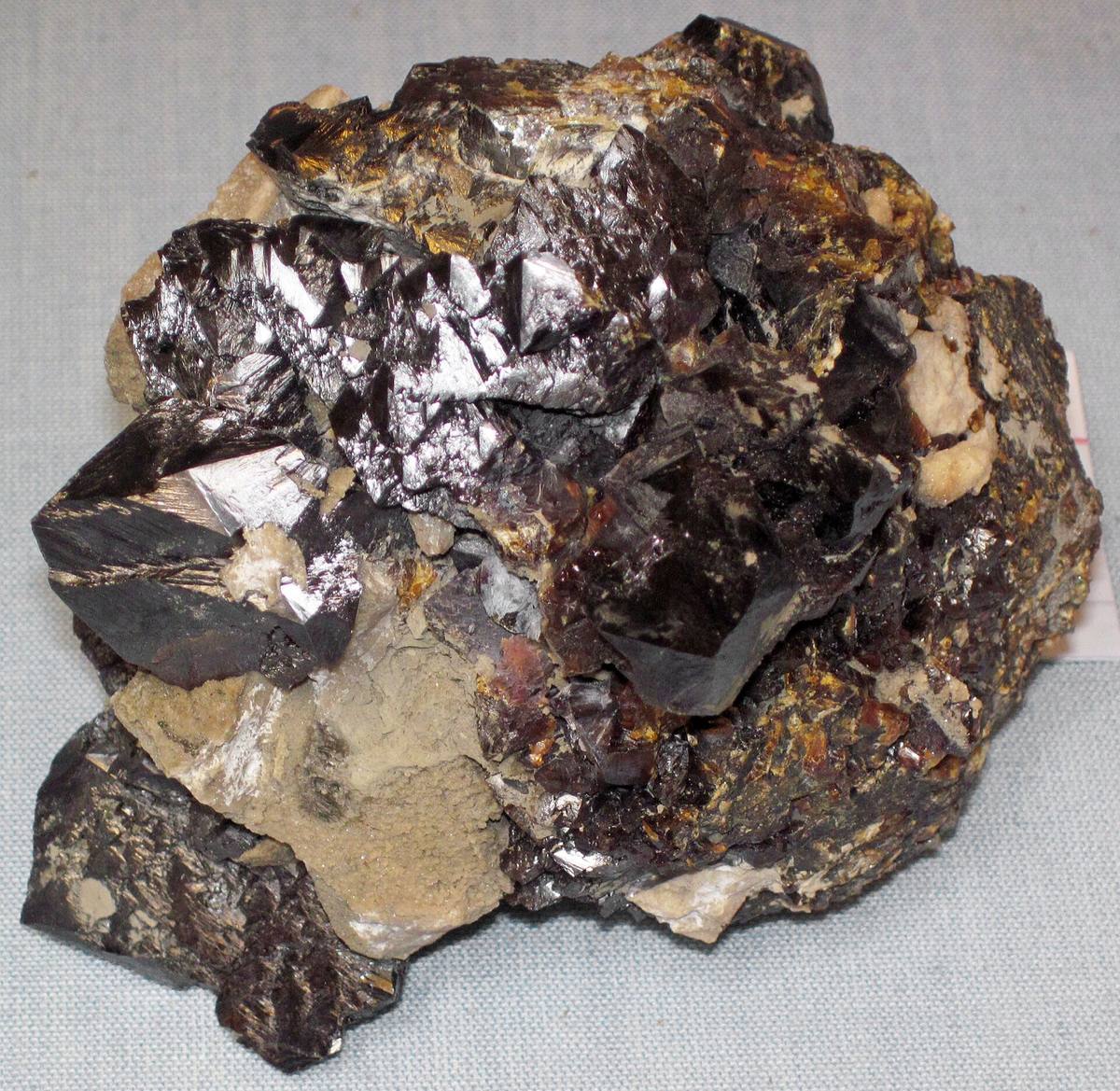
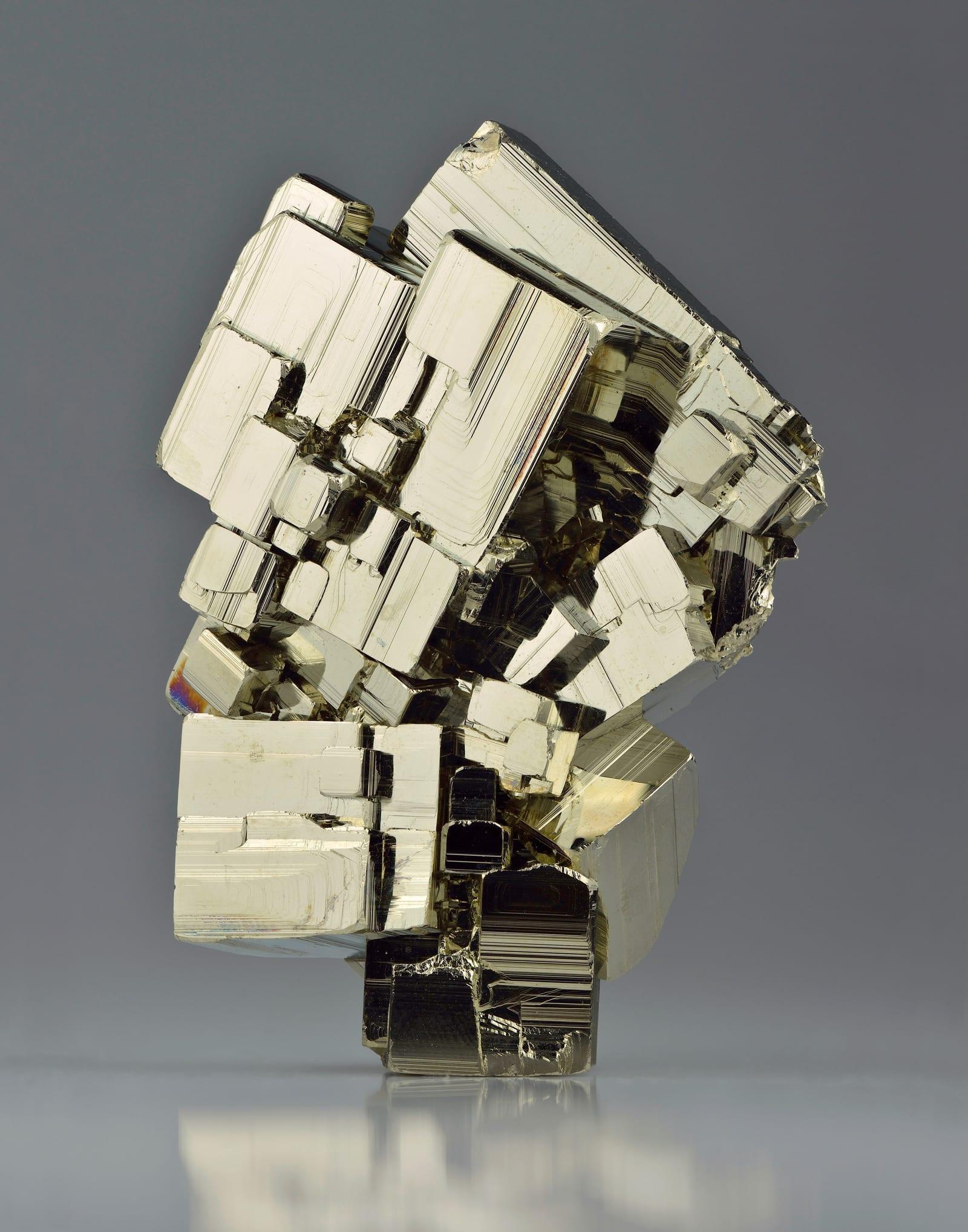
Minerals reported to co-occur with keokuk geode. Spotting these in float or country rock is a strong cue you are in the right ground.
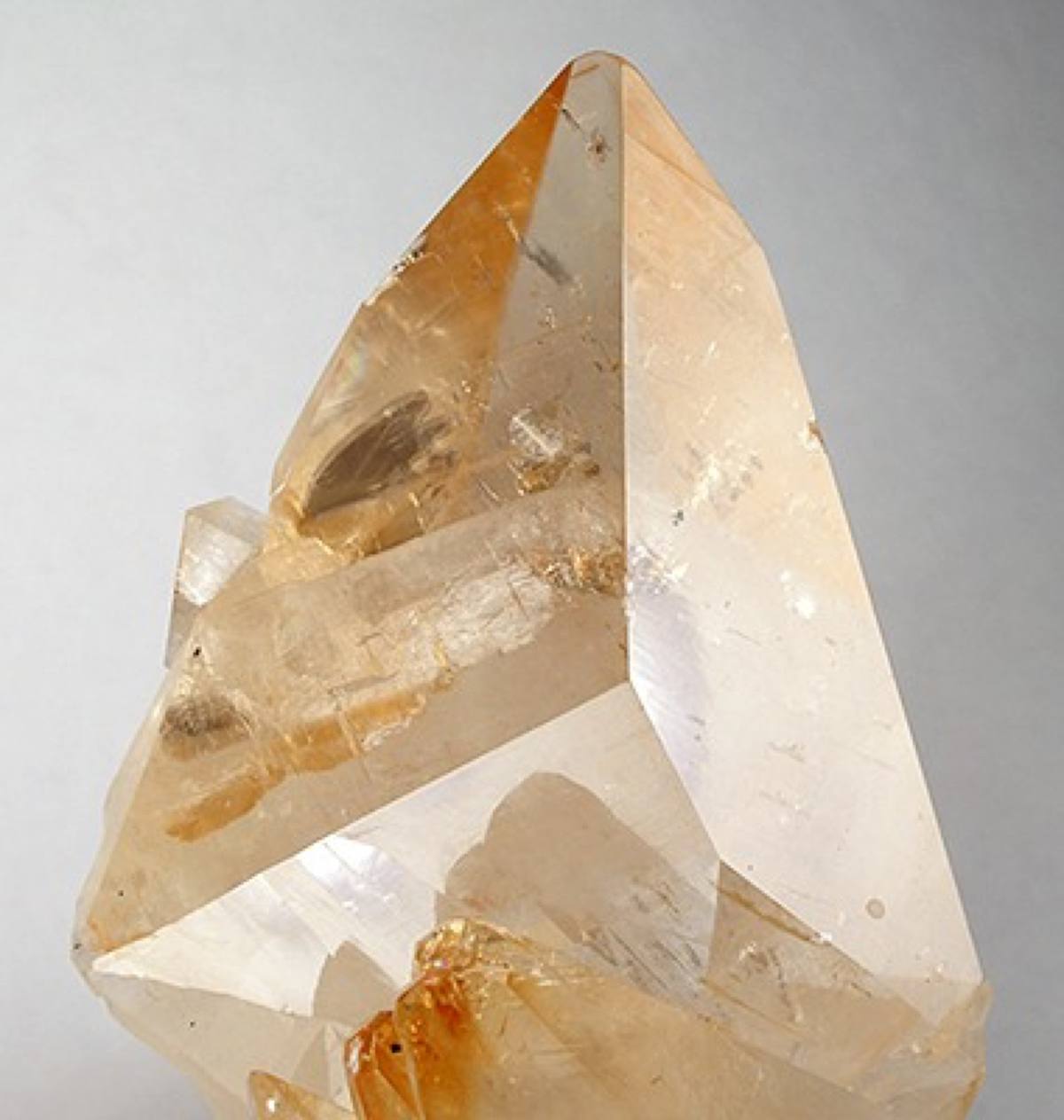
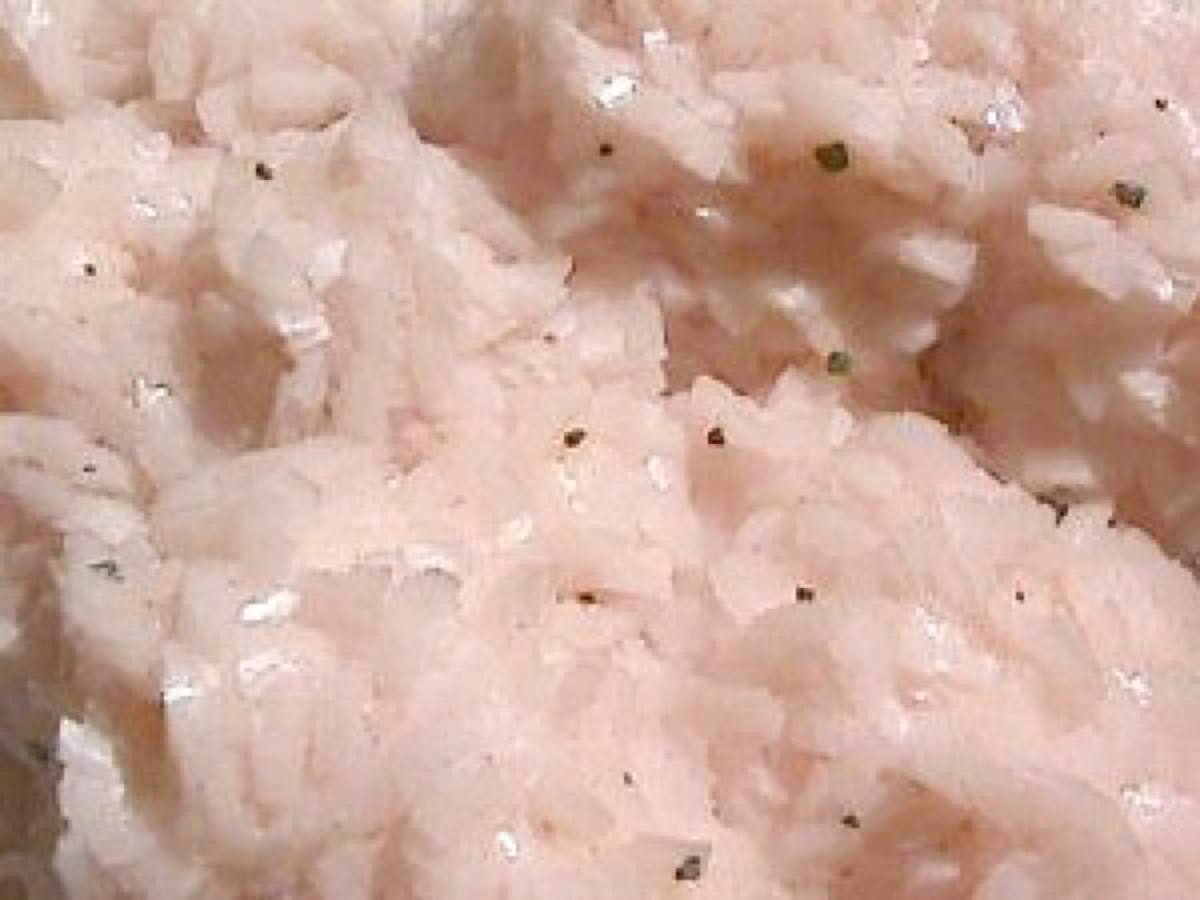
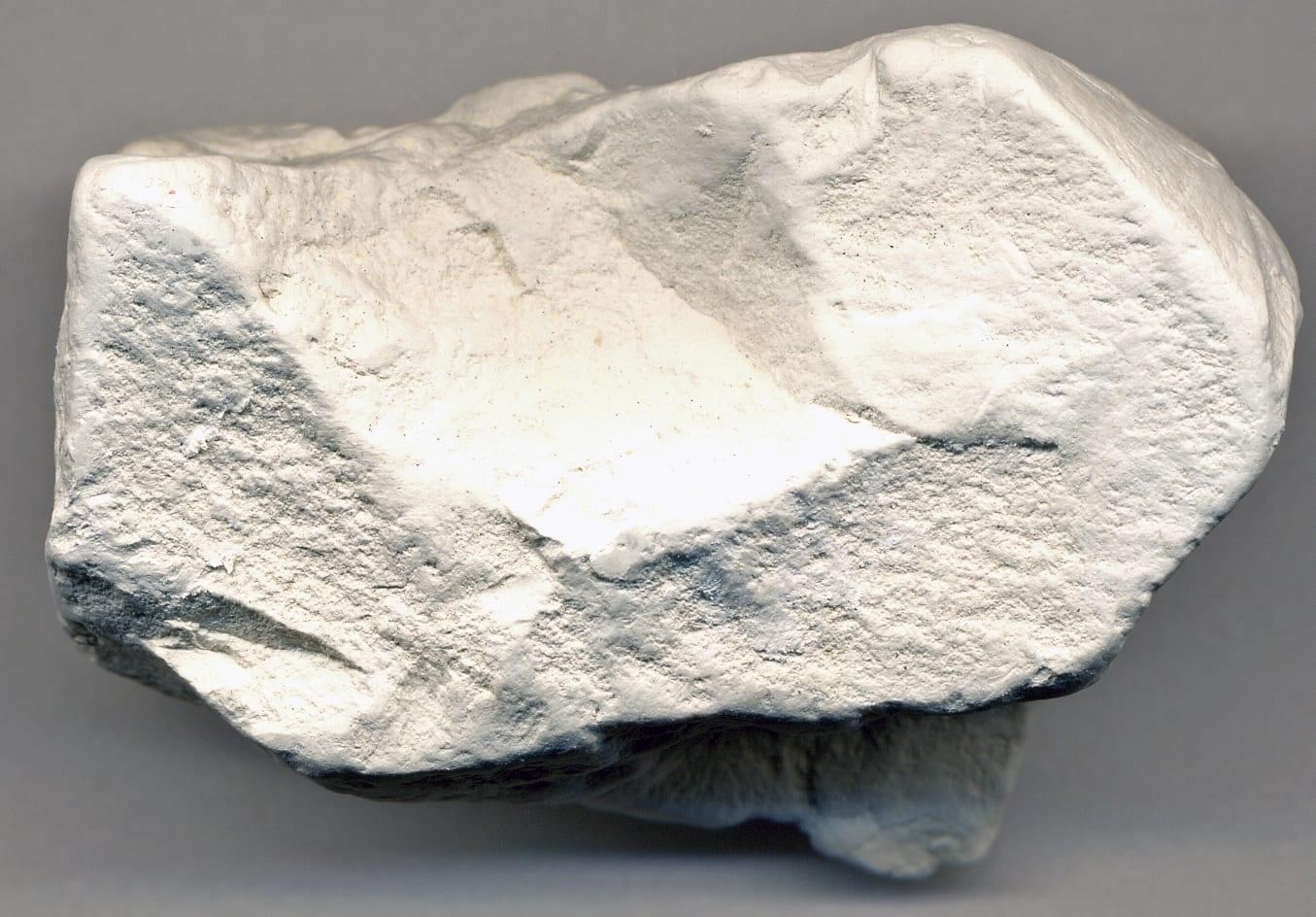
All properties
- Chemical formula
- SiO₂
- Mohs hardness
- 7
- Density
- 2.65 g/cm³
- Streak
- White
- Luster
- Vitreous
- Transparency
- Translucent
- Crystal system
- Trigonal
- Crystal habit
- Druzy
- Cleavage
- None
- Rarity
- Common
- Uses
- Collector, Decorative, Lapidary
- Host rock
- Warsaw Formation limestone
Where rockhounds find keokuk geode
5 mapped spotsClassic worldwide localities
- Keokuk, Iowa
- Hamilton, Illinois
- Clark County, Missouri
Field-hunting tip
Where it forms: Warsaw Formation limestone. If you start seeing calcite, dolomite, kaolinite in float, you are in the right ground. Typical habit: druzy. Train your eye for that shape before scanning the outcrop. In the U.S., the densest reported localities are in Iowa. Start trip planning there.
Common questions
How do you identify keokuk geode?+
Where is keokuk geode found?+
Can I find keokuk geode in the United States?+
What rocks look like keokuk geode?+
What minerals are found with keokuk geode?+
What kind of rock does keokuk geode form in?+
What is keokuk geode used for?+
Find keokuk geode on the map
RockHoundR shows mapped rockhounding spots, access rules, and lets you log every find.

