Ludwigite is a magnesium-iron borate typically found in contact metamorphic rocks, specifically skarns formed from limestone intruded by igneous bodies. It is most easily identified by its characteristic black to dark-green fibrous or acicular crystal habit often occurring in radiating sprays.
Is this ludwigite?
5-step field checkRun through these checks against the specimen in your hand. The more boxes tick, the more confident the ID.
- 1Test the hardnessTry to scratch ludwigite with a known reference. Ludwigite sits at Mohs 5-5.5, softer than the next harder reference, harder than the previous one.
- 2Check the streakDrag the specimen across an unglazed porcelain plate. Streak: black to greenish black.
- 3Read the lusterHold the specimen under a strong light. Luster: submetallic.
- 4Match the color rangeCompare against the expected color range: black, dark green, black green.
- 5Look at form & habitCrystal system: orthorhombic. Typical habit: fibrous, massive, radial.
Often confused with
Ludwigite vs. its common look-alikes, and how to tell them apart in the field.
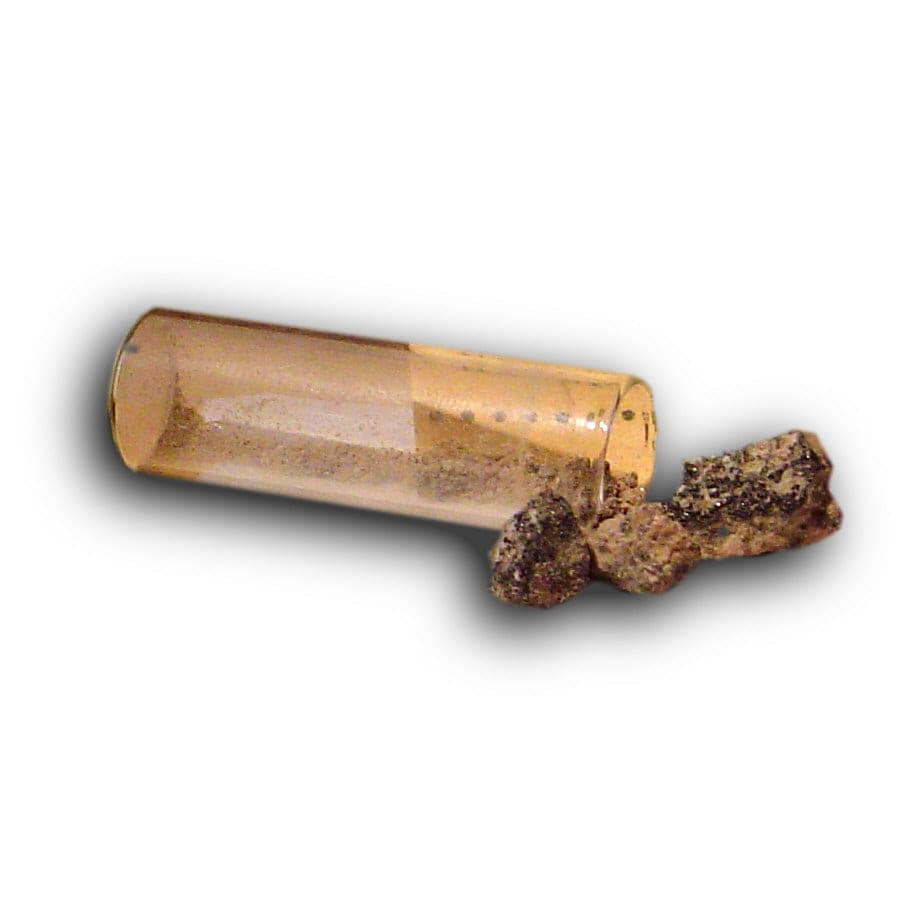
How to tell apart: Streak differs, so Ludwigite leaves black to greenish black, Vonsenite leaves brownish black; luster reads submetallic on Ludwigite and metallic to submetallic, silky if fibrous on Vonsenite.
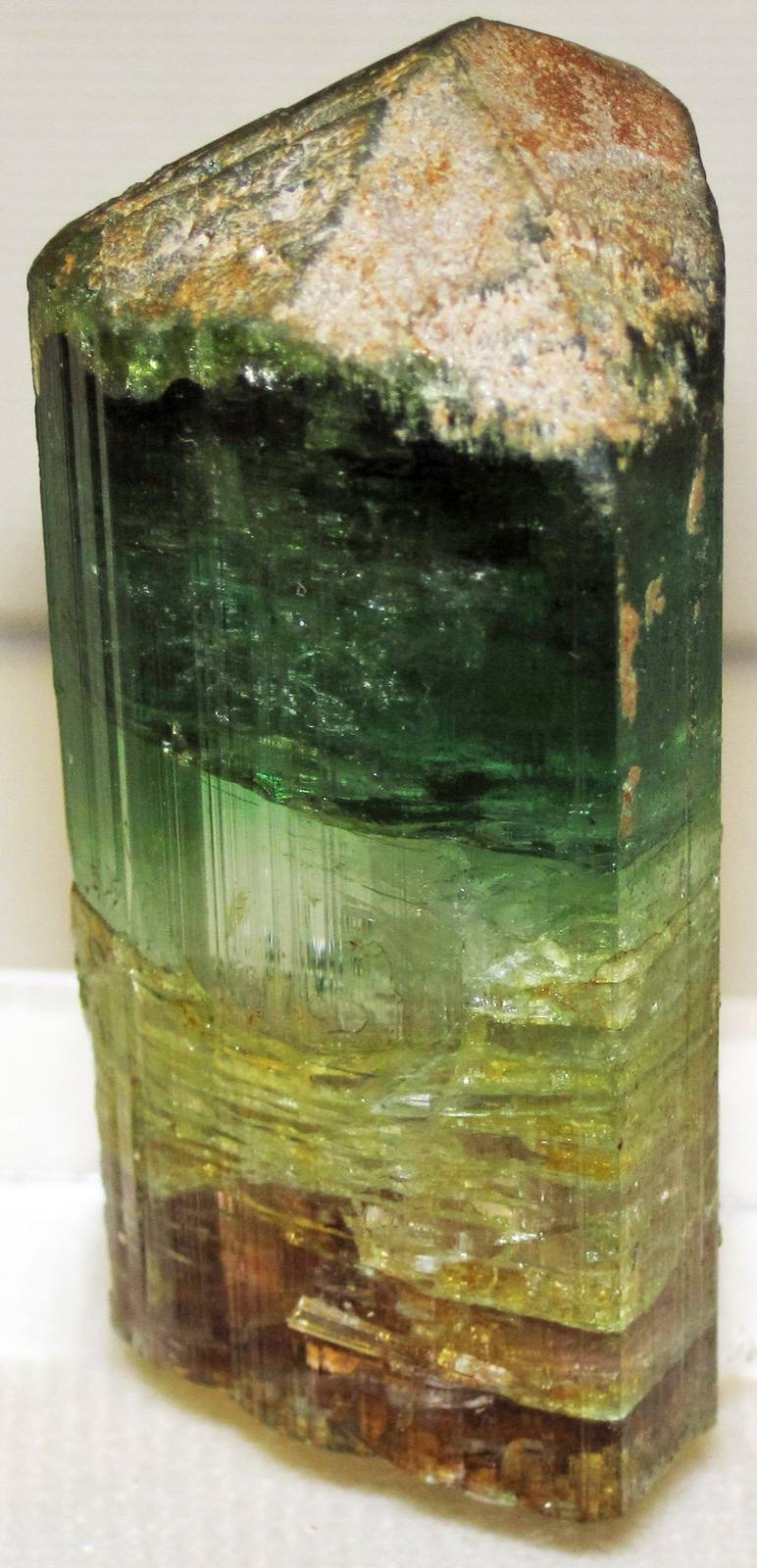
How to tell apart: Tourmaline is the harder of the two (Mohs 7-7.5 vs. 5-5.5); streak differs, so Ludwigite leaves black to greenish black, Tourmaline leaves white; luster reads submetallic on Ludwigite and vitreous on Tourmaline.
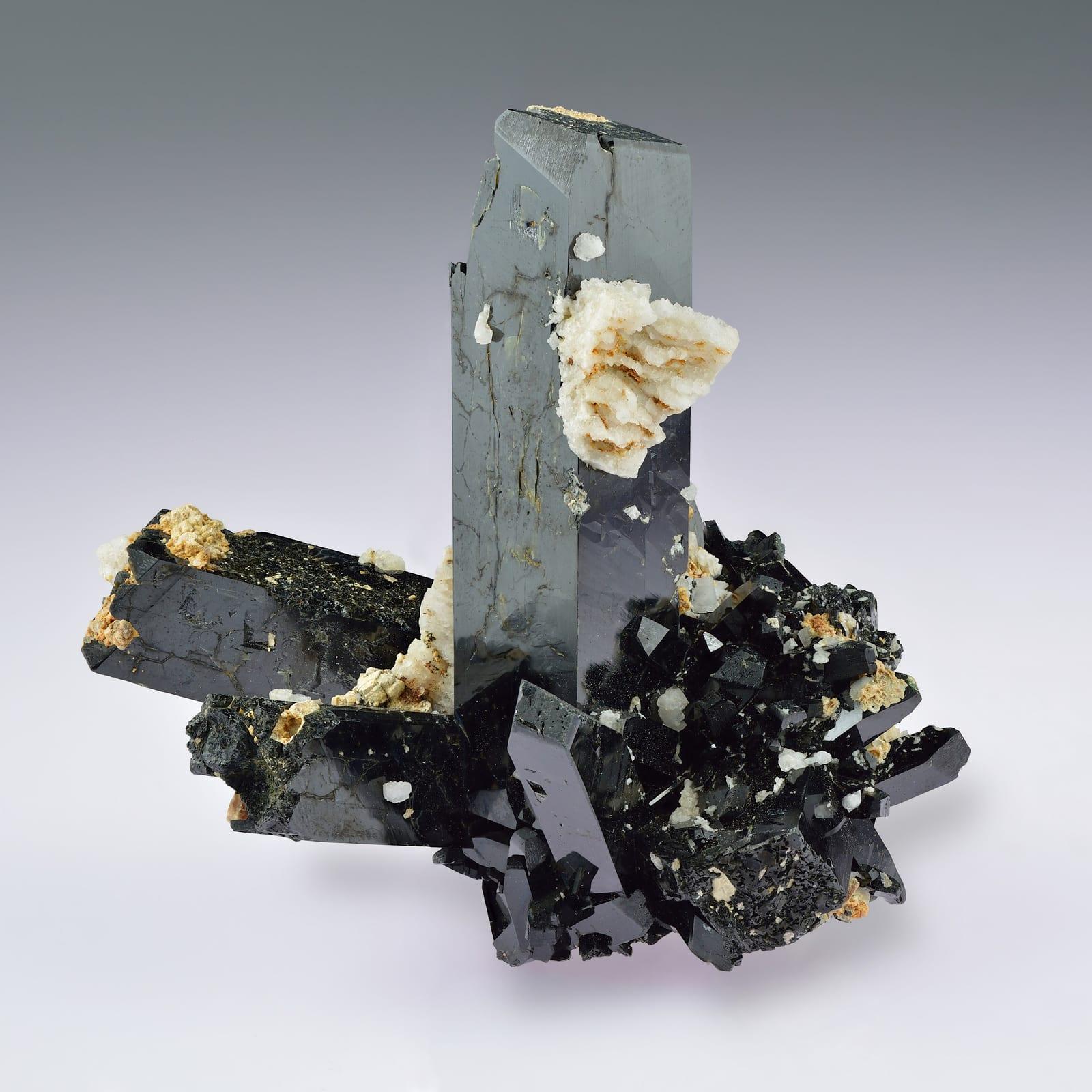
How to tell apart: Streak differs, so Ludwigite leaves black to greenish black, Aegirine leaves pale yellowish gray; luster reads submetallic on Ludwigite and vitreous to slightly resinous on Aegirine.
Often found alongside ludwigite
Minerals reported to co-occur with ludwigite. Spotting these in float or country rock is a strong cue you are in the right ground.
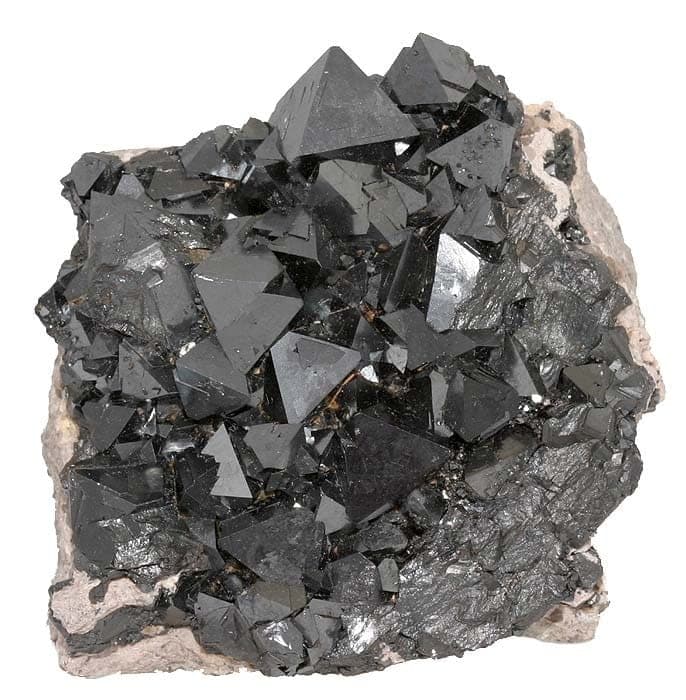
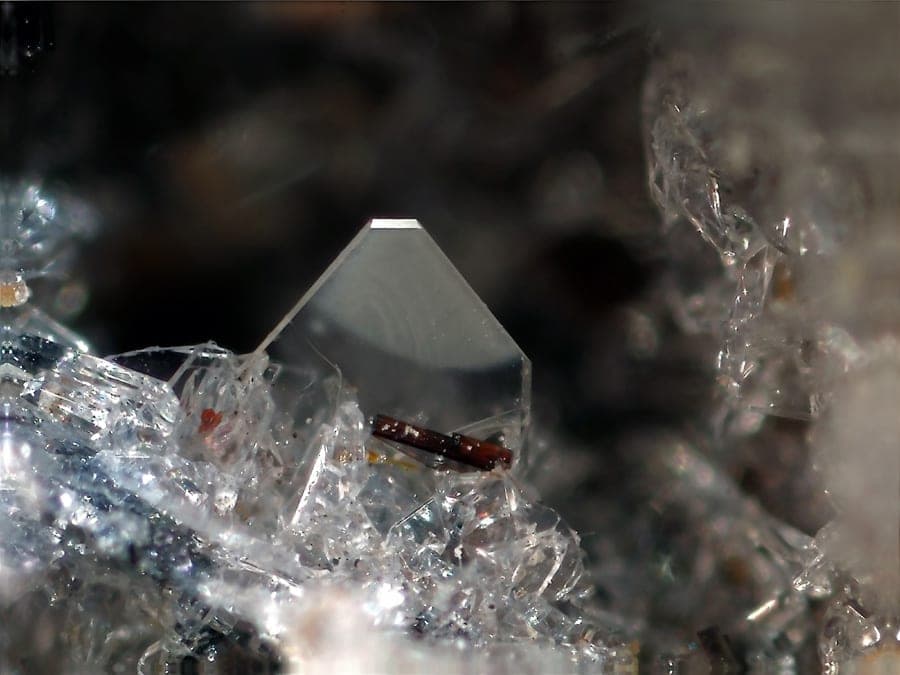
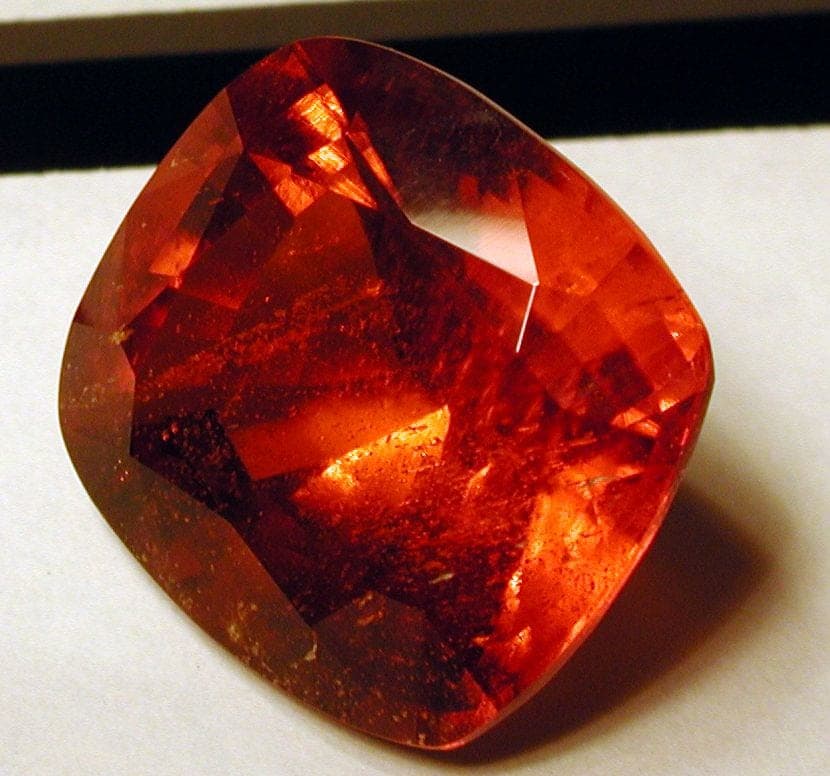
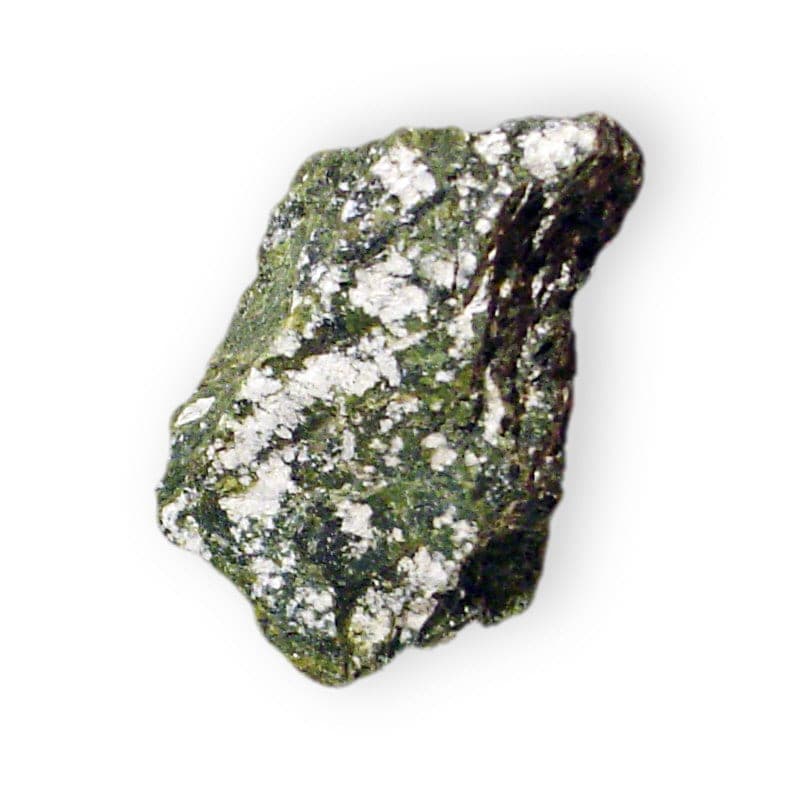
All properties
- Chemical formula
- Mg₂Fe³⁺(BO₃)O₂
- Mohs hardness
- 5-5.5
- Density
- 3.80 g/cm³
- Streak
- Black to greenish black
- Luster
- Submetallic
- Transparency
- Opaque, translucent only in thin fragments and rims of crystals
- Crystal system
- Orthorhombic
- Crystal habit
- Fibrous, massive, radial
- Cleavage
- Perfect on {001}
- Rarity
- Uncommon
- Uses
- Collector, Scientific research
- Host rock
- Typically formed in magnesian iron skarn and contact metamorphic deposits
Where rockhounds find ludwigite
1 mapped spotsClassic worldwide localities
- Pomeroy mine, Anaconda, Deer Lodge Co., and at Philipsburg, Granite Co., Montana, USA
- Crestmore quarry, Riverside Co., California, USA
- Mountain Lake mine, Big Cottonwood district, Salt Lake Co., Utah, USA
- Brosso mine, northwest of Ivrea, Torino, Italy
- Broadford, Isle of Skye, Inverness-shire, Scotland
- Nordmark district, Värmland, Sweden
Field-hunting tip
Where it forms: Typically formed in magnesian iron skarn and contact metamorphic deposits. If you start seeing magnetite, forsterite, clinohumite in float, you are in the right ground. Typical habit: fibrous, massive, radial. Train your eye for that shape before scanning the outcrop. In the U.S., the densest reported localities are in Utah. Start trip planning there.
Common questions
How do you identify ludwigite?+
Where is ludwigite found?+
Can I find ludwigite in the United States?+
What rocks look like ludwigite?+
What minerals are found with ludwigite?+
What kind of rock does ludwigite form in?+
What is ludwigite used for?+
Find ludwigite on the map
RockHoundR shows mapped rockhounding spots, access rules, and lets you log every find.