
Malachite is a secondary copper mineral known for its vivid green color and characteristic concentric banding in polished sections. It typically forms in botryoidal or stalactitic masses within the weathering zones of copper deposits.
Spotting malachite in the field
Field marks- 1
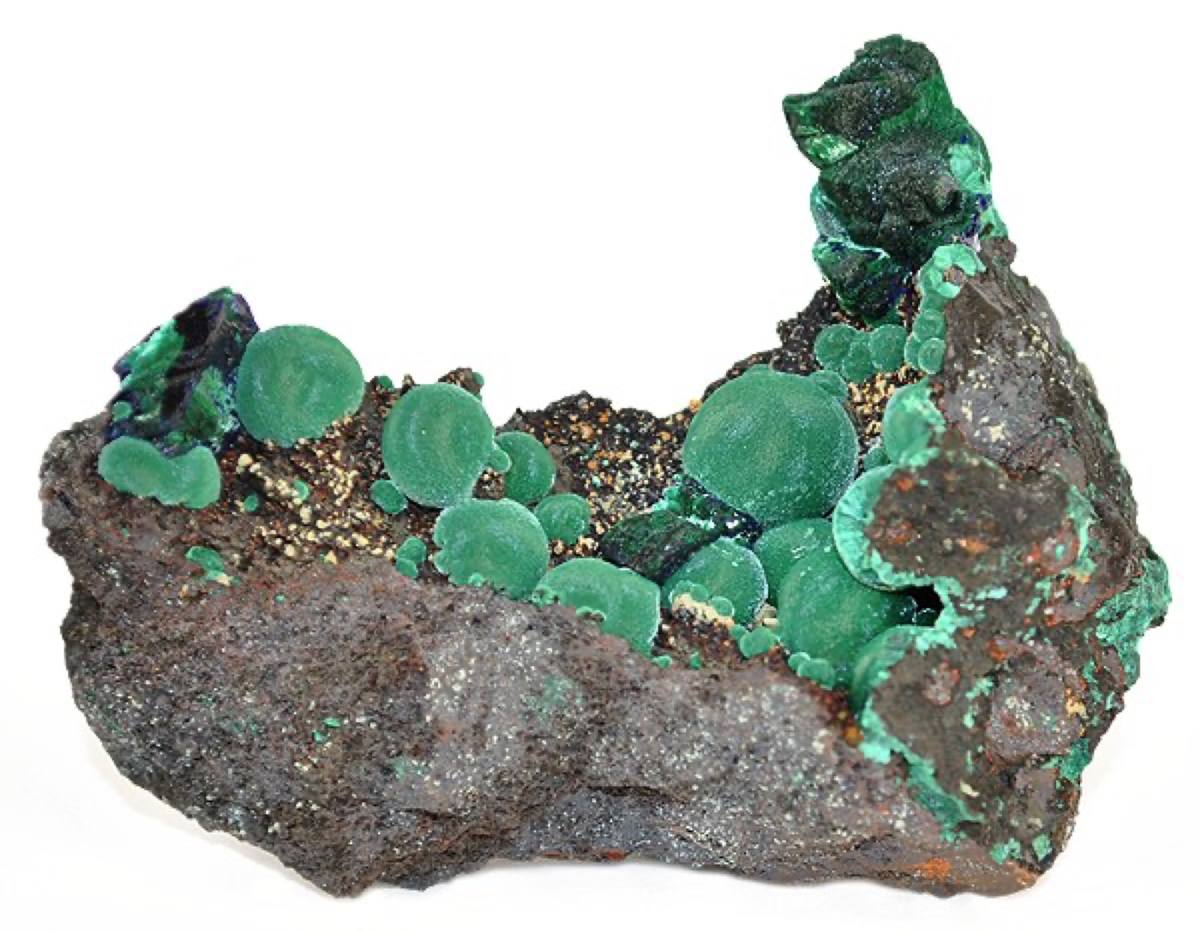
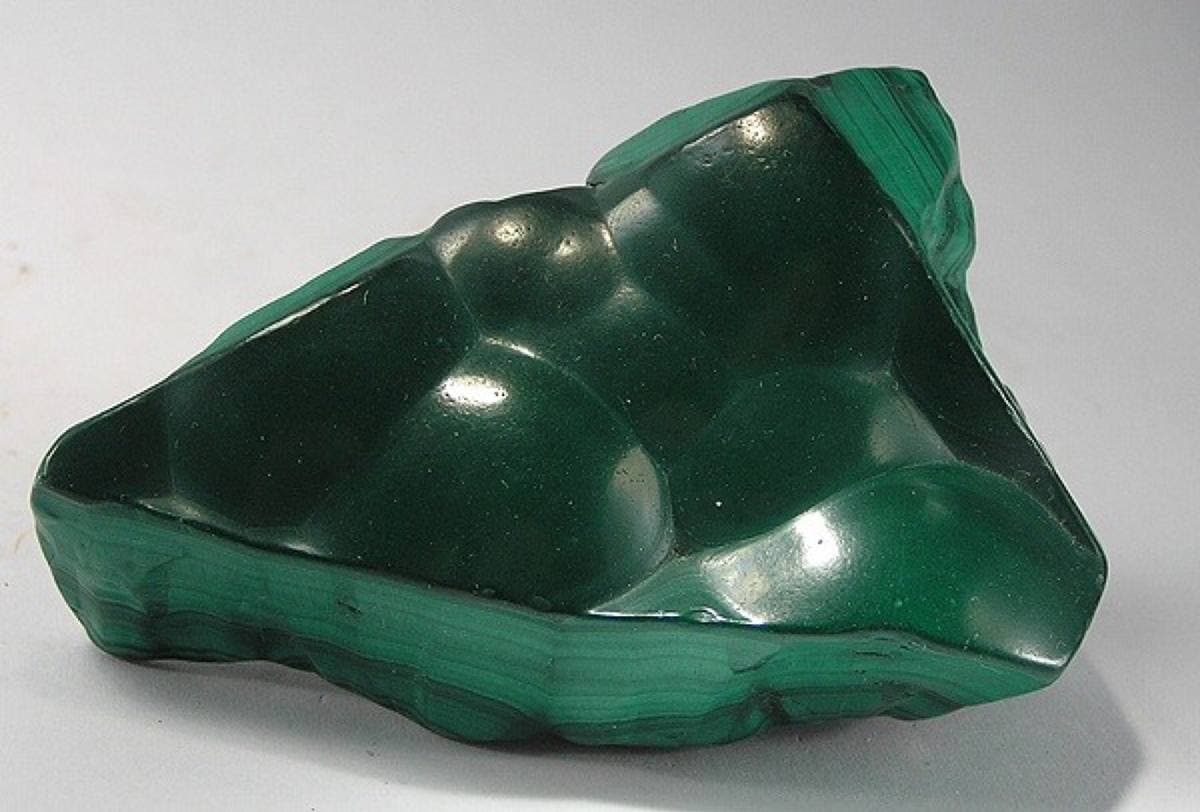
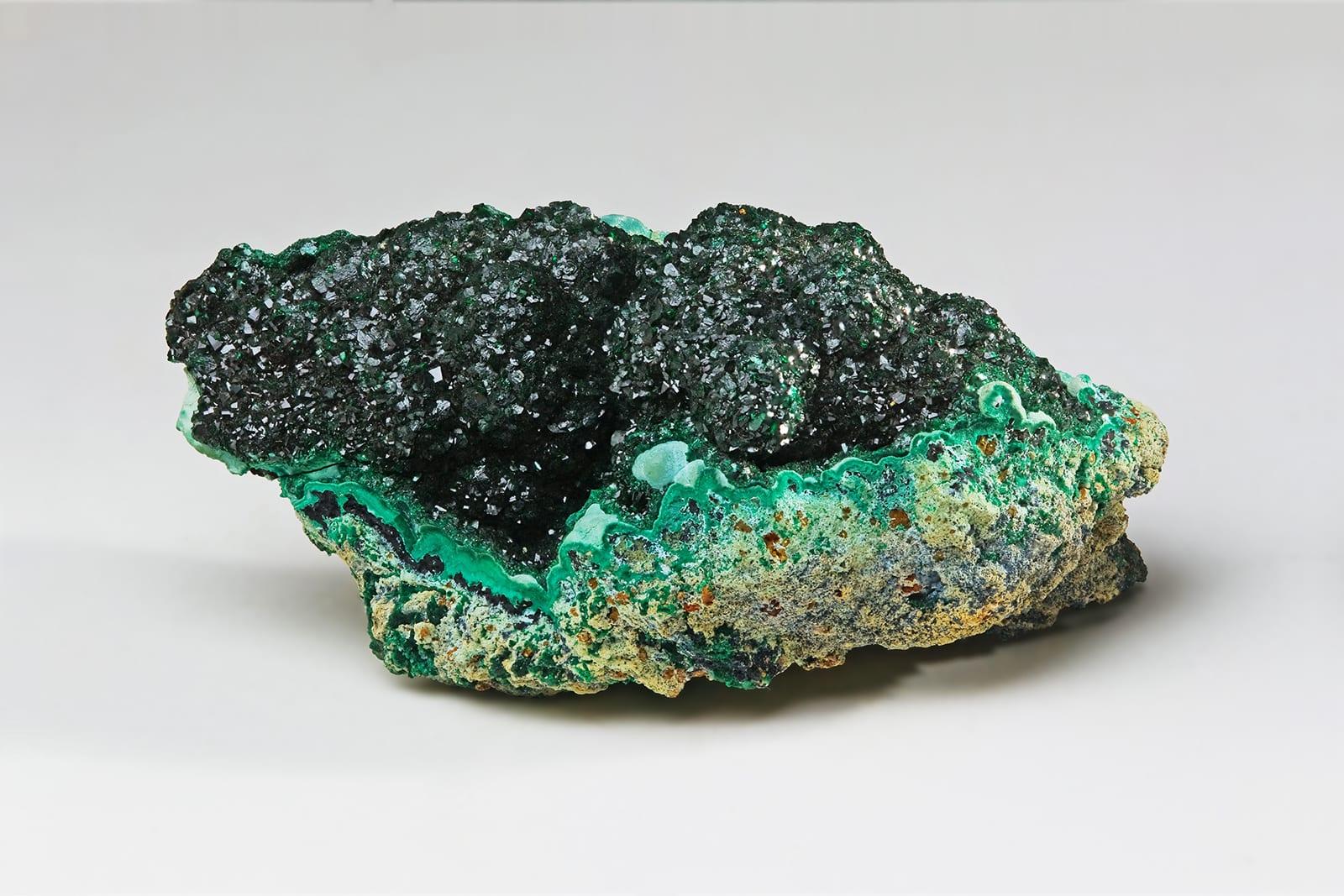
Vivid green, opaque, in banded botryoidal masses that look like stacked grape clusters
- 2
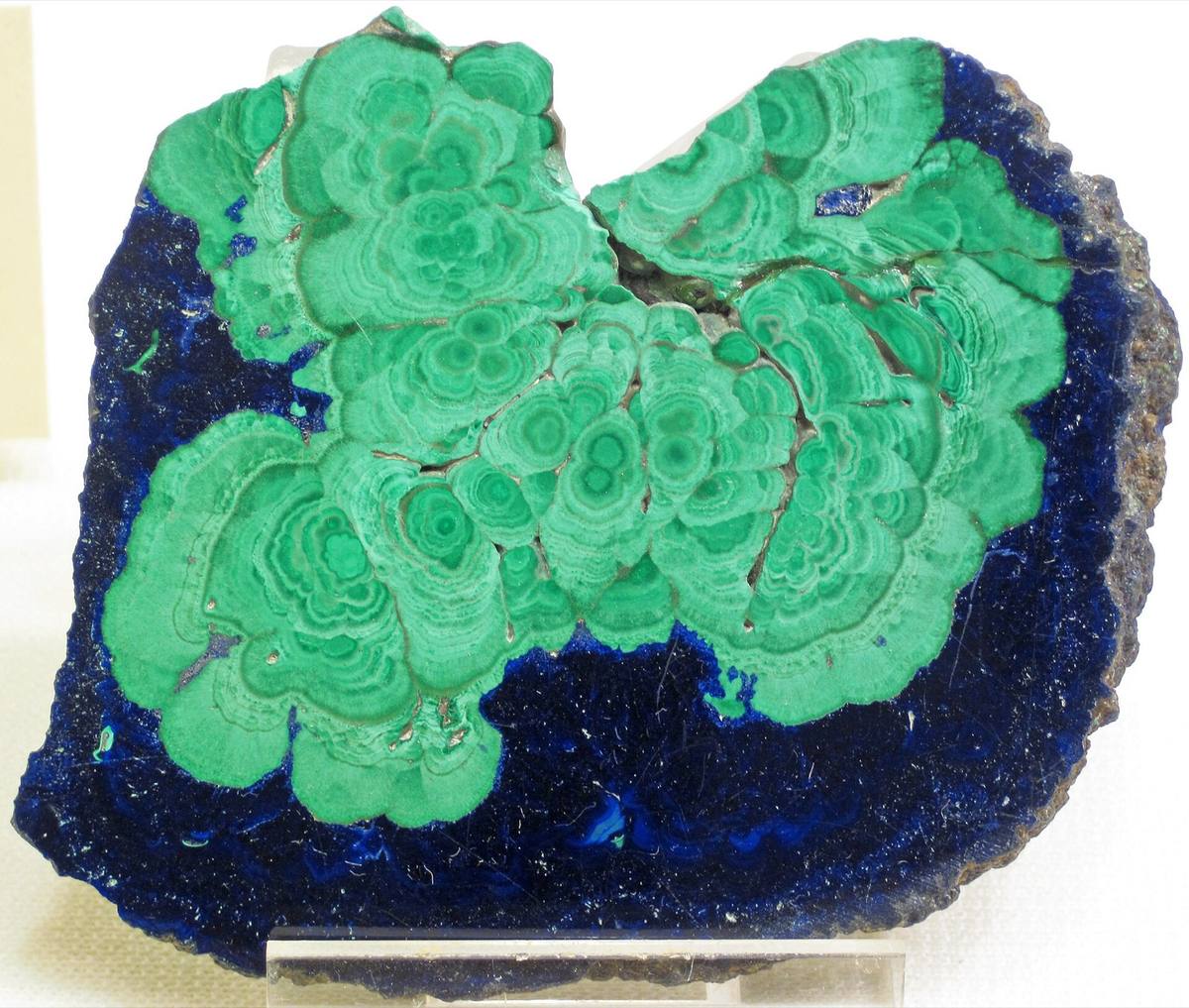
Cut faces show concentric light and dark green banding
- 3
Soft at 3.5 to 4, and it fizzes in dilute acid
Malachite is a copper carbonate and it is the green stain on every weathered copper deposit on Earth, which makes it a prospecting indicator as much as a collectible. The banded botryoidal masses worth cutting come from the oxidized zone above a copper ore body. It effervesces in dilute acid, and it is unmistakable in color. Nearly all lapidary-grade material now comes from the Democratic Republic of the Congo.
Before you collect
Malachite dust is a copper compound and is toxic to inhale. Cut, grind and sand it wet, with a respirator, and never dry-polish it. This is the single most common way hobbyists expose themselves to something genuinely harmful.
Straight answers
- Is it worth cutting?
- Cuts easily and polishes to a high gloss, but see the warning. Work wet, always.
- What is it really worth?
- Inexpensive to moderate. Tight, high-contrast concentric banding and large solid pieces carry the value.
- Can you legally keep it?
- American copper districts are almost entirely private or claimed mine land. Bisbee and Morenci are not open to collecting.
Often confused with
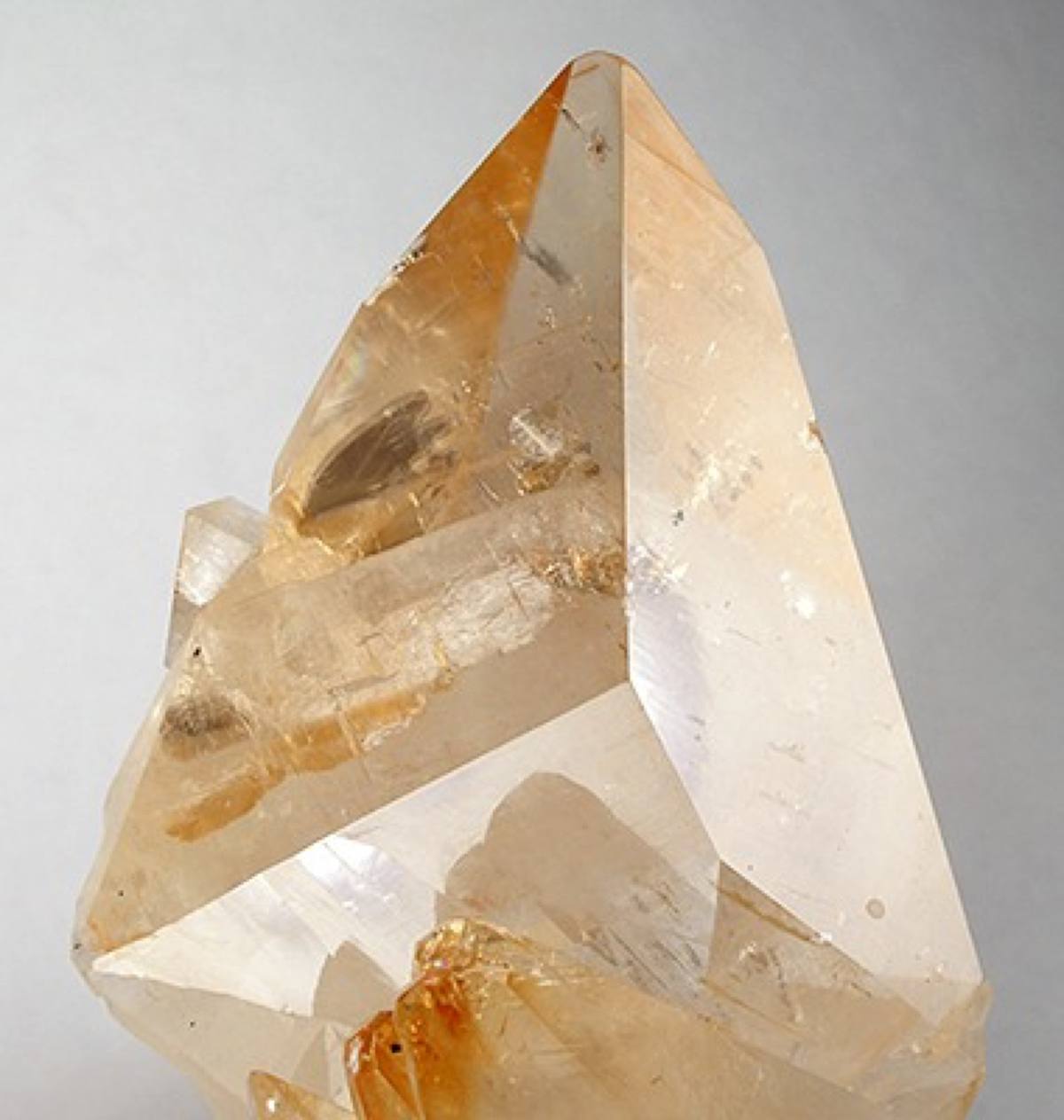
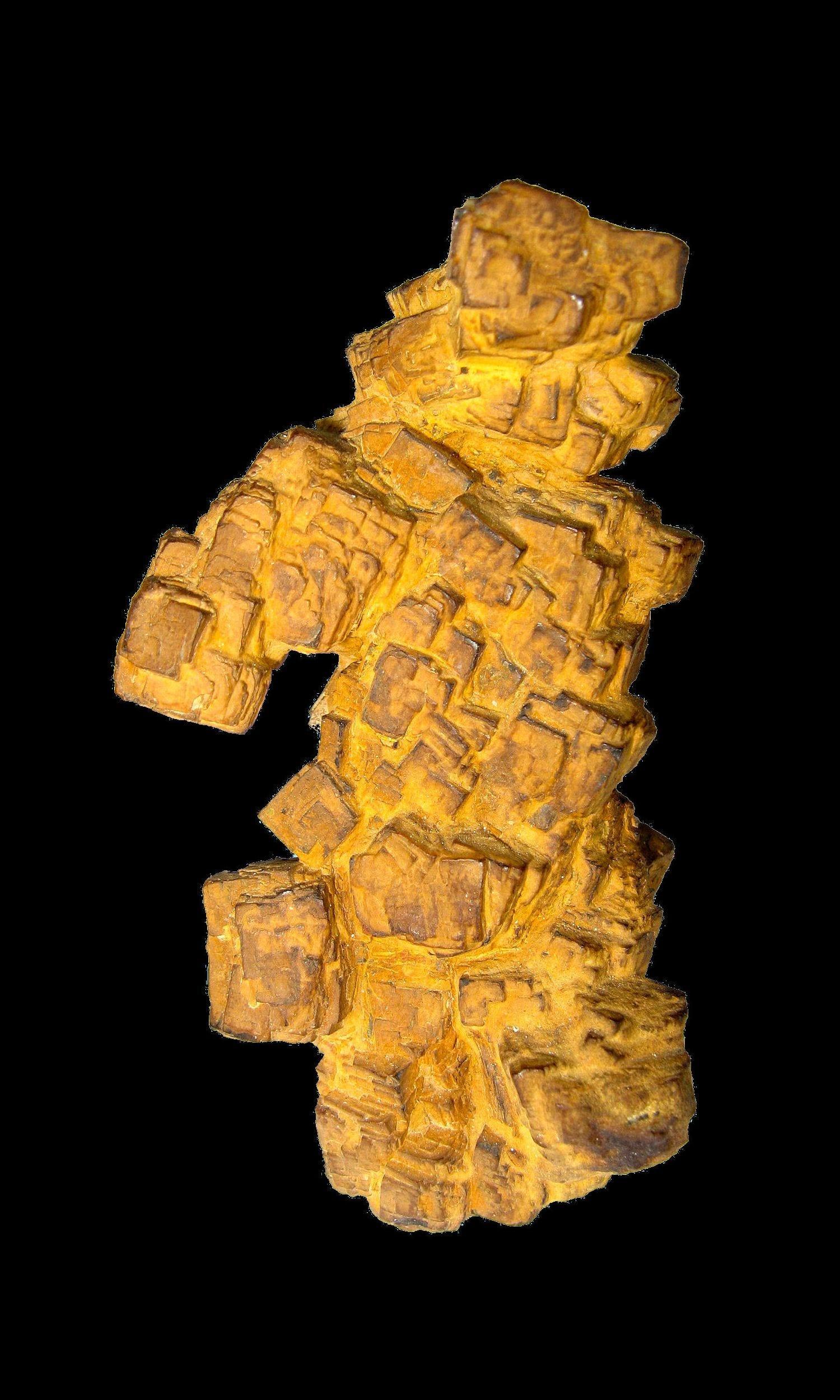
Malachite vs. its common look-alikes, and how to tell them apart in the field.
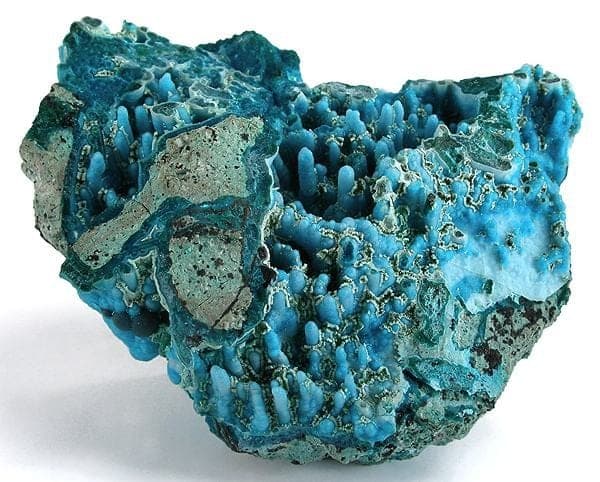
Often found alongside malachite
Minerals reported to co-occur with malachite. Spotting these in float or country rock is a strong cue you are in the right ground.
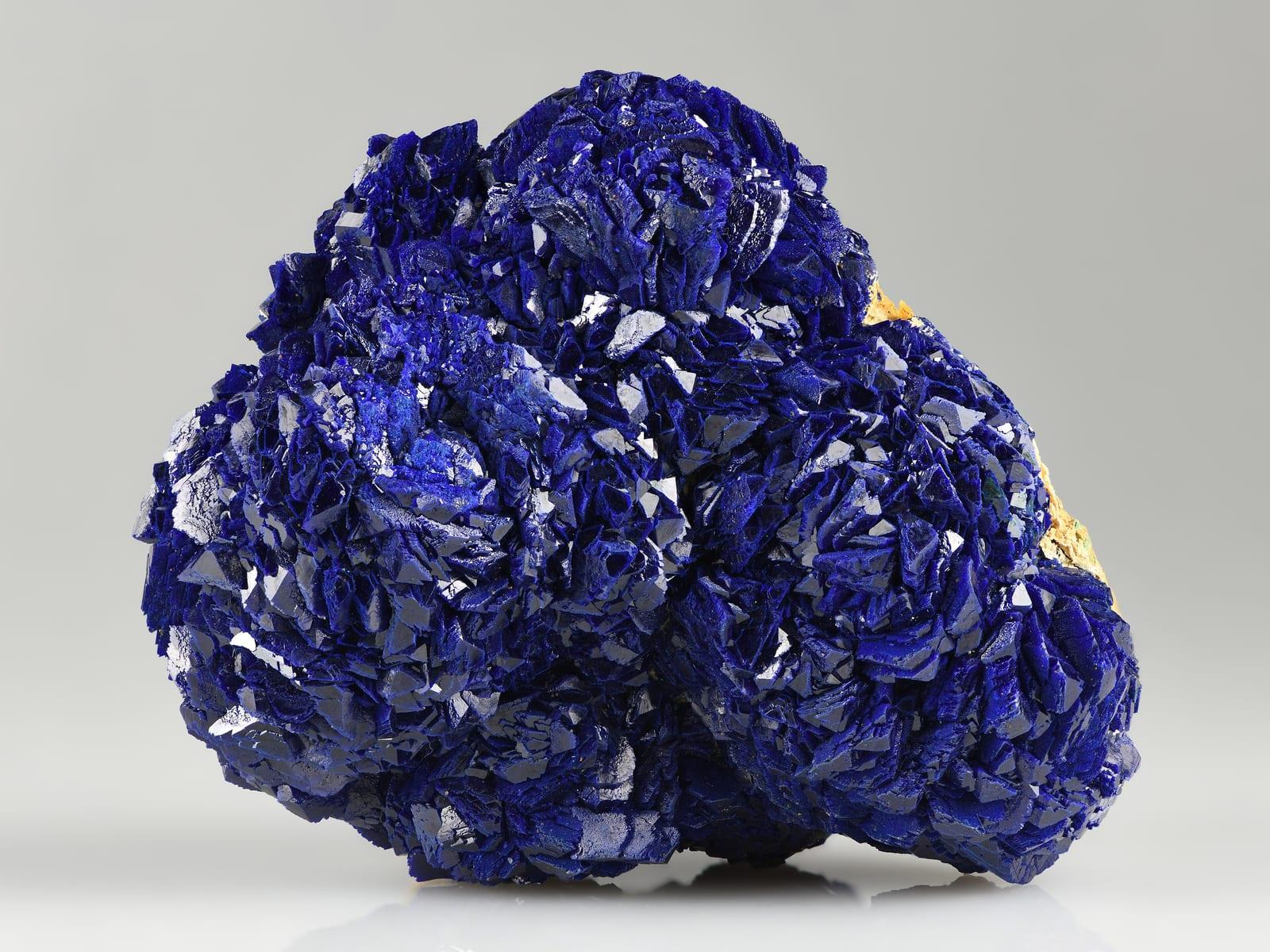
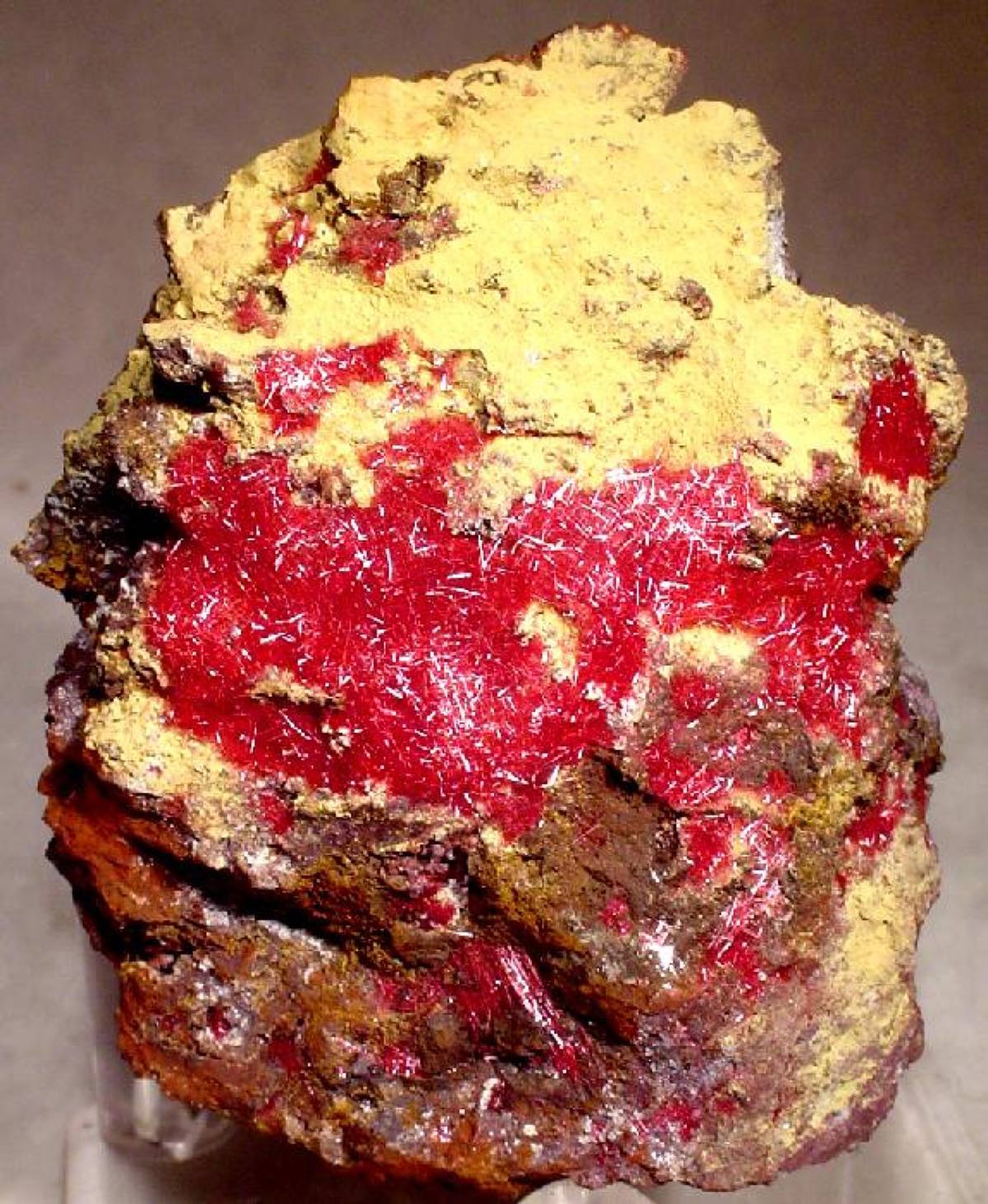
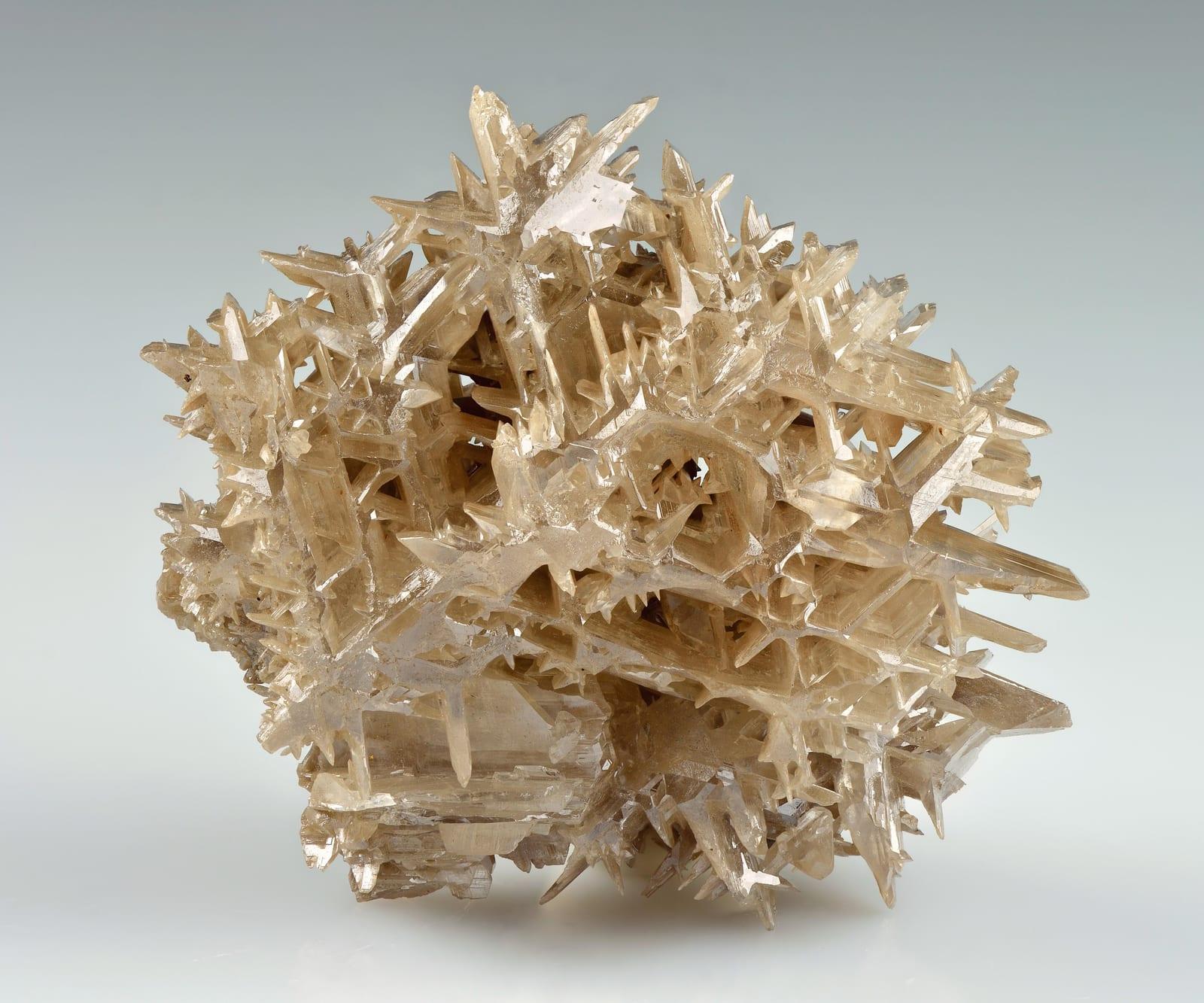
All properties
- Chemical formula
- Cu₂CO₃(OH)₂
- Mohs hardness
- 3.5-4
- Density
- 4.05 g/cm³
- Streak
- Pale green
- Luster
- Adamantine to vitreous; silky if fibrous; dull to earthy if massive
- Transparency
- Translucent to opaque
- Crystal system
- Monoclinic
- Crystal habit
- Botryoidal, fibrous, radial aggregates, massive
- Cleavage
- Perfect on {201}; fair on {010}
- Rarity
- Common
- Uses
- Ornamental, Lapidary, Collector, Pigment
- Host rock
- A common secondary mineral formed in the oxidation zone of copper deposits; locally may be an ore of copper
Where rockhounds find malachite
138 mapped spotsClassic worldwide localities
- Copper Queen, Czar, and other mines in the Warren district, Bisbee, Cochise Co. and at Morenci, Greenlee Co., Arizona, USA
- Fierro-Hanover district and at Santa Rita, Grant Co., New Mexico, USA
- Chessy, near Lyon, Rhône, France
- Nizhni Tagil and Ekatarinburg, Ural Mountains, Russia
- Katanga Province (Shaba Province, Zaire), from Lubumbashi, at the Musonoi mine, near Kolwezi, Mashamba West mine, Congo
- Tsumeb, and as Onganja mine, 60 km northeast of Windhoek, Namibia
U.S. states with malachite
Each link opens a state-specific list of mapped rockhounding spots that produce malachite.
- Utah49 spots
- Missouri18 spots
- New Mexico12 spots
- New Jersey8 spots
- Pennsylvania7 spots
- North Carolina6 spots
- Wyoming6 spots
Field-hunting tip
Where it forms: A common secondary mineral formed in the oxidation zone of copper deposits; locally may be an ore of copper. If you start seeing azurite, cuprite, cerussite in float, you are in the right ground. Typical habit: botryoidal, fibrous, radial aggregates, massive. Train your eye for that shape before scanning the outcrop. In the U.S., the densest reported localities are in Utah, Missouri, New Mexico. Start trip planning there.
More malachite photos
Common questions
How do you identify malachite?+
Where is malachite found?+
Can I find malachite in the United States?+
Is malachite safe to handle?+
What rocks look like malachite?+
What minerals are found with malachite?+
What kind of rock does malachite form in?+
What is malachite used for?+
Find malachite on the map
RockHoundR shows mapped rockhounding spots, access rules, and lets you log every find.

