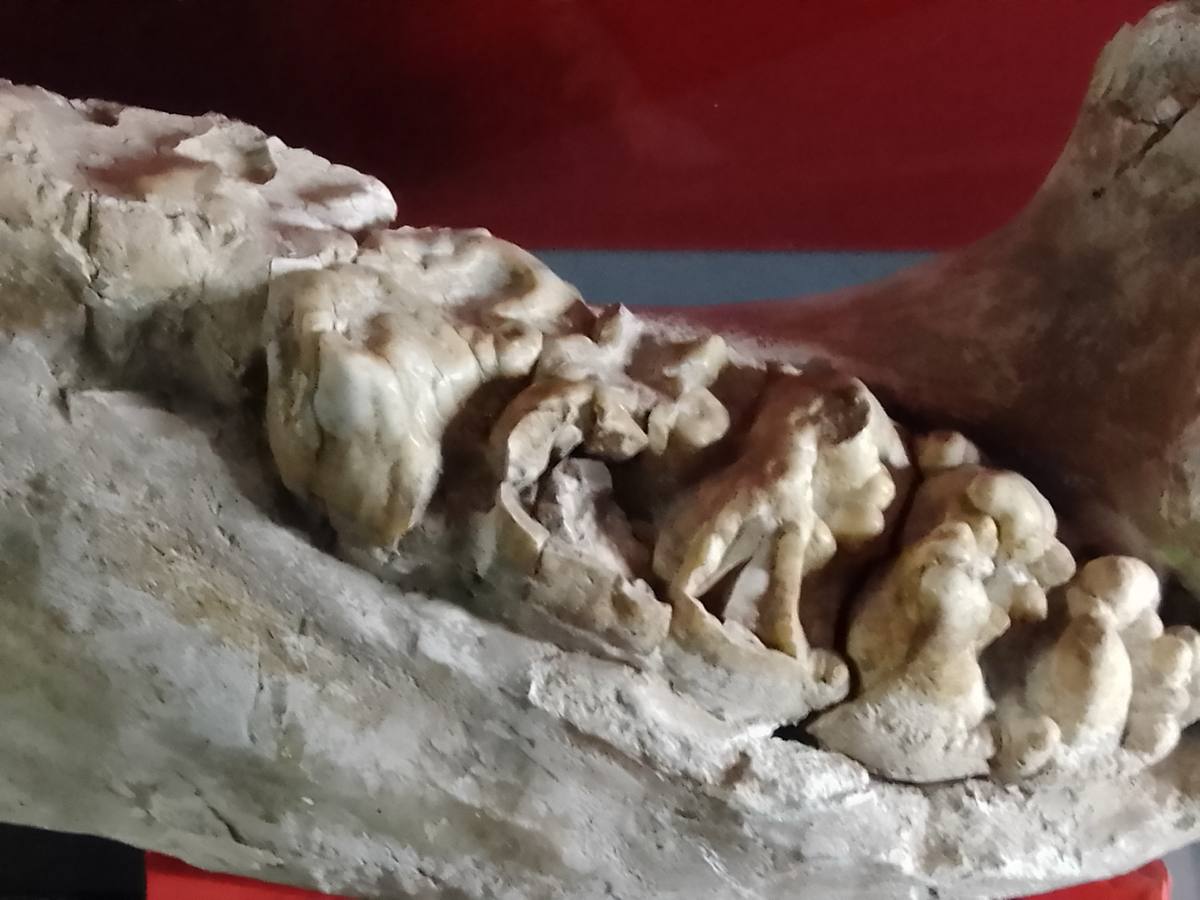
Mastodon teeth are highly prized fossils characterized by their distinct, cone-shaped cusps used for crushing vegetation. They are frequently found in riverbeds or gravel pits where they have undergone mineral replacement or permineralization, resulting in a heavy, stony appearance.
Hardness
3-5
Mohs
Luster
Dull to earthy
Transparency
Opaque
Is this mastodon tooth?
4-step field checkRun through these checks against the specimen in your hand. The more boxes tick, the more confident the ID.
- 1Test the hardnessTry to scratch mastodon tooth with a known reference. Mastodon Tooth sits at Mohs 3-5, softer than the next harder reference, harder than the previous one.
- 2Name the organismDecide what left the fossil before worrying about the rock. Organism: Mastodons (genus Mammut). Age: Late Miocene to early Holocene.
- 3Read the lusterHold the specimen under a strong light. Luster: dull to earthy.
- 4Match the color rangeCompare against the expected color range: brown, tan, black, gray.
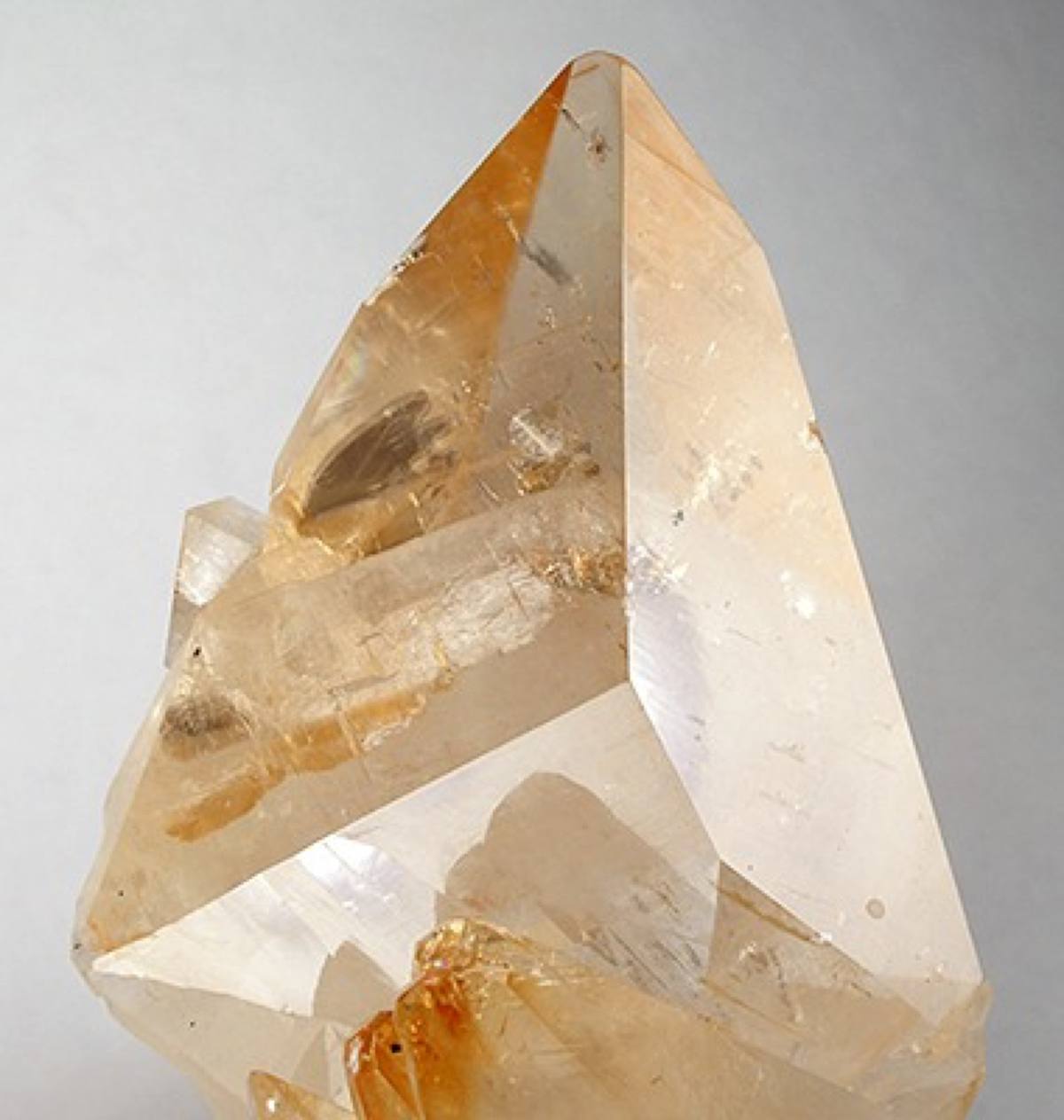
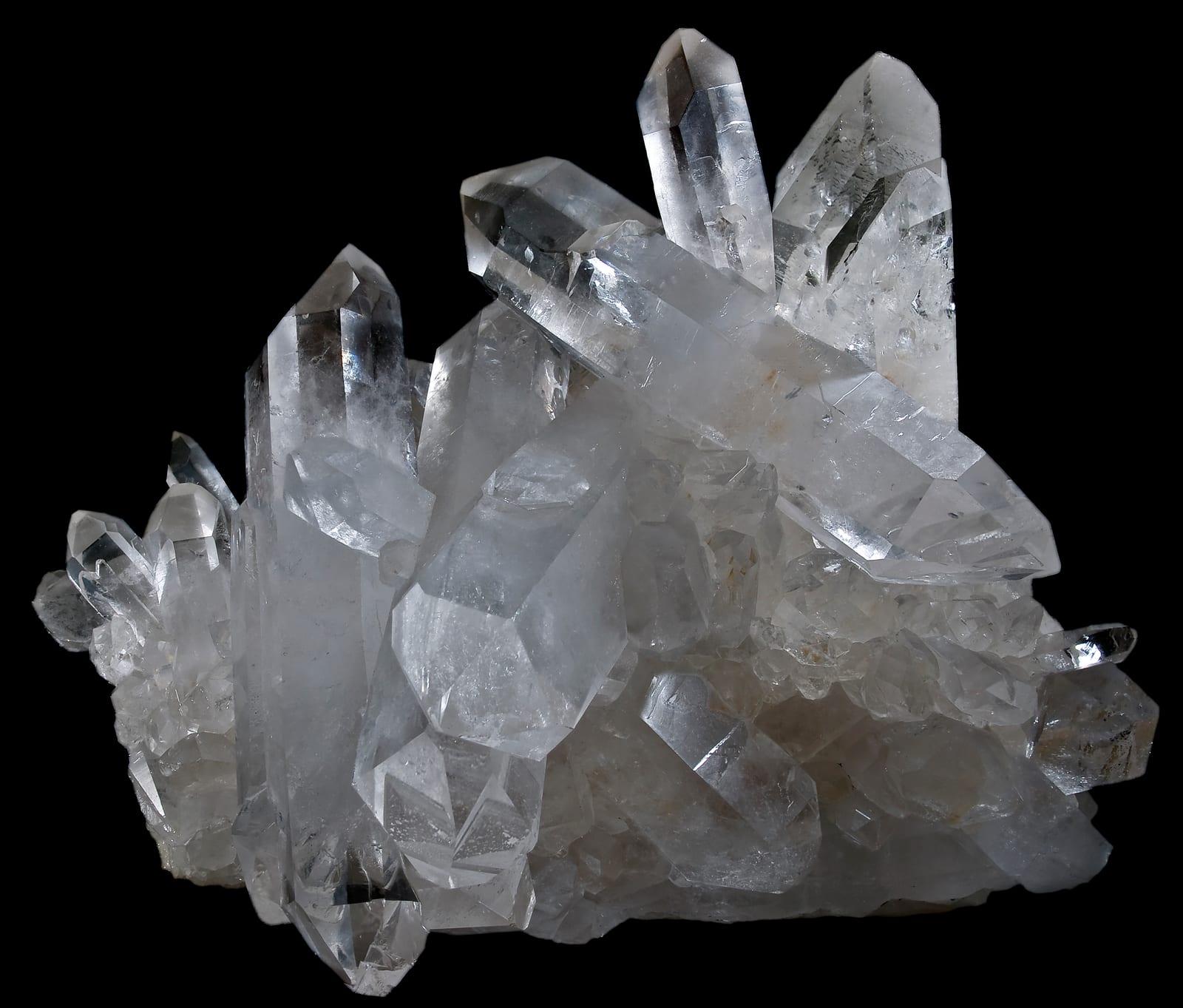
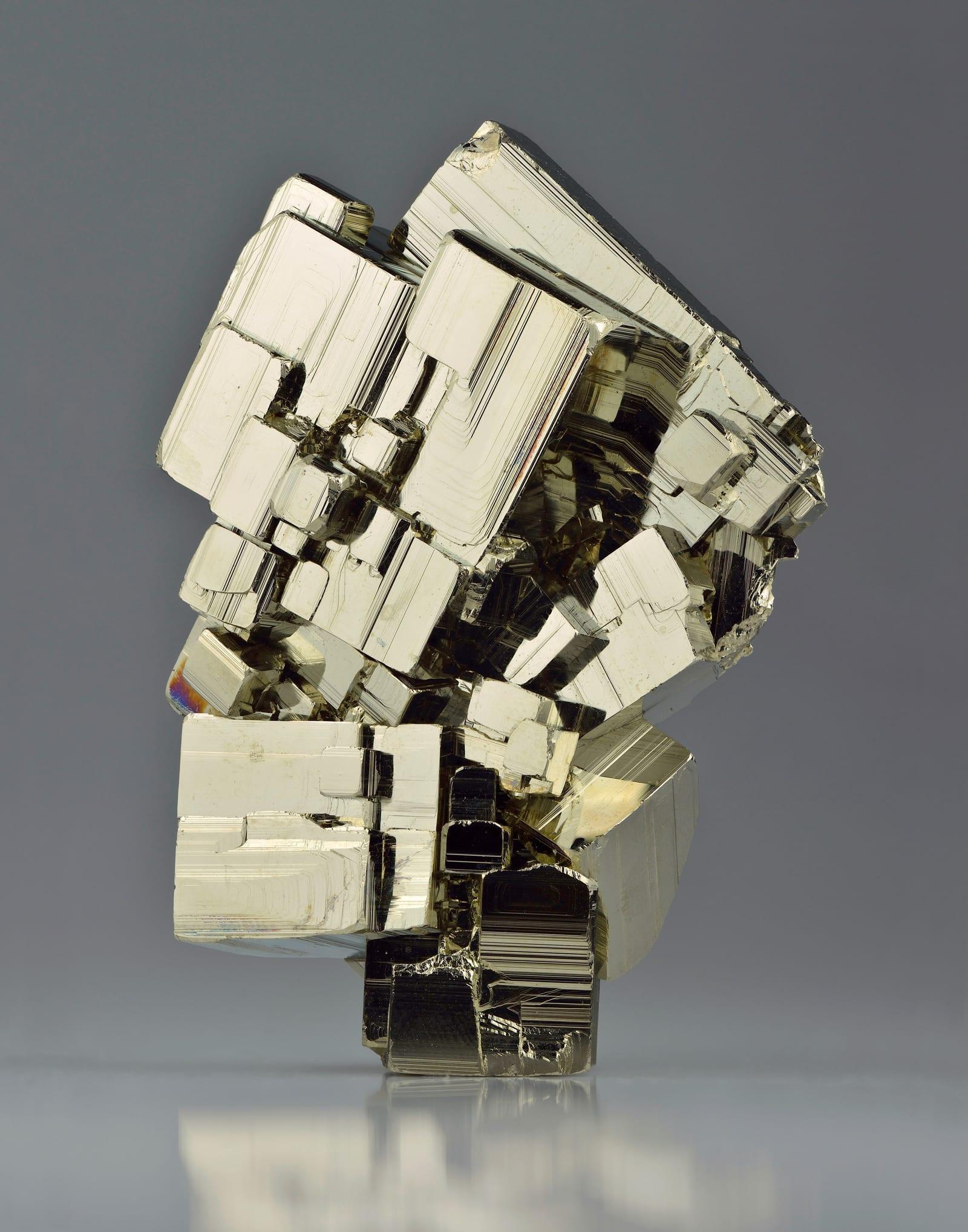
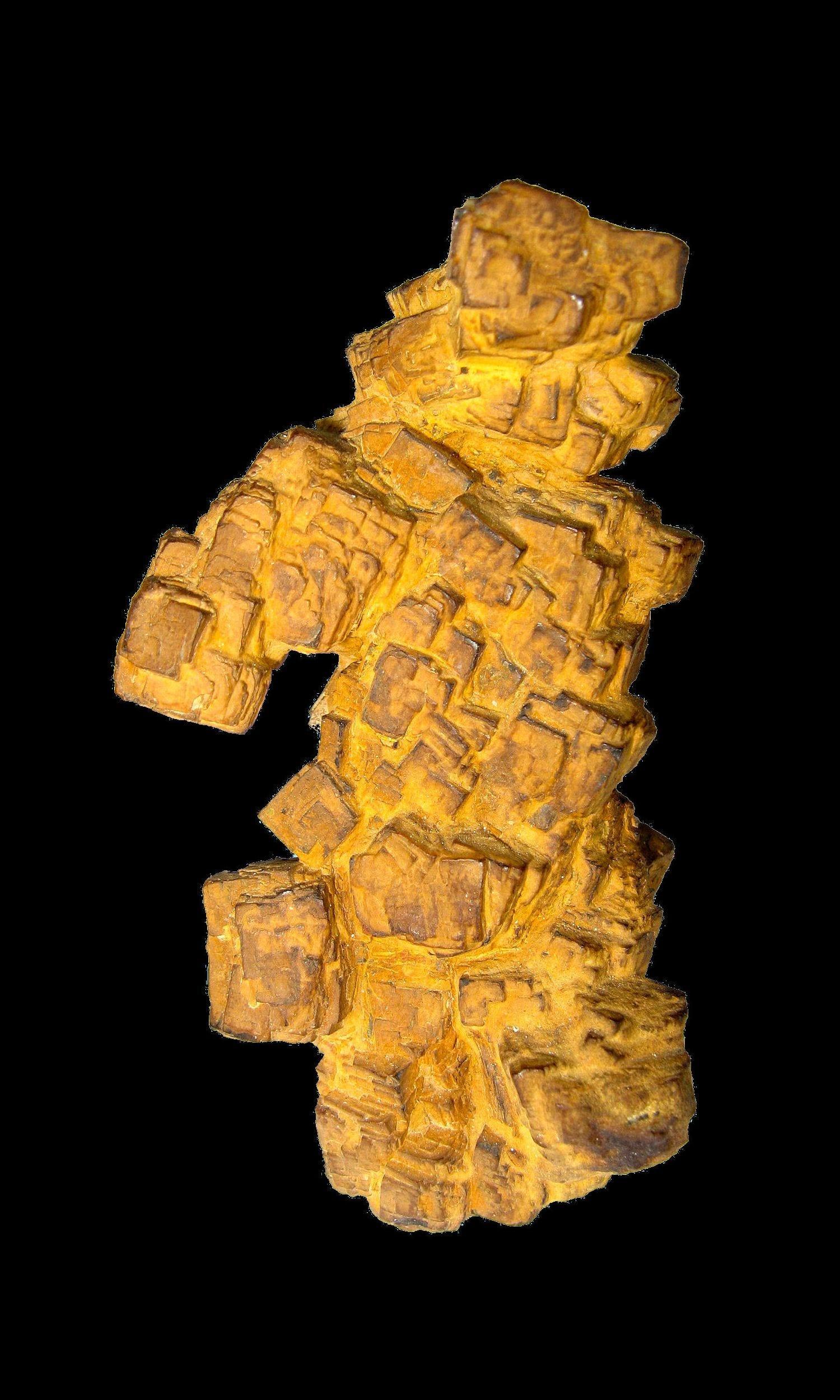
Often found alongside mastodon tooth
Minerals reported to co-occur with mastodon tooth. Spotting these in float or country rock is a strong cue you are in the right ground.
All properties
- Mohs hardness
- 3-5
- Density
- 2.0-2.8 g/cm³
- Luster
- Dull to earthy
- Transparency
- Opaque
- Rarity
- Uncommon
- Uses
- Collector, Paleontology, Display specimen
- Host rock
- fluvial deposits
- Organism
- Mastodons (genus Mammut)
- Age
- Late Miocene to early Holocene
Where rockhounds find mastodon tooth
Classic worldwide localities
- Florida
- South Carolina
- North Carolina
- Alaska
- Siberia
Field-hunting tip
Where it forms: fluvial deposits. If you start seeing calcite, quartz, pyrite in float, you are in the right ground.
More mastodon tooth photos
Common questions
How do you identify mastodon tooth?+
Mohs hardness is 3-5. Organism: Mastodons (genus Mammut). Luster: dull to earthy. Common colors include brown, tan, black, gray.
Where is mastodon tooth found?+
Notable localities include Florida; South Carolina; North Carolina; Alaska; Siberia.
What minerals are found with mastodon tooth?+
Mastodon Tooth commonly co-occurs with calcite, quartz, pyrite, limonite. Spotting any of these in float or country rock is a useful trip signal.
What kind of rock does mastodon tooth form in?+
Where it forms: fluvial deposits. Working float back to the host body is the standard way to chase a fresh occurrence.
What is mastodon tooth used for?+
Mastodon Tooth is used in collector, paleontology, display specimen.
Find mastodon tooth on the map
RockHoundR shows mapped rockhounding spots, access rules, and lets you log every find.