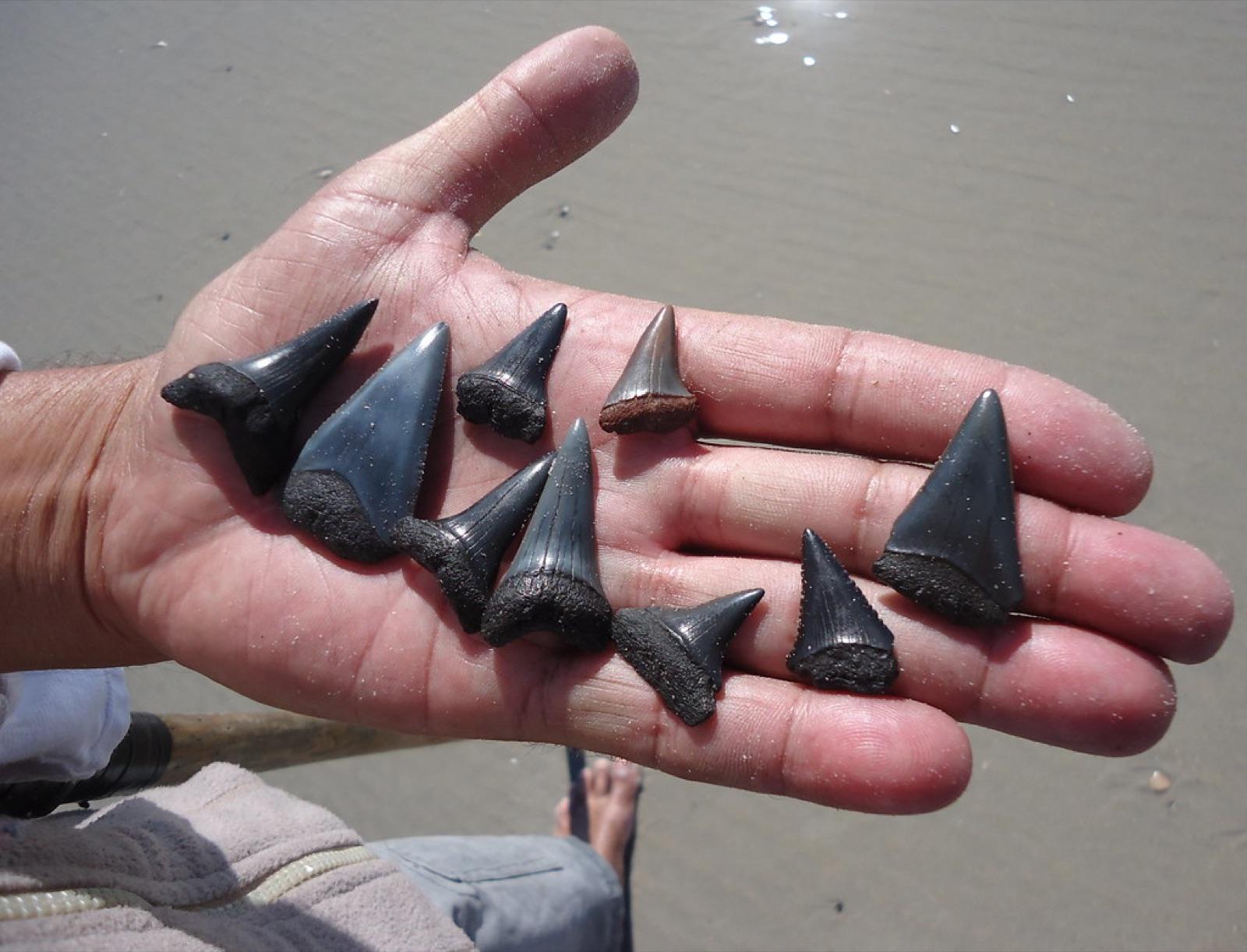
Megalodon teeth are the fossilized remains of the extinct giant shark Otodus megalodon, highly sought after for their massive size and serrated edges. They are commonly found in marine sedimentary river beds and coastal deposits, often exhibiting dark coloration due to mineralization during the fossilization process.
Spotting megalodon tooth in the field
Field marks- 1
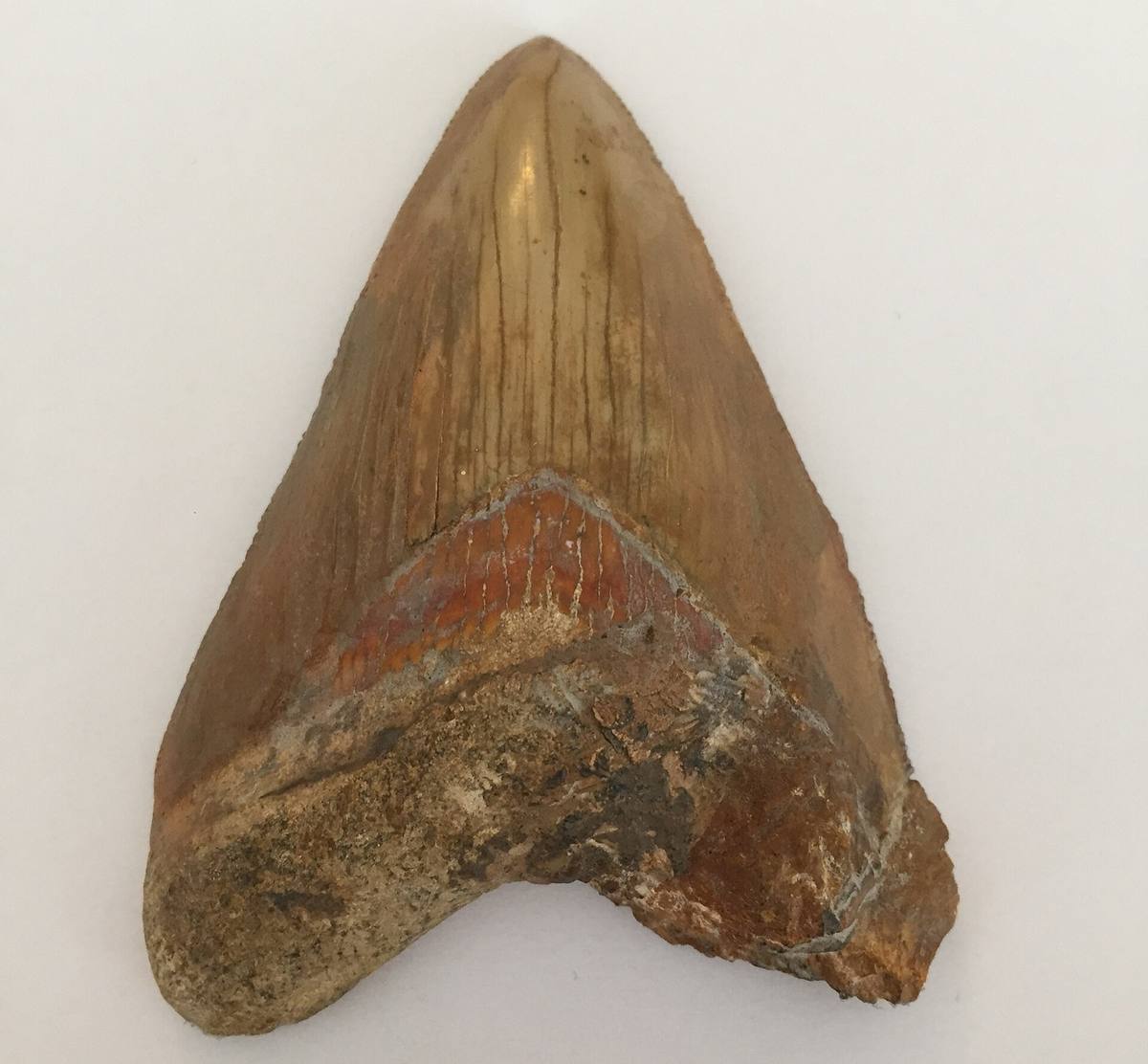
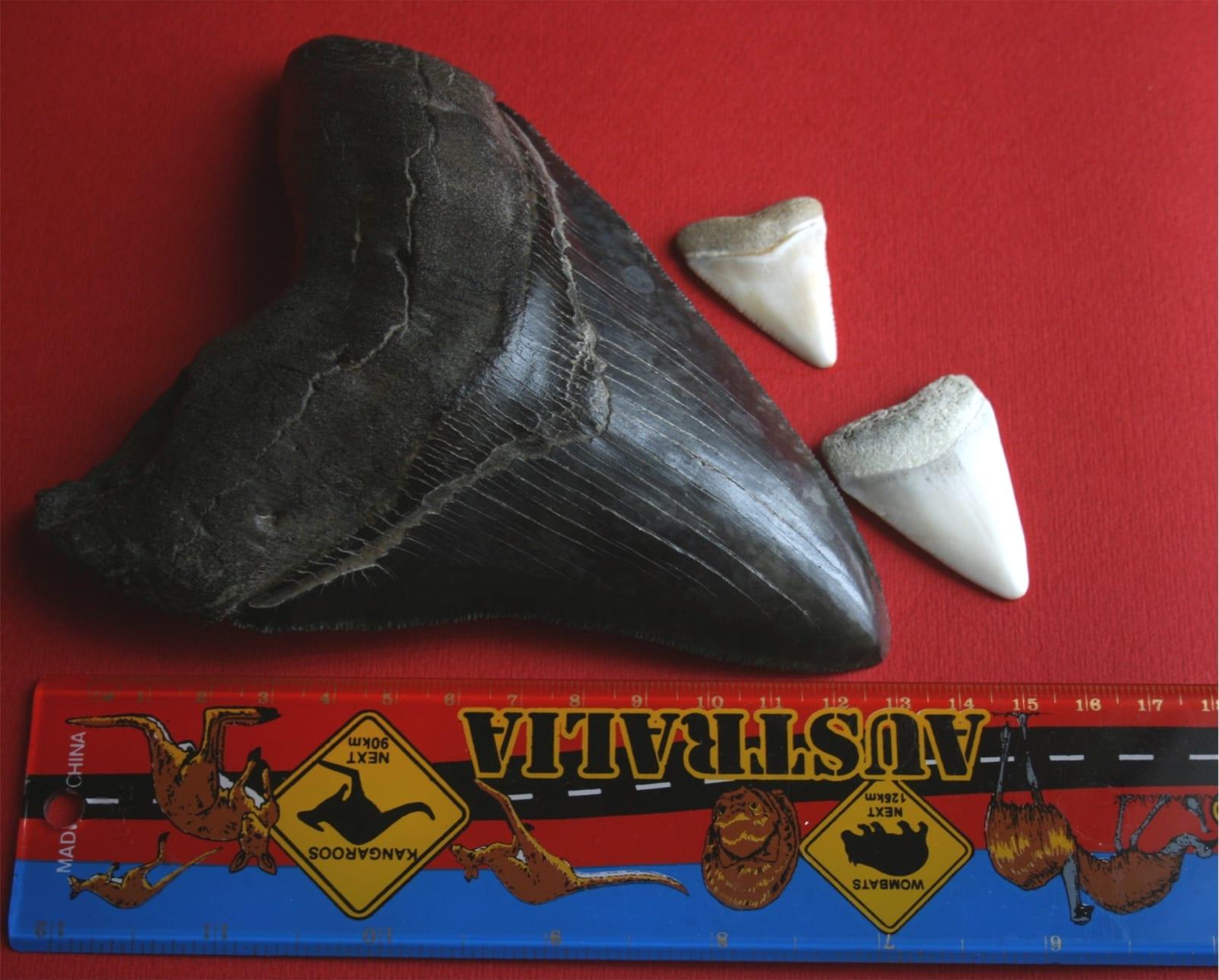
Very large, from roughly three inches to over six, in a broad triangle
- 2
Fine even serrations along both cutting edges
- 3
A distinct chevron-shaped darker band between the crown and the root
The chevron is the mark to learn: a dark V-shaped band where the enamel meets the root, present on megalodon and not on most look-alikes. Realistically these come from river diving in South Carolina and Florida, from sifting deep gravel, and from offshore beaches after storms. A complete large tooth is a genuine trophy and most hunters go years without one, so anyone selling you a flawless six-inch tooth cheaply is selling you a restoration or a cast.
Before you collect
Do not treat megalodon hunting as casual. River diving in low-visibility current has killed experienced divers, and the permit requirements in both South Carolina and Florida are real and enforced.
Straight answers
- Is it worth cutting?
- Never cut or polish one. Value lies in original surfaces, and polishing destroys it.
- What is it really worth?
- The most valuable common fossil an amateur can find. Price climbs steeply with size, enamel preservation, tip condition and serration completeness. Restoration is widespread, so ask directly what has been repaired.
- Can you legally keep it?
- A vertebrate fossil, so federal land is off limits without a permit. The Cooper River in South Carolina, a major source, requires a state hobby diver license from the South Carolina Institute of Archaeology and Anthropology, and Florida requires its state fossil permit for state waters.
Where it is worth going
- Cooper RiverCharleston County, South Carolina
Premier diving location. Requires a state hobby diver license and serious diving experience.
- Peace RiverCentral Florida
Shallow sifting, far more accessible than diving. Requires a Florida fossil permit.
Often confused with
Megalodon Tooth vs. its common look-alikes, and how to tell them apart in the field.
Often found alongside megalodon tooth
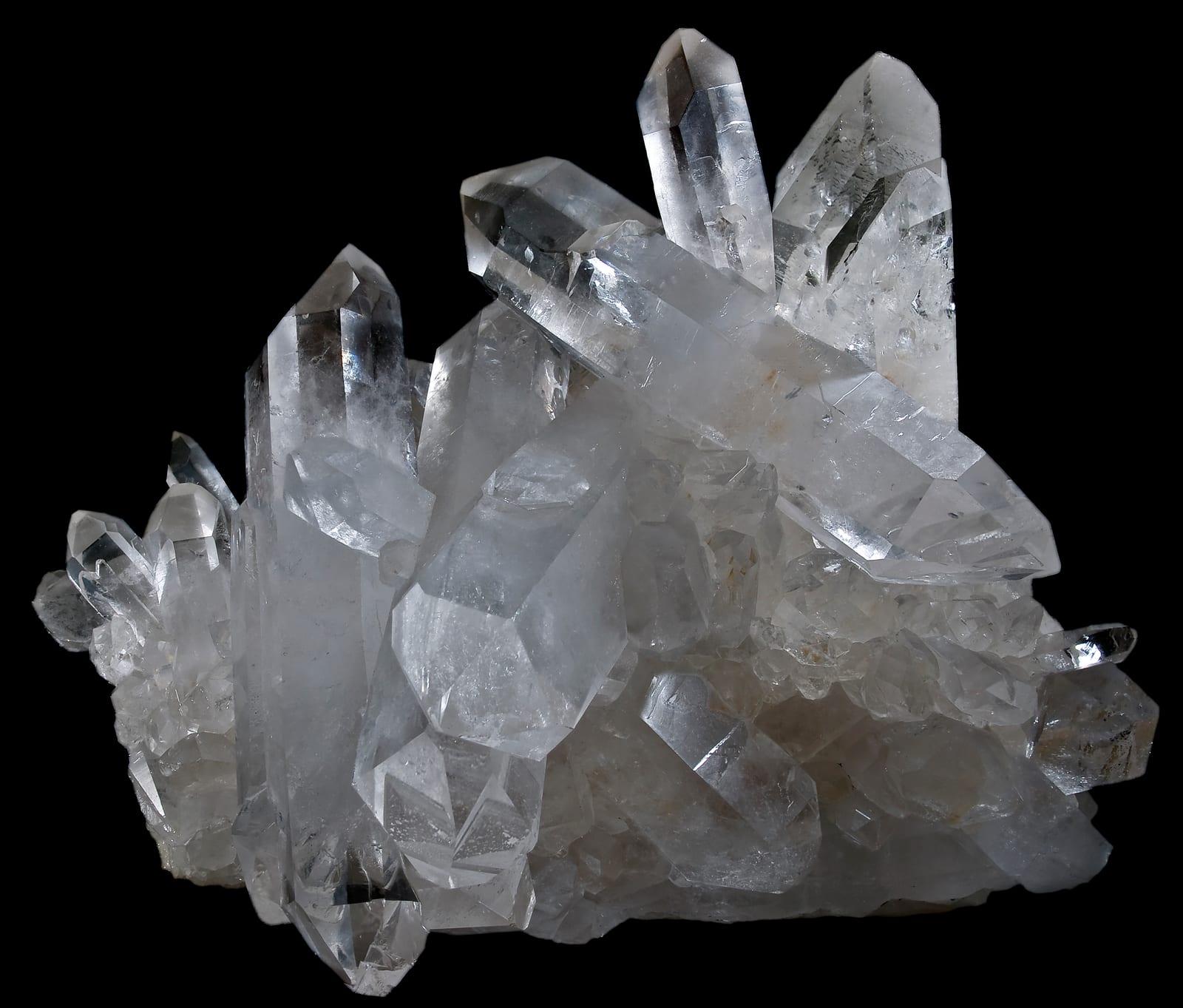
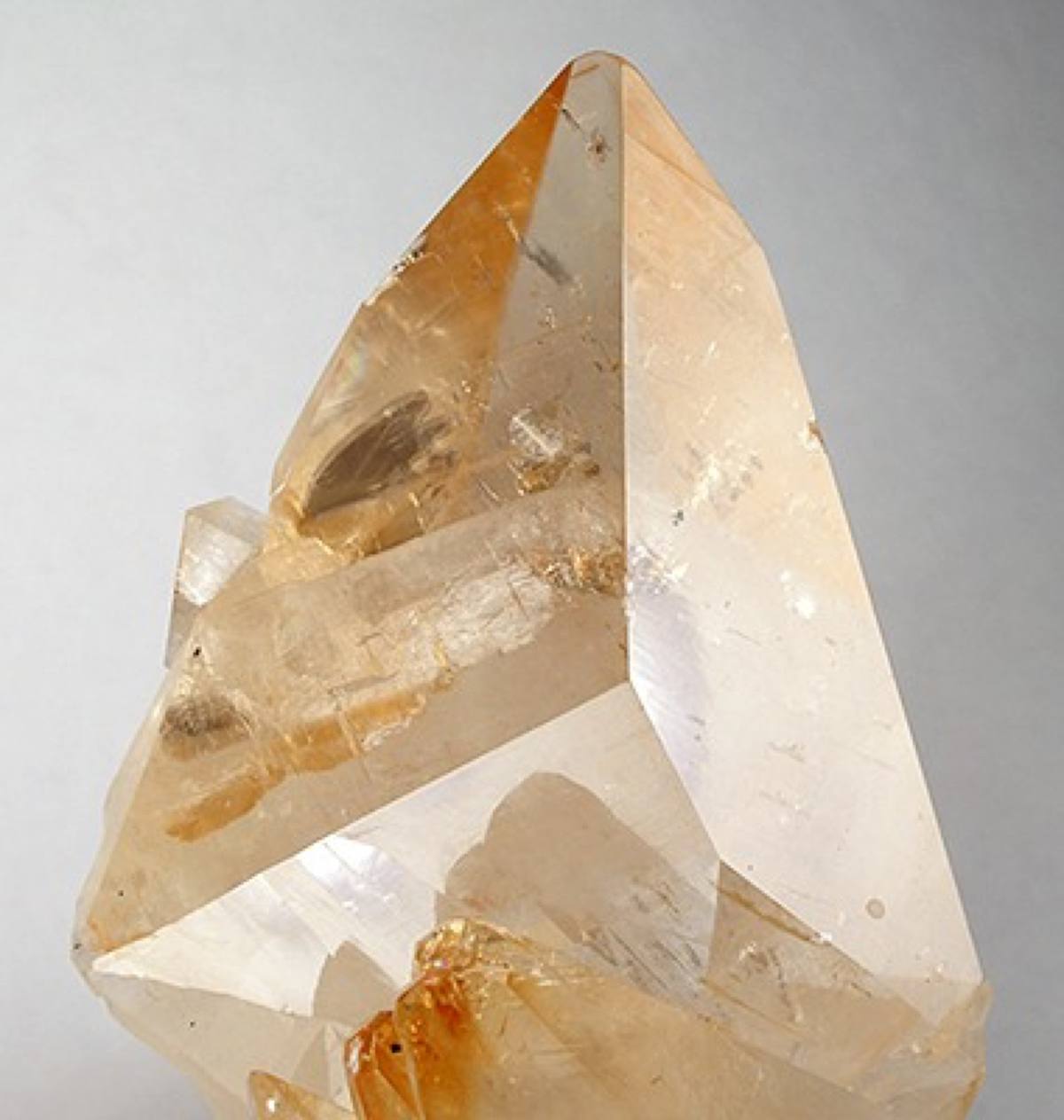
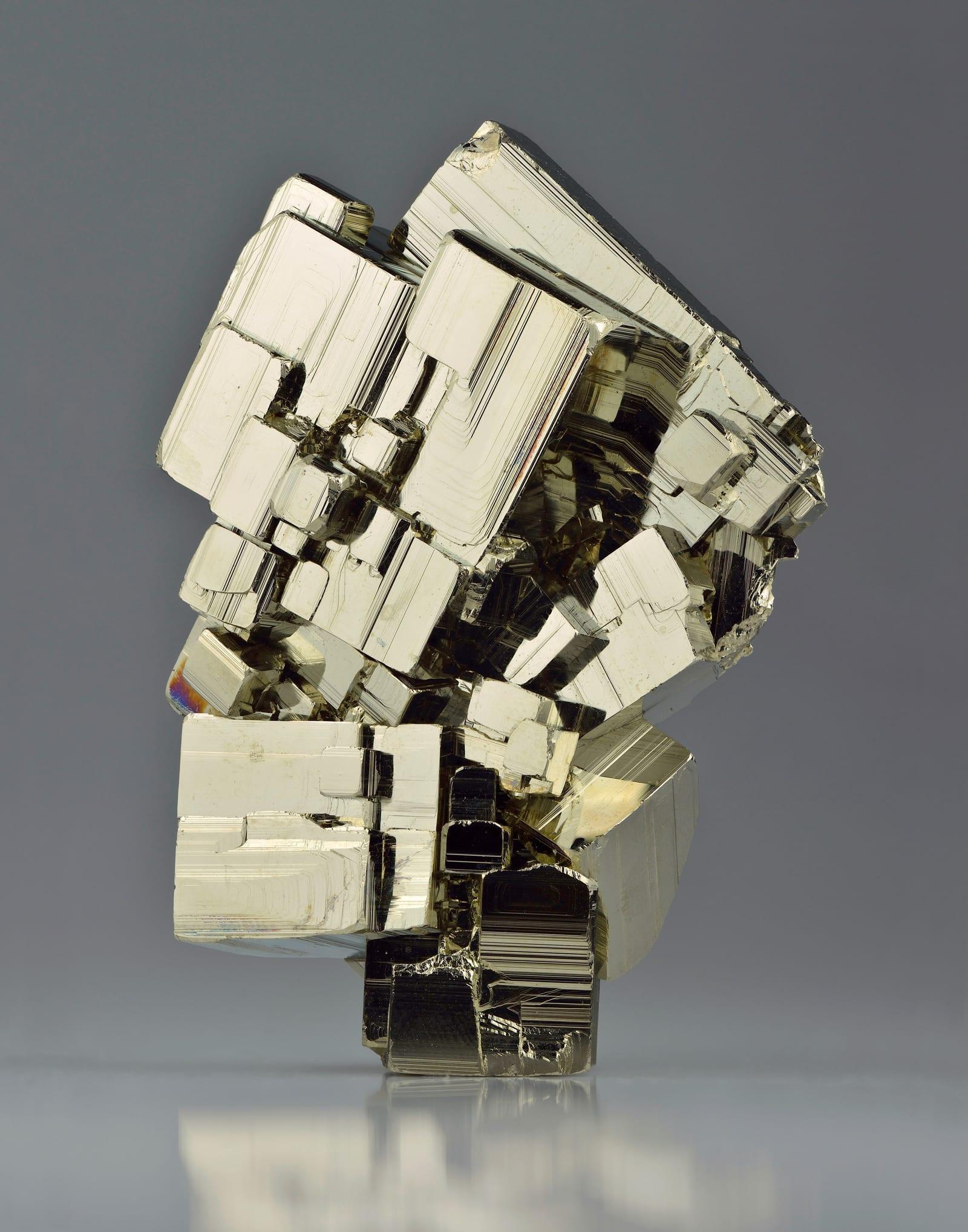
Minerals reported to co-occur with megalodon tooth. Spotting these in float or country rock is a strong cue you are in the right ground.
All properties
- Mohs hardness
- 3-5
- Density
- 2.5-3.0 g/cm³
- Luster
- Dull to earthy
- Transparency
- Opaque
- Rarity
- Common
- Uses
- Collector, Decorative
- Host rock
- sedimentary marine deposits
- Organism
- Megalodon (Otodus megalodon)
- Age
- Early Miocene to Early Pliocene (about 23 to 3.6 million years ago)
Where rockhounds find megalodon tooth
10 mapped spotsClassic worldwide localities
- South Carolina, USA
- Florida, USA
- North Carolina, USA
- Chile
- Morocco
Field-hunting tip
Where it forms: sedimentary marine deposits. If you start seeing quartz, calcite, pyrite in float, you are in the right ground. In the U.S., the densest reported localities are in South Carolina, Florida. Start trip planning there.
More megalodon tooth photos
Common questions
How do you identify megalodon tooth?+
Where is megalodon tooth found?+
Can I find megalodon tooth in the United States?+
What rocks look like megalodon tooth?+
What minerals are found with megalodon tooth?+
What kind of rock does megalodon tooth form in?+
What is megalodon tooth used for?+
Find megalodon tooth on the map
RockHoundR shows mapped rockhounding spots, access rules, and lets you log every find.