
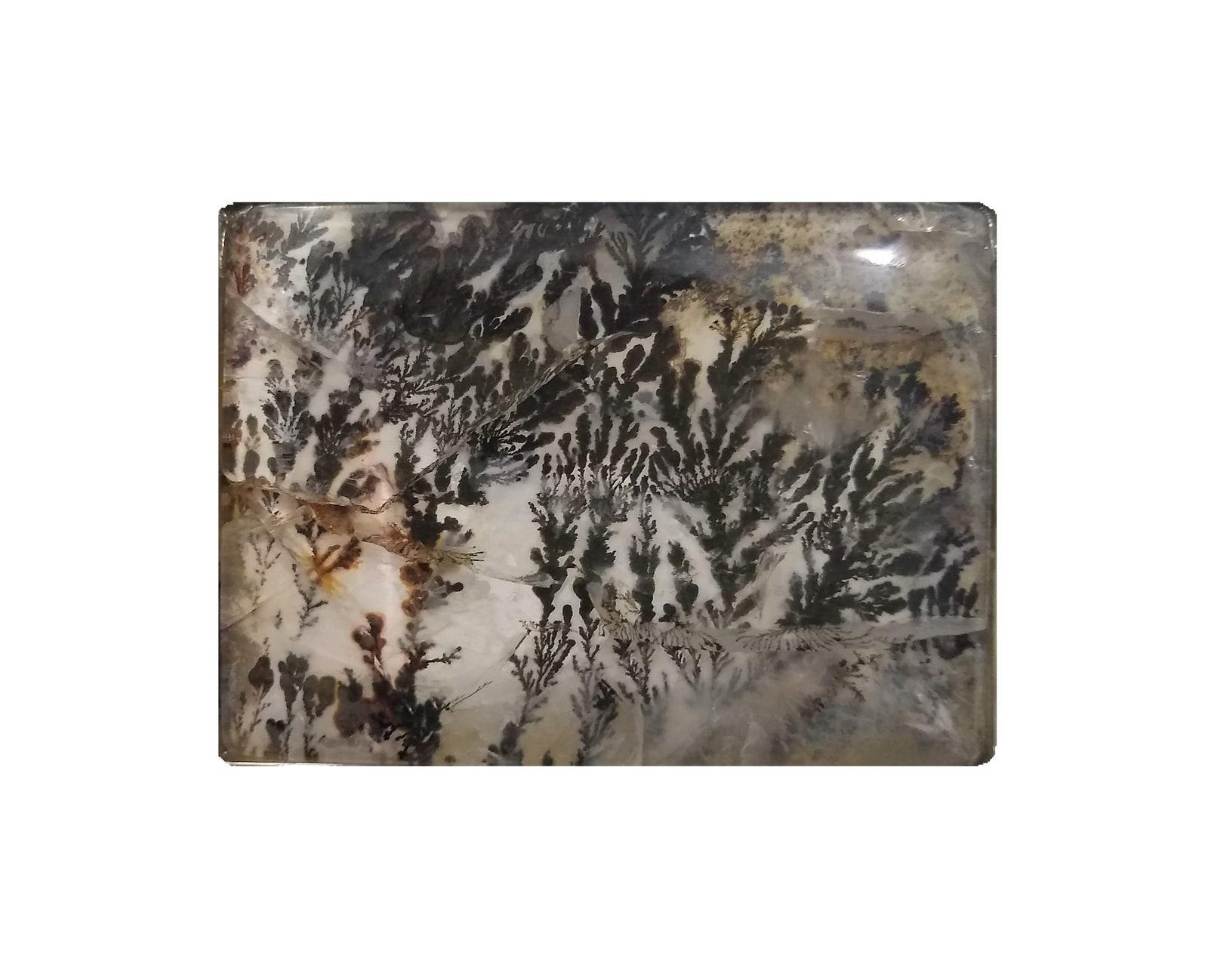
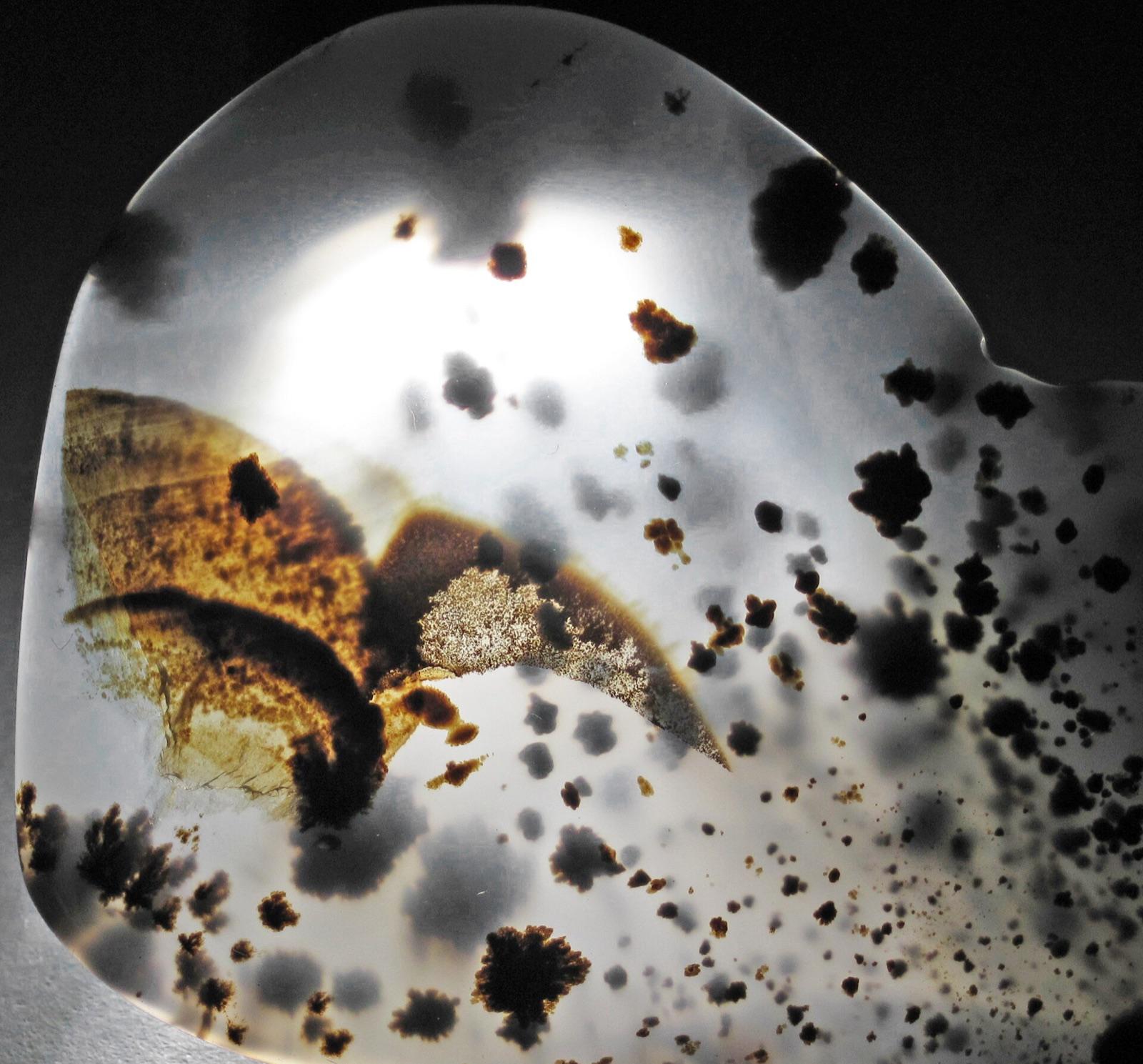
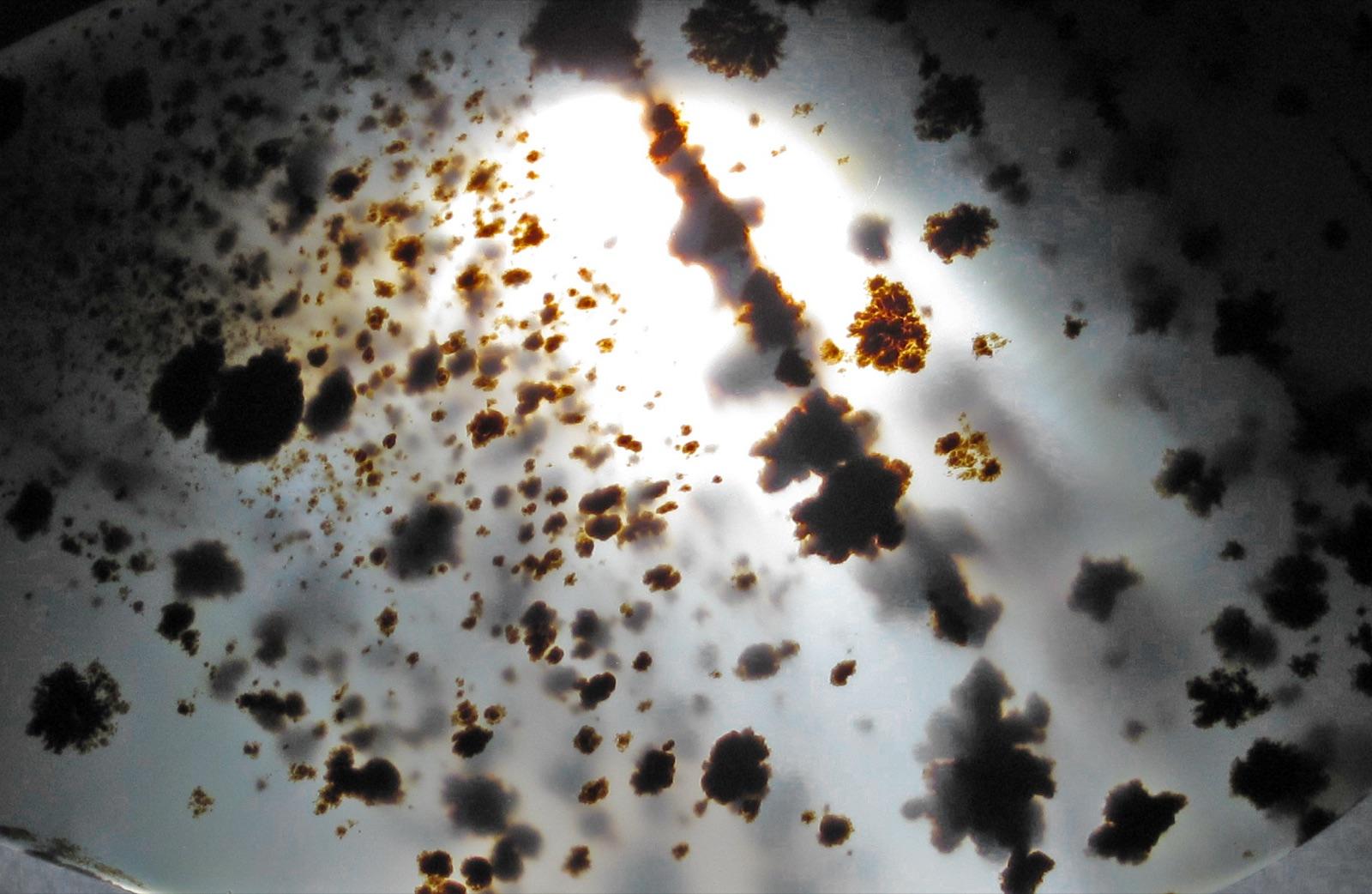
Montana Moss Agate is a highly sought-after chalcedony characterized by distinct dendritic inclusions of manganese and iron oxides that resemble moss or fern patterns. It is typically found as water-worn cobbles in the gravel beds of the Yellowstone River and its tributaries. Collectors prize it for its high transparency and the intricate, landscape-like imagery within the stone.
Spotting montana moss agate in the field
Field marks- 1
Clear to smoky grey body with black or red-brown dendrites suspended inside
- 2
Dry it is a dull, chalky, grey-white river cobble with a faint waxy skin
- 3
Rounded and river-worn, rarely angular, because it has traveled a long way
Nothing rewards a spray bottle more than this one. Dry Montana moss agate looks like a potato, and the entire hunt is walking gravel bars along the Yellowstone with a bottle in your hand, wetting anything that has a translucent skin. Wet, the moss and plumes appear as if someone switched a light on. Work bars after spring runoff has scoured and re-sorted them, and look on the upstream end of bars where heavier cobble drops first. The material has traveled from eastern Montana all the way to the Missouri confluence in North Dakota, so anywhere along that river system is worth a look.
Straight answers
- Is it worth cutting?
- The classic cabbing agate. Slab it thin, around 3 to 4 mm, and hold the slab up to a lamp before you mark it: the moss reads completely differently transmitted than reflected, and a face that looks empty in the hand can be the best cab in the rock.
- What is it really worth?
- Ordinary river rough is a few dollars a pound and there is a lot of it. Pieces with well-defined red plumes or scenic dendrites that suggest a landscape are where the money is, and those you find maybe once a trip.
- Can you legally keep it?
- The Yellowstone riverbed below the high water mark is generally open, but the banks on both sides are overwhelmingly private ranch land. Access legally from public bridges, boat ramps and BLM parcels, and stay below the high water line.
Where it is worth going
- Yellowstone River gravel barsEastern Montana, roughly Billings downstream to Sidney and into North Dakota
The source drainage. Float trips reach bars that road hunters never touch.
Often confused with
Montana Moss Agate vs. its common look-alikes, and how to tell them apart in the field.
Often found alongside montana moss agate
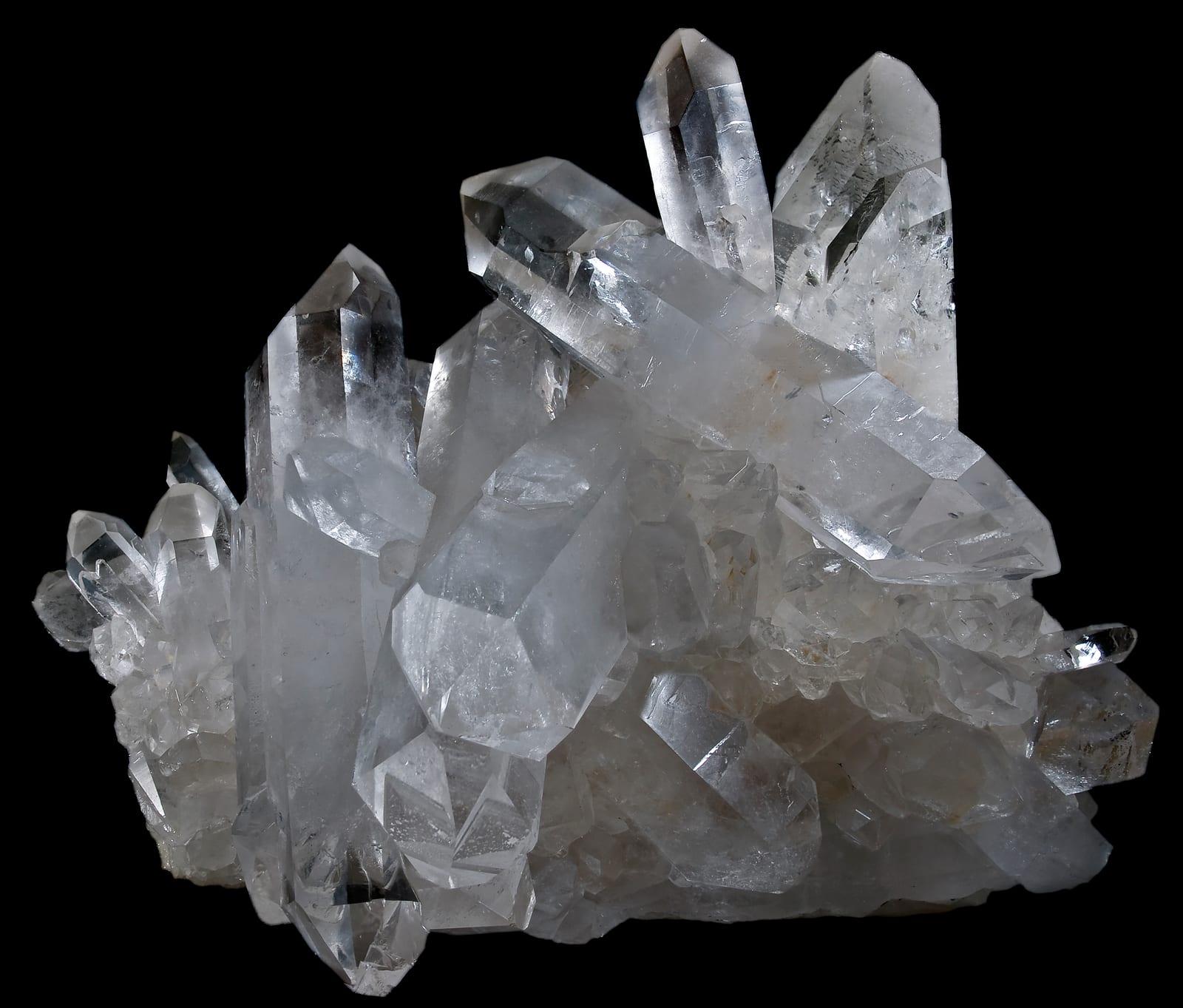
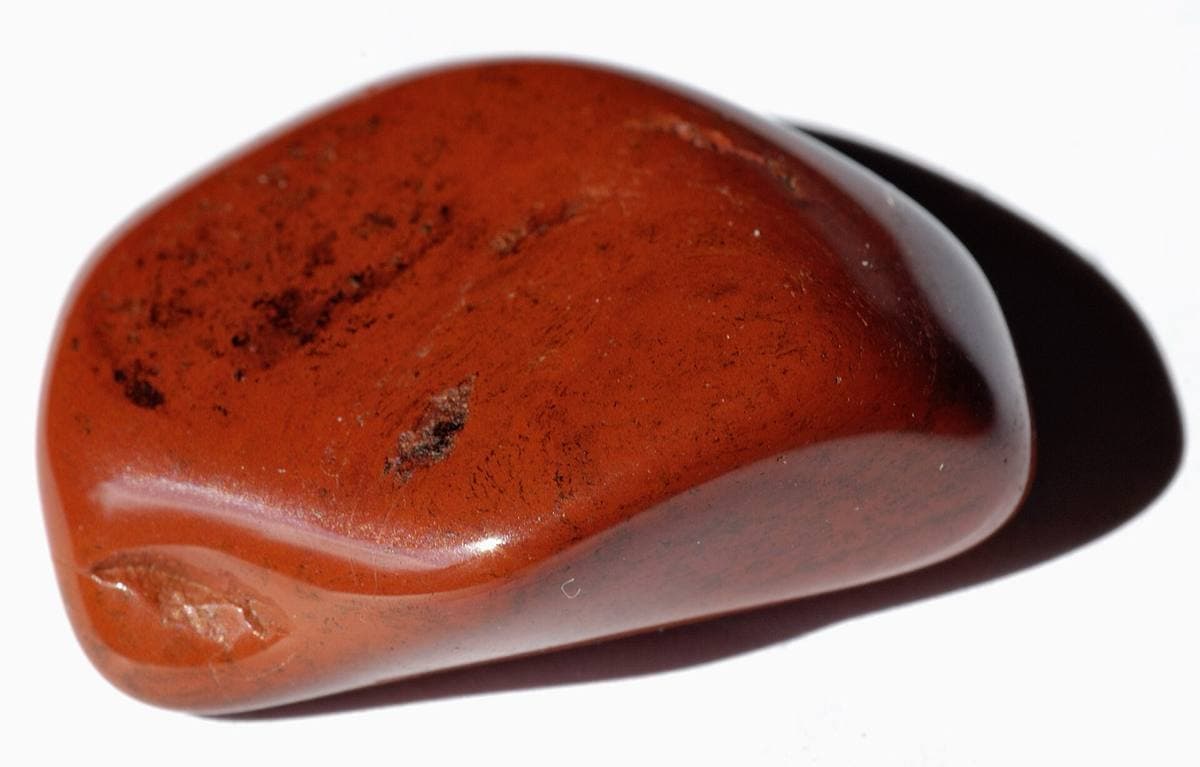
Minerals reported to co-occur with montana moss agate. Spotting these in float or country rock is a strong cue you are in the right ground.
All properties
- Chemical formula
- SiO₂
- Mohs hardness
- 6.5-7
- Density
- 2.6 g/cm³
- Streak
- White
- Luster
- Vitreous
- Transparency
- Translucent
- Crystal system
- Trigonal
- Crystal habit
- Massive
- Cleavage
- None
- Rarity
- Common
- Uses
- Lapidary, Collector, Decorative, Jewelry
- Host rock
- Alluvial gravels and river deposits
Where rockhounds find montana moss agate
14 mapped spotsClassic worldwide localities
- Yellowstone River, Montana, USA
- Glendive, Montana, USA
- Miles City, Montana, USA
Field-hunting tip
Where it forms: Alluvial gravels and river deposits. If you start seeing quartz, jasper, calcedony in float, you are in the right ground. Typical habit: massive. Train your eye for that shape before scanning the outcrop. In the U.S., the densest reported localities are in Montana, North Dakota. Start trip planning there.
More montana moss agate photos
Common questions
How do you identify montana moss agate?+
Where is montana moss agate found?+
Can I find montana moss agate in the United States?+
What rocks look like montana moss agate?+
What minerals are found with montana moss agate?+
What kind of rock does montana moss agate form in?+
What is montana moss agate used for?+
Find montana moss agate on the map
RockHoundR shows mapped rockhounding spots, access rules, and lets you log every find.

