
Paratacamite is a secondary copper mineral that typically forms as a crust or crystalline coating within oxidized zones of copper-rich hydrothermal deposits. It is often visually indistinguishable from atacamite without analytical testing and is prized by mineral collectors for its vibrant, rich green colors.
Is this paratacamite?
5-step field checkRun through these checks against the specimen in your hand. The more boxes tick, the more confident the ID.
- 1Test the hardnessTry to scratch paratacamite with a known reference. Paratacamite sits at Mohs 3, softer than the next harder reference, harder than the previous one.
- 2Check the streakDrag the specimen across an unglazed porcelain plate. Streak: green.
- 3Read the lusterHold the specimen under a strong light. Luster: vitreous.
- 4Match the color rangeCompare against the expected color range: dark green, greenish black.
- 5Look at form & habitCrystal system: trigonal. Typical habit: encrustations, massive, rhombohedral crystals.
Often confused with
Paratacamite vs. its common look-alikes, and how to tell them apart in the field.
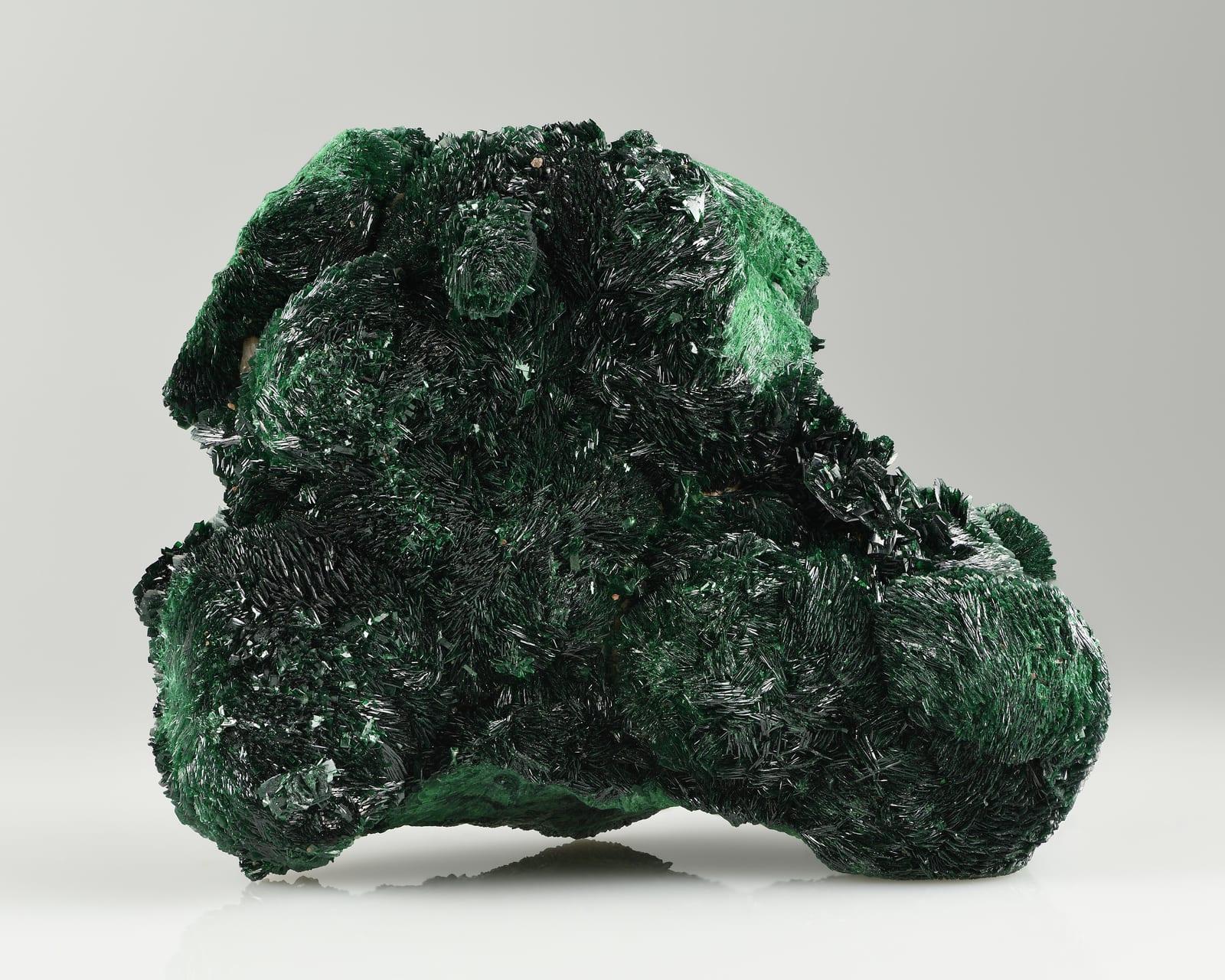
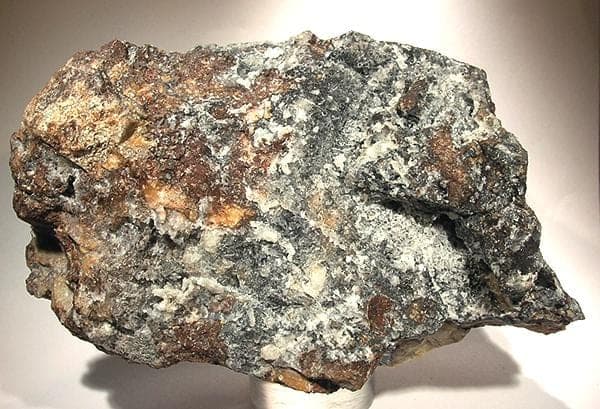
How to tell apart: Streak differs, so Paratacamite leaves green, Atacamite leaves apple-green; luster reads vitreous on Paratacamite and adamantine to vitreous on Atacamite.
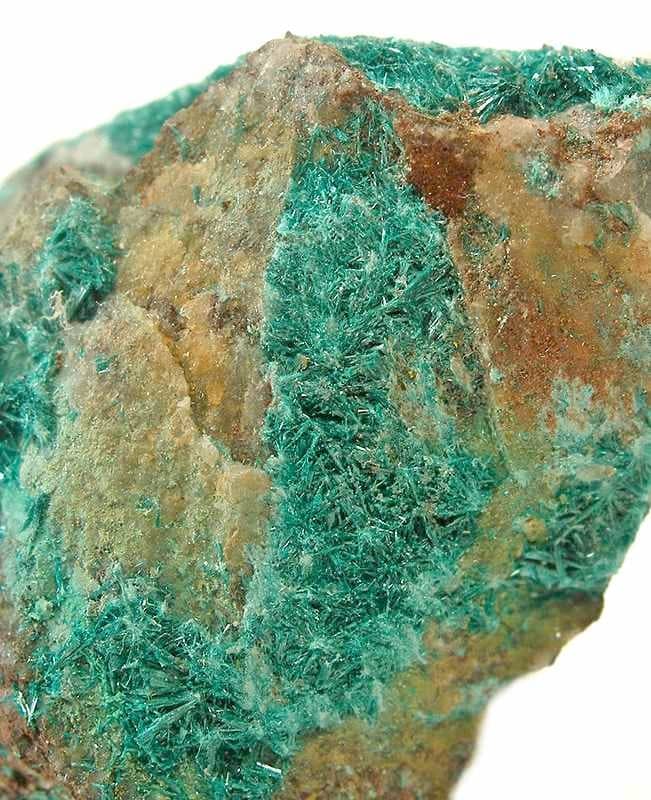
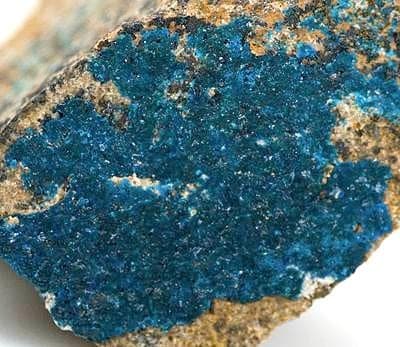
How to tell apart: Streak differs, so Paratacamite leaves green, Botallackite leaves light green.
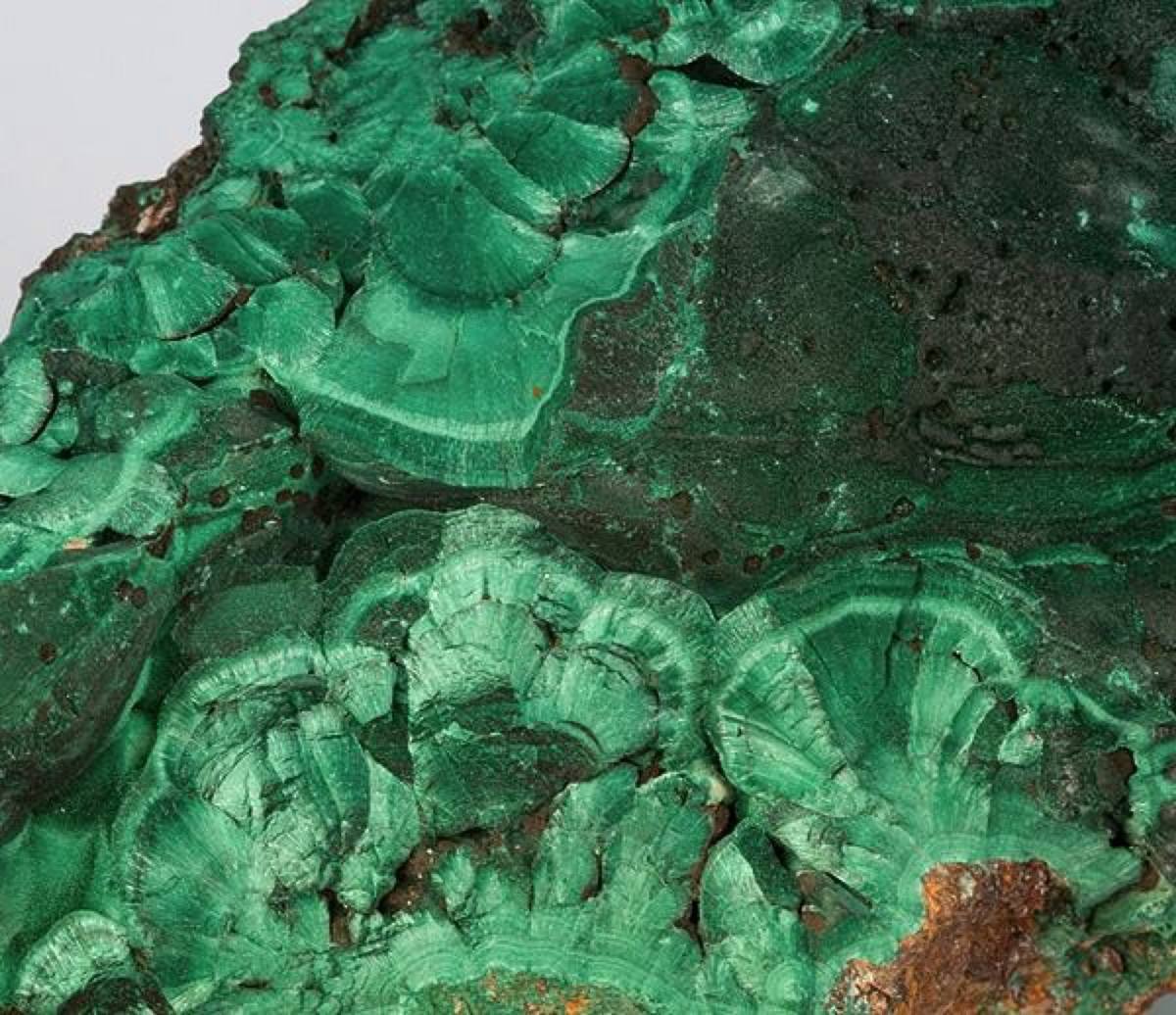
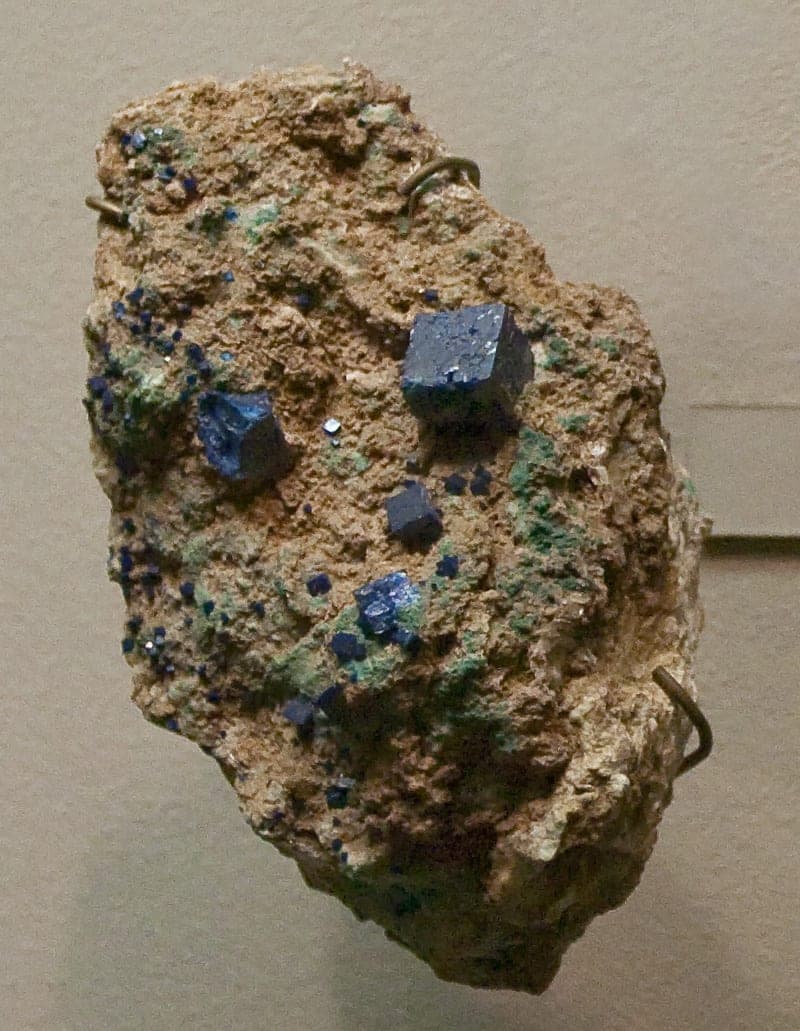
How to tell apart: Streak differs, so Paratacamite leaves green, Malachite leaves pale green; luster reads vitreous on Paratacamite and adamantine to vitreous; silky if fibrous; dull to earthy if massive on Malachite.
Often found alongside paratacamite
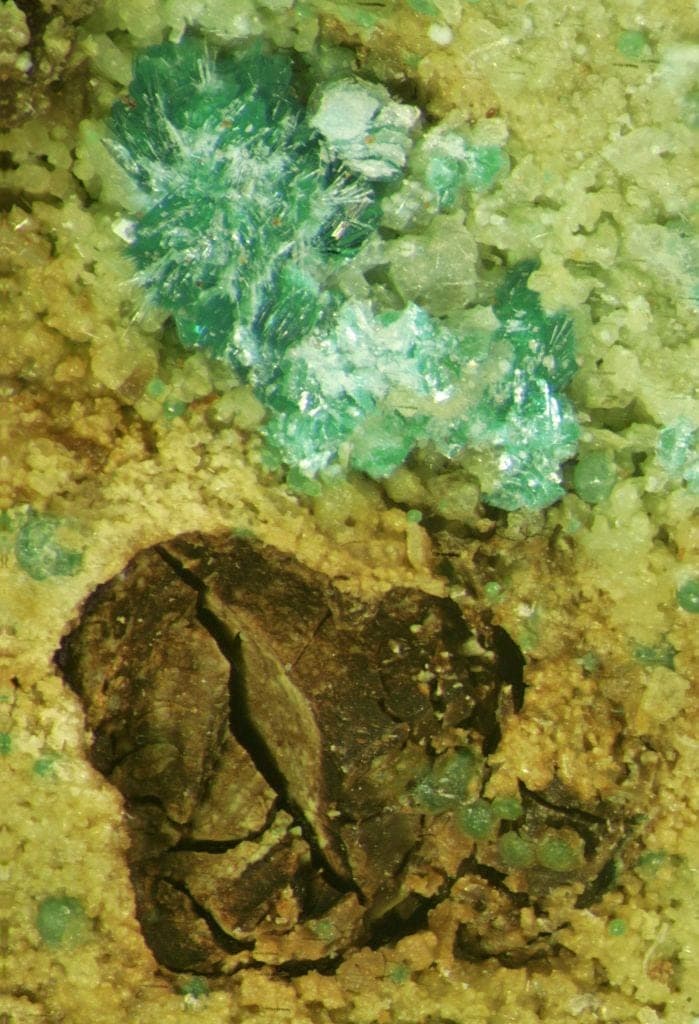
Minerals reported to co-occur with paratacamite. Spotting these in float or country rock is a strong cue you are in the right ground.
All properties
- Chemical formula
- Cu₃Cu(OH)₆Cl₂
- Mohs hardness
- 3
- Density
- 3.72-3.74 g/cm³
- Colors
- Streak
- Green
- Luster
- Vitreous
- Transparency
- Translucent to nearly opaque
- Crystal system
- Trigonal
- Crystal habit
- Encrustations, massive, rhombohedral crystals
- Cleavage
- {1011}, good
- Rarity
- Uncommon
- Uses
- Collector
- Host rock
- An oxidation product of other copper minerals, especially under arid, saline conditions; in fumarolic deposits; a weathering product of sulfides in subsea black smoker deposits
Where rockhounds find paratacamite
Classic worldwide localities
- Lost Soldier mine, Weeks, Churchill district, and at the Douglas Hill mine and Mason Pass, Yerington district, Lyon Co., Nevada, USA
- Bisbee, Cochise Co., and in the Mammoth-St. Anthony mine, Tiger, Pinal Co., Arizona, USA
- Generosa and Herminia mines, Sierra Gorda district, the Queténa mine, west of Calama, and at Chuquicamata, Antofagasta, Chile
- Nantoko, Copiapó district, and Remolinos, Atacama, Chile
- Cerro Negro volcano, Nicaragua
- Botallack and other mines, St. Just, and several other places in Cornwall, England
Field-hunting tip
Where it forms: An oxidation product of other copper minerals, especially under arid, saline conditions; in fumarolic deposits; a weathering product of sulfides in subsea black smoker deposits. If you start seeing clinoatacamite, caracolite, schwartzembergite in float, you are in the right ground. Typical habit: encrustations, massive, rhombohedral crystals. Train your eye for that shape before scanning the outcrop.
Common questions
How do you identify paratacamite?+
Where is paratacamite found?+
Is paratacamite safe to handle?+
What rocks look like paratacamite?+
What minerals are found with paratacamite?+
What kind of rock does paratacamite form in?+
What is paratacamite used for?+
Find paratacamite on the map
RockHoundR shows mapped rockhounding spots, access rules, and lets you log every find.

