
Parsettensite is a rare manganese phyllosilicate mineral usually found in manganese-rich metamorphic environments. It typically appears as copper-red to tan, micaceous, or foliated masses that bear a strong visual resemblance to the stilpnomelane group.
Is this parsettensite?
5-step field checkRun through these checks against the specimen in your hand. The more boxes tick, the more confident the ID.
- 1Test the hardnessTry to scratch parsettensite with a known reference. Parsettensite sits at Mohs ~1.5, softer than the next harder reference, harder than the previous one.
- 2Check the streakDrag the specimen across an unglazed porcelain plate. Streak: brownish yellow.
- 3Read the lusterHold the specimen under a strong light. Luster: submetallic to metallic.
- 4Match the color rangeCompare against the expected color range: copper red.
- 5Look at form & habitCrystal system: monoclinic. Typical habit: massive, micaceous.
Often confused with
Parsettensite vs. its common look-alikes, and how to tell them apart in the field.
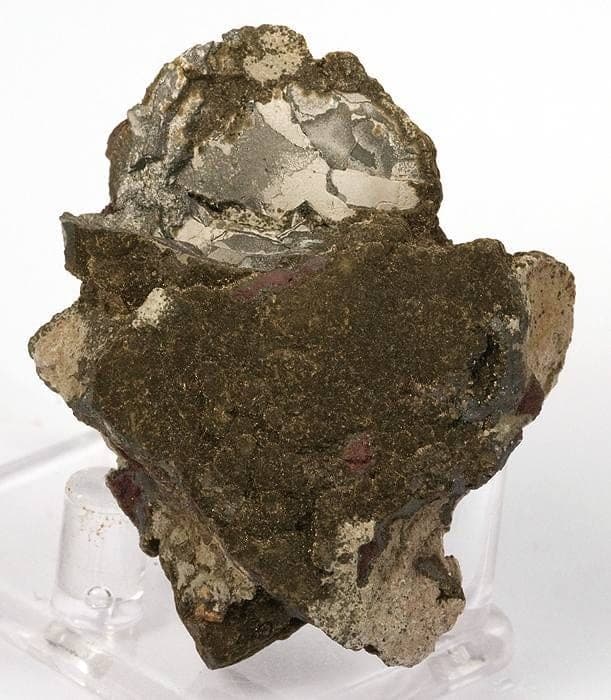
Often found alongside parsettensite
Minerals reported to co-occur with parsettensite. Spotting these in float or country rock is a strong cue you are in the right ground.
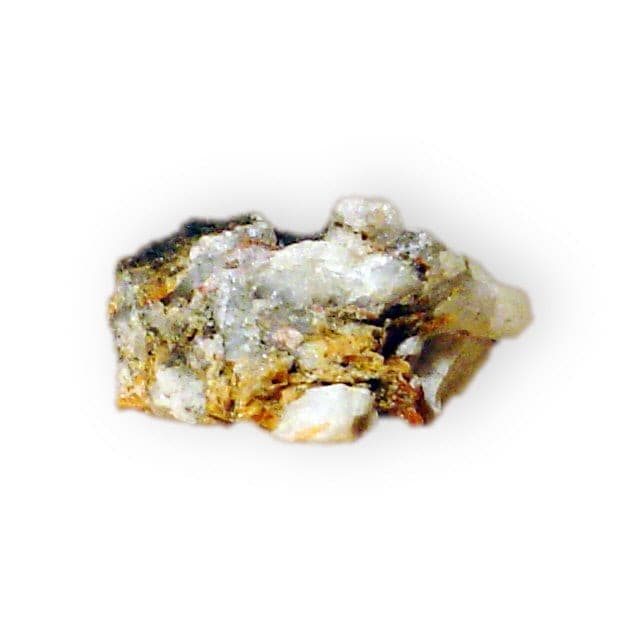
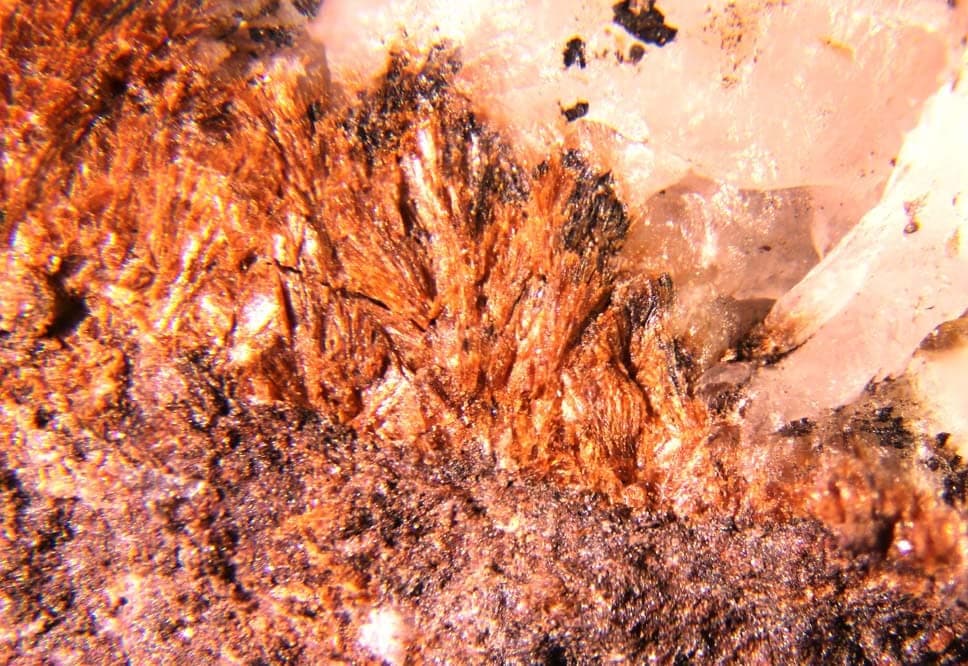
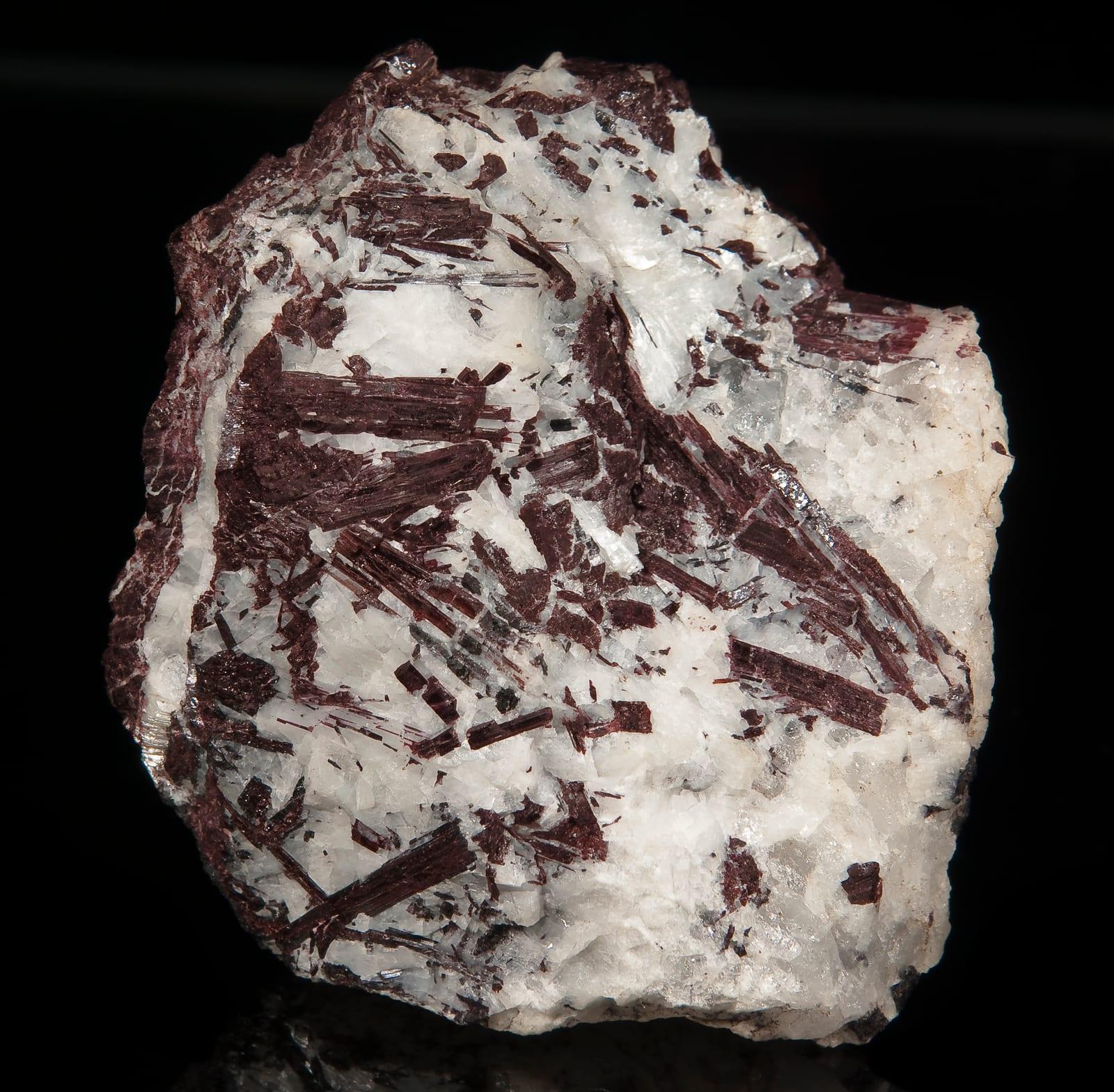
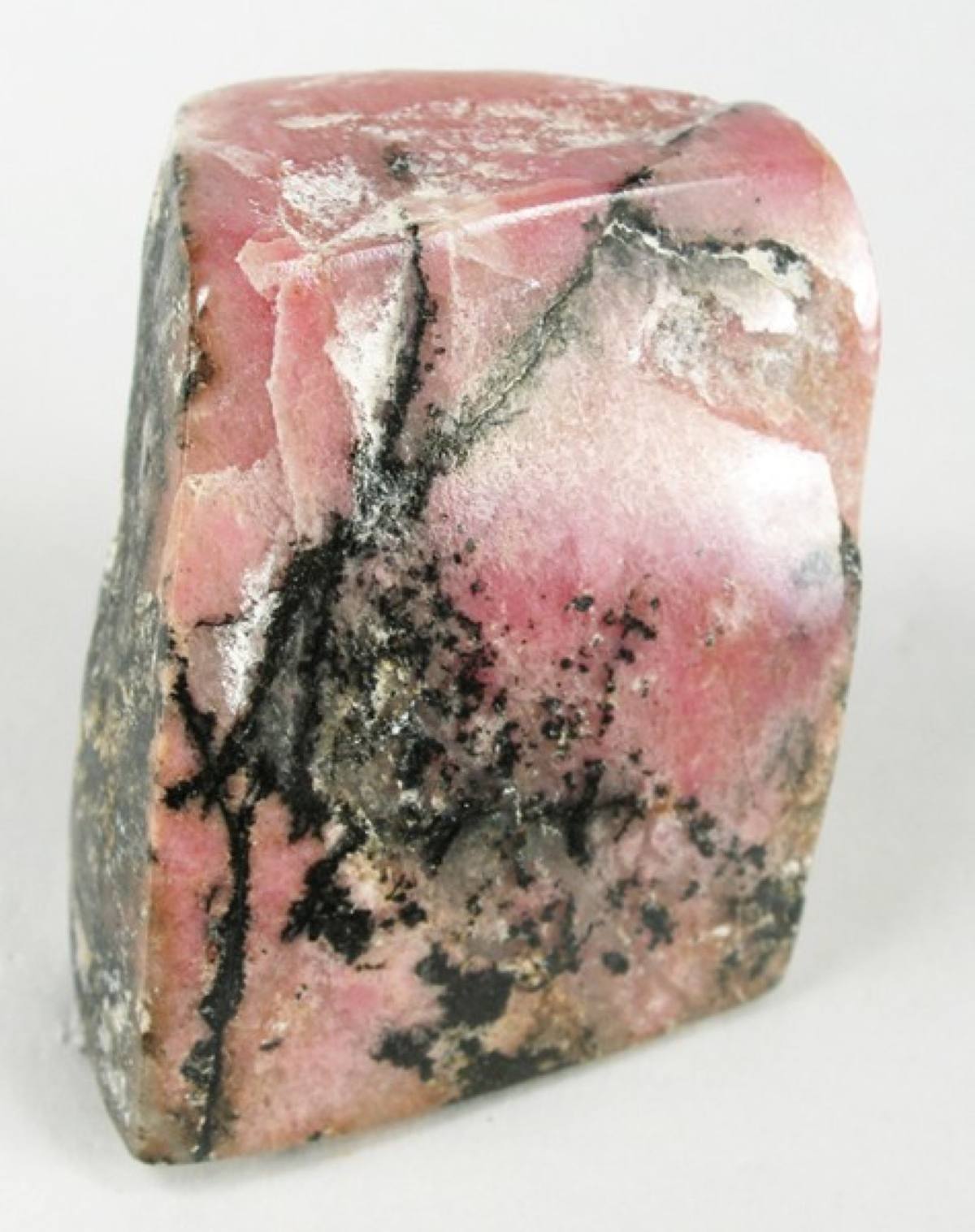
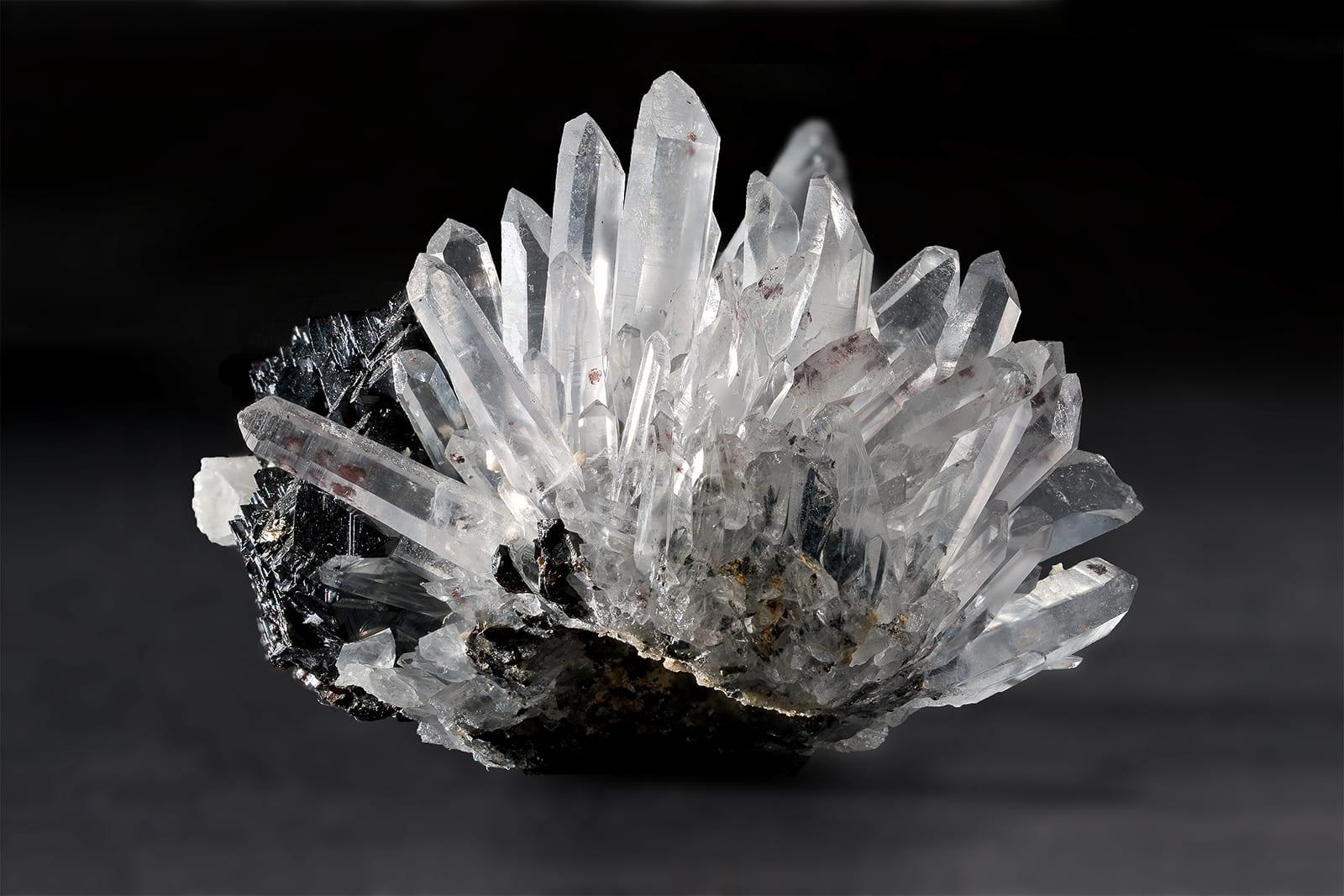
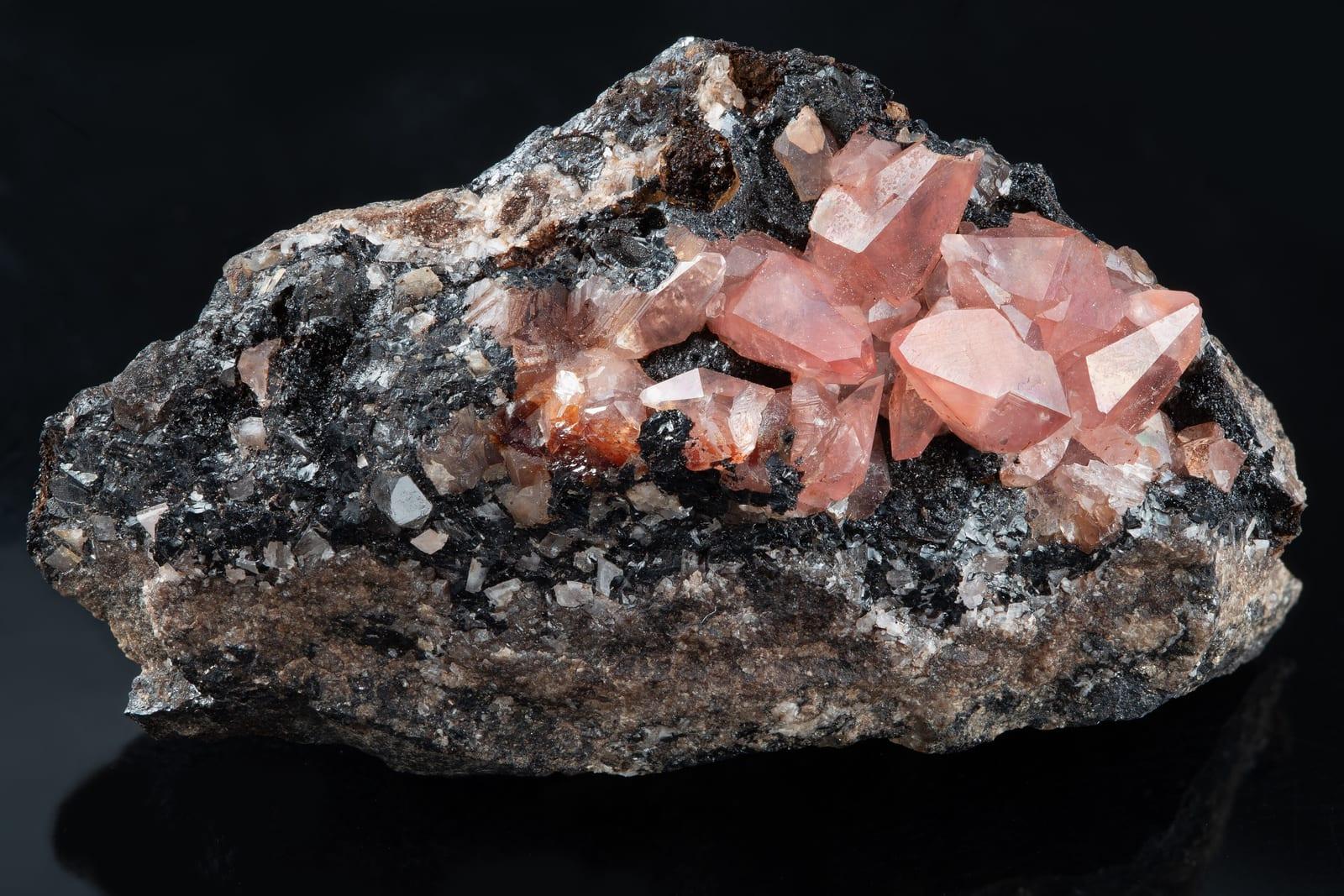
All properties
- Chemical formula
- (K,Na,Ca)₇.₅(Mn,Mg)₄₉Si₇₂O₁₆₈(OH)₅₀·nH₂O
- Mohs hardness
- ~1.5
- Density
- 2.590 g/cm³
- Colors
- Streak
- Brownish yellow
- Luster
- Submetallic to metallic
- Transparency
- Semitransparent
- Crystal system
- Monoclinic
- Crystal habit
- Massive, micaceous
- Cleavage
- One perfect, micaceous
- Rarity
- Rare
- Uses
- Collector
- Host rock
- In and peripheral to manganese deposits
Where rockhounds find parsettensite
Classic worldwide localities
- Foote mine, Kings Mountain, Cleveland Co., North Carolina, USA
- Parsettens Alpe, in Val d'Err, Tinzen, and at the Fianel mine, Val Ferrera, Graubünden, Switzerland
- Molinello manganese mine, near Chiavari, Val Graveglia, Liguria, Italy
- Watson's Beach, southeastern Otago, New Zealand
- Kumahata mine, Shiga Prefecture, and the Noda-Tamagawa mine, Iwate Prefecture, Japan
- N'Chwaning mine, near Kuruman, Cape Province, South Africa
Field-hunting tip
Where it forms: In and peripheral to manganese deposits. If you start seeing tinzenite, sursassite, piemontite in float, you are in the right ground. Typical habit: massive, micaceous. Train your eye for that shape before scanning the outcrop.
Common questions
How do you identify parsettensite?+
Where is parsettensite found?+
What rocks look like parsettensite?+
What minerals are found with parsettensite?+
What kind of rock does parsettensite form in?+
What is parsettensite used for?+
Find parsettensite on the map
RockHoundR shows mapped rockhounding spots, access rules, and lets you log every find.

