
Pekoite is a rare lead-copper-bismuth sulfosalt that typically occurs as slender, needle-like crystals within hydrothermal veins. It is most easily recognized in the field as part of a complex suite of bismuth minerals, often requiring X-ray diffraction or chemical analysis for positive identification due to its similarity to other sulfosalts.
Is this pekoite?
5-step field checkRun through these checks against the specimen in your hand. The more boxes tick, the more confident the ID.
- 1Test the hardnessTry to scratch pekoite with a known reference. Pekoite sits at Mohs 2-3, softer than the next harder reference, harder than the previous one.
- 2Check the streakDrag the specimen across an unglazed porcelain plate. Streak: lead-gray.
- 3Read the lusterHold the specimen under a strong light. Luster: metallic.
- 4Match the color rangeCompare against the expected color range: lead gray.
- 5Look at form & habitCrystal system: orthorhombic. Typical habit: acicular to prismatic crystals, often as fine needles or radial aggregates.
Often confused with
Pekoite vs. its common look-alikes, and how to tell them apart in the field.
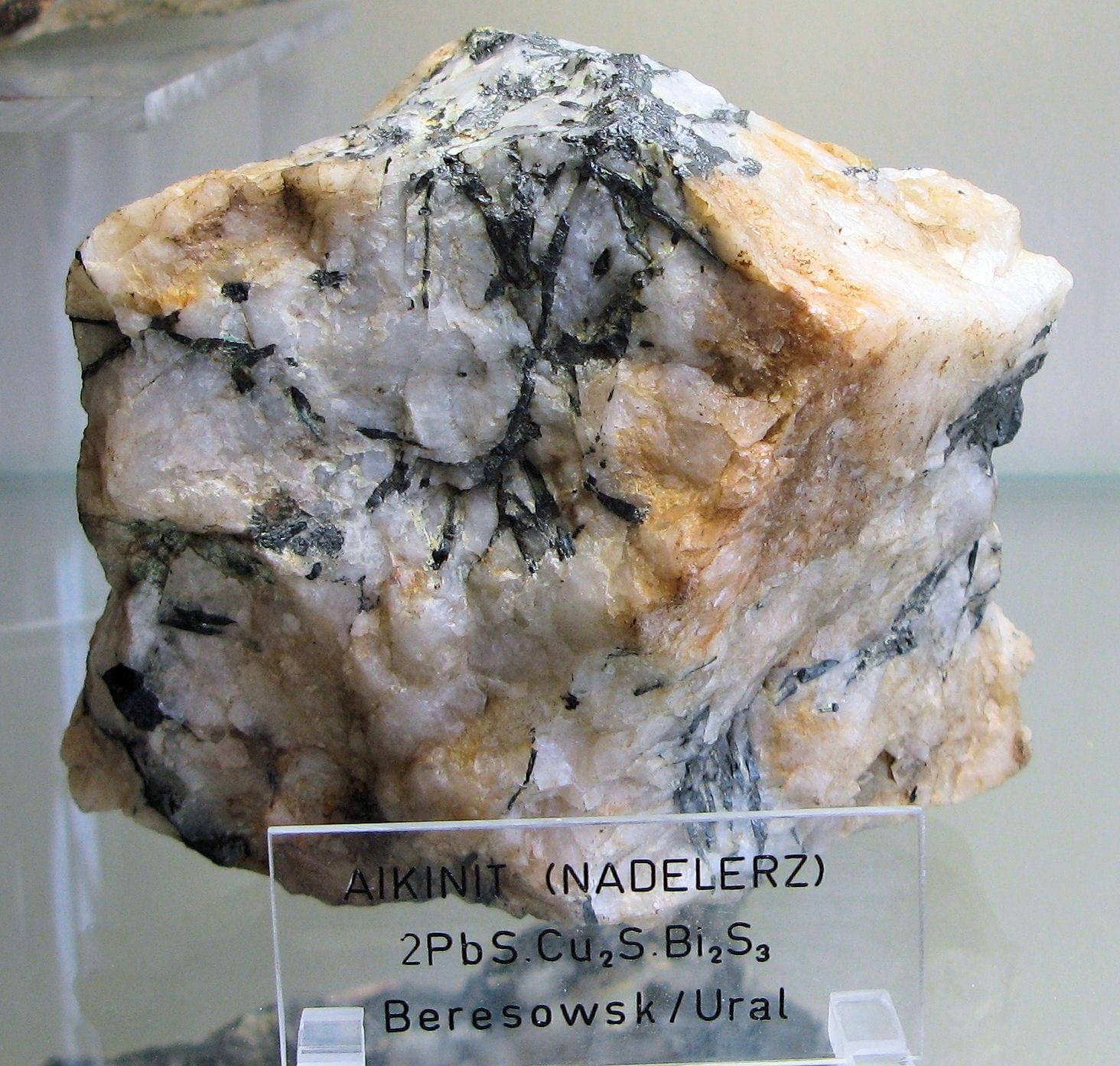
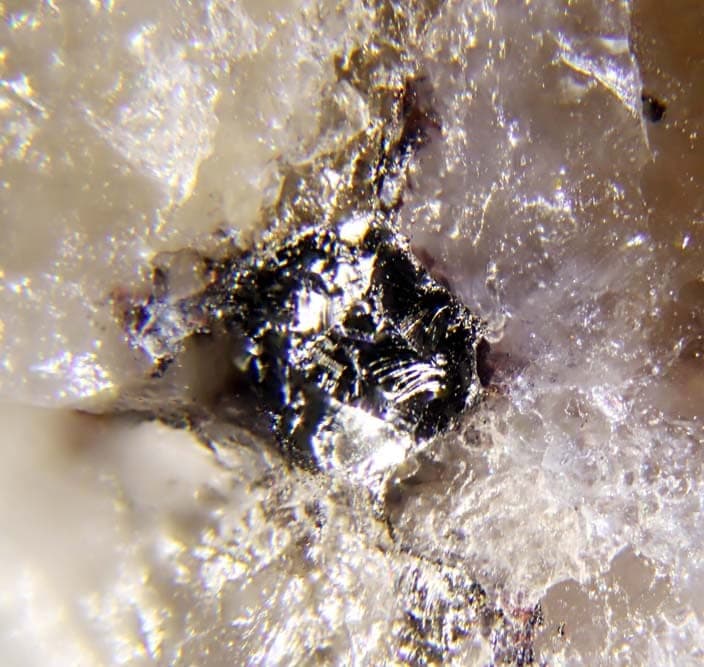
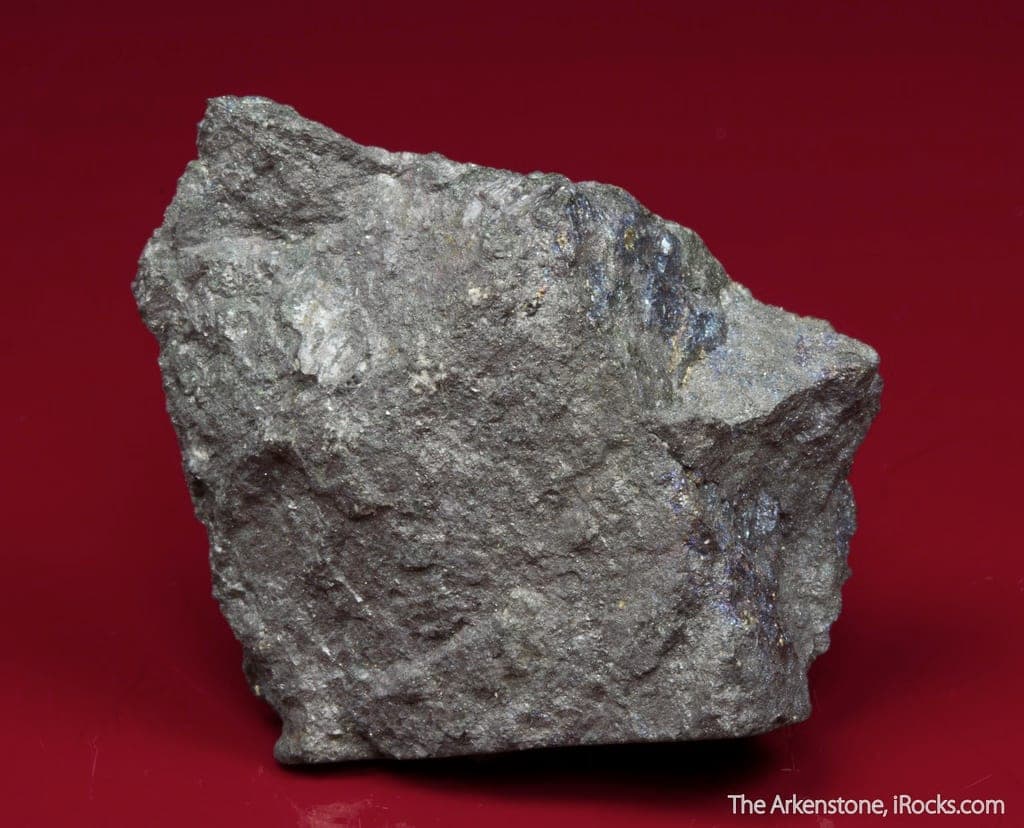
Often found alongside pekoite
Minerals reported to co-occur with pekoite. Spotting these in float or country rock is a strong cue you are in the right ground.
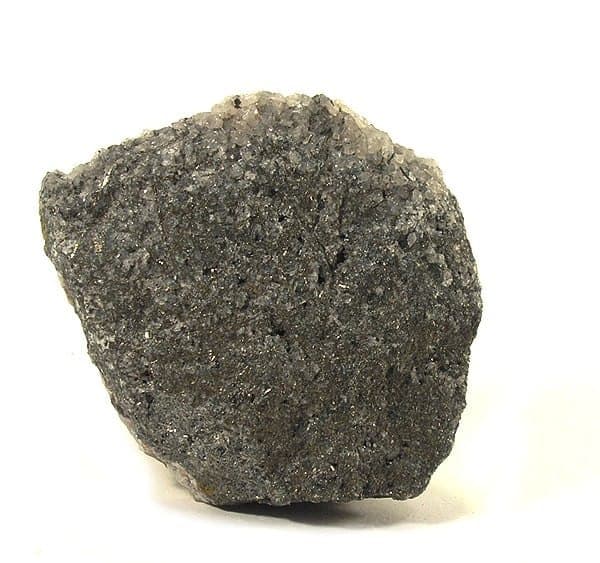
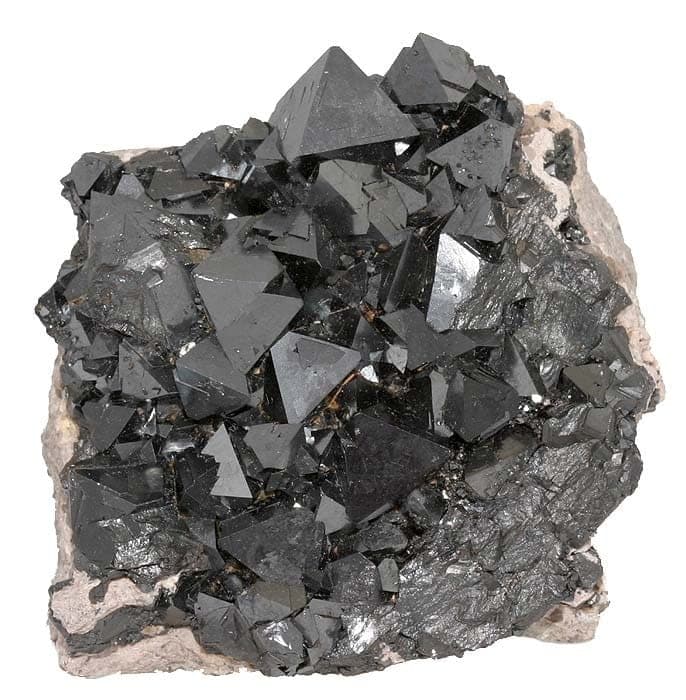
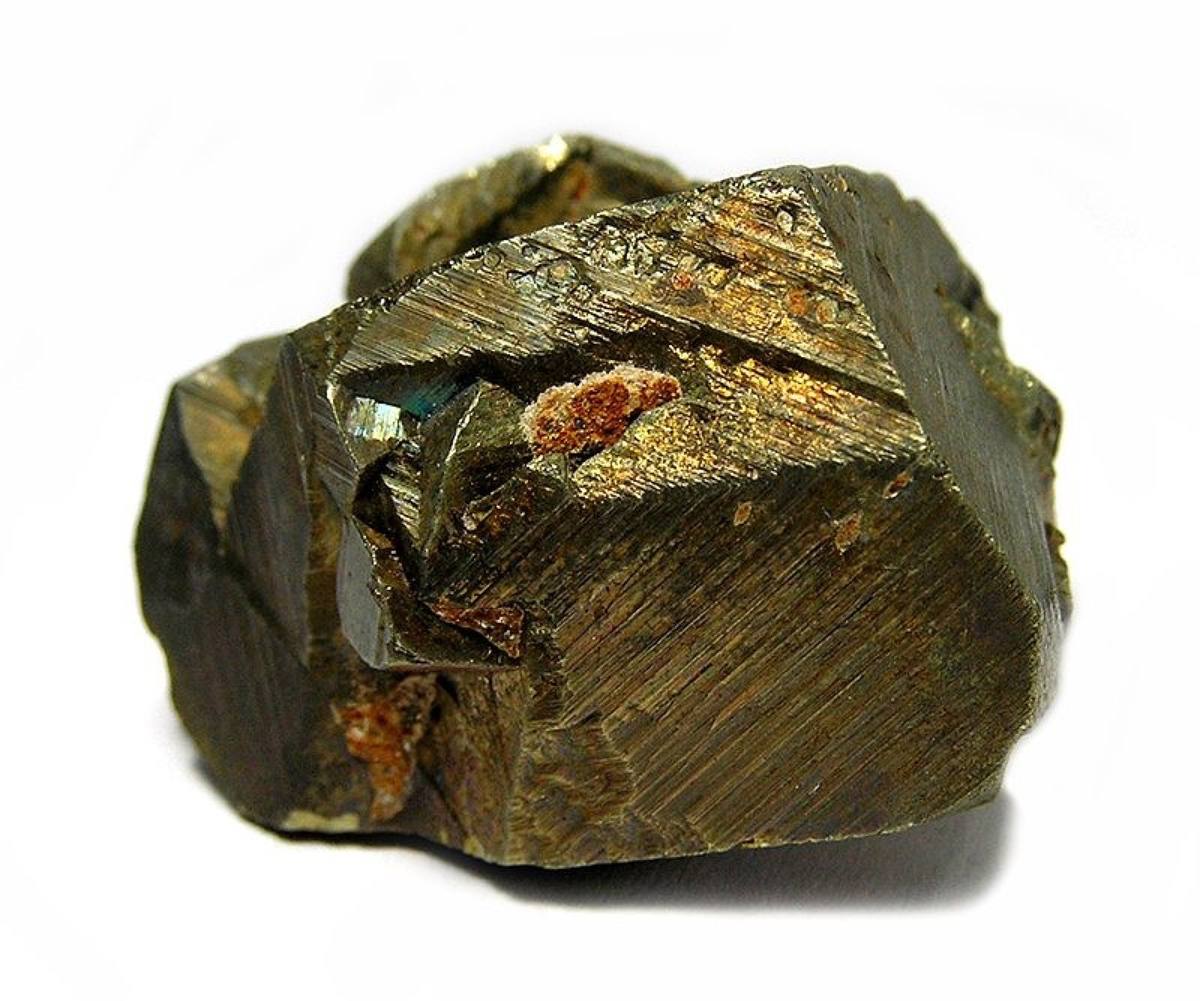
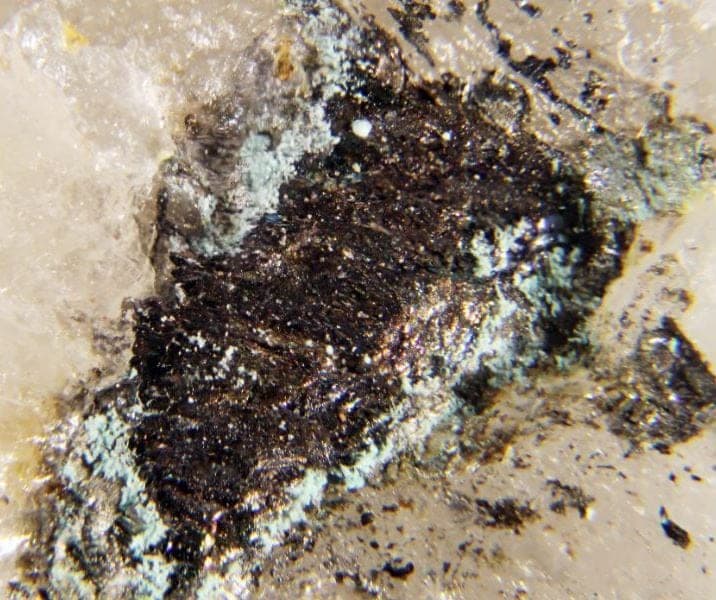
All properties
- Chemical formula
- PbCuBi₁₁S₁₈
- Mohs hardness
- 2-3
- Density
- 6.8 g/cm³
- Colors
- Streak
- Lead-gray
- Luster
- Metallic
- Transparency
- Opaque
- Crystal system
- Orthorhombic
- Crystal habit
- Acicular to prismatic crystals, often as fine needles or radial aggregates
- Cleavage
- {010}, good
- Rarity
- Rare
- Uses
- Collector
- Host rock
- In magnetite pipes that cut felsic sediments and pyroclastics; the pipes are probably hydrothermal replacements associated with volcanism (Juno mine, Australia)
Where rockhounds find pekoite
Classic worldwide localities
- Germania Consolidated mine, Fruitland, Stevens Co., Washington, USA
- Comstock mine, Dos Cabezas Mountains, Cochise Co., Arizona, USA
- Juno mine, Tennant Creek, Northern Territory, Australia (type locality)
- Found near Narechen Basni, southern Rhodope Mountains, and at the Svishti Plaz gold deposit, Balkan Mountains, Bulgaria
- Kochbulak gold deposit, Chatkal-Kuramin Mountains, eastern Uzbekistan
- Funiushan copper skarn deposit, near Nanjing, Jiangsu Province, China
Field-hunting tip
Where it forms: In magnetite pipes that cut felsic sediments and pyroclastics; the pipes are probably hydrothermal replacements associated with volcanism (Juno mine, Australia). If you start seeing gladite, junoite, emplectite in float, you are in the right ground. Typical habit: acicular to prismatic crystals, often as fine needles or radial aggregates. Train your eye for that shape before scanning the outcrop.
Common questions
How do you identify pekoite?+
Where is pekoite found?+
Is pekoite safe to handle?+
What rocks look like pekoite?+
What minerals are found with pekoite?+
What kind of rock does pekoite form in?+
What is pekoite used for?+
Find pekoite on the map
RockHoundR shows mapped rockhounding spots, access rules, and lets you log every find.

