
Peridot is the gem-quality variety of the mineral forsterite-fayalite. It is prized for its signature 'olive green' color and is often found as small, rounded grains in volcanic rocks or as well-formed prismatic crystals in pockets.
Spotting peridot in the field
Field marks- 1
Distinctive olive to bottle green, always green, never any other color
- 2
Glassy, transparent grains and small crystals in dark volcanic rock
- 3
Often occurs as loose grains weathering out of basalt, or in mantle nodules
Peridot is gem olivine, and its narrow color range makes it one of the easier gems to identify: if it is a different green, it is a different mineral. It comes to the surface in basalt that carried mantle material up, and the two great American localities are Peridot Mesa in Arizona and the Kilbourne Hole maar in New Mexico. At both, look for green grains in dark olivine-rich nodules weathering out of the basalt, and screen the loose soil below outcrops.
Before you collect
Peridot Mesa is tribal land. Collecting requires tribal permission and the mining rights are held by tribal members. Do not treat it as open public ground. Kilbourne Hole in New Mexico is the BLM alternative and is open.
Straight answers
- Is it worth cutting?
- Facets well but is soft enough at 6.5 to 7 to scratch in a ring worn daily. Strong double refraction makes back facets appear doubled, which is a useful identification feature.
- What is it really worth?
- Inexpensive to moderate. Larger clean stones with rich color are worth considerably more, and Arizona has supplied a large share of the world's commercial peridot.
- Can you legally keep it?
- Peridot Mesa is on the San Carlos Apache Reservation and collecting there is controlled by the tribe, not by federal rockhounding rules. Kilbourne Hole is BLM land open to personal-use collecting.
Where it is worth going
- Kilbourne HoleDoña Ana County, New Mexico
A volcanic maar on BLM land with olivine-bearing mantle nodules. Open to personal-use collecting.
Often confused with
Peridot vs. its common look-alikes, and how to tell them apart in the field.
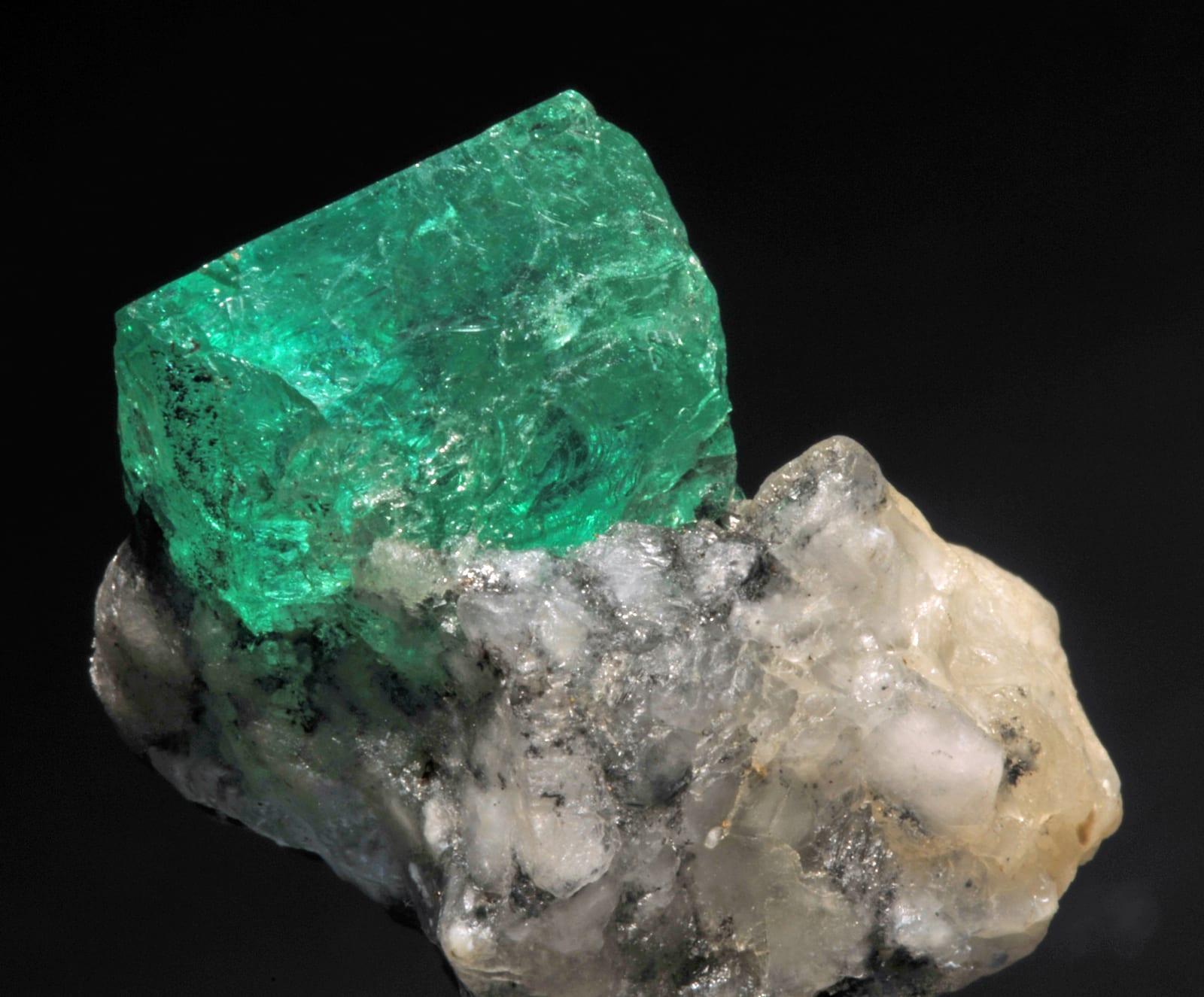
How to tell apart: Peridot is a yellowish olive green; emerald is a bluer, deeper green. Peridot is also softer at 6.5 to 7 and shows strong doubling of back facets.
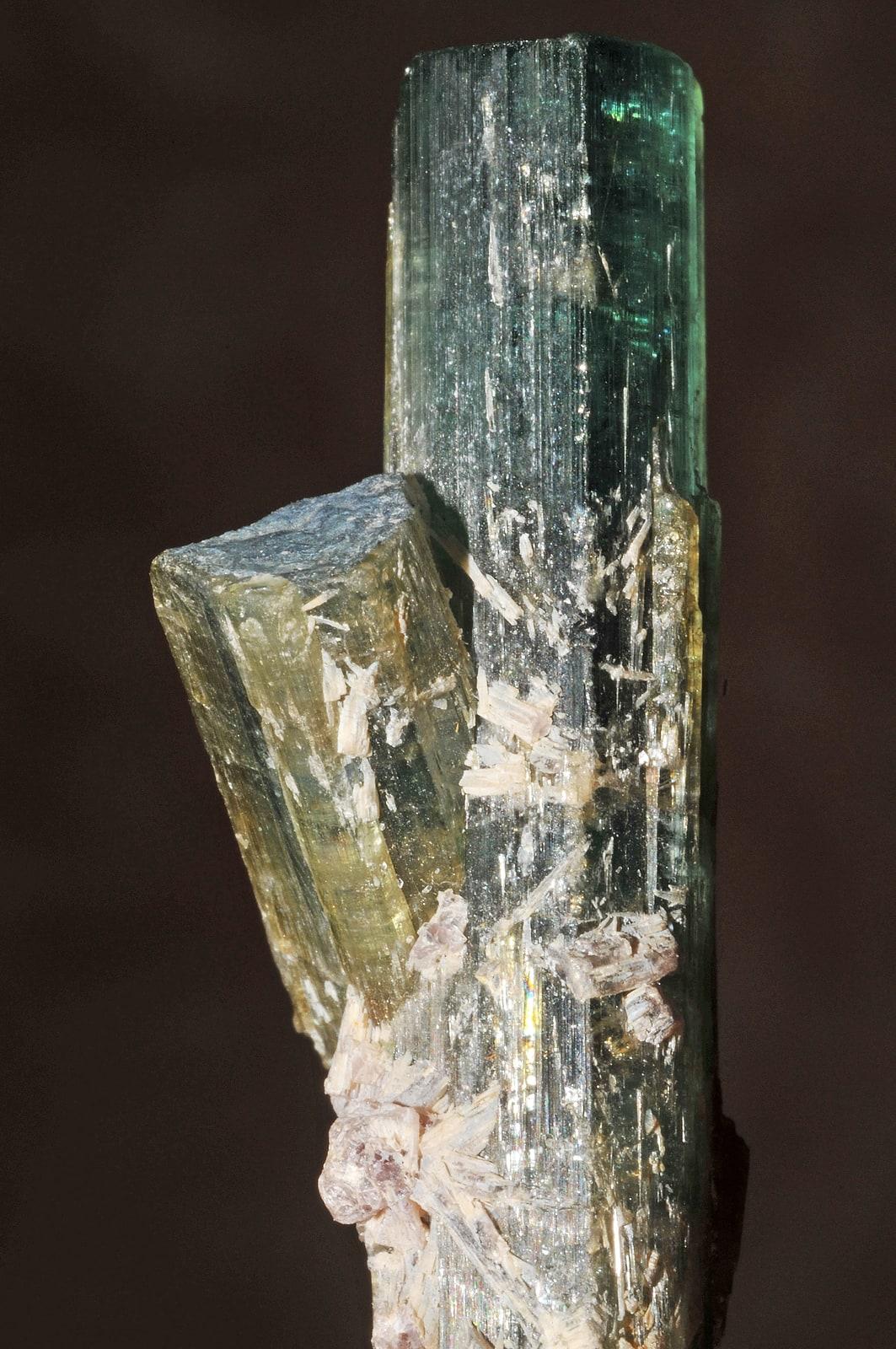
How to tell apart: Tourmaline is harder and forms striated prisms with a triangular section. Peridot occurs as grains and blocky crystals.
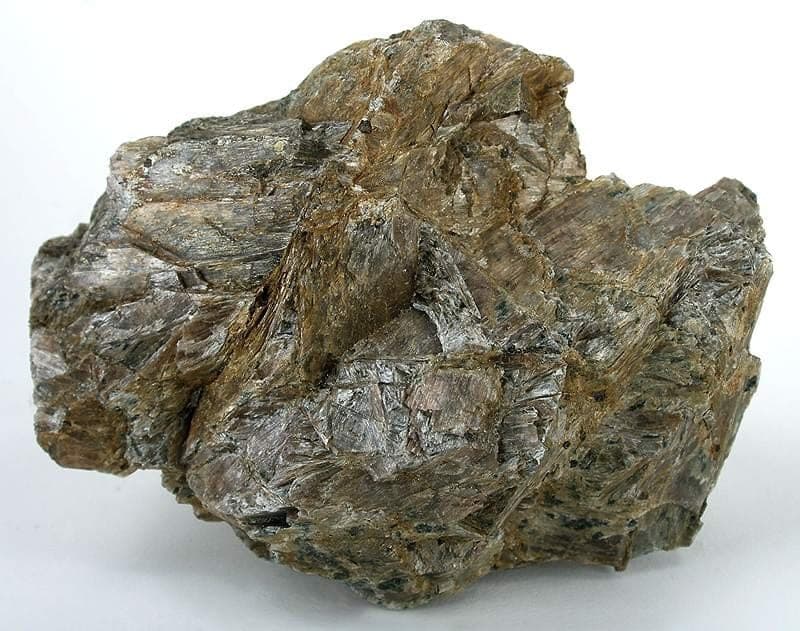
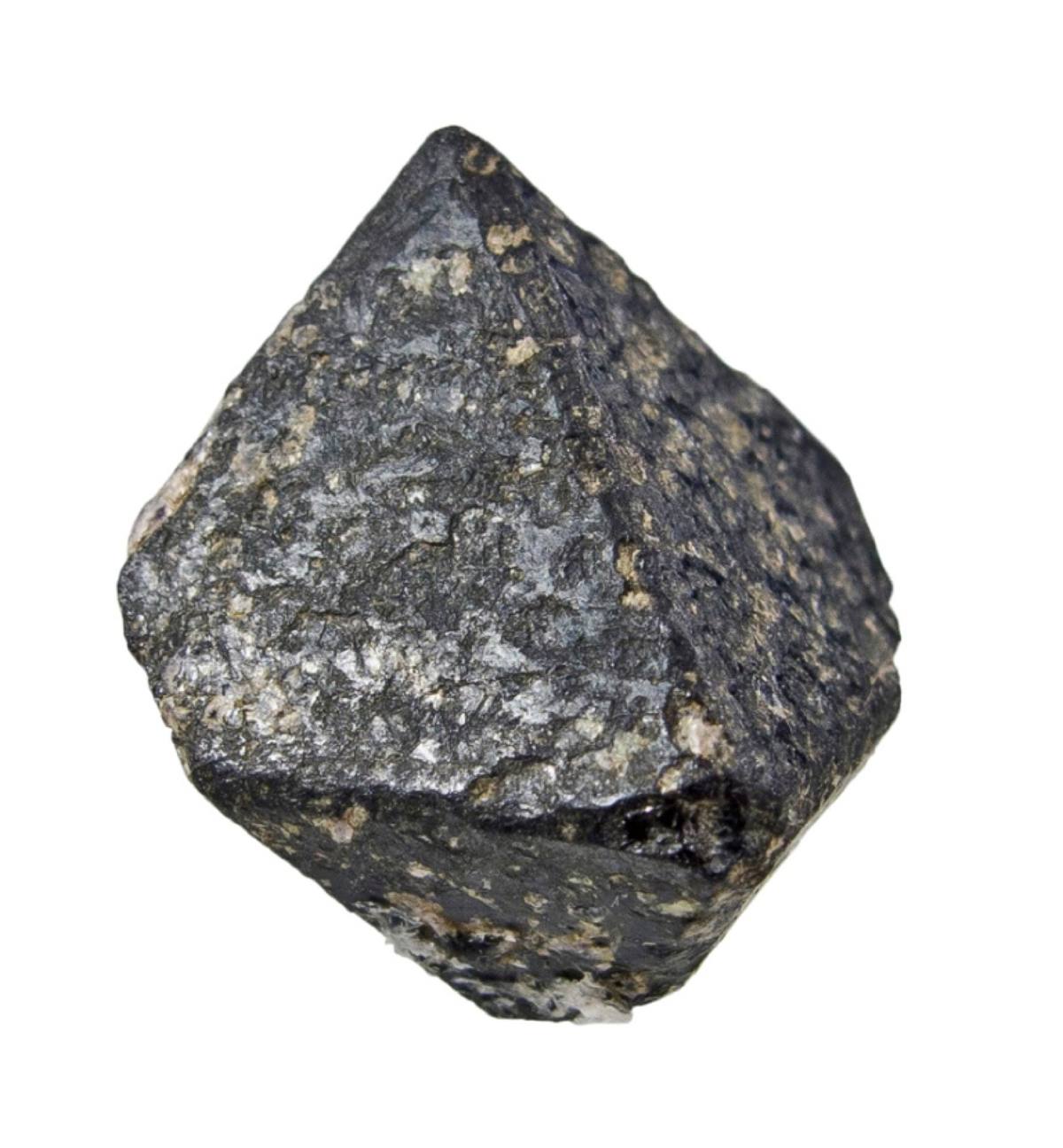
Often found alongside peridot
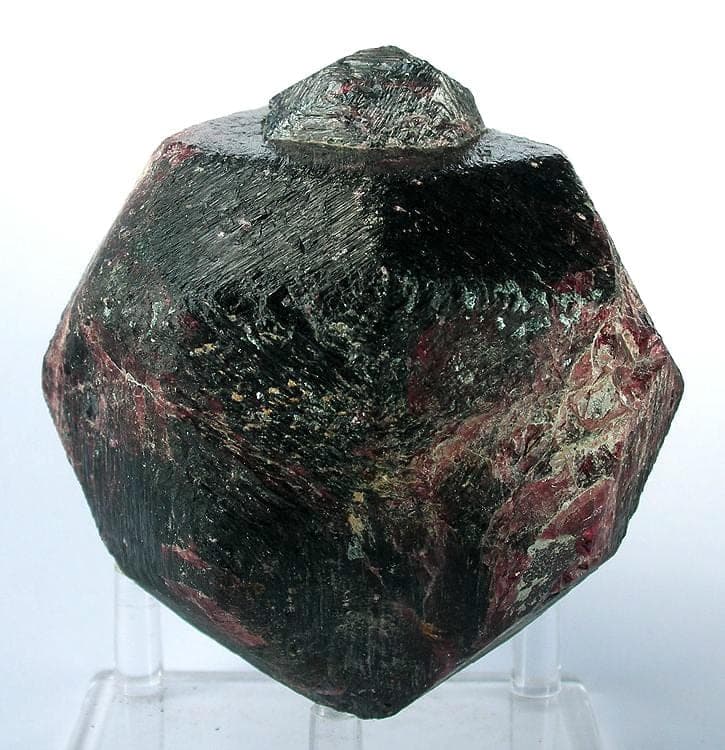
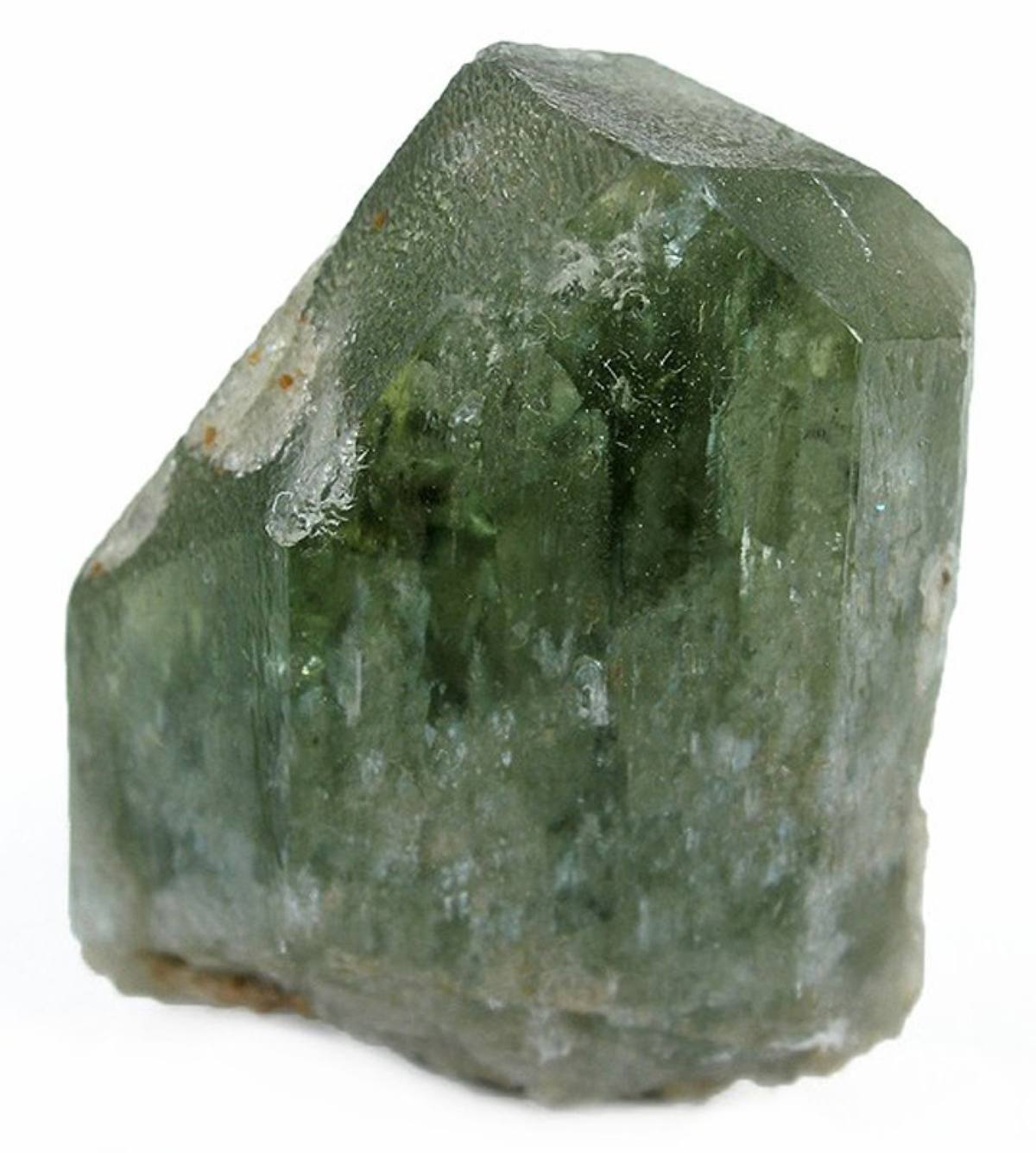
Minerals reported to co-occur with peridot. Spotting these in float or country rock is a strong cue you are in the right ground.
All properties
- Chemical formula
- (Mg,Fe)₂SiO₄
- Mohs hardness
- 6.5-7
- Density
- 3.2-4.4 g/cm³
- Colors
- Streak
- Colorless
- Luster
- Vitreous
- Transparency
- Transparent
- Crystal system
- Orthorhombic
- Crystal habit
- Prismatic crystals, granular, massive
- Cleavage
- Poor
- Rarity
- Common
- Uses
- Gemstone, Lapidary, Collector
- Host rock
- basaltic lavas, peridotite xenoliths, ultramafic rocks
Where rockhounds find peridot
4 mapped spotsClassic worldwide localities
- Arizona, USA
- Zabargad Island, Egypt
- Pakistan
- Myanmar
- China
Field-hunting tip
Where it forms: basaltic lavas, peridotite xenoliths, ultramafic rocks. If you start seeing enstatite, chromite, pyrope in float, you are in the right ground. Typical habit: prismatic crystals, granular, massive. Train your eye for that shape before scanning the outcrop. In the U.S., the densest reported localities are in Wyoming, New Mexico, North Carolina. Start trip planning there.
Common questions
How do you identify peridot?+
Where is peridot found?+
Can I find peridot in the United States?+
What rocks look like peridot?+
What minerals are found with peridot?+
What kind of rock does peridot form in?+
What is peridot used for?+
Find peridot on the map
RockHoundR shows mapped rockhounding spots, access rules, and lets you log every find.

