
Petrified Palm Wood is a fossilized wood created when organic plant matter is replaced by silica, preserving the unique vascular structure of palm trees. Collectors prize specimens for their distinct 'starburst' or 'dot' patterns visible in cross-sections, which represent the original palm fiber bundles. It is a favorite for lapidary enthusiasts due to its ability to take a high polish.
Spotting petrified palm wood in the field
Field marks- 1
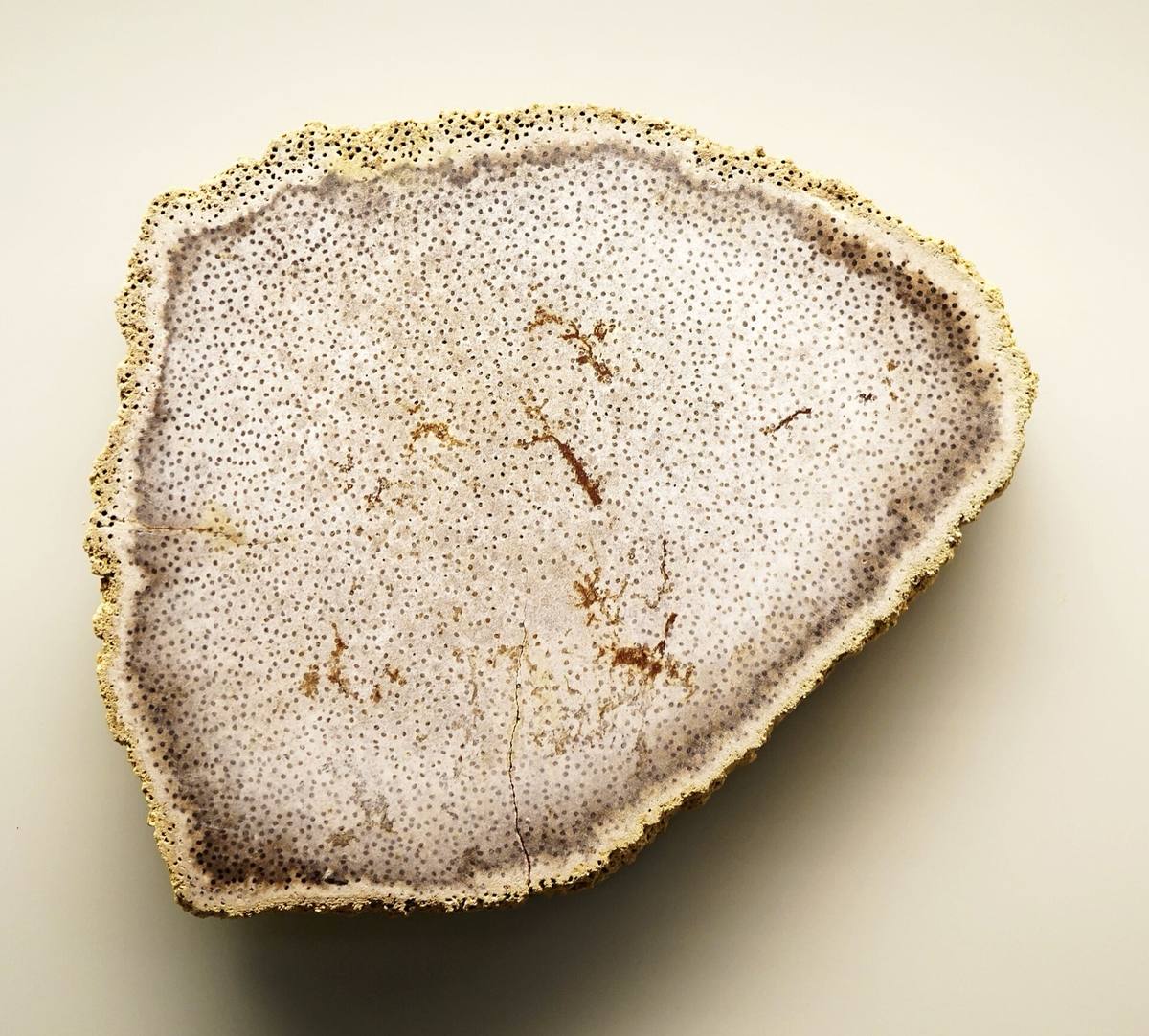
Rows of dark dots or short rods rather than growth rings
- 2
The dots are vascular bundles, and their pattern is unlike any other wood
- 3
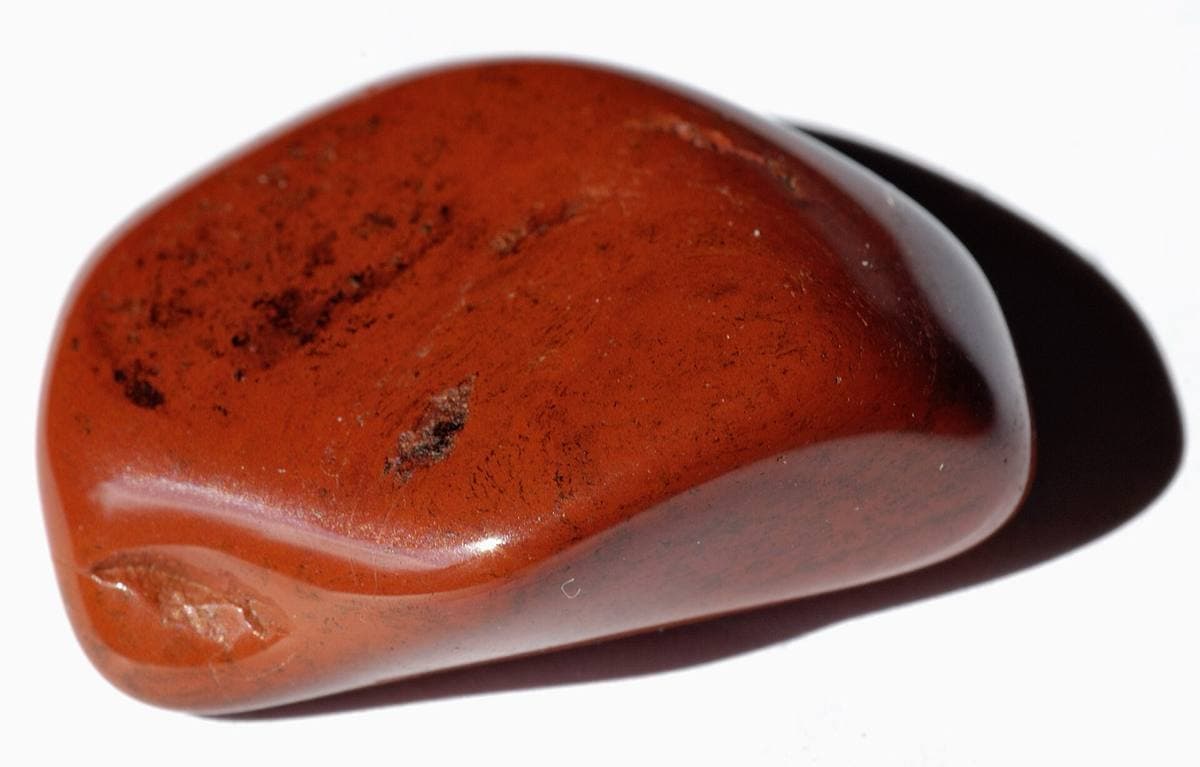
Usually brown to grey, dense, takes a good polish
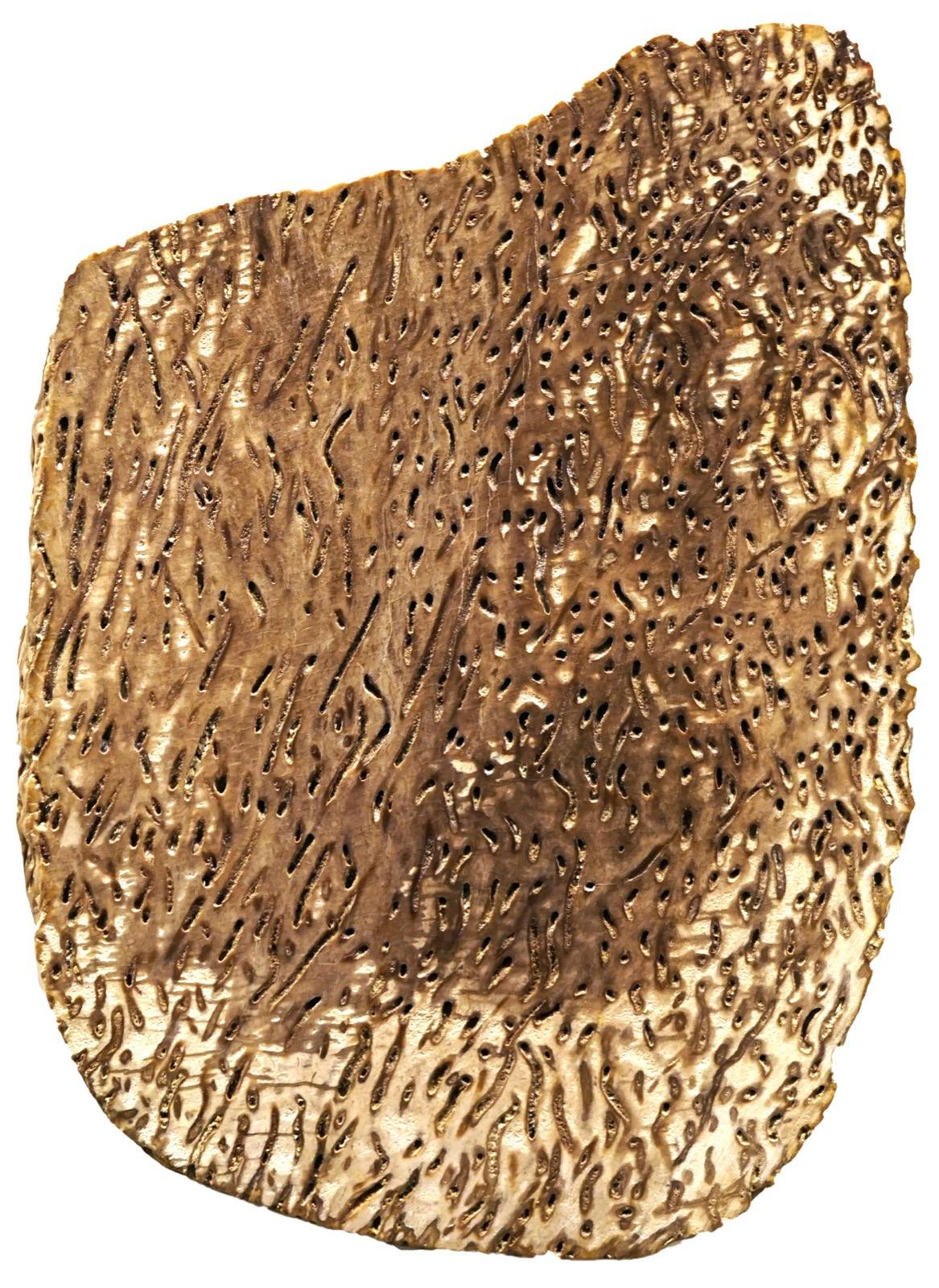
Palms are monocots and do not make annual rings, so petrified palm wood shows scattered rod-like vascular bundles instead. Cut across, they read as spots; cut lengthwise, as lines and streaks. That spotted end grain is completely diagnostic and no other petrified wood does it. It is the state stone of Texas and also common in Louisiana, weathering out of Oligocene gravels and turning up in creek beds and gravel pits across the Gulf Coast plain.
Straight answers
- Is it worth cutting?
- Cut across the trunk for the classic spotted face. Quality varies a lot, and porous Gulf Coast material often needs stabilizing.
- What is it really worth?
- Inexpensive and plentiful. Well-silicified, high-contrast spotted material with a clean polish is the part worth paying for.
- Can you legally keep it?
- Texas and Louisiana material is overwhelmingly on private land, so permission is the operative requirement. On federal land the standard petrified wood limits apply.
Where it is worth going
- Texas Gulf CoastCreek gravels and pits across southeast Texas
The Texas state stone. Mostly private land, so ask first.
Often confused with
Petrified Palm Wood vs. its common look-alikes, and how to tell them apart in the field.
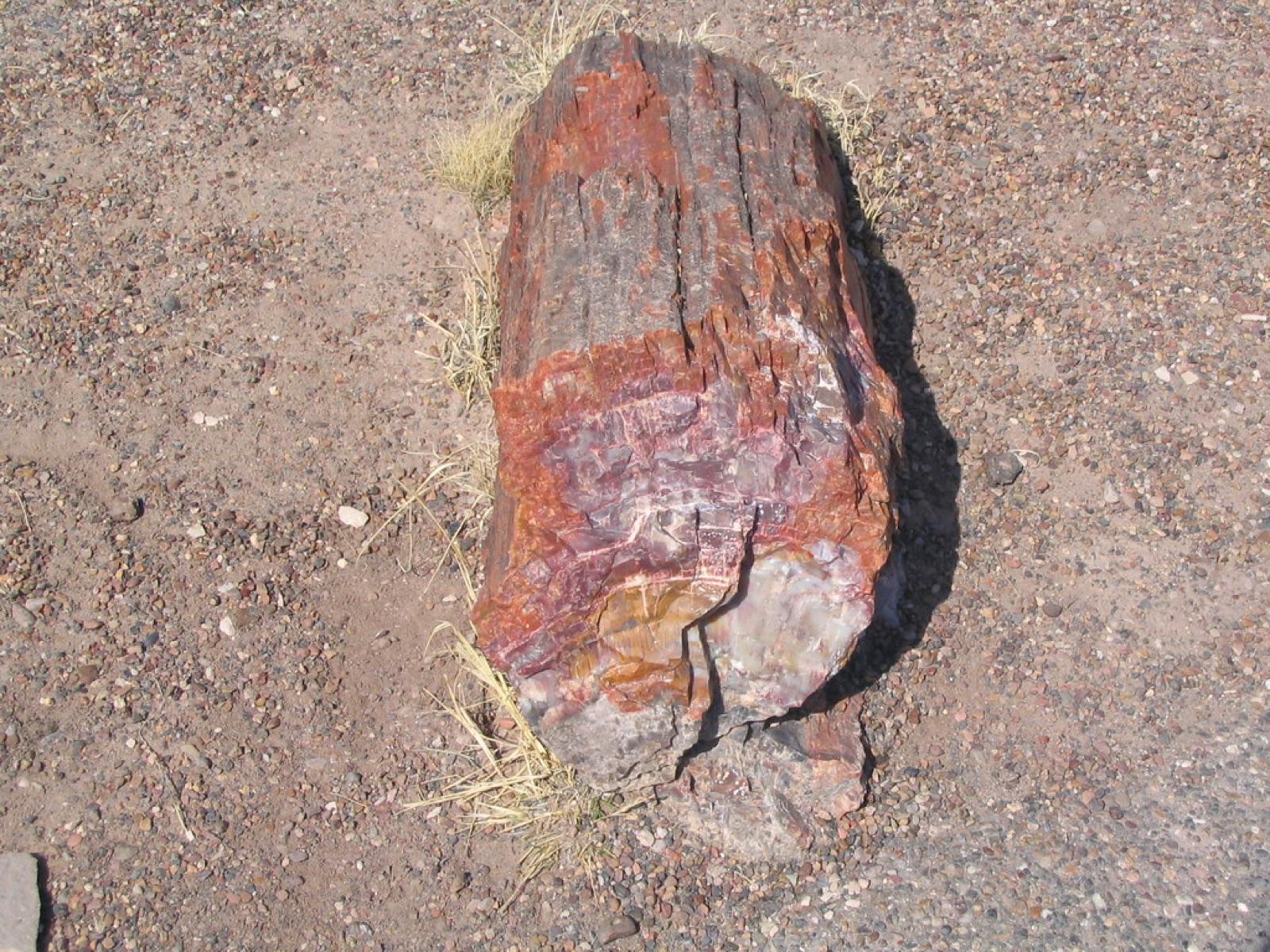
How to tell apart: Conifer and hardwood petrified wood shows concentric growth rings. Palm shows scattered dots with no ring structure at all.
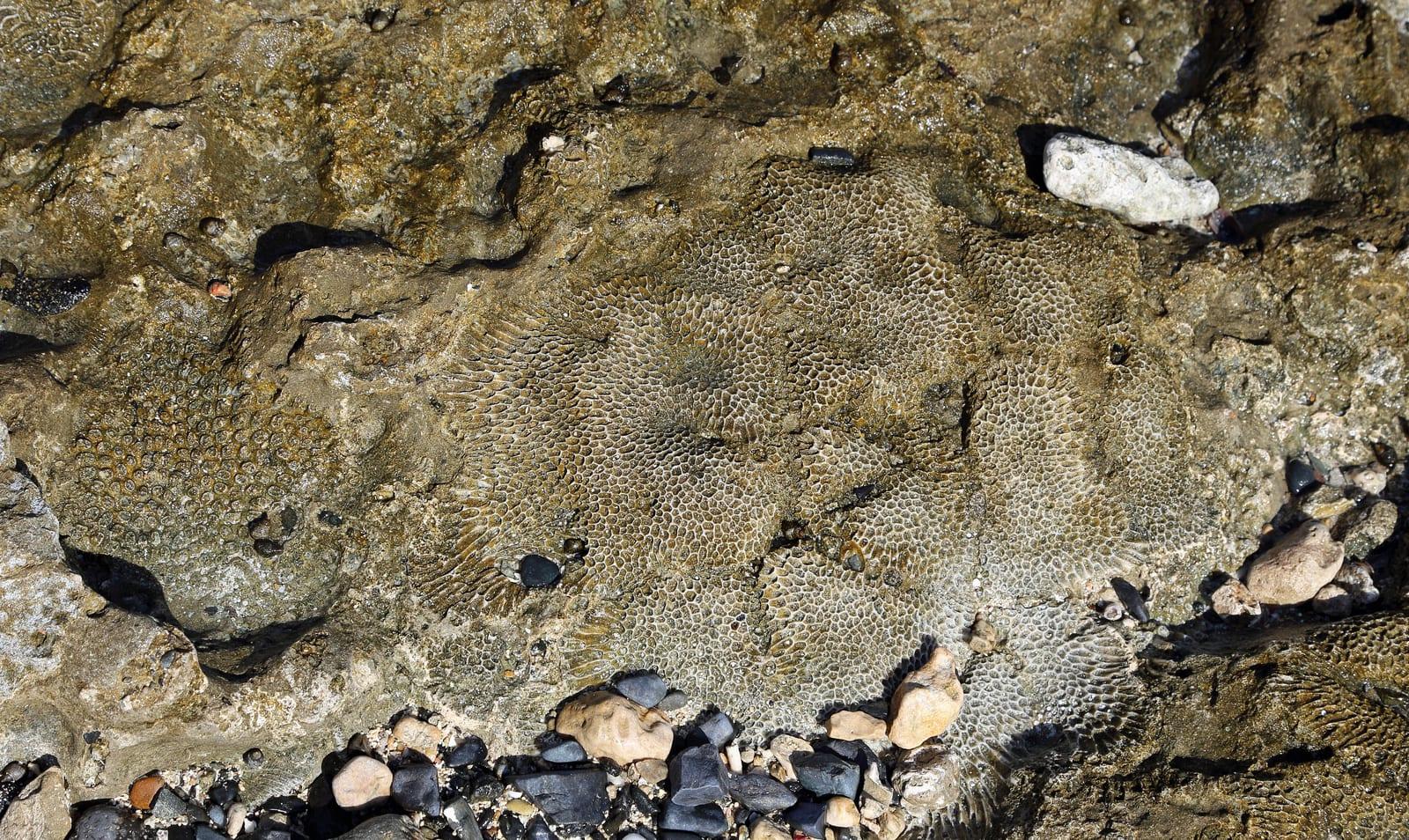
How to tell apart: Corallites in fossil coral are hollow tubes with internal walls and septa. Palm rods are solid and irregularly scattered.
Often found alongside petrified palm wood
Minerals reported to co-occur with petrified palm wood. Spotting these in float or country rock is a strong cue you are in the right ground.
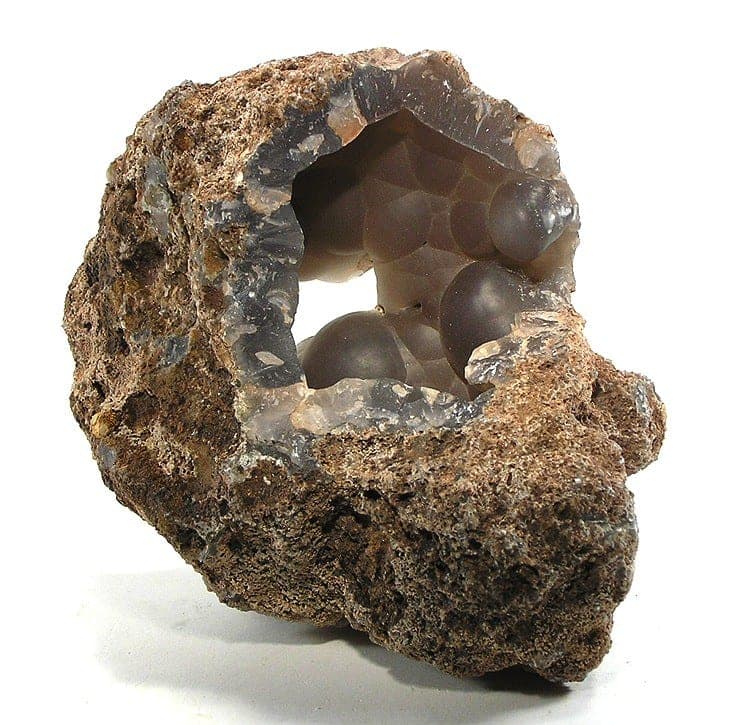
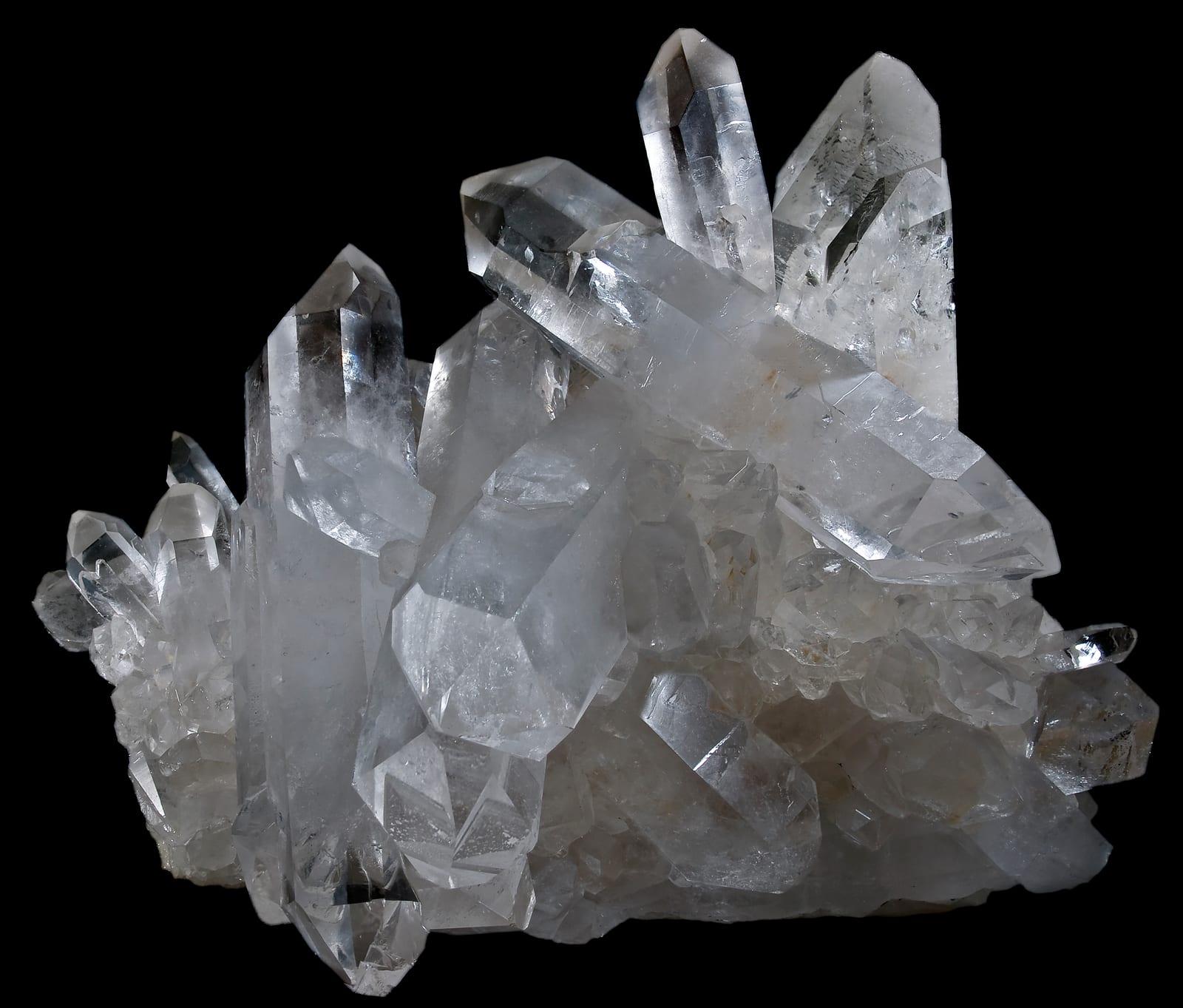
All properties
- Mohs hardness
- 6.5-7
- Density
- 2.6-2.7 g/cm³
- Luster
- Vitreous to waxy
- Transparency
- Opaque
- Rarity
- Common
- Uses
- Lapidary, Decorative, Collector
- Host rock
- sedimentary deposits
- Organism
- Extinct palm (genus Palmoxylon)
- Age
- Late Cretaceous to Miocene (about 84.9 to 11.6 million years ago)
- Preservation
- Replaced by silica, with prominent rod-like structures
Where rockhounds find petrified palm wood
10 mapped spotsClassic worldwide localities
- Louisiana, USA
- Texas, USA
- Arizona, USA
- Brazil
Field-hunting tip
Where it forms: sedimentary deposits. If you start seeing chalcedony, quartz, jasper in float, you are in the right ground. In the U.S., the densest reported localities are in Texas, Louisiana, Mississippi. Start trip planning there.
More petrified palm wood photos
Common questions
How do you identify petrified palm wood?+
Where is petrified palm wood found?+
Can I find petrified palm wood in the United States?+
What rocks look like petrified palm wood?+
What minerals are found with petrified palm wood?+
What kind of rock does petrified palm wood form in?+
What is petrified palm wood used for?+
Find petrified palm wood on the map
RockHoundR shows mapped rockhounding spots, access rules, and lets you log every find.

