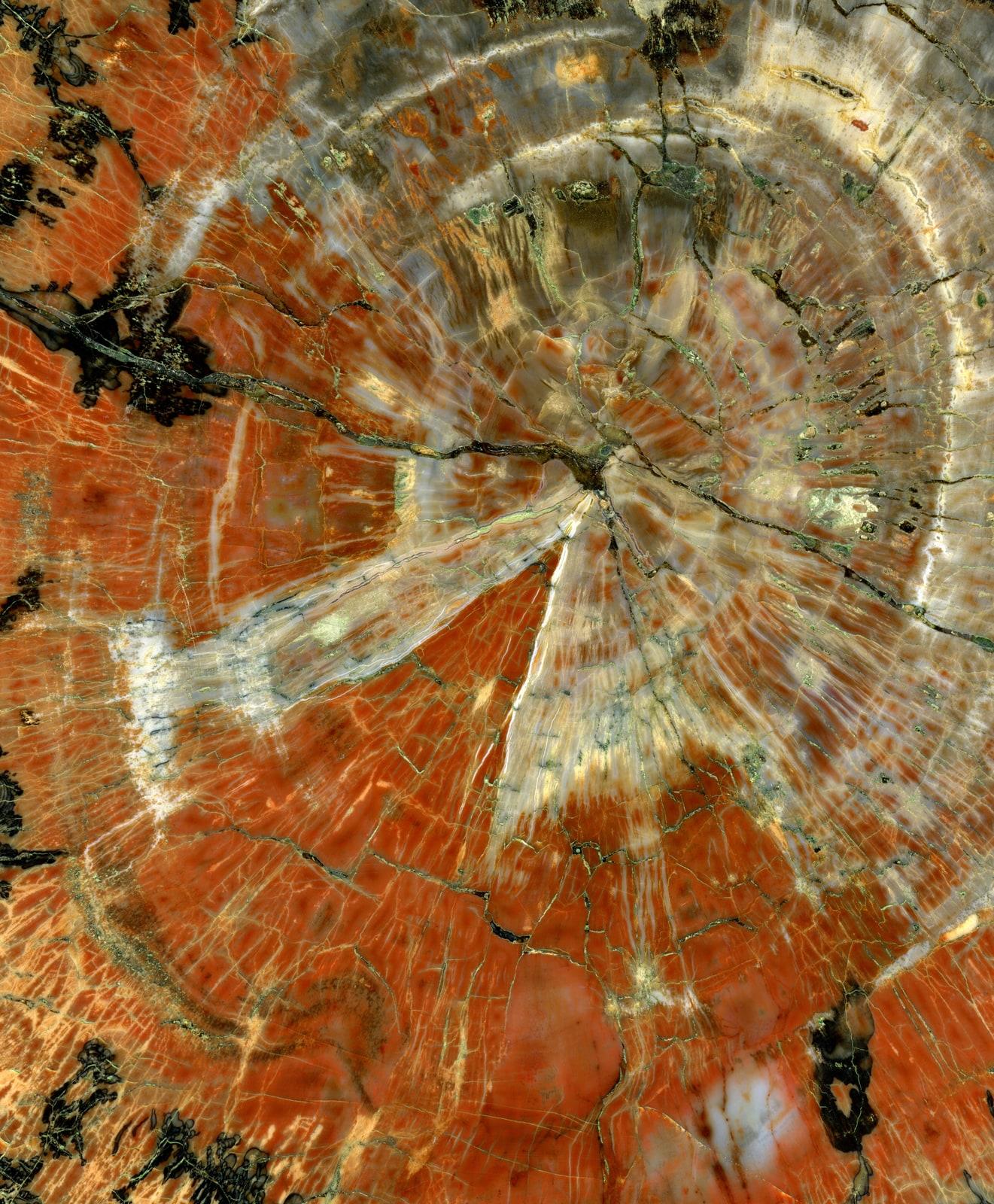
Petrified wood is a fossil formed when organic plant matter is buried under sediment and replaced by silica through permineralization. Collectors look for well-preserved growth rings, bark texture, and vibrant colors caused by mineral impurities like iron and manganese.
Spotting petrified wood in the field
Field marks- 1
Visible grain, growth rings or bark texture preserved in stone
- 2
Heavy for its size, and stone-cold rather than wood-warm to the touch
- 3
Breaks with conchoidal fracture across the grain, not splintering along it
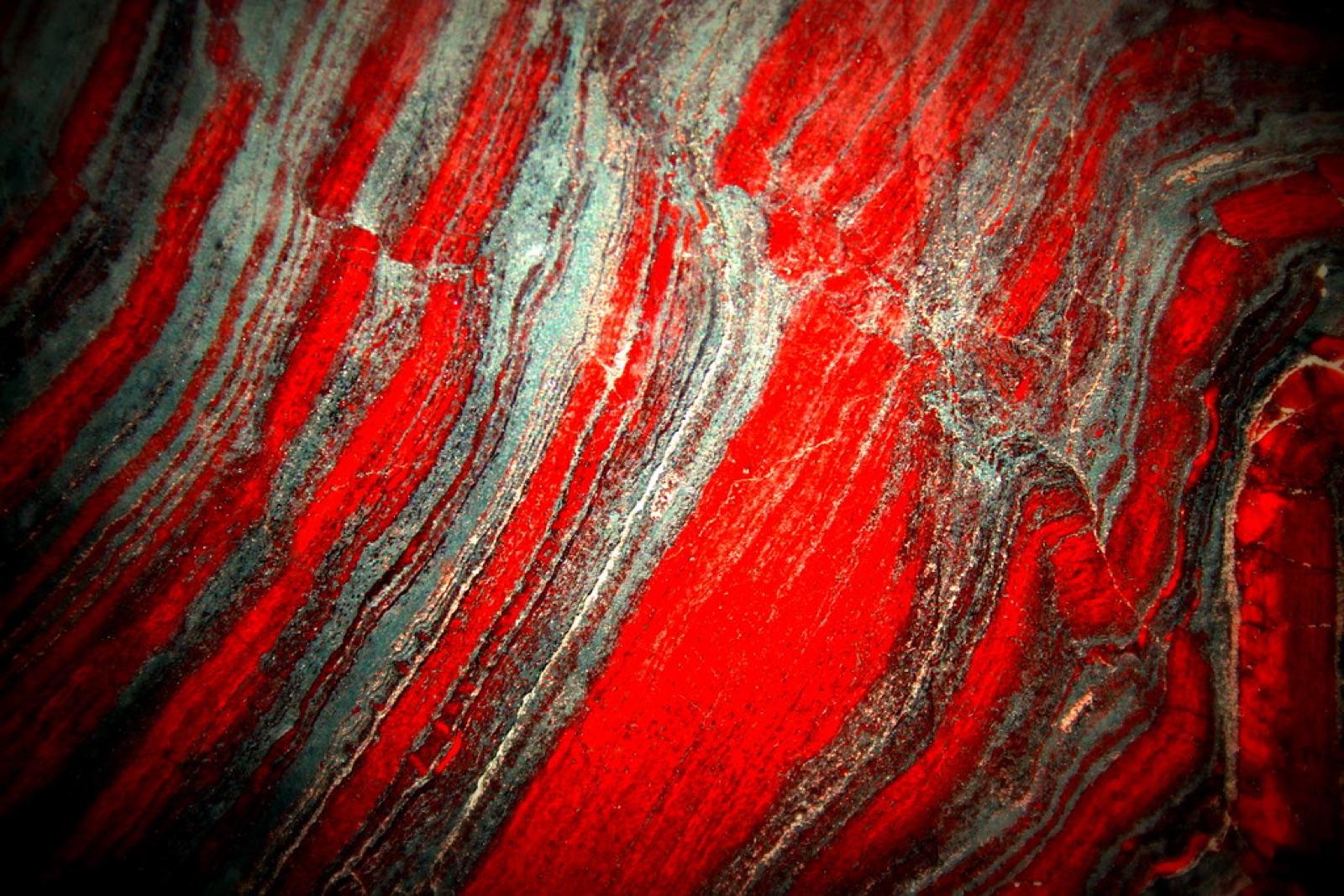
The giveaway is a piece that looks like a log but has the weight and ring of rock. Look at the end grain first, since rings and radial structure survive better than bark. Weathered exposures in badlands, road cuts and dry washes are the productive places, and desert varnish can disguise a beautiful piece as an ordinary brown rock, so check any broken face. Colors come from trace metals: red and yellow from iron, black from manganese and carbon, green rarely from chromium or copper.
Before you collect
Petrified Forest National Park is closed to collecting entirely, and this is enforced hard. Removing so much as a chip is a federal offense with real fines. BLM land outside the park boundary is open under the daily and annual limits, so a few hundred yards is the difference between a legal find and a citation.
Straight answers
- Is it worth cutting?
- Cut both ways. A cross-section shows rings and is the classic round face; a longitudinal cut shows the grain running the length of the slab. Porous or punky material needs stabilizing resin before it will hold a polish.
- What is it really worth?
- Common brown material is a few dollars a pound. Bright color, full rings, preserved bark, or limb sections with clean agate centers are where the value sits.
- Can you legally keep it?
- On BLM land, petrified wood has its own specific federal rule: up to 25 pounds plus one piece per person per day, capped at 250 pounds per year, for personal use only, and it may not be sold or bartered. Free-use collection cannot be done with power equipment or explosives.
Often confused with
Petrified Wood vs. its common look-alikes, and how to tell them apart in the field.
Often found alongside petrified wood
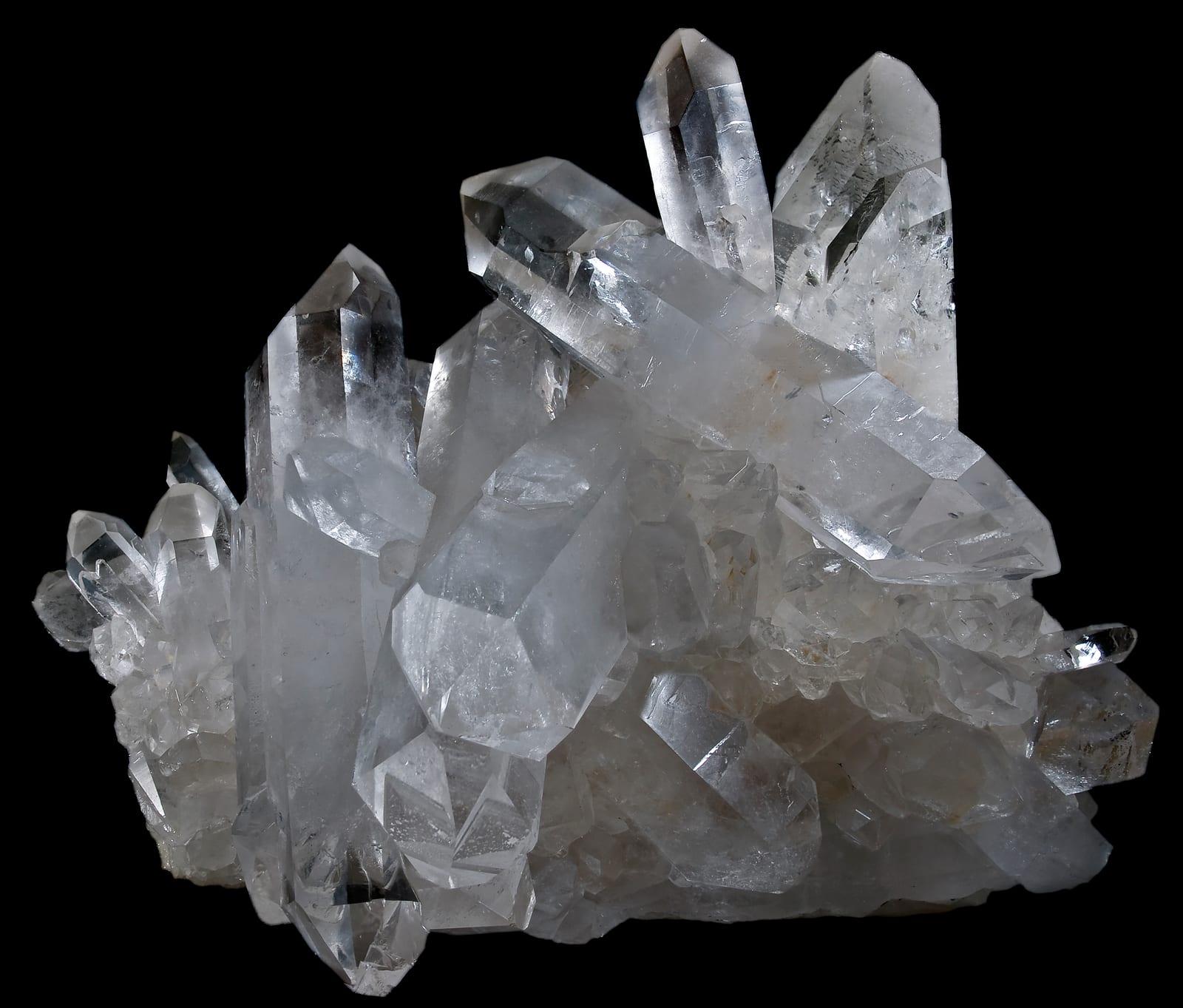
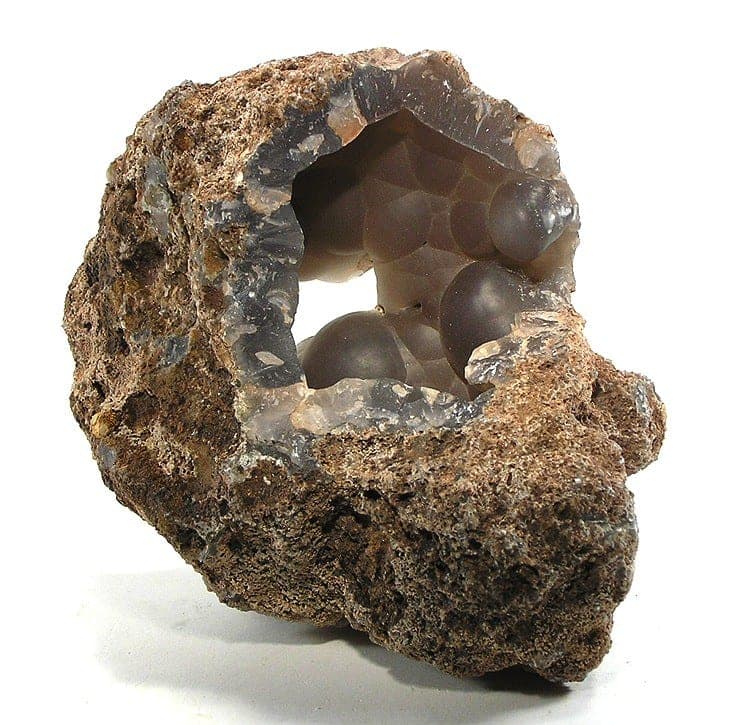
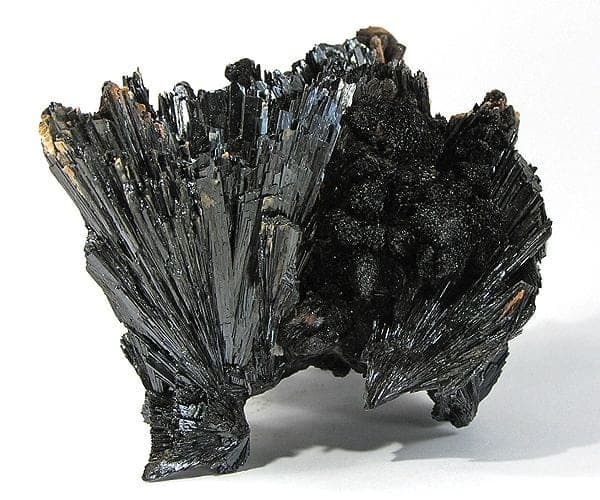
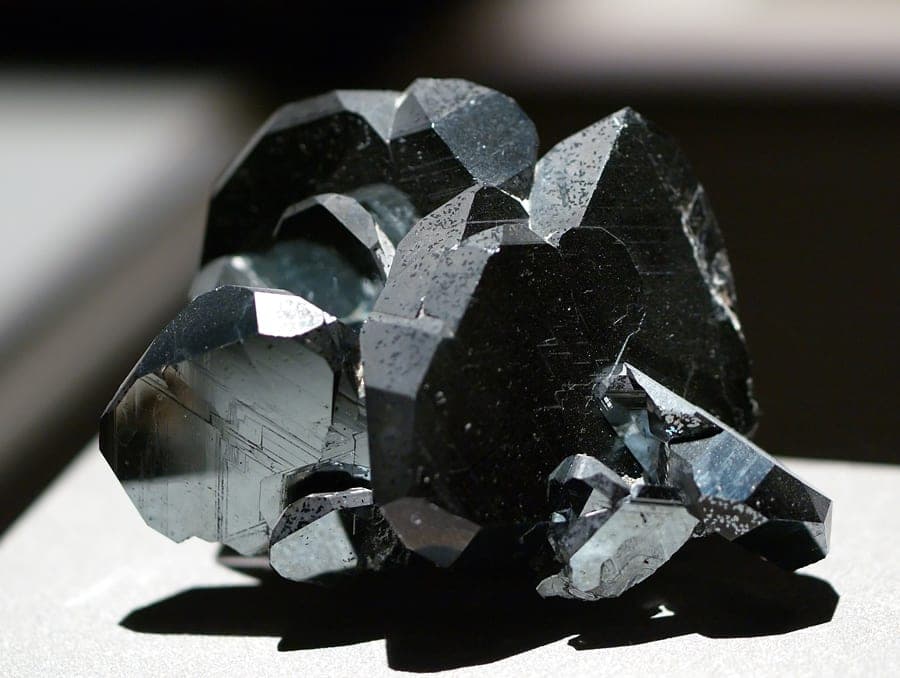
Minerals reported to co-occur with petrified wood. Spotting these in float or country rock is a strong cue you are in the right ground.
All properties
- Mohs hardness
- 6.5-7
- Density
- 2.6-2.7 g/cm³
- Streak
- White
- Luster
- Vitreous to waxy
- Transparency
- Opaque
- Rarity
- Common
- Uses
- Lapidary, Collector, Decorative
- Host rock
- sedimentary strata
- Organism
- Trees and tree-like plants
- Preservation
- Cell walls replicated by minerals, mostly silica as opal, chalcedony or quartz
Where rockhounds find petrified wood
244 mapped spotsClassic worldwide localities
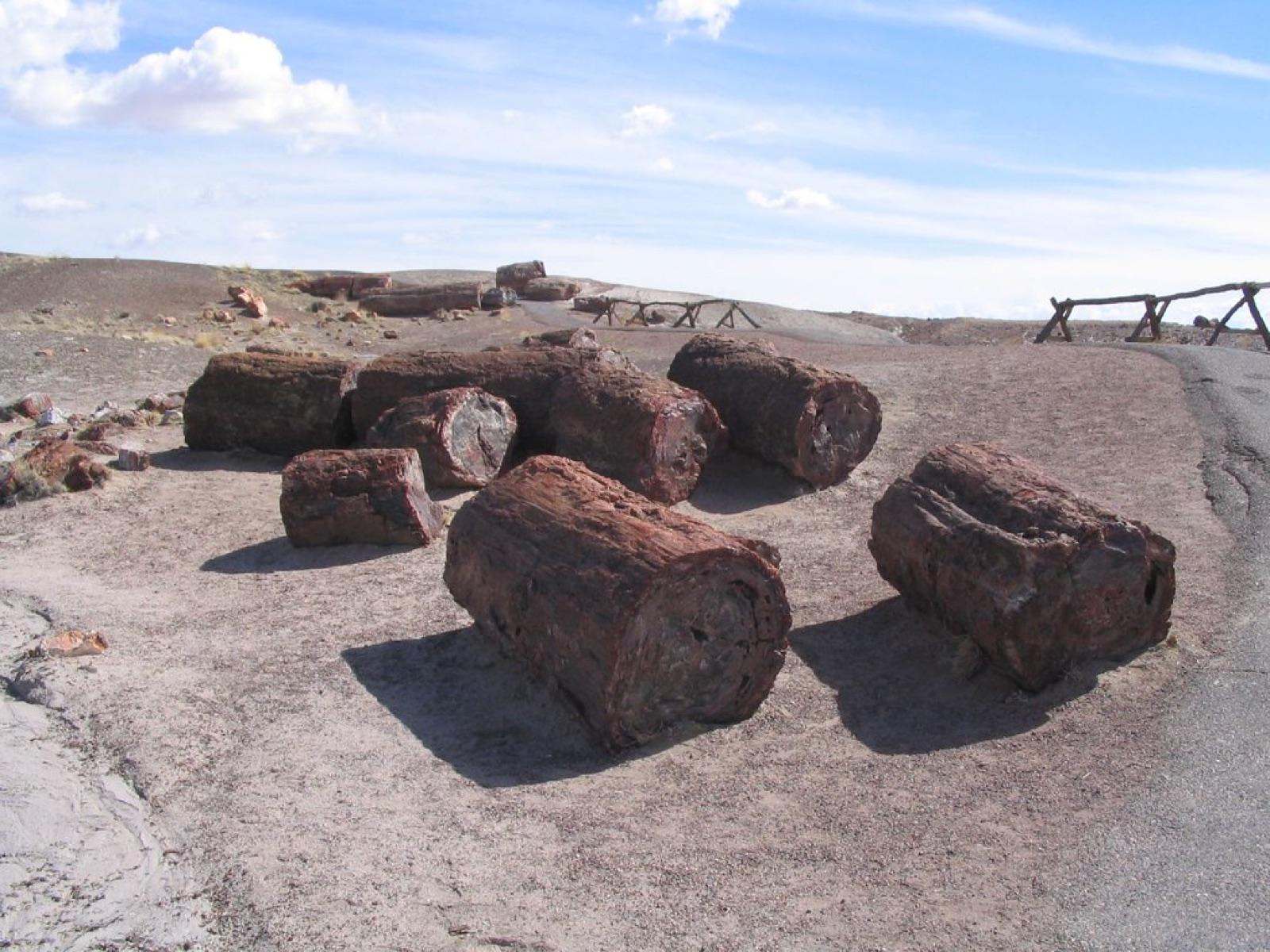
- Petrified Forest National Park, Arizona, USA
- Madagascar
- Argentina
- Greece
- Indonesia
U.S. states with petrified wood
Each link opens a state-specific list of mapped rockhounding spots that produce petrified wood.
- Oregon65 spots
- Montana15 spots
- Texas15 spots
- Kansas12 spots
- Utah12 spots
- Washington12 spots
- Nebraska10 spots
- Pennsylvania9 spots
Field-hunting tip
Where it forms: sedimentary strata. If you start seeing quartz, chalcedony, goethite in float, you are in the right ground. In the U.S., the densest reported localities are in Oregon, Montana, Texas. Start trip planning there.
More petrified wood photos
Common questions
How do you identify petrified wood?+
Where is petrified wood found?+
Can I find petrified wood in the United States?+
What rocks look like petrified wood?+
What minerals are found with petrified wood?+
What kind of rock does petrified wood form in?+
What is petrified wood used for?+
Find petrified wood on the map
RockHoundR shows mapped rockhounding spots, access rules, and lets you log every find.